
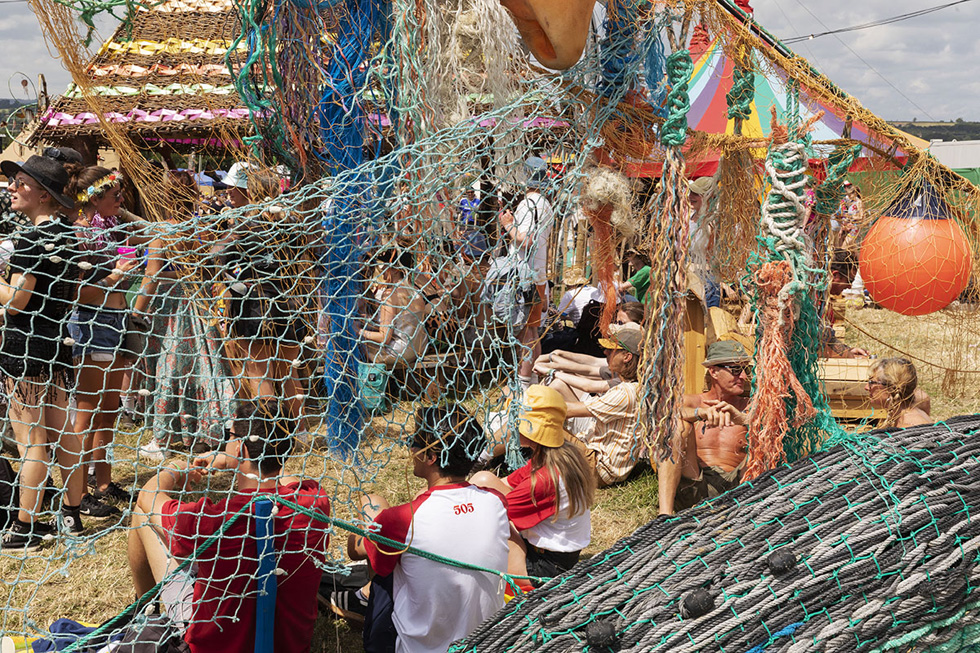
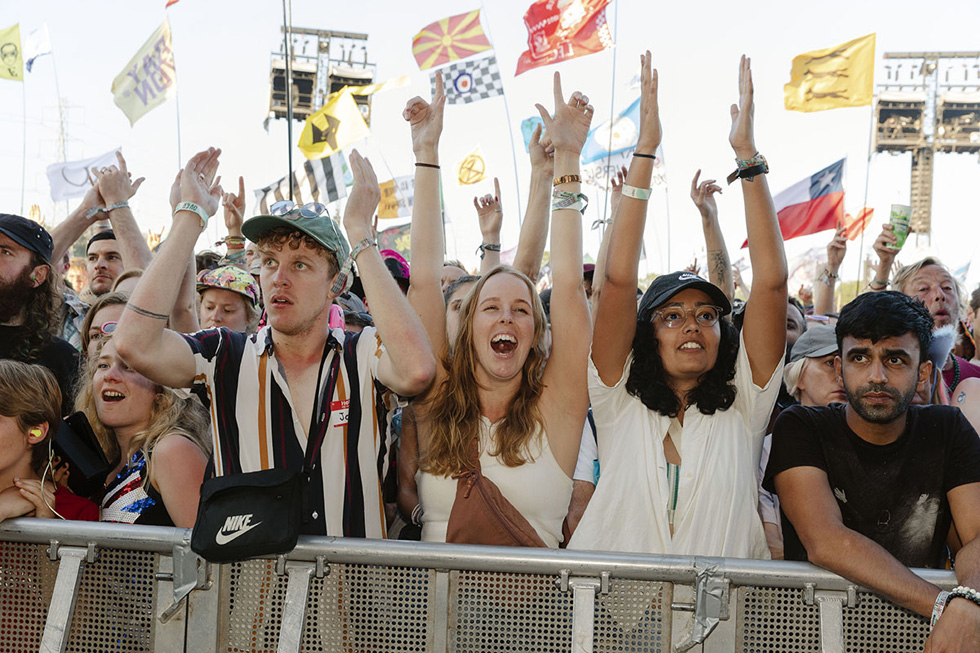
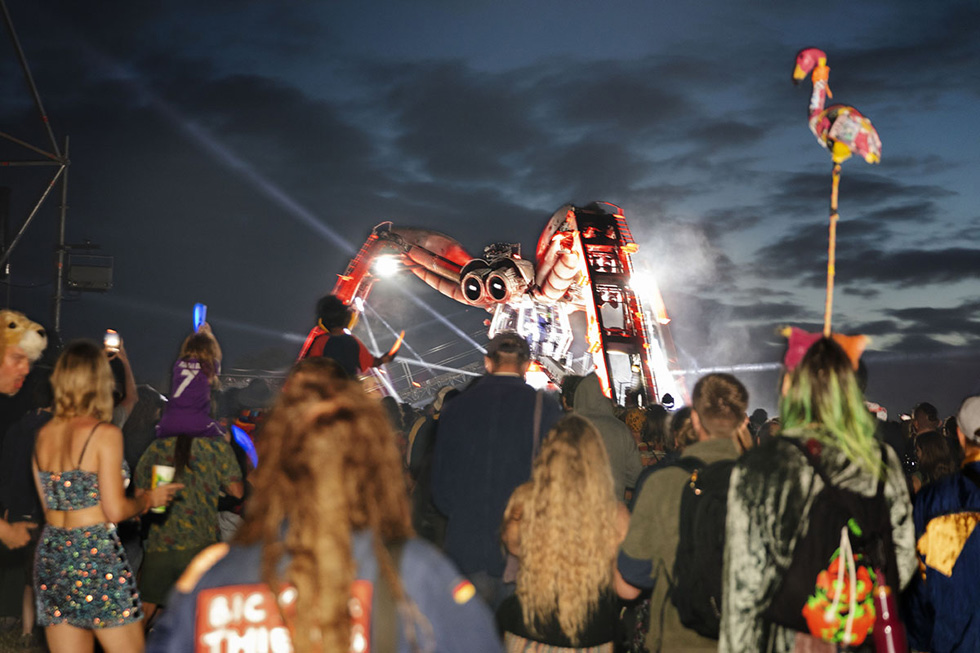
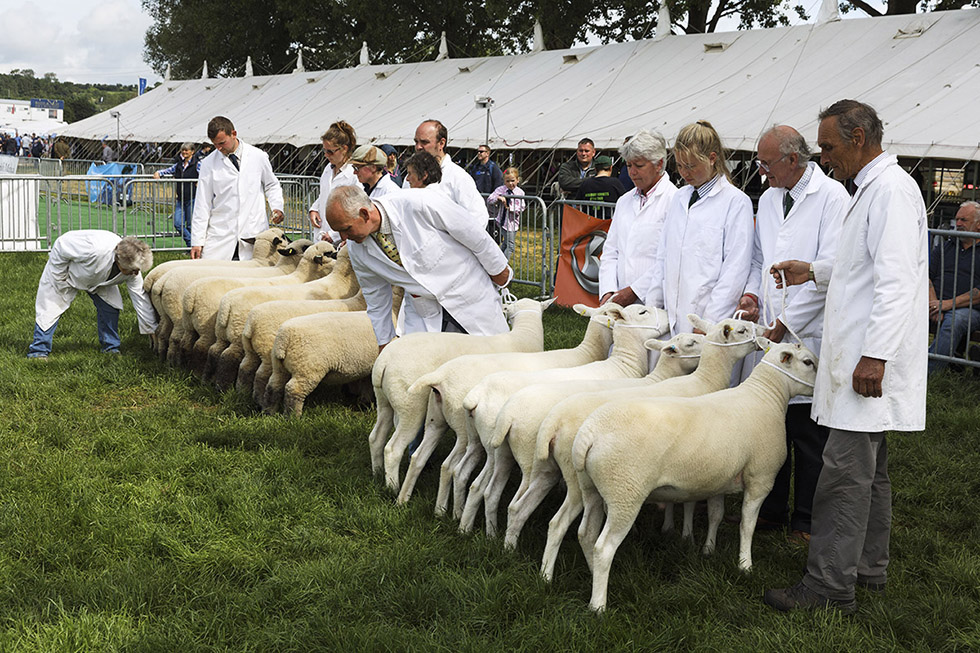
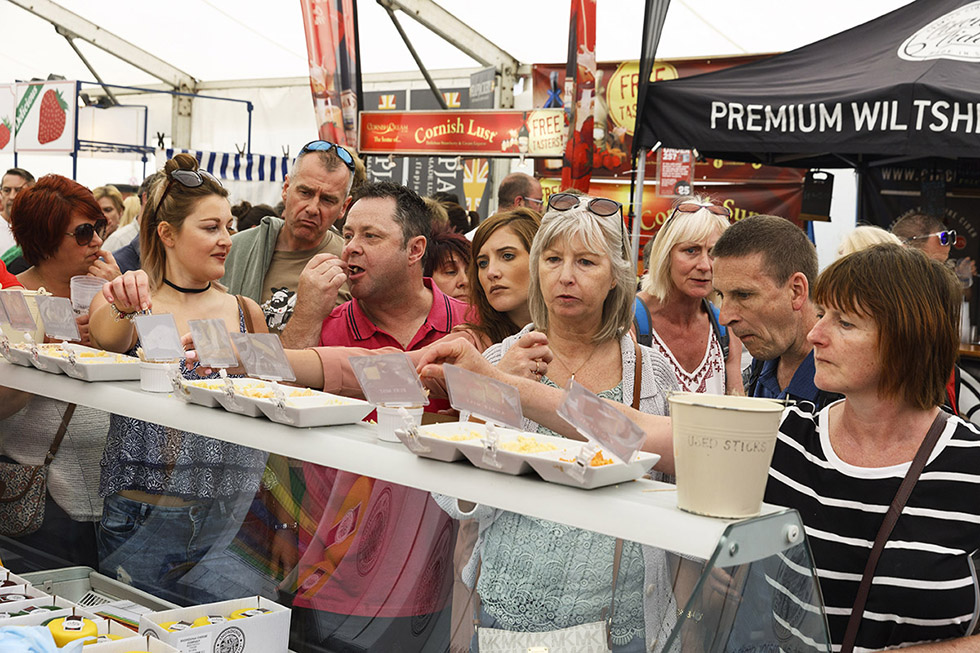
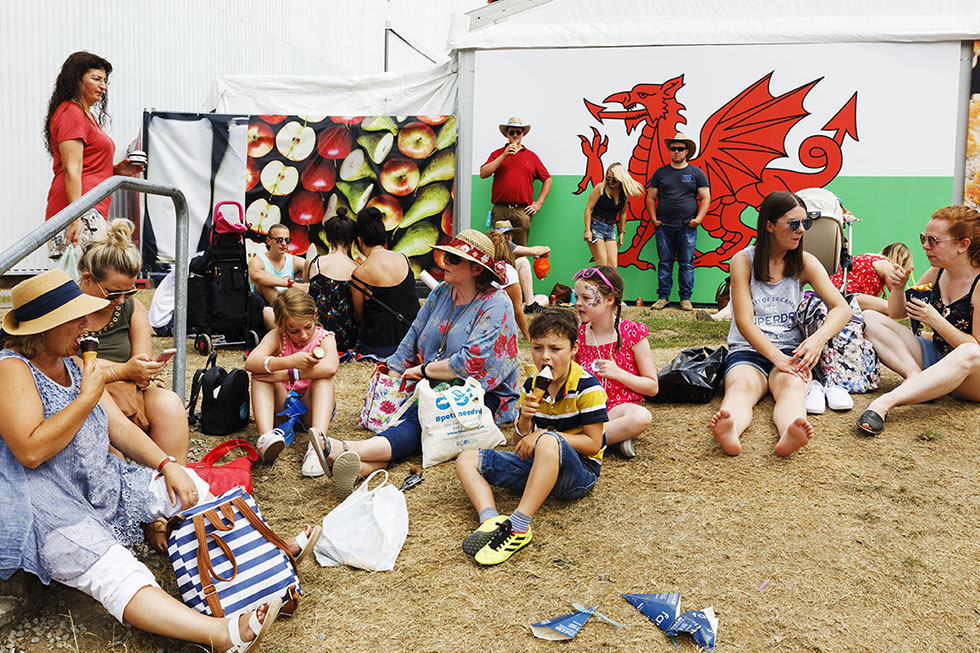
Martin Parr was born in Epsom, Surrey, in 1952 and developed an early interest in photography through his grandfather, an amateur photographer. He studied at Manchester Polytechnic from 1970 to 1973 and quickly moved into professional documentary work, starting with black-and-white images of rural communities and later switching to colour in the early 1980s. His breakthrough came with The Last Resort (1986), a series on New Brighton that established his reputation. He joined Magnum Photos as a full member in 1994, later serving as president, and settled in Bristol where he founded the Martin Parr Foundation. His images are instantly recognisable for their high saturation and direct flash that turns ordinary scenes into vivid, slightly exaggerated tableaux.
- Primary Genres: Documentary Photography
- Primary Photography Style: Straight photography with a satirical edge – candid, close-framed scenes shot with flash and elevated colour for a bold, critical look at leisure and consumer culture.
- Key Message: Parr used humour and heightened colour to examine modern life, class, tourism and consumption. He showed the quirks and excesses of everyday behaviour without heavy-handed messaging, letting viewers decide what to take from the images.
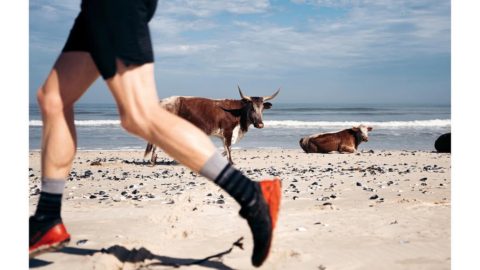
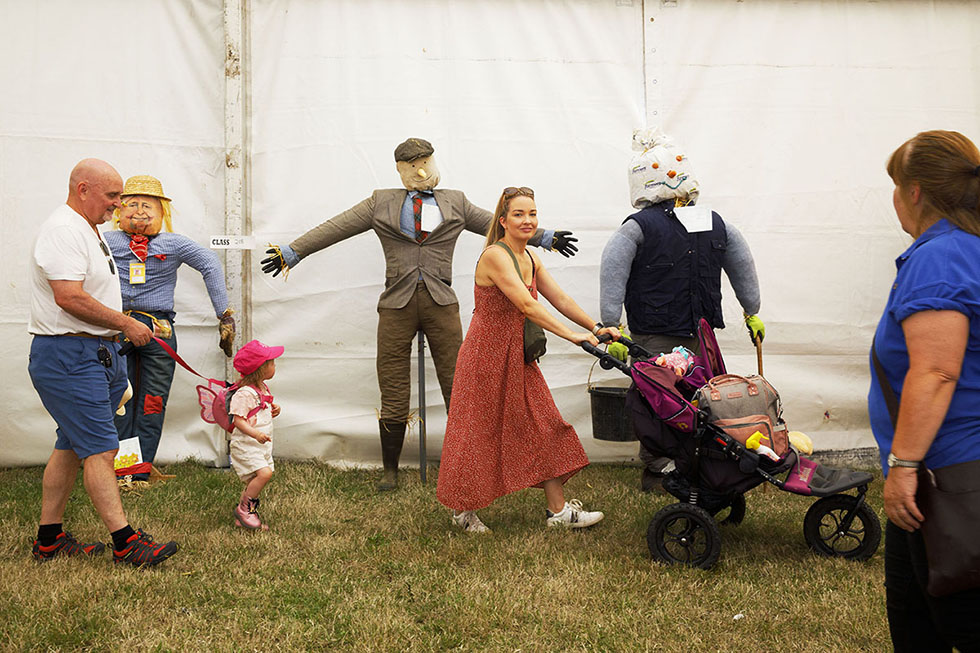
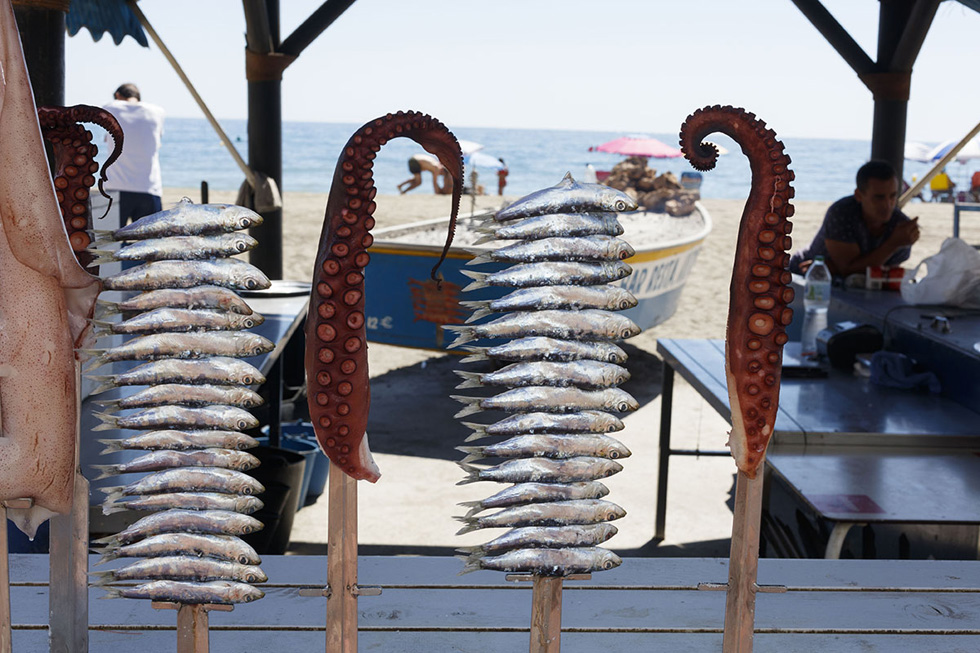
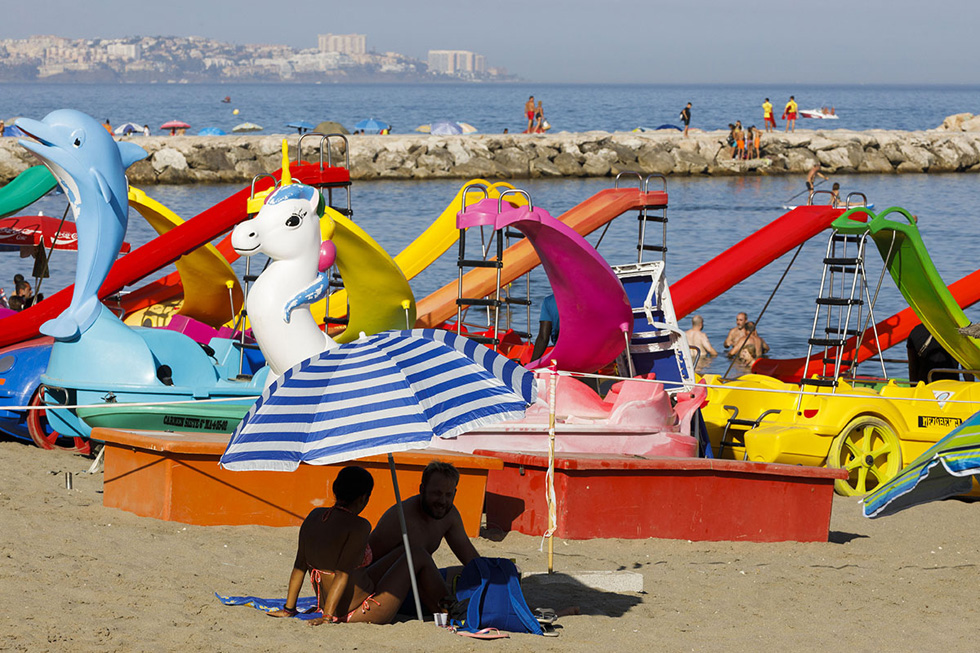
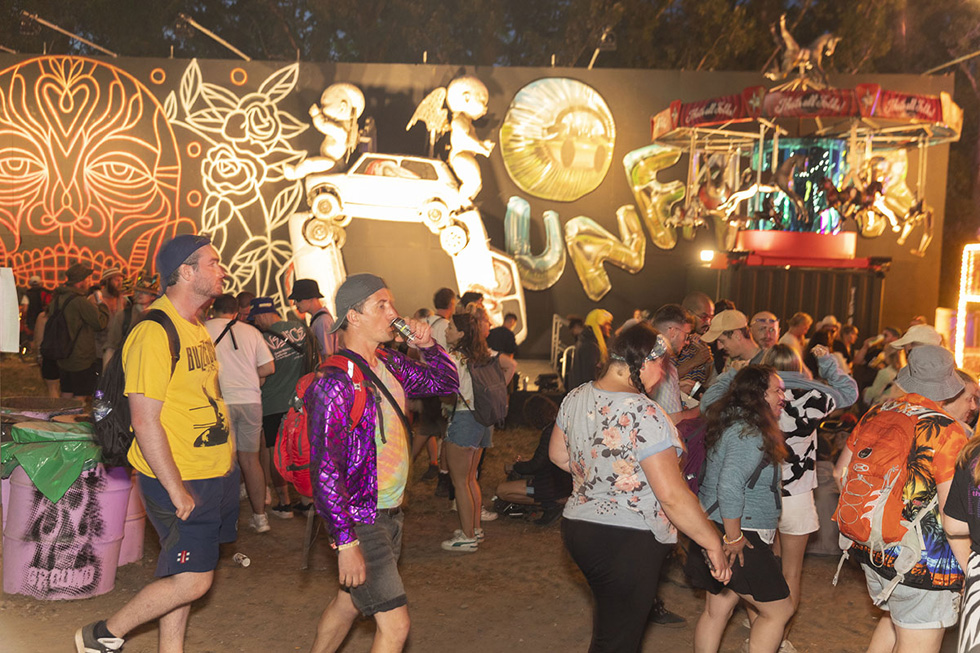
Parr’s most frequent subjects were people at leisure: seaside crowds, shoppers, tourists, food, village events and middle-class rituals. He was drawn to the tacky and the ordinary – ice-cream drips, plastic chairs, sunburn, supermarket shelves – and framed them tightly so small details and awkward gestures became the focus. The aesthetic relies on saturated colour, high contrast and the flattening effect of direct flash, which gives scenes a slightly surreal, commercial-photography feel even when shot outdoors. Early work used medium-format cameras such as the Plaubel Makina with on-camera flash; later he favoured a Nikon with a 60 mm macro lens and ring flash for even closer, shadow-lighted detail, then moved to Canon digital bodies while keeping the same direct approach.
Lighting was rarely pure natural light. Flash was used in daylight to lift colour and freeze moments, creating the bright, almost artificial look that defines his style. This technique, borrowed in part from commercial and postcard photography, helped him step away from traditional black-and-white documentary seriousness. For intermediate photographers, the key concept is that colour and flash here are not decoration – they are tools that distance the viewer just enough to notice the absurdity in familiar situations. Film gave way to digital in the mid-2000s, but the editing philosophy stayed consistent: saturation and contrast were pushed rather than softened, so colours remained bold and unapologetic.
- Accolades:
- Sony World Photography Award for Outstanding Contribution to Photography (2017)
- CBE for services to photography (2021)
- Erich Salomon Prize (2006)
- Lucie Award for Achievement in Documentary Photography (2014)
- Trivia:
- He collected tens of thousands of postcards and over 12,000 photobooks, treating both as serious research material.
- The Last Resort remains the series he said he would take with him “to the Pearly Gates.”
- He estimated shooting tens of thousands of frames a year, accepting that most would be failures.
Lessons from this Photographer:
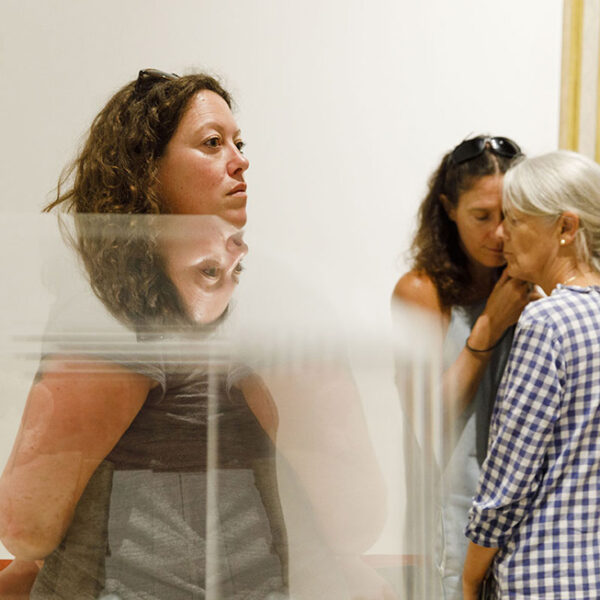
Get close and stay curious about the ordinary. Use tools like flash or strong colour deliberately to shift how a scene feels rather than to “correct” it. Shoot a lot, edit ruthlessly, and trust that sequences in books or exhibitions can carry meaning better than single hero images. Treat your own cultural habits and local quirks as valid subject matter – the familiar often yields the sharpest observations. Finally, keep a sense of humour; seriousness does not always require sombre tones.
Website and Portfolio:
-
- Website: https://www.martinparr.com/
- Instagram: https://www.instagram.com/martinparrstudio/
YouTube Reference:
-
- “First priority is to make an entertaining picture.” | Photographer Martin Parr | Louisiana Channel – https://www.youtube.com/watch?v=ibqDOm3i0eA
Citations:
- Guardian and other obituaries (2025): various reports confirming biography and death
- Royal Museums Greenwich on technique: https://www.rmg.co.uk/stories/art-culture/how-does-martin-parr-take-photo
- Martin Parr Foundation: https://martinparrfoundation.org/