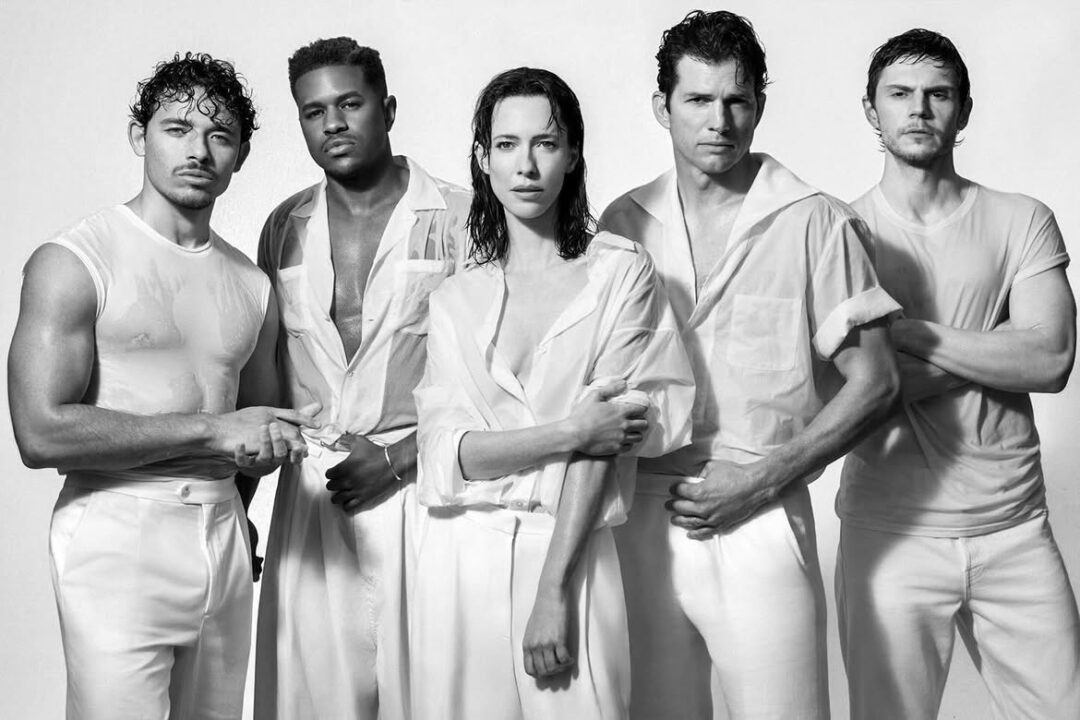
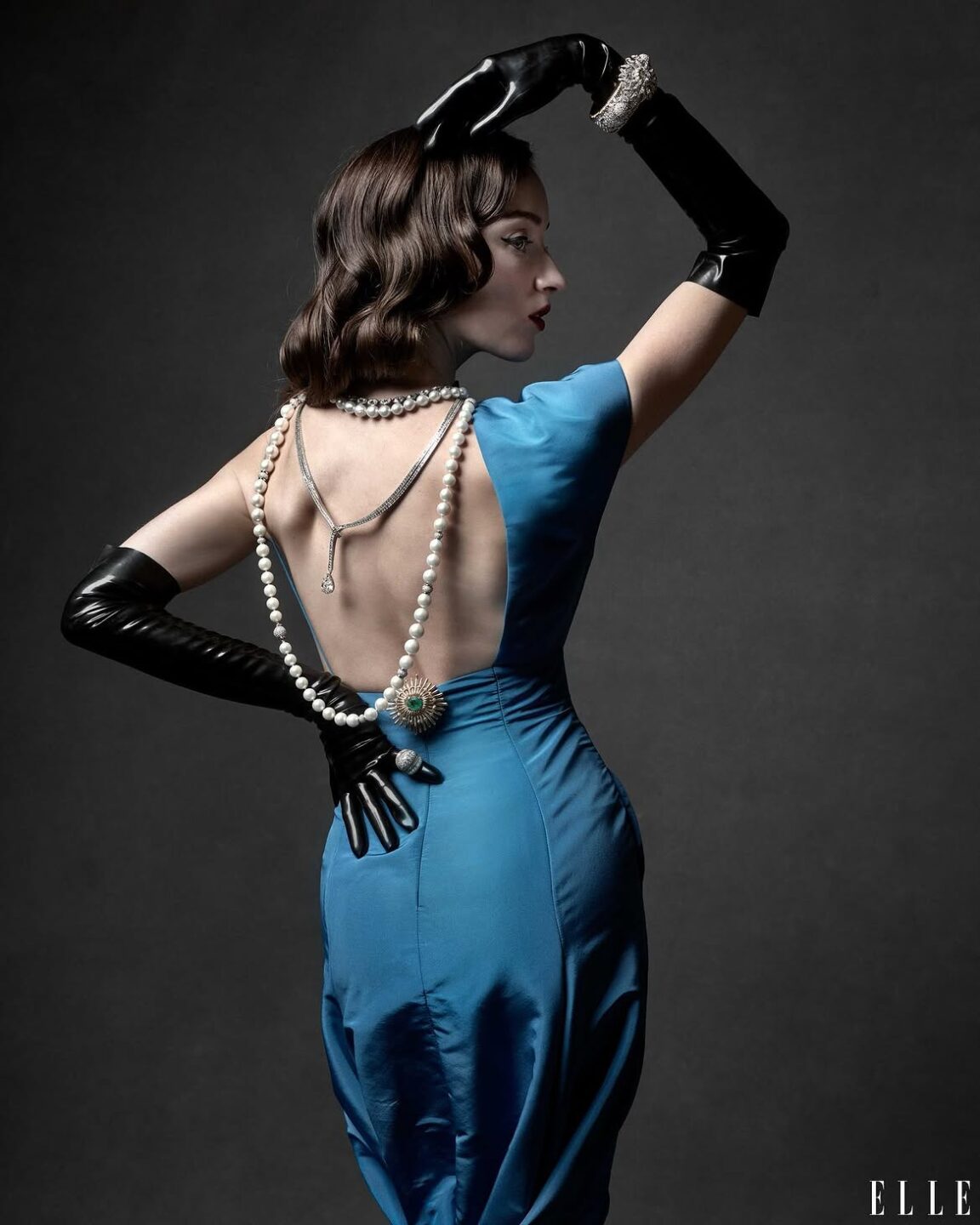
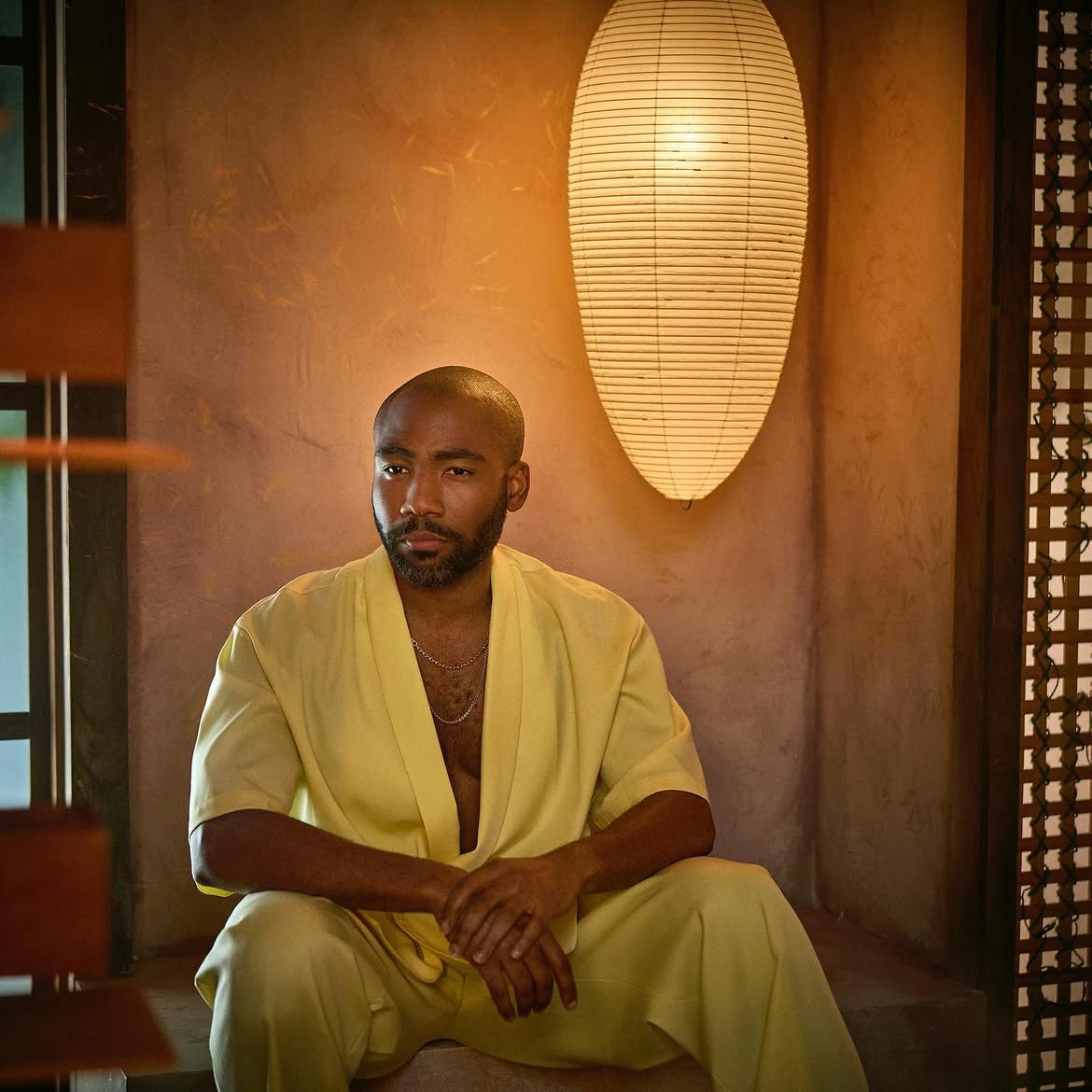
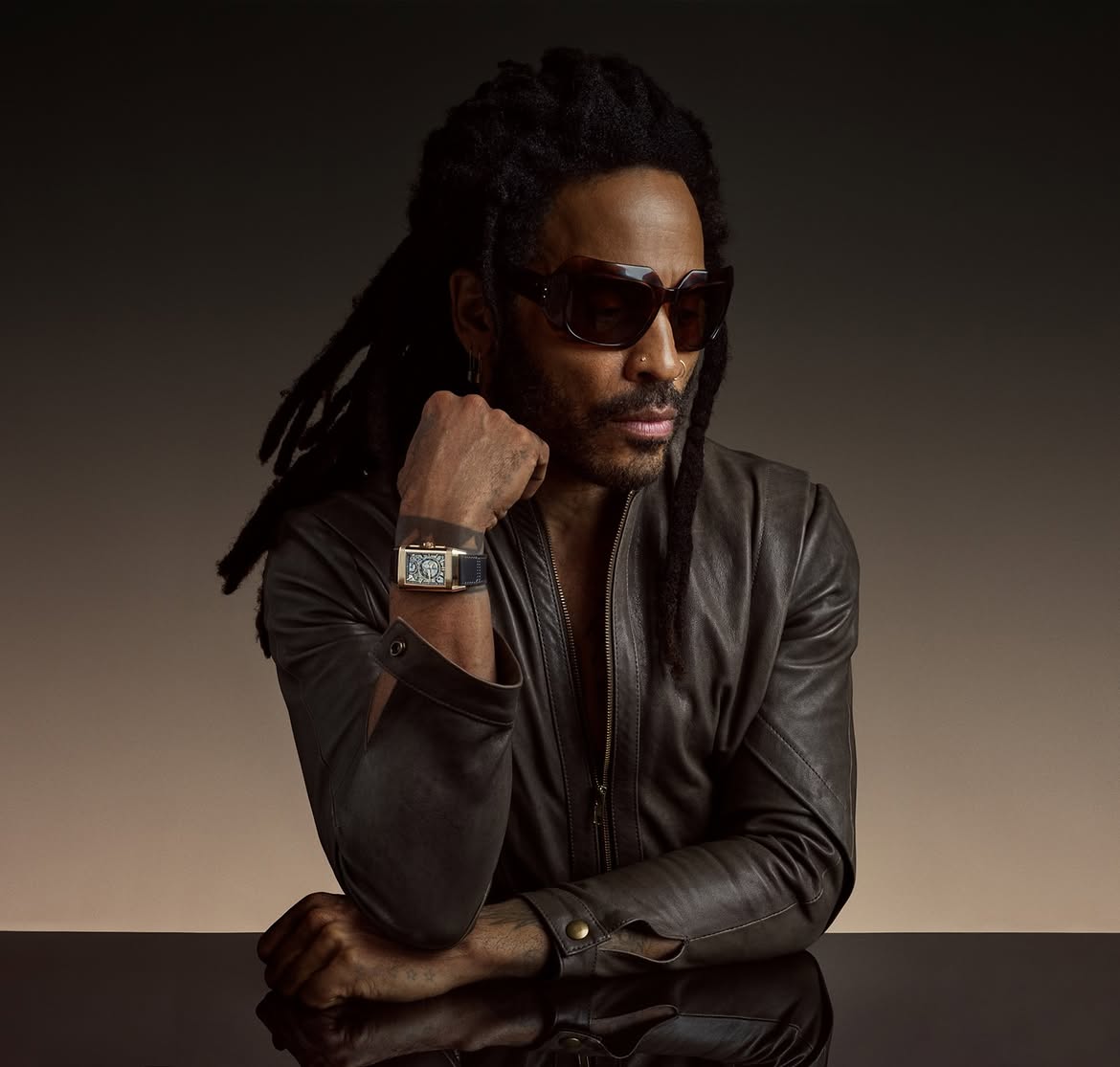

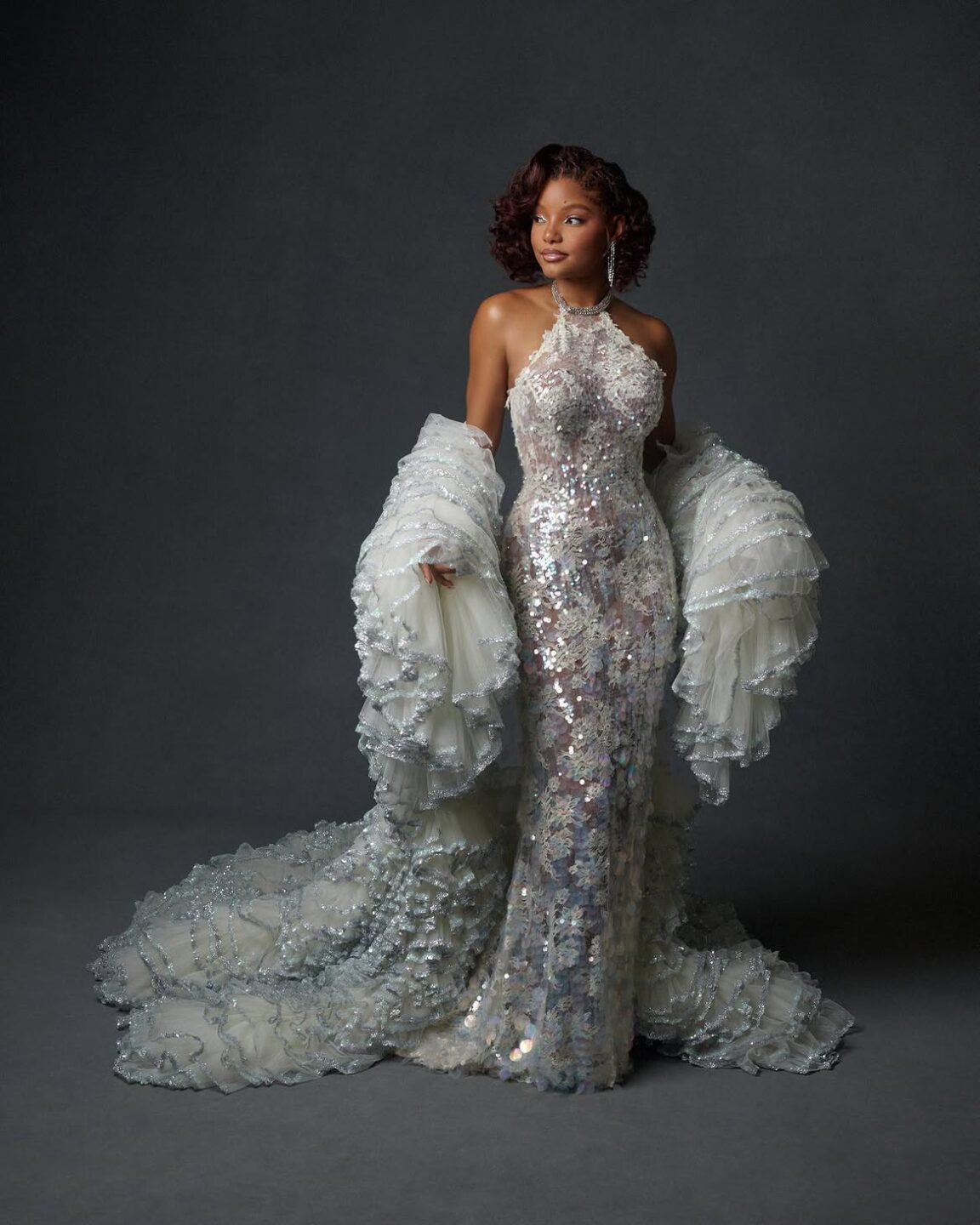
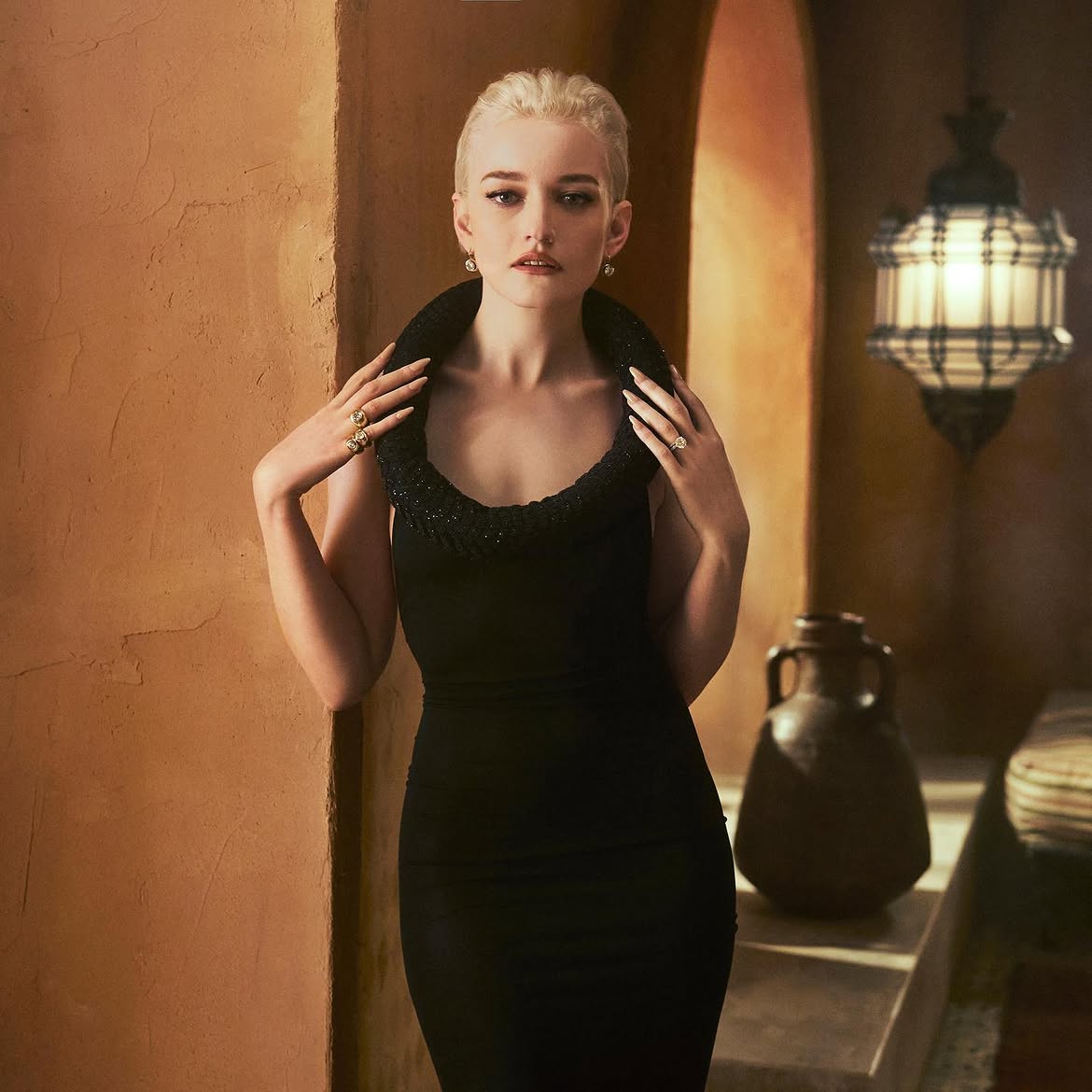
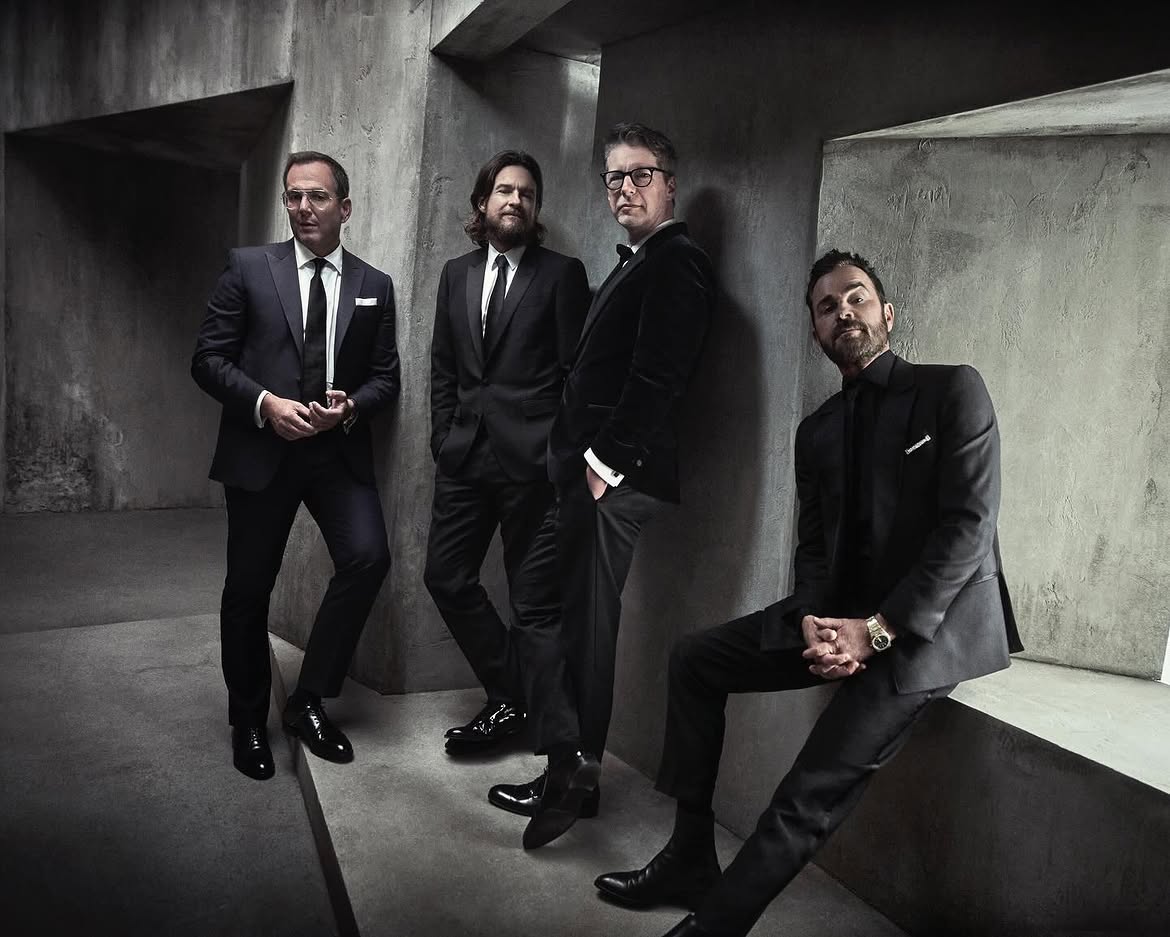
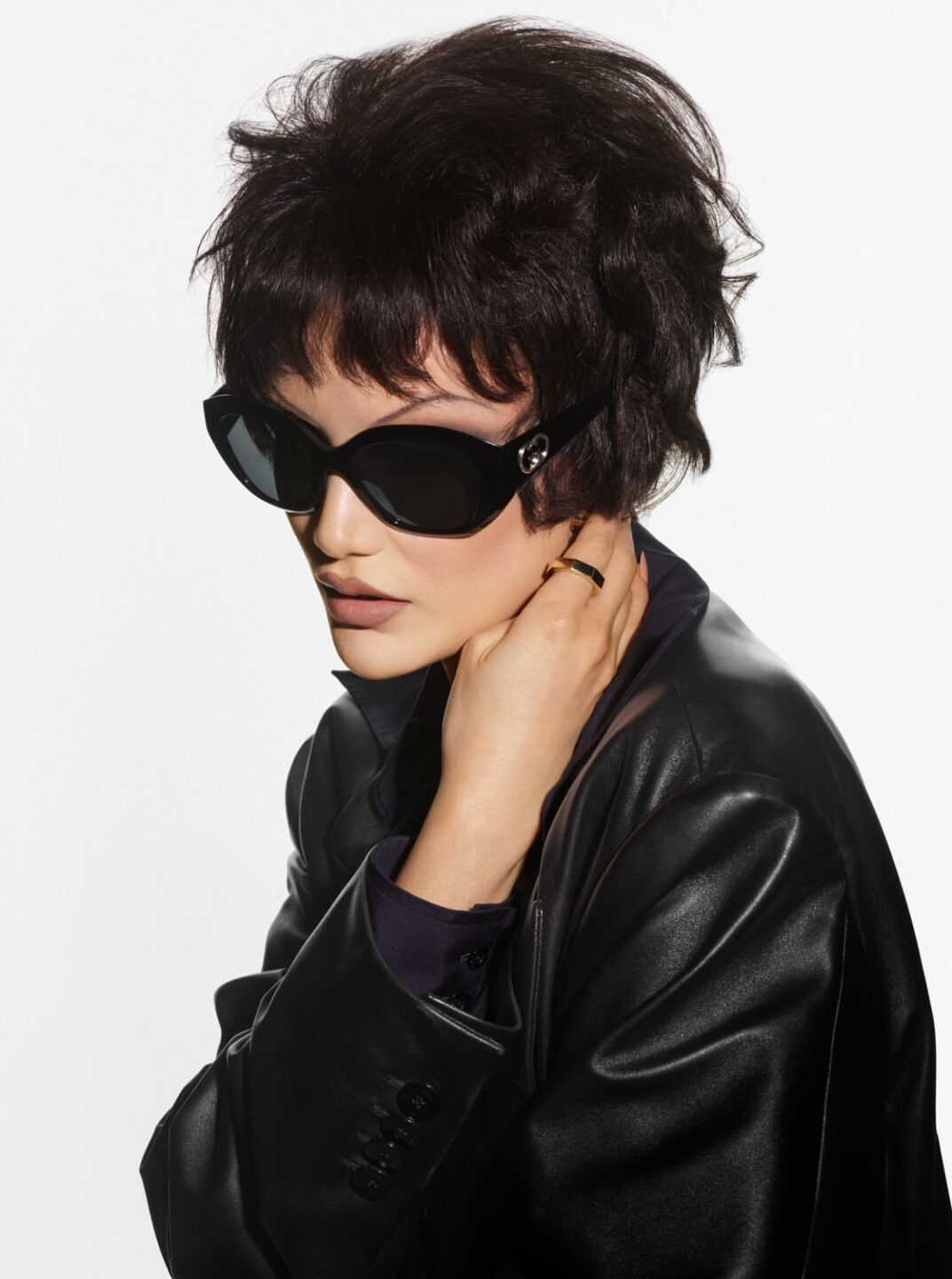
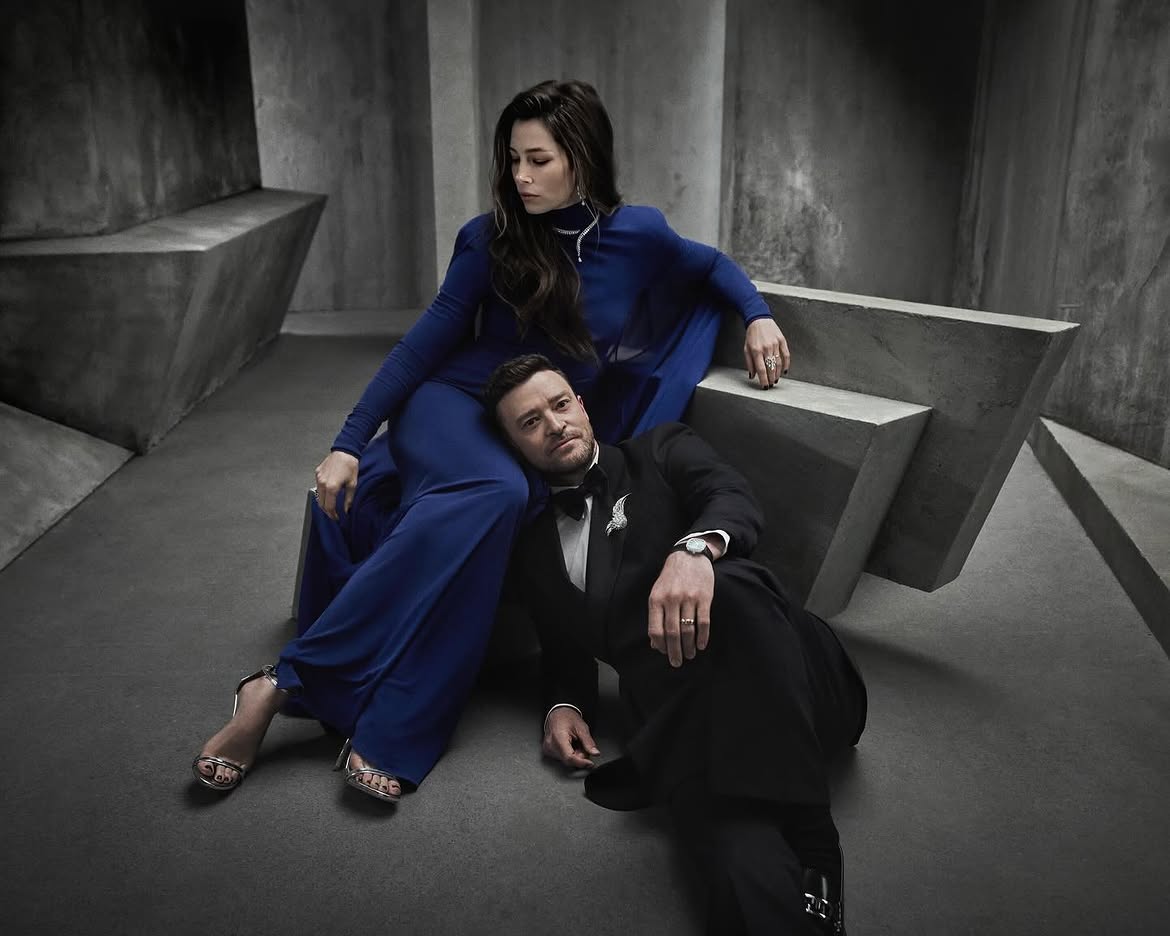
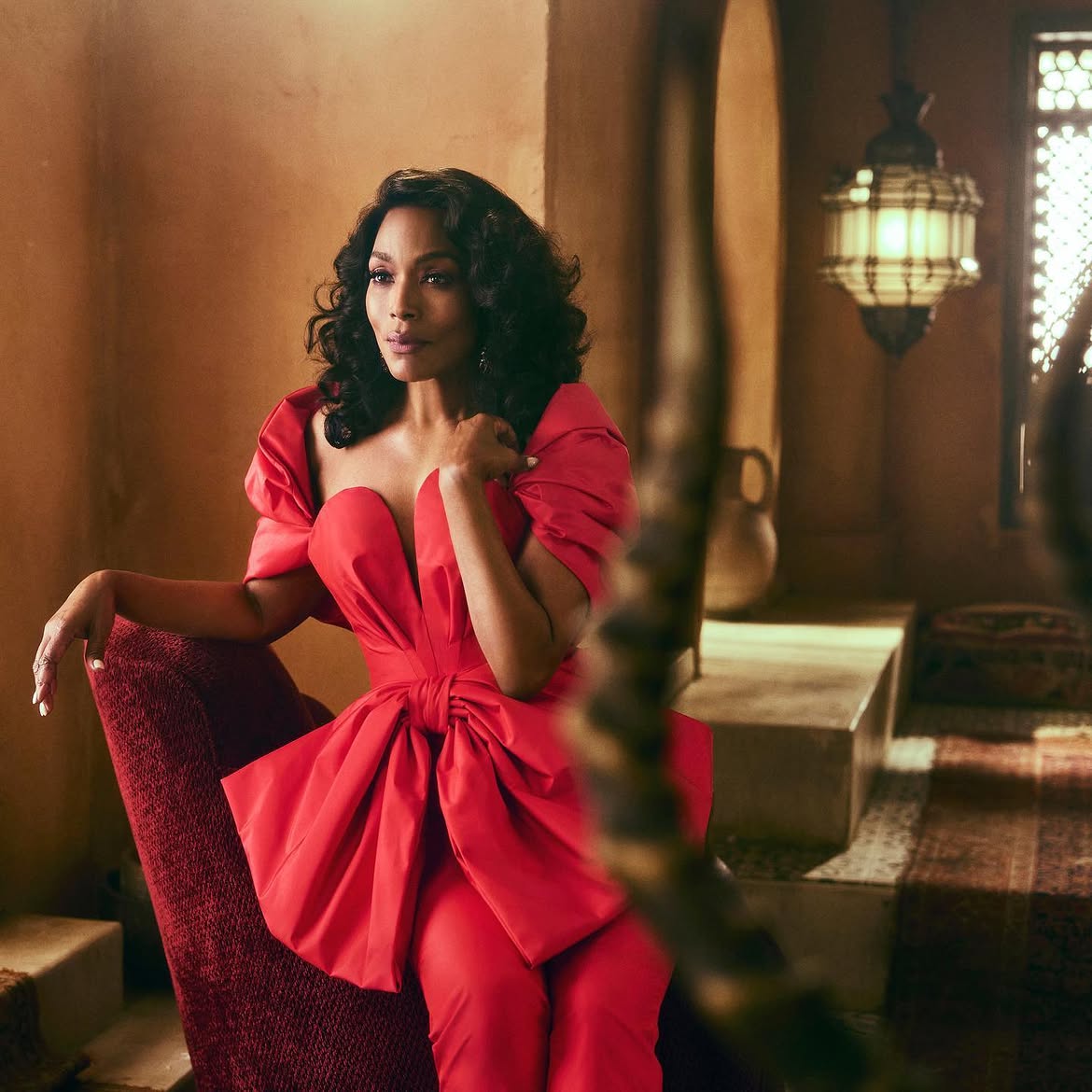
Mark Seliger was born in Amarillo, Texas, in 1959 and grew up in Houston after his family moved there in 1964. He studied at Houston’s High School for the Performing and Visual Arts and later focused on documentary photography at East Texas State University before heading to New York in 1984. By 1987 he was shooting for Rolling Stone, becoming its Chief Photographer from 1992 to 2002 and producing 188 covers. His portraits often show soft, controlled light on textured surfaces—brick walls, leather, skin—and a quiet sense of connection with the subject.
- Primary Genres: Portrait Photography
- Primary Photography Style: Straight Photography (intimate, narrative) with strong textural and emotive qualities—clean compositions that prioritise character and story over heavy stylisation.
- Key Message: Seliger aims to capture a subject’s essence through collaboration and storytelling, creating portraits that feel personal and revealing rather than purely glamorous.
Seliger’s most common subjects are musicians, actors, political figures and cultural icons—think Kurt Cobain, Barack Obama, Lenny Kravitz or the transgender community documented in On Christopher Street. What stands out is his consistent use of texture and atmosphere. He frequently works in his West Village studio, using the exposed brick walls and stairwell (a converted elevator shaft with a skylight) as a signature backdrop. These textured surfaces, sometimes combined with simple pillars or wooden elements, give his images a grounded, almost tactile quality.
His lighting is deliberately understated. He often works with Profoto softboxes, octabanks, beauty dishes and occasional rim or ring lights, aiming for the appearance of a single soft source even when multiple lights are in play. Negative fill is used to shape the face and separate the subject from the background. He mixes medium-format cameras (Hasselblad, Phase One) with digital and occasional large-format film depending on the project. For personal work he still values the platinum-palladium process, producing large prints up to 30 × 40 inches that emphasise depth and tonal richness. Editing is restrained. Contrast and warmth are refined in Lightroom or Photoshop, but the goal is a rich, dimensional finish rather than hyper-sharp digital perfection. Presentation matters to him: books such as In My Stairwell, Physiognomy and On Christopher Street allow the work to be experienced as a coherent body rather than isolated magazine pages. For intermediate photographers, the useful takeaway is that Seliger treats equipment as secondary to the idea and the relationship with the subject. Whether shooting film or digital, he keeps the process simple enough that the camera does not get in the way of the conversation.
- Accolades:
- Alfred Eisenstaedt Award
- Lucie Award for Achievement in Portraiture
- Clio Grand Prix
- Texas Medal of Arts Award
- Trivia:
- Shot 188 covers for Rolling Stone during his decade as Chief Photographer.
- Turns the brick stairwell of his West Village studio into a recurring, highly recognisable backdrop.
- Frontman of the country band Rusty Truck.
Lessons from this Photographer:
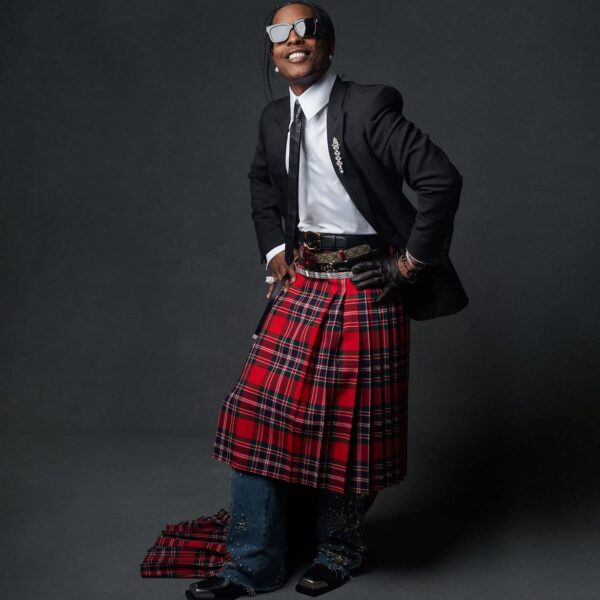
Start with a clear idea or story before worrying about gear. Build a simple, repeatable lighting approach that looks natural and lets the subject breathe. Use textured environments—walls, brick, fabric—to add depth without distraction. Spend time connecting with the person in front of the camera; the best frames often come when they stop performing. Keep post-production light so the final image still feels honest. These habits work whether you are shooting celebrities or everyday portraits.
Website and Portfolio:
-
- Website: https://markseliger.com/
- Instagram: https://www.instagram.com/markseliger/
YouTube Reference:
-
- How Mark Seliger Created His Iconic Portraits | B&H Bild Expo – https://www.youtube.com/watch?v=dWi3FgSe1gs
Citations:
- PetaPixel interview (2017): https://petapixel.com/2017/02/14/interview-photographer-mark-seliger/
- The Impression interview: https://theimpression.com/mark-seliger-photographer-mark-seliger-studio/