
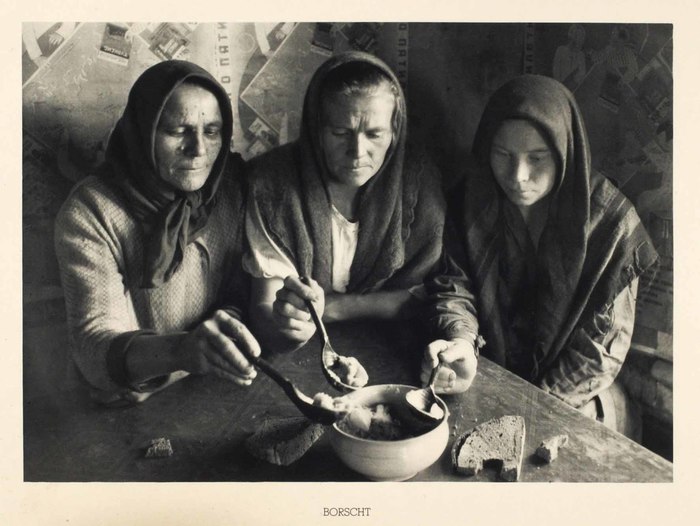
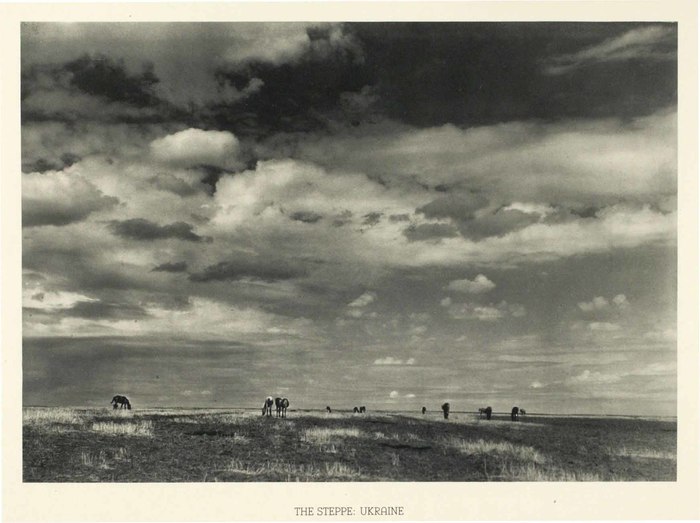
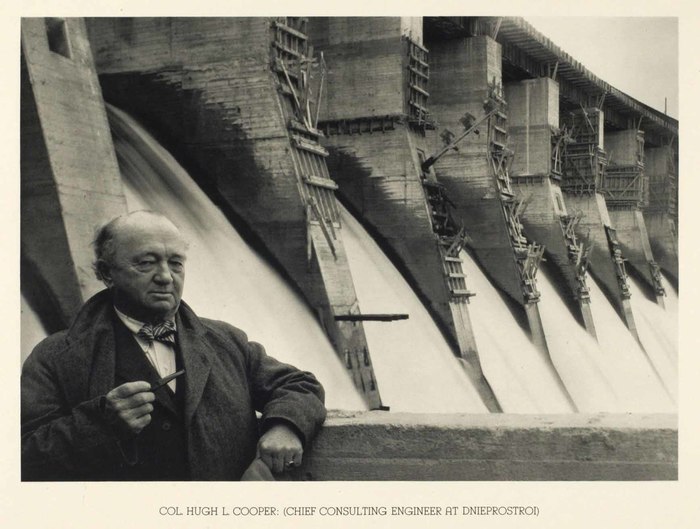
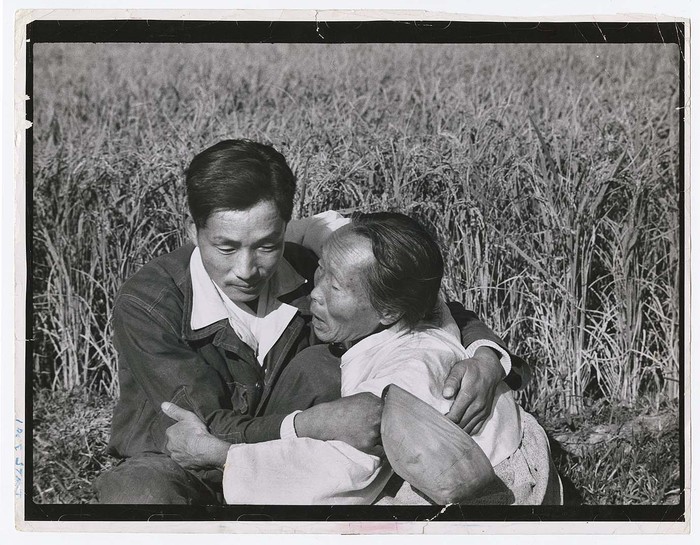
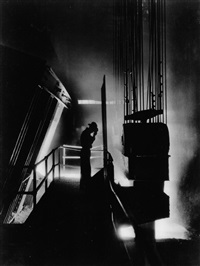
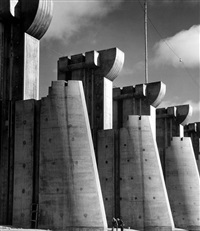
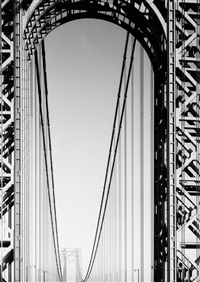
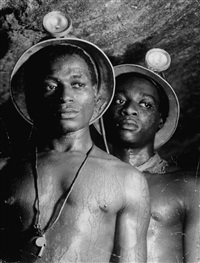
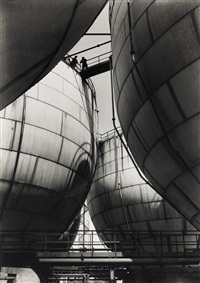
Margaret Bourke-White, born in 1904 in the Bronx, New York, developed an early interest in photography and turned professional in her 20s after studying at Cornell University. She built a groundbreaking career that spanned industrial photography, Life magazine, and war reporting. As one of the first female photojournalists, she documented major events from the Great Depression to World War II. Her images are known for their stark black-and-white clarity and ability to capture both scale and human detail. Bourke-White’s work helped establish photojournalism as a powerful force in magazines and public awareness.
- Primary Genres: Photojournalism, Industrial Photography
- Primary Photography Style: Documentary and straight photography – high-contrast black and white with powerful, direct compositions that emphasise scale and human stories
- Key Message: Margaret Bourke-White used photography to document industrial power, historical events, and human resilience. She aimed to inform the public with clear, compelling images that revealed both the grandeur of industry and the realities of war and social issues. Her work showed photography’s ability to witness history and connect viewers to distant events.
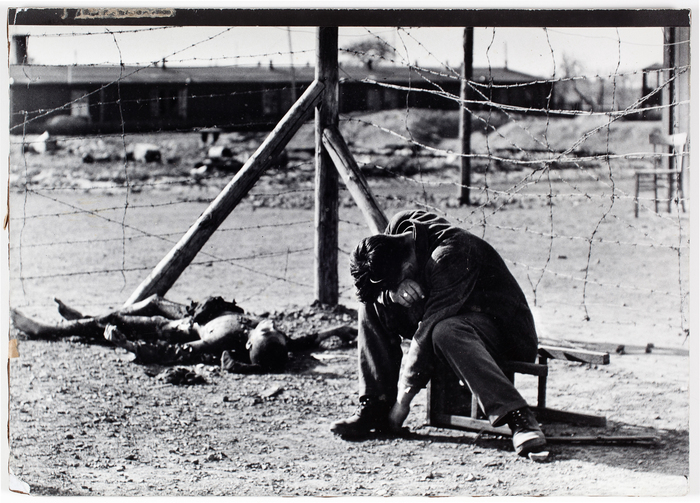
She photographed a huge range of subjects, from steel mills and dams to war zones, concentration camps, and portraits of figures like Gandhi and Stalin. Her aesthetic relied on strong contrasts, sharp details, and compositions that balanced monumental structures with the people within them. Bourke-White used large-format cameras like the Graflex and Rolleiflex, often on tripods for precision, shooting at speeds like 1/125s. She worked with available light—factory glare, battlefield conditions—or added strobes when needed. In the darkroom, she produced gelatin silver prints, adjusting contrast and dodging to heighten impact while keeping the images honest and grainy. Prints were typically presented in magazines or exhibitions rather than as oversized fine art editions in her time.
For intermediate photographers, Bourke-White is a masterclass in balancing technical skill with storytelling. She worked almost entirely on film in black and white, mastering exposure and development to handle difficult lighting situations like steel mills. Today you can apply her lessons by focusing on strong composition and light direction regardless of whether you use digital or film. Her career also shows the value of persistence and being ready for big assignments—many of her iconic shots came from pushing for access others didn’t have. It’s worth studying how she combined wide views with human-scale details to make large events feel personal.
- Accolades:
- First photographer for Life magazine’s debut cover (1936)
- First female war photojournalist for US forces
- Major retrospectives and inclusion in collections like MoMA and the MET
- USPS commemorative stamp (2003)
- Trivia:
- Climbed the scaffolding of the Chrysler Building for dramatic architectural shots
- Photographed Mahatma Gandhi and was one of the last to do so before his assassination
- Flew on combat missions and survived being torpedoed during WWII
Lessons from this Photographer:
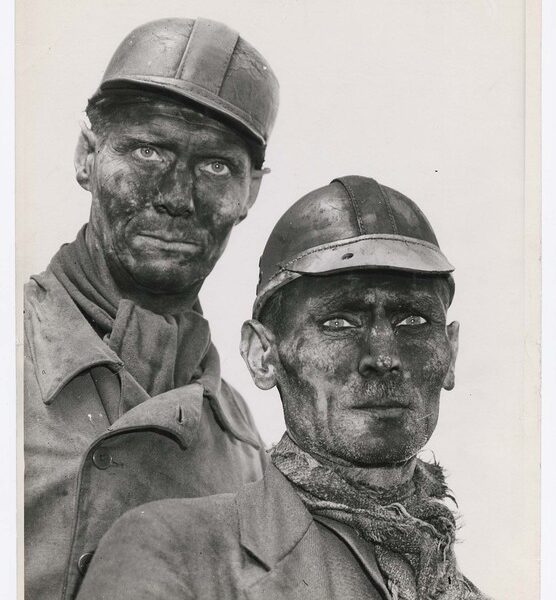
Margaret Bourke-White teaches us to seek out strong light and bold compositions even in challenging conditions. Get comfortable with your equipment so you can focus on the story in front of you. Don’t be afraid to pursue difficult access—persistence often leads to the best images. Use contrast and scale thoughtfully to show both the big picture and the human element. Whether shooting news, industry, or personal work, aim for images that inform and move people rather than just looking technically perfect. Her career is a reminder that photography can be a powerful tool for documenting history.
Website and Portfolio:
-
- Artnet Archive: https://www.artnet.com/artists/margaret-bourke-white
Citations:
- Wikipedia: Margaret Bourke-White – https://en.wikipedia.org/wiki/Margaret_Bourke-White
- LIFE Magazine History: https://www.life.com/history/great-lady-with-a-camera-margaret-bourke-white-american-original/