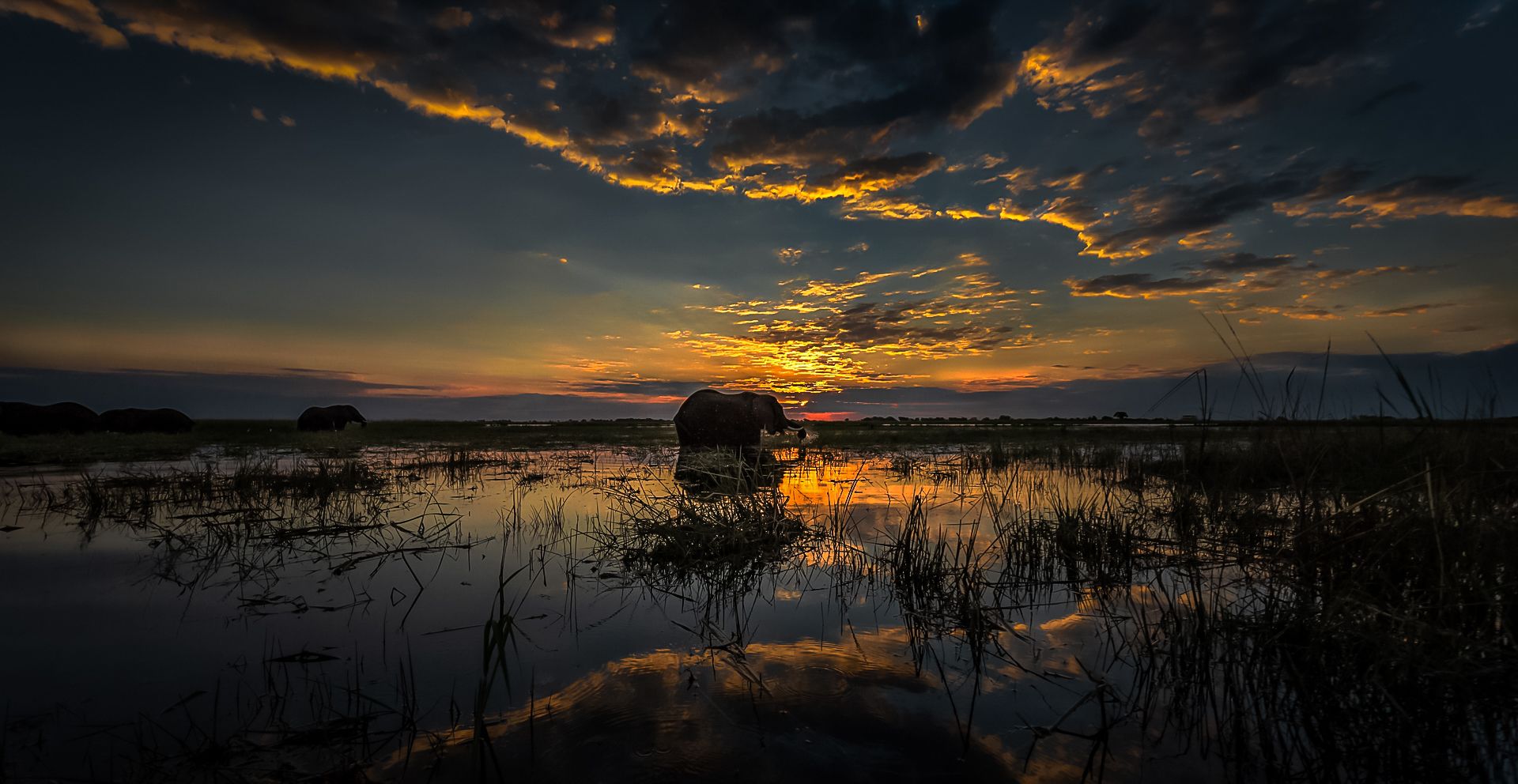

-
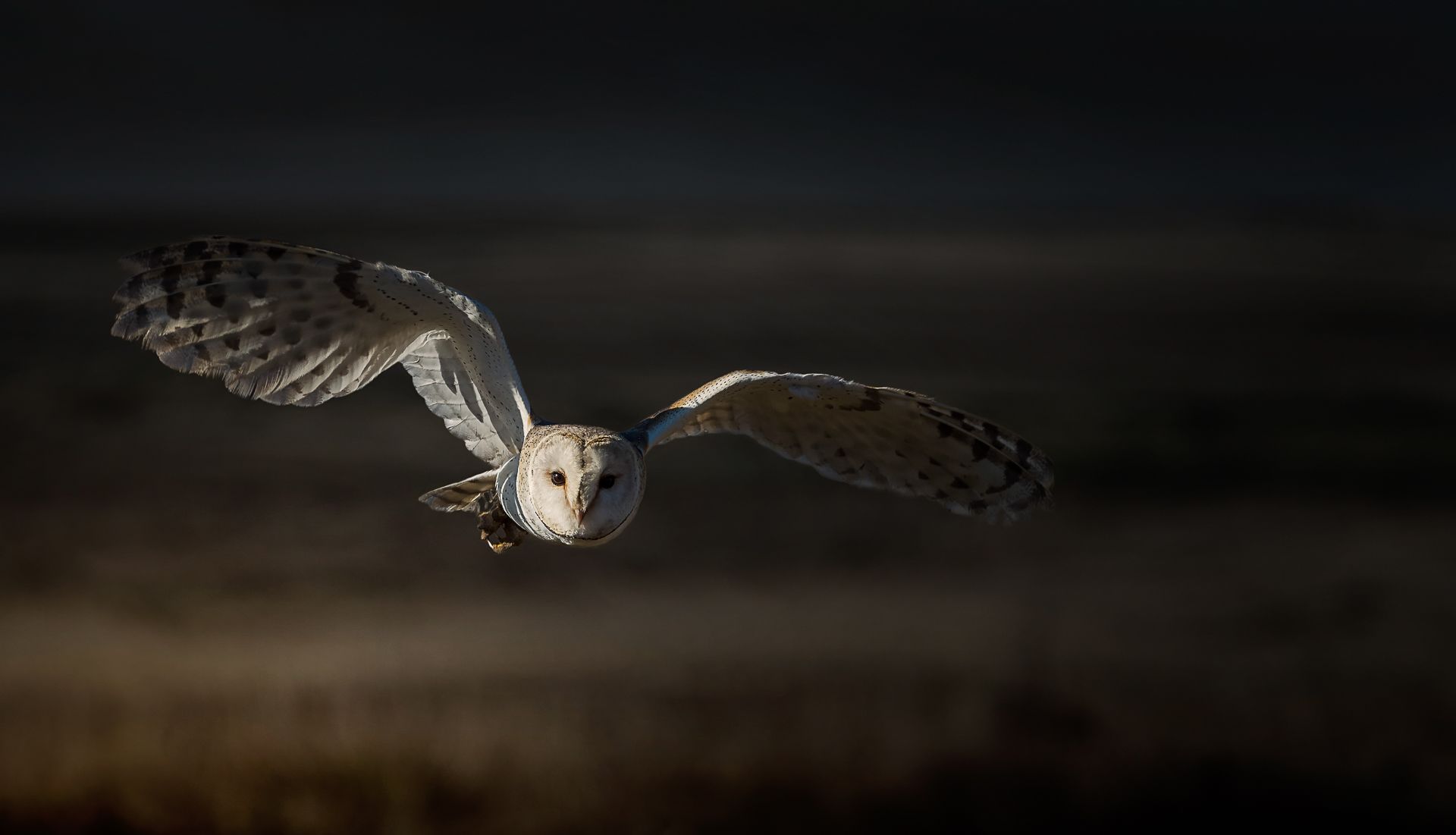
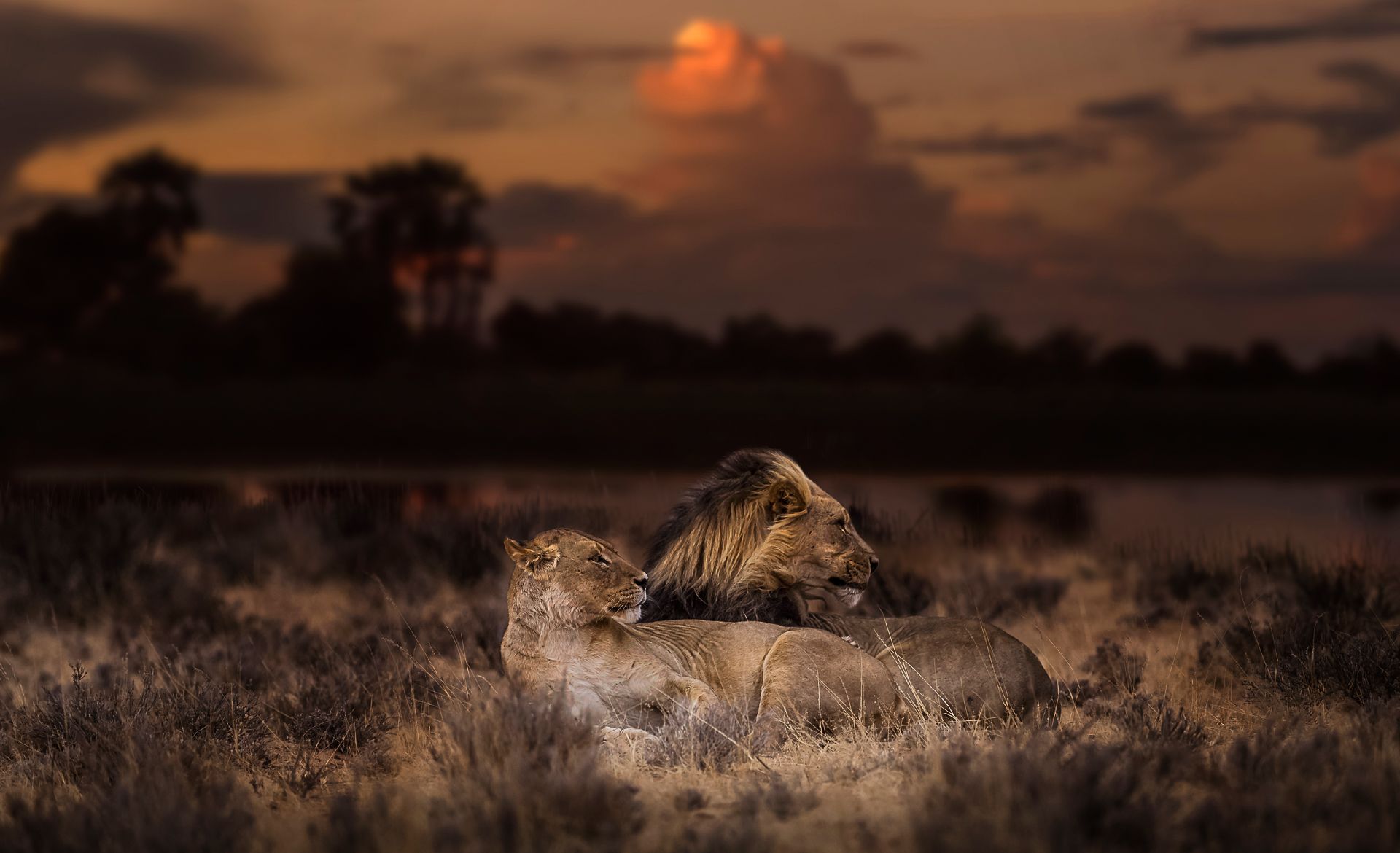
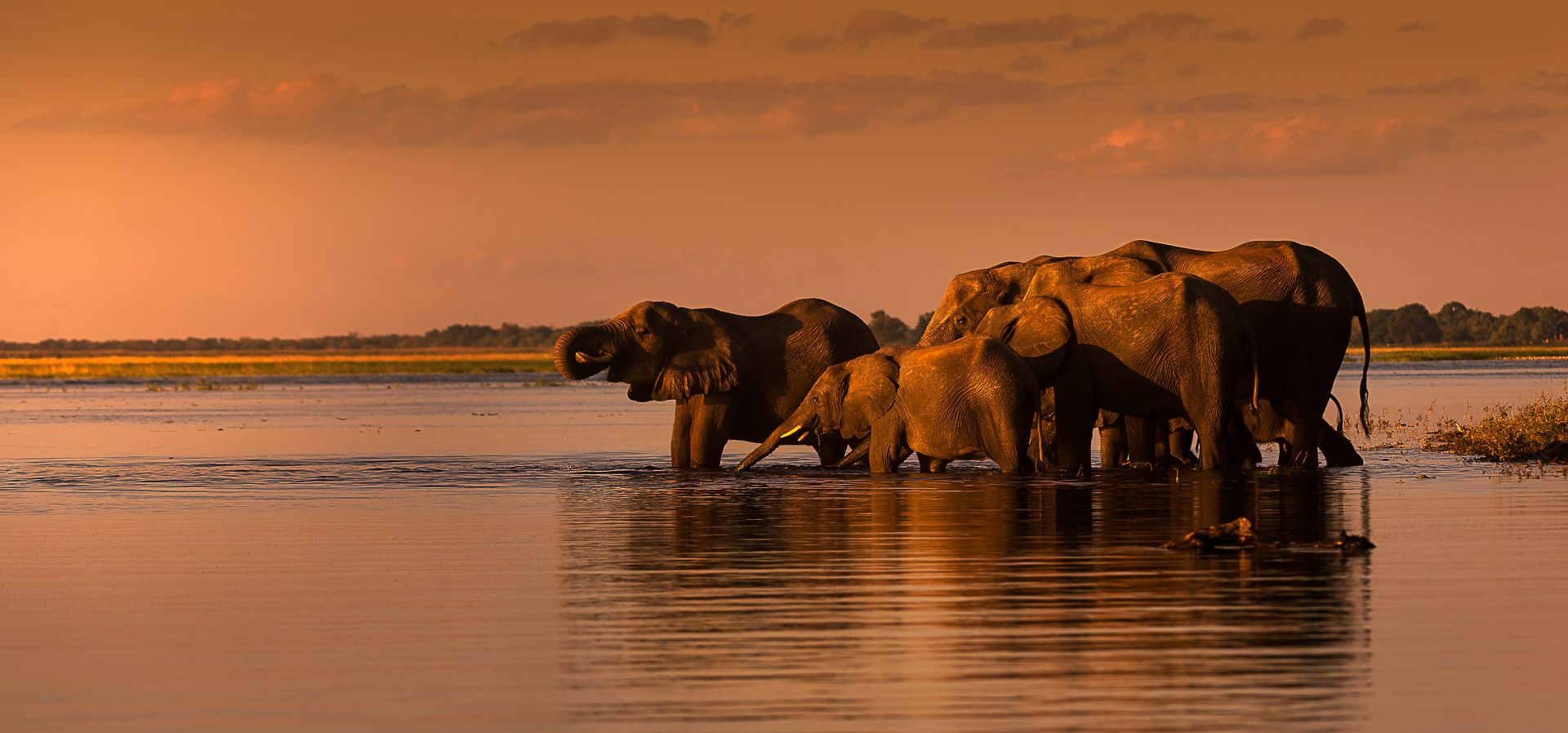
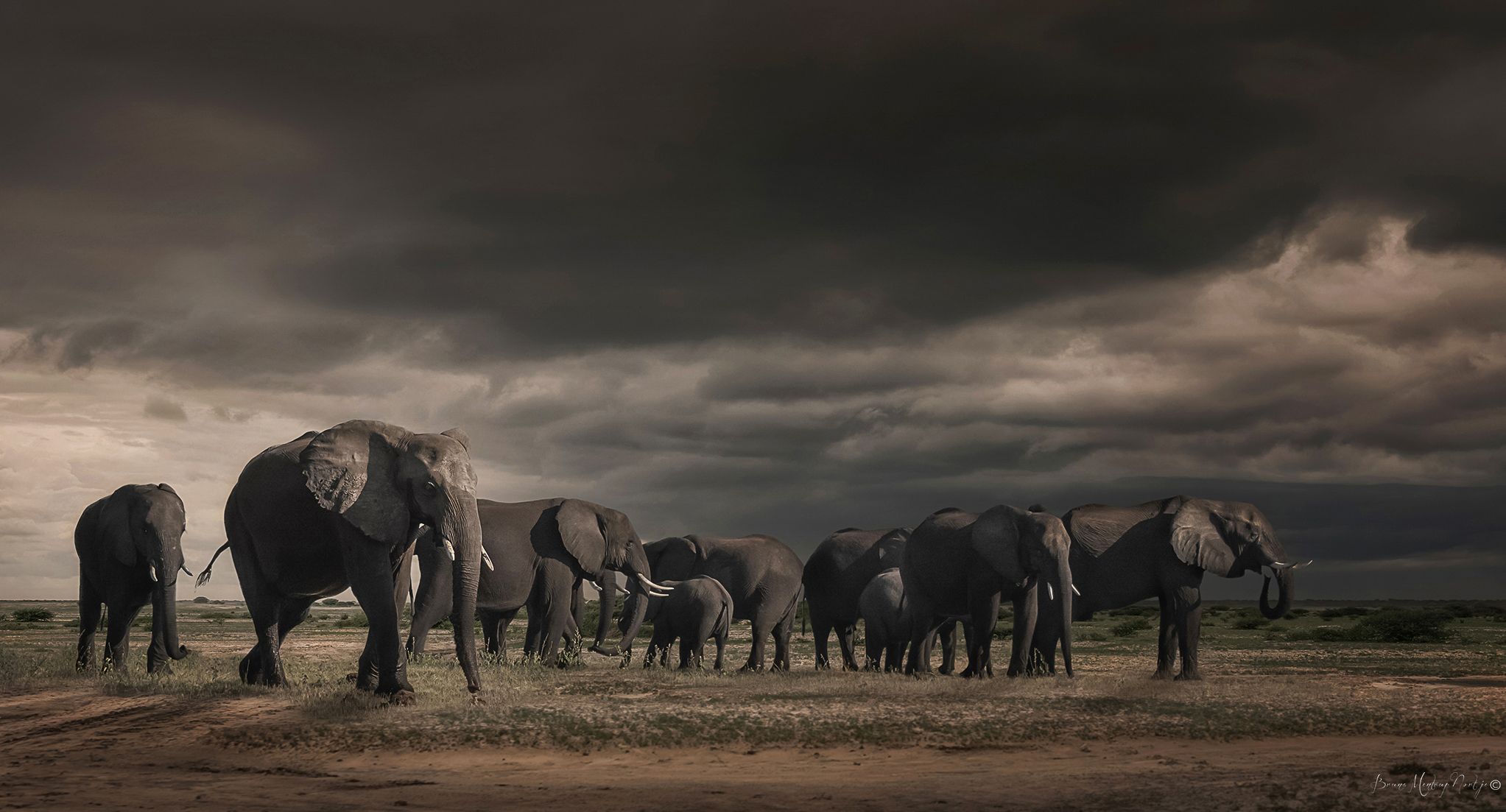
Some of my images and the story of Kolmaskop.
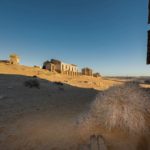
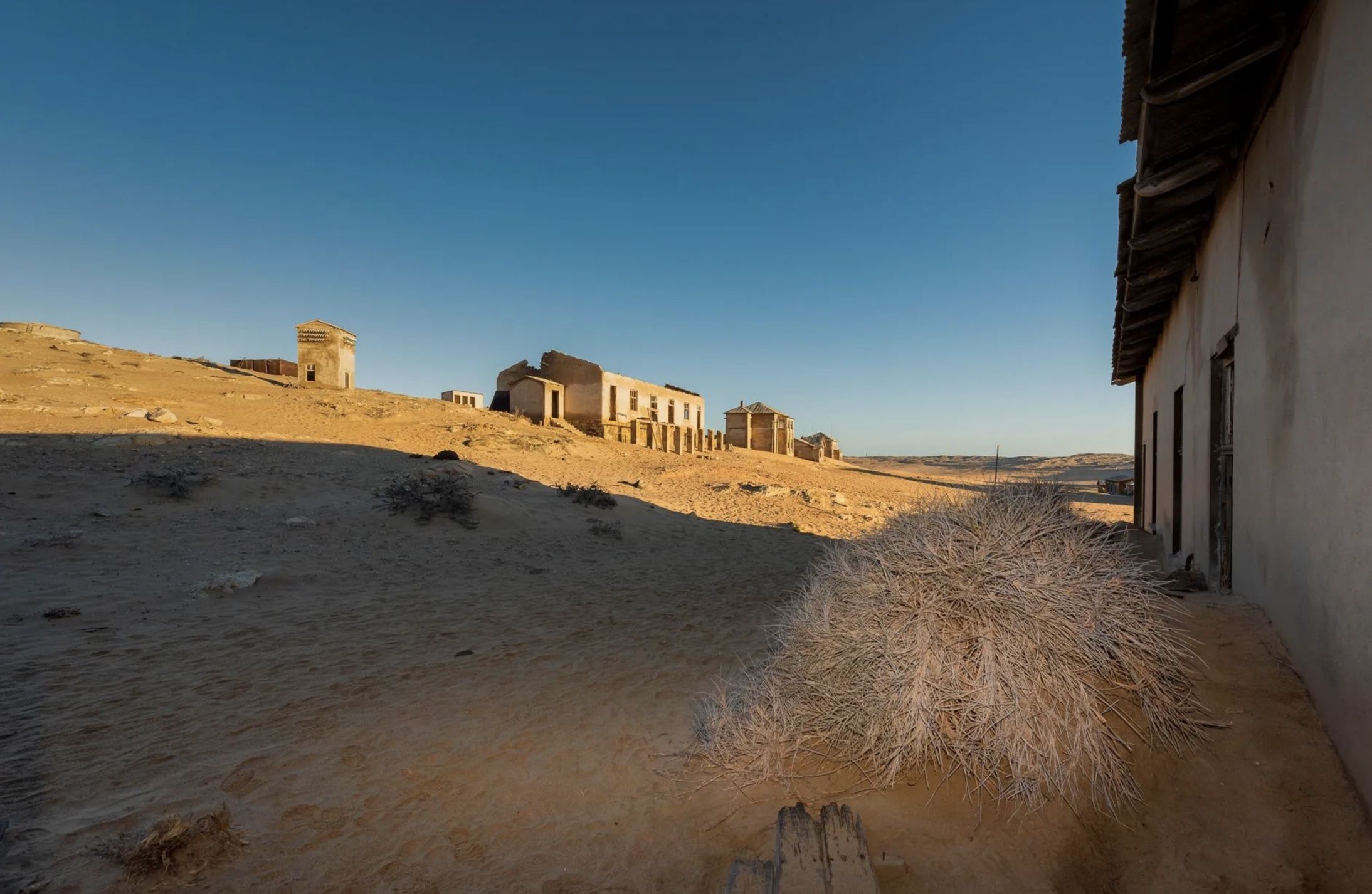
Africa Namib Desert.In Kolmanskop, the sand-filled buildings of a former diamond mining town attract tourists by the thousands.
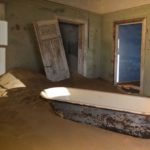
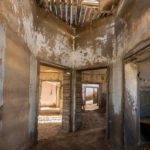
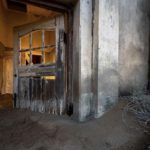
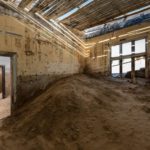
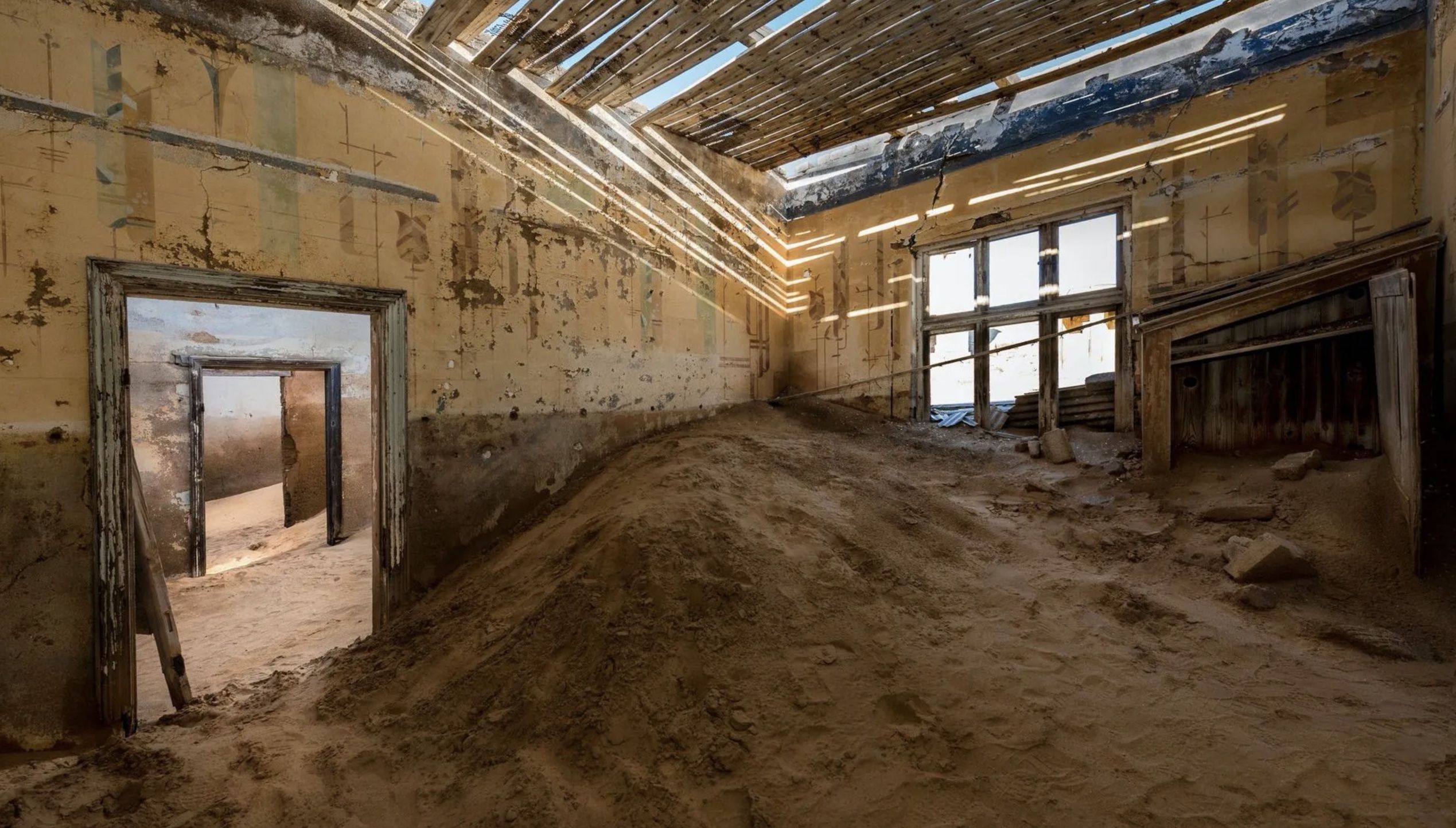
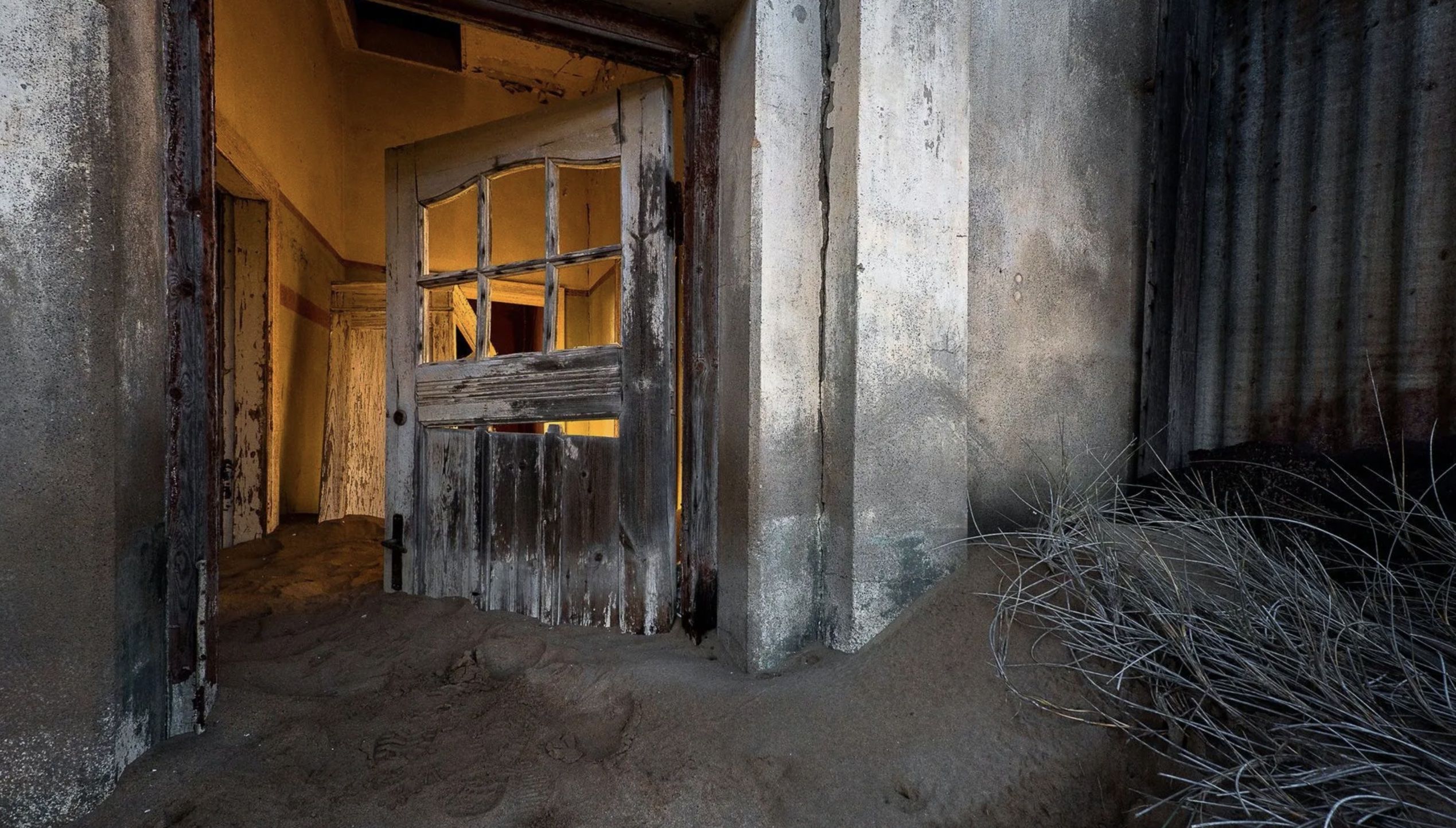
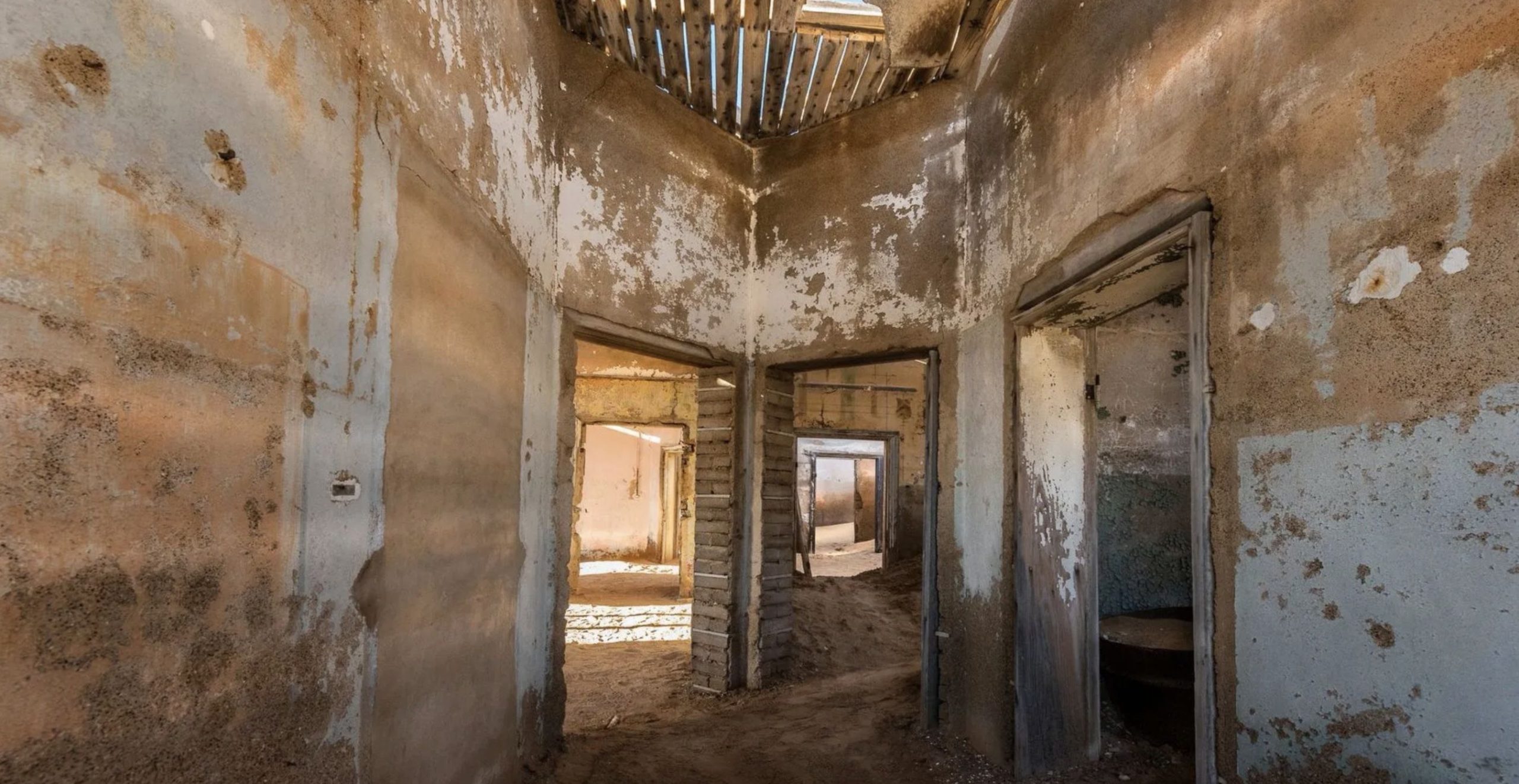
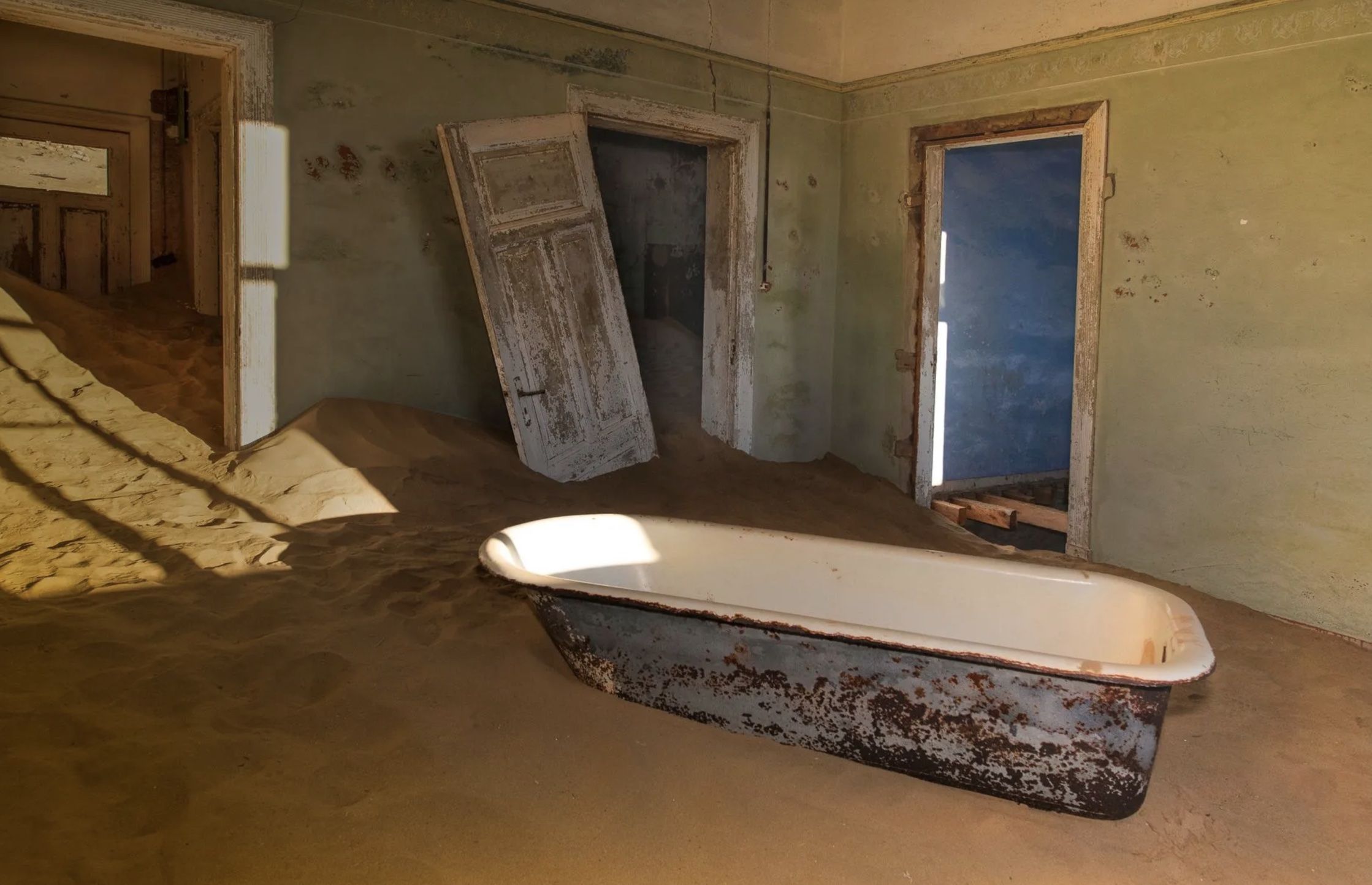
Brightly colored wallpaper peeling off the walls, dilapidated houses now inundated in rolling banks of sand … this is Kolmanskop, a ghost town in southern Africa’s Namib Desert, in the middle of a region known as “the forbidden zone.” And the story of how it got here is about as strange as the sight of the town today.
A strange, painful history
One evening in 1908, a Namibian railway worker named Zacherias Lewala was shovelling railroad tracks clear of creeping sand dunes when he saw some stones shining in the low light. Lewala’s German employer identified them for what they were: diamonds. Lewala was not paid or rewarded for his find.
Soon, hordes of prospectors descended on the area. By 1912, a town had sprung up, producing a million carats a year, or 11.7 percent of the world’s total diamond production.
Wealthy Kolmanskop became a well of luxury in the barren desert. There was a butcher, a baker, a post office, and an ice factory; fresh water was brought by rail. European opera groups even came to perform. A sort of mad eccentricity reigned. One family kept a pet ostrich that terrorized other townspeople and was made to pull a sleigh at Christmas.
But Kolmanskop—part of the struggling colony of German South West Africa—was also built on a legacy of colonial violence. Only four years before the discovery of diamonds at Kolmanskop, the Namibian Herero people rebelled against the German colonizers, who retaliated with genocidal ferocity by killing over 60,000 Herero.
Boom and bust
Kolmanskop’s prospectors were becoming rich overnight simply picking diamonds off the desert floor, but German authorities wanted greater control over the incredible riches. They cracked down, declaring a vast area of Namibia a Sperrgebiet, or restricted zone, forbidding entry to ordinary people and reserving prospecting rights for a single, Berlin-based company. Tribespeople displaced from their land by the zone’s construction were often employed as laborers in diamond mines, forced to live on cramped, barracks-like compounds for months at a time.
But it wasn’t to last. Intensive mining depleted the area by the 1930s, and in 1928, the town’s fate was sealed when the richest diamond fields ever known were found on the beach terraces to the south. The townspeople left in droves, abandoning homes and possessions.
By 1956, Kolmanskop was completely abandoned. The dunes that once rolled over Lewala’s railway tracks now burst through the ghost town’s doors and porches, filling its rooms with smooth banks of sand.
A second life (and death)In 2002, a local private company called Ghost Town Tours was awarded the concession to manage Kolmanskop as a tourist attraction, bussing visitors into the forbidden zone to explore and photograph the sand-covered ruins. Today, as many as 35,000 tourists visit the site every year, bringing money to the nearby coastal town of Lüderitz.
“Ruin gazing” is nothing new—for millennia, people have been drawn to broken cities and toppled monuments, places of quiet contemplation that remind us of our own hubris and of the power of time.
But nothing lasts forever. Despite ongoing conservation efforts and a yearly limit on the number of tourists, studies undertaken around 2010 showed “a marked deterioration” of several structures in Kolmanskop.Before long, the town might vanish into the desert. Let us know if you are interested in visiting this ghost town and we will make it happen!
Until then, the surreal ruins remind us of our societies’ power to build—but also of the material waste and human suffering we’re capable of wreaking. Today’s tourists visit a testament to the evils of the colonial system, a melancholy monument to a world disappearing once and for all beneath history’s shifting sands.


Bruna Mentrup
TUTOR
I started my wildlife photography journey with nothing but a passion for capturing what I had seen unfold before me for years.
Determined I could achieve that, I set out with the most basic equipment, and eventually, my efforts were rewarded.
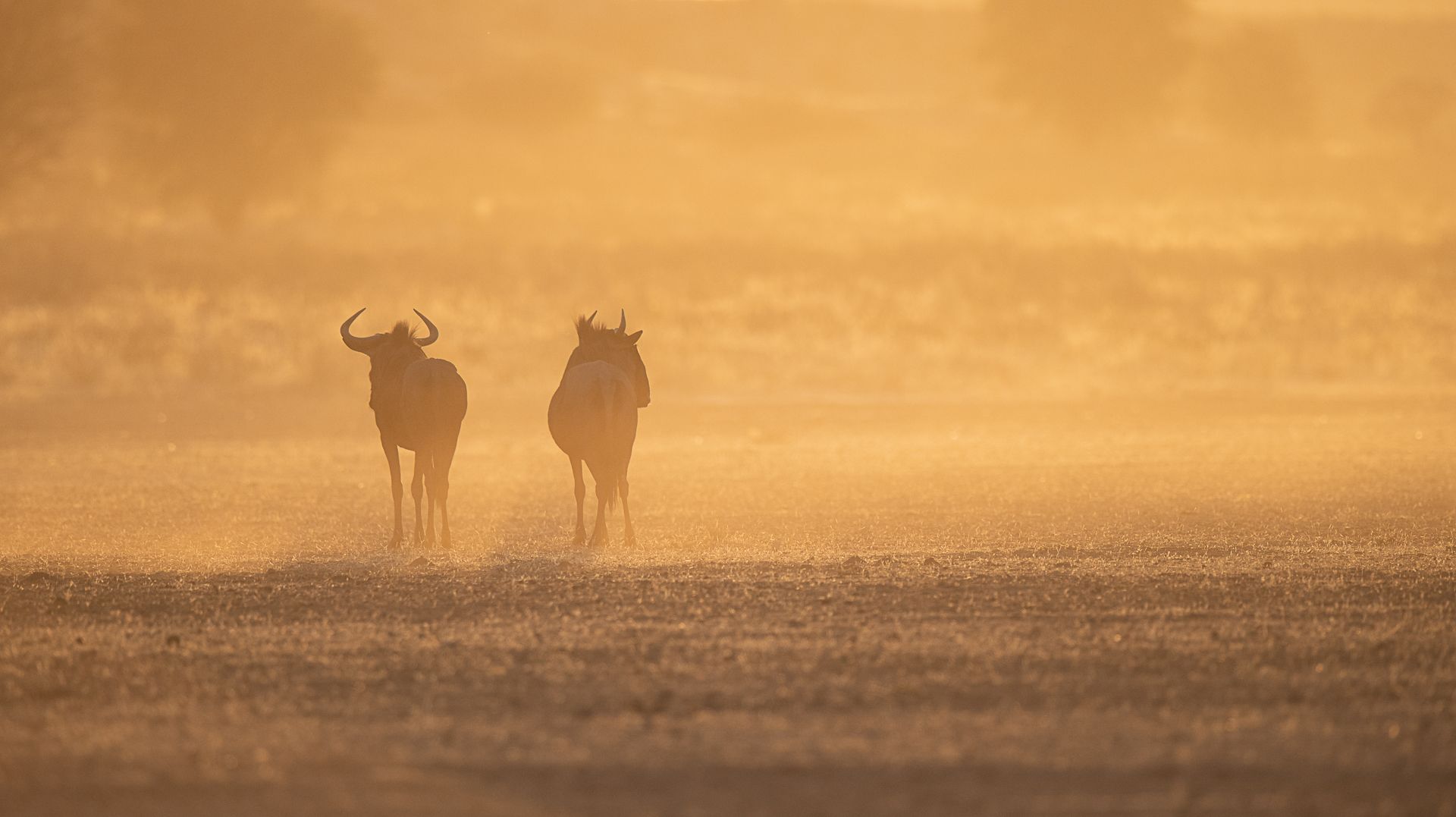
I, fortunately, love travel and being in my own company, so I spend months on the road in perfect partnership with the animals, great light, and the landscape. My confidence grew, and my images started to speak for themselves; so did my range of equipment, as did the awards.
My proudest moment was being made a Licentiate by the Photography Society of South Africa. I take so much pride in the steps I have taken, and it gives me such joy to see my work in magazines and hanging on walls of game lodges across Africa.
My philosophy is that anyone can acquire technical skills in photography. Still, you need heart, passion and a deep connection with what is around you to capture the finest of what Mother Nature has on offer.