
-
Bruna Mentrup posted in the group Wildlife Photography
WILDLIFE & NATURE PHOTOGRAPHY | FIELD NOTES
THE ART OF OBSERVATION • PATIENCE • RESPONSIBLE PHOTOGRAPHYBEYOND THE OBVIOUS
The Lesser-Known Secrets of Wildlife Photography
Practical insights into animal behaviour, light, technique, and ethical fieldcraft
Wildlife photography is often described as a combination of patience, timing, and technical skill. Those qualities matter, but the strongest images are frequently shaped by something less obvious: an understanding of how animals perceive the world, how light behaves in the field, and how small decisions influence both an image and the subject in front of the lens.
The following field insights bring together practical considerations for photographing birds, large mammals, underwater subjects, and the miniature world of macro. Some may challenge familiar habits; others may simply encourage you to observe more carefully. All point to the same principle: better photography begins before the shutter is pressed.
1. Understand the subject before you photograph it
An animal does not experience the world in the same way a photographer does. Its senses, body language, and daily routines all influence how it responds to our presence.
A different visual world. Some birds can perceive ultraviolet wavelengths, meaning their plumage may appear very different to other birds than it does to the human eye or to a conventional camera sensor.
Eyes that reflect light. The tapetum lucidum, a reflective layer in the eyes of many nocturnal animals, produces eyeshine in artificial light. Bright lights can disturb wildlife, which is one reason many reserves restrict flash and white light at night.
Body language matters. A direct approach, sustained eye contact, and abrupt movement can be perceived as threatening. Where it is safe and permitted, calm movement and giving an animal space are better choices than trying to get closer at all costs.
Let the animal become accustomed to you. Quietly remaining in one place can sometimes allow wildlife to resume natural behaviour. This is not a licence to approach or wait out an animal showing signs of stress; always follow the guidance of your guide and keep a respectful distance.
2. Technical decisions that make a difference
Expensive equipment can be useful, but understanding the limitations of your equipment and the conditions around you is often more valuable.
Recognise heat haze. On warm days, atmospheric shimmer can soften distant subjects even when your lens is exceptionally sharp. Photographing earlier, choosing a lower viewpoint, or reducing the distance to the subject can help.
Take control of autofocus. Grass, branches, and foreground fur can distract the autofocus system. A smaller focus area, careful focus-point placement, or back-button focus may help you keep attention on the animal’s eye.
Choose shutter speed for the real conditions. Long focal lengths and high-resolution sensors can reveal small movements. A 600mm lens on a 45-megapixel camera may require 1/1250 sec or faster for critical sharpness, depending on technique, subject movement, and conditions.
Understand image stabilisation. Some stabilisation systems behave differently when panning or when a camera is locked on a tripod. Check your lens instructions and use the appropriate mode for the situation.
3. Work with light, not just the clock
Golden hour is beautiful, but it is not automatically the best light for every subject or every behaviour.
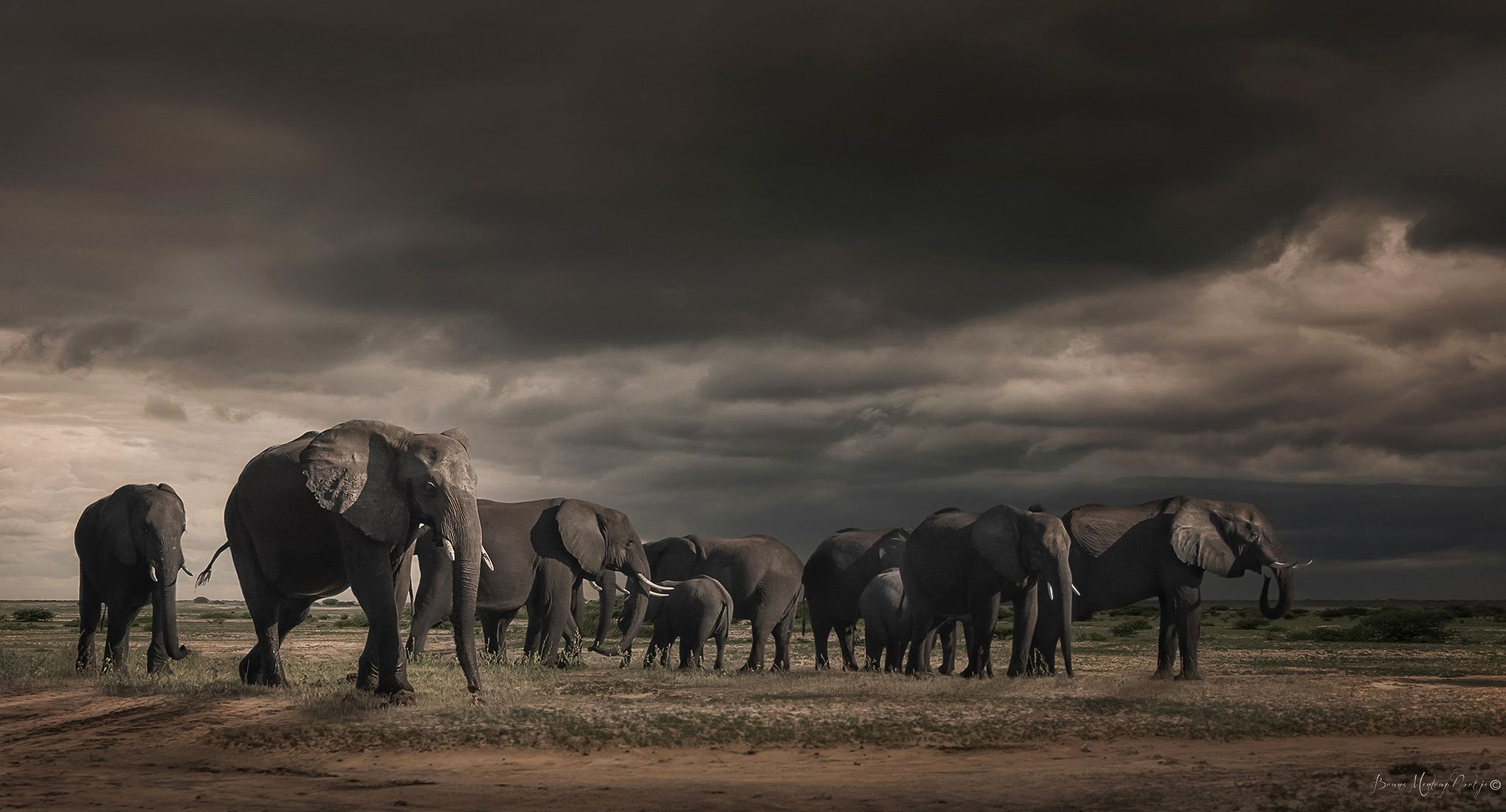
Look beyond golden hour. Soft, overcast light can reveal detail in dark-coated animals and reduce harsh contrast. It can be especially useful when the priority is texture and accurate exposure rather than dramatic atmosphere.
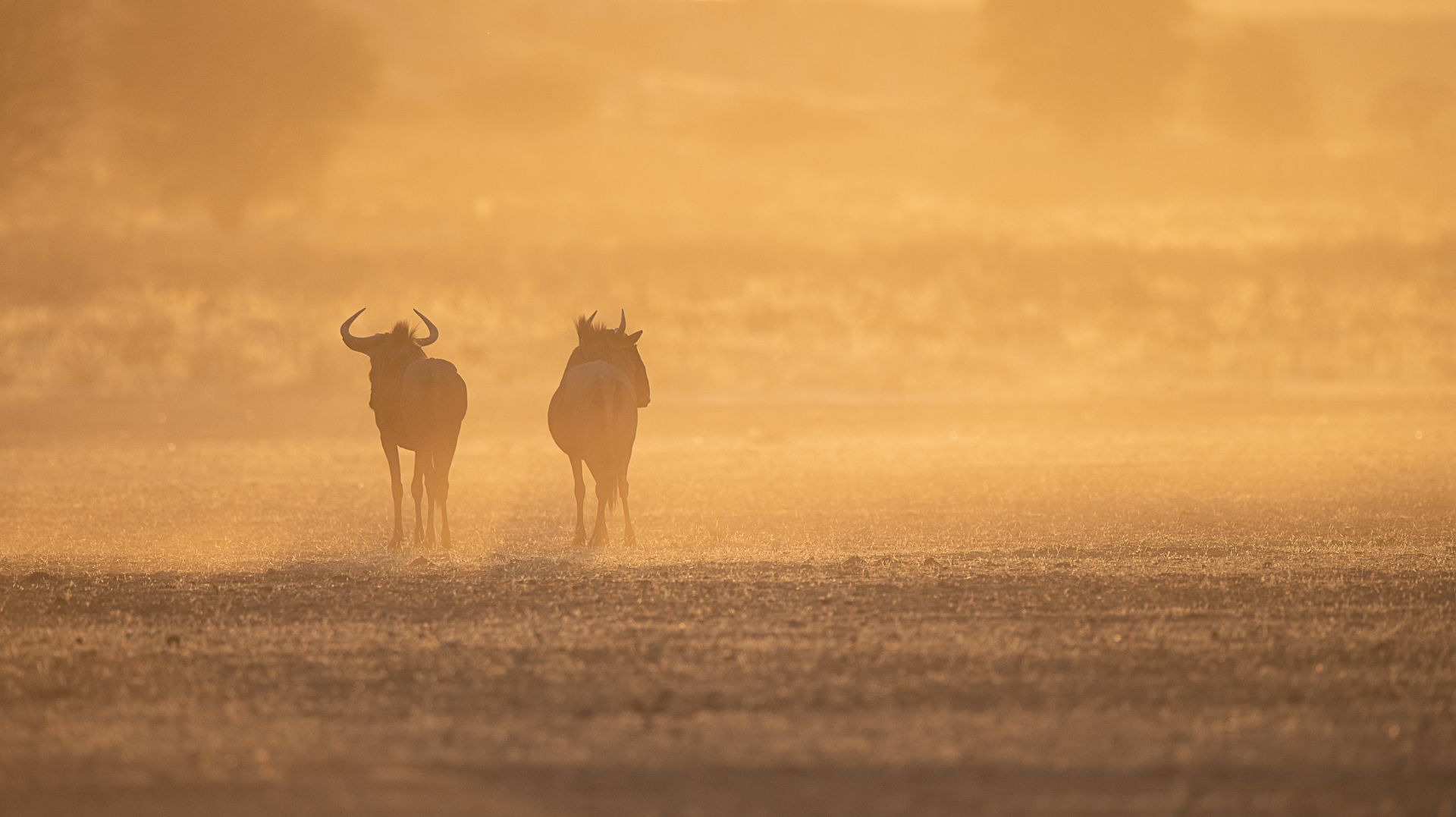
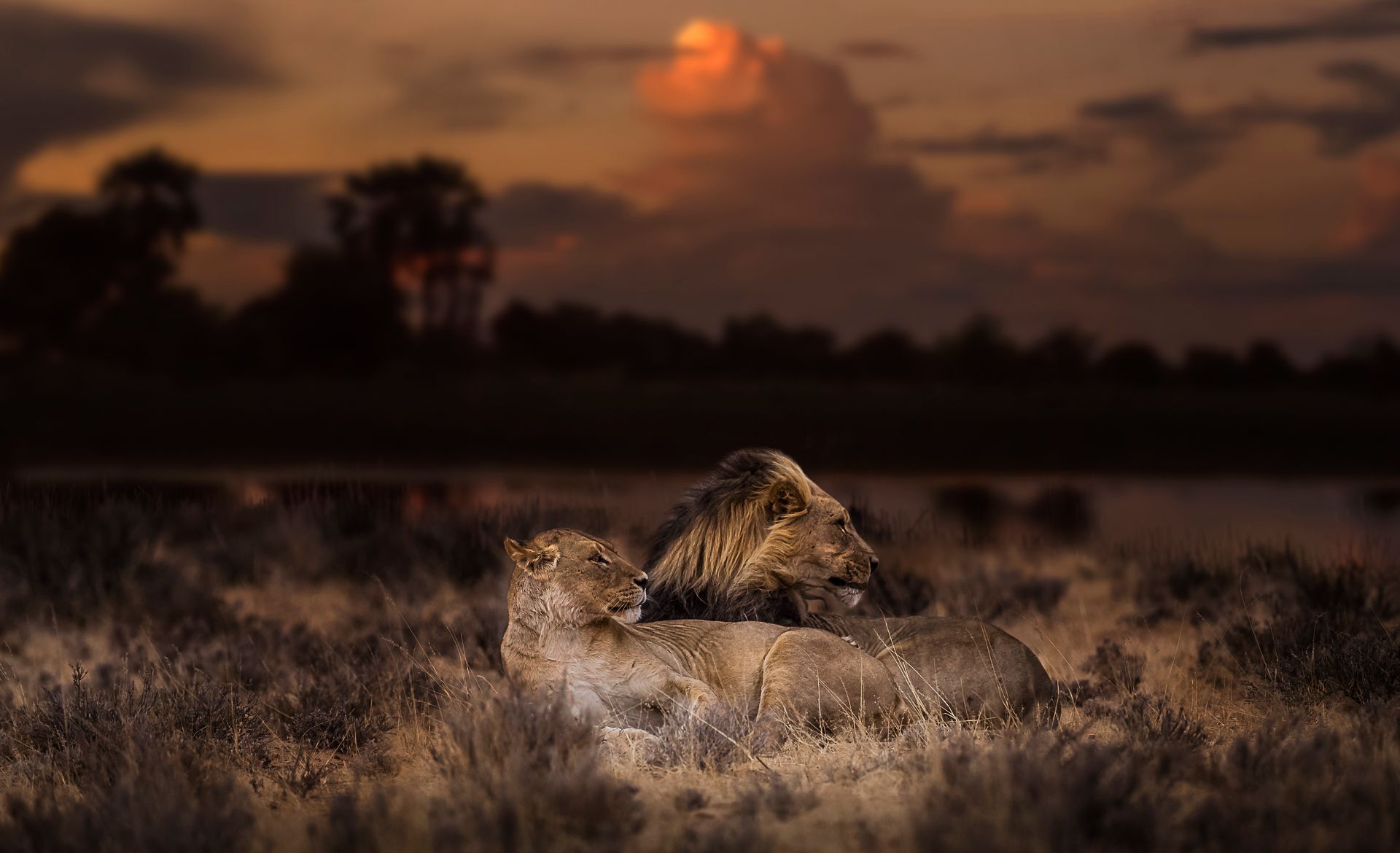
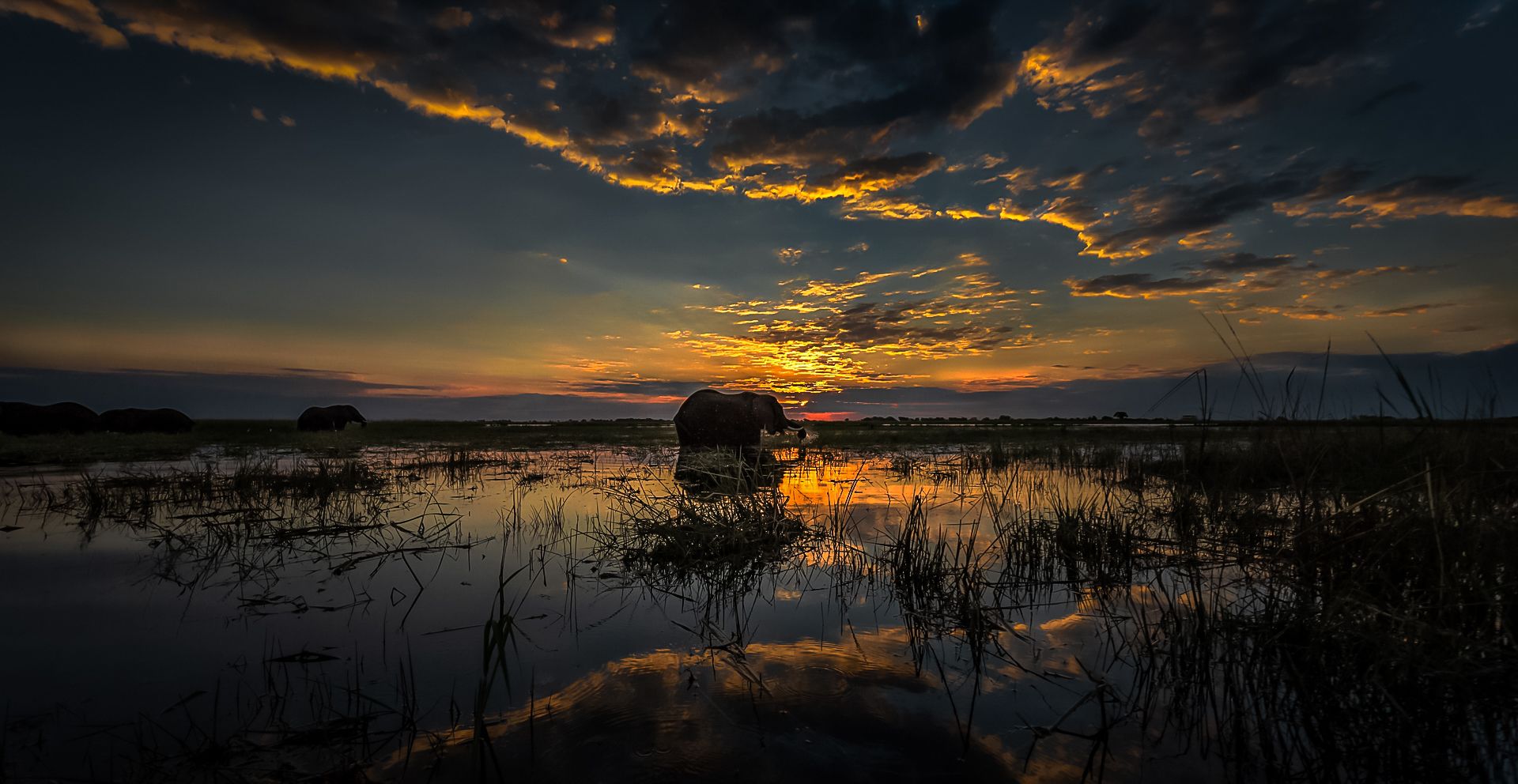
Use backlighting deliberately. Light coming from behind a subject can illuminate breath, dust, spray, and fine fur. Expose carefully and use the light to create separation, mood, and a sense of place.
Keep photographing after the action. The moments after a dramatic event can be just as compelling: a bird settling its feathers, an animal stretching, shaking off water, or a mother checking her young. Stay ready when the apparent action is over.
4. Ethical fieldcraft: the photograph is never the only priority
Responsible wildlife photography protects the subject, its habitat, and the trust placed in the photographer. A compelling image is never worth causing avoidable disturbance.
Avoid baiting and playback. Food, calls, and recorded sounds can alter natural behaviour and may cause stress, particularly during breeding periods. Some competitions prohibit images made using live bait or playback.
Protect nests and breeding sites. Repeated visits, scent trails, and the removal of vegetation can expose vulnerable young or attract predators. Keep away from sensitive sites and follow local rules and expert guidance.
Be transparent about the conditions. Images made in captivity, controlled environments, or baited setups can resemble photographs of free-ranging wildlife. Clear, honest captions help audiences understand the circumstances in which an image was created.
Never compromise safety. An animal’s apparent calm does not guarantee that it is comfortable. Mothers with young, territorial animals, and wildlife near water can react unpredictably. Follow your guide’s instructions and maintain safe distances.
5. Birds: small details, big impact
Wait for the eye to come alive. A sharply focused eye and a natural catchlight can give a bird portrait energy. Watch how a small change in head angle brings light into the eye.
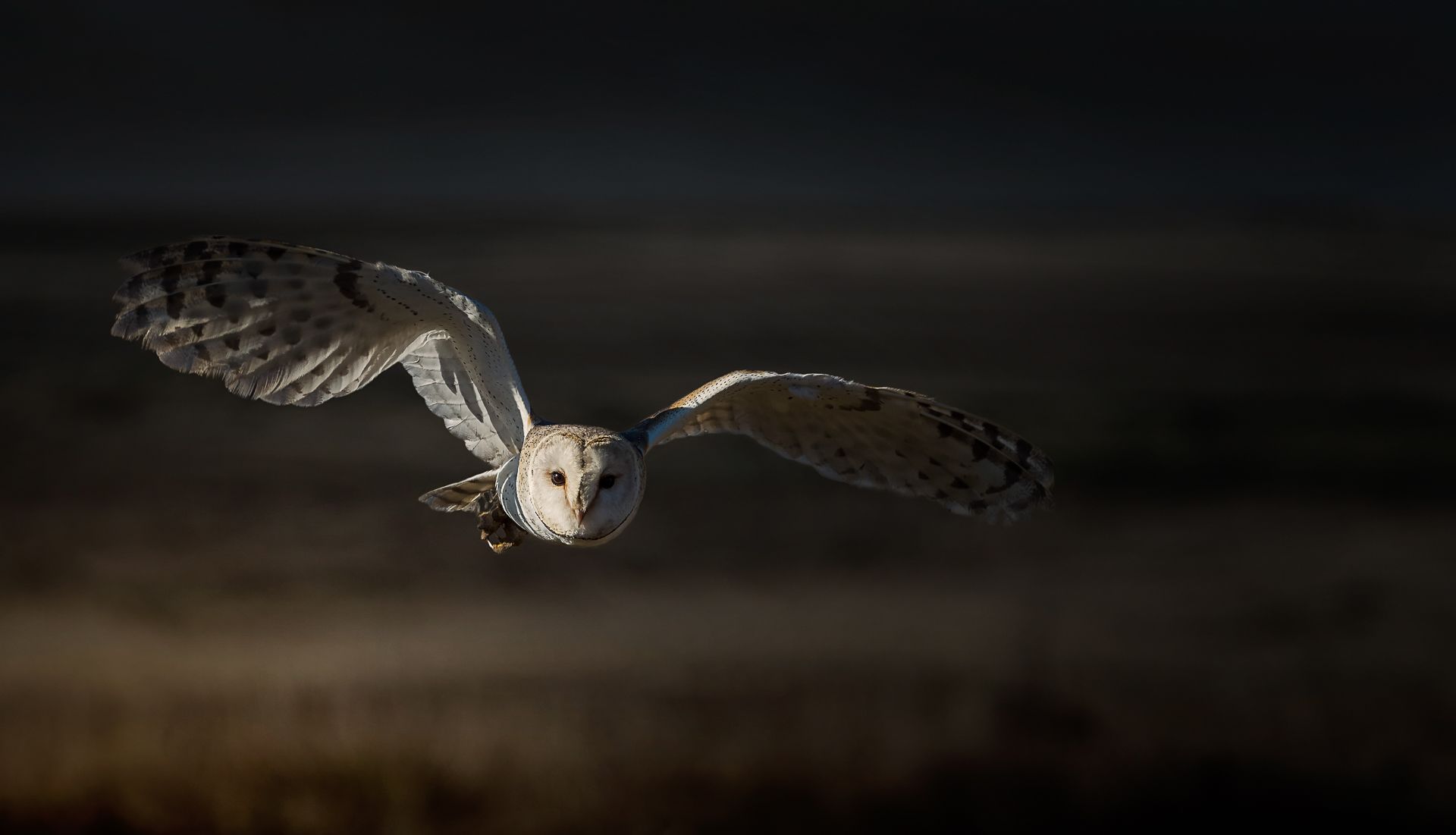
Anticipate take-off. Wind direction and subtle changes in posture can help you predict a bird’s movement. Observe before firing a burst, and be ready for the moment the bird launches.
Protect bright feather detail. White plumage can lose texture when highlights are overexposed. Check the histogram and highlight warnings, expose carefully, and recover darker areas where possible.
Think about the background. The distance between the bird and the background can have a greater effect on background softness than opening the aperture by a small amount. Reposition yourself when possible.
Learn favourite perches. Many birds return to familiar perches. Observing these patterns can help you choose a position and wait for a natural opportunity.
6. Large mammals: perspective, prediction and atmosphere
Change your viewpoint. A lower camera position can create a stronger connection with a large mammal and simplify the foreground. Only get low when it is safe and permitted; never leave a vehicle or designated area to improve an angle.
Learn behavioural sequences. A yawn, ear movement, or a change in posture may precede another action. Understanding species-specific signals helps you anticipate moments rather than simply react to them.
Treat the vehicle as a hide. Wildlife may be more comfortable around a vehicle than around a person on foot, but this varies. Follow the guide’s instructions, avoid sudden movement, and switch off the engine when appropriate and safe.
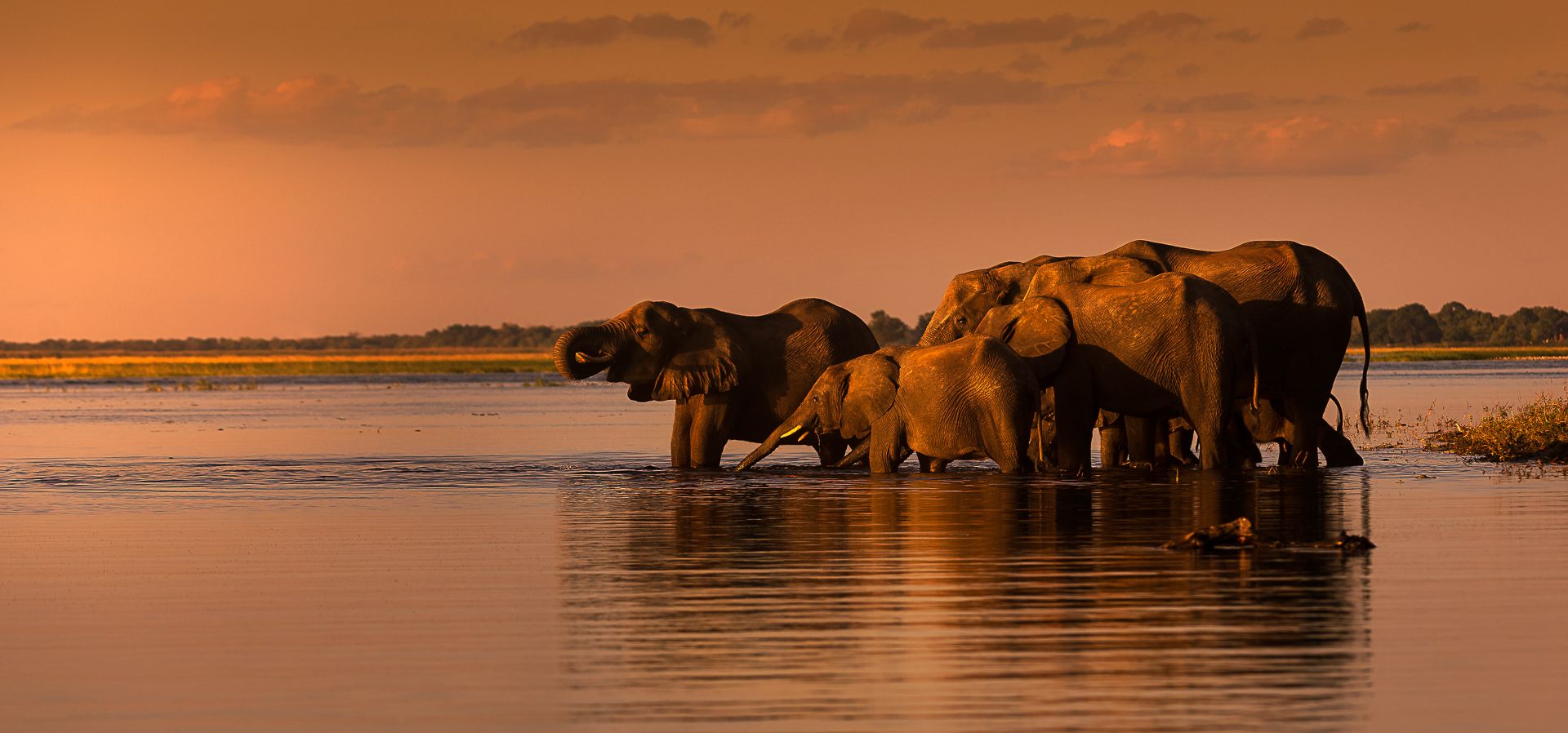
Use dust and water as visual elements. A herd crossing a river, an elephant bathing, or animals moving through dust can add atmosphere and context. Backlighting may make these elements especially striking.
Respect the animal’s comfort zone. Do not judge a safe distance by how close you can get before an animal moves. Give wildlife room to behave naturally, and let an experienced guide assess the situation.
7. Underwater photography: work with the water
Expect colour to change with depth. Water absorbs wavelengths at different rates, with red disappearing relatively quickly. Getting closer to the subject and using suitable strobes or video lights can help restore colour.
Reduce the distance to your subject. Water scatters light and reduces contrast. A closer approach, where safe and appropriate for the environment, means less water between the lens and the subject.
Look towards the surface. A slightly upward camera angle can place a subject against brighter surface water and help separate it from a visually busy seabed.
Master buoyancy. Good buoyancy control allows you to hover without touching reefs or disturbing habitat. It also gives you the stability to wait for natural behaviour.
Manage backscatter. Particles between the lens and the subject can reflect strobe light and appear as bright specks. Angling strobes outward, away from the lens axis, can reduce this effect.
8. Macro photography: precision in a miniature world
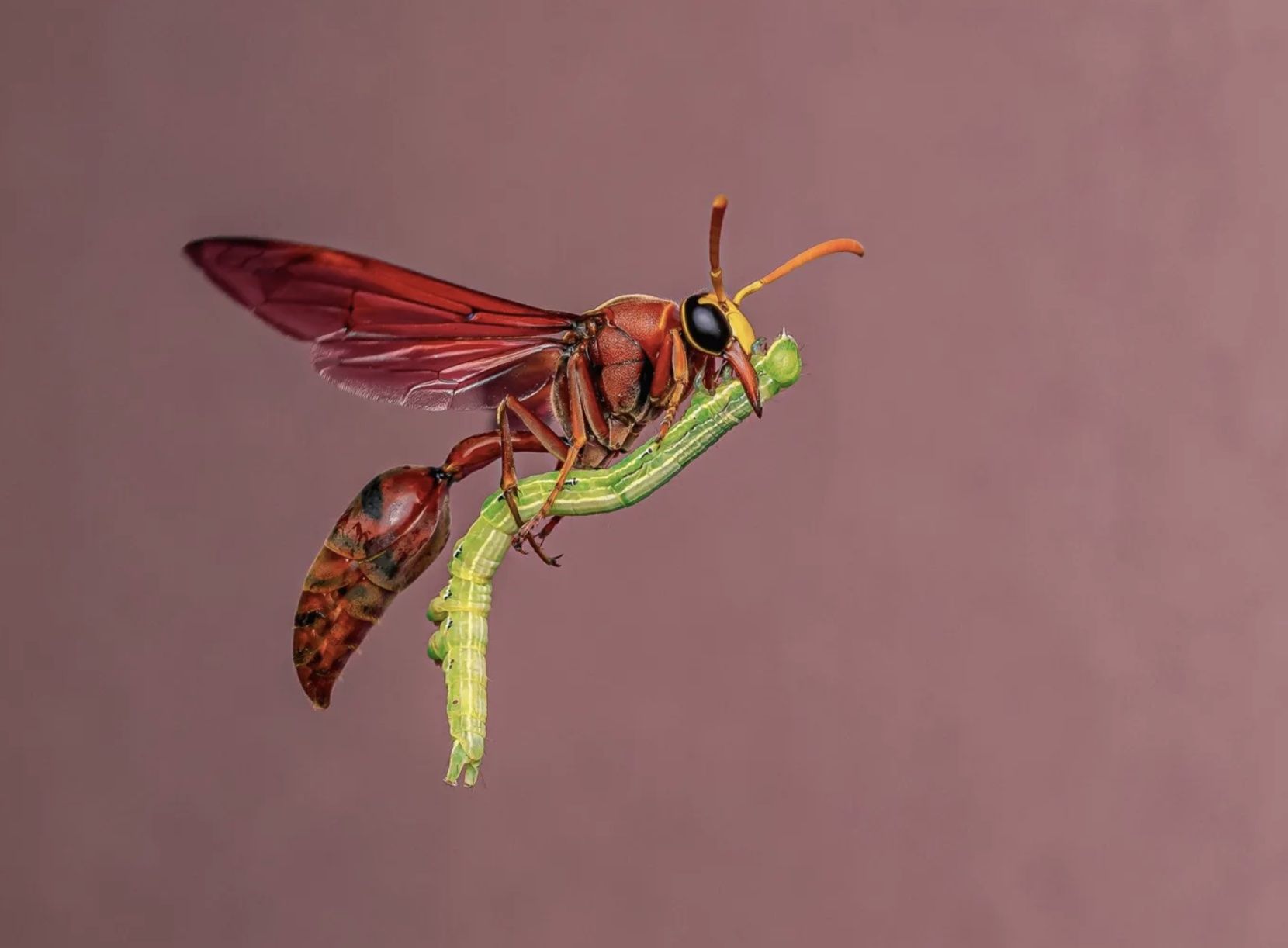
Work within a very narrow depth of field. At life-size magnification, even small apertures may leave only a thin plane in focus. Focus stacking can combine multiple frames made at different focus distances when the subject and conditions allow.
Make the most of cool mornings. Insects are often less active before they warm up. Early conditions can provide opportunities to photograph dew-covered subjects, provided you avoid disturbing them.
Bring light to the subject. At close working distances, the camera and lens can cast shadows. Diffusers, reflectors, and carefully controlled off-camera flash can help shape the light.
Watch for the slightest breeze. A small movement that is barely noticeable to the eye can be significant at high magnification. Use natural shelter or a discreet windbreak without damaging plants or habitat.
Keep the eye in focus. Even in a tiny insect portrait, a clear, sharp eye and a catchlight can make the image feel deliberate and engaging.
9. The craft behind consistently strong images
Pre-visualise the photograph. Consider the likely light, background, behaviour, and composition before arriving. Preparation creates more room to respond creatively when an opportunity appears.
Give patience a practical purpose. Long periods of waiting are part of wildlife photography. Remaining observant and ready can reward you with moments that happen only briefly, sometimes near the end of a quiet session.
Edit with integrity. Different photographic disciplines have different conventions for colour correction, focus stacking, and other techniques. In wildlife photography, adding, removing, or moving elements in a documentary scene can misrepresent what happened. Understand the rules of the intended use and disclose significant techniques where appropriate.
“The strongest wildlife photographs are built on knowledge, patience, and respect, long before the shutter is released.”
A final thought
The more time you spend observing wildlife, the more you realise that photography is not simply about owning the right camera or reacting quickly. It is about learning to read a landscape, recognising behaviour, understanding light, and making thoughtful decisions in the field. Technical skill helps you capture the moment; patience and respect help ensure that the moment remains natural.
Keep learning, stay curious, and allow the subject to set the pace. Often, the photograph you remember most is the one you had to wait for.
BRUNA MENTRUP – PROFESSIONAL WILDLIFE PHOTOGRAPHER
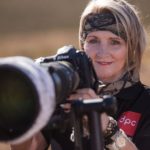
Bruna Mentrup
TUTOR
I started my wildlife photography journey with nothing but a passion for capturing what I had seen unfold before me for years.
Determined I could achieve that, I set out with the most basic equipment, and eventually, my efforts were rewarded.
I, fortunately, love travel and being in my own company, so I spend months on the road in perfect partnership with the animals, great light, and the landscape. My confidence grew, and my images started to speak for themselves; so did my range of equipment, as did the awards.
My proudest moment was being made a Licentiate by the Photography Society of South Africa. I take so much pride in the steps I have taken, and it gives me such joy to see my work in magazines and hanging on walls of game lodges across Africa.
My philosophy is that anyone can acquire technical skills in photography. Still, you need heart, passion and a deep connection with what is around you to capture the finest of what Mother Nature has on offer.