
-
Bruna Mentrup posted in the group Wildlife Photography
*Capturing Emotion in Wildlife Photography: Tell a Deeper Story*
What makes a wildlife photograph feel like a meeting, rather than a record? Often, it’s a small detail: a pause before a bird takes flight, a parent’s glance toward its young, or a shift in an animal’s posture. If your images show the subject clearly but don’t yet carry a story, you’re not alone. Capturing emotion in wildlife photography starts with noticing these visible signals, then giving them room to speak.
You must learn how to read expressions and behaviour, anticipate meaningful moments, and make thoughtful choices about timing, framing and light. Patience and respect for an animal’s space matter more than forcing a scene. The aim isn’t simply to get closer or use more complicated settings. It’s to observe carefully, let technique support the subject, and make photographs that feel alive and true.
What Makes a Wildlife Photograph Feel Emotional?An expressive wildlife photograph gives the viewer more to notice than an animal’s appearance. A direct gaze, a body held mid-step or space between two animals can suggest a moment unfolding. Viewers may read curiosity, tension or tenderness into the scene, but an image can’t prove what an animal feels.
An expressive wildlife image shows an observable moment in context, inviting the viewer to imagine its story. A simple record mainly shows what the animal looks like. That difference often comes from patient observation, not a dramatic encounter. Capturing emotion in wildlife photography means using visible details to create meaning without claiming more than the frame can show.
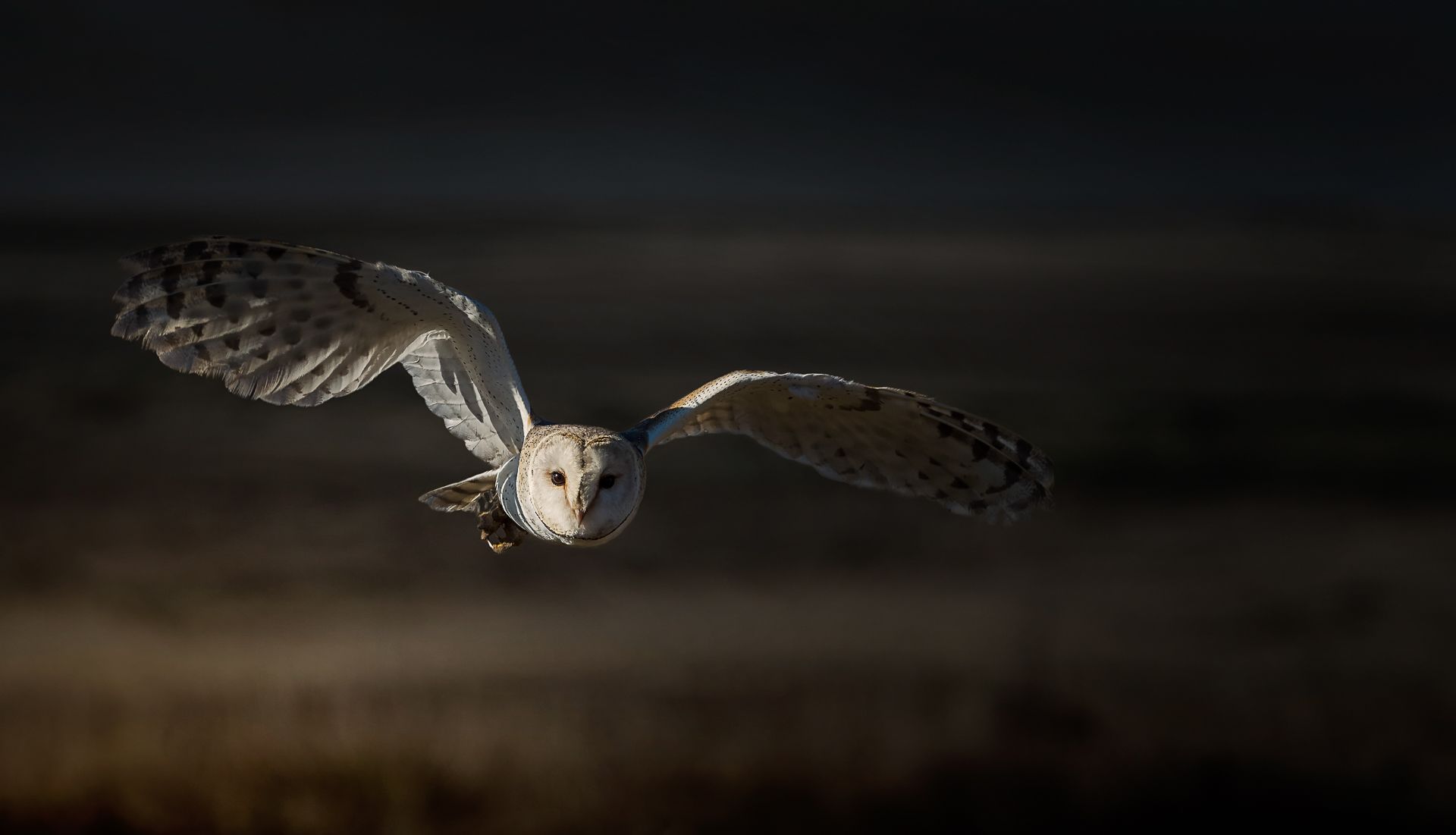
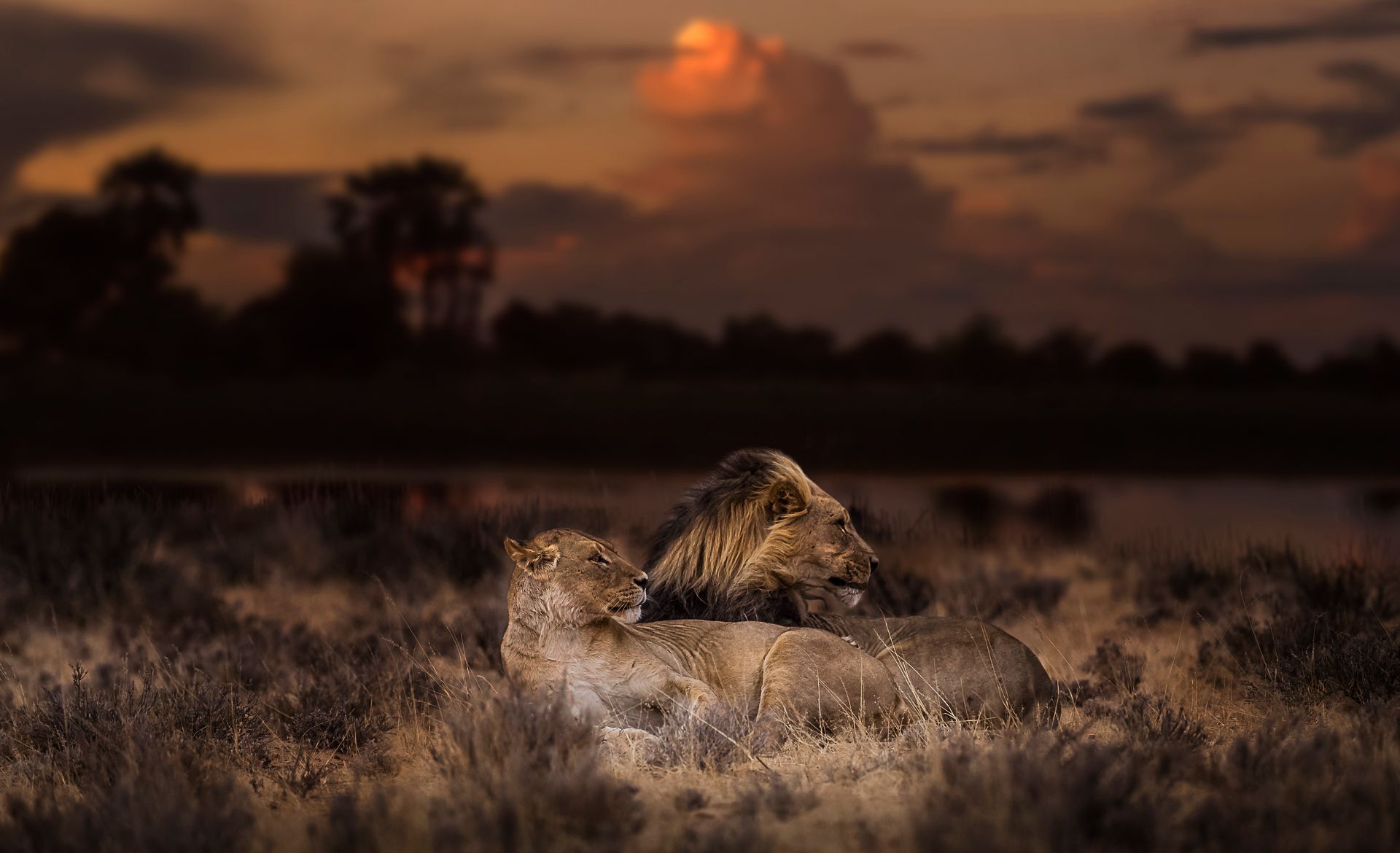
Which visual cues help a wildlife photo communicate feeling?Look for changes in posture and attention. A turned head can draw the viewer toward something just outside the frame. An attentive gaze, a raised wing or a pause before movement can make a still image feel full of possibility. Interaction adds another layer: two birds facing each other may suggest connection, while an animal beside its young gives the scene clear context.
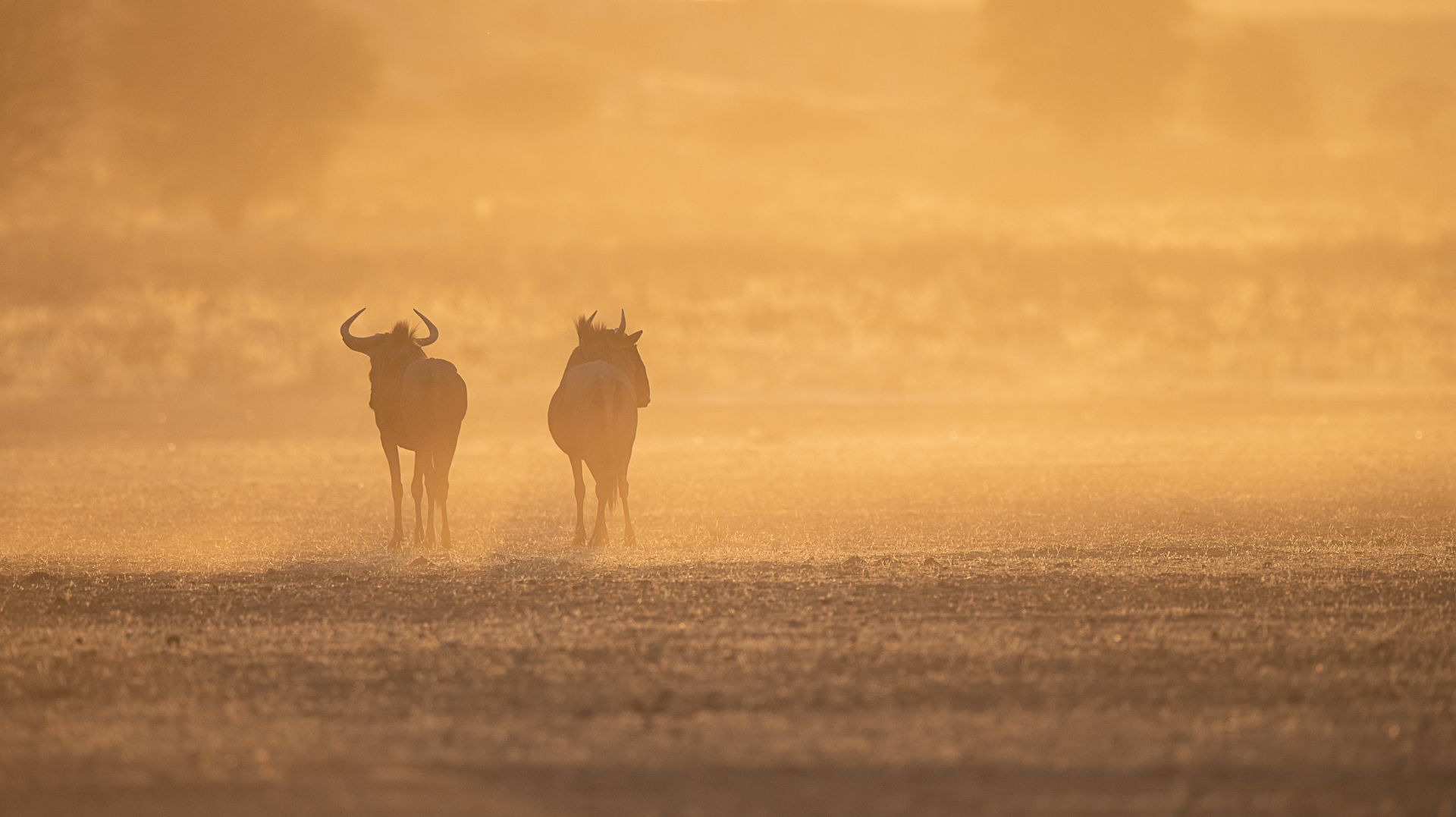
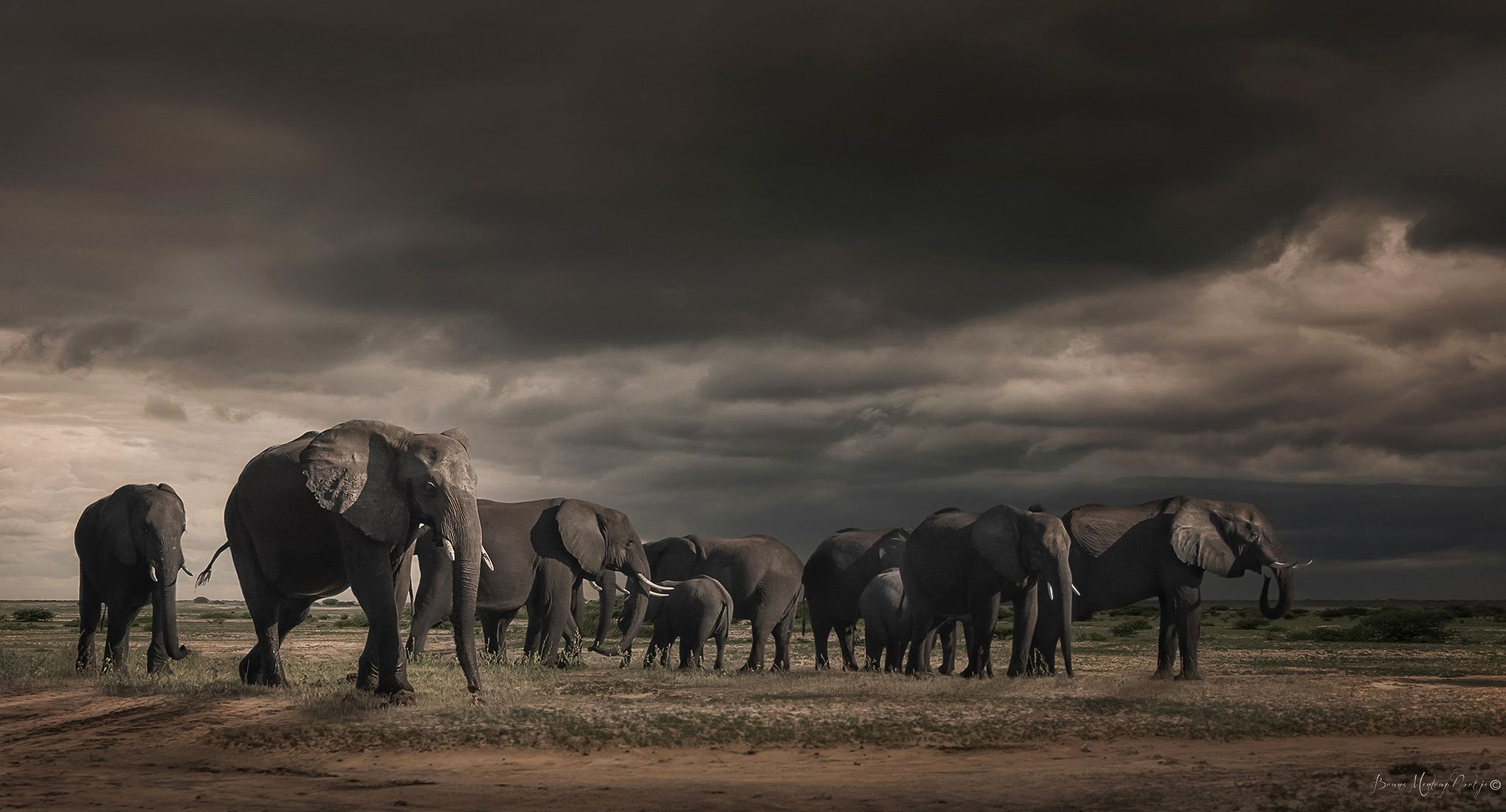
Include the surroundings when they help explain the moment. A small animal framed by a wide, open landscape may feel exposed; branches around a perched bird can show where it has settled. Leave space in the direction the animal is looking or moving, so viewers can follow its attention. Before taking the shot, check the edges of the frame for branches, bright patches or other distractions.How Can You Capture Emotion in Wildlife Photography?
Build a simple rhythm in the field: observe first, anticipate what may happen, choose a frame, then respond. This keeps your attention on the animal instead of changing settings at every moment. Capturing emotion in wildlife photography is less about reacting to every movement and more about being ready when behaviour, light and composition come together.Pause and observe.
Notice where the animal looks, how it moves and whether its behaviour is changing. Watch for repeated actions or a shift in attention.Anticipate a moment.
If a bird is watching the water, prepare for possible movement without assuming it will happen.Choose a frame.
Decide what to include and what to leave out. Keep details that explain the scene, and remove distractions where you can.Respond.
Make small adjustments as the moment unfolds, while keeping the animal’s space in mind.How do patience and framing shape the story?
Watch for a while before lifting the camera or shifting position. A low, eye-level view can make the viewer feel closer to an animal, while a wider frame can show its place in the landscape. Space around the subject can suggest direction or distance.
Let the light guide your choices. Soft light can bring out detail without pulling attention from the subject. In brighter conditions, look for an angle that keeps distracting shadows from crossing the face. A shallow depth of field, which leaves the background softly blurred, can help separate an animal from busy surroundings. Keep enough detail in the scene to preserve useful context.
Patient observation gives you more time to notice the details that can shape a photograph’s story.Build Your Wildlife Photography Practice in the Field
Make each outing a chance to learn, not just a search for a striking frame. After photographing a scene, review it and ask: What visible cue caught my attention? How did my framing shape the scene? What might a viewer understand from the image? These questions help you see which choices supported the story and what you might try differently next time.
Keep the animal’s wellbeing at the centre of your decisions. Stay at a respectful distance, avoid blocking its path, and don’t pursue or disturb it to create a more dramatic moment. If an animal changes its behaviour because of your presence, give it room. A photograph is never worth pressuring wildlife.Do wildlife photographs need dramatic action to feel emotional?
No. A quiet scene can carry as much meaning as a burst of action. A pausing of an animal to listen or a heron carefully placing each step gives viewers time to notice the animal’s visible focus. For capturing emotion in wildlife photography, look for a detail that makes the moment specific, not simply dramatic.Can the background make a wildlife photograph feel more expressive?
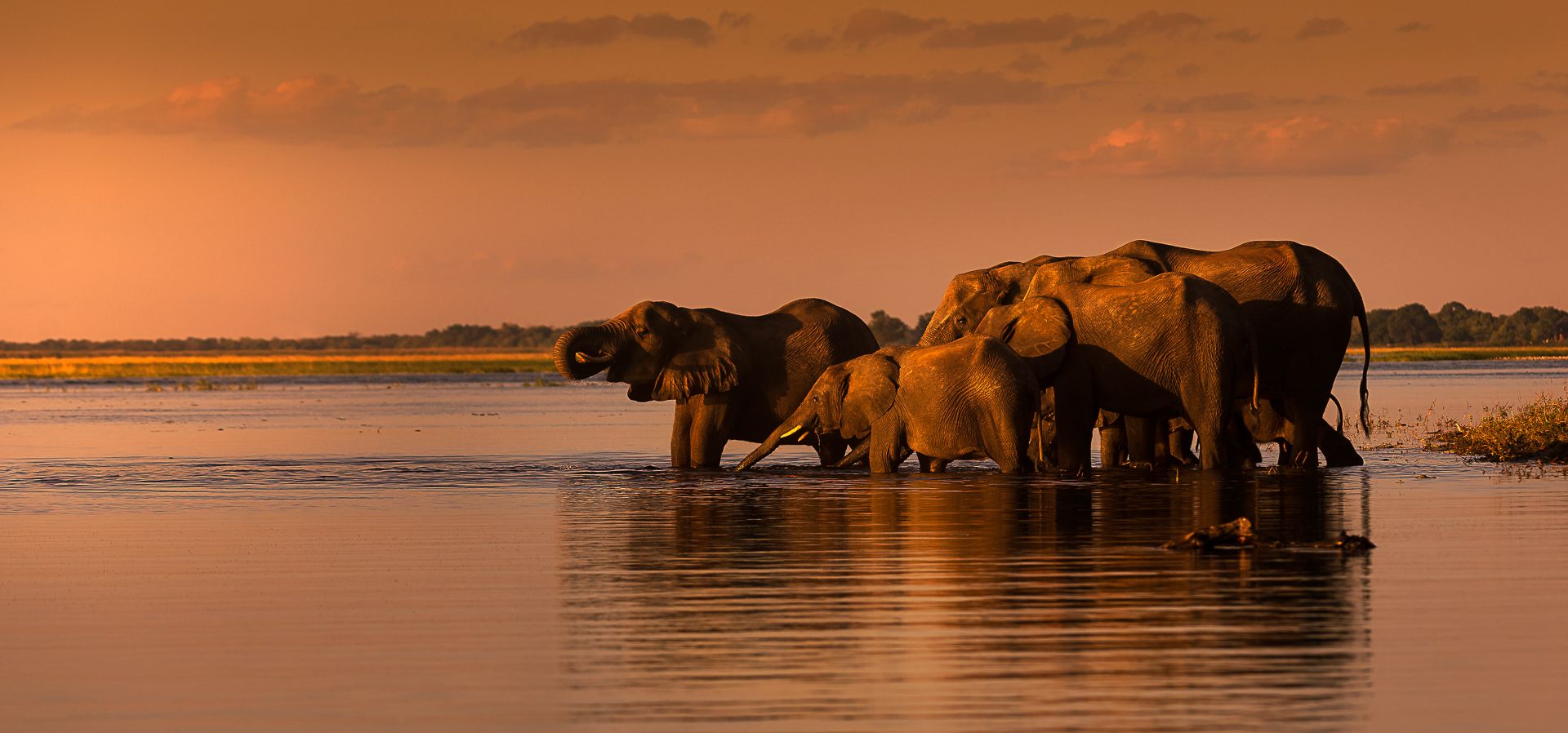
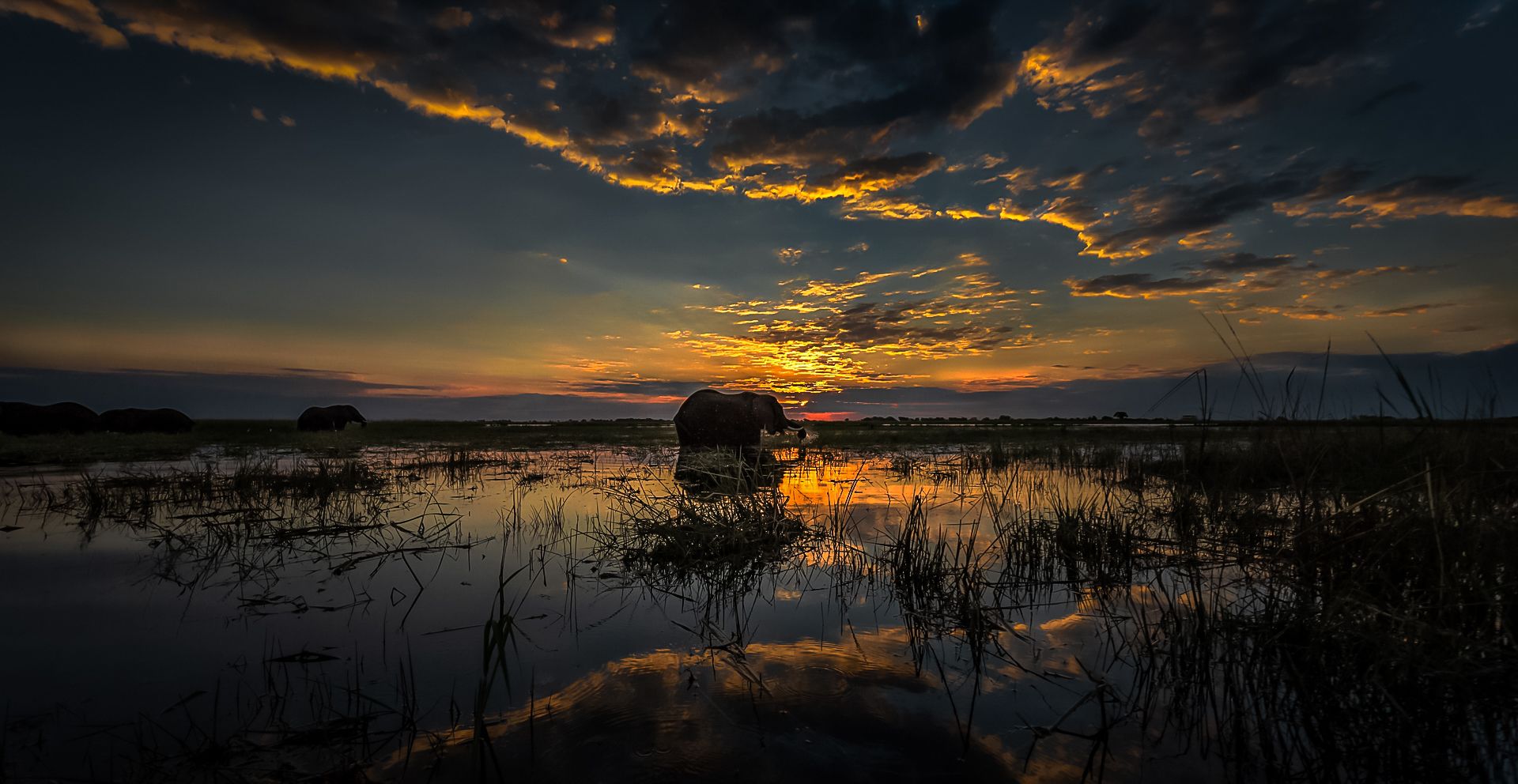
Yes. A background can show what’s happening around the animal, not just decorate the frame. Reeds on the water can place a wading bird in its habitat, while a plain area behind patterned fur can make the subject easier to read. Check the edges, too. A bright patch or stray branch may draw attention away.Is eye contact necessary for an emotional wildlife photo?
No. Eye contact can create a direct connection, but it isn’t the only way to hold a viewer’s attention. A profile can show the shape of an animal’s face, while a partly hidden subject can invite the viewer to look more closely. Let the animal’s natural position guide the photograph rather than waiting for it to face the camera.Bruna Mentrup
DPC Wildlife Photographer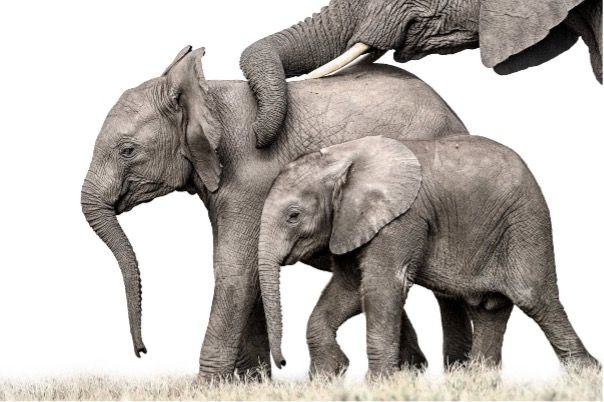
 liked this
Bruna Mentrup
TUTOR
I started my wildlife photography journey with nothing but a passion for capturing what I had seen unfold before me for years.
Determined I could achieve that, I set out with the most basic equipment, and eventually, my efforts were rewarded.
I, fortunately, love travel and being in my own company, so I spend months on the road in perfect partnership with the animals, great light, and the landscape. My confidence grew, and my images started to speak for themselves; so did my range of equipment, as did the awards.
My proudest moment was being made a Licentiate by the Photography Society of South Africa. I take so much pride in the steps I have taken, and it gives me such joy to see my work in magazines and hanging on walls of game lodges across Africa.
My philosophy is that anyone can acquire technical skills in photography. Still, you need heart, passion and a deep connection with what is around you to capture the finest of what Mother Nature has on offer.