
-
Bruna Mentrup posted in the group Wildlife Photography
#wildlife photography
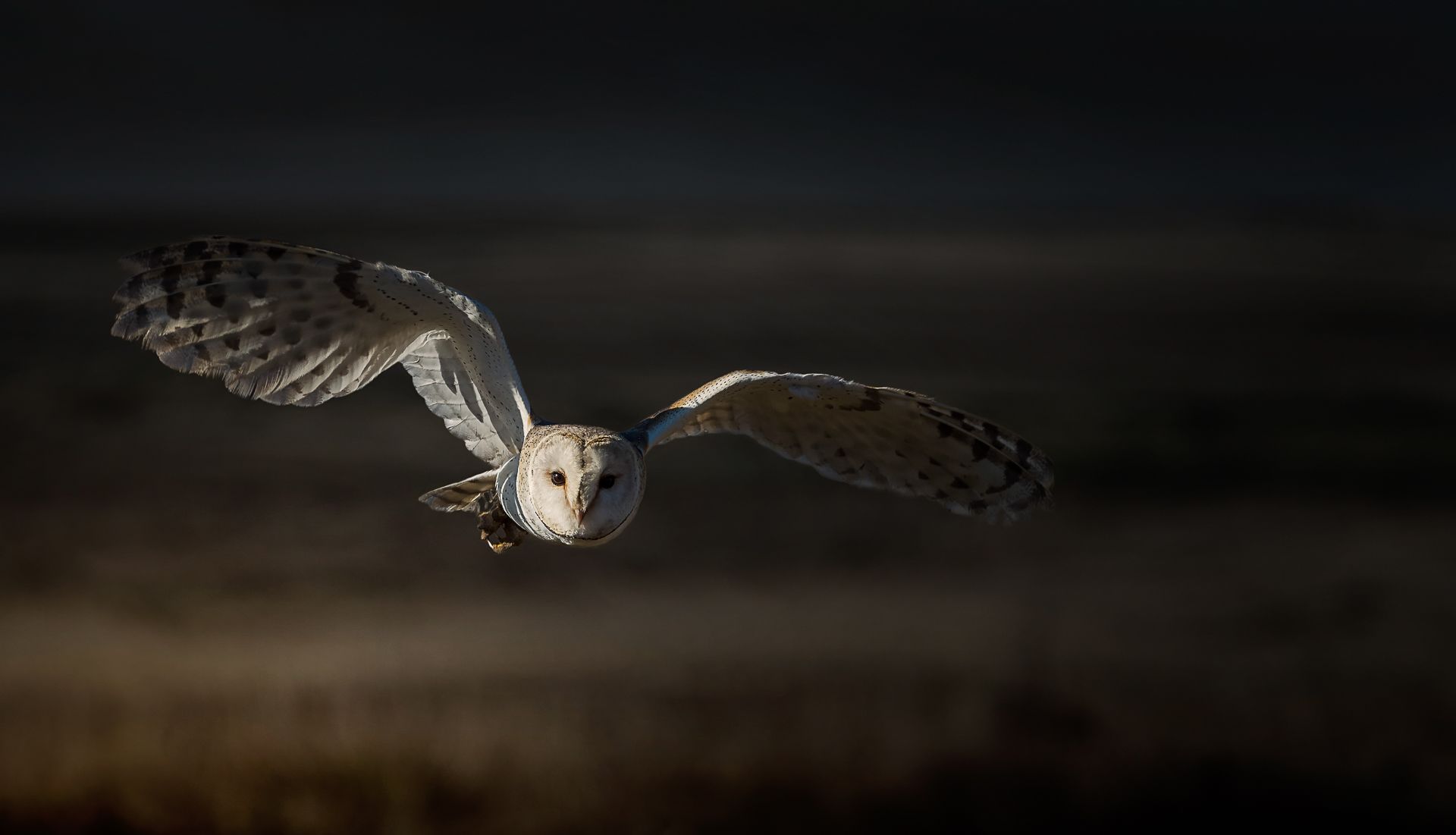
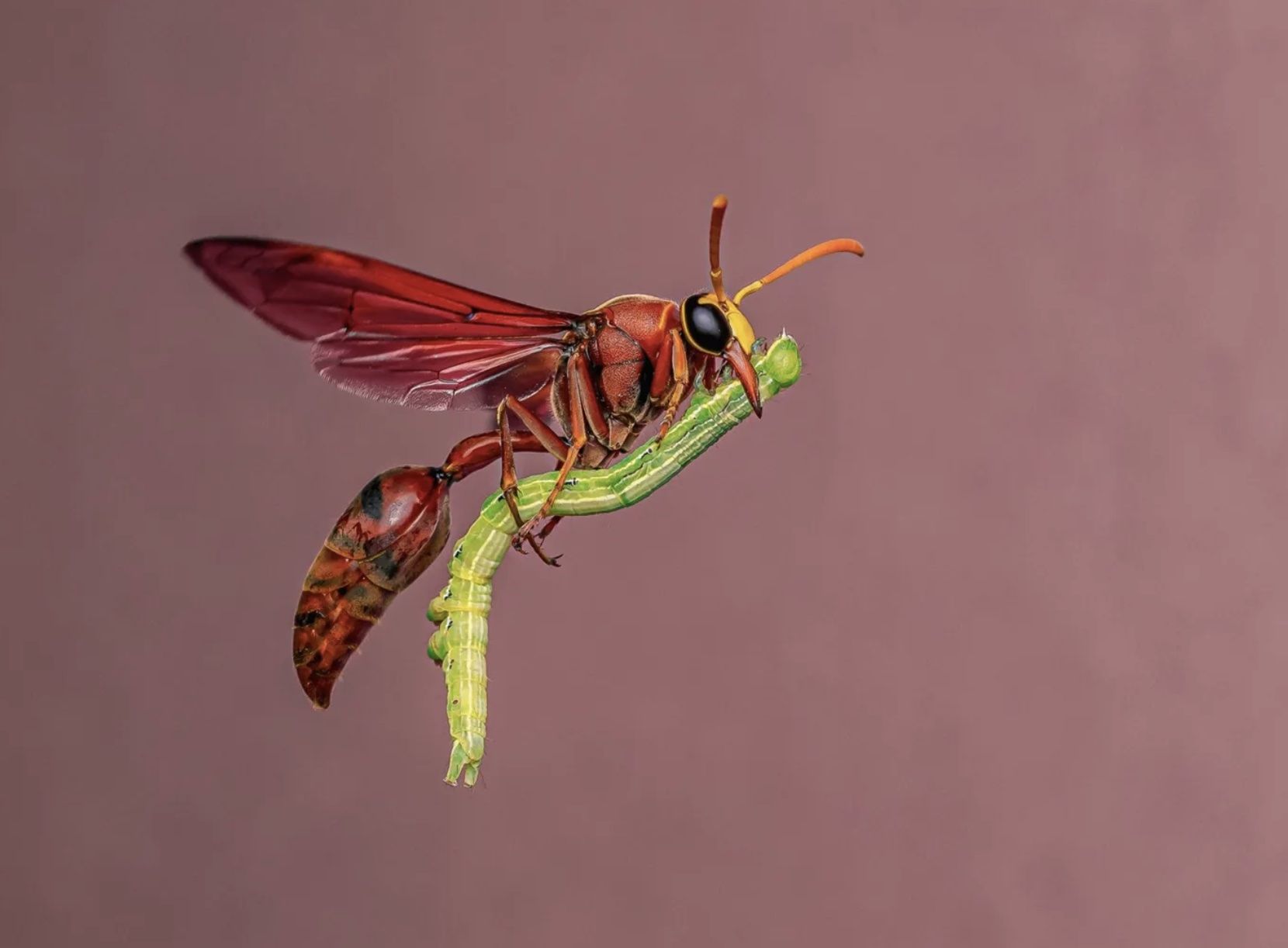
#avian photographyDepth of field for sharp focus depends on several factors, including the focal length of the lens and the selected aperture. As you increase your aperture number (go from a small number/wide open aperture to a higher number/small aperture opening) your depth of field for a given situation will increase. As you increase the focal length of the lens (go from a smaller length to a longer length) the inverse is true. Your depth of field for a given situation will decrease.
As you go to the long and super telephoto lenses your depth of field for apparent sharpness can be just inches, even for the highest aperture number your lens is capable of. So, establishing your sharp focal point is critical for a striking looking image. Look for an edge around the eye, possibly where the iris and cornea meet or where the eyelid meets the eye. Keep this focus point as you compose and capture your image. If your camera has a focus lock button, establish your focus point and depress the lock button to keep the focus point even if you recompose slightly.
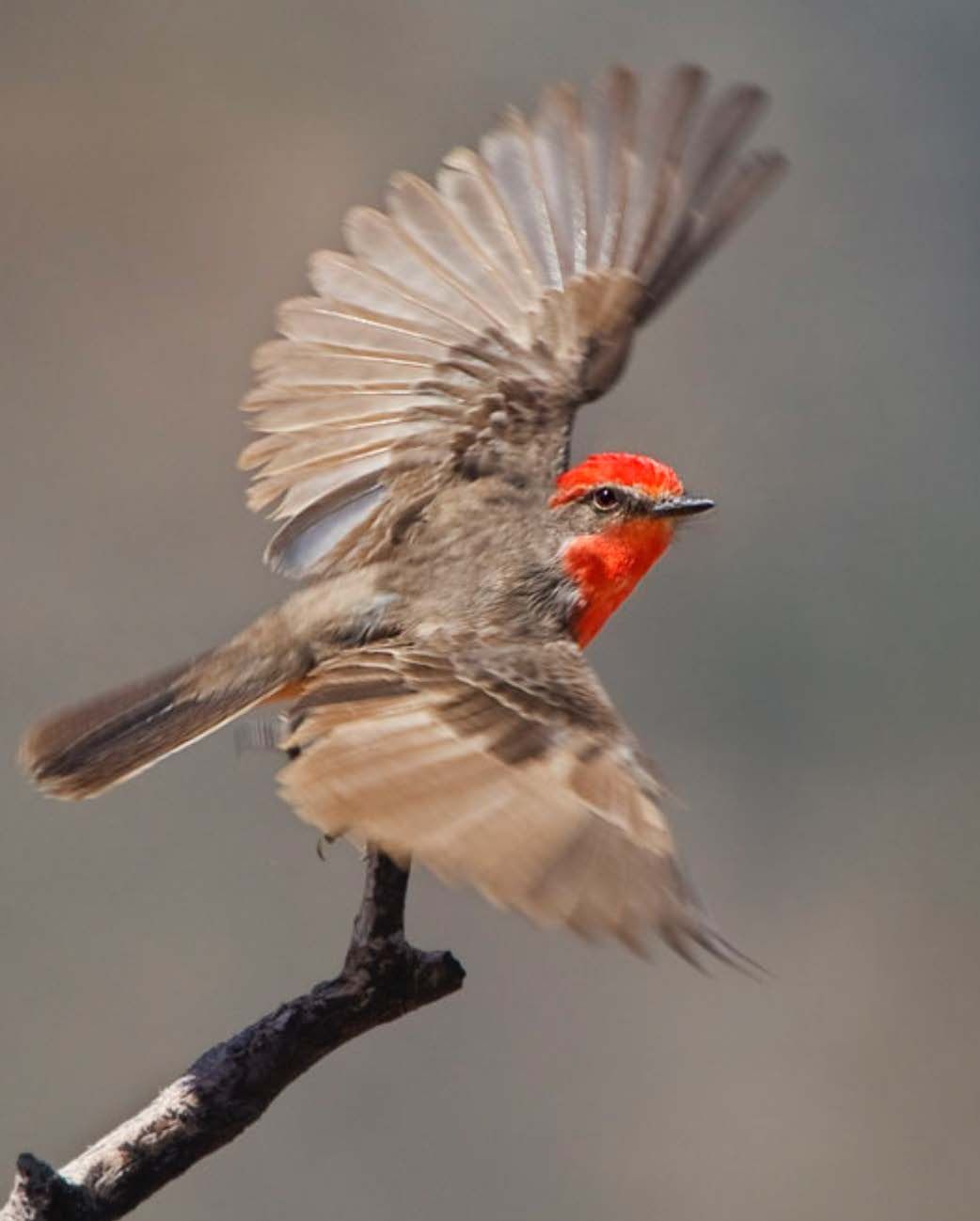
When you have a dynamic situation like the vermillion flycatcher taking flight in the image below, it becomes more challenging but not impossible. First, study your subject. Birds will often signal when they are about to take off with changes in position or flexing their legs/body. In this situation, depending on your camera sophistication, you have a couple of options. If your camera has follow or predictive focus, set your focus point on the eye and let predictive focus take over when you follow the bird as it takes flight. Remember to follow the flight in a smooth, flowing fashion and softly press the shutter, do not stab it. That will cause vibration and un-sharp photos. If you do not have predictive focus, set your focus point on the eye again, switch off your auto focus, give yourself extra space in the frame to let the bird fly into the frame and fire as the bird takes off using that same flowing motion. In either case, use a high shutter speed, preferably 1/1000 sec or greater, and high speed continuous shooting if available. If you can shoot high speed continuous, anticipate the bird taking off and press the shutter before the bird leaves the perch. You will get a sequence of shots, many of which will be unusable, but you will get your avian subject completely in the frame with no cut off wings.
Bruna Mentrup
 liked this
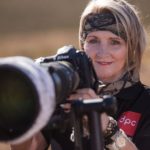
Bruna Mentrup
TUTOR
I started my wildlife photography journey with nothing but a passion for capturing what I had seen unfold before me for years.
Determined I could achieve that, I set out with the most basic equipment, and eventually, my efforts were rewarded.
I, fortunately, love travel and being in my own company, so I spend months on the road in perfect partnership with the animals, great light, and the landscape. My confidence grew, and my images started to speak for themselves; so did my range of equipment, as did the awards.
My proudest moment was being made a Licentiate by the Photography Society of South Africa. I take so much pride in the steps I have taken, and it gives me such joy to see my work in magazines and hanging on walls of game lodges across Africa.
My philosophy is that anyone can acquire technical skills in photography. Still, you need heart, passion and a deep connection with what is around you to capture the finest of what Mother Nature has on offer.