Congratulations to Kim Stevens, our single-image winner, and Idonette Jansen van Vuuren, our series winner! Both have made photographs that reward a second look. Kim gives an isolated structure a surprisingly human presence; Idonette finds feeling in the smallest changes between birds and branches.
The prizes
- Best single image: Kim Stevens wins R1,000 cash.
- Best series: Idonette Jansen van Vuuren wins a three-hour personal training session with Danie Bester, covering any photography topic of her choice.
Our Less is More minimalist photography theme asked photographers to simplify with purpose. The space around a subject had to contribute to the picture: it could suggest distance, give a gesture room to register, or make a small detail feel significant. We looked for clarity, originality and aesthetic strength, together with an emotional reason to stay with the image.
For the series, we also looked at how the photographs worked together. A consistent edit and visual approach should connect the images, while each frame adds something of its own. The strongest sequences let a relationship develop as we move from one photograph to the next.
You can revisit the original Less is More theme brief to see what we asked our photographers to explore. Select a photograph below to visit the original community post.
Best single image
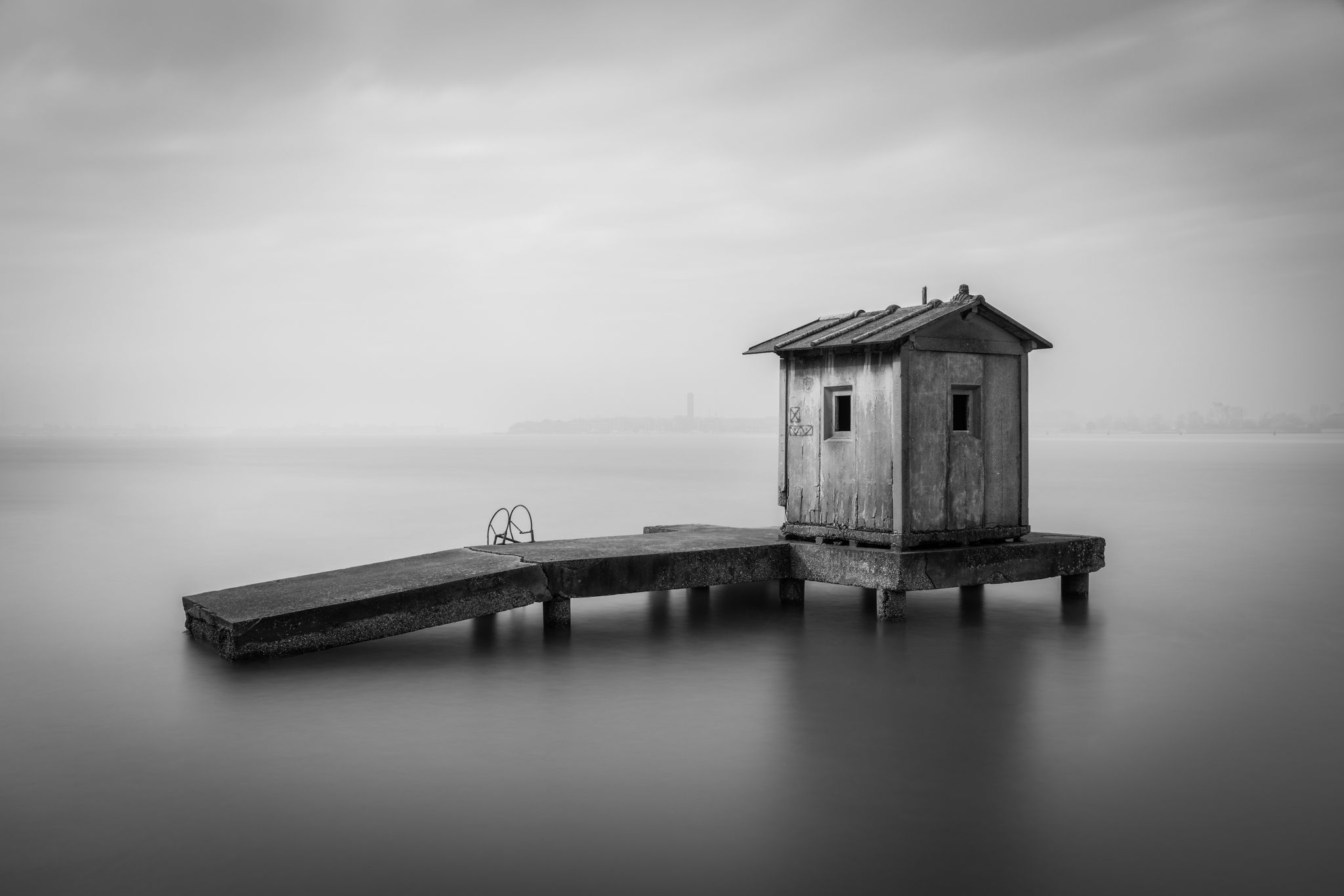
Kim Stevens. Untitled 5.
Kim wins R1,000 cash. Congratulations, Kim!
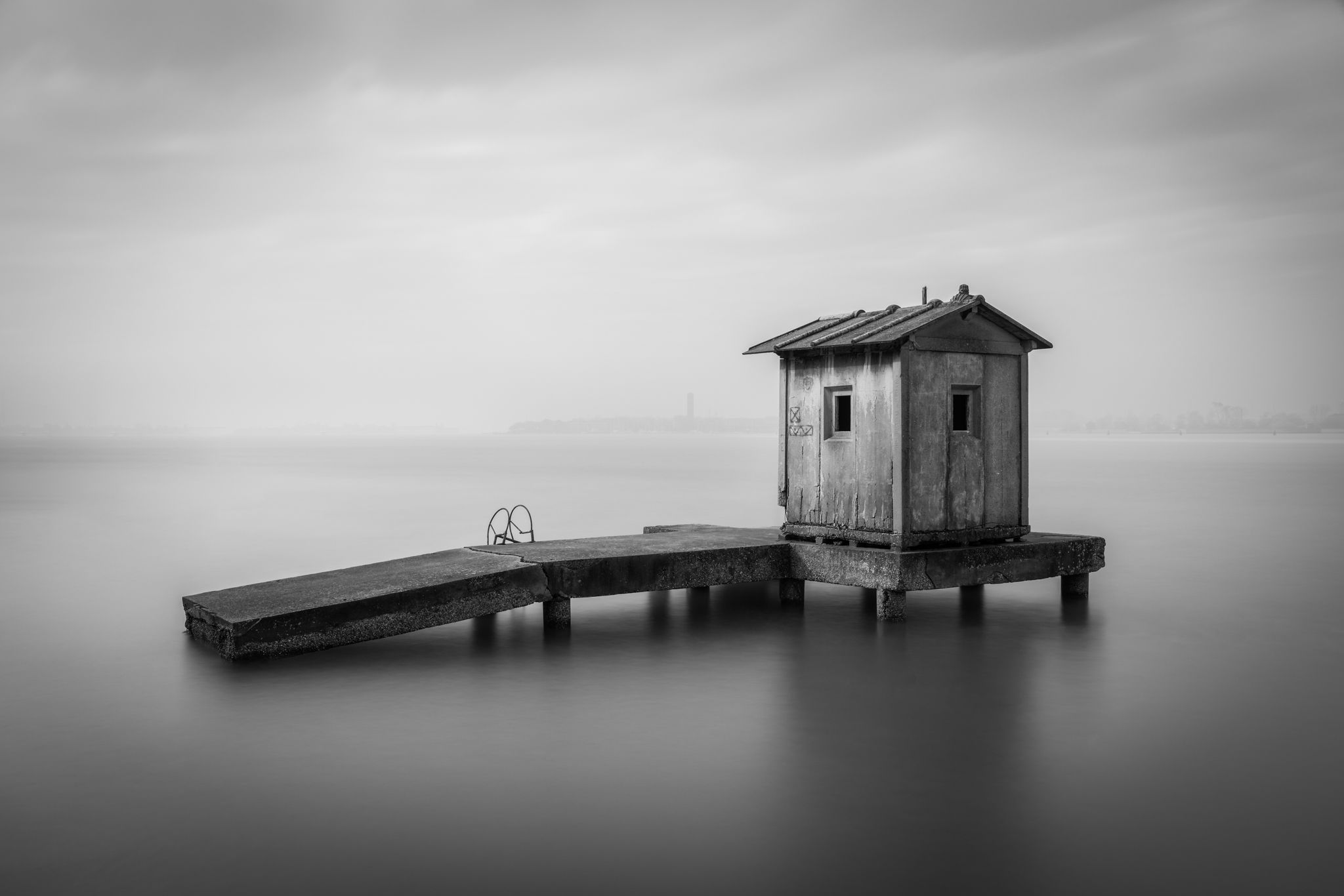
There is a quiet loneliness here that stays with us. We want to move closer to this little hut, yet the damaged jetty makes the approach uncertain. Kim’s black-and-white treatment and careful editing make this photograph exceptional and a deserving single-image winner.
The long exposure turns the moving water into a smooth, quiet surface, while the hut and jetty remain solid. This is one of the easiest ways to turn a scene with moving water into a minimalist photograph: ripples and competing textures merge, giving the stationary subject greater presence.
The hut feels like a small shelter, its worn walls and dark windows suggesting human use. The jetty offers a fragile connection: our eye can follow it towards the building, even as the cracked, displaced section makes us hesitate.
The monochrome edit gives those rough surfaces weight against the pale water. The jetty balances the upright hut, while the faint shoreline recedes. That generous space creates the solitude. Beautifully seen, Kim! Your handling of exposure, composition and tone gives this simple structure an emotional presence we can return to.
Best series
Idonette Jansen van Vuuren. Untitled.
Idonette wins a three-hour personal training session with Danie Bester. Idonette, the choice of photography topic is yours!


There is something wonderfully tender about these small birds. One is in flight, one rests alone, and two sit close together. Such slight changes give us very different feelings. Idonette is our series winner because the three photographs build an emotional connection that becomes stronger when we see them together.
Read from left to right, they can suggest moving on, time alone and finding company. We recognise something familiar in those situations without needing a literal story about the birds. The bare branches establish each picture’s structure; the birds change what that structure means to us. A branch becomes a resting place, and two birds sharing it begin to suggest companionship.
The series has the economy of an ink drawing. Every dark mark matters against the pale ground. The heavier trunks may catch our eye first, but the tiny birds reward the next look and become the reason we stay. Their smallness is essential: the generous space lets us feel the distance around them.
The consistent monochrome treatment makes the photographs belong together. Changes in branch direction, scale and the birds’ activity give each frame its own contribution. That is what we look for in a strong series: consistency with development. Idonette, you have found a great deal of feeling in very little, and given us a lovely reason to slow down and look. Well done!
Honourable mentions: series
There is more to celebrate in these three series. Each photographer has found a consistent way of seeing, while giving us something different from one frame to the next.
Teliza Vorster. Ghost of the Pale Mare Series.
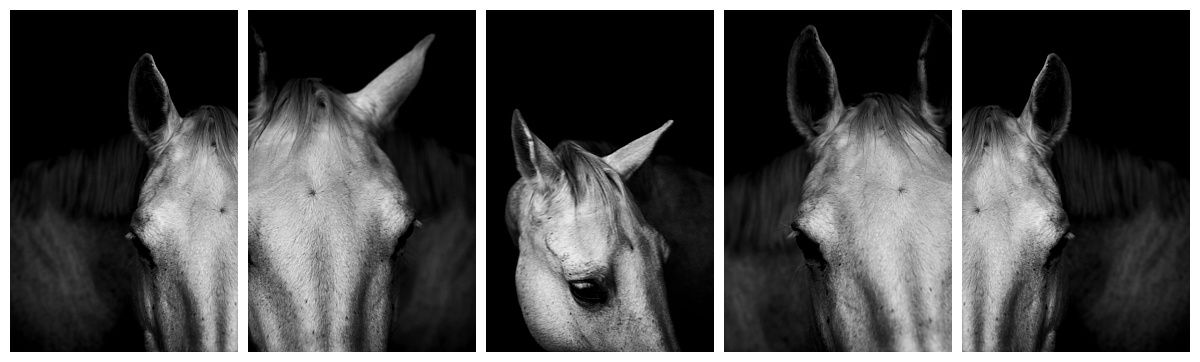
Teliza is a DPC staff member, so her work can receive an honourable mention but is not eligible for a prize. I absolutely love these photographs and this particular series.
There is a gentleness in these close views that makes us want to spend time with the mare. Pale hair emerges from the dark, and the repeated ears and forehead create a steady rhythm around the lowered face in the centre. Teliza’s consistent tonal treatment and close framing turn small changes of posture into the subject of the series.
Retha Stoltz. Veiled Series.
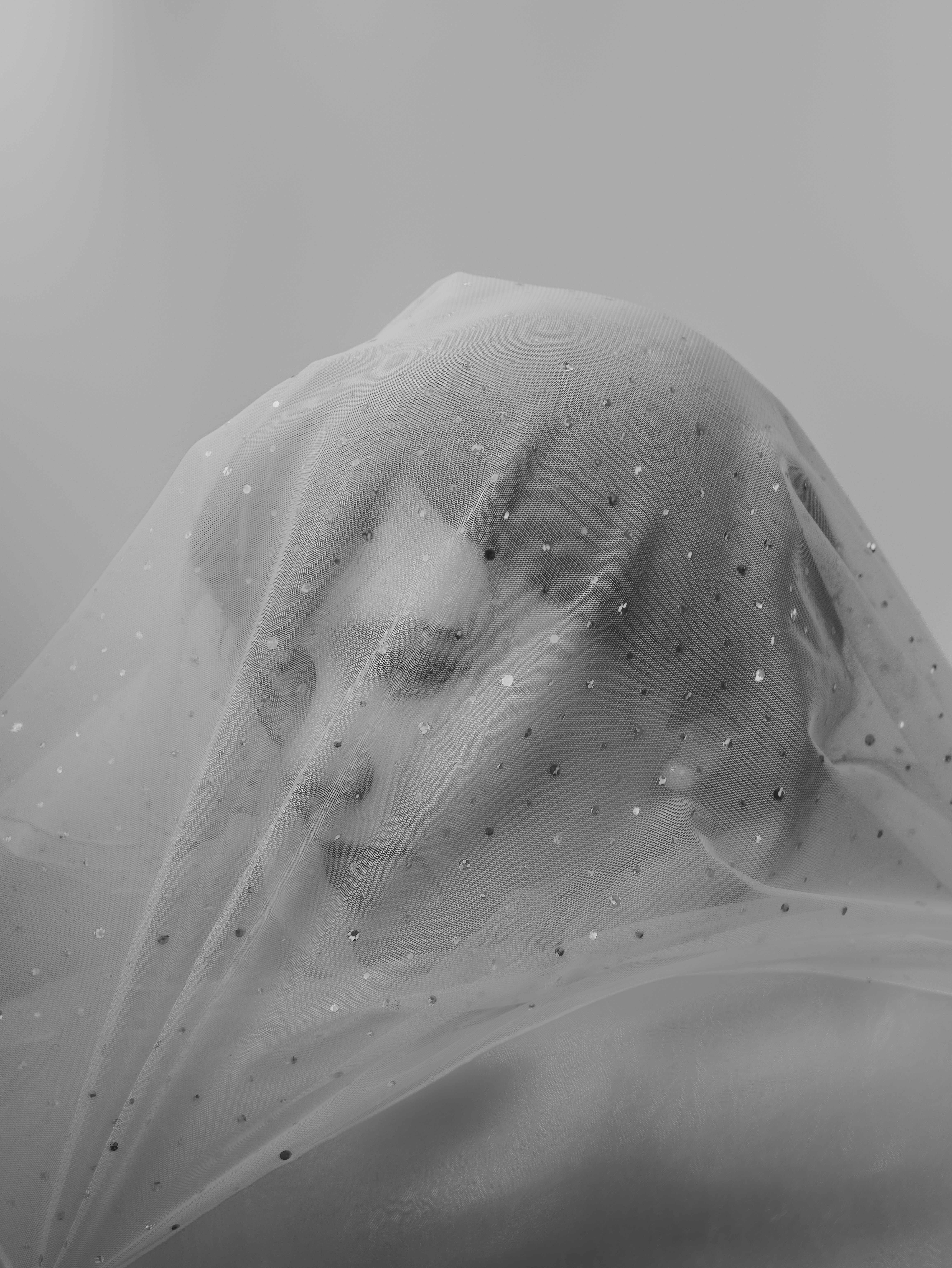
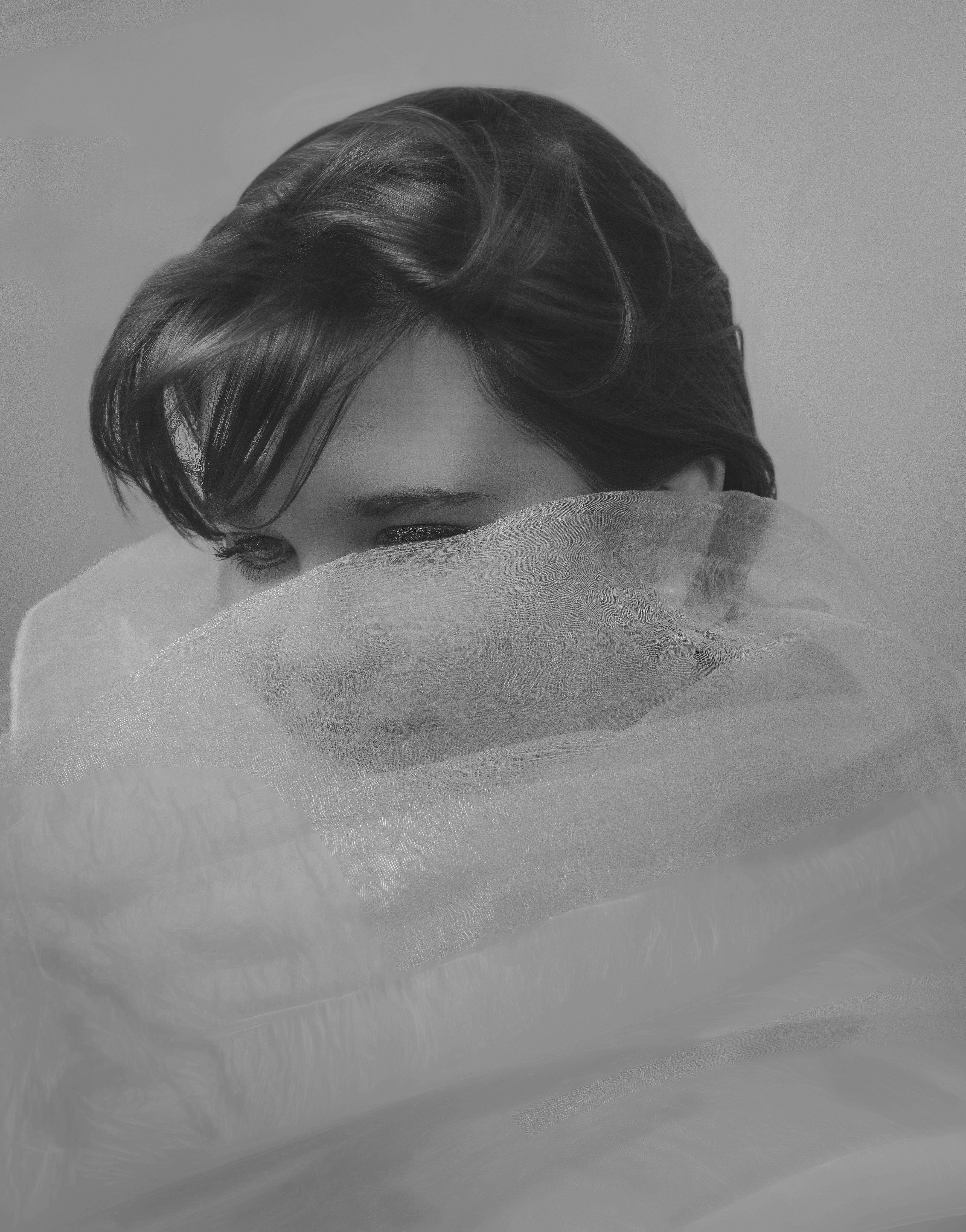
We feel close to this person, yet each veil leaves something unresolved. Retha lets the gaze, turn of the head and changing folds move us between recognition and concealment; the clearer face near the centre becomes a point to return to. Your soft monochrome treatment holds the series together, Retha, while those small changes keep our attention on the person within it.
For this theme, we would have liked a little more negative space around the figure in one or two photographs. That could strengthen the sense of solitude and bring a quieter pause to the series, while preserving the intimacy that makes the closer portraits work so well.
Colleen Francis. Egoli Series.


Colleen makes the city feel hushed and watchful. A glow behind a curved building, repeated bands of windows and a small illuminated facade become discoveries within the dark. The restrained colour and consistent shadows connect the photographs, while each uses a different shape to show how little of a building we need to see before it acquires a presence.
What makes this especially encouraging is that these photographs were probably made during one of our Basic to Intermediate Photography courses. They show how far thoughtful use of light and framing can take the ideas we teach there.
Honourable mentions: single images
And then there are these individual photographs! We’ve chosen them for the ideas, feelings and small details that kept us looking.
Colleen Francis. In The Shadows.

There is a sense of discovery here, as if we have noticed a brief patch of light on an otherwise unremarkable wall. It reminds us a little of Michael Kenna’s photographs, particularly the way selective light and deep shadow reduce architecture to a few telling shapes. The angular light gives the picture structure, while the softer tree shadows bring movement and texture into it. Colleen makes the meeting of light and surface worth stopping for.
Jacques van der Westhuizen. Passing By.
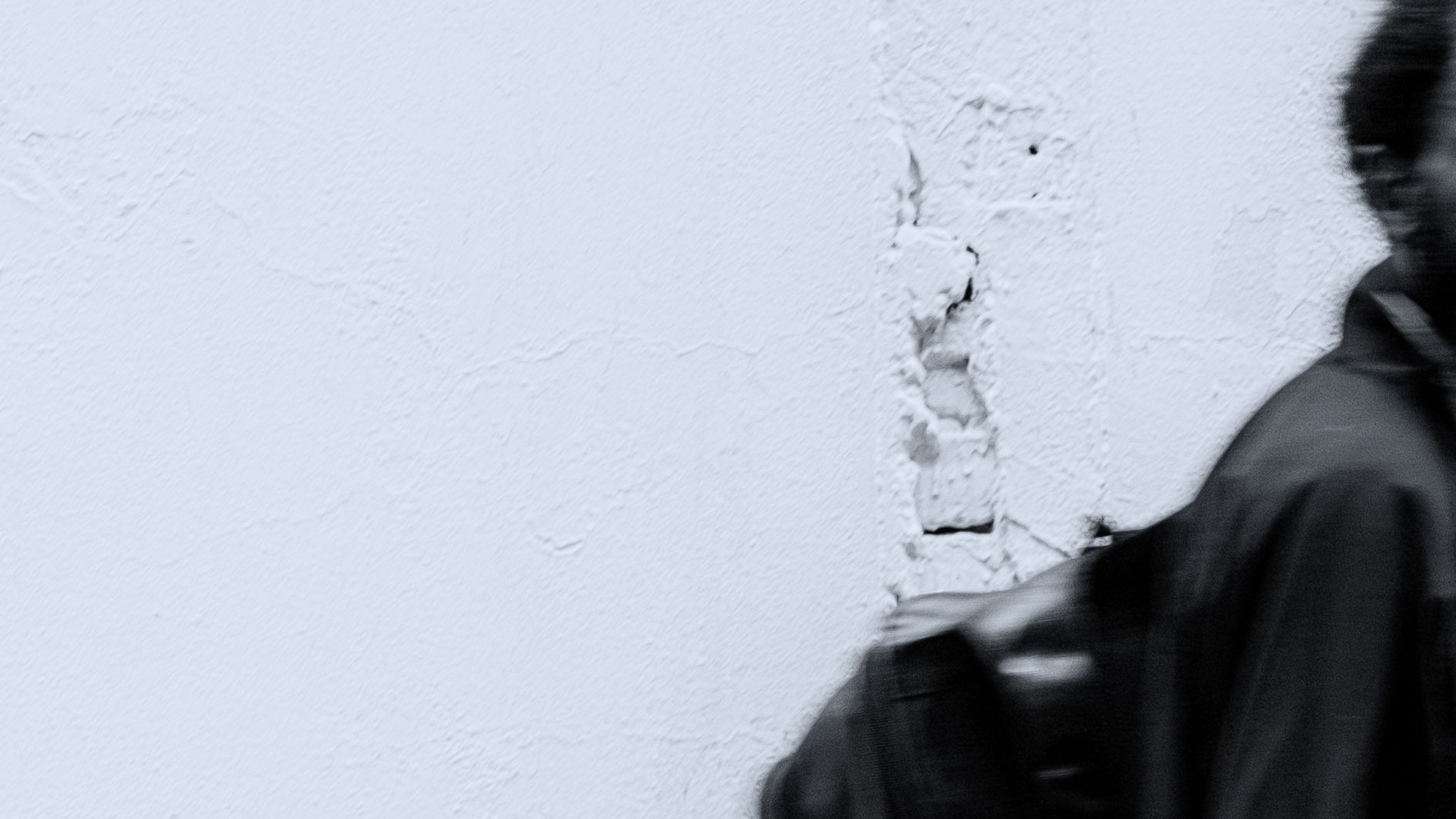
We have the feeling of noticing someone just as they disappear. The blurred figure pressed against the right edge makes the moment fleeting. What we particularly like is how the person leaving the frame leaves us with the wall: its crack and texture begin to hold our attention. Jacques makes us think about the ordinary surface that remains after the encounter has passed.
Melanie de Bruyn. Into the Blue.

This brings back the anticipation of standing at the edge before a jump. The platform gathers the people into one compact group, and the figure suspended above the sea gives the picture its moment of release. Melanie’s generous blue space lets that small human drama register within the scale and openness of the scene.
Kim Stevens. Untitled 2.
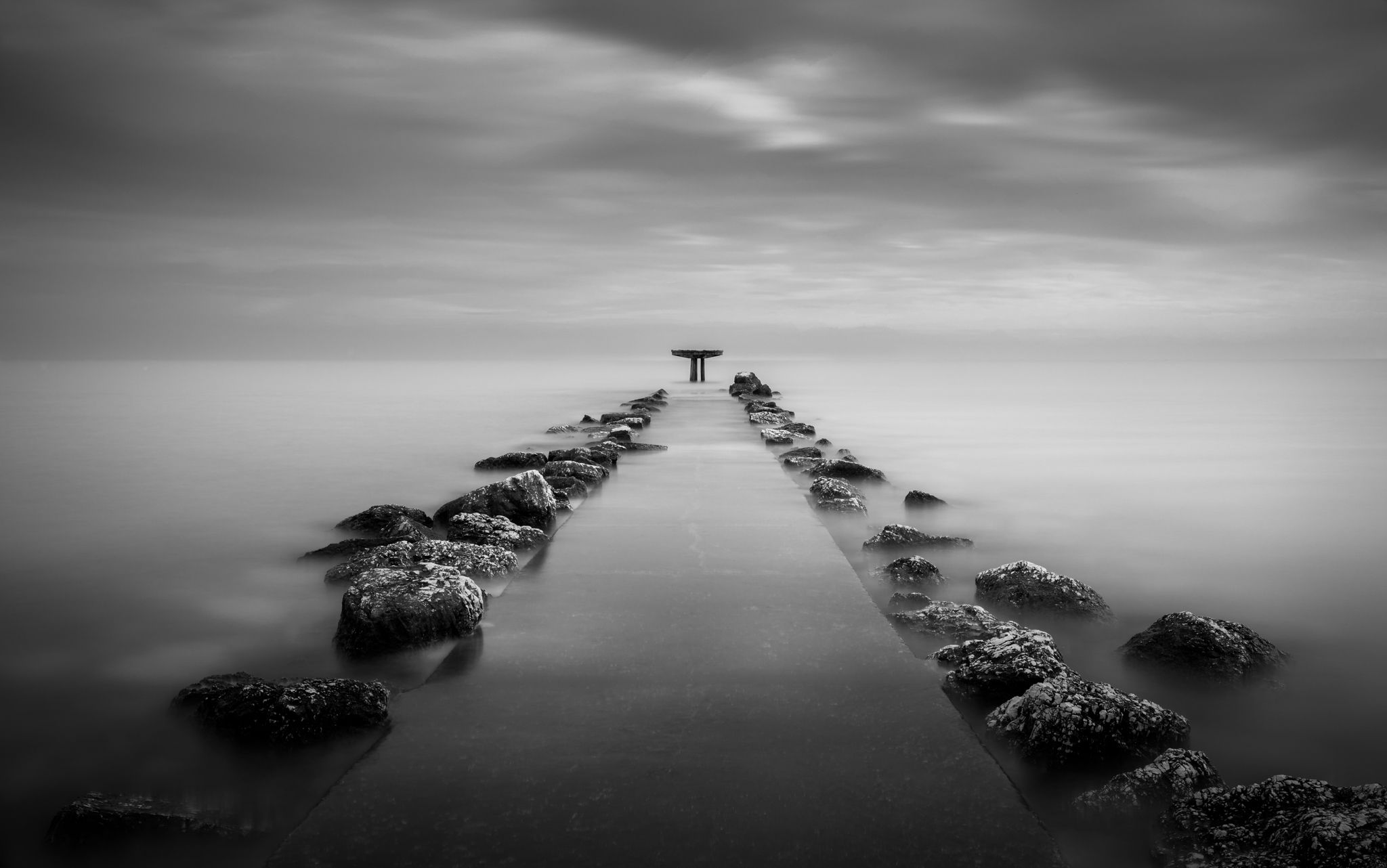
We feel drawn towards that small shape on the horizon, even before we have worked out what it is. The two rows of rocks establish a clear route, while the long exposure smooths the water and allows a sense of silence and solitude to develop around them. Kim, the rough rocks against that quiet water draw us towards the small distant shape and make us want to keep looking.
Teagan Visser. Untitled 1.

This is a lovely abstract image, with an energy we might not immediately associate with minimalism. The red shapes and bright diagonal pull against the surrounding black, while the small blue accent gives our eye a place to return to. Teagan turns an everyday fragment into a lively relationship between colour, light and shape.
Melanie de Bruyn. Reflection.
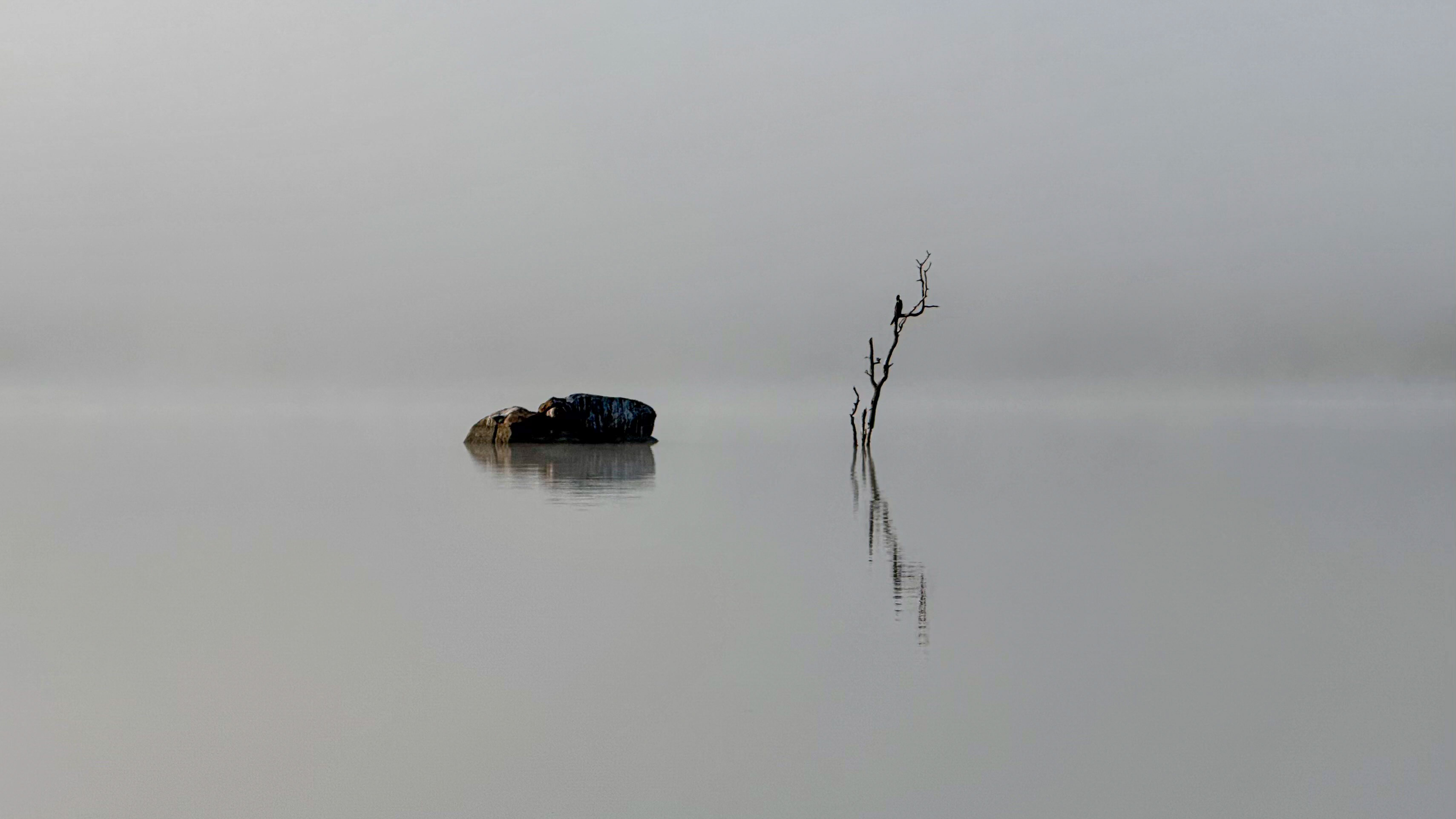
Melanie, this is a lovely photograph to settle into. The low, solid rock balances the slender branch, and their reflections extend the stillness across the water. Then we discover the little bird: a small presence that turns a balanced arrangement of shapes into a place that feels alive.
Idonette Jansen van Vuuren. Where absence speaks louder than presence.

Photographed in the studio, this is an interesting take on minimalism. It feels intimate, although the person’s face is withheld from us. The light on the hair and shoulder gives us just enough human presence to connect with, while the surrounding darkness leaves the person’s thoughts beyond our reach. Idonette leaves us room to wonder about the person without prescribing a story.
Ida Strydom. Sundown over Baltic Sea.

The bridge feels almost weightless above the pale expanse beneath it. Its slender line and repeated supports establish a steady rhythm, while the warm sky settles into cooler tones below. The generous negative space is what turns this into a minimalist photograph.
We would love to see a little more selective dodging and burning, lightening and darkening particular areas to help the bridge stand apart. A cleaner sky behind the cables would also have helped; the cloud band on the horizon competes with their fine structure. Even so, this remains a wonderful, spacious picture, Ida.
Kim Stevens. Untitled 4.
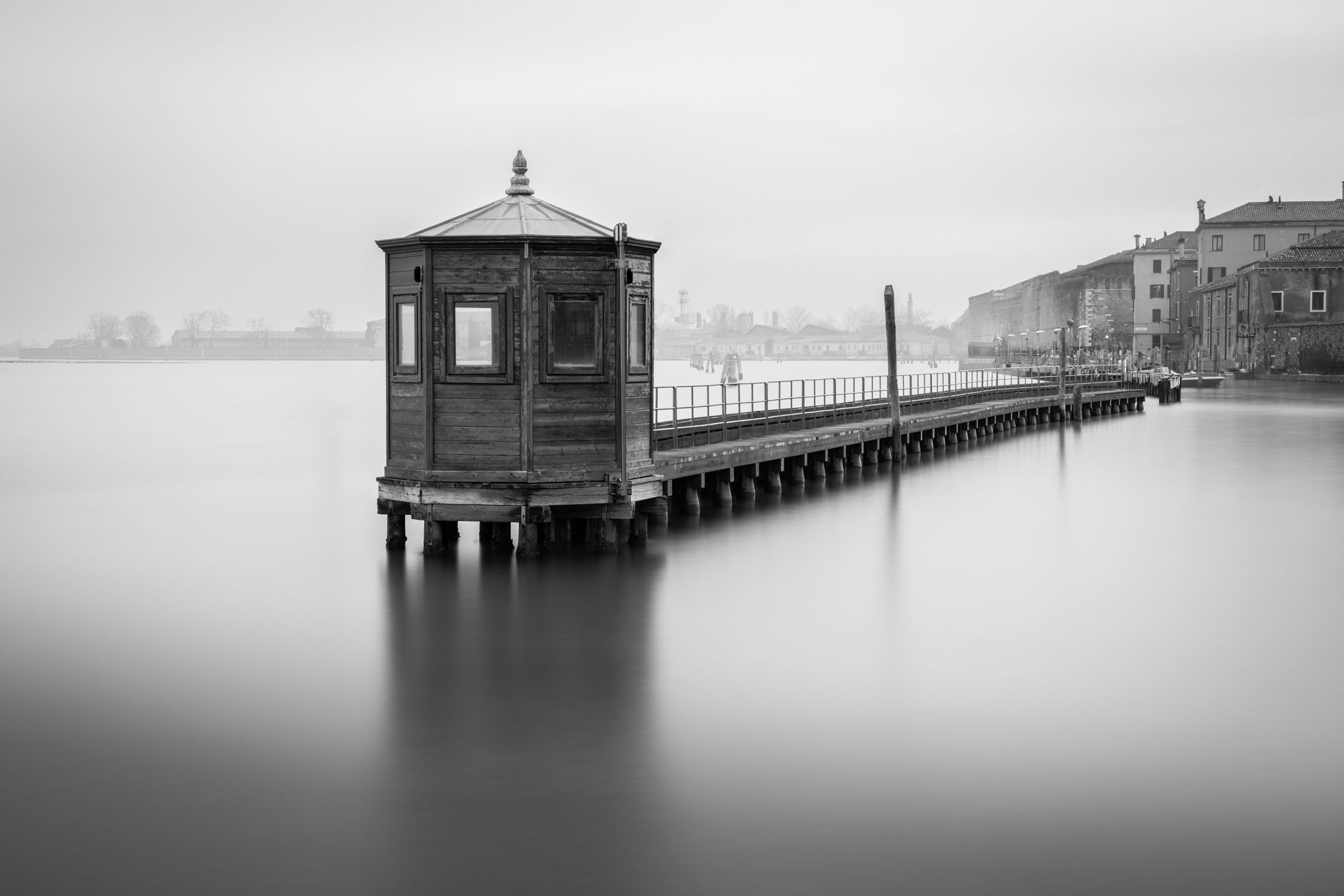
This little pavilion feels like a place where we could pause before following the pier back towards the city. Its dark timber and clear shape give us a firm starting point, then repeated supports lead into the softer distance. The long exposure calms the water and its reflections, allowing Kim to separate those layers and give the scene a measured, unhurried pace.
Colleen Francis. Flight 1.

There is a wonderful sense of suspended movement in this bird. Light picks out the curve of the wings and the layered feathers, while the dark surroundings give that gesture room to register. Colleen’s timing lets us enjoy the shape of flight and the living weight of the bird in the same instant.
Ida Strydom. Child Swing.

An empty swing in the snow carries a small ache of absence. The blue supports lead us straight to the seat, and the marks beneath it suggest activity within an otherwise still white setting. Ida, you’ve kept the familiar shape clear and left us room for our own memories of play.
Michael Blain. PE Beach.

Michael gives us the pleasure of sea and light as flowing bands of colour. We love the panoramic crop, which gives that sweep room to develop. The long exposure reduces detail and lets the silver-blue water and warm horizon carry the feeling of the coast.
This is a very colourful minimalist image. The orange is strong and does compete with the cooler water, but that tension is also part of its appeal. There is a real pleasure in following those silvery bands across the frame, Michael.
Teliza Vorster. Ghost of the Pale Mare 5.
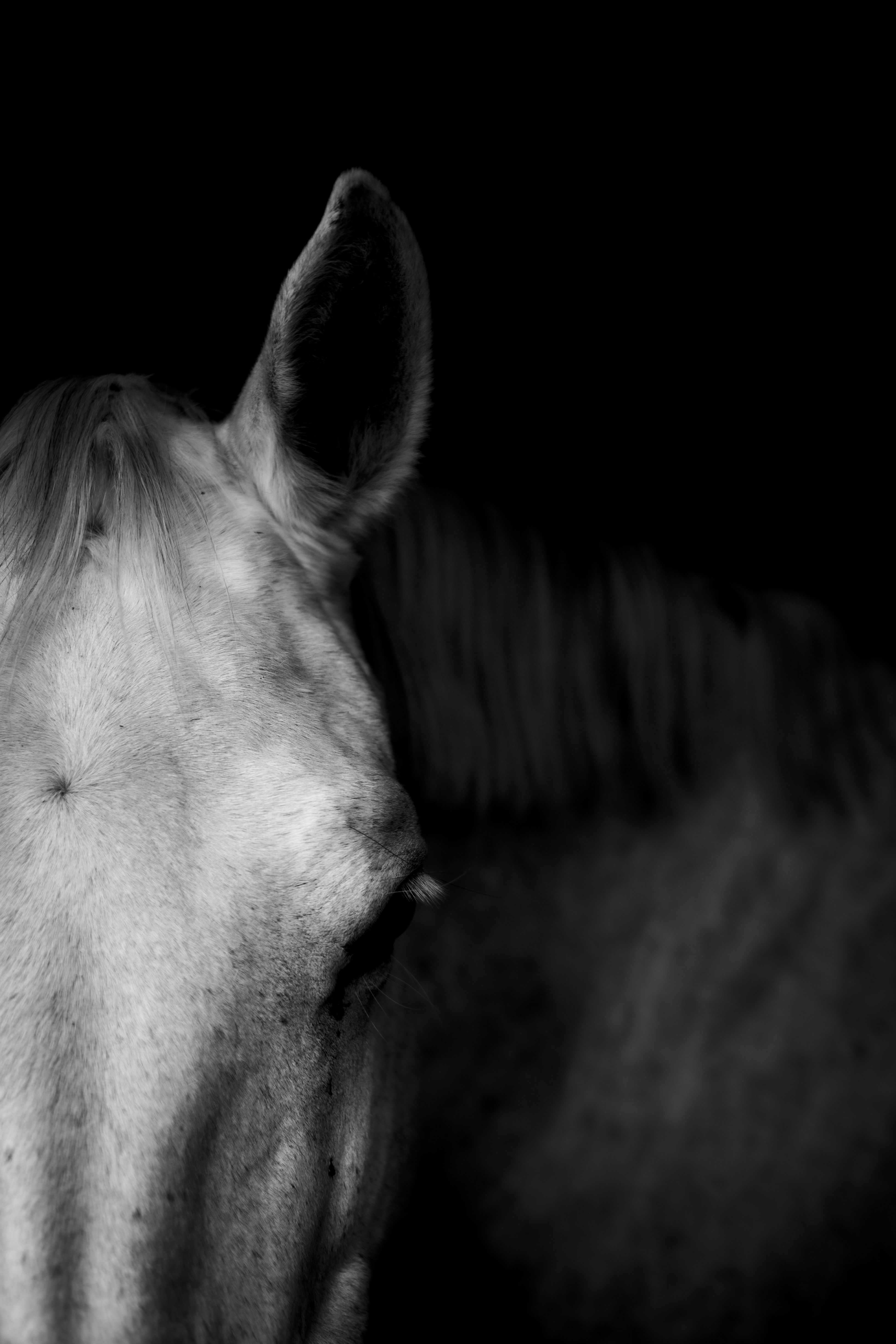
We feel very close to the mare in this partial view. The lit forehead, alert ear and suggestion of an eye give us enough to recognise the animal, while the rest falls gently into darkness. Teliza’s tight framing makes the encounter feel personal and directs our attention to the delicate texture of the pale hair.
Idonette Jansen van Vuuren. Untitled 3.
The little bird gives this stark tree a feeling of freedom. The trunk anchors the right edge and the arching branch reaches across the pale space, but it is the bird below that brings the picture to life. You’ve given this tiny bird enough space for us to feel the openness around it, Idonette.
Kim Stevens. Untitled 1.
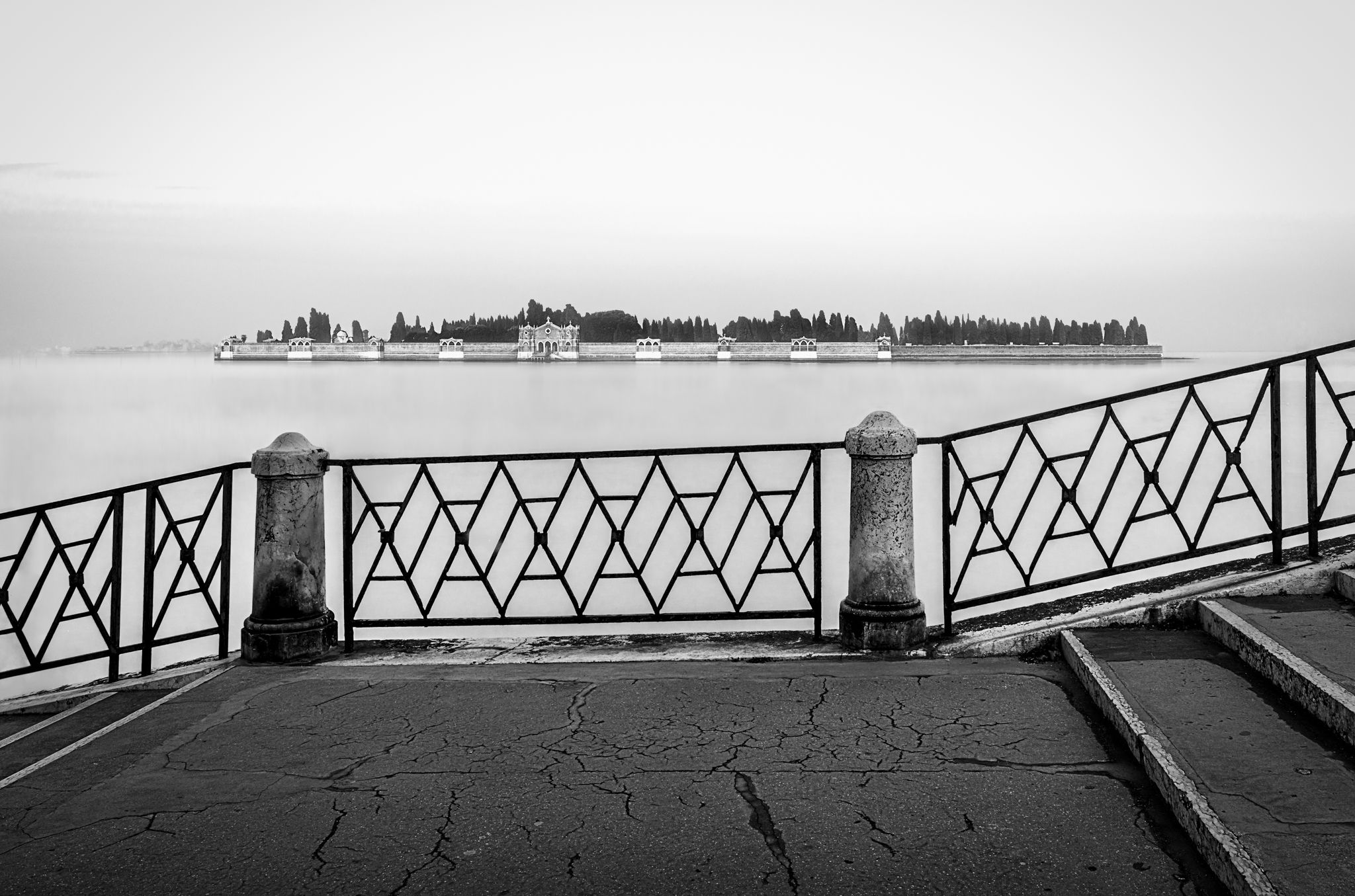
This gives us the feeling of pausing at a waterfront and looking across to somewhere beyond reach. With no person at the railing, the view carries a sense of solitude and loneliness. The patterned foreground establishes our position, then the open water separates its strong geometry from the delicate distant skyline. Kim, that change in scale and detail makes the distance feel tangible.
Teagan Visser. Untitled 3.

That red sun has an immediate, almost physical pull. The dark trunks form a loose frame around it, while the subdued blue-grey surroundings make the small circle feel remarkably strong. Teagan shows how one concentrated area of colour can hold an entire photograph.
Colleen Francis. Egoli 2.
Bands of light in the windows are enough to make us feel the presence of a city beyond the dark. Their repeated rows and shift from cool blue to warm amber reward a closer look, while Colleen’s decision to keep the building at the edge makes the surrounding darkness an active part of the composition.
Jacobus Benecke. Alone!

Finding the tiny paddler changes how we experience this whole expanse of water. The scene suddenly has a human scale, and the space around that one person begins to feel immense. Jacobus trusts a very small subject to carry the photograph’s sense of solitude.
Retha Stoltz. Veiled 2.
This portrait invites us closer, then withholds part of the person. The dark hair and lowered gaze attract attention above the soft folds, while the fabric lets the lower face remain a suggestion. Retha, you let us see just enough of the face to feel close to the person, while leaving something private.
Luke Brouwers. Untitled 4.

We feel the weight of the sky before we begin to study the sea. Broad cloud forms sweep towards the lighter water, giving the photograph a restless energy despite its limited elements. That choice of monochrome lets the changes in tone carry the drama, Luke.
Ida Strydom. Bench in the Park.

There is a gentle humour in finding a familiar place to sit so thoroughly taken over by snow. We love the textures and the few exposed edges that allow this single bench to emerge from its surroundings.
We would normally prefer a little more negative space around a subject like this, Ida, although we do not know what you have left outside the frame. The close view has its own reward: it makes us notice the snow’s surface and how little of the bench we need to see before we recognise it.
Colleen Francis. Egoli 1.
We sense something just beyond the building, and that withheld light is what keeps us looking. The heavy curve holds the right side of the frame while the warm glow spreads into the open sky. Colleen allows a small amount of light to give a large, dark structure its shape and atmosphere.
Antoinette Schaafsma-Strydom. Seascapes 3.

Antoinette, we love this abstract impression of the sea, with its details slipping away. The softness suggests either a deliberately defocused lens or camera movement during a handheld long exposure. Whatever the method, the muted rose and purple tones and the warmer sky above the darker sea give the picture its atmosphere.
Luke Brouwers. Untitled 1.

This is a fantastic impressionistic photograph. Luke has been experimenting with long exposures since he joined DPC nearly fifteen years ago, and that sustained interest comes through here.
The empty swing has the unsettled feeling of a memory that will not quite hold still. Its familiar outline remains readable against the streaked surroundings, so the blur deepens the feeling rather than removing our connection to the subject. Luke gives an ordinary playground object an affecting sense of absence.
Robert Gush. Minimalist.

There is anticipation in following these slender rails towards the distant light. Their curves give us a route through the darkness, while the bright point makes the space beyond feel uncertain and intriguing. Robert leaves just enough visible for us to imagine continuing around the bend.
Kim Stevens. Untitled 3.
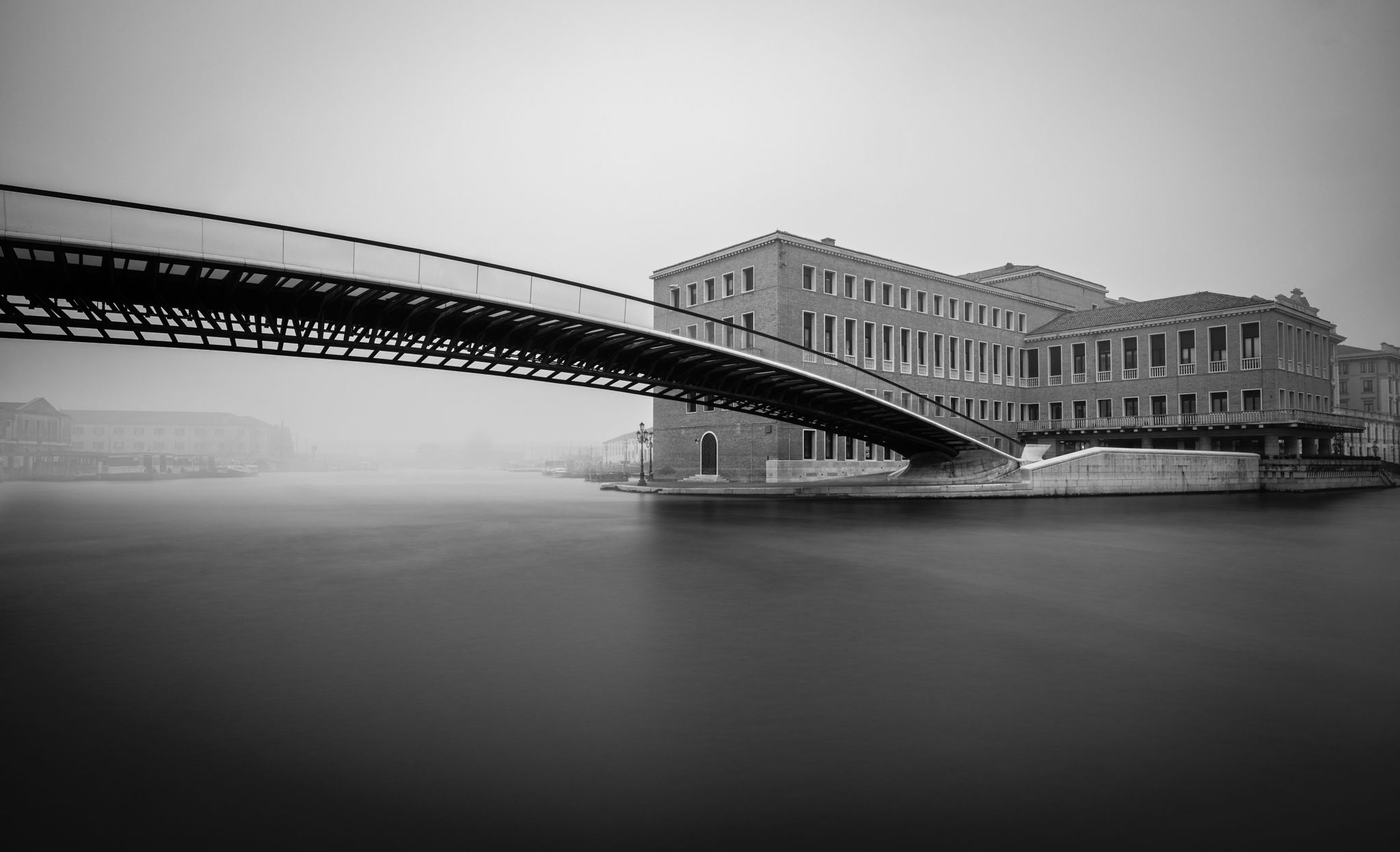
The wonderful sweep of this bridge gives the photograph an inviting sense of arrival. Its dark underside carries us towards the quieter building, while the long exposure simplifies the water and gives that strong curve room to hold our attention. Kim balances the energy of the structure and its repeated details with a still, open setting.
Thank you for sharing your way of seeing
Well done to Kim, Idonette and everyone receiving an honourable mention! We have enjoyed seeing how differently you approached this theme, from a small bird against open sky to a burst of colour, a partly hidden face or an almost empty seascape. There is much here to enjoy and learn from.
Thank you, too, to everyone who entered and shared their photographs with us. We hope the notes explain what held our attention and give you a useful way to look again at your own work. Notice how often a small decision about space, light or timing changes the whole feeling of a picture.
Which photograph stayed with you, and what drew you to it? Tell us in the comments, or click through to the original post and let the photographer know. We would love to hear what you saw. Then take one idea from these photographs and try it in your own way. We look forward to seeing what you make next!