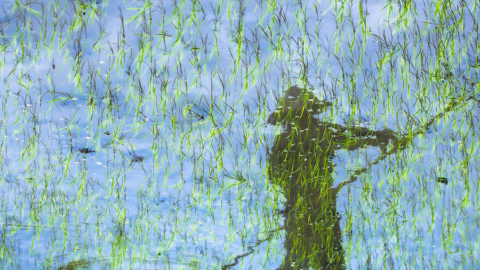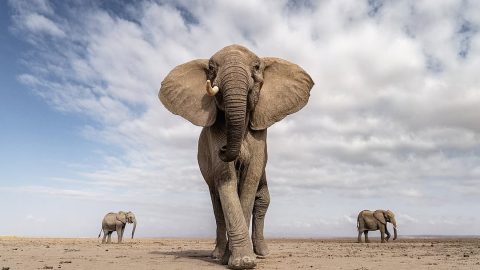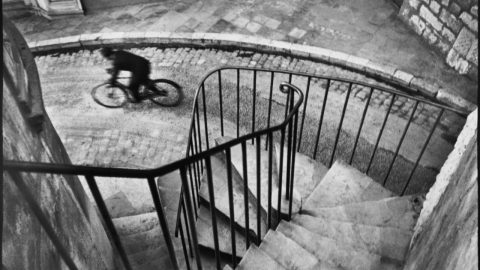

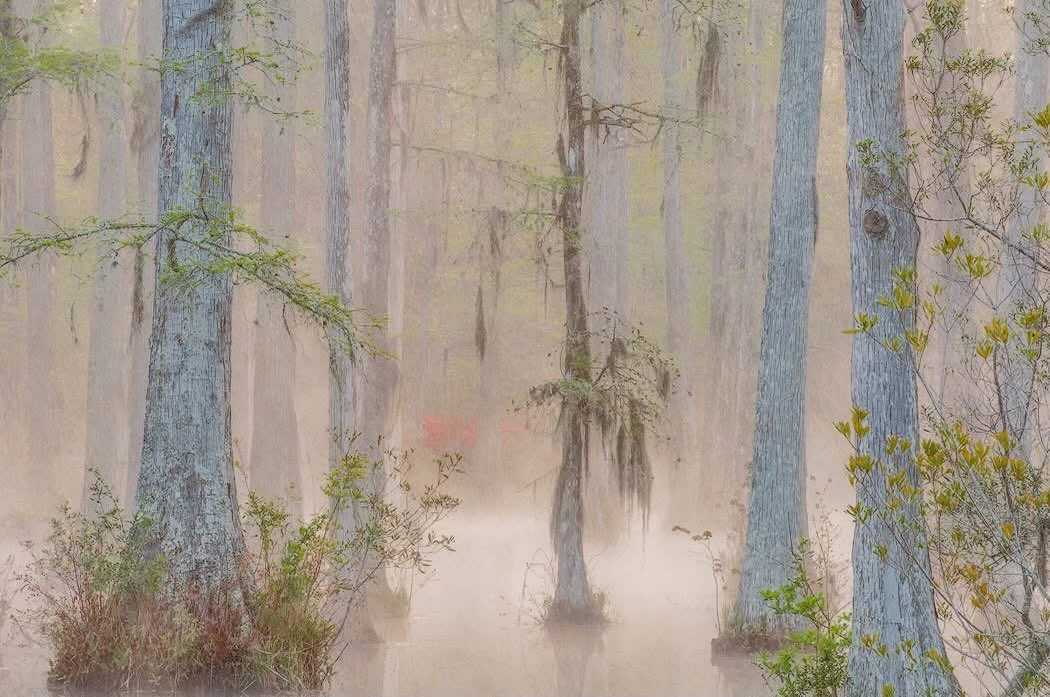
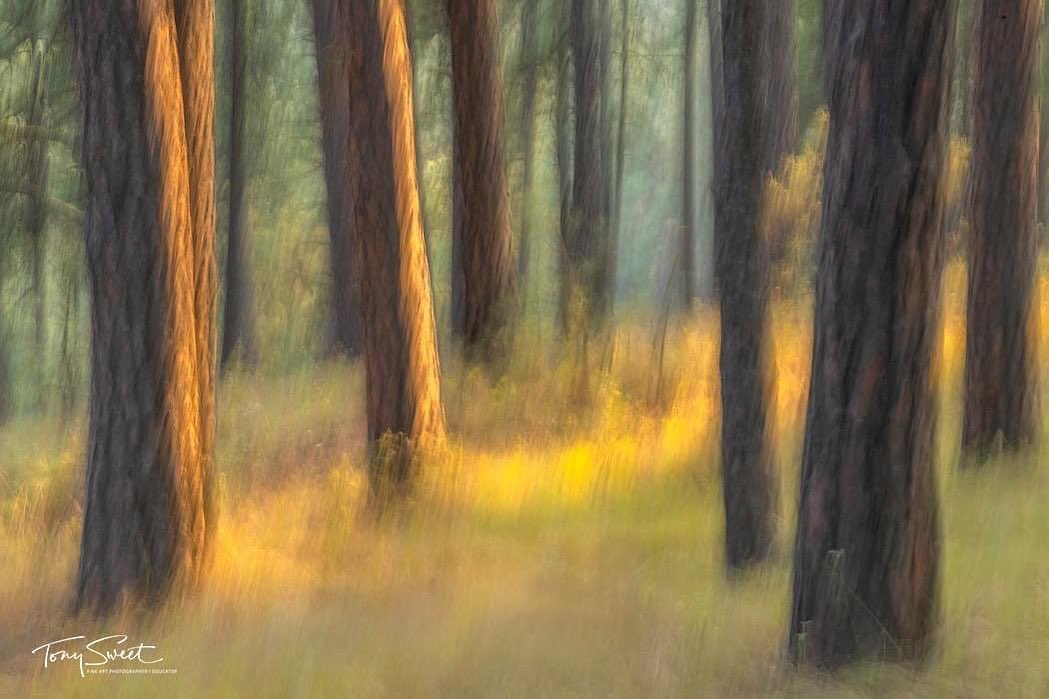
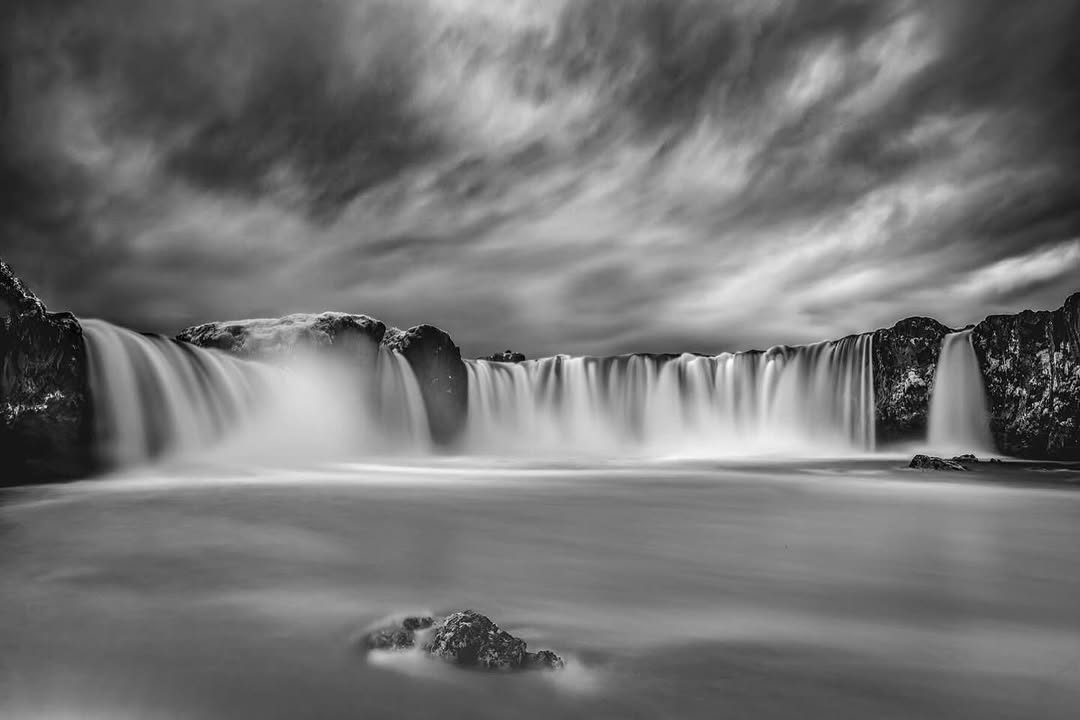
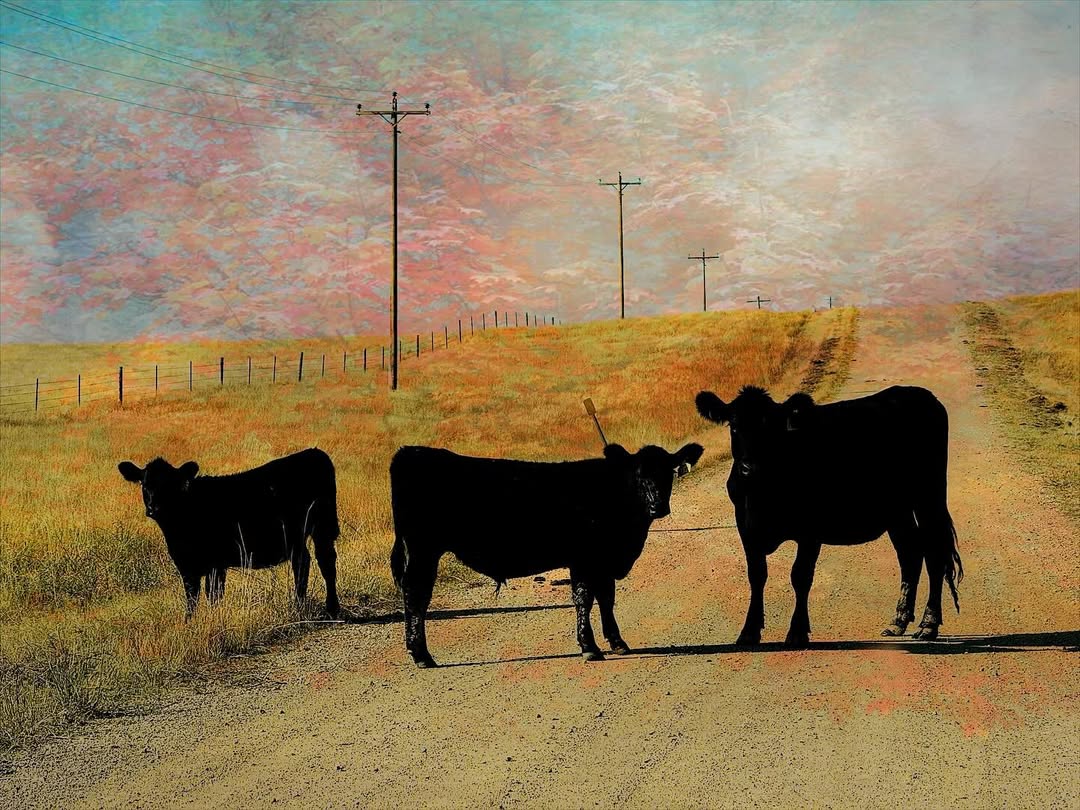
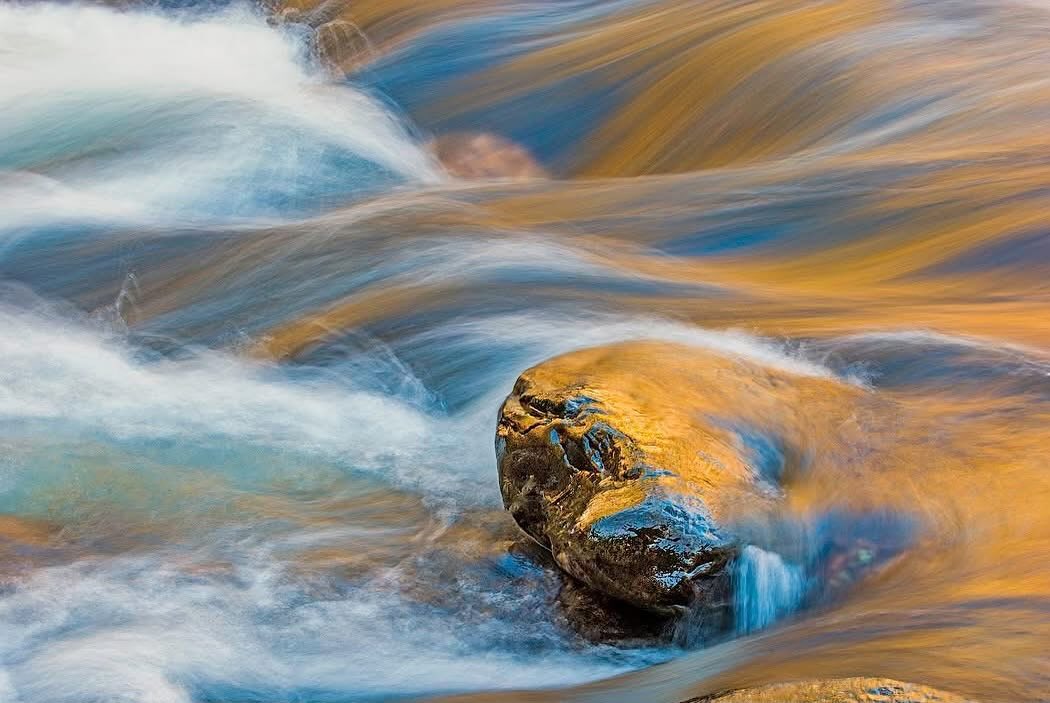
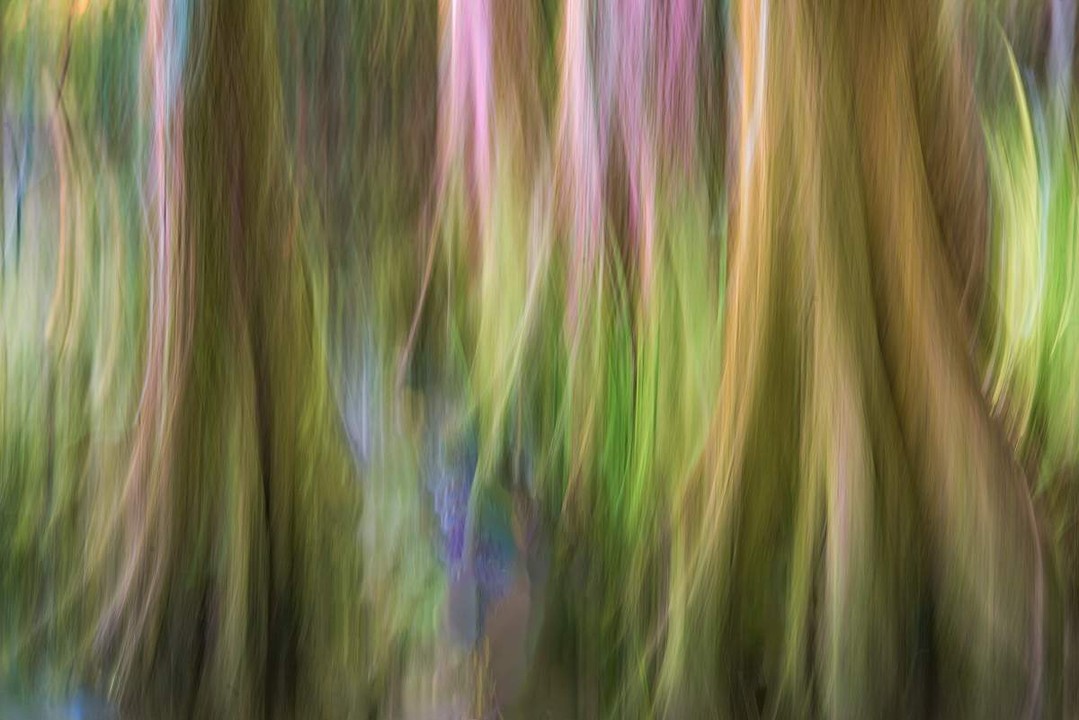

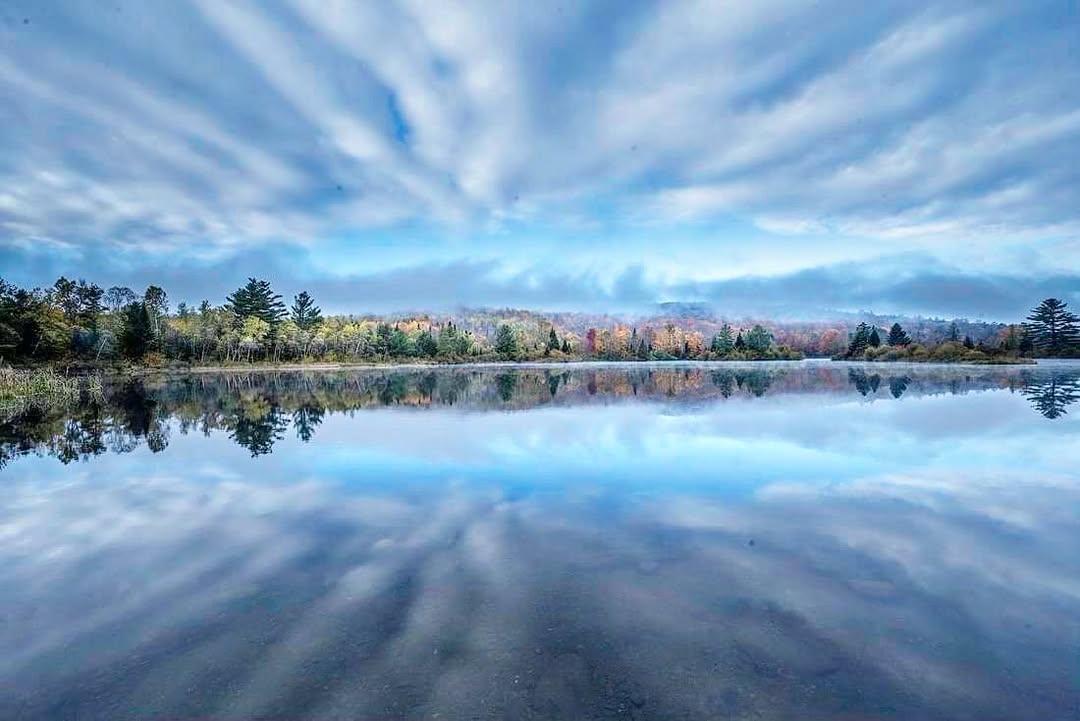
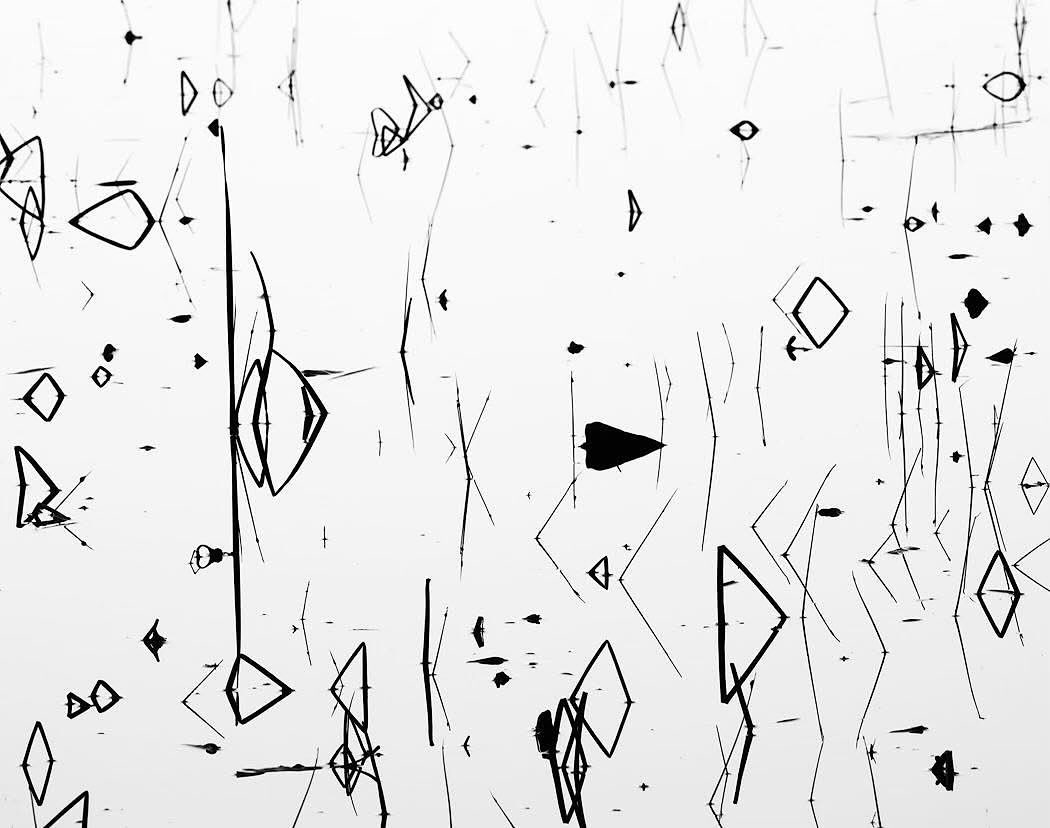
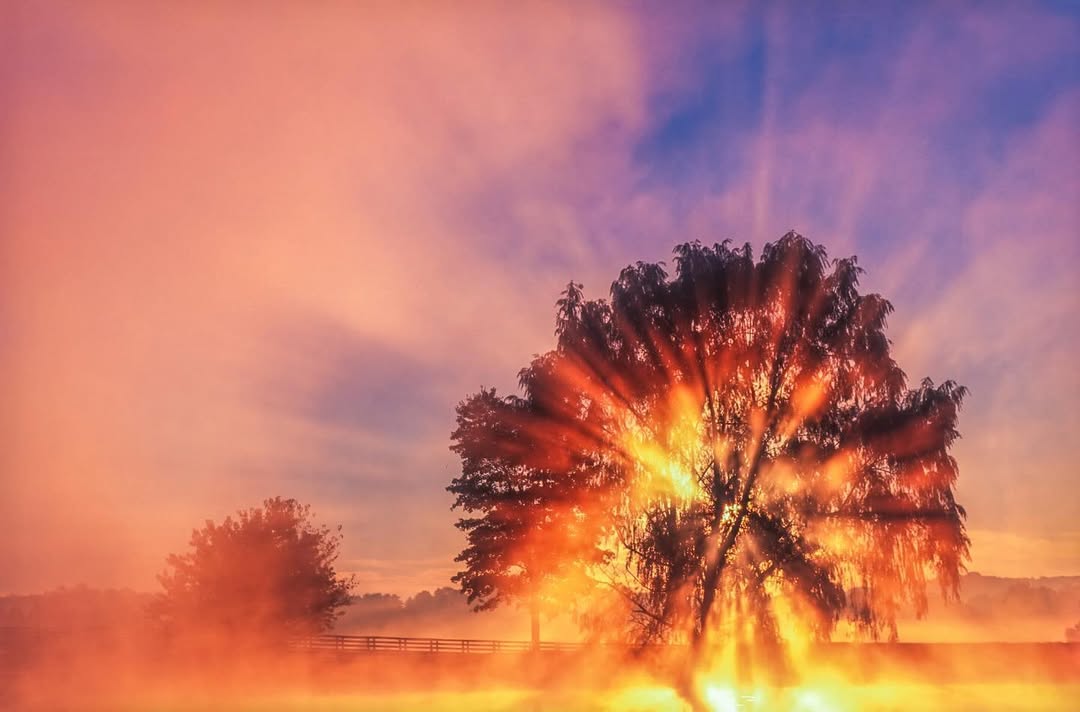
Born on 20 October 1949 in the United States, Tony Sweet initially pursued careers as a jazz musician and educator, followed by professional magic, before transitioning to photography in his thirties. His interest was sparked by a Nikon FE camera and inspiration from Ansel Adams’ prints, leading to a professional career spanning over four decades, primarily based in Maryland. Key milestones include becoming a Nikon Legend Behind the Lens, authoring several books on fine art nature photography starting with Fine Art Nature Photography in 2002, and leading international workshops. His work has been widely published and exhibited, including at London’s Barbican Gallery. Visually, Sweet’s images often feature vibrant colours with a soft, glowing quality, evoking emotion through blurred motion and harmonious compositions. He draws from his musical background to infuse rhythm into his nature captures.
- Primary Genres: Fine Art, Nature, Botanical, Macro.
- Primary Photography Styles: Pictorialism (abstract and impressionistic, using soft focus and motion to create dreamy, evocative scenes); Straight Photography (vibrant and emotive, with direct captures enhanced for colour and mood without heavy manipulation).
- Key Message: Tony Sweet aims to reveal the inherent beauty and rhythm in nature, employing creative techniques to evoke emotion, wonder, and a sense of harmony. His work, influenced by his jazz musician roots, transforms ordinary natural scenes into artistic expressions that glow with life and movement.
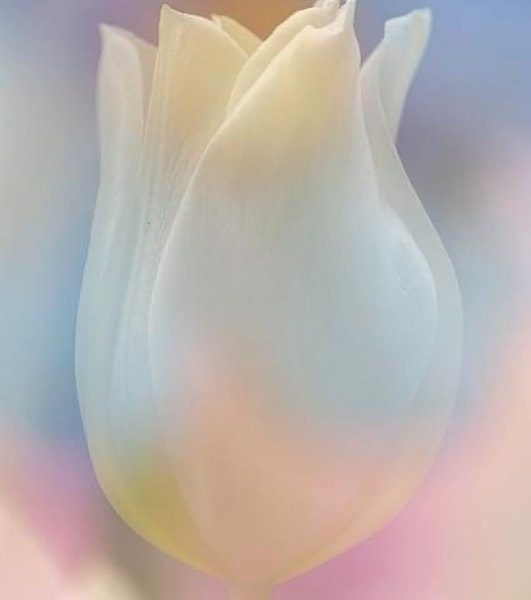
Tony Sweet’s photography centres on natural subjects such as flowers, water features, trees, and landscapes, with a strong emphasis on abstract and impressionistic aesthetics. He focuses on textures like blurred petals, rippling streams, or frost-covered leaves, using colour palettes of soft greens, fiery oranges, and cool blues to create a luminous, rhythmic glow. Techniques include long exposures (typically 1-5 seconds) with neutral density (ND) filters to capture motion blur, macro lenses like the 105mm for close-ups, and soft-focus filters for a dreamy effect. He relies on natural light, preferring dawn or overcast conditions to avoid harsh shadows, and shoots with equipment such as the Nikon D850 on a tripod for stability. In-camera effects are prioritised to achieve creative results without artificial lighting like strobes. In post-processing, Sweet uses software like Adobe Lightroom and Topaz plug-ins to enhance vibrancy, warm hues, and soften contrast, resulting in lush, non-sharp finishes that maintain an impressionistic sheen. His presentation includes large prints up to 40×60 inches, books such as Fine Art Flower Photography (2005) and Fine Art Digital Nature Photography, and features in magazines like Digital Photo. Workshops, both in-person and online, allow him to share his approach, often incorporating digital tools for modern workflows.
For intermediate photographers, Sweet’s style bridges traditional straight photography with pictorialism, favouring digital over film for its flexibility in capturing and editing motion and colour. Concepts like high dynamic range (HDR) processing help manage light extremes in nature scenes, while his use of long exposures teaches control of time to add artistic blur, inspired by impressionists like Monet. This digital emphasis enables quick experimentation, contrasting with film’s slower process, and encourages a musician-like mindset for composing harmonious frames.
- Accolades:
- NANPA Fellow (2010)
- Nikon Legend Behind the Lens
- Exhibitions at London’s Barbican Gallery and the National Museum of Photography
- Trivia:
- Former jazz musician and educator who infuses musical rhythm into his compositions.
- Previously worked as a professional magician before photography.
- Draws inspiration from Monet’s impressionistic blur techniques.
Lessons from this Photographer:
Tony Sweet’s unique approach teaches photographers to view nature through a musician’s lens, emphasising rhythm and harmony in composition to evoke emotion beyond literal depictions. Key takeaways include using long exposures and ND filters to introduce motion blur, transforming static scenes into dynamic, impressionistic art that encourages experimentation with time and light. Intermediate shooters can apply his mindset by prioritising in-camera effects over heavy editing, fostering a deeper appreciation for natural light and subtle post-processing adjustments in tools like Lightroom. This process shifts focus from technical perfection to storytelling, inspiring creators to blend genres like macro and abstract for personal expression.
Website:
-
- Website: https://tonysweet.com
- Instagram: https://www.instagram.com/tonysweetphotography/?hl=en
YouTube References:
- “Creative In-Camera EFX with Tony Sweet” by B&H Photo Video – https://www.youtube.com/watch?v=LUgzBjMxpvs
Citations:
- SlickPic Interview (2017): https://www.slickpic.com/blog/interview-tony-sweet/
- Alchetron Biography: https://alchetron.com/Tony-Sweet
- Goodreads Author Page: https://www.goodreads.com/author/list/56139.Tony_Sweet
- Todd Henson Book Review (2016): https://toddhensonphotography.com/blog/book-review-fine-art-nature-photography-by-tony-sweet