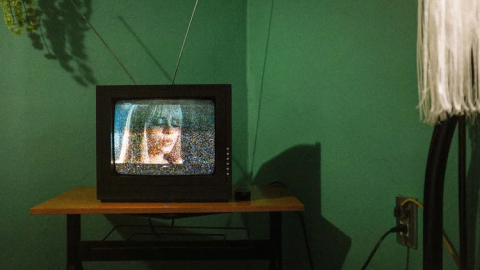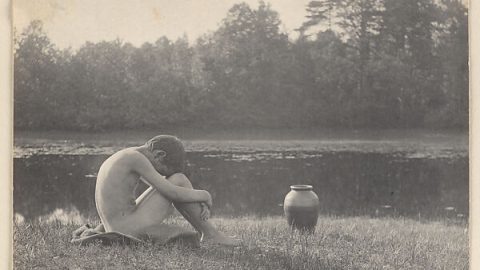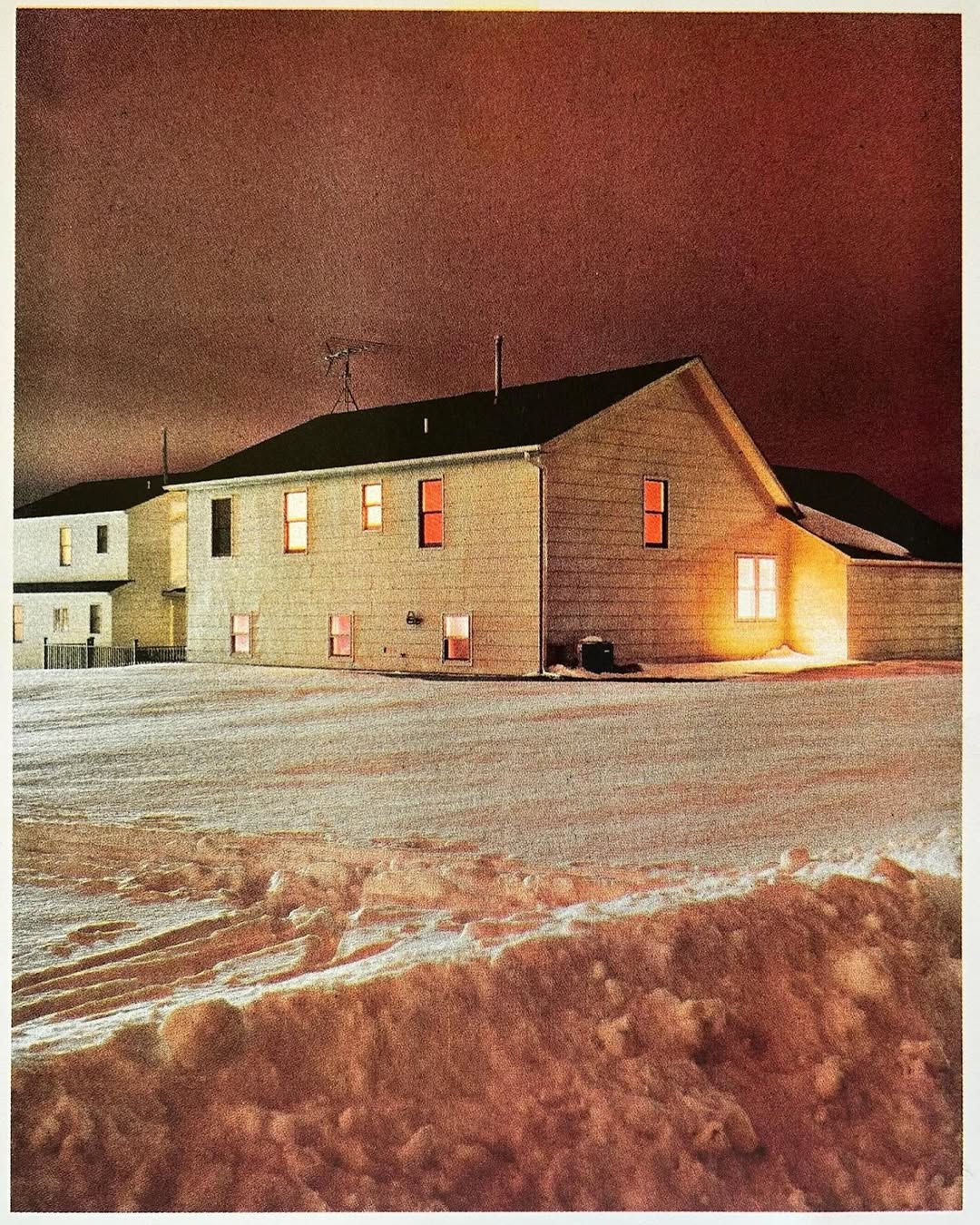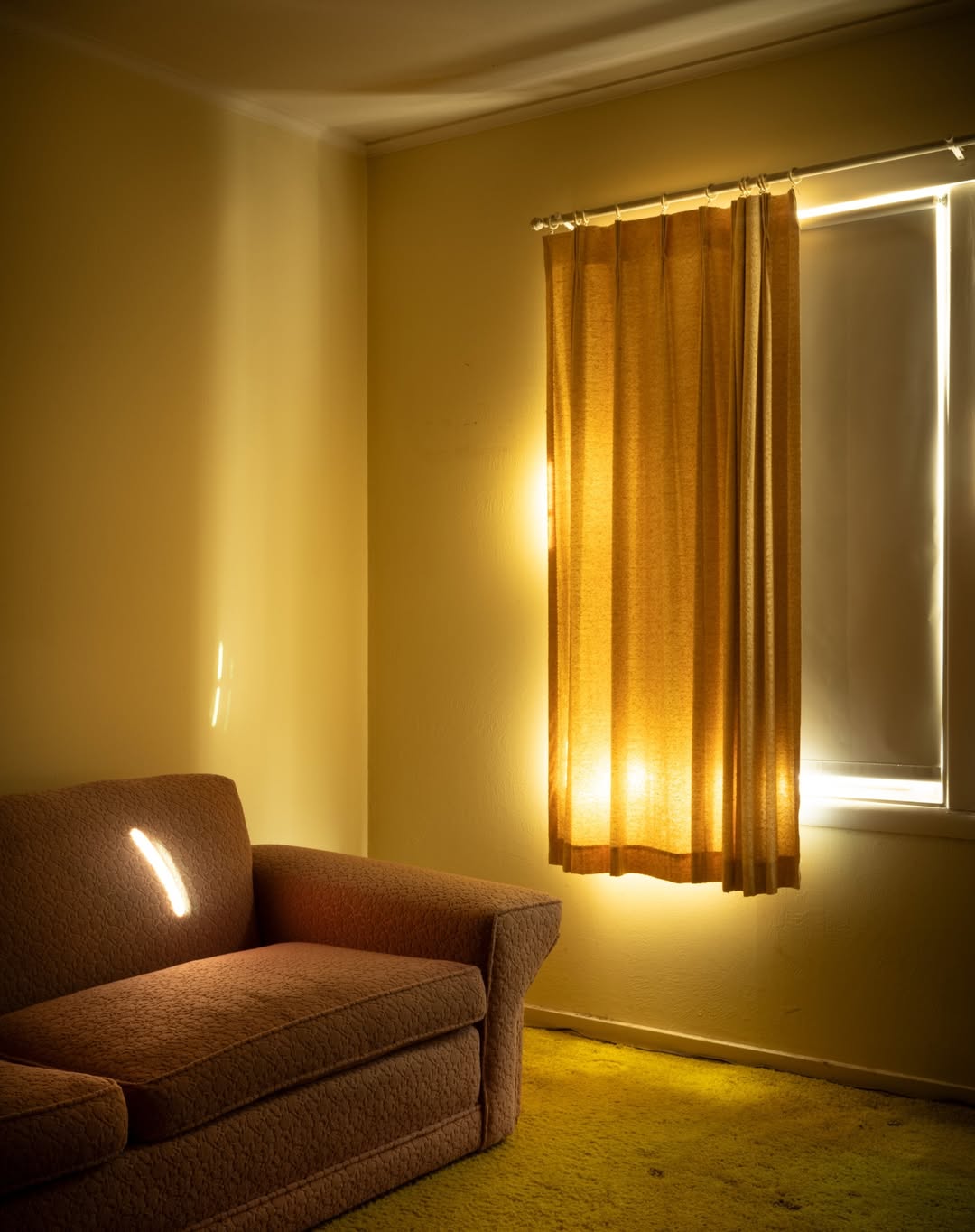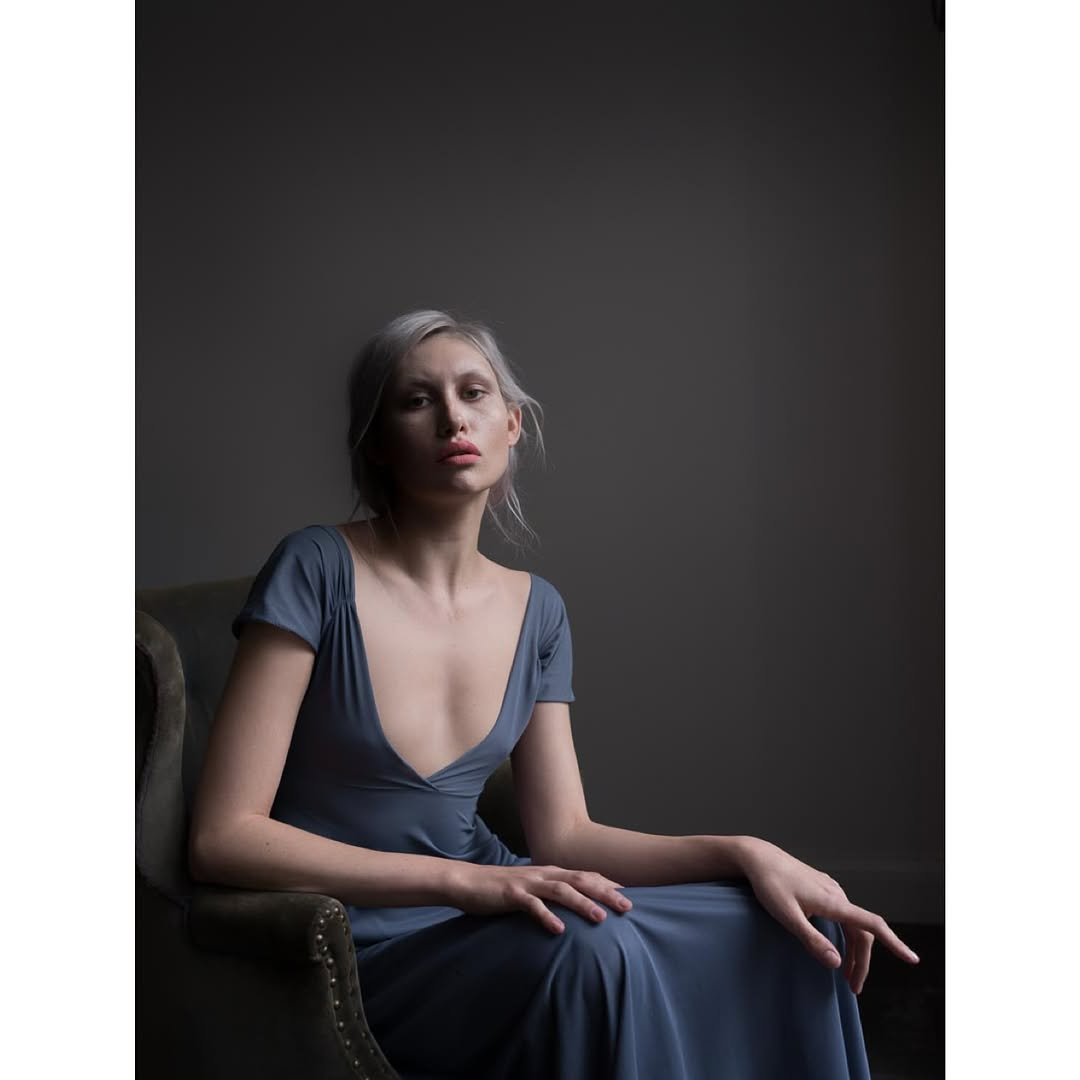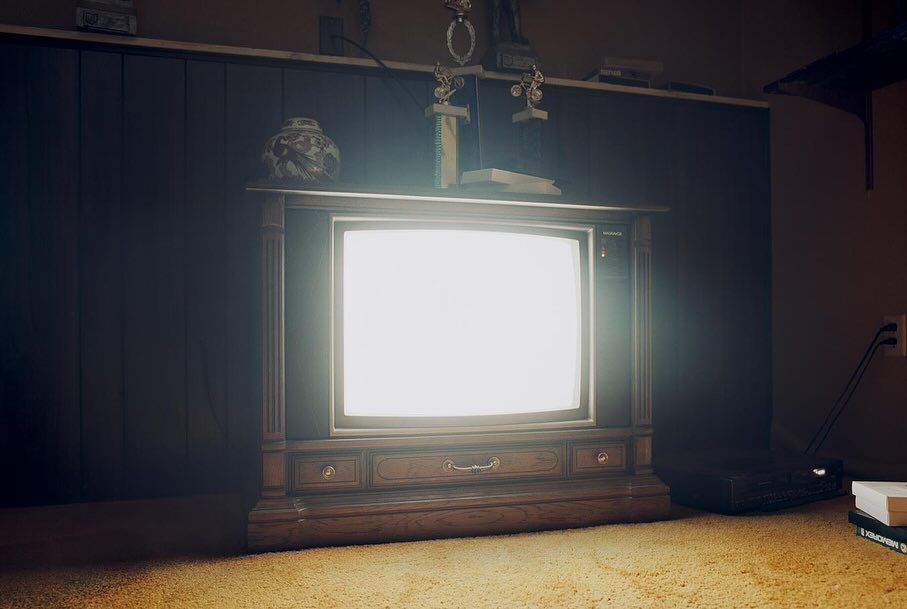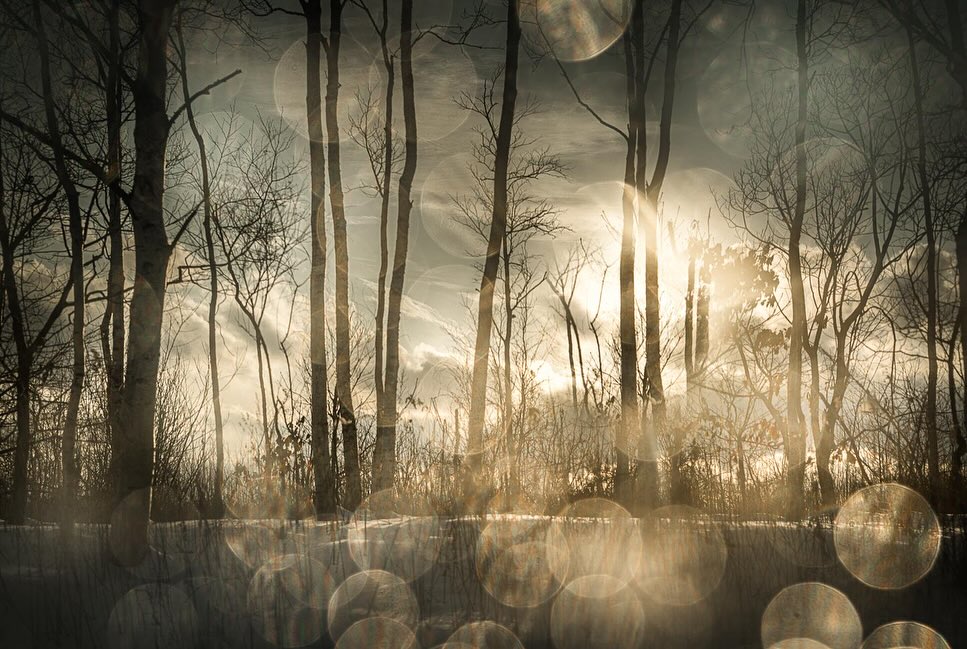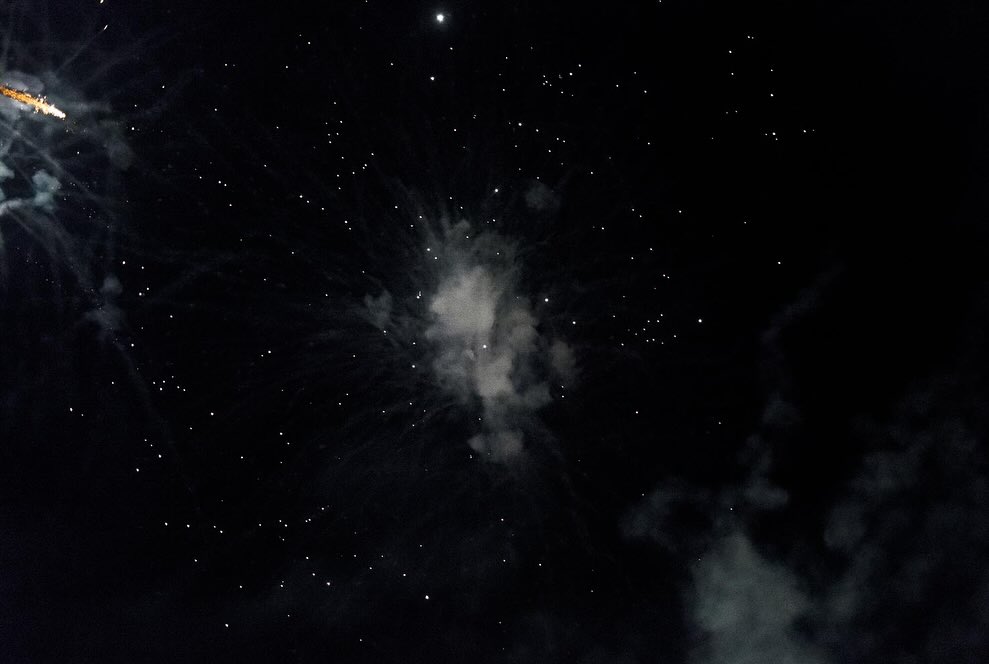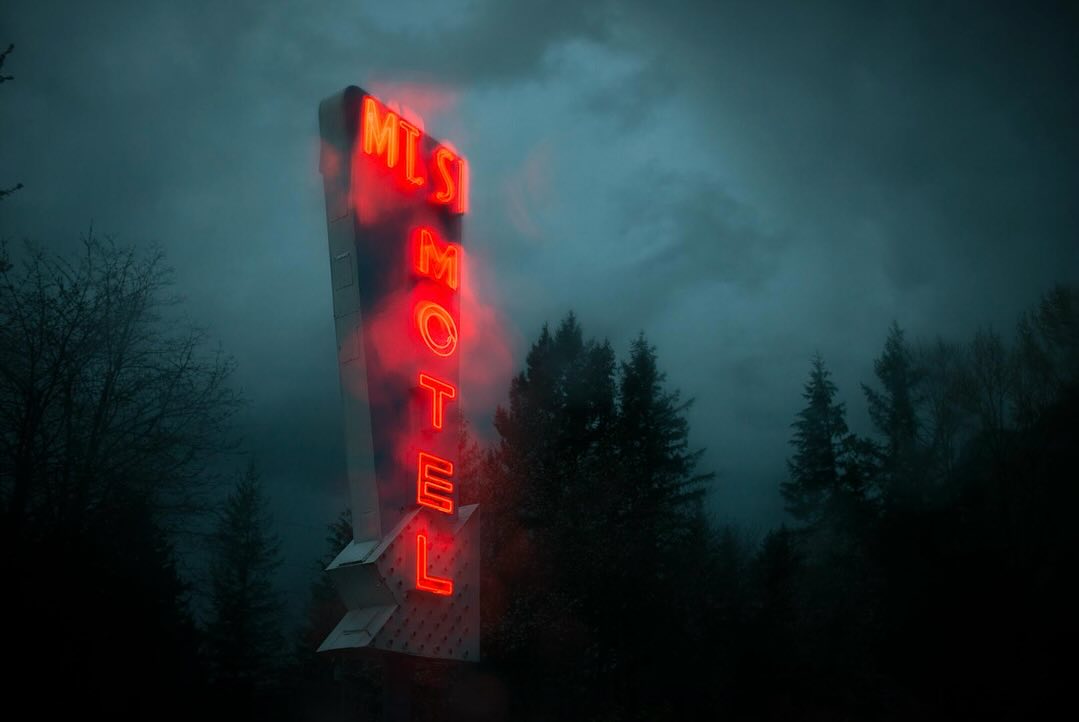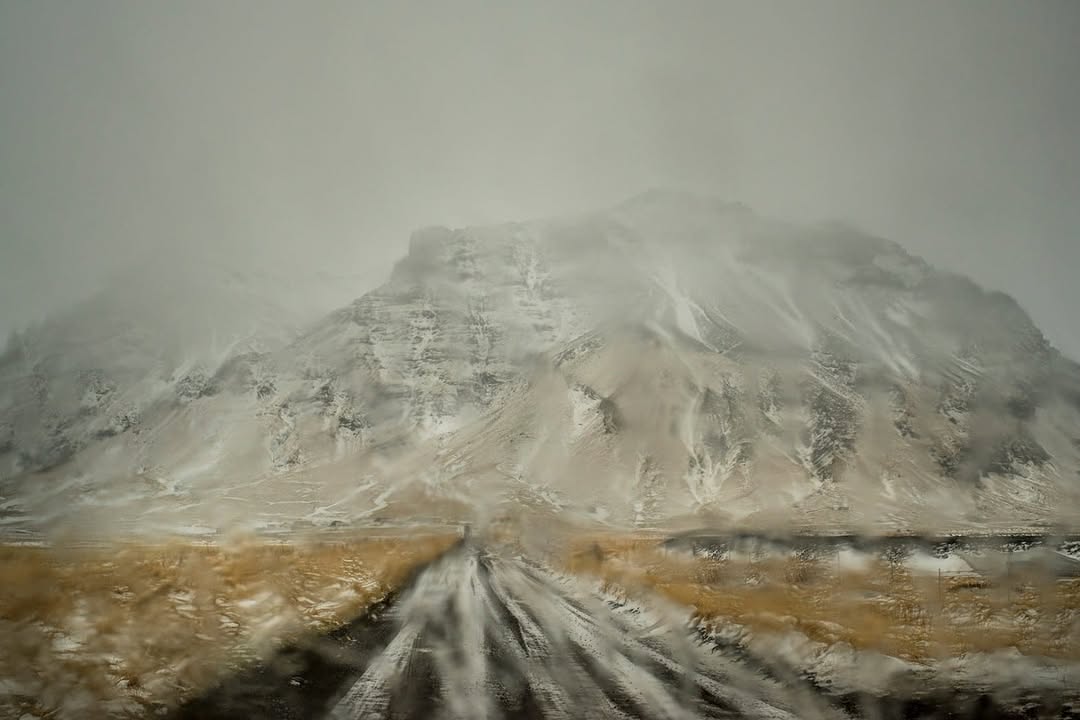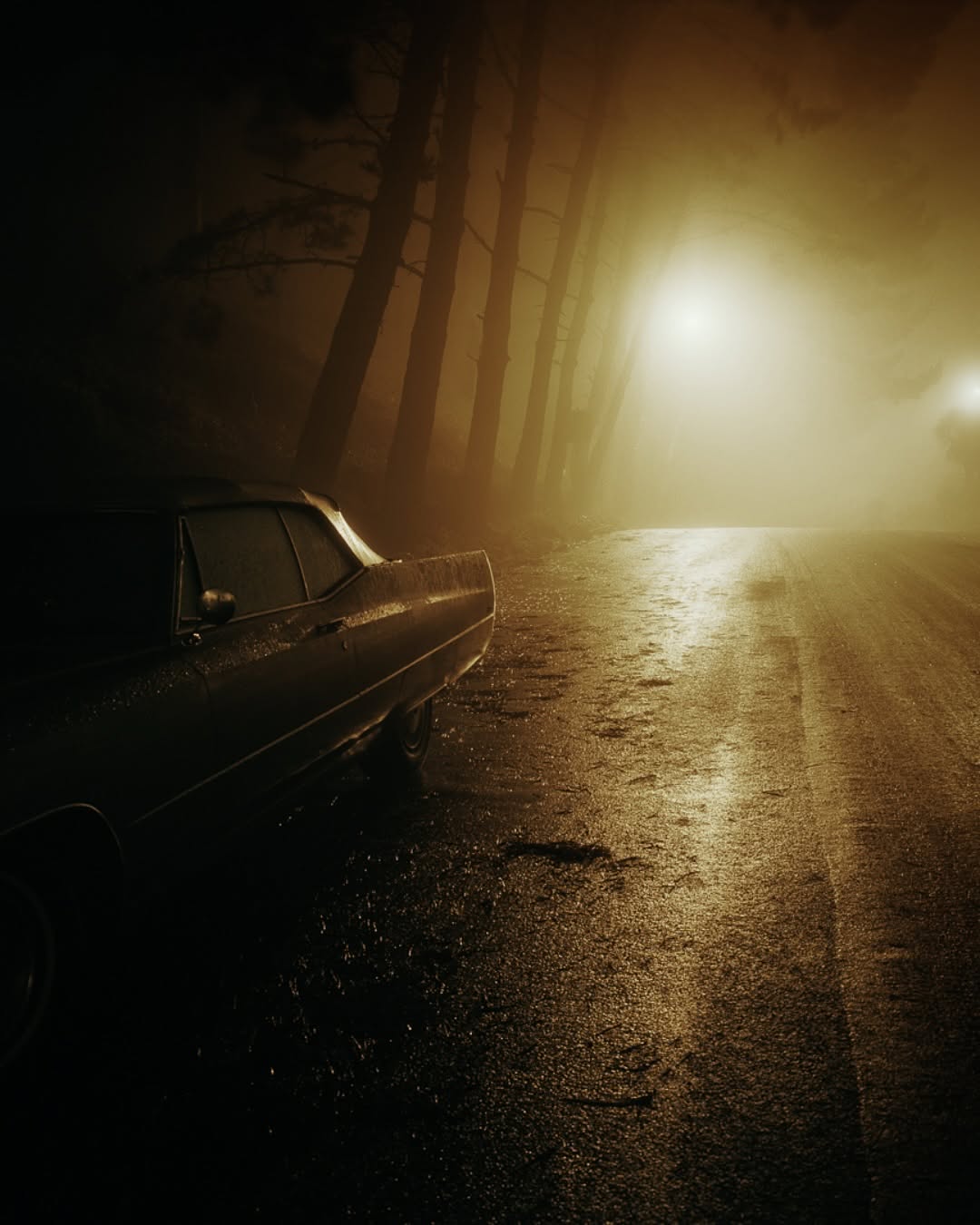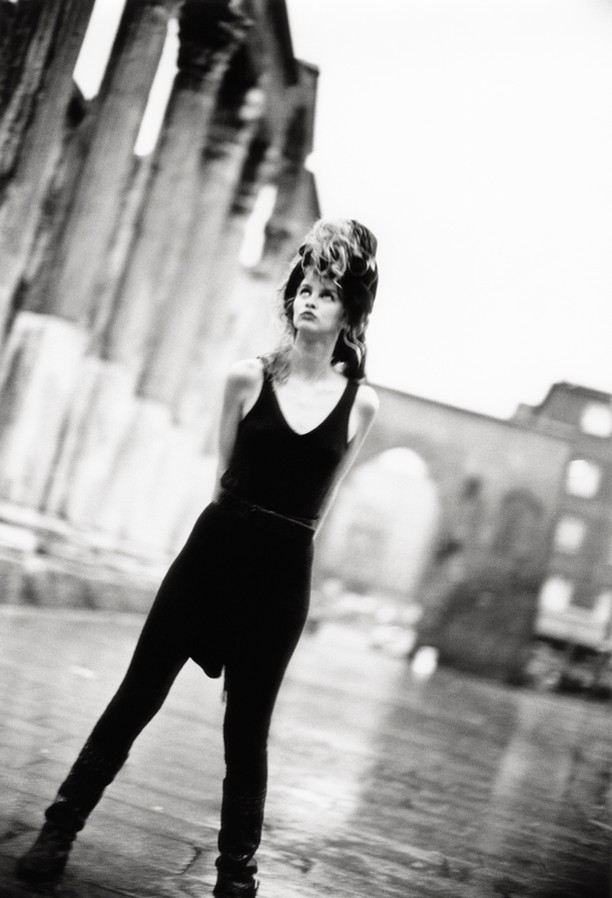
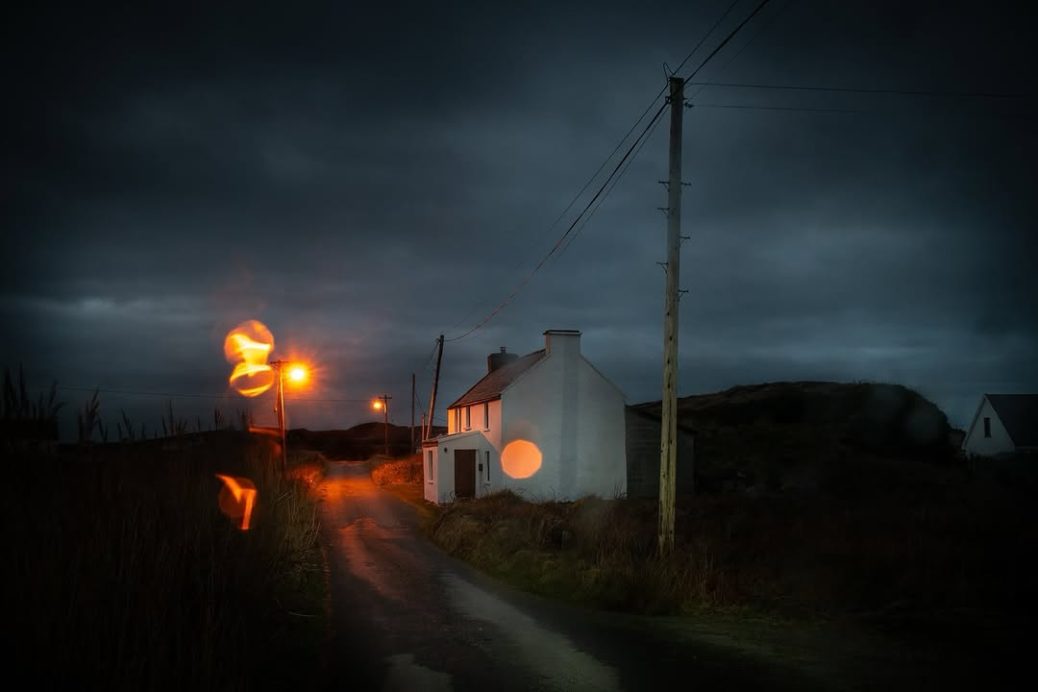
Todd Hido, born in 1968 in Kent, Ohio, began his photography career after earning his MFA from the California College of the Arts in 1996. His breakthrough came with the House Hunting series in 2001, which cemented his reputation for portraying the isolation of suburban America. Based in San Francisco, Hido’s work features muted colours and a cinematic, moody quality. His photographs often suggest untold stories, drawing viewers into their quiet, introspective world.
- Primary Genres: Fine Art Photography
- Primary Photography Style: Pictorialism (atmospheric, cinematic) – Uses soft focus and moody lighting to create painterly, evocative images.
- Key Message: Hido’s work explores isolation, memory, and the suburban experience, using haunting, narrative-driven images that feel like fragments of a larger story.
Hido’s most common subjects are suburban homes, empty interiors, and shadowy streets, which he uses to capture a sense of quiet unease. His unique aesthetic relies on muted blues, foggy greys, and dim yellows, with textures like rain-streaked windows or peeling paint adding depth. These choices create a nostalgic yet melancholic mood, encouraging viewers to reflect on their own memories of similar spaces.
His techniques centre on film photography, using cameras like the Nikon F5 or Pentax 67 with wide-angle lenses. Hido employs long exposures—typically 1 to 5 seconds—to capture ambient light from sources like car beams or overcast skies. This approach enhances the mood and gives his images a timeless, almost painterly quality, distinguishing them from sharper digital photography.
In editing, Hido keeps it minimal, using Lightroom for subtle tweaks that preserve the natural grain and colours of his film negatives. His presentation stands out with large prints, often 40×60 inches, displayed in galleries like SFMOMA or published in books like Intimate Distance (2016). The scale and format amplify the cinematic feel, immersing viewers in his atmospheric world.
For intermediate photographers, Hido’s film-based style teaches patience and pre-visualisation. Unlike digital photography’s instant feedback, film demands a strong grasp of light and exposure before shooting. His long exposures echo the zone system’s focus on tonal control, showing how time and light can shape emotion. Try shooting in low light with slow shutter speeds or neutral density filters to mimic his techniques, even with digital cameras.
- Accolades:
- Guggenheim Fellowship (2014)
- Works in collections at The Metropolitan Museum of Art and SFMOMA
- Shortlisted for the Deutsche Börse Photography Prize (2005)
- Featured in Artforum, The New York Times Magazine, and Vanity Fair
- Trivia:
- Often photographs his childhood neighbourhoods in Kent, Ohio.
- Inspired by Edward Hopper’s paintings.
- Drives at night to scout subjects, embracing solitude.
- His images are often likened to film stills for their narrative depth.
Lessons from this Photographer:
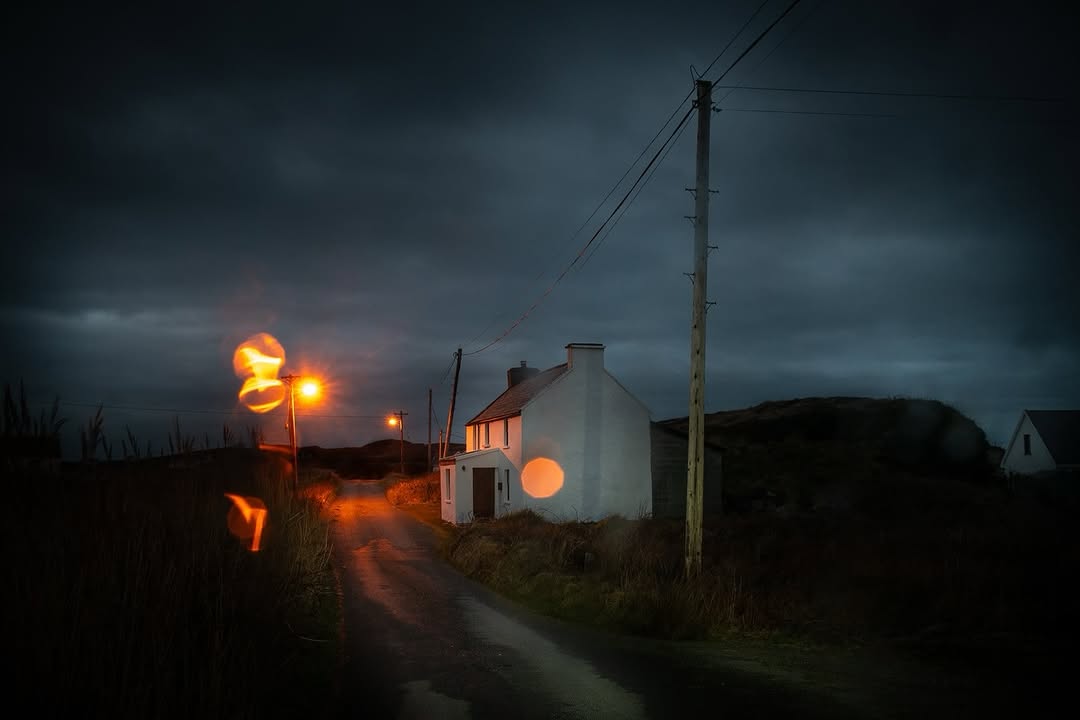
Todd Hido’s approach highlights patience, as he spends hours seeking the right scene. His use of natural light and long exposures shows how to build mood without heavy editing. Photographers can experiment by exploring everyday settings at dusk or dawn, using slow shutter speeds to blend light and shadow. His work inspires finding beauty in the ordinary and crafting stories through subtle details.
Website and Instagram:
- Website: https://www.toddhido.com
- Instagram: https://www.instagram.com/toddhido_
YouTube References:
- “Todd Hido: Photograph like a documentarian but Print like a painter.” by Camera West TV – https://www.youtube.com/watch?v=nmj2ptyZ24U
Citations:
- Todd Hido Official Website: https://www.toddhido.com
- Interview with Aperture Foundation, 2020: https://aperture.org/interview/todd-hido
- SFMOMA Artist Page: https://www.sfmoma.org/artist/todd_hido