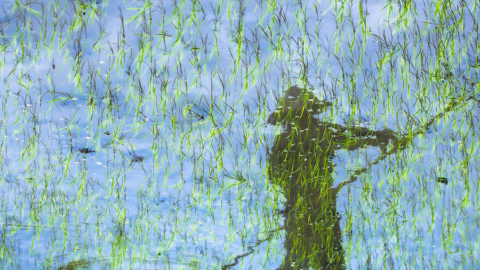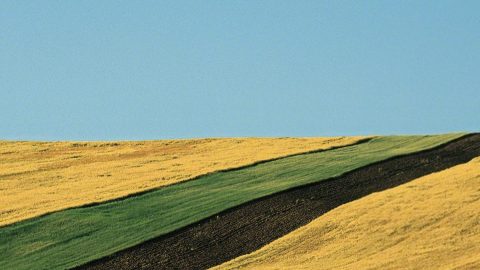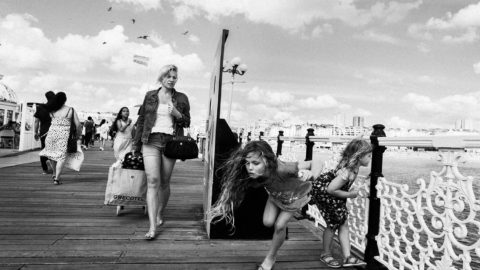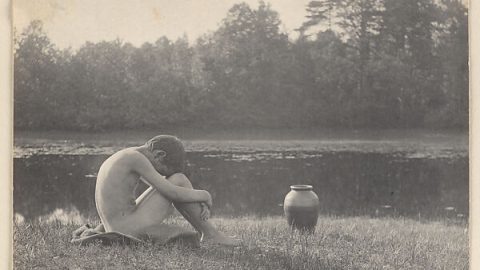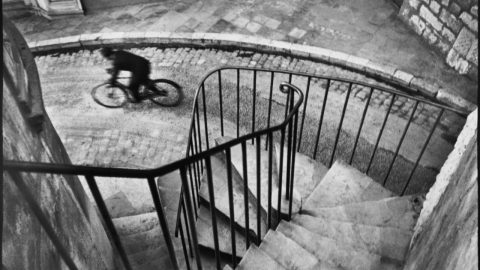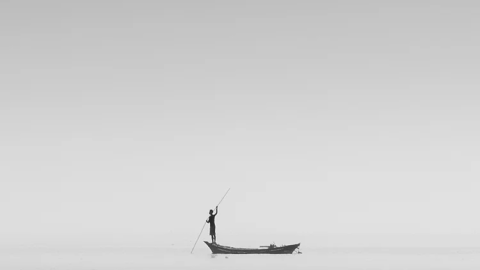


Thorsten von Overgaard was born in 1965 in Aarhus, Denmark, and began his career in advertising during the mid-1980s, working as a cultural editor and later running his own agency. He transitioned to professional photography in his 30s, inspired by discovering Leica cameras in the late 1990s, starting with a Leica Minilux and progressing to the Leica M6 rangefinder for candid shots. Key milestones include launching his blog in 1996, publishing books such as Finding the Magic of Light, and conducting workshops in over 25 countries annually. Now based primarily in the United States, with ties to Denmark, he has photographed in more than 50 countries and documented events like President Bill Clinton’s visit to the Faroe Islands. His images often feature soft greys, muted browns, and crisp blacks, highlighting textures such as cobblestone streets or weathered faces under natural light.
- Primary Genres: Street Photography, Portrait Photography, Documentary Photography.
- Primary Photography Styles: Straight Photography (classic, timeless, emphasising unmanipulated reality through clean compositions and natural tones); Minimalism (elegant, authentic, focusing on simplicity and essential elements to preserve a raw, enduring quality).
- Key Message: Overgaard captures life’s essence with a refined, unhurried eye, emphasising authenticity and the Leica ethos to create images that feel both intimate and enduring. His work revolves around the ‘magic of light’ and emotional impact, using simple tools to focus on genuine moments without unnecessary complexity.
Overgaard’s most common subjects include candid street scenes, portraits of strangers, and documentary-style reportage of everyday life and events across urban and rural settings. His unique aesthetic centres on minimalism, with a strong focus on texture—such as the grain of film or the subtle play of light on surfaces—and contrast that remains subtle rather than stark, avoiding over-sharpening for a timeless feel. He relies on natural lighting, preferring overcast conditions for calm diffusion or golden hour for warmth, and shoots handheld at speeds like 1/500s to capture life’s pulse spontaneously. Editing in Lightroom is minimal, with adjustments to contrast and preservation of grain to maintain authenticity, while presentation includes refined prints up to 20×30 inches, blog posts, books, and exhibitions that evoke quiet grace.
For intermediate learners, Overgaard’s straight photography style draws from classic traditions, similar to Henri Cartier-Bresson’s decisive moment but adapted to Leica rangefinders for intimate, unposed shots. He blends film (e.g., Kodak Tri-X for black-and-white texture or Portra 400 for colour) with digital (e.g., Leica M10 Monochrom for high-resolution monochrome), teaching that film encourages deliberate composition due to its limitations, while digital allows faster experimentation without losing the Leica ethos of simplicity. Concepts like zone focusing—pre-setting distance on primes such as the 50mm f/2 APO-Summicron—enable quick street captures, reducing reliance on autofocus and promoting a mindful approach to framing.
His techniques prioritise primes for intimacy and avoid flash to let natural light dictate mood, making his work educational for those shifting from smartphone photography to dedicated cameras. Overgaard’s Leica purism highlights how gear choice influences mindset: rangefinders foster a connection to subjects through optical viewfinders, unlike mirrorless systems with electronic distractions. Overall, his process inspires photographers to slow down, observe light’s nuances, and edit sparingly to let the image’s truth emerge.
- Accolades:
- Multiple award-winning photographer, including Associated Press awards; international photo competition judge
- Featured in documentaries like A Life with Leica; recognised for Danish photography contributions through his global influence.
- Trivia:
- Has photographed in over 50 countries, travelling to more than 25 annually for shoots and workshops
- Loves jazz music’s flow, which inspires his rhythmic approach to capturing moments and naming products like the ‘Jimmy Jazz’ camera strap.

Lessons from this Photographer:
Overgaard’s approach teaches the value of an unhurried eye, encouraging photographers to observe and wait for the ‘magic of light’ rather than forcing shots, which can lead to more authentic compositions in street and portrait work. His Leica ethos promotes simplicity in gear and technique—using primes and natural light to focus on storytelling and subject interaction—helping intermediates shift from over-reliance on post-processing to mindful in-camera decisions. By blending film and digital, he shows how embracing limitations fosters creativity, inspiring experimentation with zone focusing or minimal editing to preserve emotional impact and achieve timeless images.
Website and Instagram:
-
- Website: https://www.overgaard.dk
- Instagram: https://www.instagram.com/thorstenovergaard
- X (formerly Twitter): https://x.com/overgaard
YouTube References:
- “A LIFE WITH LEICA PHOTOGRAPHY featuring Thorsten Overgaard” by Magic of Light – https://www.youtube.com/watch?v=CmH9EjUDO0g
Citations:
- YouTube Channel: https://www.youtube.com/c/MagicOfLight_ThorstenOvergaard
- “A Life with Leica” Documentary: https://www.youtube.com/watch?v=CmH9EjUDO0g
- Interview on Leica in Japan: https://www.youtube.com/watch?v=sPiRXscpPkQ
- Article on “A Life With Leica” Video: https://www.streetshootr.com/thorsten-overgaard-featured-in-first-a-life-with-leica-video/.