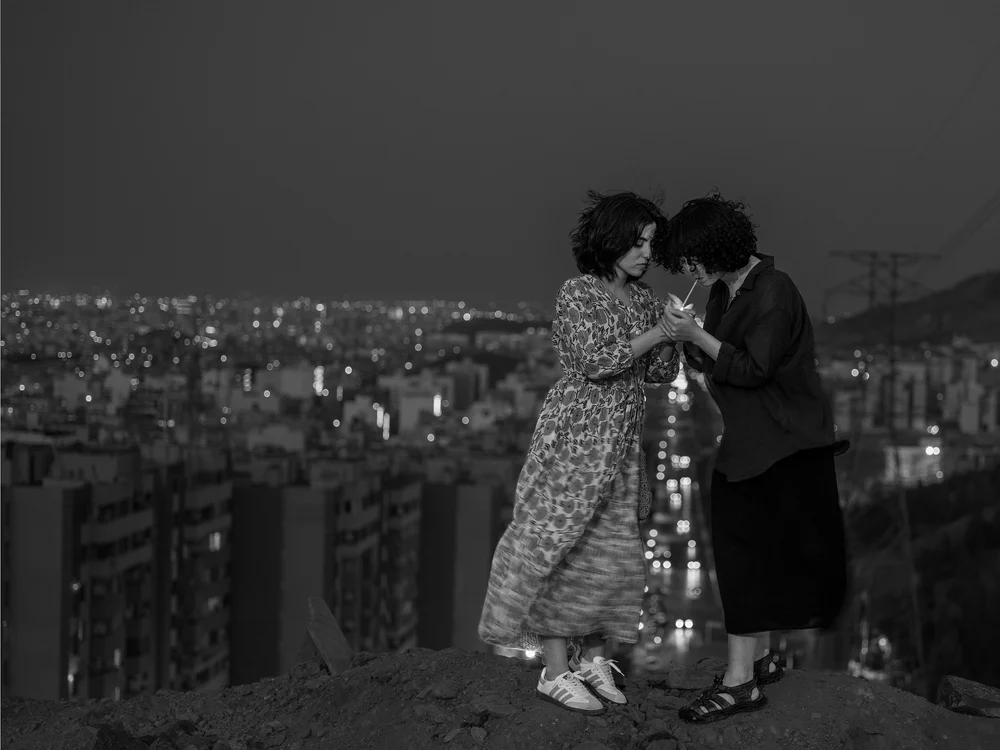
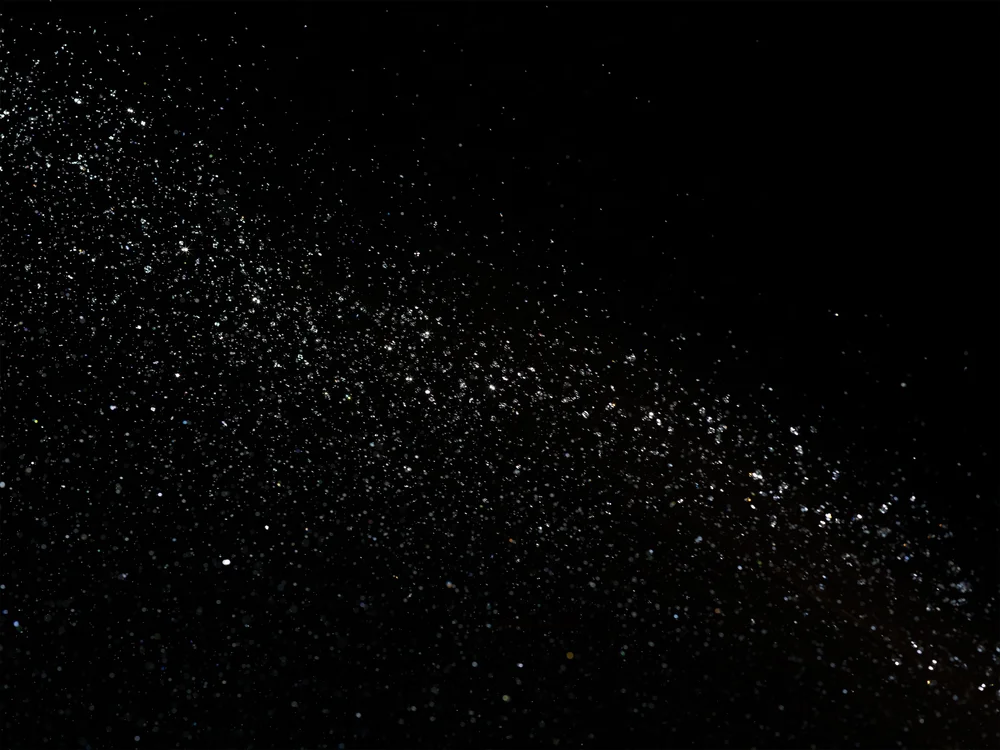
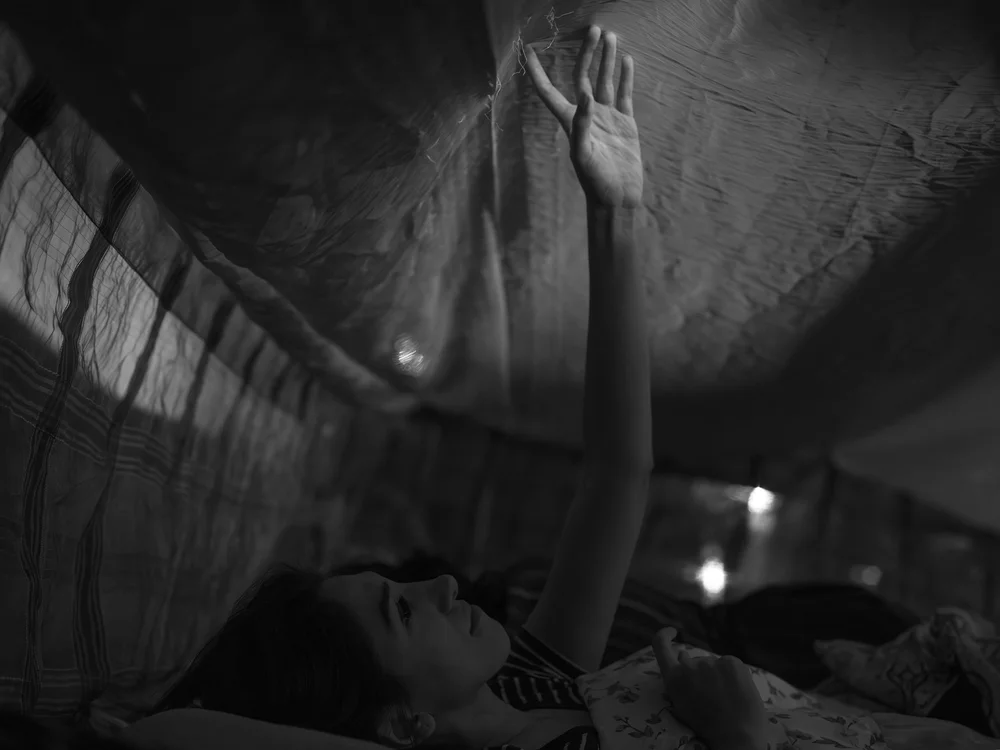
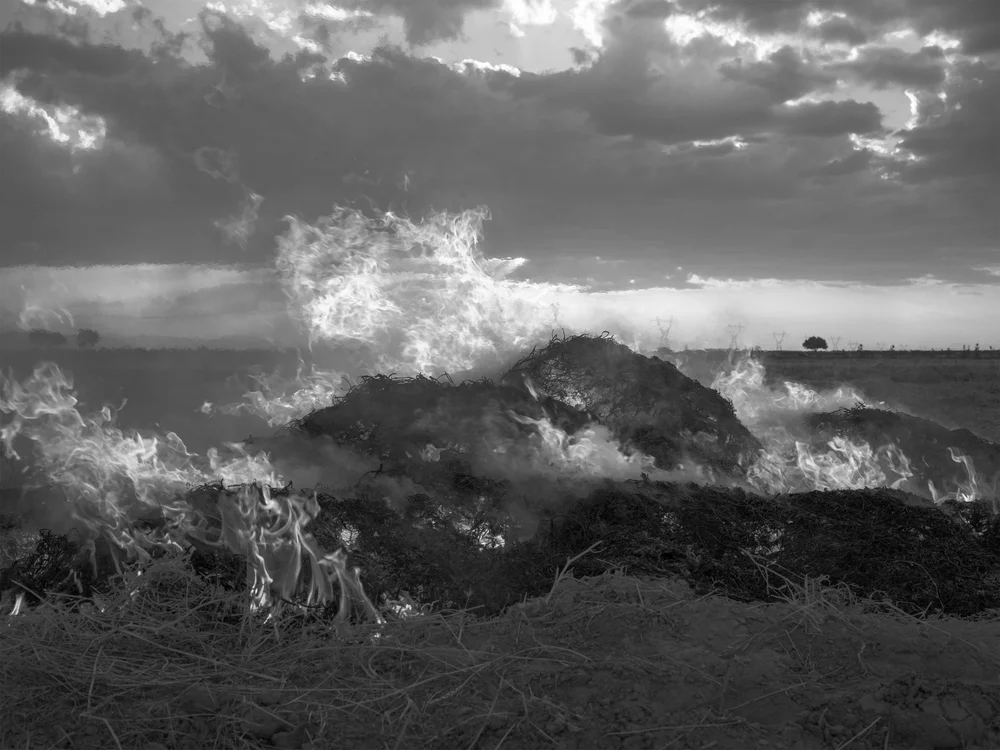
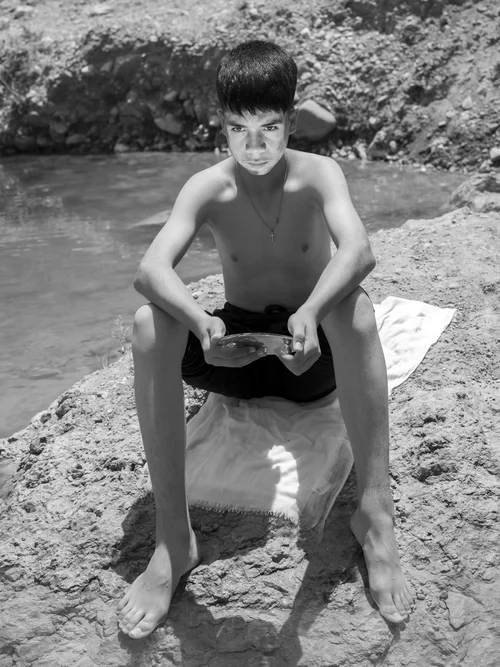
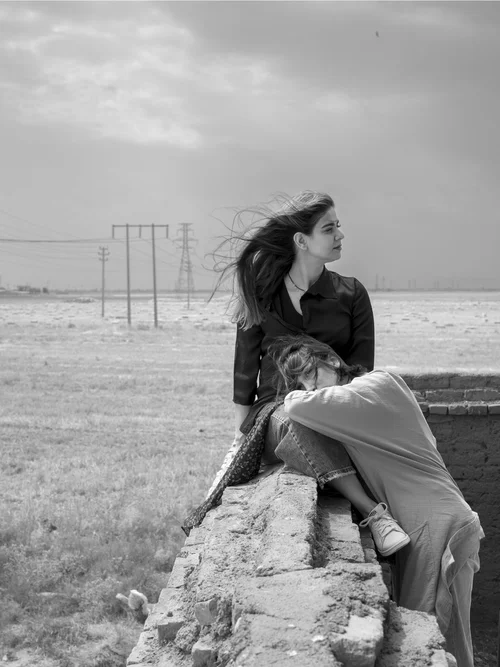
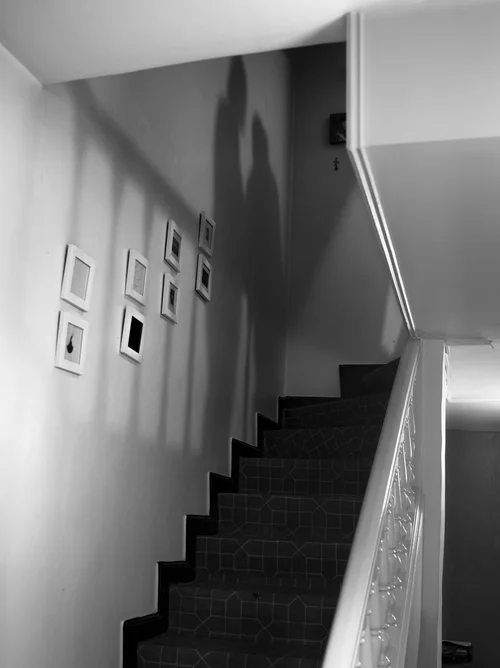
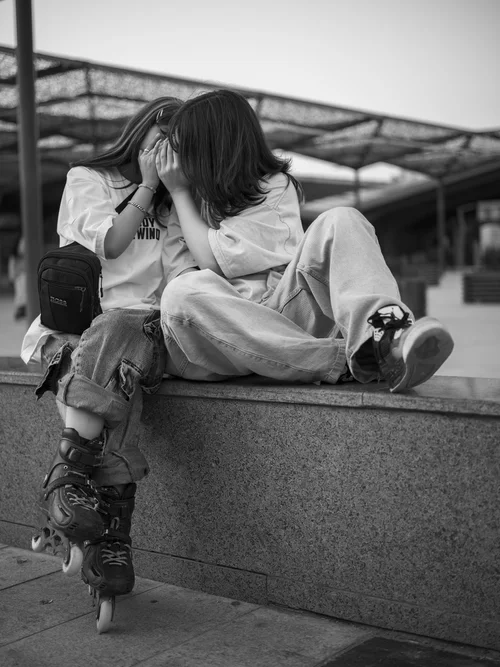
Sara Abbaspour was born in 1990 in Mashhad, Iran. She holds a B.Sc. in Urban Planning and Design from Ferdowsi University of Mashhad, an M.A. in Photography from the University of Tehran, and an M.F.A. in Photography from Yale School of Art in 2019. Her career started in the mid-2010s with the “Floating Ocean” series, ongoing since 2015. She has over a decade of experience, including teaching as an Assistant Professor of Photography at the University of New Mexico since around 2023. Key milestones include her Yale thesis exhibition in 2019, winning the PHMuseum 2024 Women Photographers Grant 1st Prize, and the Center Awards Project Development Grant in 2024. Her work features black-and-white imagery with muted greys and soft contrasts, emphasising textures and emotional depth in Iranian settings.
- Primary Genres: Documentary, Fine Art
- Primary Photography Style: Straight Photography (poetic, introspective portrayals of everyday scenes); Expressionism (nuanced depictions of transition and emotion through subtle shifts in light and form)
- Key Message: Sara Abbaspour explores Iran’s socio-political and cultural transitions, capturing fleeting moments in spaces and among dwellers to evoke a poetic introspection on change, identity, and the passage of time.
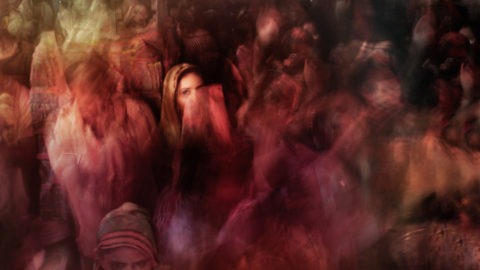
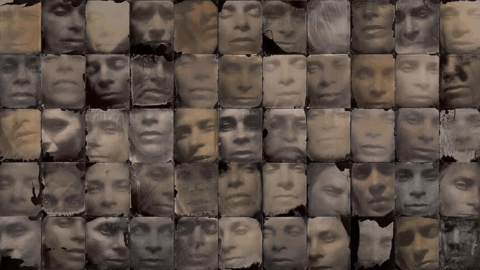
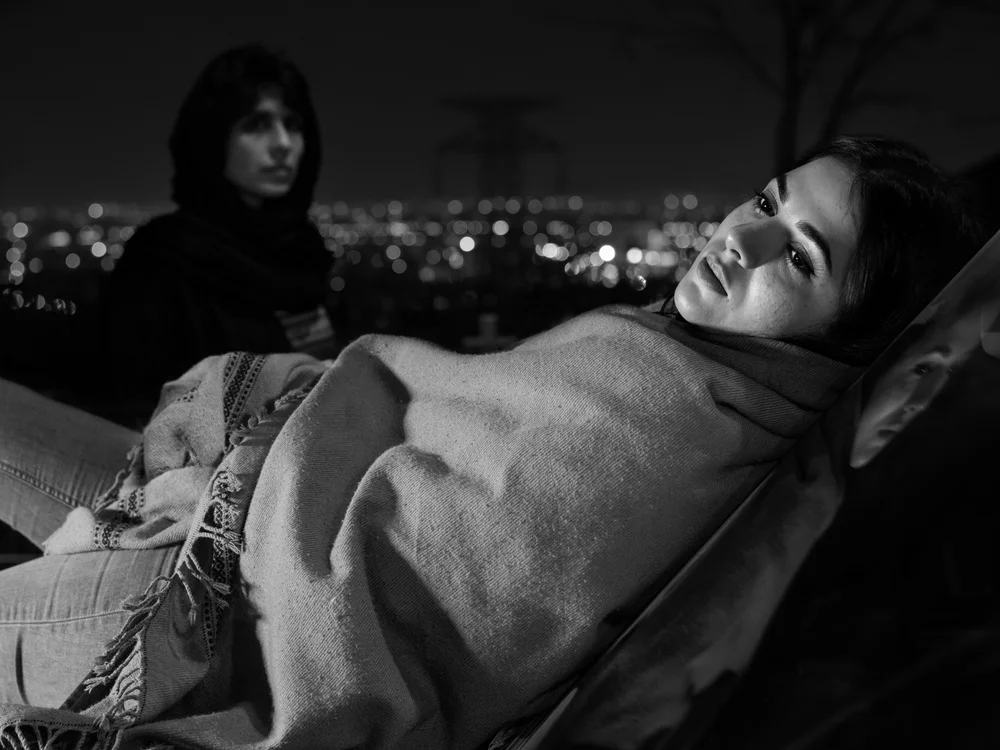
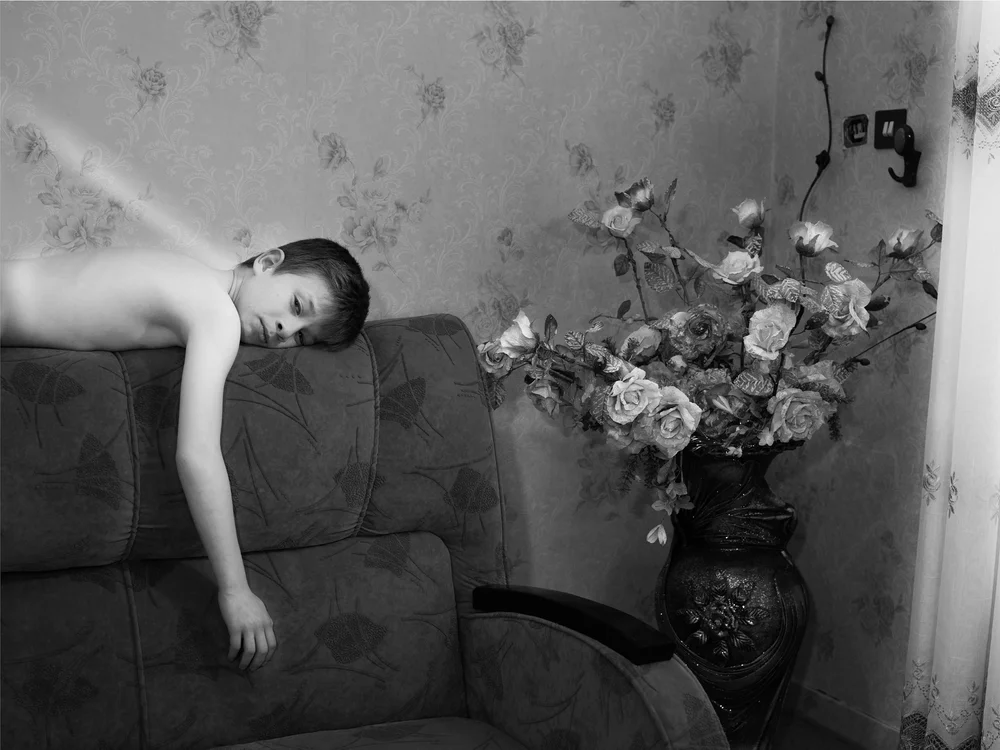
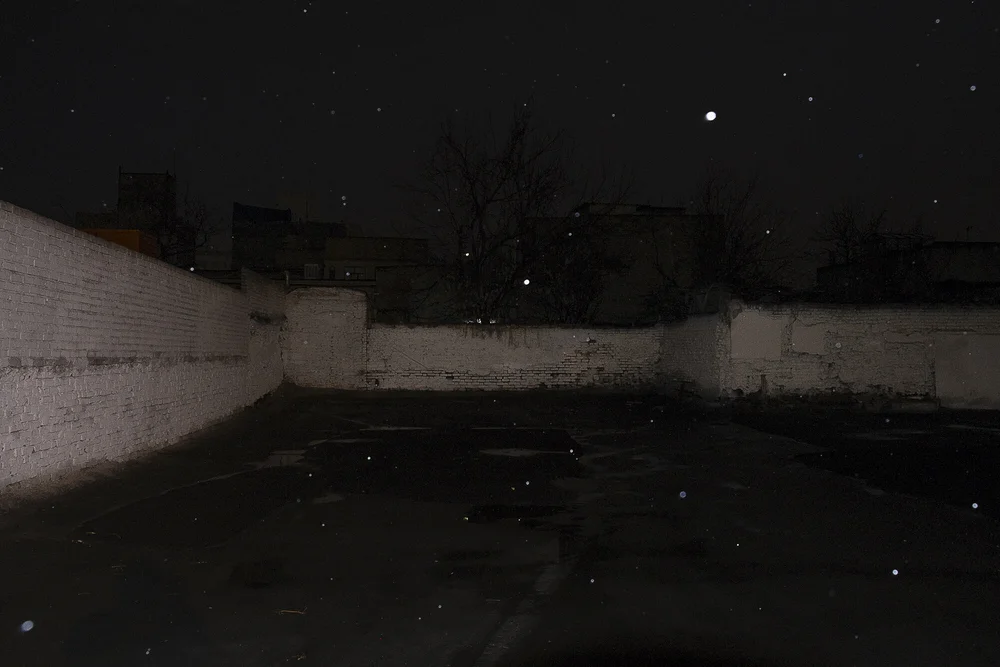
Sara Abbaspour’s most common subjects are urban and rural scenes in Iran, including people like youth in moments of action, veiled figures, or groups in natural or built environments, alongside spaces such as cracked walls, empty roads, or landscapes in flux. Her unique aesthetic relies on muted greys, dusty beiges, soft blues, and blacks to convey quiet introspection, with textures from surfaces like stone, water, or fabric adding layers of emotional narrative. Techniques centre on digital photography for its flexibility in capturing spontaneous transitions, using natural light from overcast skies or dusk to create even, shadow-free illumination that enhances mood without artificial sources. Editing involves subtle adjustments in contrast and retention of grain to maintain authenticity, avoiding heavy manipulation for a raw, tender finish. Presentation spans gallery exhibitions at institutions like Yale and MoMA, online portfolios, and medium-sized prints for display, allowing viewers to engage with the socio-political themes up close.
For intermediate photographers, Abbaspour’s style combines straight photography’s direct approach with expressionist nuances, using black-and-white to focus on emotional subtlety rather than colour distraction—similar to how Sebastião Salgado employs monochrome for depth, but with a softer contrast. Digital workflows enable quick iterations and precise control over exposure in varying light, unlike film which requires pre-planning for its limited dynamic range and development constraints. Learners can practise by shooting in natural light to capture transitional moments, applying minimal post-processing in software to lift midtones and preserve grain, building skills in storytelling through understated composition.
Her work highlights how urban planning backgrounds inform spatial awareness in framing, blending documentary facts with fine art introspection to question cultural identities. This cross-cultural perspective, drawn from living between the U.S. and Iran, adds utility for photographers aiming to document change without overt drama.
- Accolades:
- PHMuseum 2024 Women Photographers Grant 1st Prize
- Center Awards Project Development Grant Winner (2024)
- Featured in MoMA collection (2018 works)
- Yale MFA Thesis Exhibition (2019).
- Trivia:
- Background in urban planning influences her spatial compositions
- Lives and works between U.S. and Iran, informing cross-cultural themes
- “Floating Ocean” series ongoing since 2015, exploring Iranian youth and landscapes
- Teaches photography at University of New Mexico.
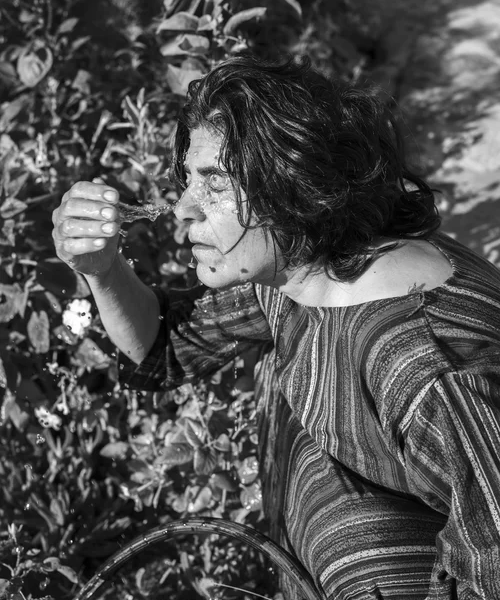
Lessons from this Photographer:
Abbaspour’s approach uniquely blends documentary realism with poetic expression, teaching photographers to use natural light and subtle composition to capture cultural transitions without forcing narratives. Her creative process encourages patient observation of spaces and subjects, allowing fleeting moments to reveal deeper stories, which beginners can apply by focusing on environmental interactions in their shots. Intermediate users can shift mindsets towards minimal post-processing for authenticity, experimenting with black-and-white conversions to emphasise texture and emotion, fostering a greater appreciation for photography as a tool for introspection and social commentary.
Website and Instagram:
-
- Website: https://www.saraabbaspour.com
- Instagram: https://www.instagram.com/saraabbaspour
YouTube References:
- “Sara Abbaspour- Photography Between Politics and Poetry by The Fly-Bottle – https://www.youtube.com/watch?v=QW897eevMUk”
Citations:
- PHMuseum Grant Announcement (2024): https://phmuseum.com/grants/women-photographers-grant/2024
- Center Awards (2024): https://visitcenter.org/2024-project-development-grant-winner
- MoMA Collection: https://www.moma.org/artists/143680
- Yale School of Art: https://www.art.yale.edu/sara-abbaspour
- University of New Mexico Faculty Page: https://art.unm.edu/profile/sara-abbaspour/