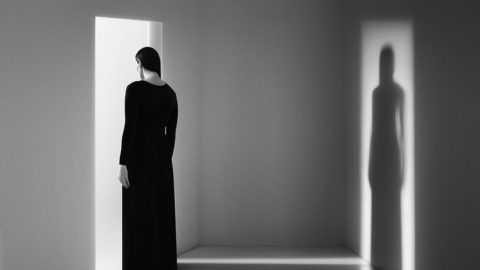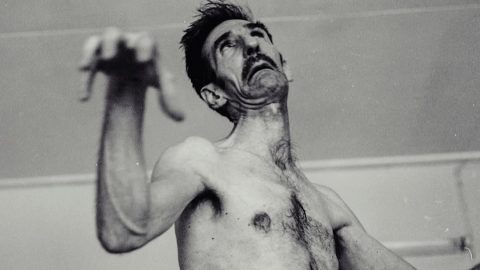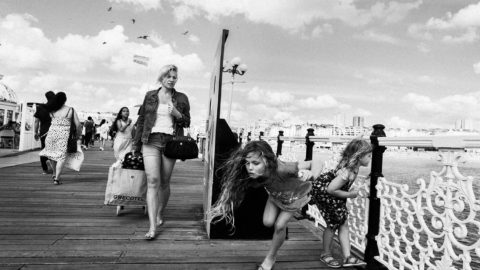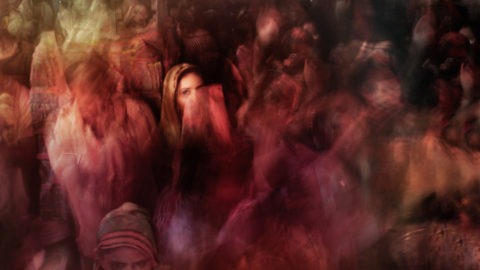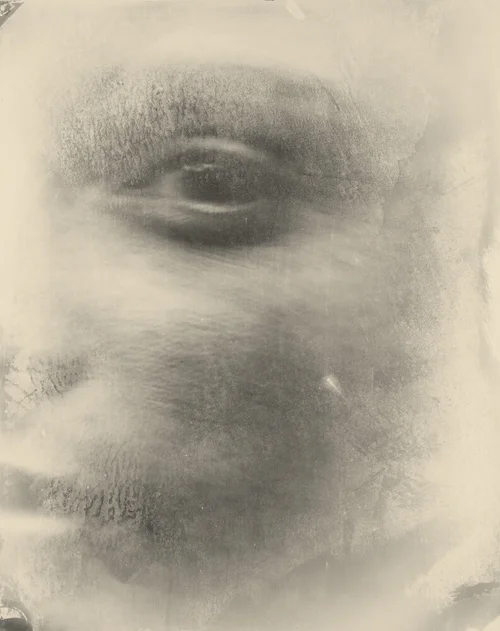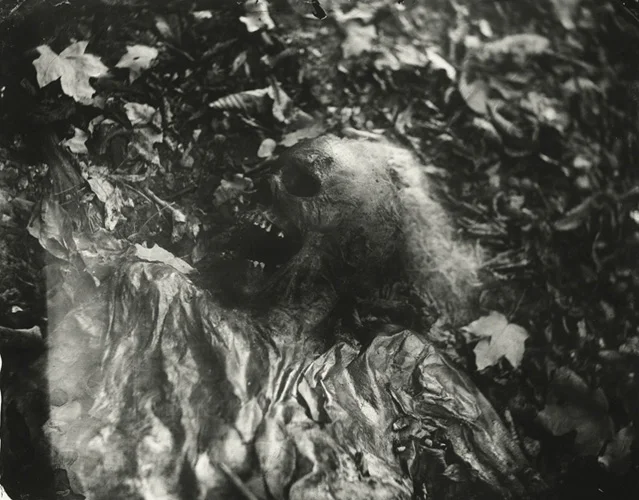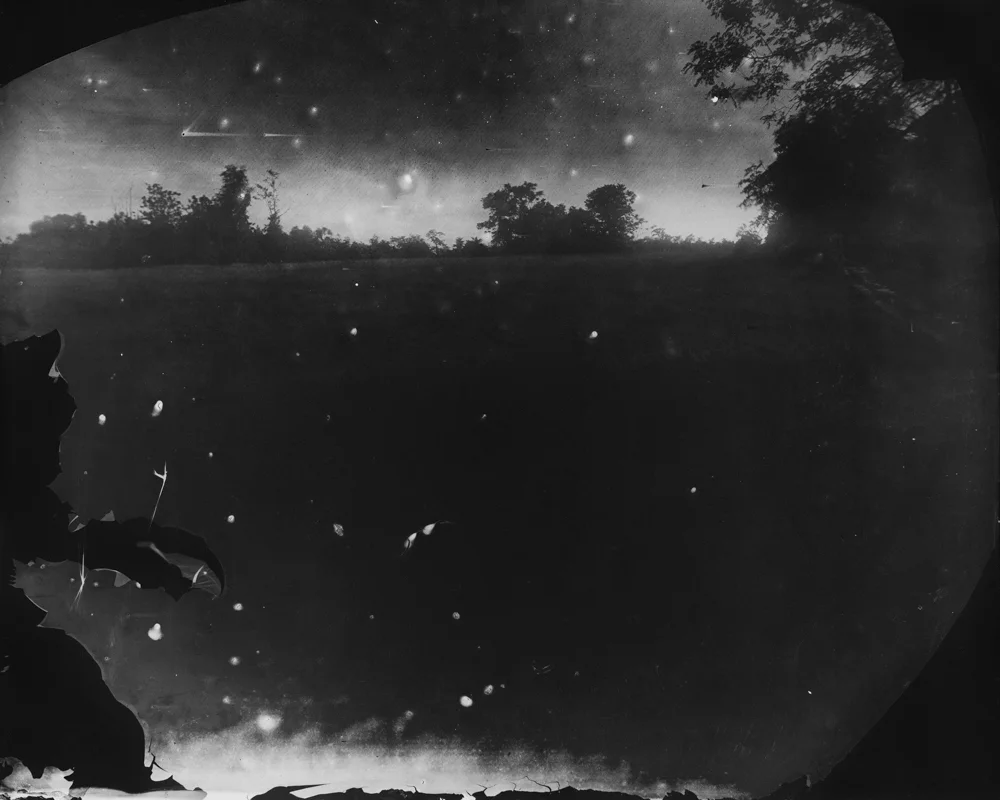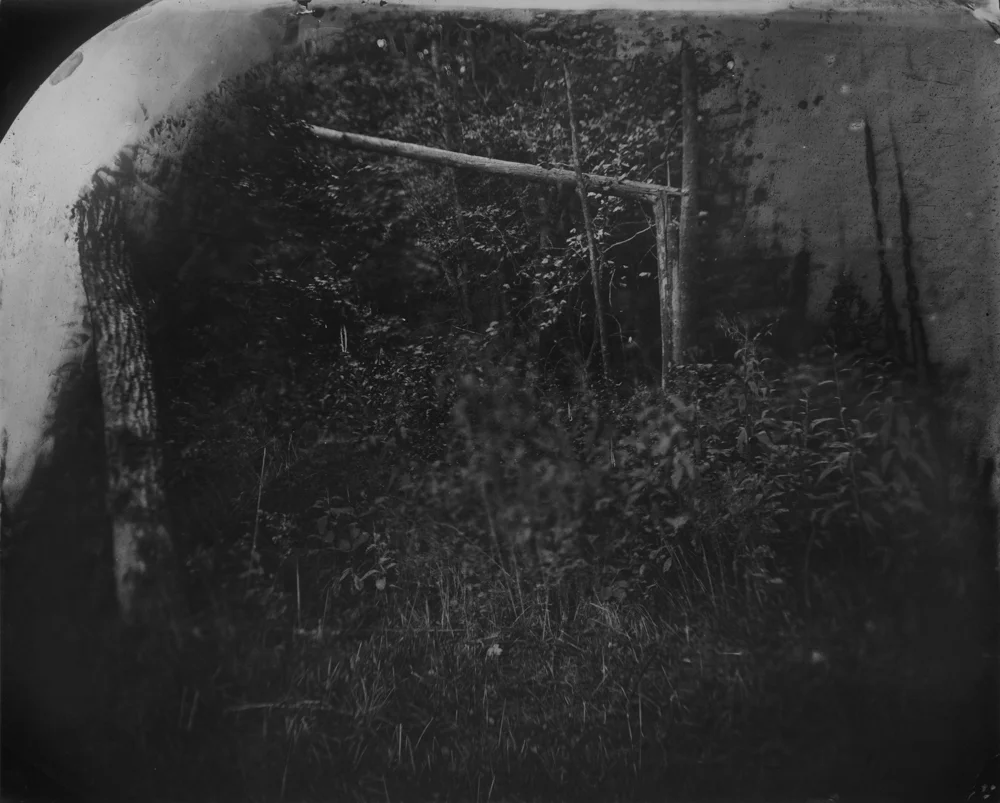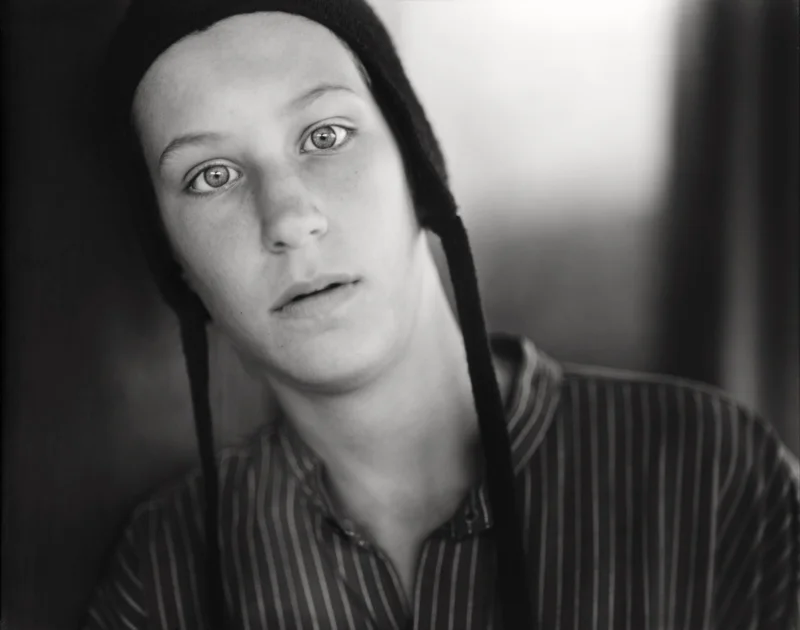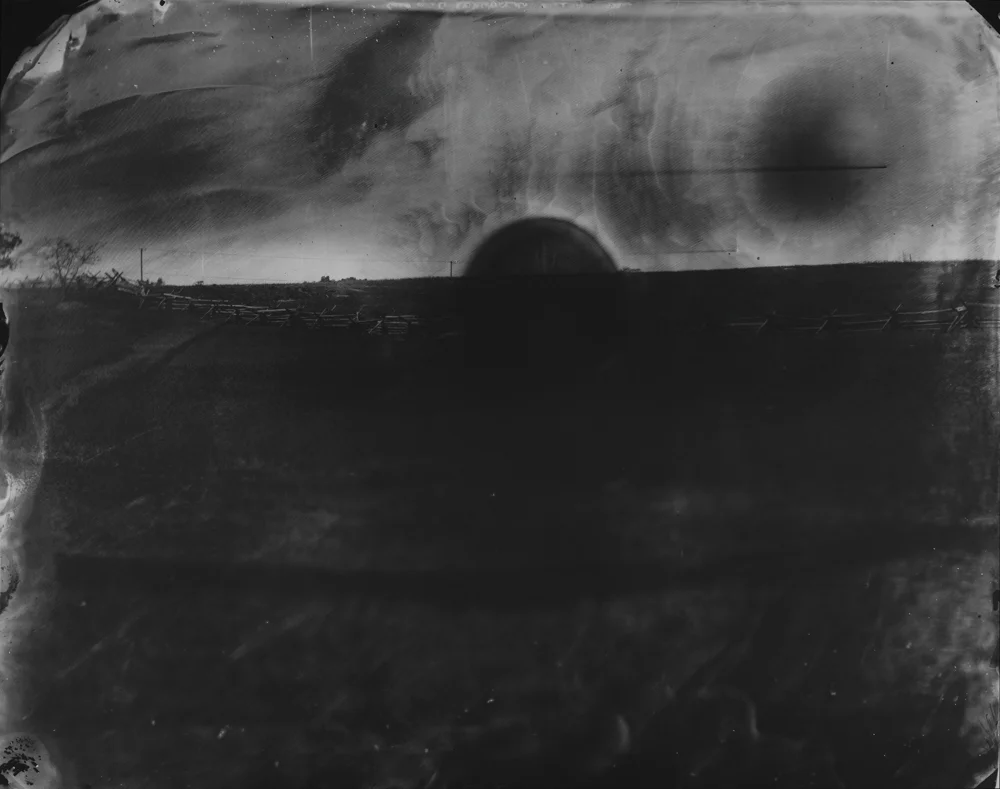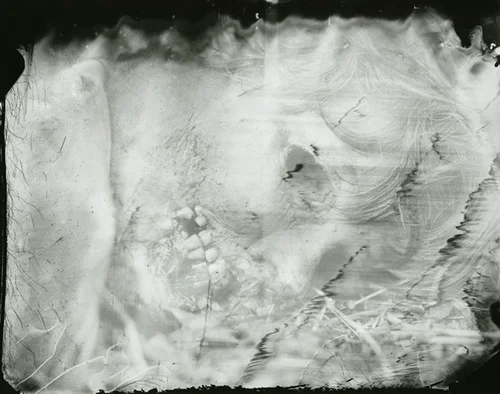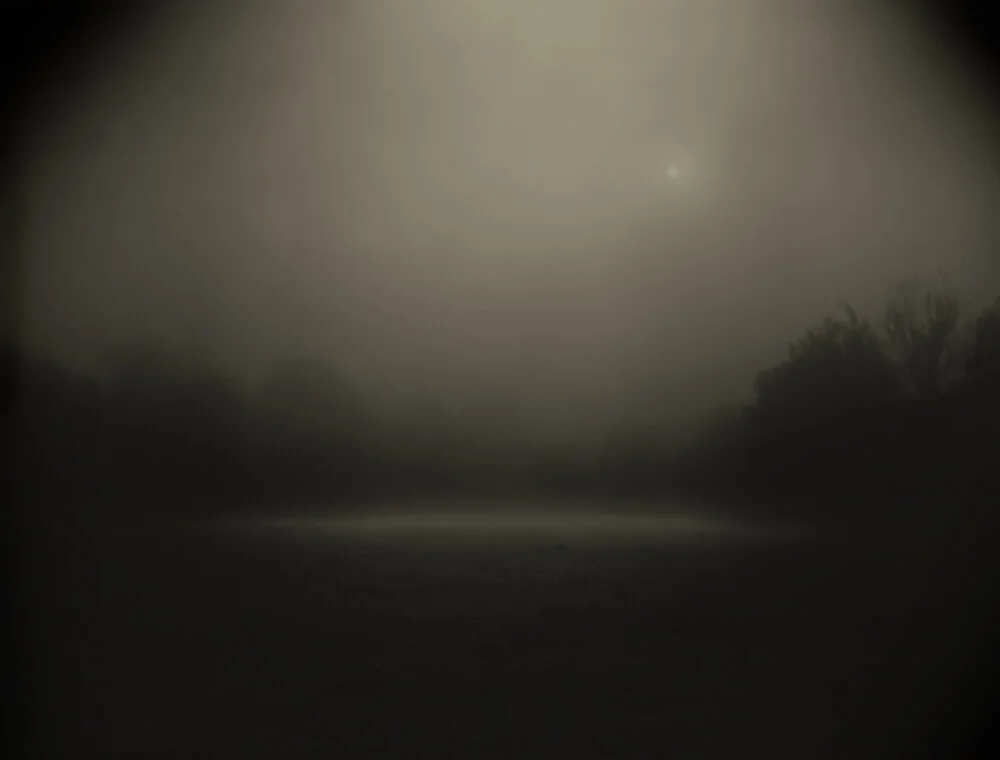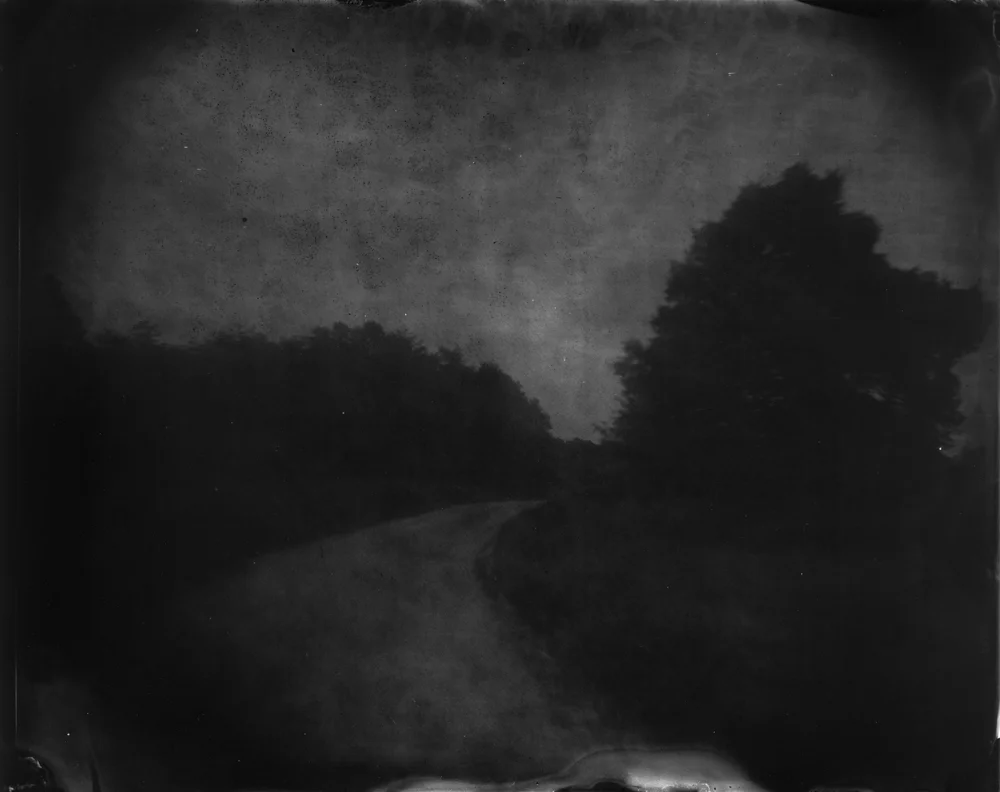
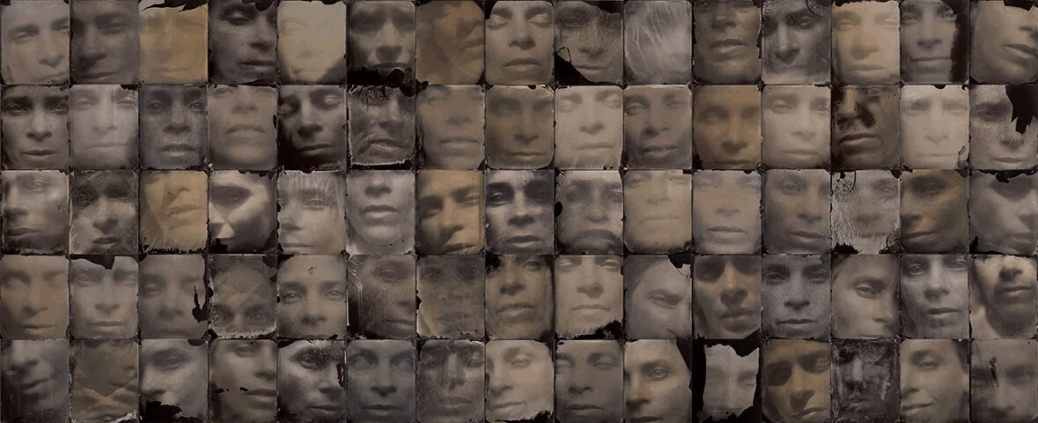
Sally Mann was born in Lexington, Virginia, in 1951 and began her photography career in the 1970s with a Leica camera. Her breakthrough came with the Immediate Family series in 1992, which featured raw portraits of her children and sparked debates on privacy. Based in Virginia, her 50-year career has evolved to include landscapes and still lifes, with a focus on mortality amid Ukraine’s war. Her work is known for black-and-white tones and haunting intimacy.
- Primary Genres: Fine Art Photography
- Primary Photography Style: Straight Photography (black and white, large format) – Uses minimal manipulation to capture raw, authentic scenes with deep tonal range; Expressionism (intimate, haunting) – Conveys emotional depth through subjects that blend beauty and decay.
- Key Message: Mann explores family, memory, mortality, and the American South, intertwining beauty with decay to probe life’s raw edges through an evocative, personal lens.
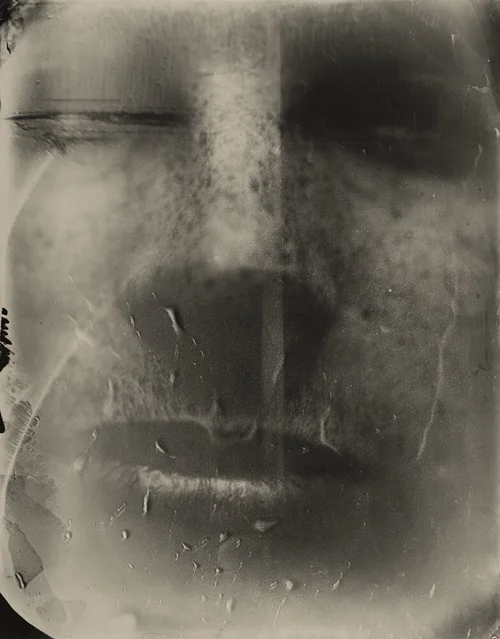
Mann’s subjects often include her family, Southern landscapes, and decaying elements like corpses or bones, as in What Remains (2003). Her aesthetic focuses on deep greys and textures—muddy creeks, bare skin, rotting forms—creating a tactile sense of impermanence. She shoots with an 8×10 view camera and antique lenses (e.g., 300mm) for soft edges, using wet plate collodion for flawed, vintage effects. Tripod-set exposures (1-5 seconds) rely on natural light—overcast or slanted sun—to enhance mood without strobes. Darkroom processing with gelatin silver or collodion embraces stains and scratches for a raw finish. Her prints, up to 20×24 inches, appear in books like Deep South (2005) and exhibits at MoMA, amplifying their emotional pull.
For intermediate photographers, Mann’s style teaches embracing imperfections. Her large-format film demands precise exposure and composition, unlike digital’s instant feedback, fostering deliberate planning. Wet plate collodion adds unpredictability, similar to the zone system’s tonal control but with chemical flaws for texture. Try antique lenses or long exposures to mimic her haunting look, focusing on natural light to capture mood—digital can simulate this with raw files, but film builds patience.
- Accolades:
- NEA Fellowships (1982, 1988, 1992)
- Guggenheim Fellowship (1987)
- Works in MoMA and Whitney Museum
- Honorary Doctorate from Corcoran College (2006)
- Trivia:
- Shot her children daily for Immediate Family.
- Inspired by William Faulkner’s Southern Gothic themes.
- Uses 100-year-old lenses for wet plate collodion.
- Continued work during Ukraine war, focusing on resilience.
Lessons from this Photographer:
Mann’s intimate subjects show how personal stories can create powerful narratives—start with familiar surroundings to build emotional depth. Her natural light and large-format techniques teach patience, urging photographers to wait for the right moment rather than forcing it with artificial tools. Intermediate shooters can try wet plate or long exposures to embrace flaws, shifting from digital perfection to raw authenticity for deeper appreciation of the craft.
Website:
- Website: https://www.sallymann.com
YouTube References:
- “Sally Mann: Writing with Photographs” by Sarah Greenough – https://www.youtube.com/watch?v=mXkyppO9ihM
Citations:
- Photographer’s Official Website: https://www.sallymann.com
- Wikipedia: https://en.wikipedia.org/wiki/Sally_Mann
- The Art Story: https://www.theartstory.org/artist/mann-sally/
- Gagosian: https://gagosian.com/artists/sally-mann/