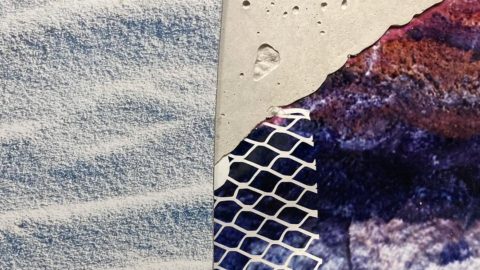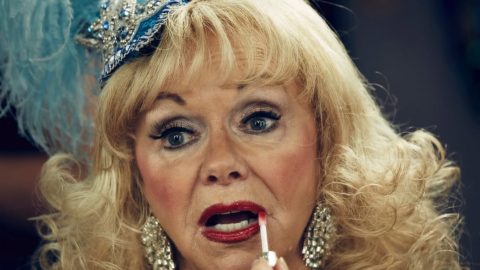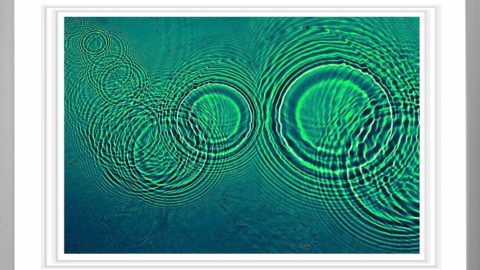

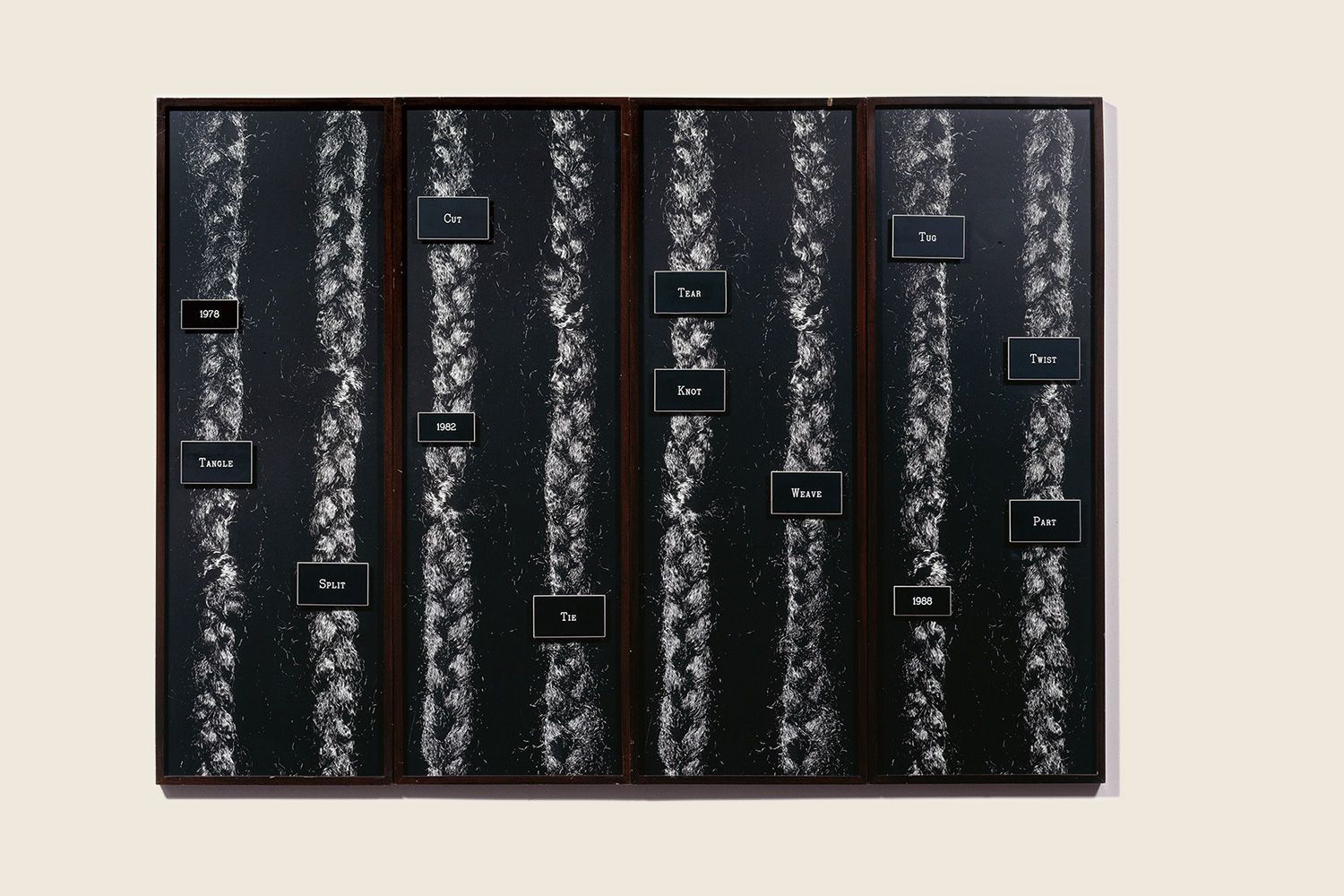
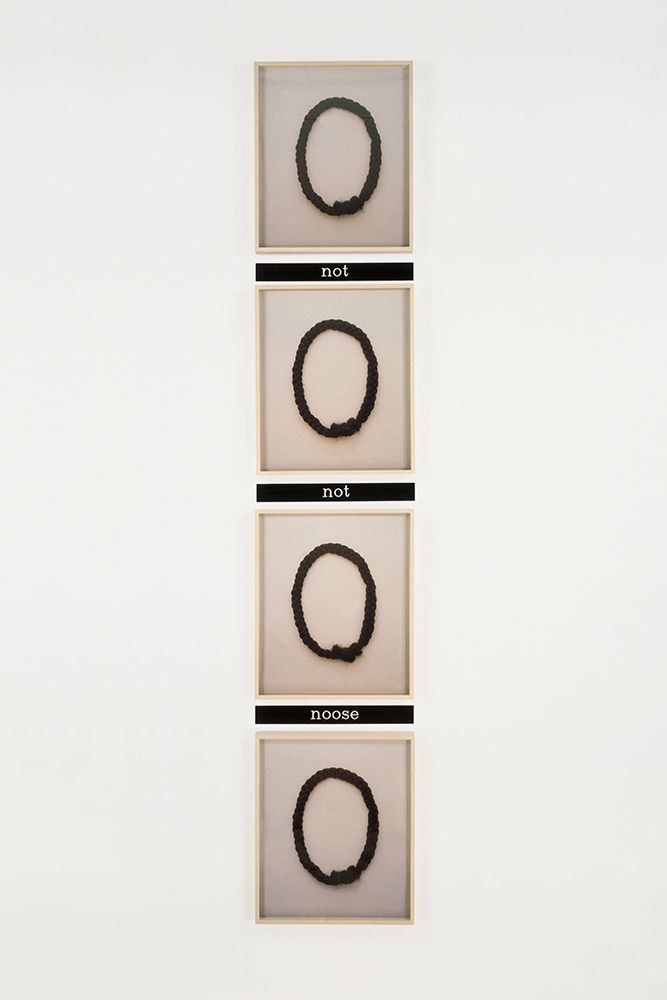
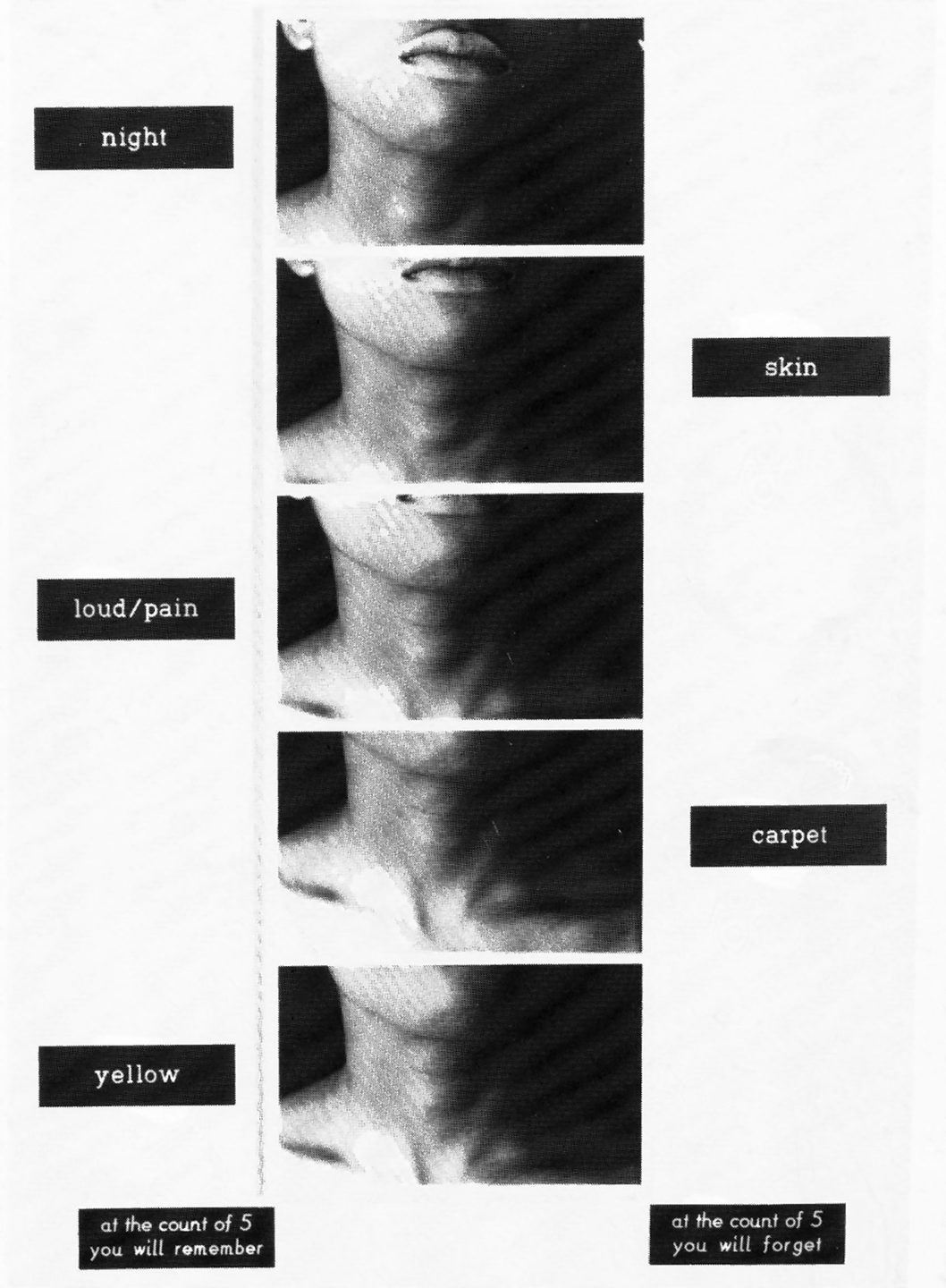
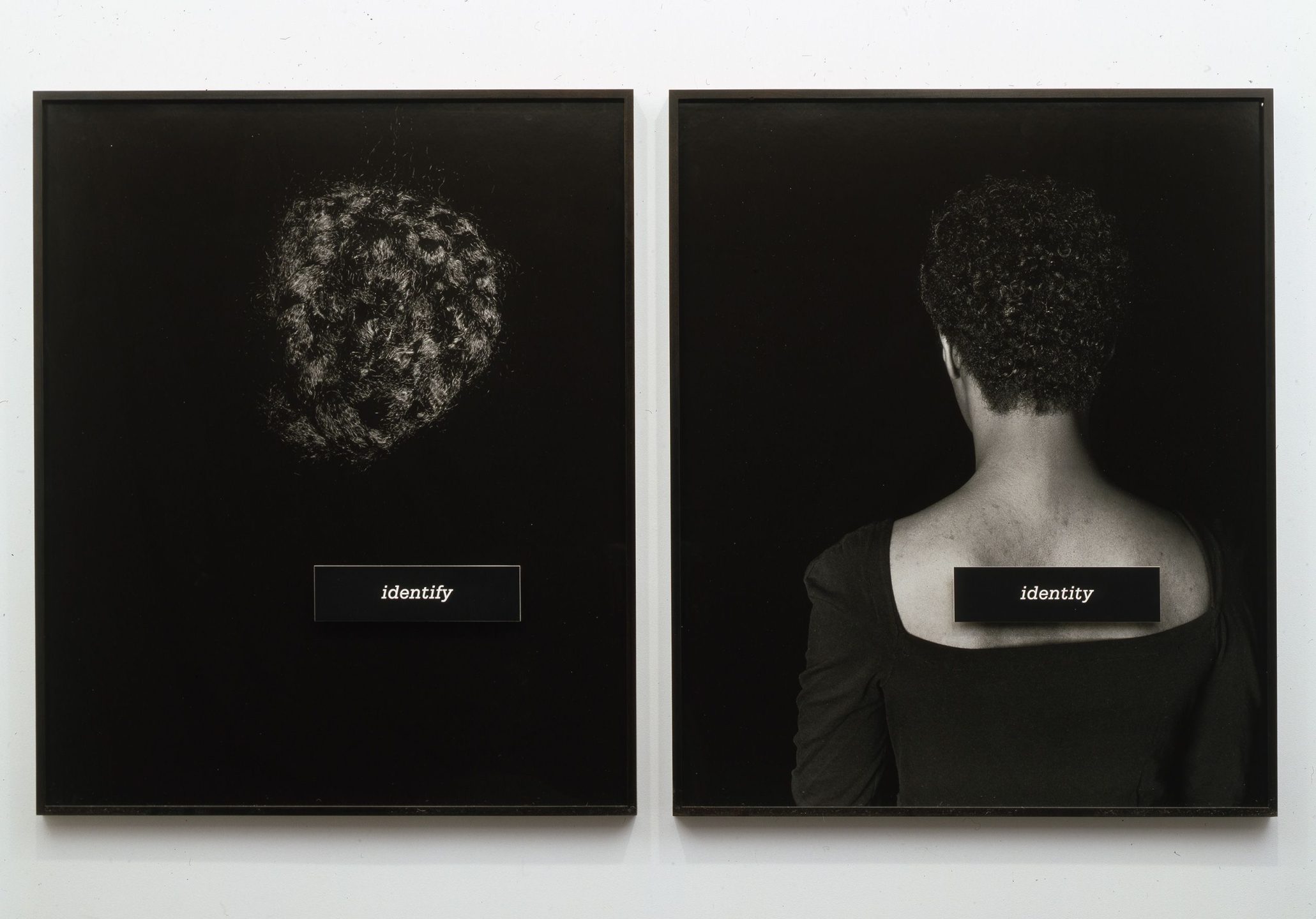
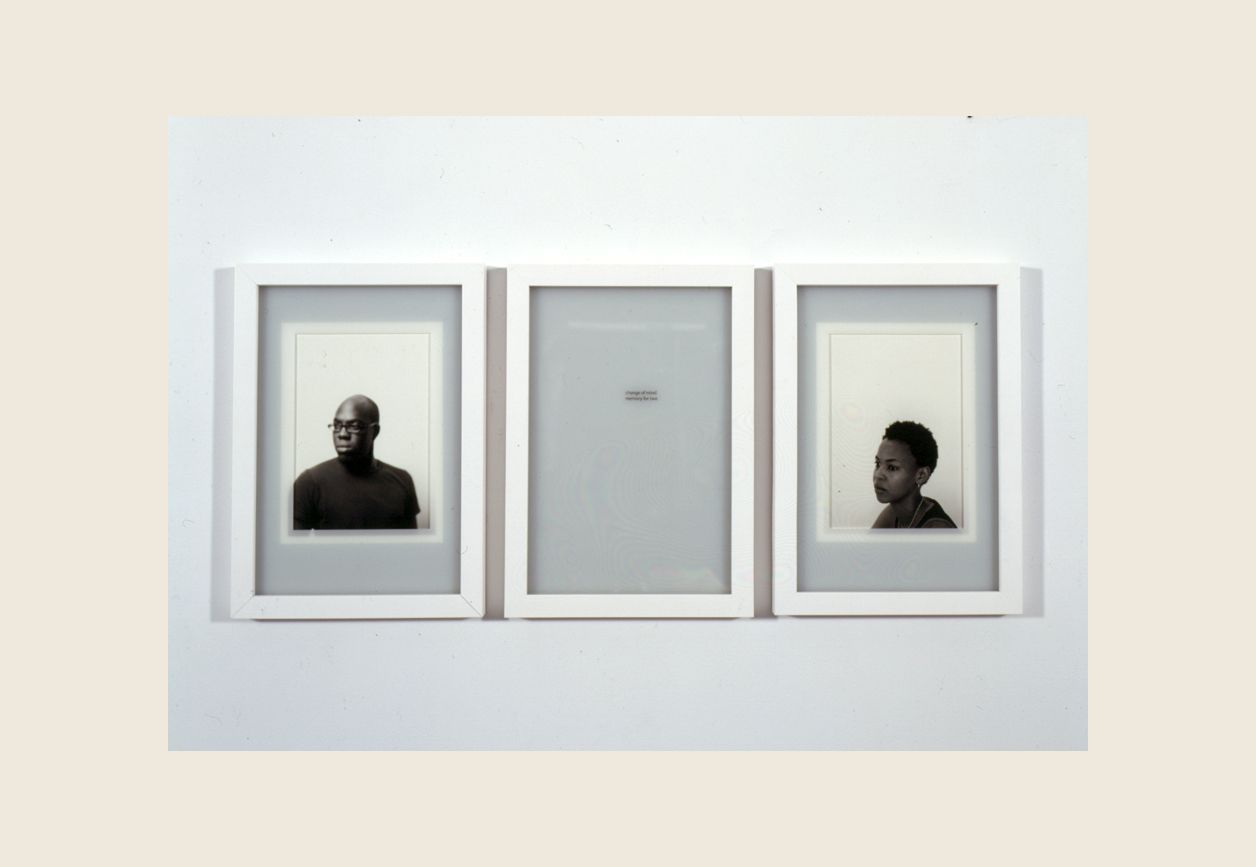
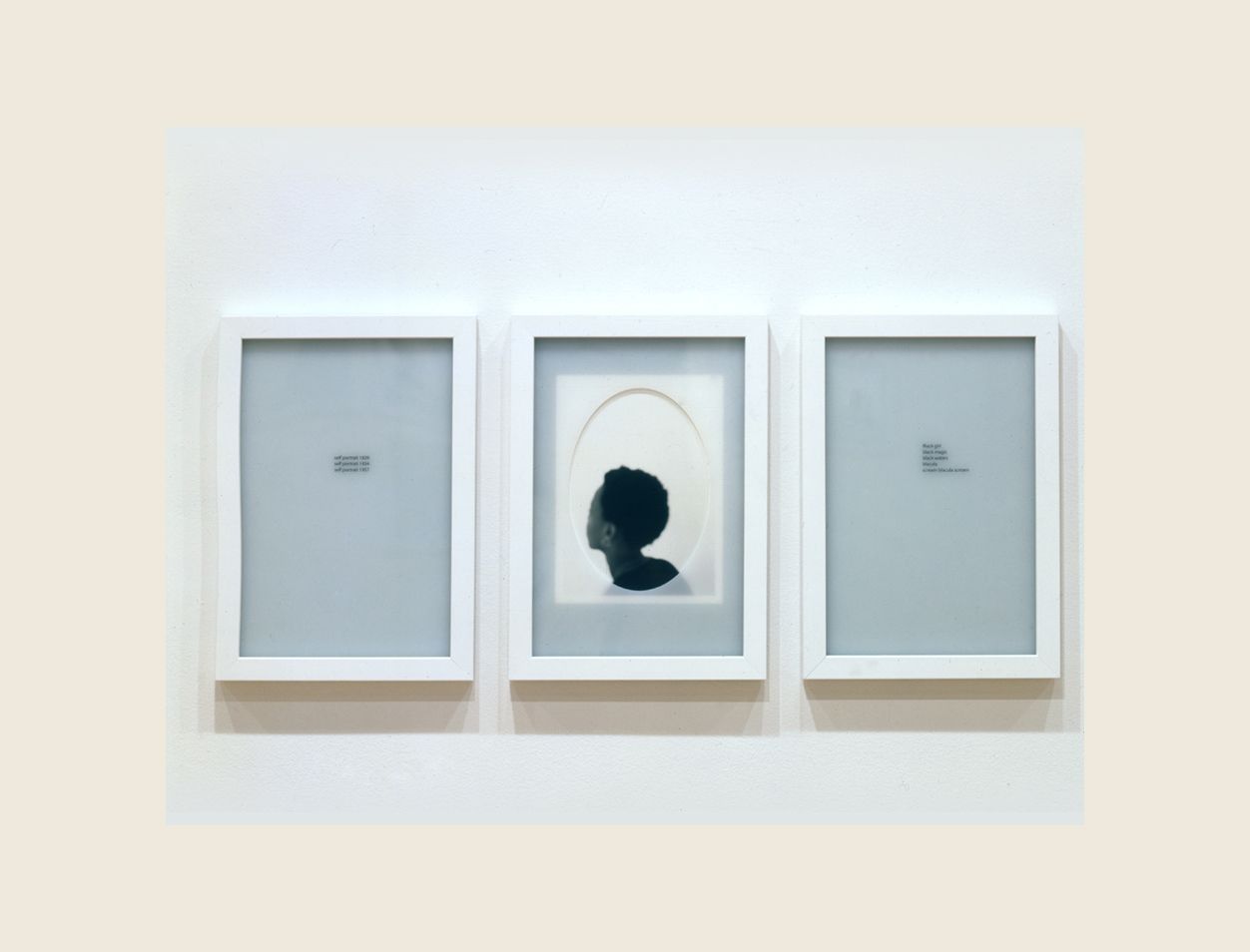
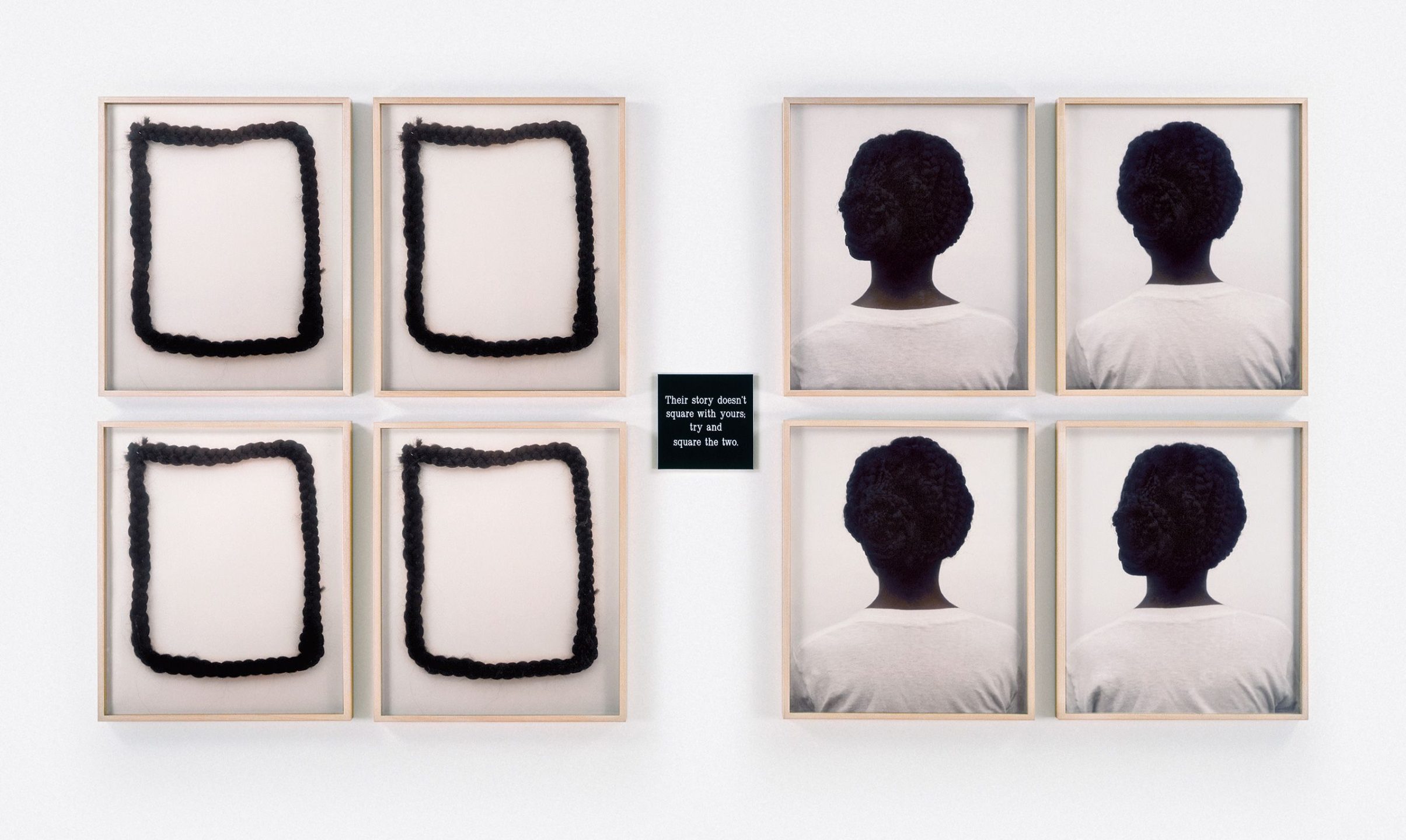
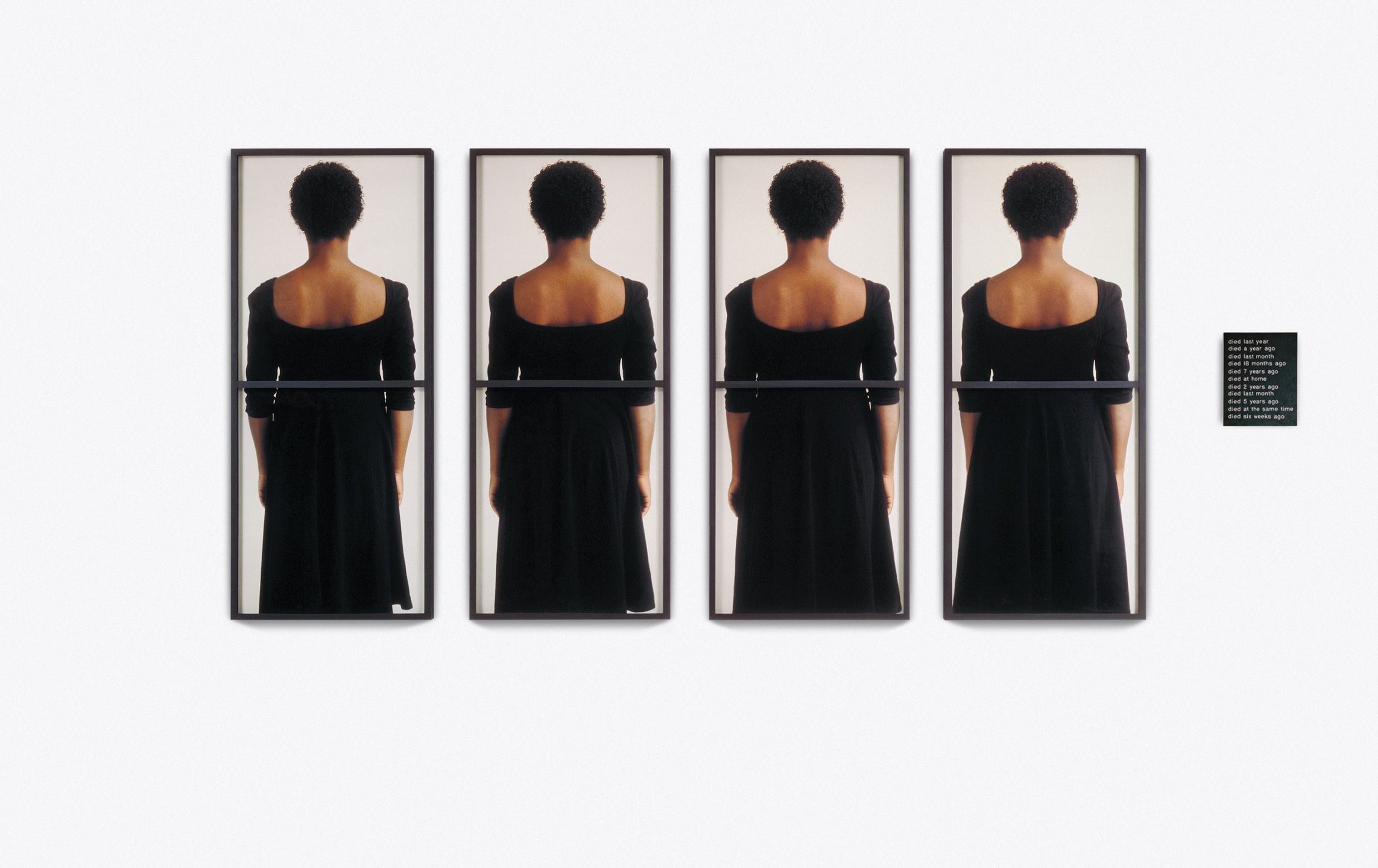
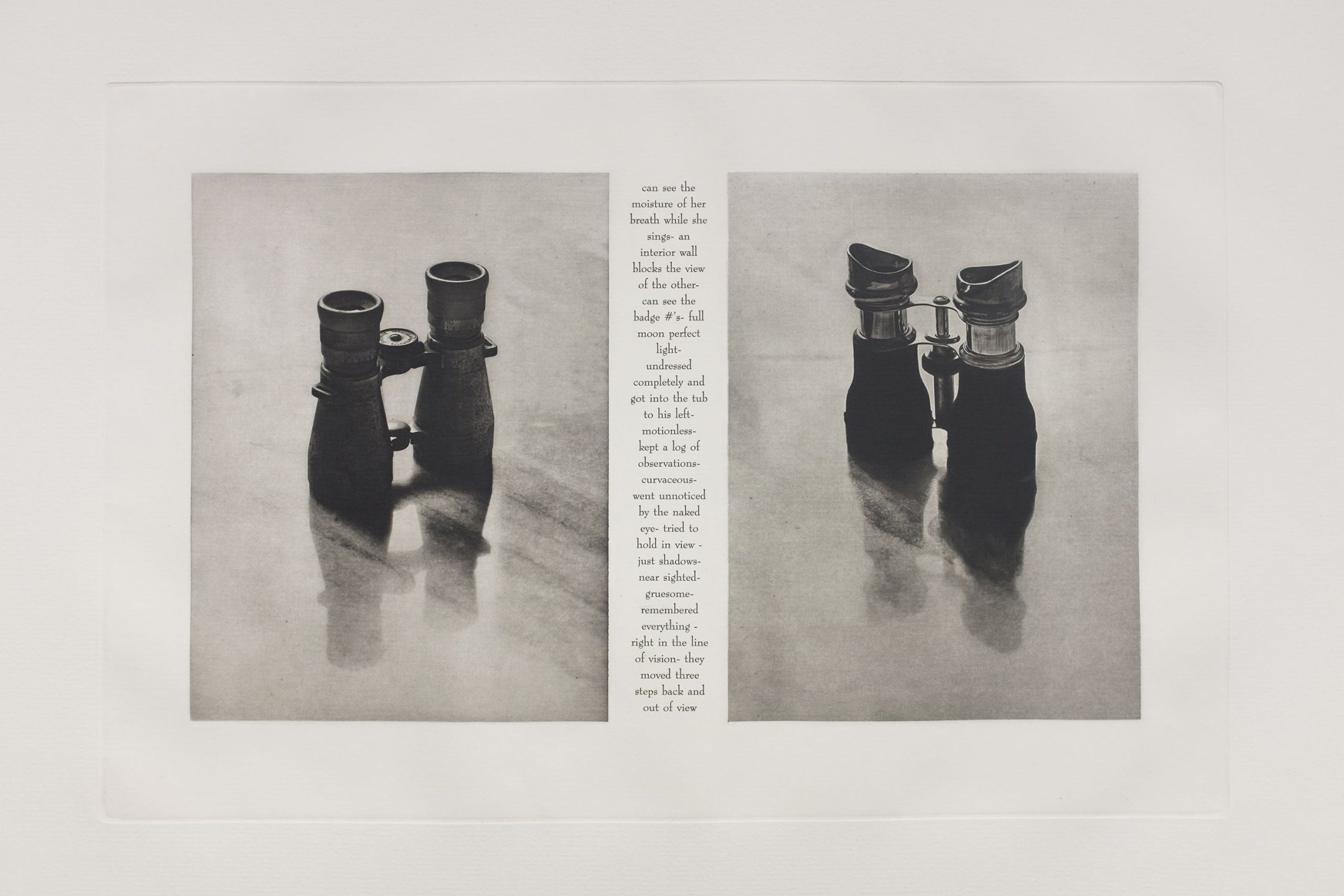
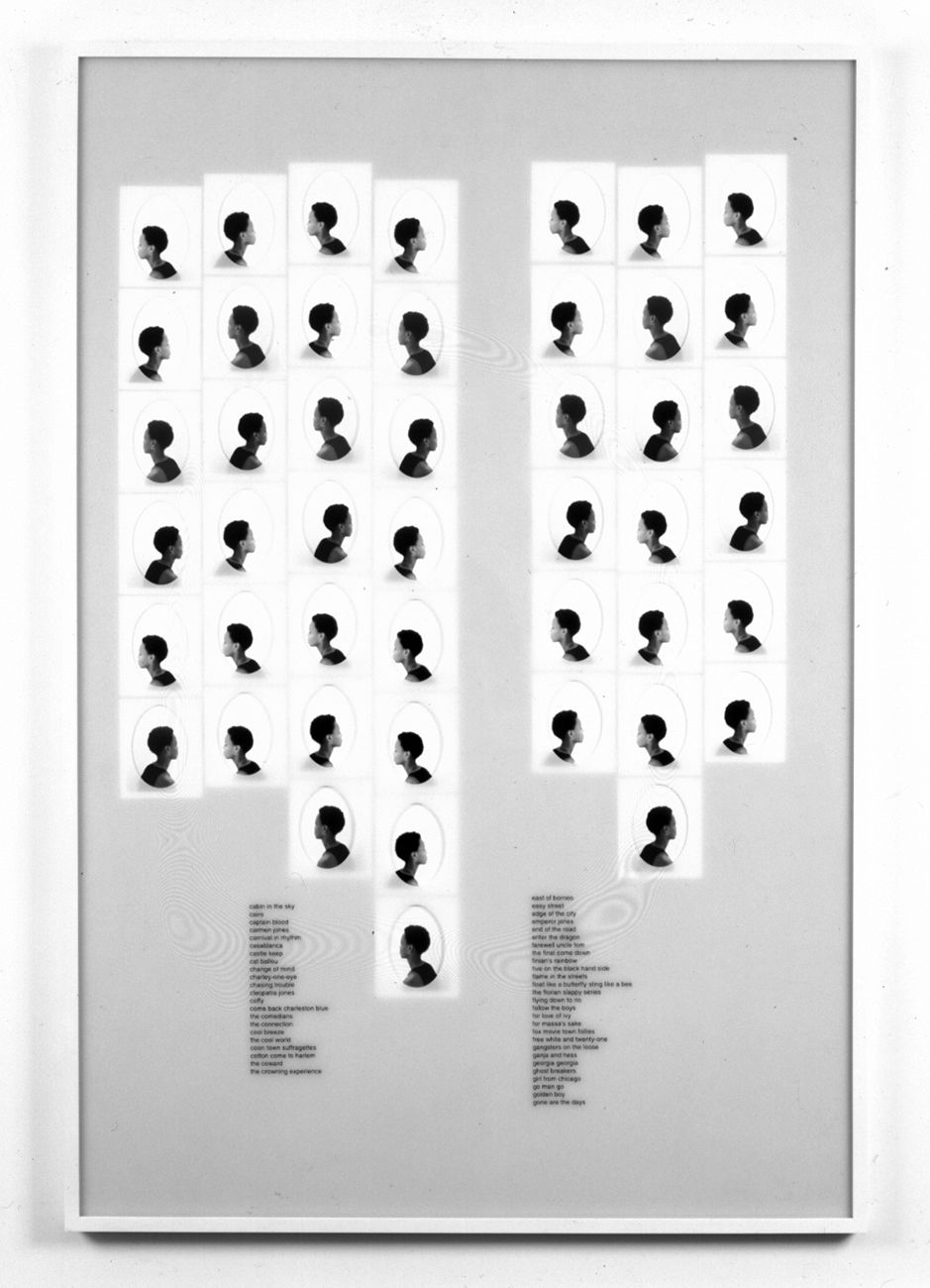
Lorna Simpson was born in Brooklyn, New York, in 1960 and pursued a BFA in Photography from the School of Visual Arts in 1982, followed by an MFA in Visual Arts from UCSD in 1985. Her career began in the 1980s with conceptual photography exploring race and gender. A key milestone was her participation in the Whitney Biennial in 1991, and her Wigs series in 1994 solidified her reputation. Now based in Brooklyn, her work often features monochrome or muted tones with layered text, creating evocative, fragmented narratives.
- Primary Genres: Conceptual Photography, Fine Art Photography
- Primary Photography Style: Surrealism (collage-driven, evocative) – Combines images with text or materials for dreamlike, thought-provoking effects; Straight Photography (portraiture, layered) – Uses direct portraits with added layers to explore identity.
- Key Message: Simpson examines identity, memory, and history, focusing on African American women’s experiences to challenge narratives on race and gender through layered, conceptual visuals.
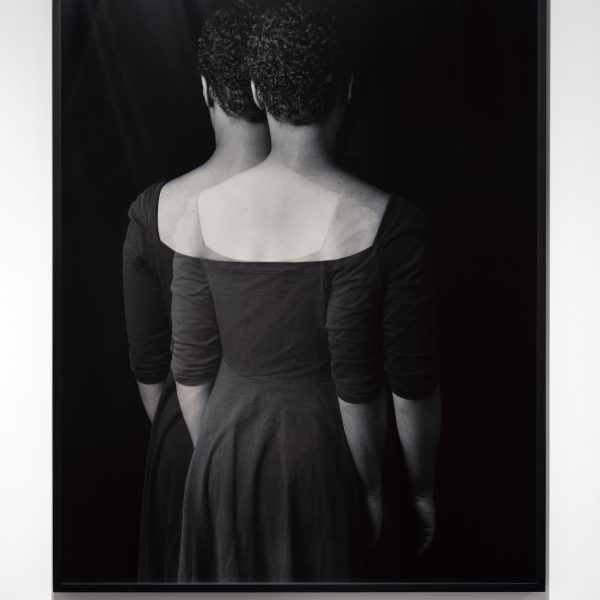
Simpson’s subjects often include African American women, presented in faceless or fragmented portraits to emphasize anonymity and broader themes. Her aesthetic relies on stark greys or soft browns, with textures like coiled hair or newsprint adding tactile depth. She shoots with large-format 4×5 cameras or digital tools like the Canon 5D, staging with minimal props before collaging with ink or paint. Studio light with soft floods creates even illumination, avoiding flash for natural feel. In post-processing, she blends analogue cuts with Photoshop adjustments for contrast, achieving sharp, narrative-driven finishes. Her prints, up to 40×60 inches, appear in exhibits at MoMA or books like Deep South (2005), amplifying their weight.
For intermediate photographers, Simpson’s style teaches conceptual layering. Her large-format film demands precision in exposure, unlike digital’s flexibility, fostering careful planning. Collage techniques expand straight photography, adapting zone system tonal control for evocative monochrome. Try hand-cutting prints or adding text to portraits, using soft light for mood—digital can simulate with layers in Photoshop, but film builds patience.
- Accolades:
- Whitney Biennial (1991)
- Joyce Alexander Wein Artist Prize (2001)
- Deutsche Bank Artist Award (2010)
- Trivia:
- Shot Brooklyn streets as a young photographer.
- Loves jazz music’s rhythm.
- Uses grandma’s Ebony magazines in collages.
- Started as a street photographer inspired by Cartier-Bresson.
Lessons from this Photographer:
Simpson’s layering of images and text teaches photographers to infuse work with deeper meaning, starting with portraits and adding elements to explore themes like identity. Her studio lighting for even glows encourages control over mood, using soft floods to sculpt form without harsh shadows. Intermediate photographers can try large-format setups or digital compositing to blend concepts, shifting to a mindset of social commentary through visuals.
Website and Instagram:
-
- Instagram: https://www.instagram.com/lorna_simpson
- Website: https://www.lsimpsonstudio.com
YouTube References:
-
“Sally Mann: Writing with Photographs” by Sarah Greenough – https://www.youtube.com/watch?v=mXkyppO9ihM
Citations:
- Britannica: https://www.britannica.com/biography/Lorna-Simpson
- Wikipedia: https://en.wikipedia.org/wiki/Lorna_Simpson
- Tate Kids: https://www.tate.org.uk/kids/explore/who-is/who-lorna-simpson
- New Yorker Profile, 2025: https://www.newyorker.com/magazine/2025/05/12/lorna-simpson-profile