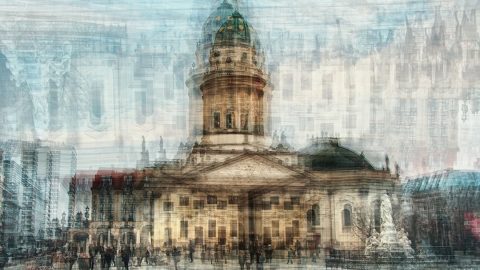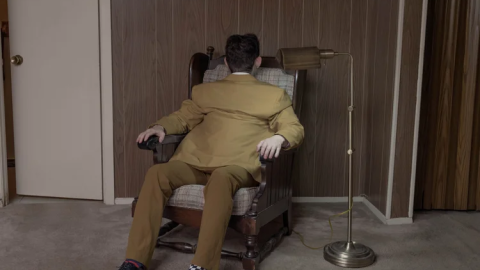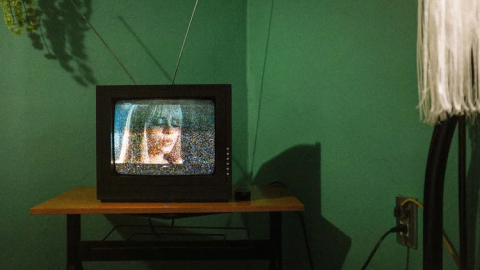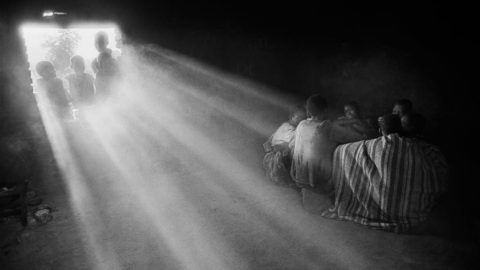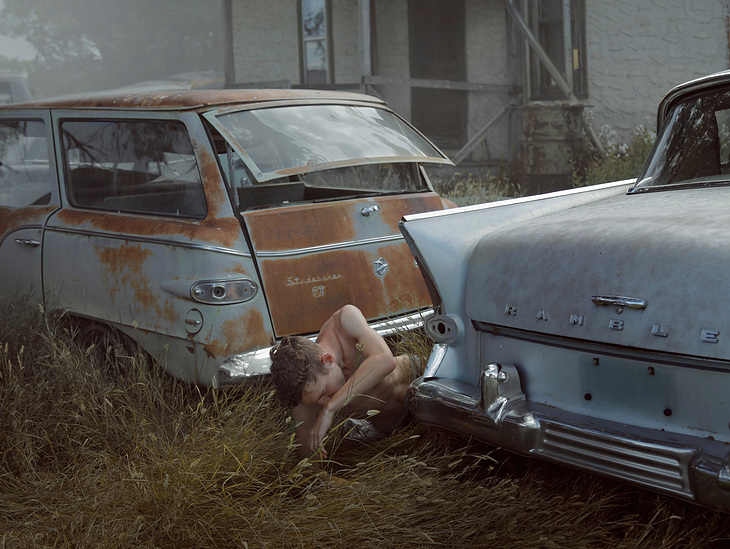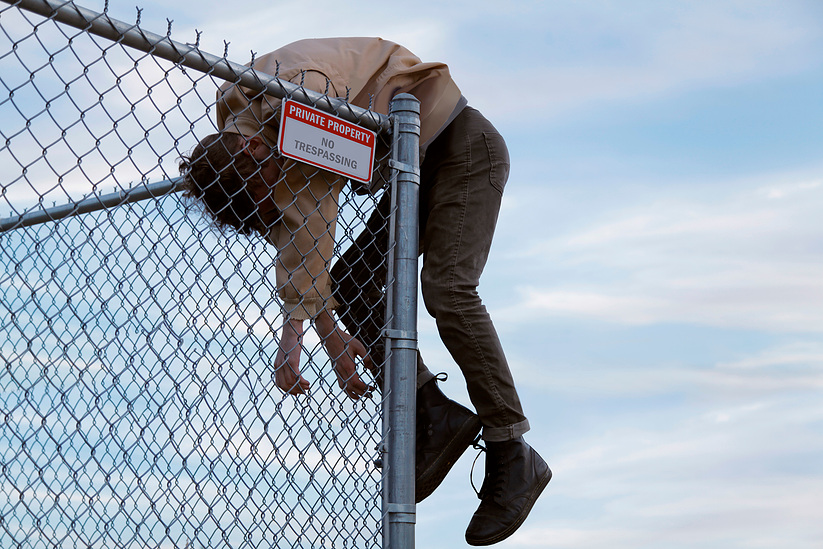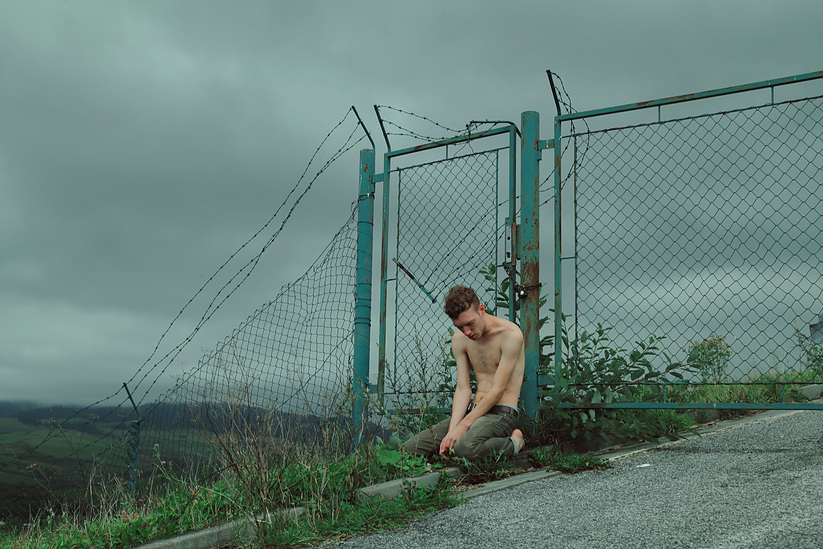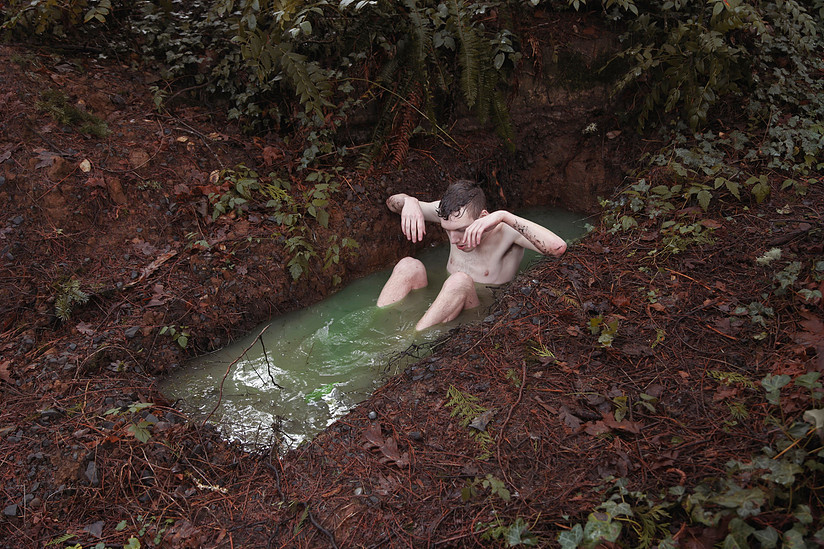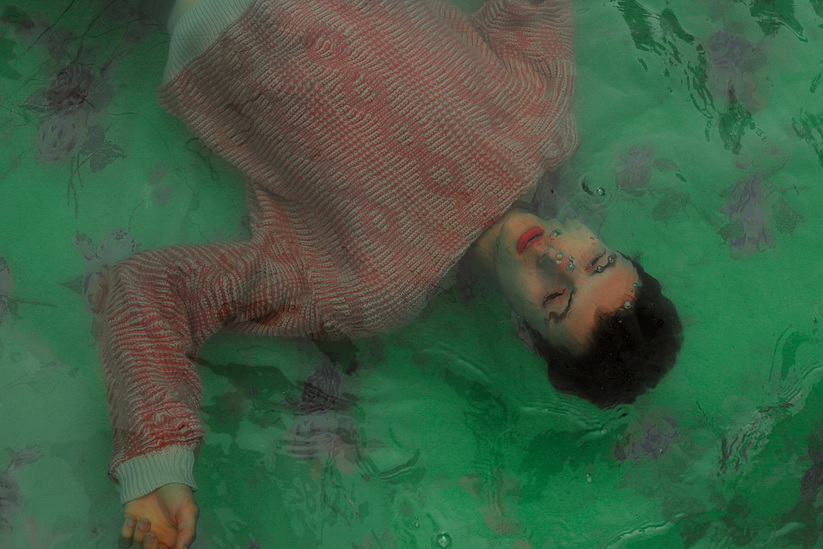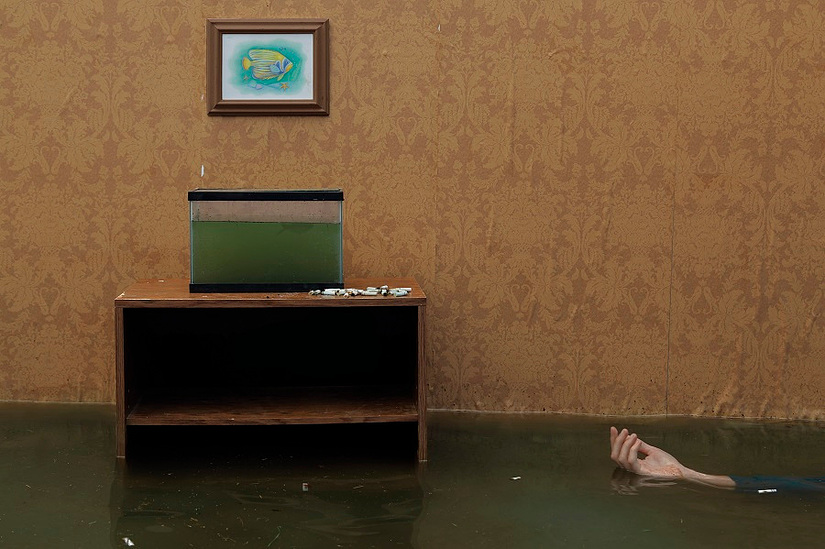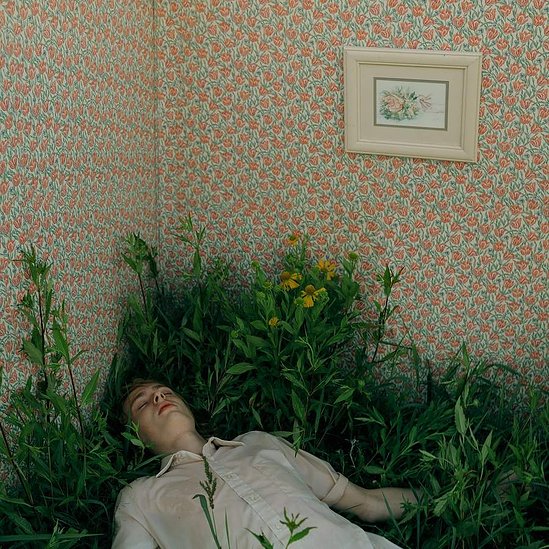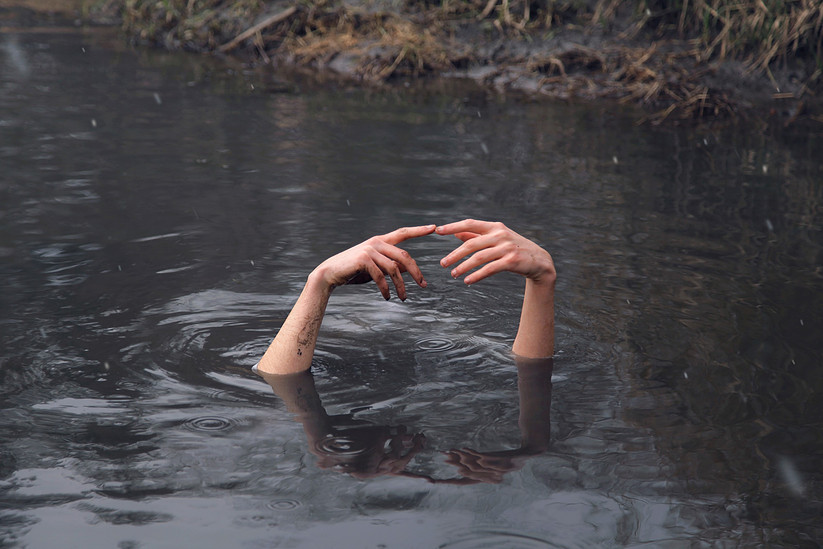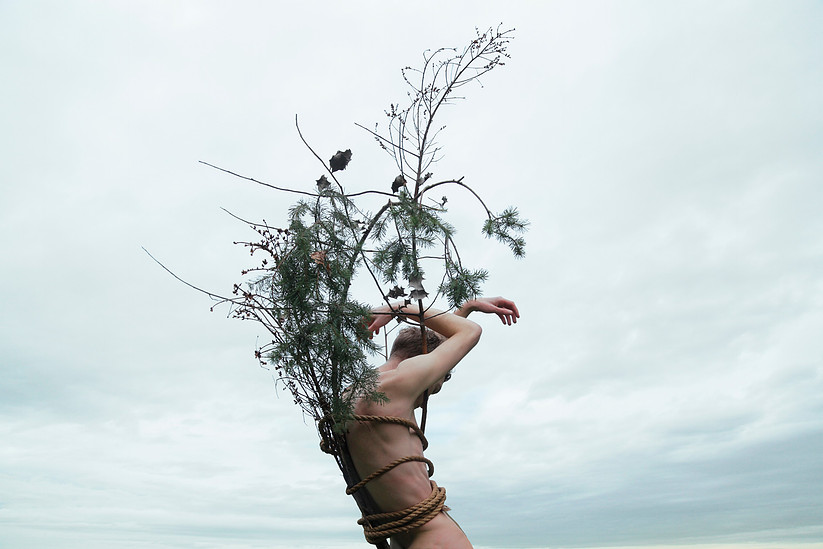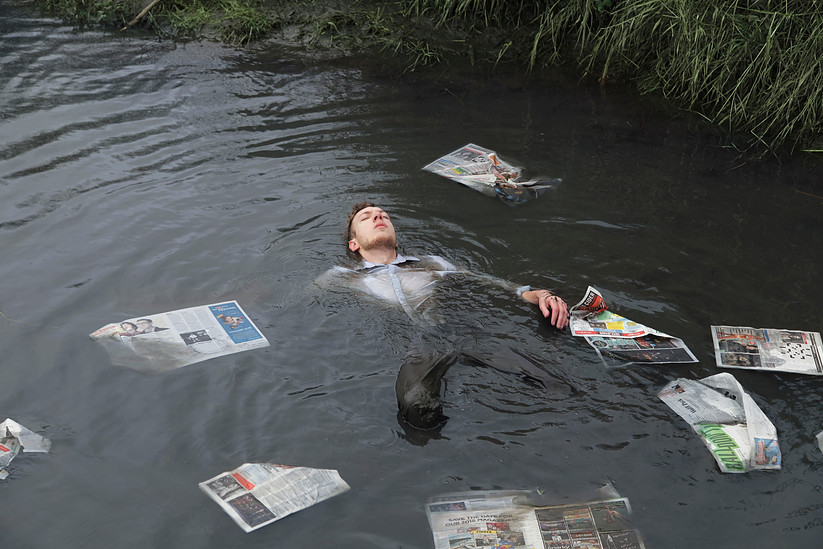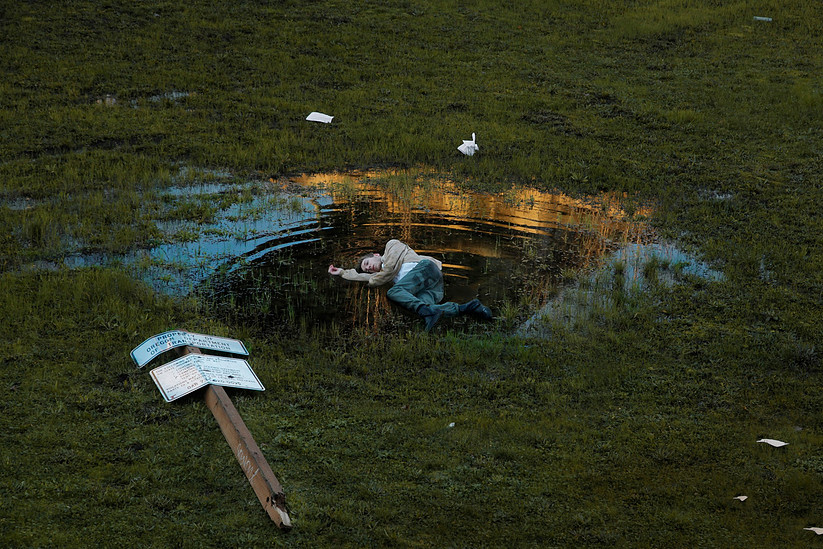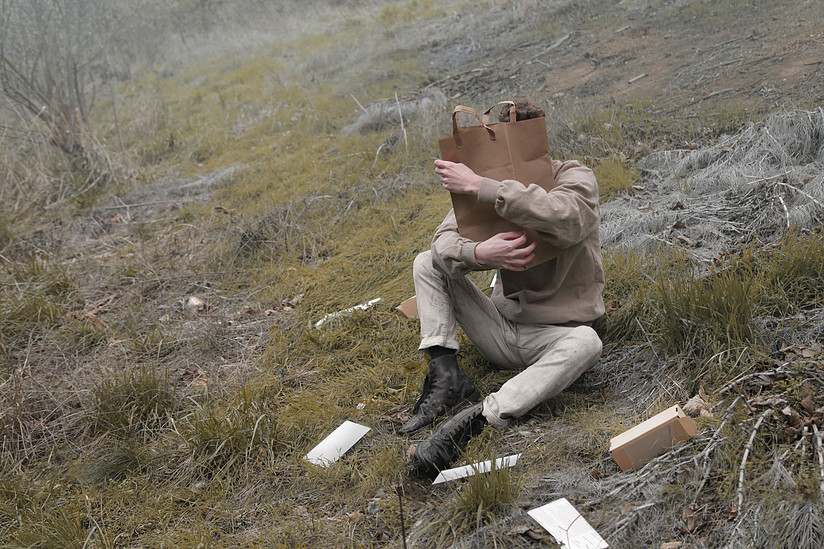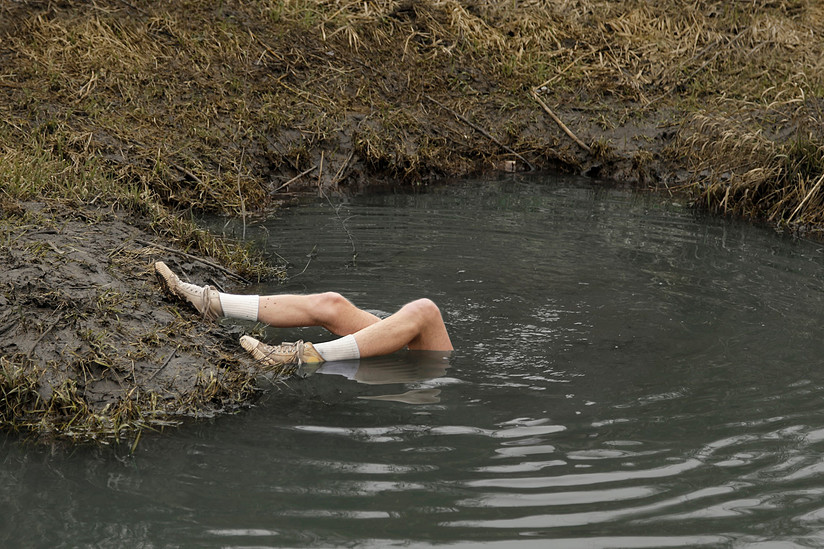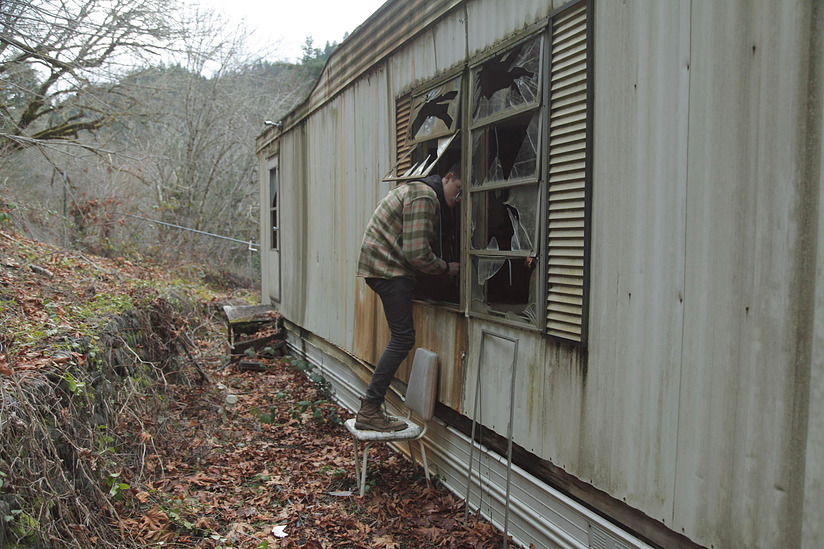
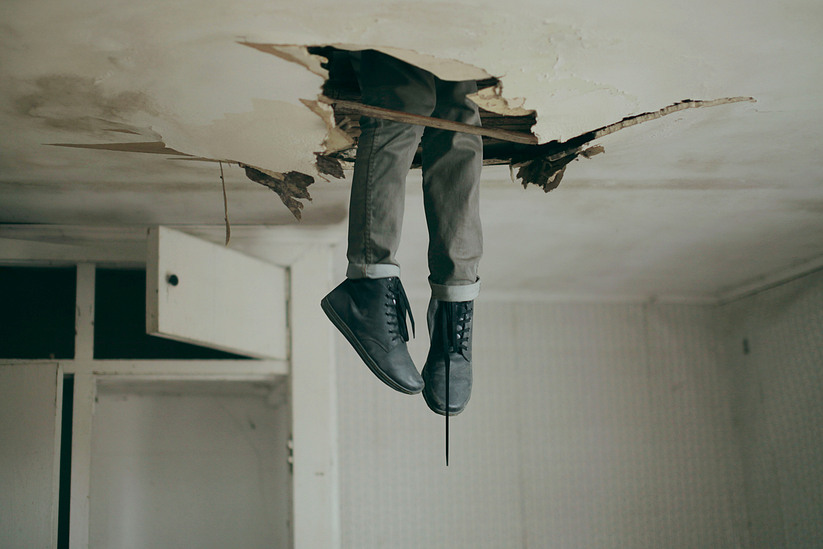
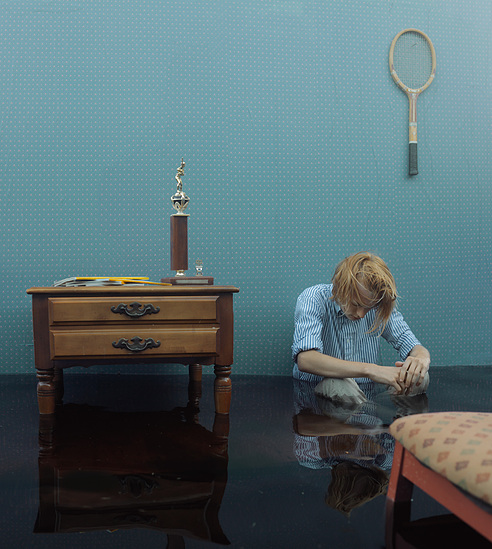
Kyle Thompson was born on 11 January 1992 in Chicago, Illinois. He started his photography career at age 19 in 2011, self-taught through exploring nearby abandoned houses with entry-level digital cameras. His work draws from the urban decay of the Midwest, and he later relocated to Portland, Oregon, to incorporate its woodlands. A major milestone was his 2015 solo exhibition ‘Ghost Town’ at One Grand Gallery in Portland, showcasing a fictional flooded town inspired by his childhood. Thompson’s images often use muted colours such as dusty browns, foggy greys, and mossy greens, alongside textures like cracked plaster or wet leaves for a sombre, dreamlike effect.
- Primary Genres: Conceptual, Fine Art, Portrait
- Primary Photography Style: Surrealism (conceptual and dreamlike setups that blend fantasy with reality); Expressionism (intimate and introspective portrayals of personal emotions through symbolic elements)
- Key Message: Thompson’s work explores themes of isolation, introspection, and the subconscious. He uses self-portraiture in abandoned buildings or natural environments to blur the boundaries between reality and imagination, creating haunting narratives that invite viewers to reflect on their own inner worlds.
Thompson’s most common subjects are himself in liminal spaces, such as submerged in rivers, enclosed in jars, or surrounded by mirrors and smoke, often set in abandoned houses or dense forests. These setups emphasise solitude and emotional depth, with a strong focus on unique aesthetics like soft edges, blurred motion, and high contrast in textures—bare skin against rough surfaces or wet foliage. He shoots with digital cameras, such as Canon models, using wide-angle lenses around 24mm to capture eerie breadth and depth in compositions. Natural lighting plays a key role: overcast skies or dawn haze provide a diffuse, gloomy illumination without artificial strobes, while long exposures of several seconds introduce subtle blur for a sense of movement and unreality.
In post-production, Thompson relies on software like Photoshop and Lightroom to layer multiple images—typically 5 to 15 shots—adjusting hues to fade colours and soften details for a cohesive, non-sharp dreamscape. This digital editing contrasts with traditional film processes, allowing precise control over surreal effects that might be harder to achieve in analogue formats; for intermediate photographers, it demonstrates how tools like layer masks and adjustment layers can transform raw captures into conceptual art. Unlike film, which requires darkroom techniques for similar manipulations, digital workflows enable quick iterations, encouraging experimentation with concepts sketched in advance.
His work is presented through gallery exhibitions, online portfolios, and large prints up to gallery sizes, making it accessible for study. For learners, Thompson’s style highlights the shift from straight photography to conceptual: start with basic gear and self-timer remotes for self-portraits, then build narratives around personal themes using available locations. This approach avoids the grain and unpredictability of film, focusing instead on planned digital composites to evoke emotions like melancholy.
- Accolades:
- Featured in HuffPost Arts (2013)
- Solo exhibition ‘Ghost Town’ at One Grand Gallery (2015)
- Represented by Agence VU’ since 2013; Featured in Metal Magazine.
- Trivia:
- Began photography at 19 without any formal training, using thrift-store cameras.
- Has photographed in dozens of abandoned houses, sometimes living in them for days to capture authentic isolation.
- Employs a self-timer remote as a core tool for composing self-portraits alone.
- Relocated from Chicago to Portland to blend urban decay with natural woodlands in his surreal scenes.
Lessons from this Photographer:
Thompson’s unique approach shows how self-portraiture can serve as a tool for personal storytelling, teaching photographers to use their own body and immediate surroundings to explore deep themes like isolation without needing models or elaborate sets. By relying on natural light and simple props, his work encourages experimentation with composition and lighting to create mood—try overcast conditions for even illumination and long exposures for ethereal blur. In post-processing, layering images in software like Photoshop offers a mindset shift towards conceptual editing, where intermediate users can apply techniques like hue adjustments to build dreamlike narratives, fostering creativity through introspection and minimal resources.
Website:
- Website: https://www.kylethompsonphotography.com
- Instagram: https://www.instagram.com/kylejthompson
- Behance: https://www.behance.net/kylejthompson
YouTube References:
YouTube References: “The Surreal and the Self by FSUFilm – https://www.youtube.com/watch?v=HWF7oXneinc”
Citations:
- Interview with PHLEARN (2012): https://phlearn.com/magazine/phlearn-interviews-kyle-thompson/
- Exclusive Interview with Hi-Fructose Magazine (2014): https://hifructose.com/2014/09/19/exclusive-interview-kyle-thompson-discusses-his-haunting-photography/
- Agence VU’ Profile: https://agencevu.com/en/photographer/kyle-thompson/
- Metal Magazine Feature: https://metalmagazine.eu/en/post/kyle-thompson-haunting-imaginary-laura-cabiscol