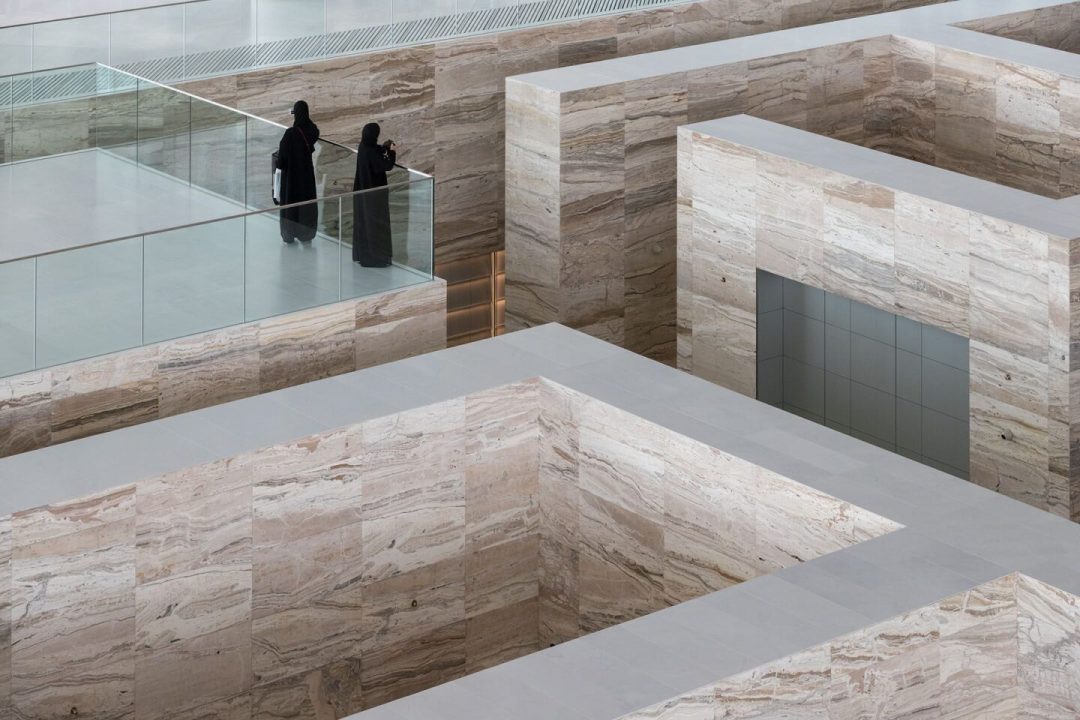
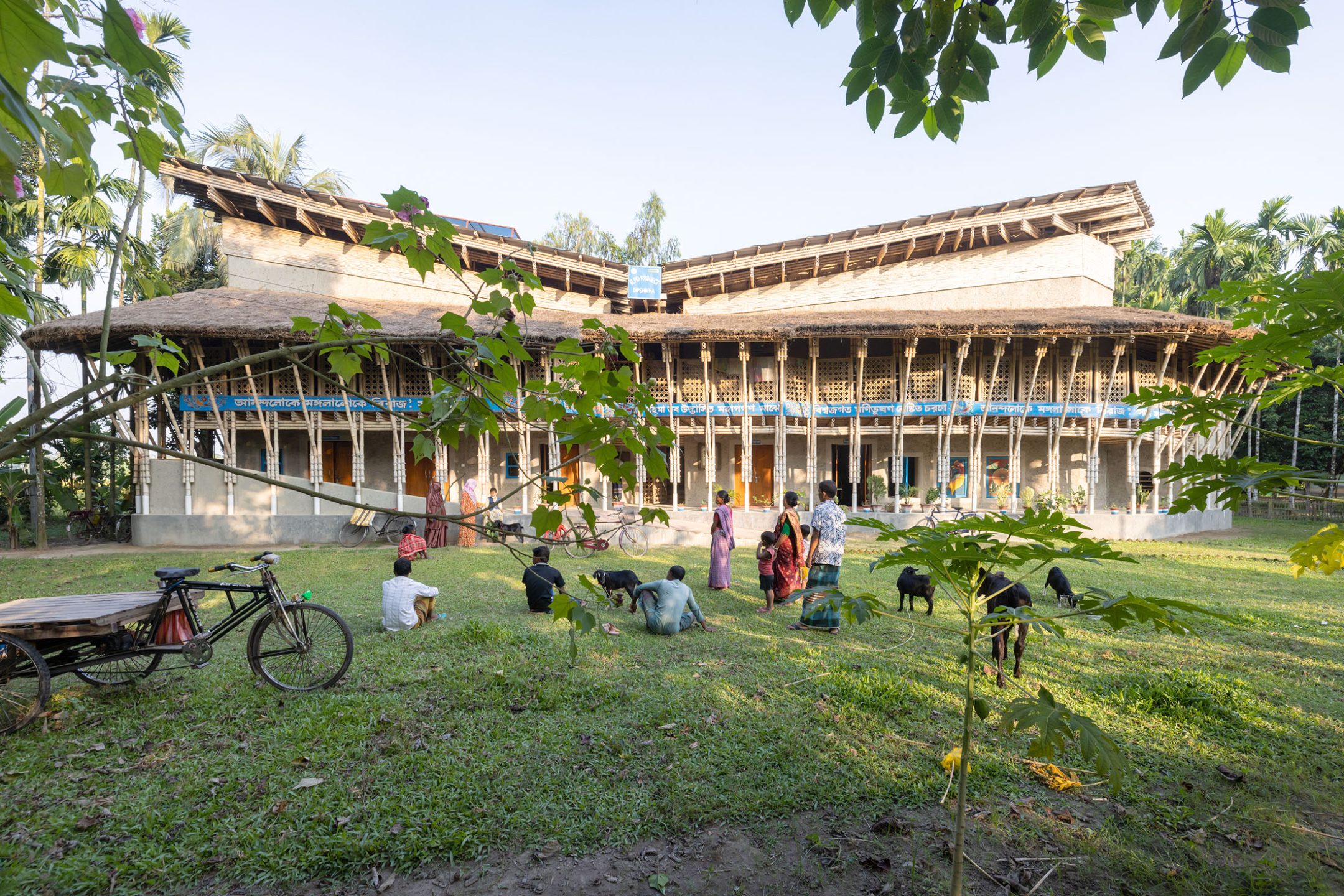
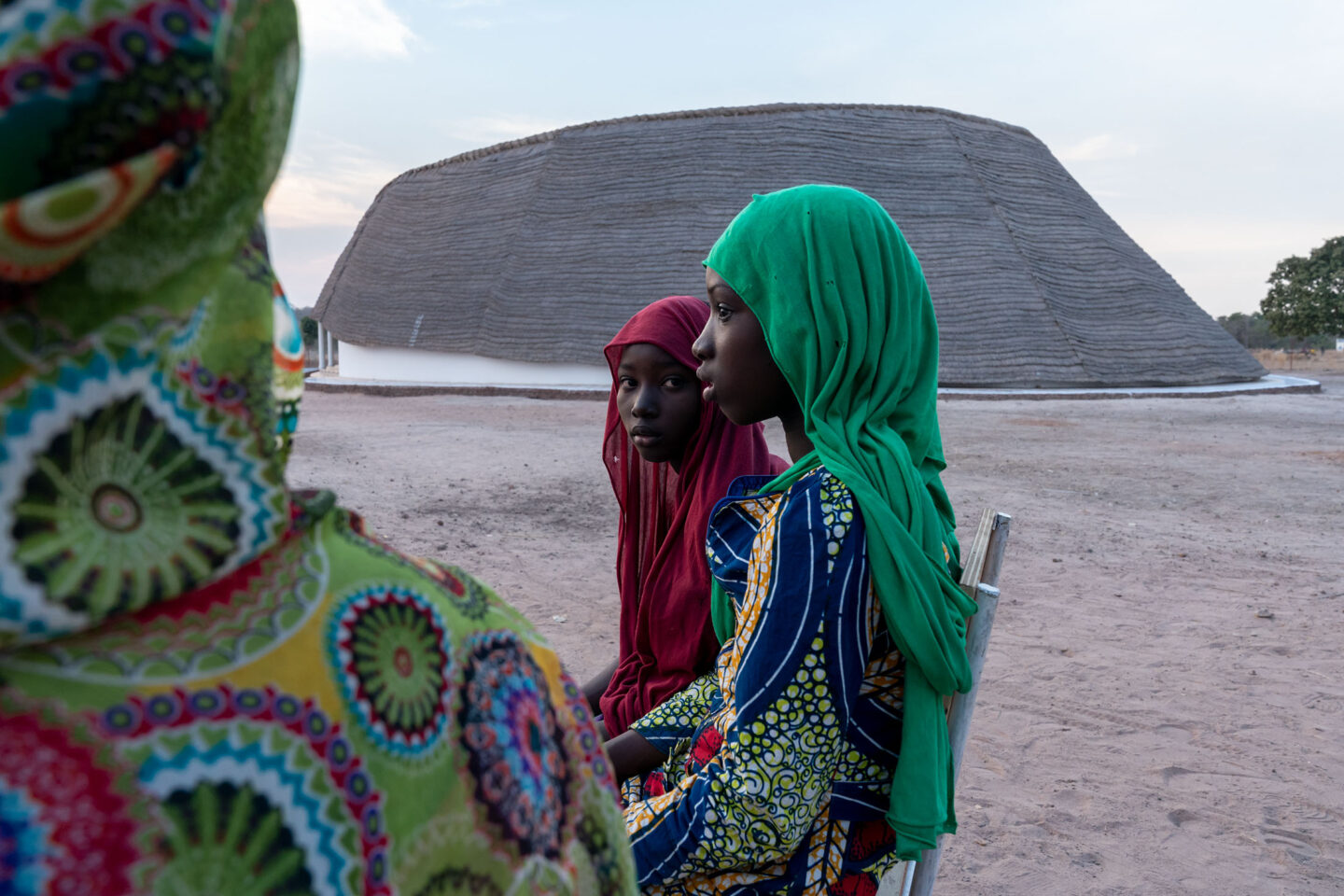
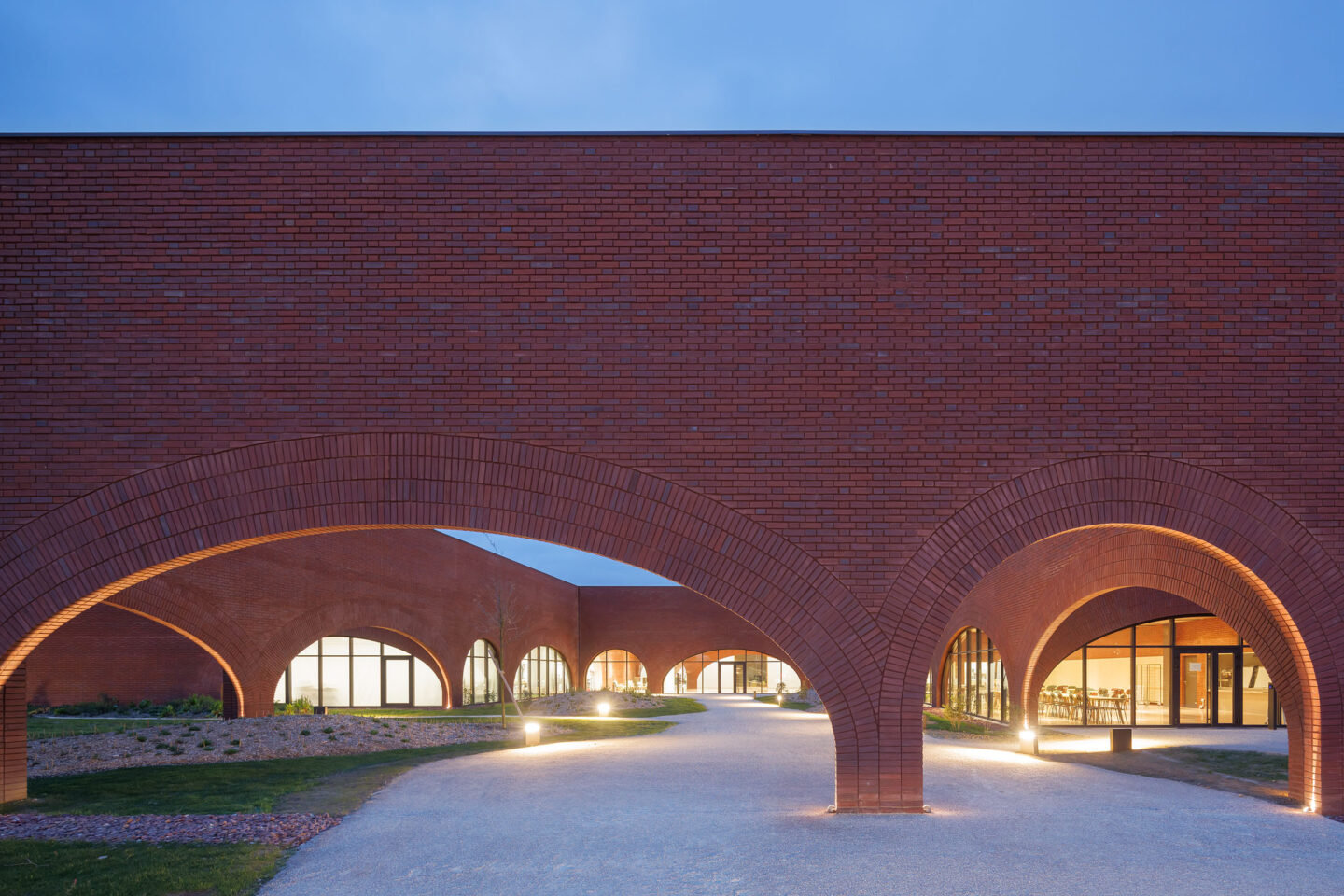
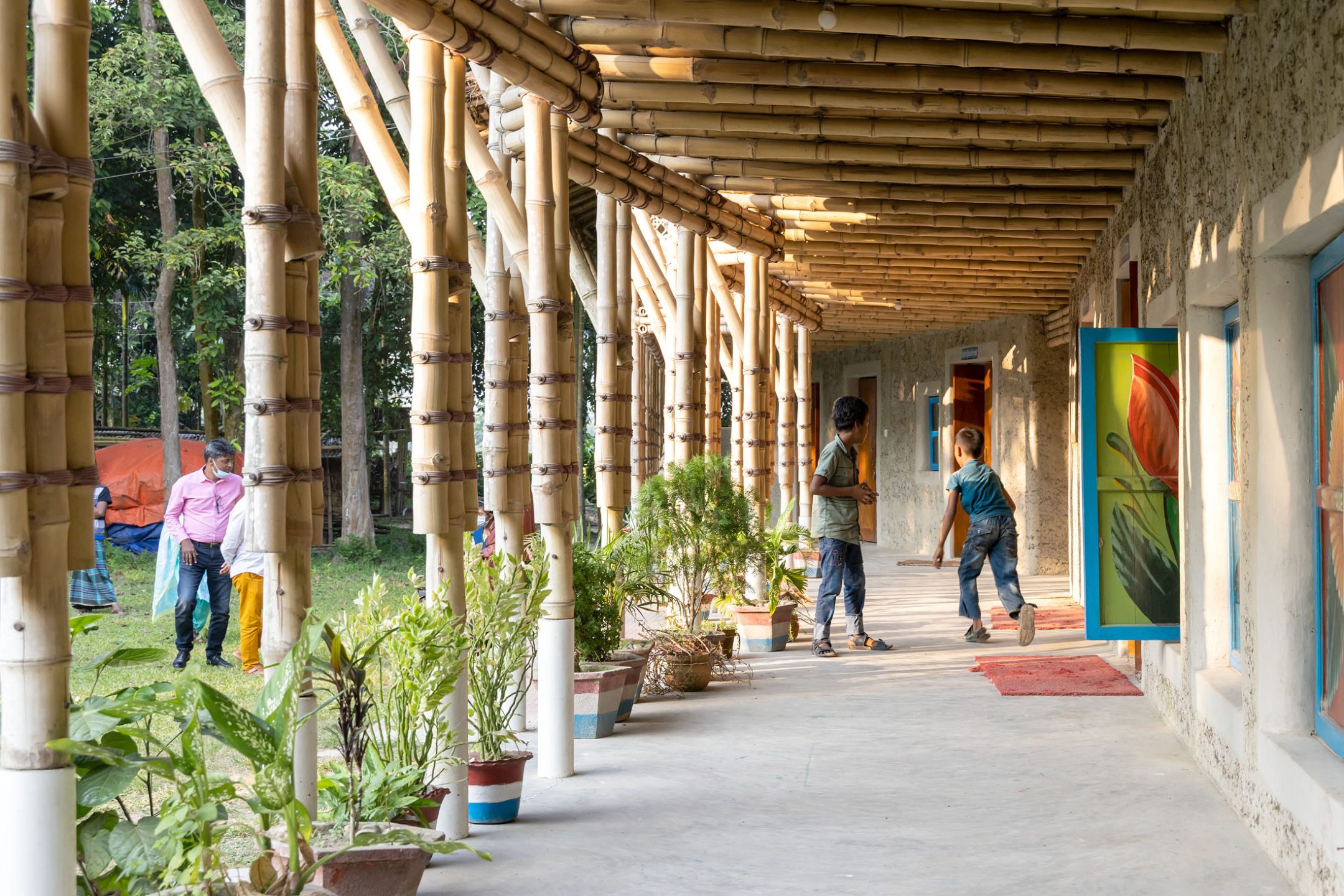
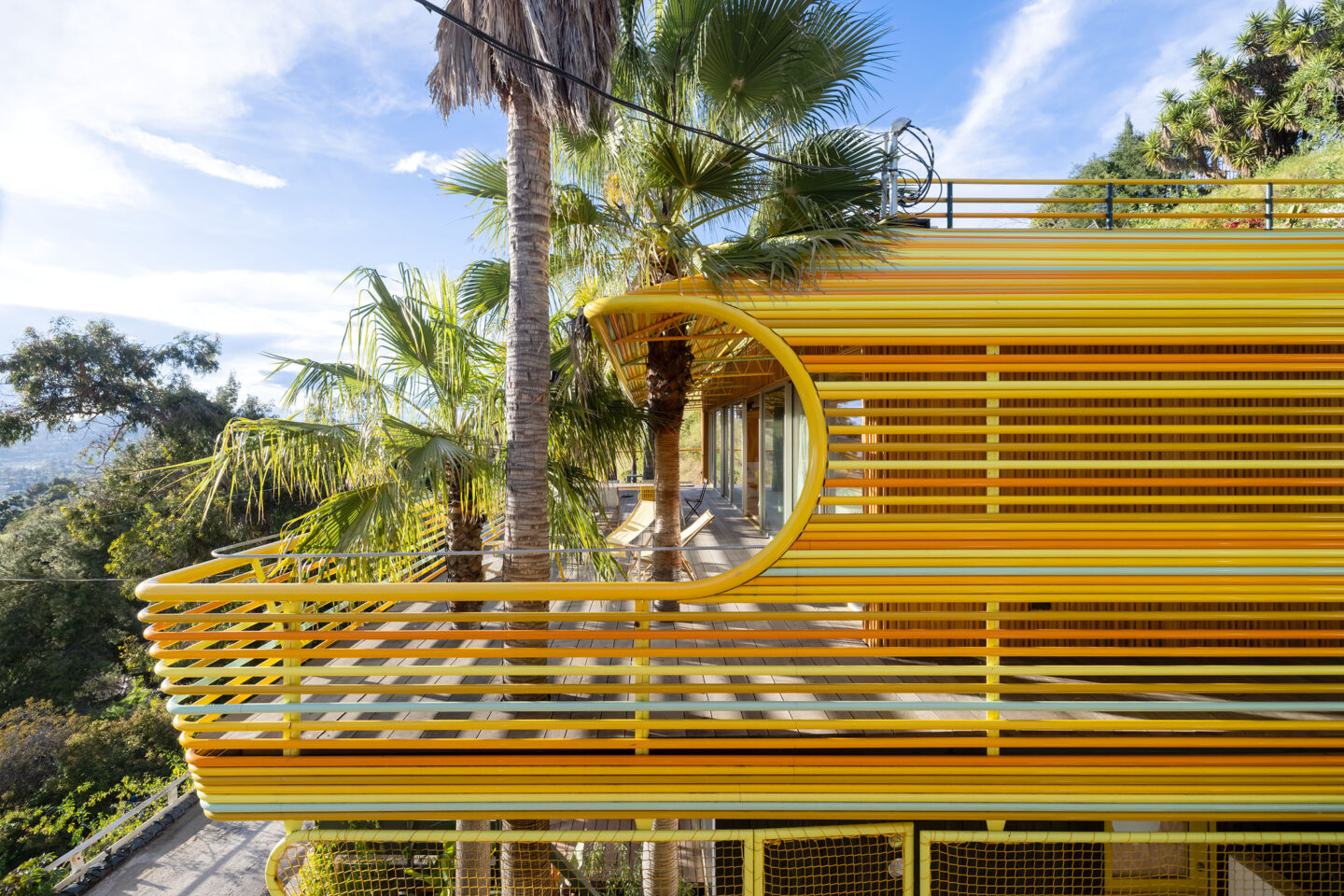
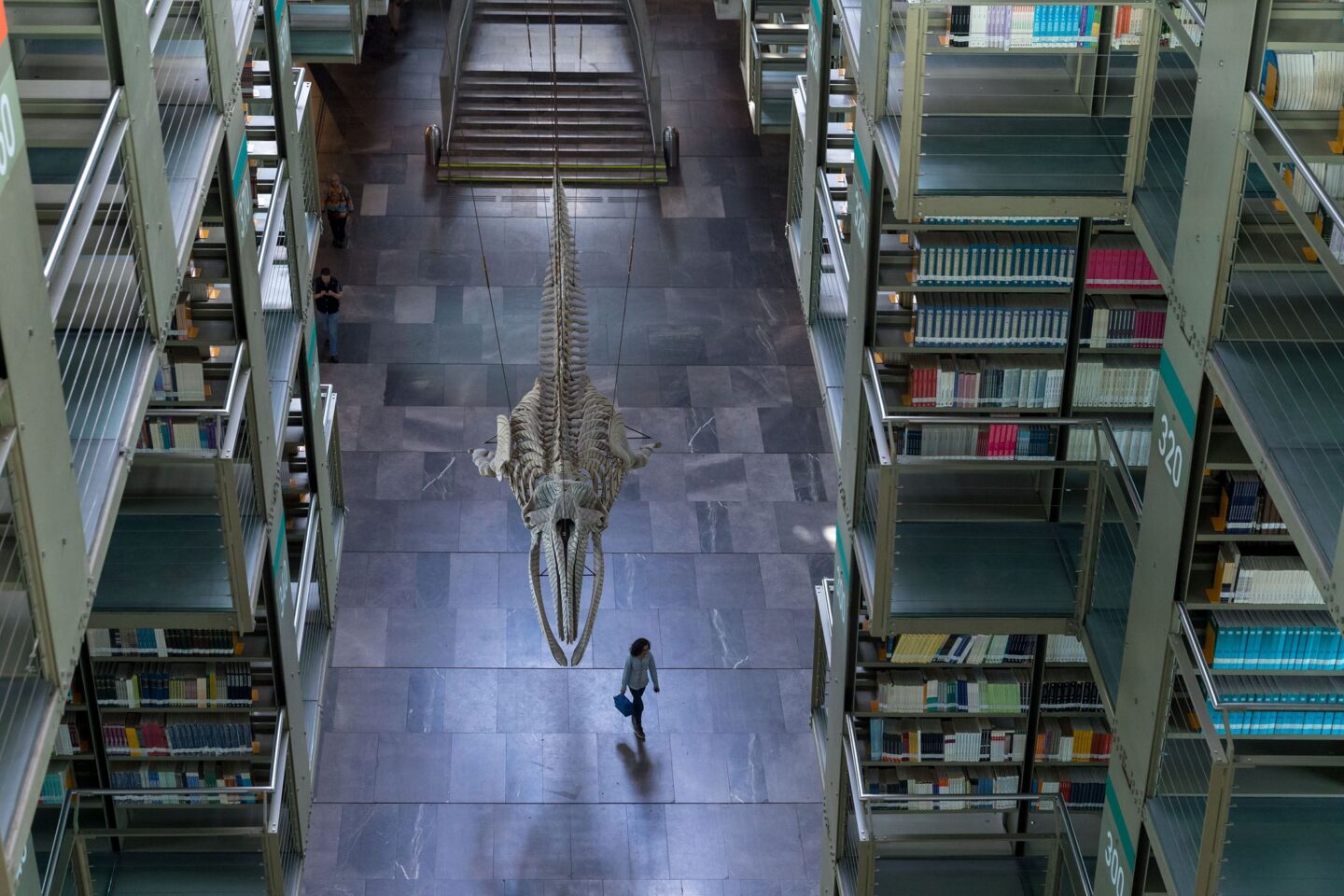
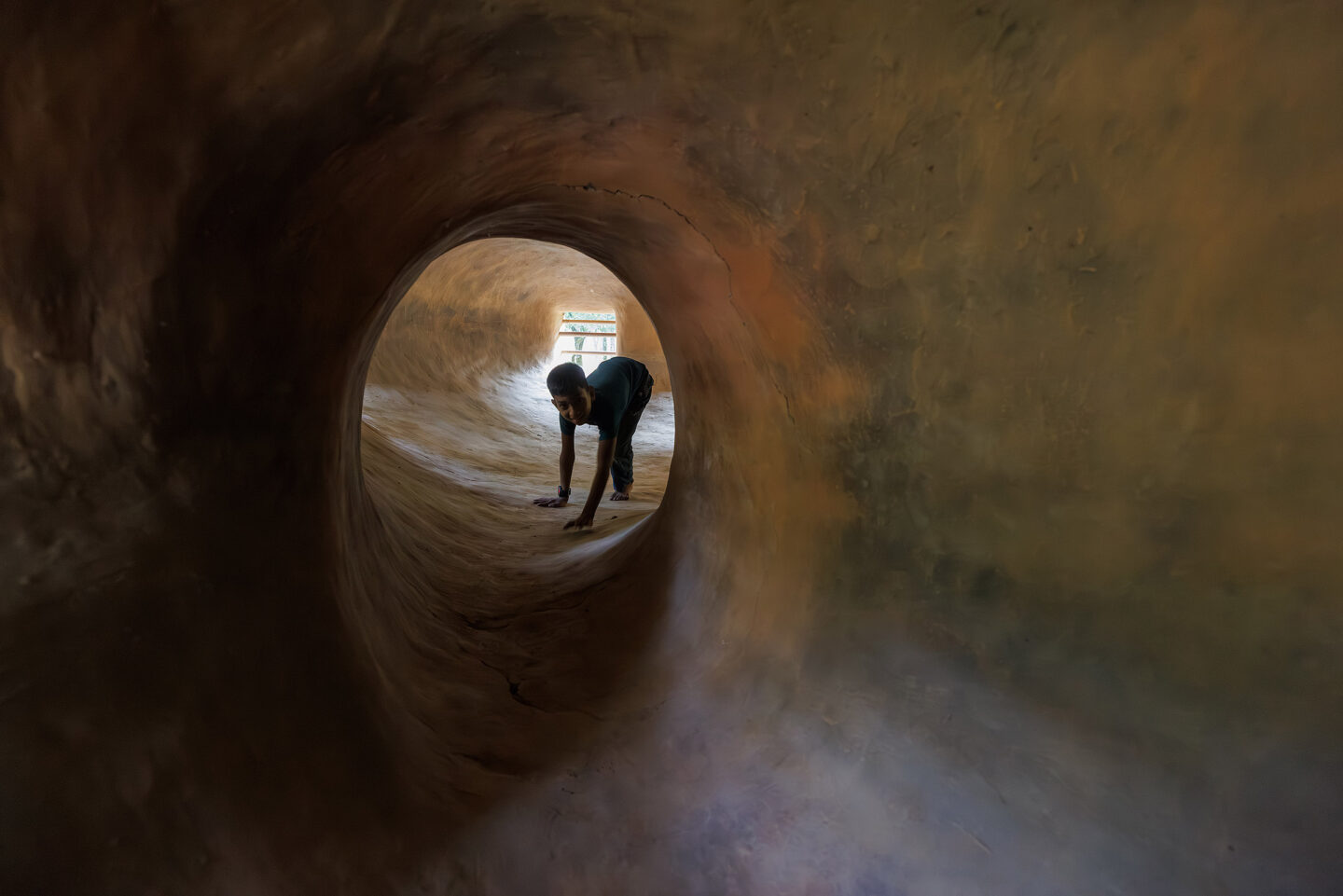
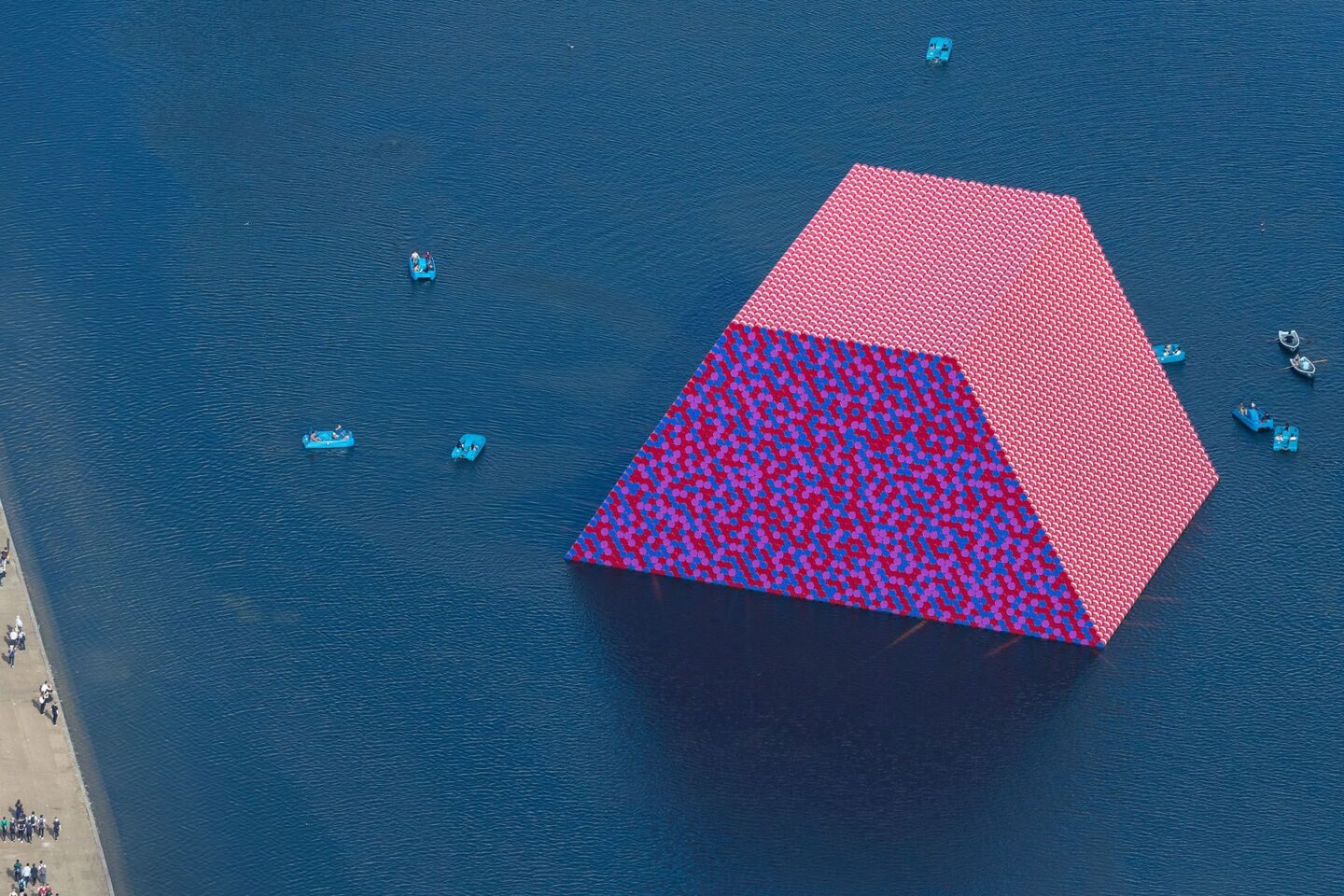
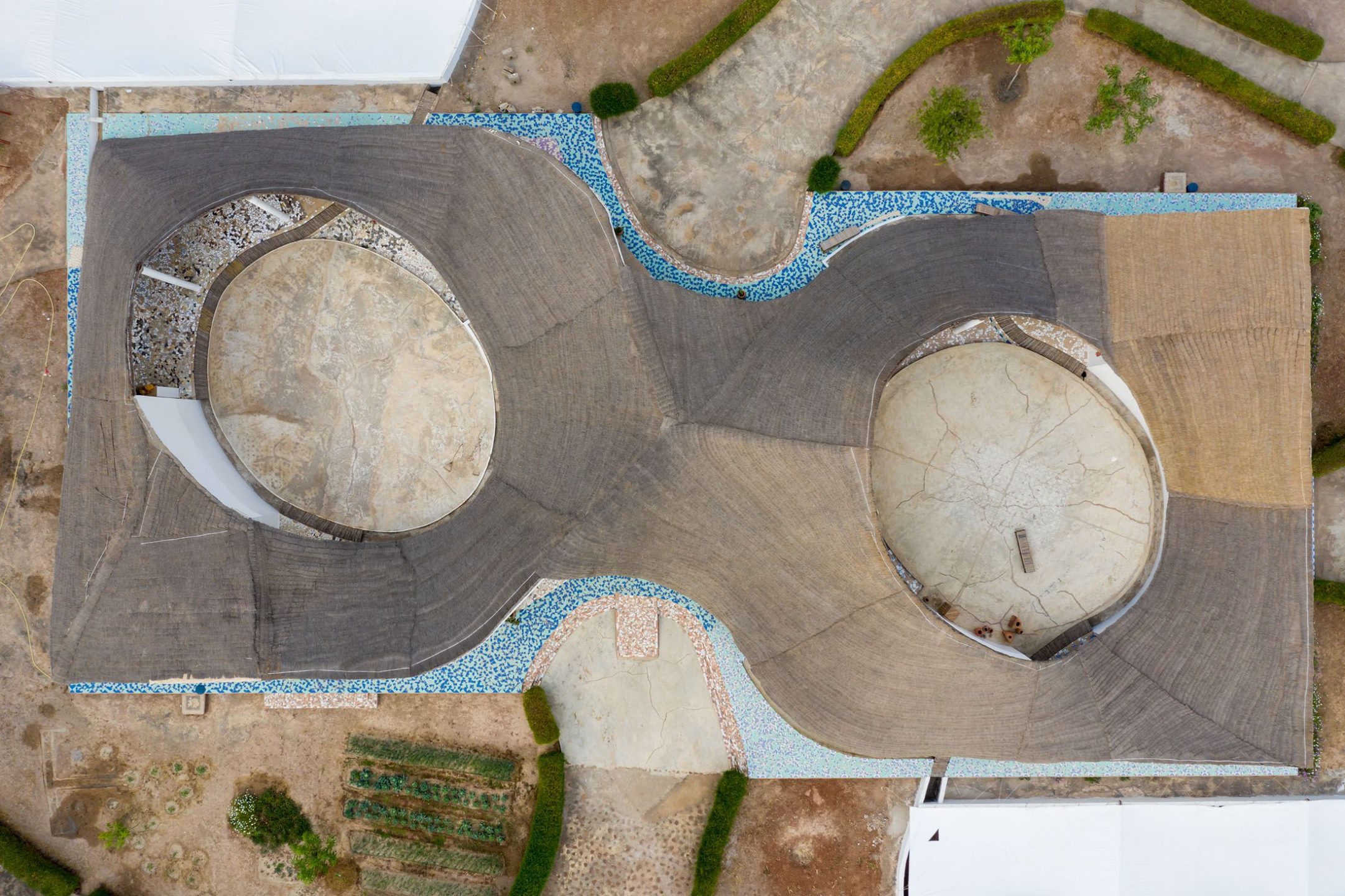
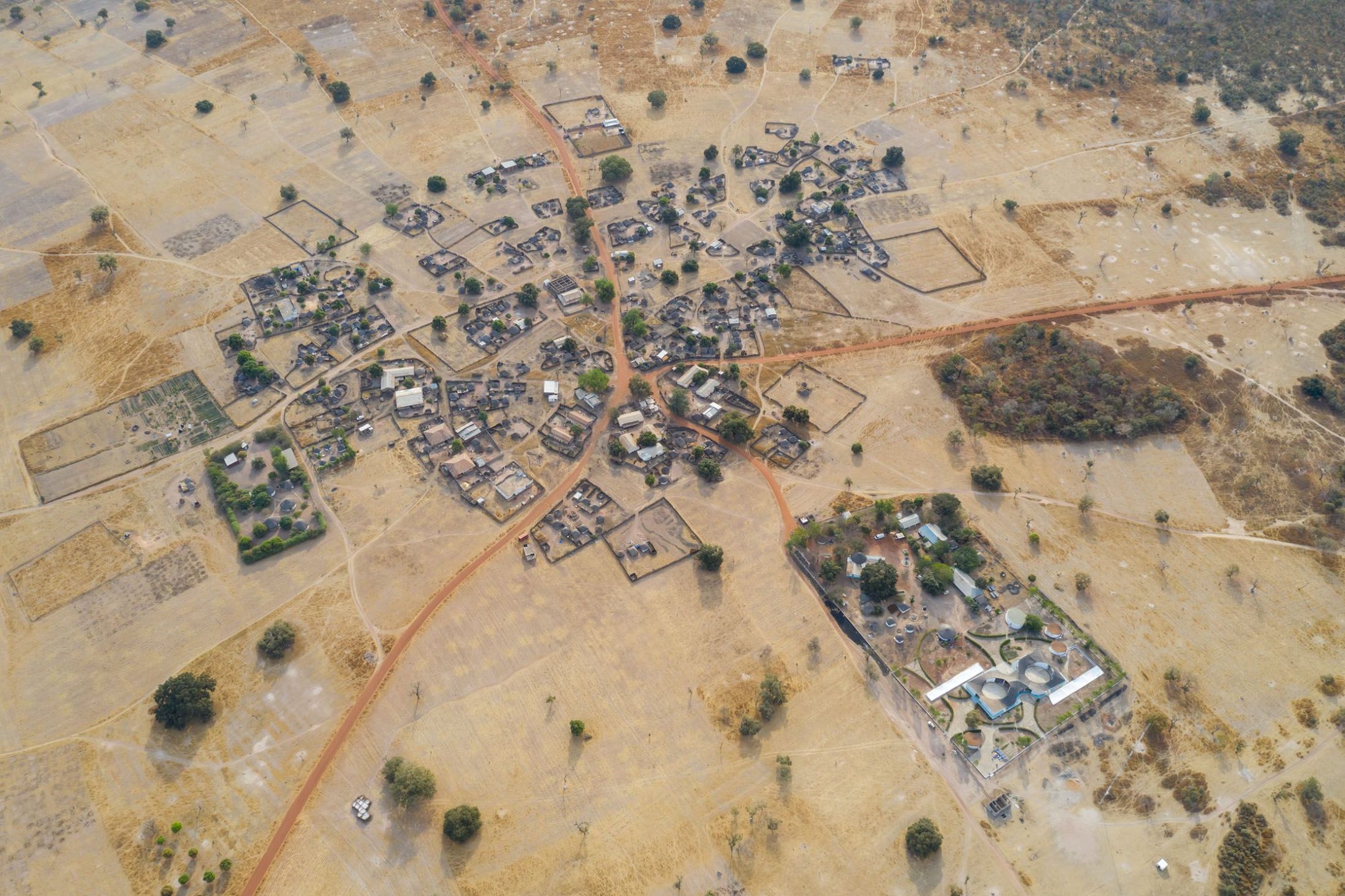
Iwan Baan was born on 8 February 1975 in Alkmaar, Netherlands, and grew up outside Amsterdam. He studied photography at the Royal Academy of Art in The Hague, initially working in publishing and documentary photography in New York and Europe without formal architectural training. His career breakthrough came in 2004 when Rem Koolhaas invited him to document the CCTV Headquarters in Beijing, leading to collaborations with architects like Zaha Hadid, Herzog & de Meuron, and SANAA over a 20-year span. Based in Amsterdam, key milestones include winning the Julius Shulman Award in 2010, sharing a Golden Lion at the 2012 Venice Architecture Biennale, and a major retrospective at Vitra Design Museum in 2023. His images often feature dynamic compositions with people interacting in built environments, using natural light and contextual elements for a lived-in feel.
- Primary Genres: Architecture, Documentary.
- Primary Photography Styles: Documentary (human-centered captures showing buildings in use with contextual details); Straight Photography (naturalistic and unposed, emphasizing real-life dynamics).
- Key Message: Baan focuses on how architecture interacts with people and their surroundings, documenting buildings not as isolated objects but as living spaces that tell stories of human activity and environment. His work shifts emphasis from pure form to the social and cultural narratives embedded in structures.
Baan’s most common subjects are contemporary architecture worldwide, including iconic projects like the CCTV Headquarters, Makoko Floating School in Nigeria, and informal settlements such as Torre David in Venezuela, always incorporating people—workers, residents, or passersby—to highlight usage and context. His aesthetic prioritises natural colour palettes with urban greys, warm sunsets, or lush greens, alongside textures like weathered concrete, reflective glass, or surrounding landscapes, creating a sense of vitality and integration. Techniques include digital cameras such as Canon EOS models with wide-angle lenses (e.g., 17-40mm or tilt-shift for perspective control), often shot handheld for mobility and spontaneity during site visits. He relies exclusively on available natural light, timing shoots for dawn, dusk, or overcast conditions to capture authentic atmospheres without artificial strobes. Editing in software like Lightroom involves subtle adjustments to exposure, contrast, and vibrancy—lifting shadows and warming tones—to maintain a realistic, journalistic quality without heavy manipulation. Presentations feature large-format prints in exhibitions, books such as Iwan Baan: Moments in Architecture (2023), and publications in magazines like Architectural Record.
For intermediate photographers, Baan’s style draws from digital workflows that allow quick adaptation on-site, unlike film’s slower process, enabling handheld shooting in variable conditions while applying concepts like the zone system digitally to balance tones across highlights and shadows. Digital tools provide flexibility for tilt-shift corrections in post-processing, which film limits to in-camera decisions, helping learners focus on composition over technical constraints. His approach teaches integrating human elements into architectural shots, using wide lenses to frame context and natural light to avoid flat images, encouraging practice in urban environments to build storytelling skills. Baan’s documentary mindset emphasises observation over staging, inspiring photographers to visit sites multiple times for authentic moments, which can shift habits from isolated object focus to narrative-driven work.
- Accolades:
- Julius Shulman Photography Award (2010)
- Golden Lion, Venice Architecture Biennale (2012, shared)
- Aga Khan Award for Architecture (contributor, 2013)
- Honorary Fellow, Royal Institute of British Architects (2018)
- Trivia:
- Pilots his own small plane to capture aerial perspectives.
- Began career photographing informal settlements and street life before architectural fame.
Lessons from this Photographer:
Baan’s unique human-centered approach teaches integrating people and context into architectural photography, moving beyond static building shots to capture lived experiences. Photographers can apply this by using wide-angle lenses and handheld techniques for agile composition, focusing on natural light timing to enhance storytelling without added equipment. His minimal editing encourages a mindset of authenticity, inspiring experimentation with site revisits and observation to uncover narratives, deepening appreciation for how environment and interaction elevate the craft.
Website and Portfolio:
-
- Website: https://iwan.com
- Instagram: https://www.instagram.com/iwanbaan/
YouTube References:
- “Ingenious homes in unexpected places | Iwan Baan” – https://www.youtube.com/watch?v=fiP2NpO-qrg
Citations:
- Wikipedia: https://en.wikipedia.org/wiki/Iwan_Baan
- Britannica Biography: https://www.britannica.com/biography/Iwan-Baan
- Daylight and Architecture Article: https://www.daylightandarchitecture.com/telling-the-story-of-place-the-architectural-photography-of-iwan-baan/
- About Photography Blog (2023): https://aboutphotography.blog/photographer/iwan-baan
- Harvard GSD Profile (2017): https://www.gsd.harvard.edu/event/iwan-baan/
- PRO EDU Article (2024): https://proedu.com/blogs/photographer-spotlight/iwan-baan-architectural-storytelling-through-documentary-photography-capturing-the-soul-of-buildings-worldwide
- Aesthetica Magazine: https://iwan.com/aesthetica-magazine-building-the-picture/
- Surface Mag Article (2023): https://www.surfacemag.com/articles/iwan-baan-photography-vitra-design-museum/
- DW Article (2023): https://www.dw.com/en/how-photographer-iwan-baan-gives-life-to-architecture/a-67152631