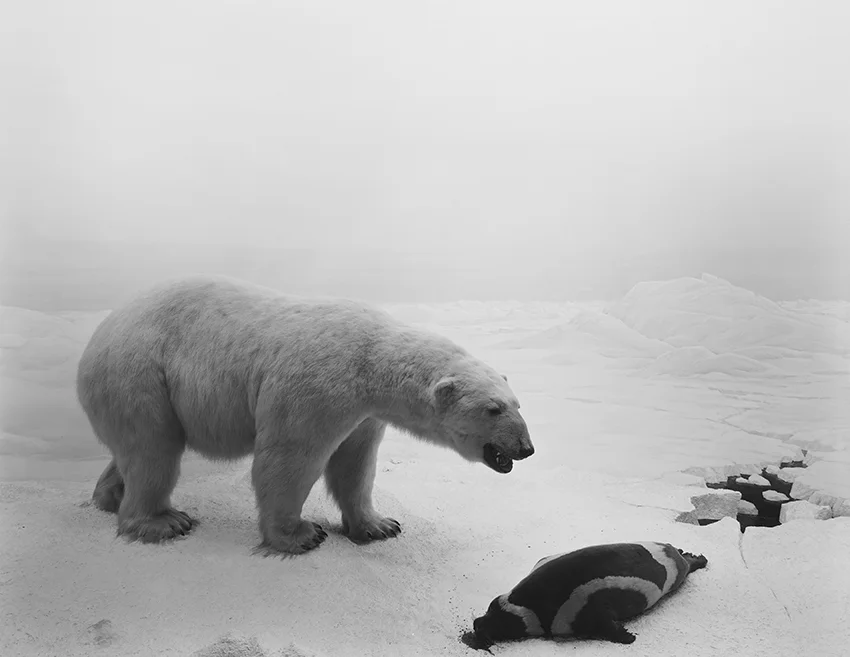
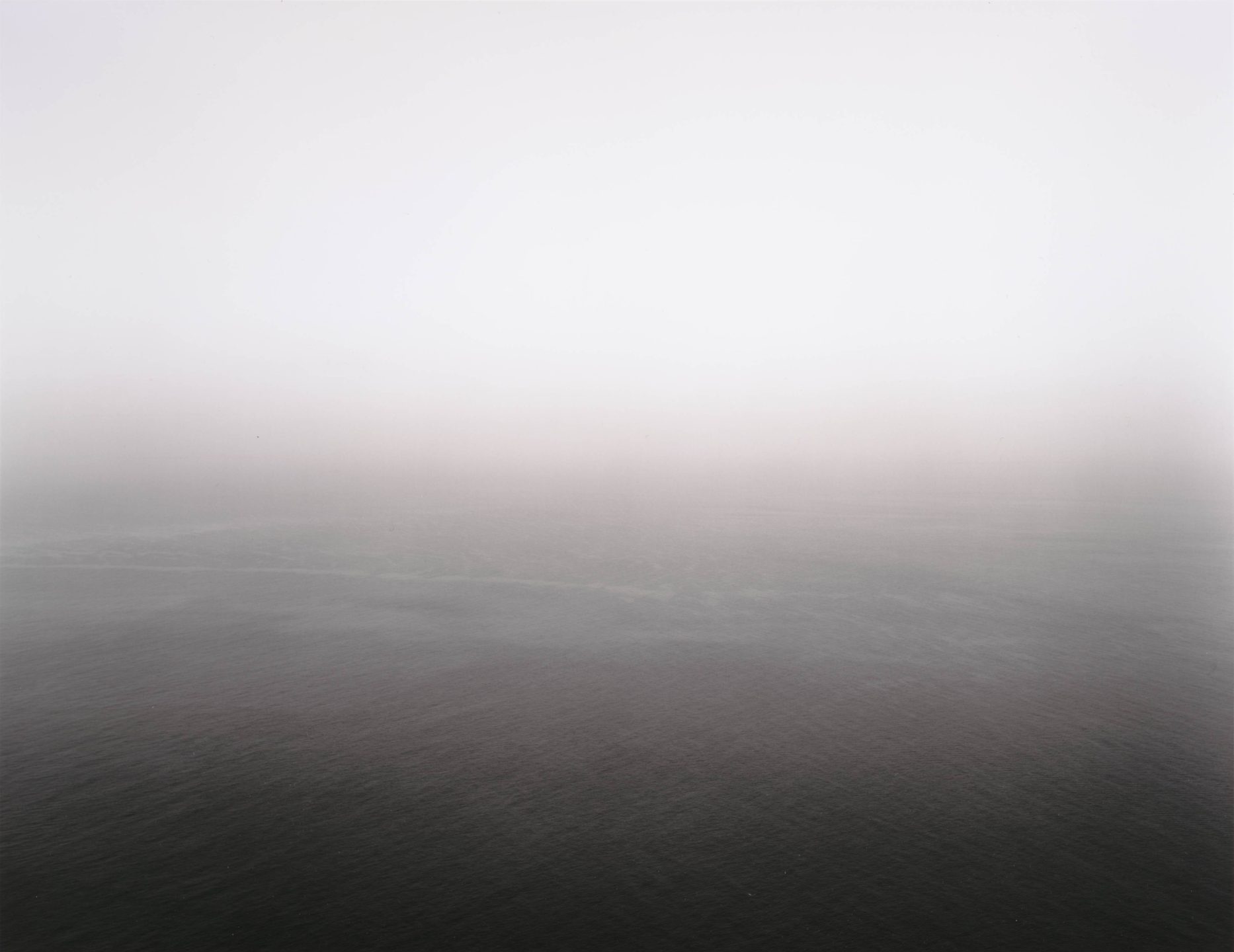
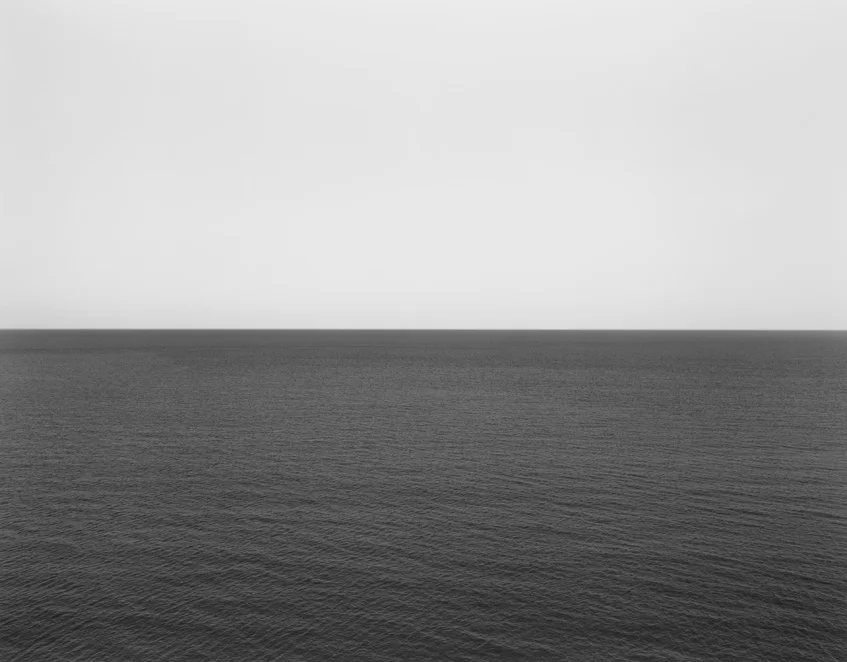
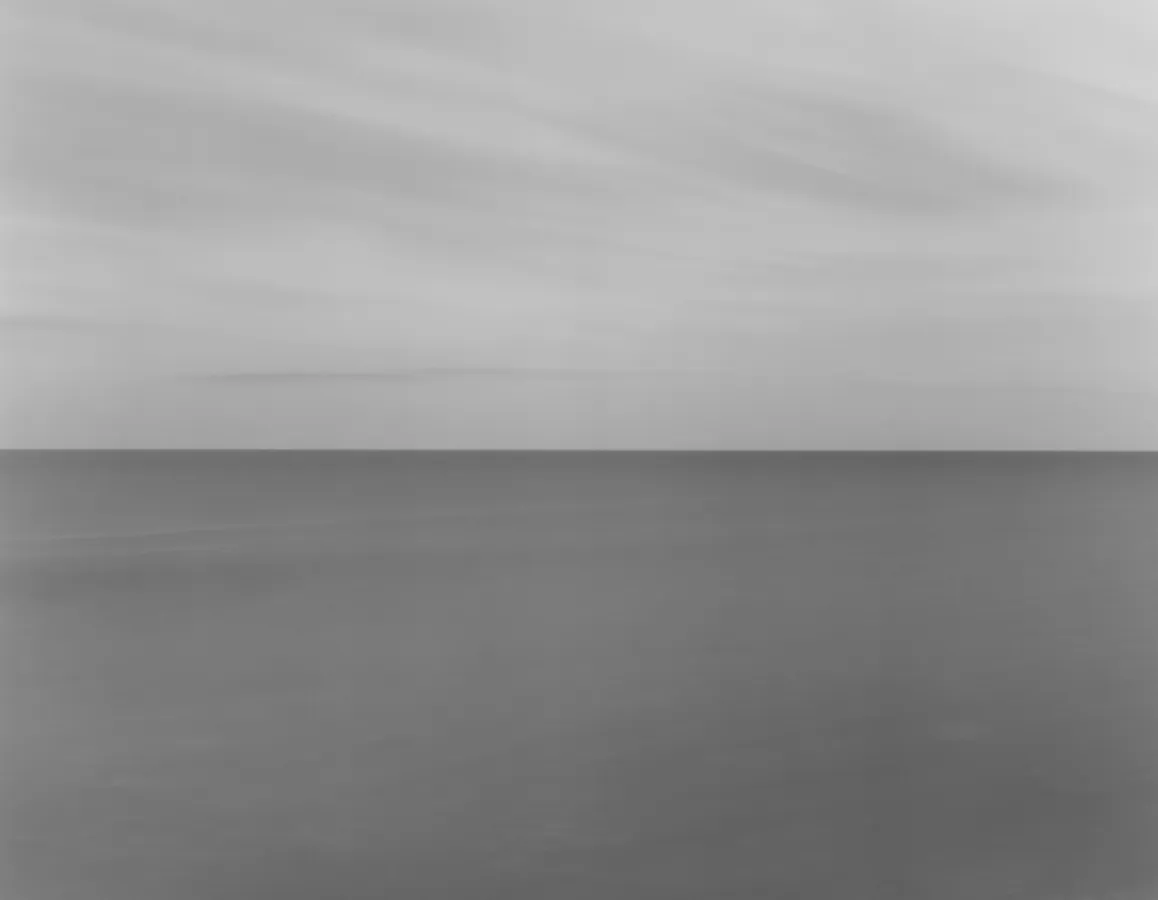
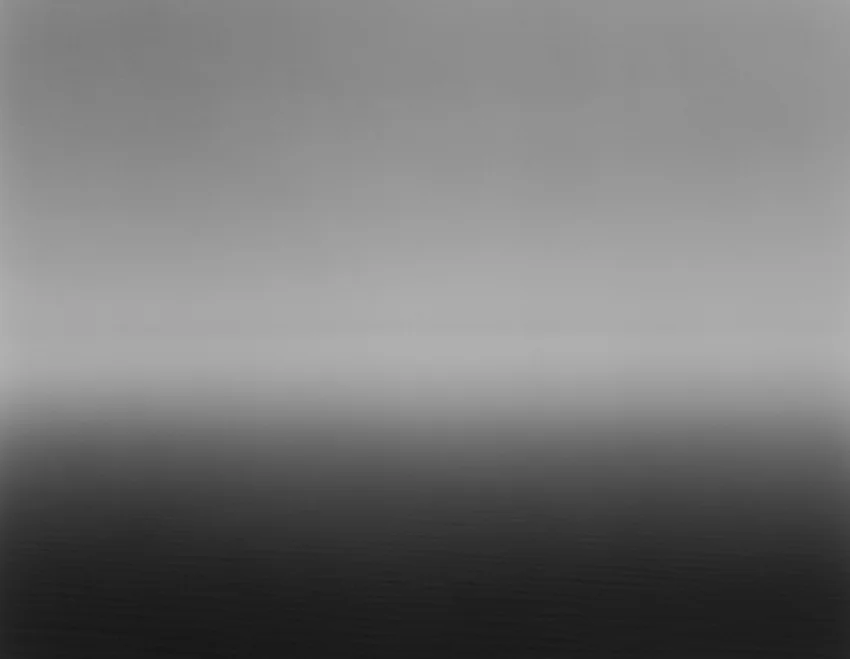
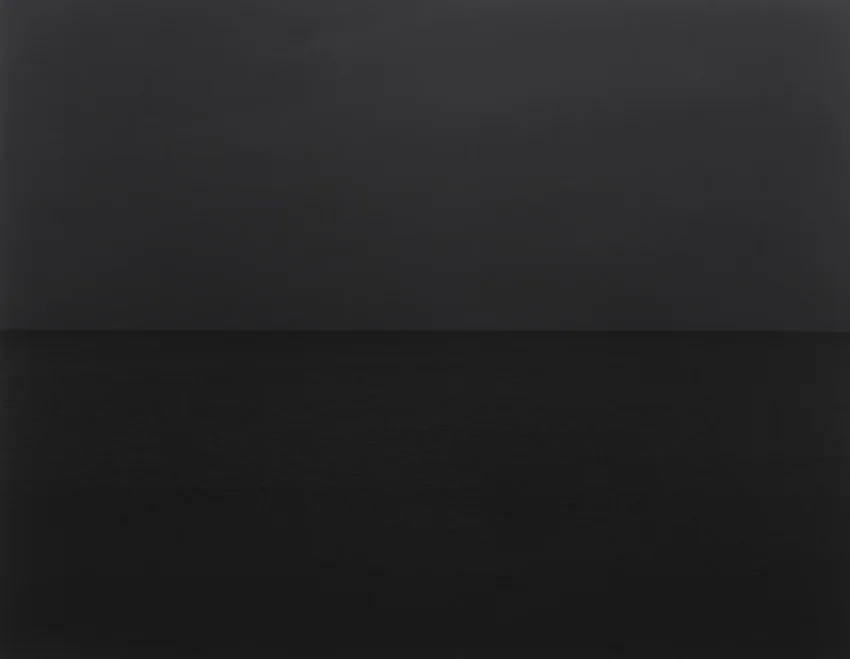
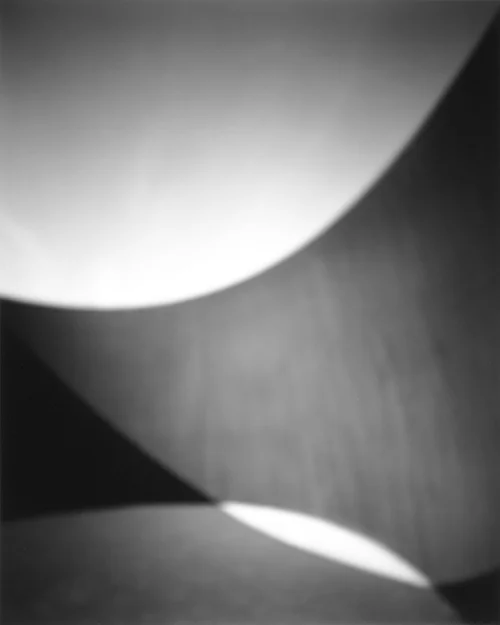
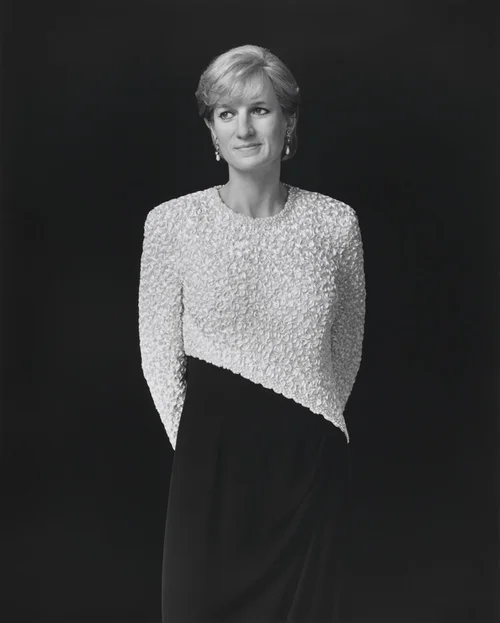
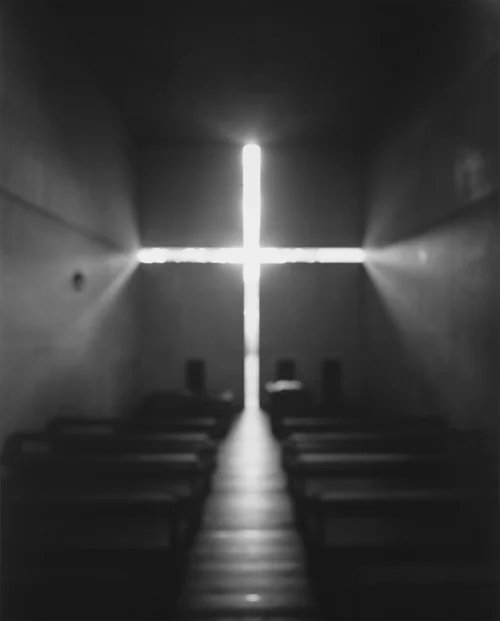
Hiroshi Sugimoto was born on 23 February 1948 in Tokyo, Japan, and studied politics and sociology at Rikkyo University, graduating in 1970. He then moved to the United States to pursue a BFA in Fine Arts at Art Center College of Design in Pasadena, completing it in 1974, before settling in New York where he began his photography career while working as a Japanese antiquities dealer. Key milestones include launching his Dioramas series in 1976, Theaters in 1978, and Seascapes in 1980, as well as founding his architectural firm New Material Research Laboratory and the Odawara Art Foundation in 2009 to promote Japanese culture. Now based between Tokyo and New York, his over 40-year career blends photography with architecture. Visually, his images often use black and white with rich tonal ranges and minimalist framing to create a sense of eternity and abstraction.
- Primary Genres: Fine Art, Conceptual.
- Primary Photography Styles: Minimalism (black and white with balanced, serene compositions for meditative impact); Experimental (long-exposure and camera-less methods to explore metaphysical ideas).
- Key Message: Sugimoto employs photography to investigate time, memory, and perception, using images as time capsules that blur the lines between reality and illusion. His work bridges art, science, and philosophy, emphasising life’s transience and the enduring nature of visual experience.
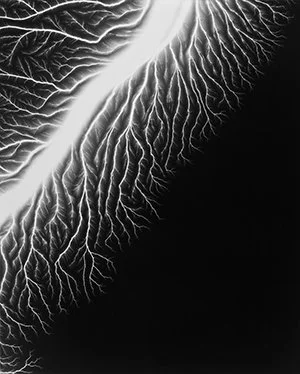
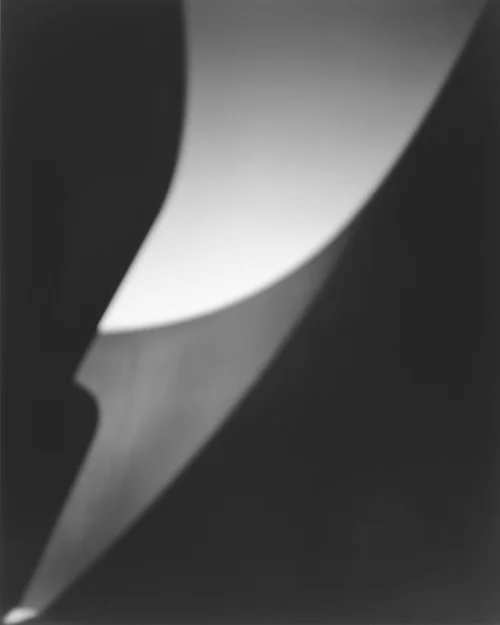
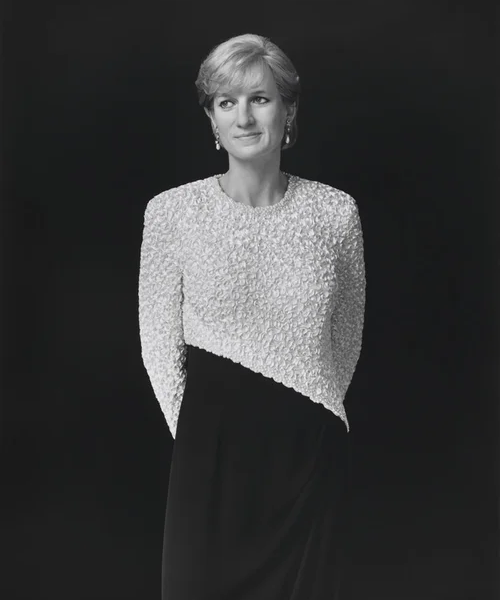
Sugimoto’s most common subjects include seascapes with bisecting horizons, glowing theatre screens, natural history dioramas, blurred architectural icons, wax figure portraits, and abstract electrical patterns, often drawing from global locations like oceans worldwide or museums in New York and London. His aesthetic centres on monochrome tones with subtle gradations, where textures such as water surfaces or building facades are abstracted through blur or smoothness to evoke timelessness. Techniques involve an 8×10 large-format view camera on black-and-white film, with long exposures—up to three hours for seascapes or the full duration of a film for theatres—to capture light accumulation and motion as static forms, mounted on a tripod without filters and using natural ambient light at dawn or dusk. For series like Lightning Fields, he abandons the camera entirely, applying electrical discharges directly to film sheets. Editing occurs in the darkroom with gelatin silver prints, involving light contrast tweaks via dodging and burning while retaining film grain and avoiding digital intervention. Presentations feature large-scale prints up to 1.5×2 metres in galleries, plus books such as Time Exposed (1995) and exhibitions at venues like MoMA and the Metropolitan Museum of Art.
For intermediate photographers, Sugimoto’s style prioritises analogue film processes over digital, requiring careful exposure planning akin to the zone system to map tonal zones across greys without on-site previews or easy corrections. Film’s constraints build discipline in anticipating light and composition, contrasting with digital’s ability to adjust in software like Lightroom, which can reduce the conceptual depth he achieves through in-camera decisions. Learners can study his long-exposure methods by using ND filters on modern cameras to simulate time compression, focusing on minimal elements to convey ideas rather than details. Sugimoto’s multidisciplinary practice, including architecture, encourages viewing photography as part of broader conceptual exploration, applying techniques like “twice-infinity” focus for intentional blur in series such as Architecture.
- Accolades:
- Hasselblad Foundation International Award (2001)
- Praemium Imperiale (2009)
- Officier de l’Ordre des Arts et des Lettres (2013)
- Royal Photographic Society Centenary Medal (2017)
- Trivia:
- Began serious photography at age 18 by capturing trains.
- Provided his Boden Sea image for U2’s No Line on the Horizon album cover in exchange for using their song in future projects.
- Disliked being photographed and often shot without looking through the viewfinder.
Lessons from this Photographer:
Sugimoto’s unique integration of long exposures teaches capturing time as a visible element, encouraging photographers to use extended shutter speeds for abstracting motion and light into conceptual statements. Learners can apply this by experimenting with ND filters and tripods in natural settings, shifting focus from literal documentation to philosophical themes like impermanence. His minimal post-processing promotes a mindset of precision in-camera, inspiring deeper appreciation for analogue discipline and how it fosters innovative storytelling through patience and observation.
Website and Portfolio:
-
- Website: https://www.sugimotohiroshi.com
- Instagram: https://www.instagram.com/hiroshisugimotoart/
YouTube References:
- “Hiroshi Sugimoto in “Memory” | “Art in the Twenty-First Century” – https://www.youtube.com/watch?v=cnKWNbV_Pas
Citations:
- Wikipedia: https://en.wikipedia.org/wiki/Hiroshi_Sugimoto
- Gagosian Gallery: https://gagosian.com/artists/hiroshi-sugimoto/
- Fraenkel Gallery: https://fraenkelgallery.com/artists/hiroshi-sugimoto
- Art21: https://art21.org/artist/hiroshi-sugimoto/
- Guggenheim: https://www.guggenheim.org/artwork/artist/hiroshi-sugimoto
- Getty Museum: https://www.getty.edu/art/collection/person/103M07
- Hasselblad Foundation: https://www.hasselbladfoundation.org/en/hiroshi-sugimoto-2/