
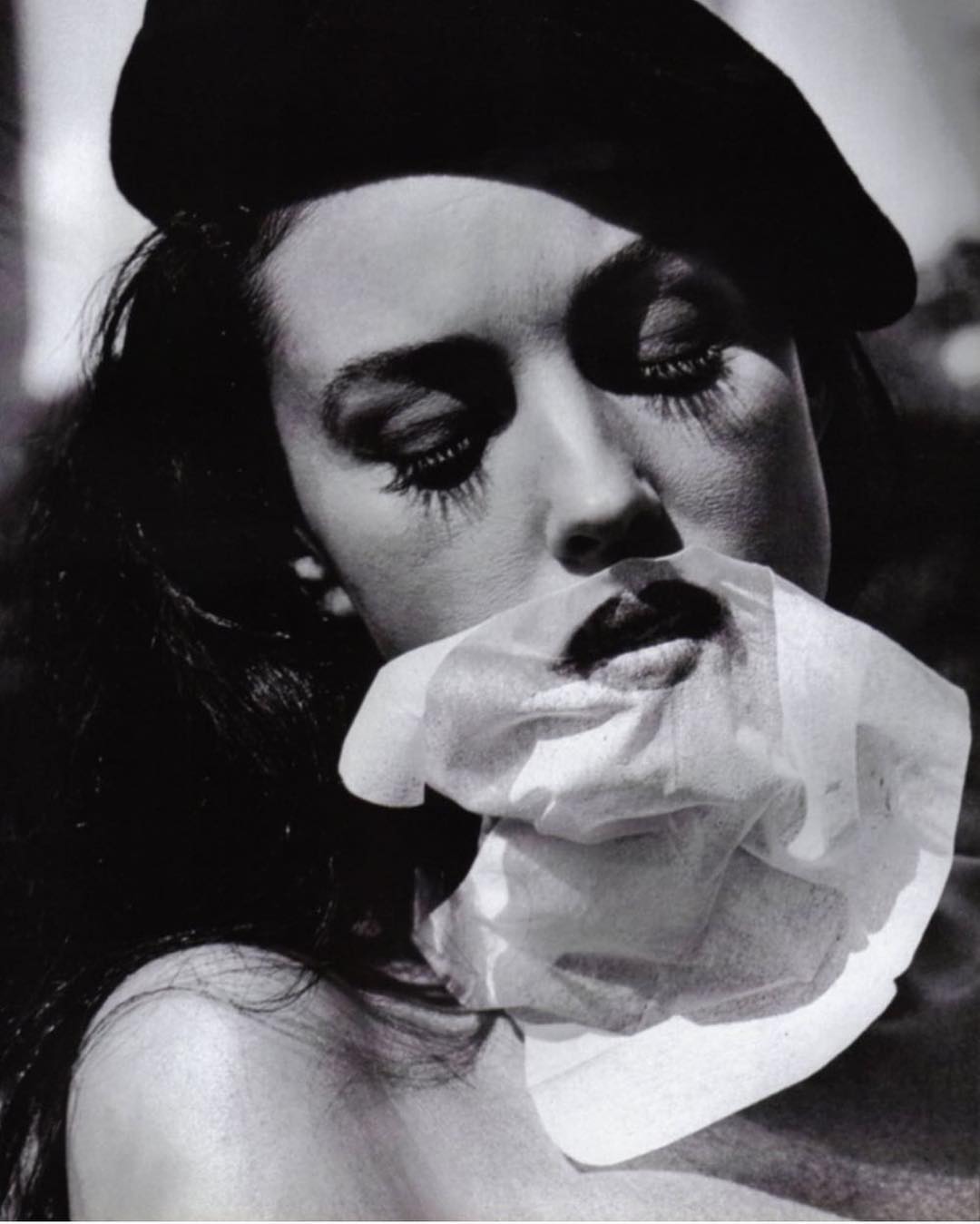
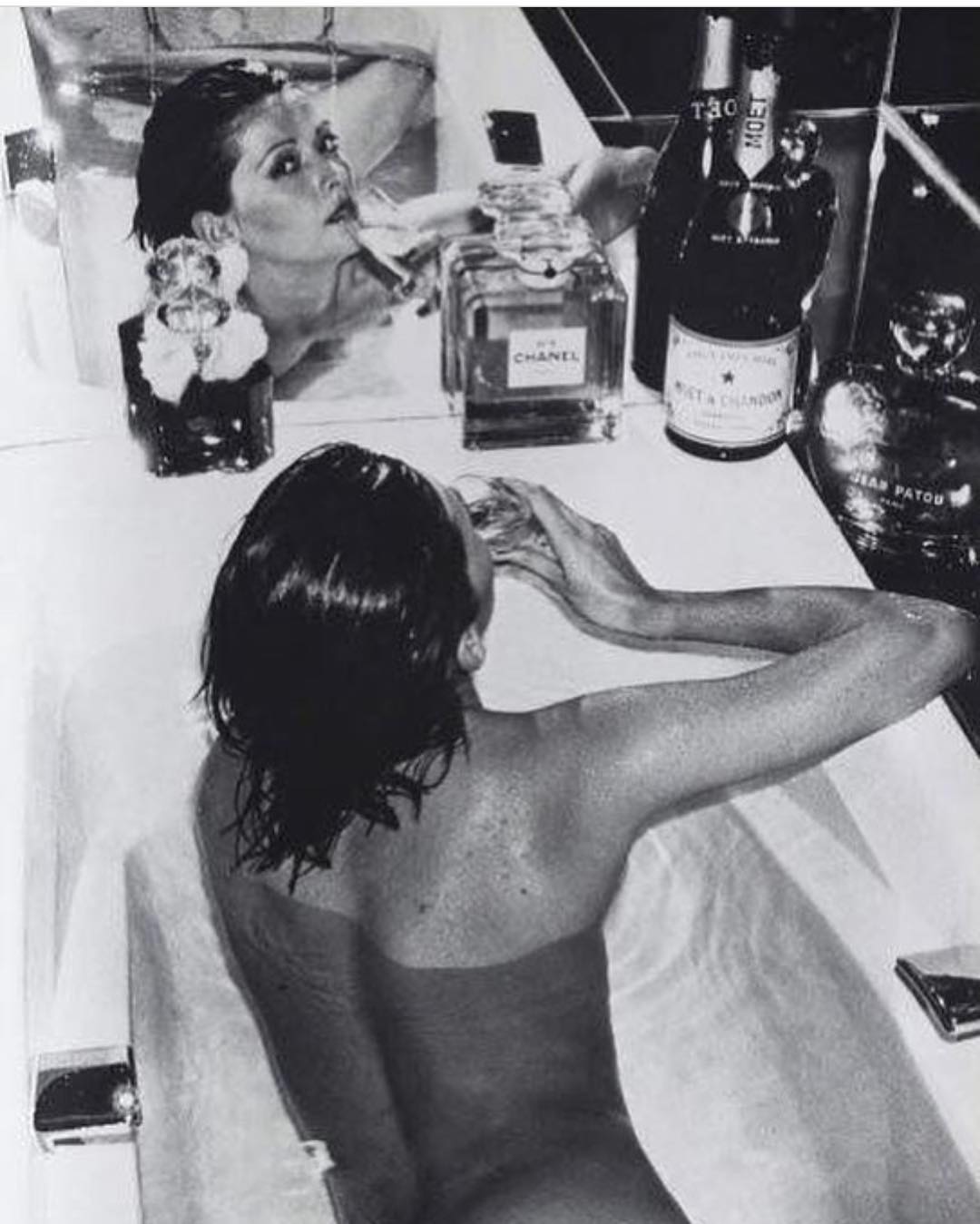
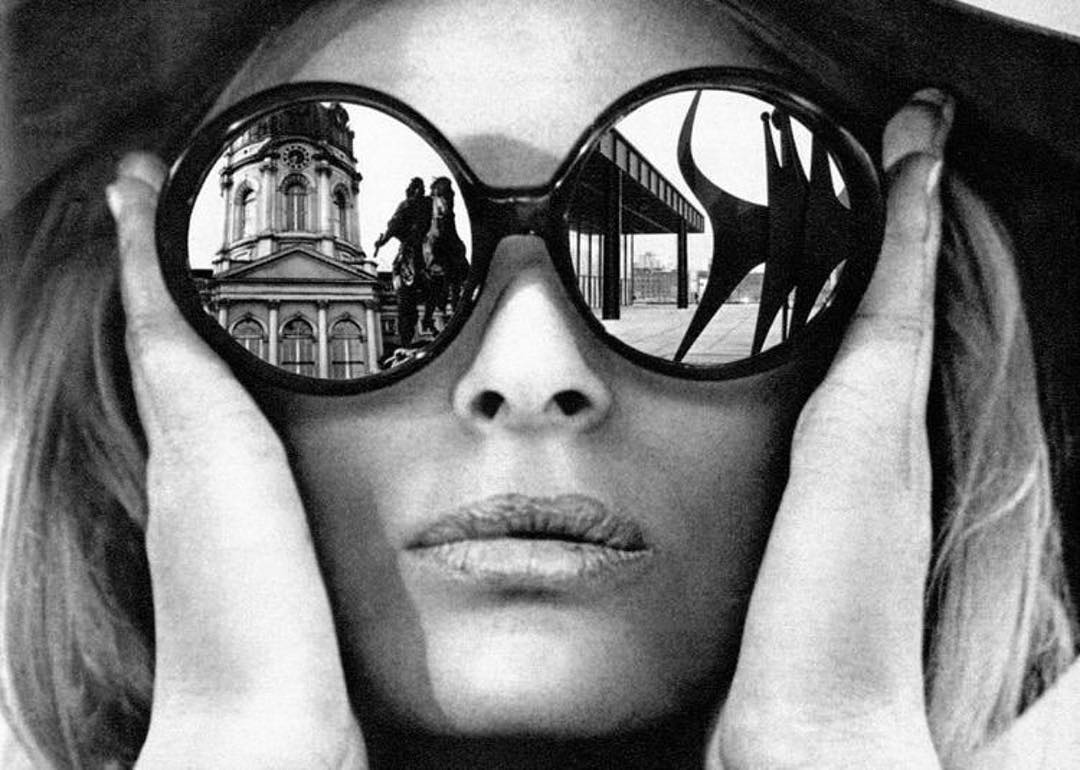
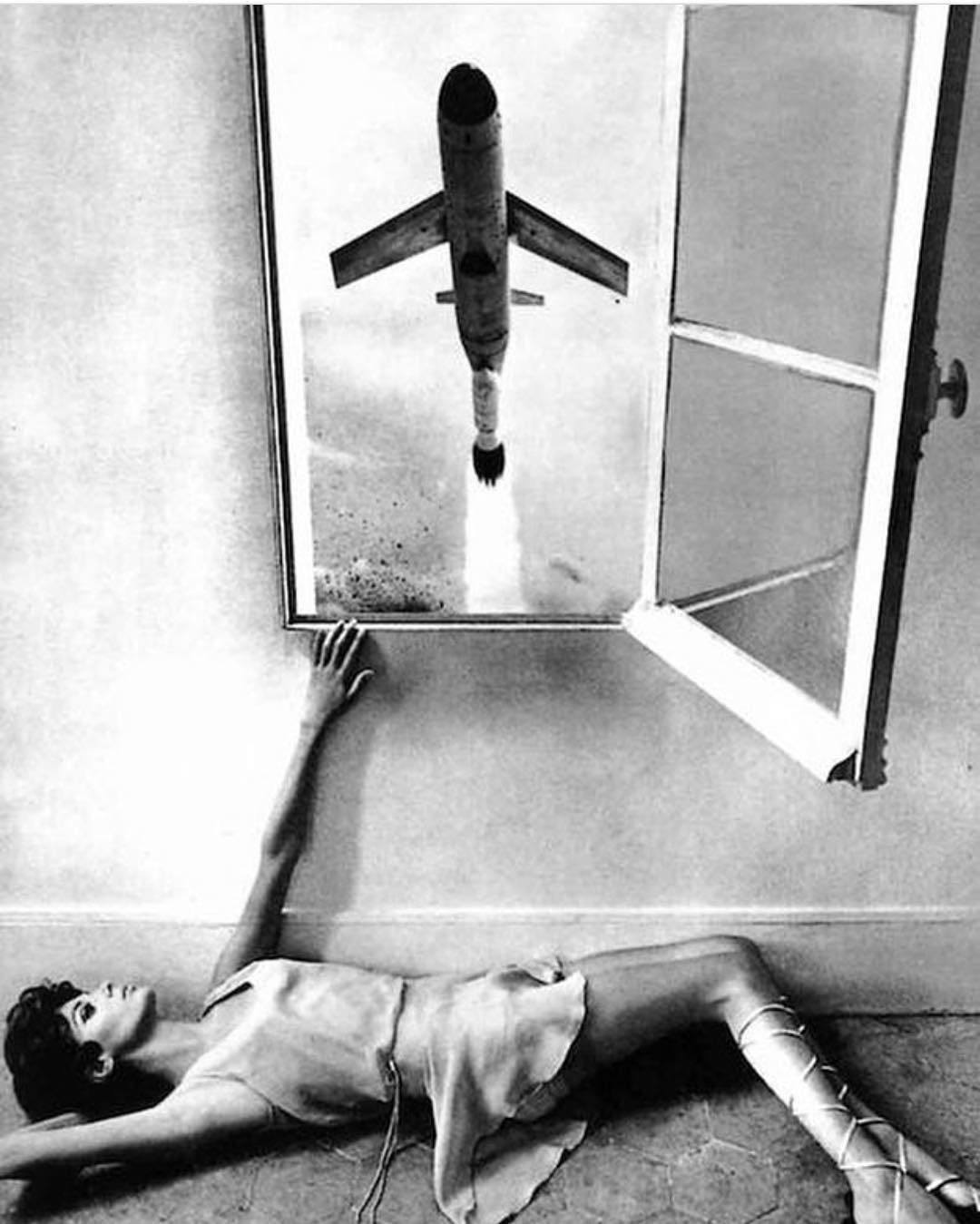
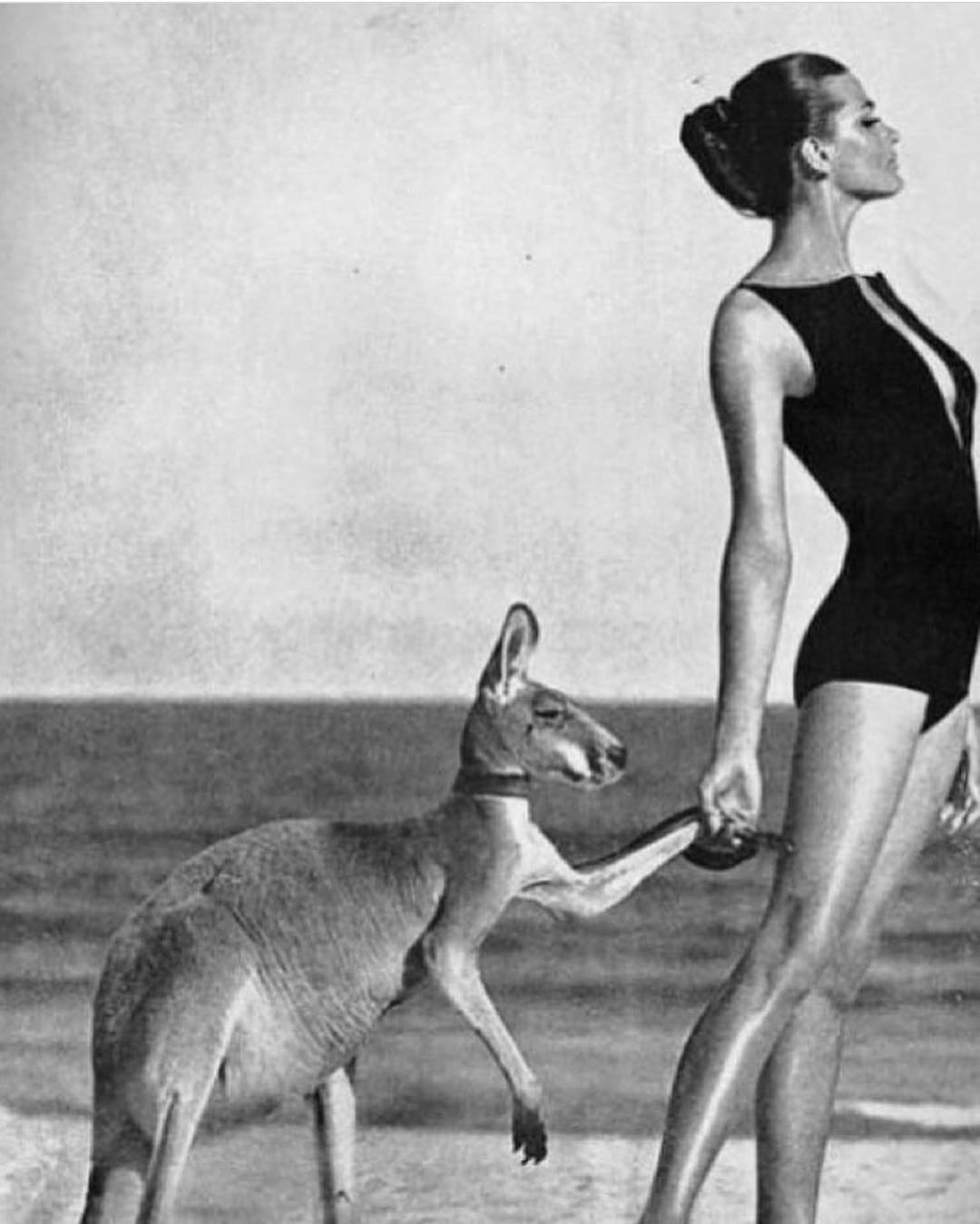
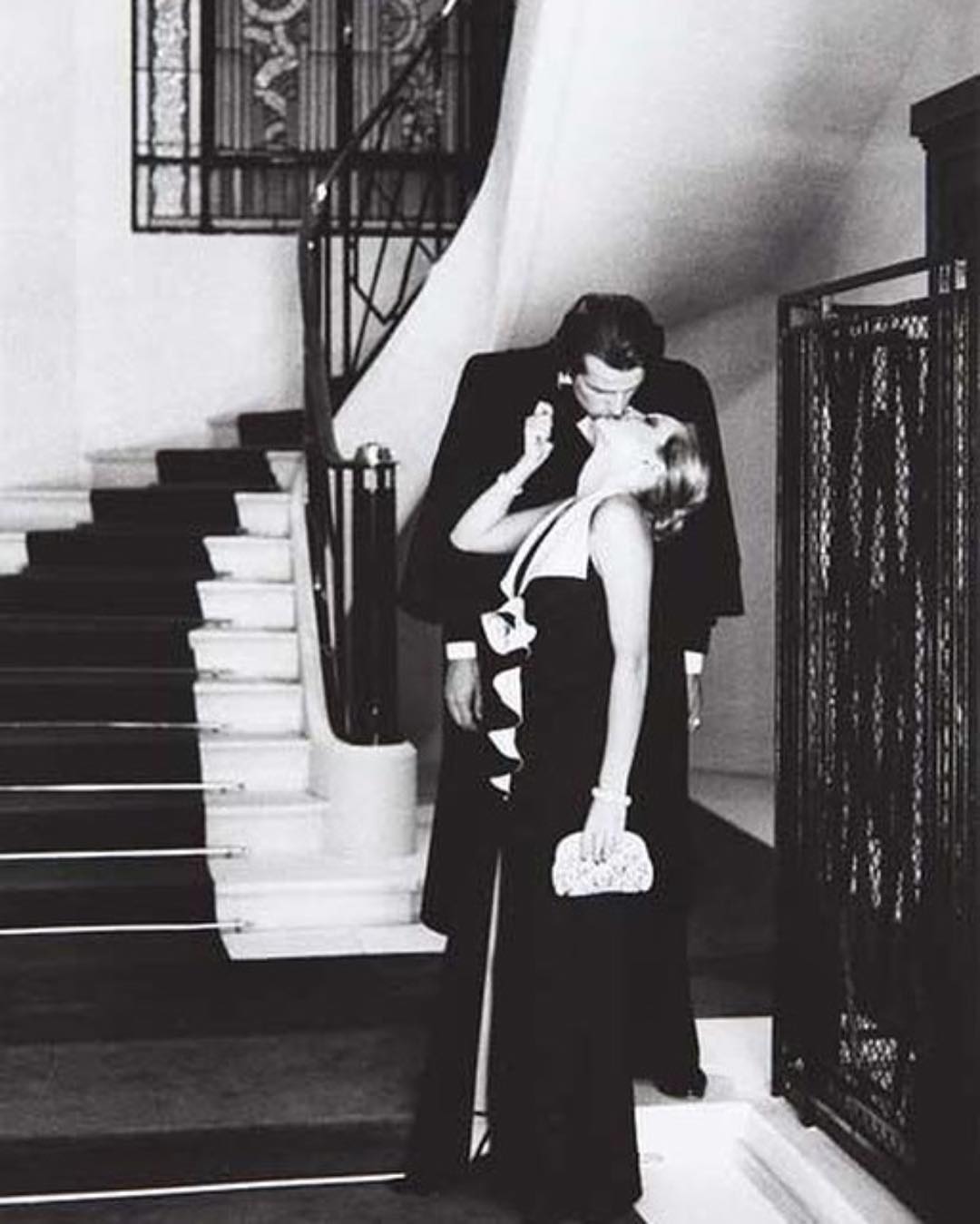
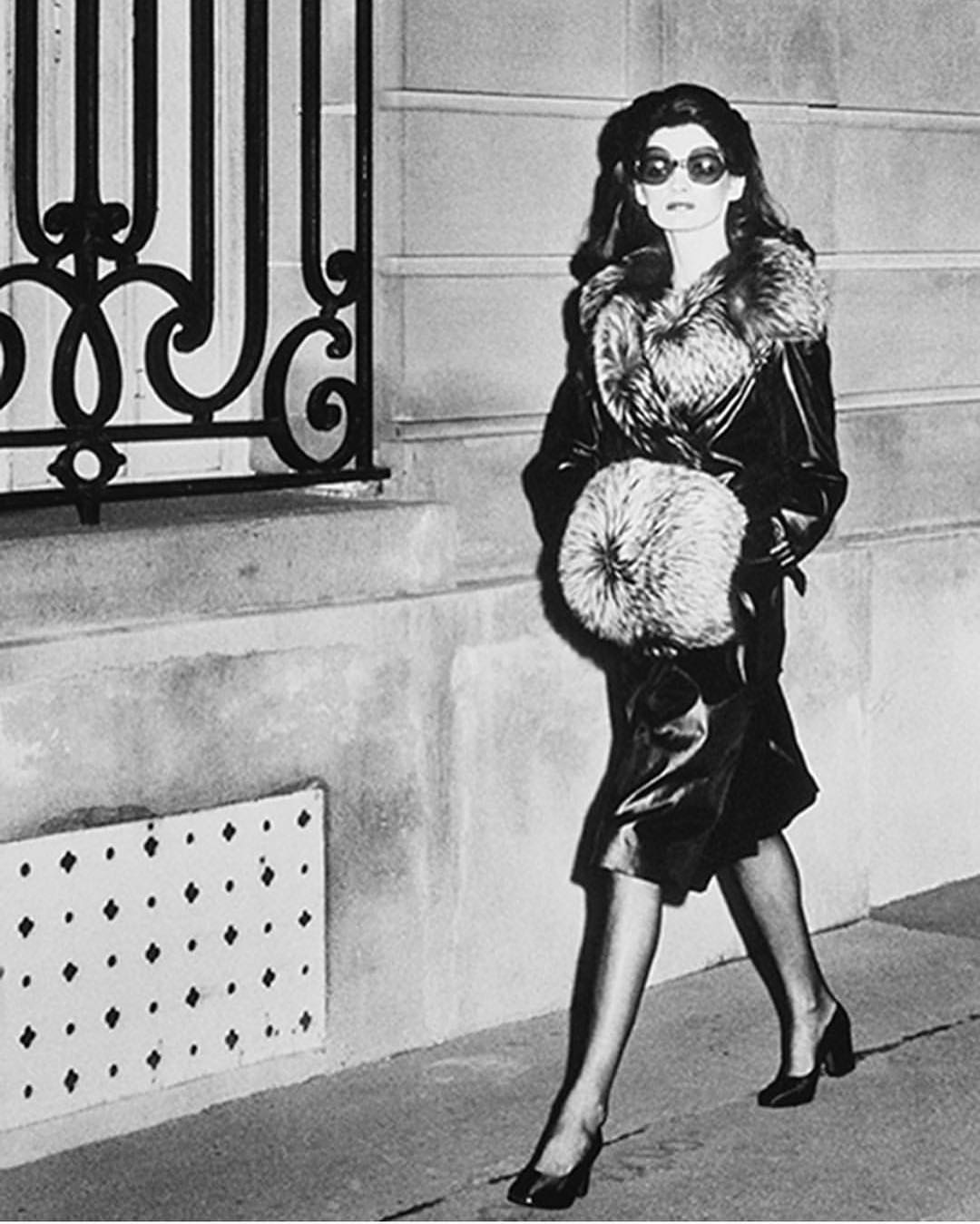
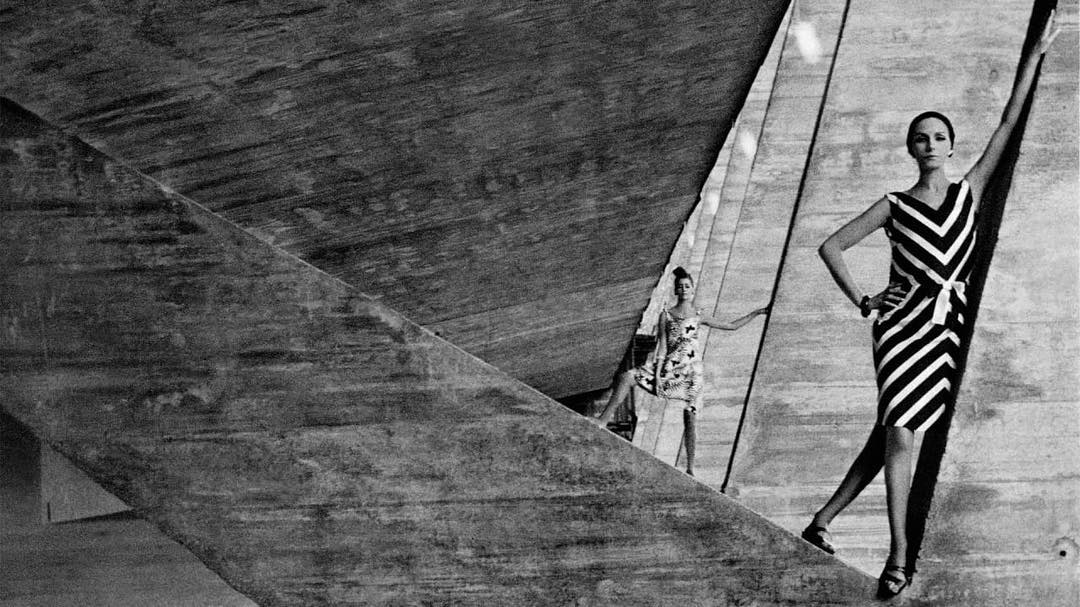
Helmut Newton was born Helmut Neustädter in 1920 in Berlin, Germany, to a Jewish family, and received his first camera at age 12, fostering an early passion for photography. He apprenticed under fashion photographer Yva before fleeing Nazi persecution in 1938, traveling via Trieste to Singapore and then Australia, where he served in the army and became a citizen in 1946. His professional career began in Melbourne with commercial work, leading to a move to Paris in 1961 for Vogue, where he gained fame for bold fashion shoots. Key milestones include publishing White Women in 1976, which introduced erotic nudes to fashion books, relocating to Monte Carlo in 1981 while maintaining a Los Angeles presence, and establishing the Helmut Newton Foundation in Berlin posthumously in 2004. He died in 2004 at age 83 in a car crash in Los Angeles. Visually, his images feature high-contrast black-and-white tones and provocative compositions that blend elegance with sensuality.
- Primary Genres: Fashion, Portrait.
- Primary Photography Styles: Straight Photography (black and white with high contrast for direct, provocative impact); Eroticism (bold, narrative setups exploring power dynamics and desire).
- Key Message: Newton aimed to challenge conventional ideas of beauty and sexuality through elegant yet daring images that fuse power, voyeurism, and eroticism. His work often portrayed women in dominant roles, subverting traditional gender norms while highlighting the allure of the human form.
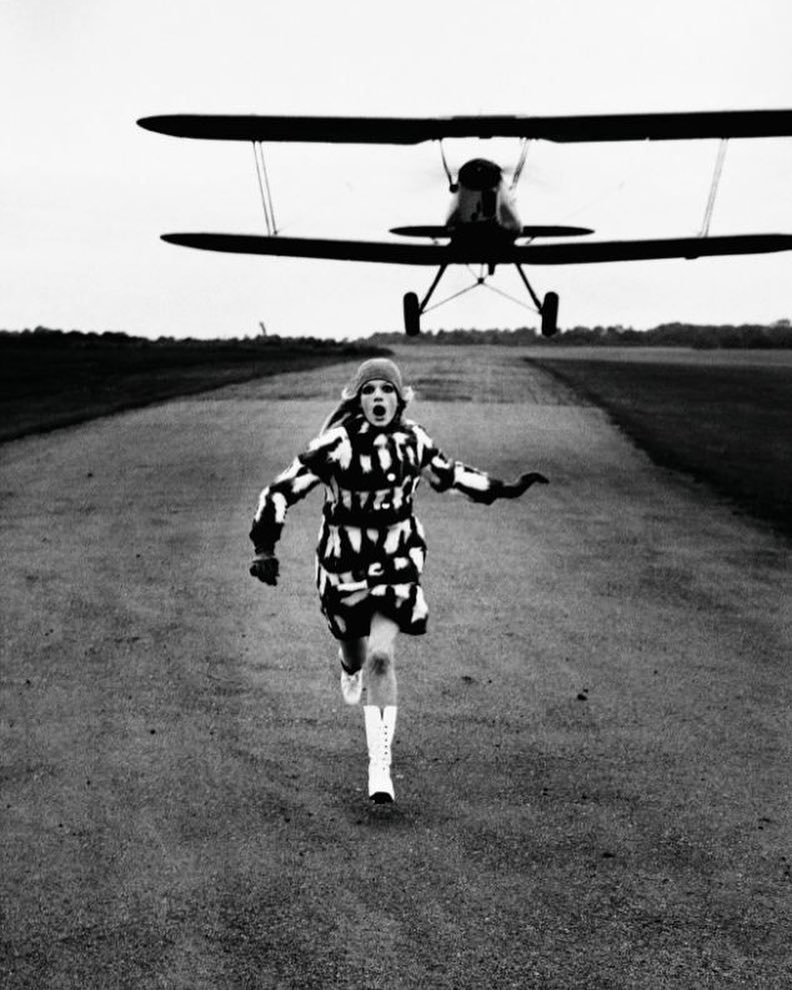
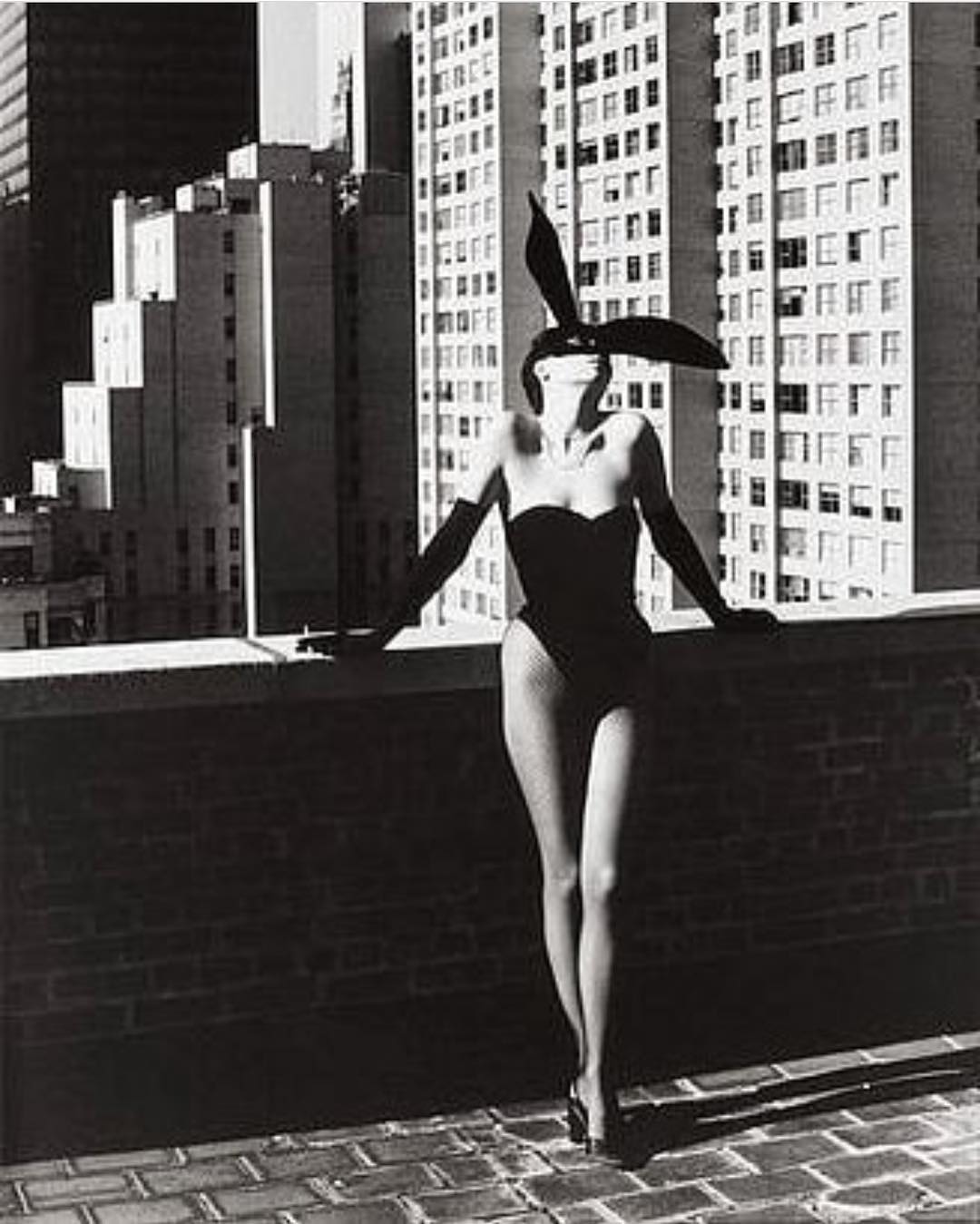
Newton’s most common subjects were fashion models, celebrities, and nudes, often set in urban environments, hotels, or streets, capturing themes of fetishism, power play, and surreal scenarios inspired by Weimar-era cabaret. His aesthetic emphasised stark contrasts in monochrome, with textures such as leather, skin, and fabrics rendered sharply to evoke tension and sensuality. Techniques included using 35mm cameras like Nikon F or Canon SLRs with 50mm lenses for intimacy, often handheld for spontaneity, and Rolleiflex or Hasselblad for medium format detail. Lighting relied on hard strobes for dramatic shadows or natural window light to create depth, avoiding studios in favour of real locations for authenticity. He also incorporated Polaroids for testing compositions. Editing occurred in the darkroom with gelatin silver prints, pushing contrast through dodging and burning to sharpen edges while embracing film’s grain and imperfections. Presentations featured books like Big Nudes (1981) and Sumo (1999), large prints up to 50×60 cm in galleries, and exhibitions at institutions such as the Helmut Newton Foundation.
For intermediate photographers, Newton’s style centred on black-and-white film photography, prioritising bold contrast and composition over colour, much like Sebastião Salgado’s monochrome work but with a focus on erotic narratives rather than documentary. Film required precise exposure control akin to the zone system, mapping tones from deep blacks to bright whites without digital previews, fostering discipline in lighting setups. Unlike digital, which allows endless adjustments in software like Lightroom, Newton’s analogue process demanded getting elements right in-camera, teaching reliance on natural or simple artificial light for mood. Learners can emulate this by using film emulations in digital workflows or practising high-contrast printing to build storytelling through shadows and highlights. Newton’s provocative approach encouraged breaking taboos, using minimal equipment to focus on concept over gear, which shifts mindsets towards narrative-driven shoots in everyday settings.
- Accolades:
- Grand Prix National de la Photographie (1990)
- Officier des Arts, Lettres et Sciences, Monaco (1992)
- Das Grosse Verdienstkreuz for services to German culture (1992)
- Life Legend Award from Life magazine
- Trivia:
- Purchased his first camera at age 12 and was expelled from school for poor performance, prioritising photography.
- Married actress June Brunell in 1948, who later became photographer Alice Springs and directed a documentary about him.
- Died in a car crash at the Chateau Marmont in Los Angeles, an ironic end given his love for dramatic narratives.
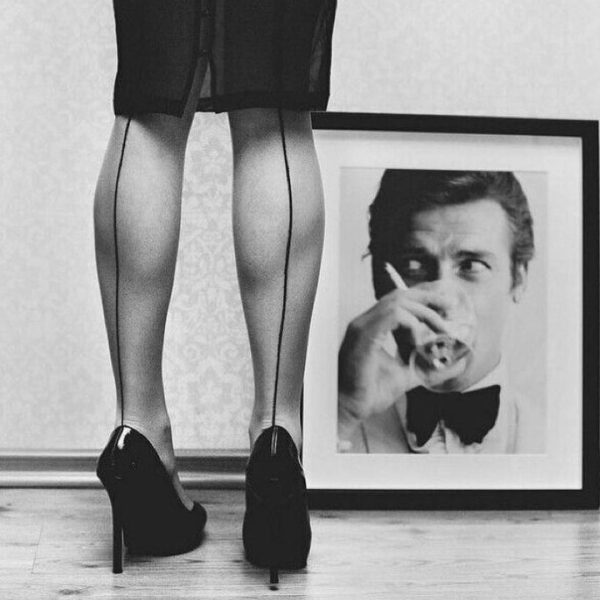
Lessons from this Photographer:
Newton’s unique approach emphasised simplicity in gear and boldness in concept, teaching that powerful images stem from challenging societal norms through provocative storytelling rather than technical perfection. Photographers can apply this by using high-contrast lighting and close compositions to explore themes like power dynamics, shifting from safe subjects to experimental ones for deeper impact. His preference for real locations over studios inspires a mindset of improvisation, encouraging experimentation with shadows and textures in post-processing to enhance narrative, fostering appreciation for photography as a tool for cultural commentary.
Website and Instagram:
YouTube References:
- “Film show: ‘The Bad and the Beautiful’ puts Helmut Newton’s … – https://www.youtube.com/watch?v=QhY_WCvf2Po”
Citations:
- Wikipedia: https://en.wikipedia.org/wiki/Helmut_Newton
- International Center of Photography: https://www.icp.org/browse/archive/constituents/helmut-newton
- Hamiltons Gallery Biography: https://www.hamiltonsgallery.com/artists/helmut-newton/biography/
- Artnet Biography: http://www.artnet.com/artists/helmut-newton/biography
- The Art Story: https://www.theartstory.org/artist/newton-helmut/
- Eric Kim Photography Blog: https://erickimphotography.com/blog/2016/09/29/7-lessons-helmut-newton-can-teach-you-about-photography/
- The Lucie Awards: https://www.lucies.org/jury/helmut-newton/