
-
Pros and Cons of long telephoto lenses – (continuation)
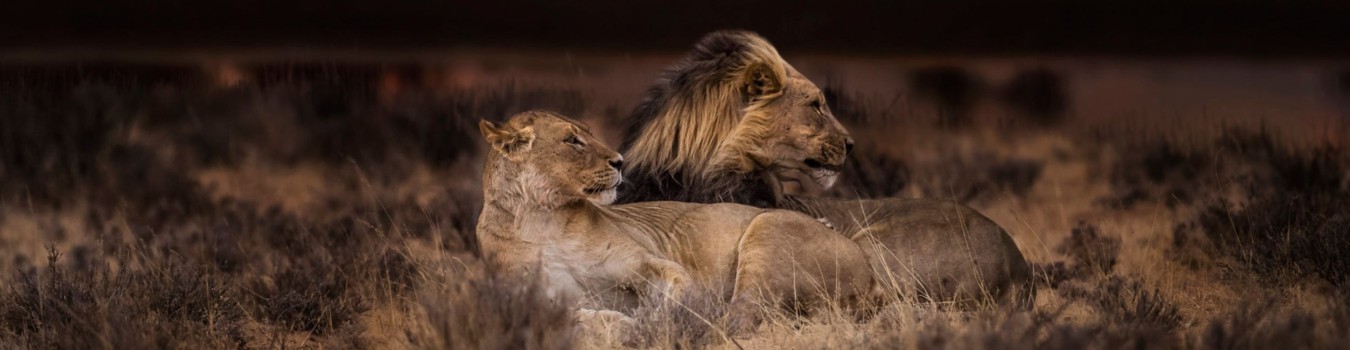
FIRST IMAGE – (Watch in full display for max quality)WHY IS DOF MINIMISED AT THE MAXIMUM FOCAL LENGTH OF A ZOOM/LONG LENS?
Field depth depends on four factors: aperture size, lens focal length, frame (sensor) size, and focal distance (distance to subject).
Wildlife and bird p…Read More


 liked this
-
Pros and Cons of long telephoto lenses – (continuation)
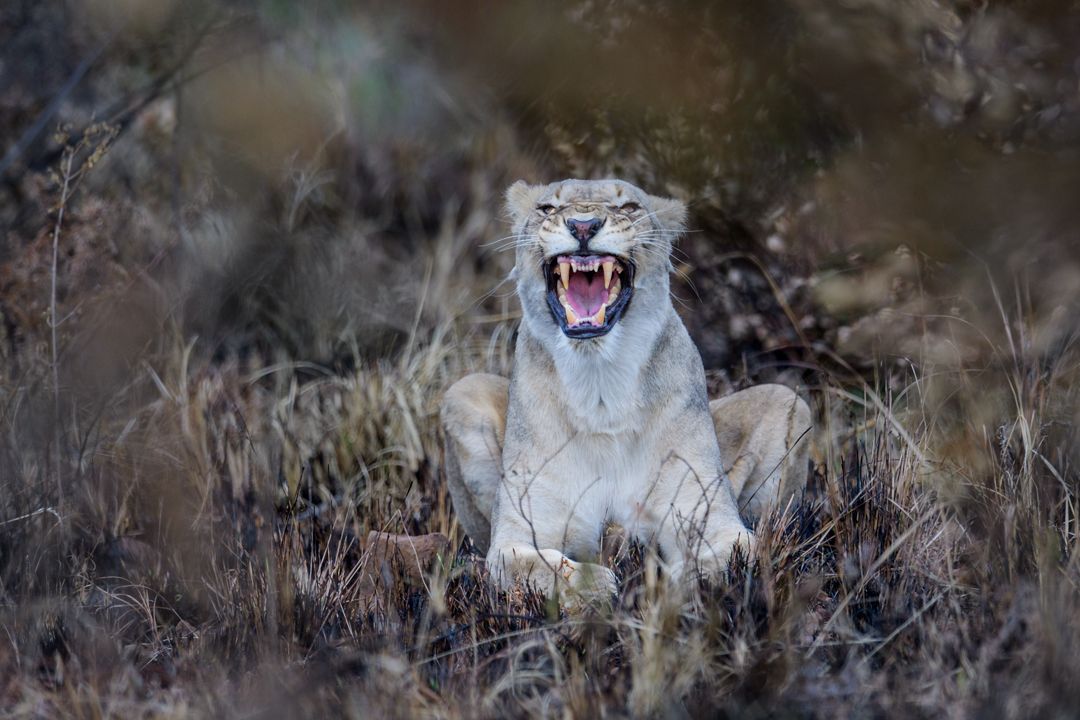
SECOND IMAGE – (Watch in full display for max quality)In this image, I have cropped the image in Lightroom to show that the subject is still sharply focused despite the extremely shallow DOF. To achieve this, it is essential to understand the impact of the chosen f/stop, the distance from…Read More
liked this
-
I get many questions regarding the Pros and Cons of long telephoto lenses. To answer a few of them, please join us in these weekly discussions, where I will address as many questions from students as
possible.DO LONG LENSES NEED MORE LIGHT?
The longer your lens is, the less light hits the sensor for a given aperture opening size. Your field…Read More -
“Portrait of a Dung Beetle”
5DMk4, Tamron70-200 at 88mm with 36mm extension tube, 4 sec at f11.0, ISO 100, 22 Exposures focused stacked in Photoshop and finished in Lightroom.
#wildlifeComp2023 #JohnGriffin #macrophotography #wildlifephotography
__#WeeklyPhotoAwards2024
#DPCWildlife
Wildlife Category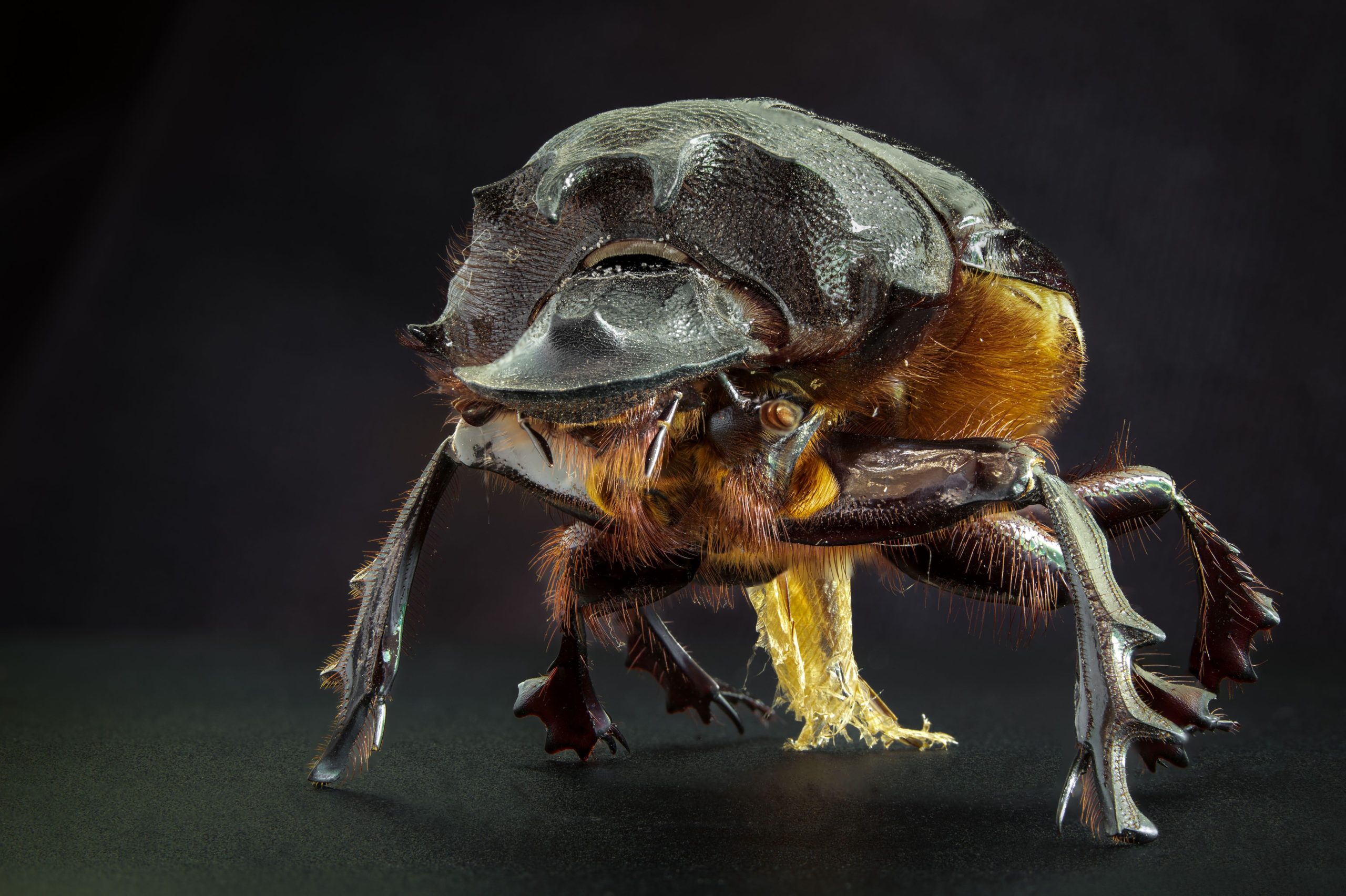 6 Comments
-
-

Thanks Rosalie. Awesome subject!
-
Thanks Bruna
-
-

Such an awesome image, John! Thank you for entering.
-

Congratulations on your feature, John! While this image falls under our wildlife photography category, it would be ideally suited for the Macro Photography Group due to its close-up nature. Consider sharing it there as well!
-
Thanks Danie .Appreciate it! I did tag it #macrophotography. Is that not sufficient for it to appear in the Macro group or must I post it there as well?
-
-
-
ANNOUNCEMENT: Please don’t forget to add #wildlifeComp2023 to the image you want to enter for the competition – (final entry 30-01-2024)
-
Berry Hungry
#WildlifeComp2023 #birdphotography
I shot this hungry little Cape White-Eye and its hard-working parents in my garden a week ago. The baby was quite tame and didn’t mind me following them around the garden with my big lens. It wasn’t quite mobile yet, although it could fly short distances and up into the shrubs, and spent…Read More
 3 Comments
-

Mooi shot!!!
-
Perfect capture Rosalie🤩 Brilliant exposure, both eyes sharp with catchlight, wonderful story for huge impact and motion blur in the wings for movement👏👏 Congratulations!
-

Thank you Bruna 🙂
-
-
-
Make up on – now New Years party time.
Kruger National Park. Dec 2023
Canon 5 D Mark III.
150 to 600 mm lens

 5 Comments
-
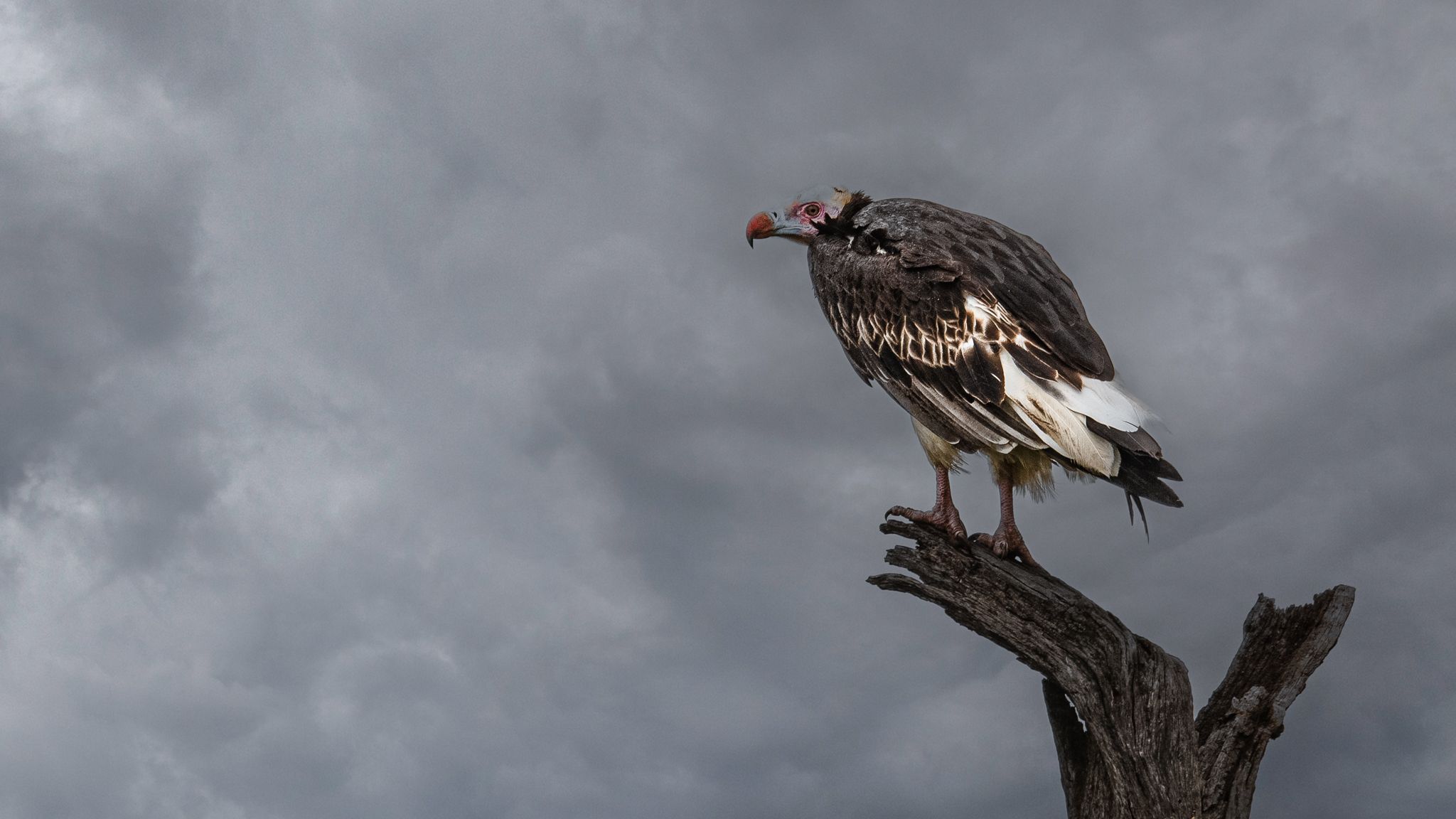
Thank you for sharing your beautiful images with us, Len. Regarding feedback, let’s start with the White-headed Vulture: It is as sharp as possible, and you perfectly captured the detail in all the different-coloured feathers. Unfortunately, the available natural light was an issue for you, which we sometimes struggle with. The Vulture is…Read More

-

Hi Bruna. Thank you for the guidance, greatly appreciated. I took the shot into Photoshop and replaced the sky, worked on the areas indicated, changed the crop, placed a bit of light in the eye. Tiltled – Lonely sky.

-
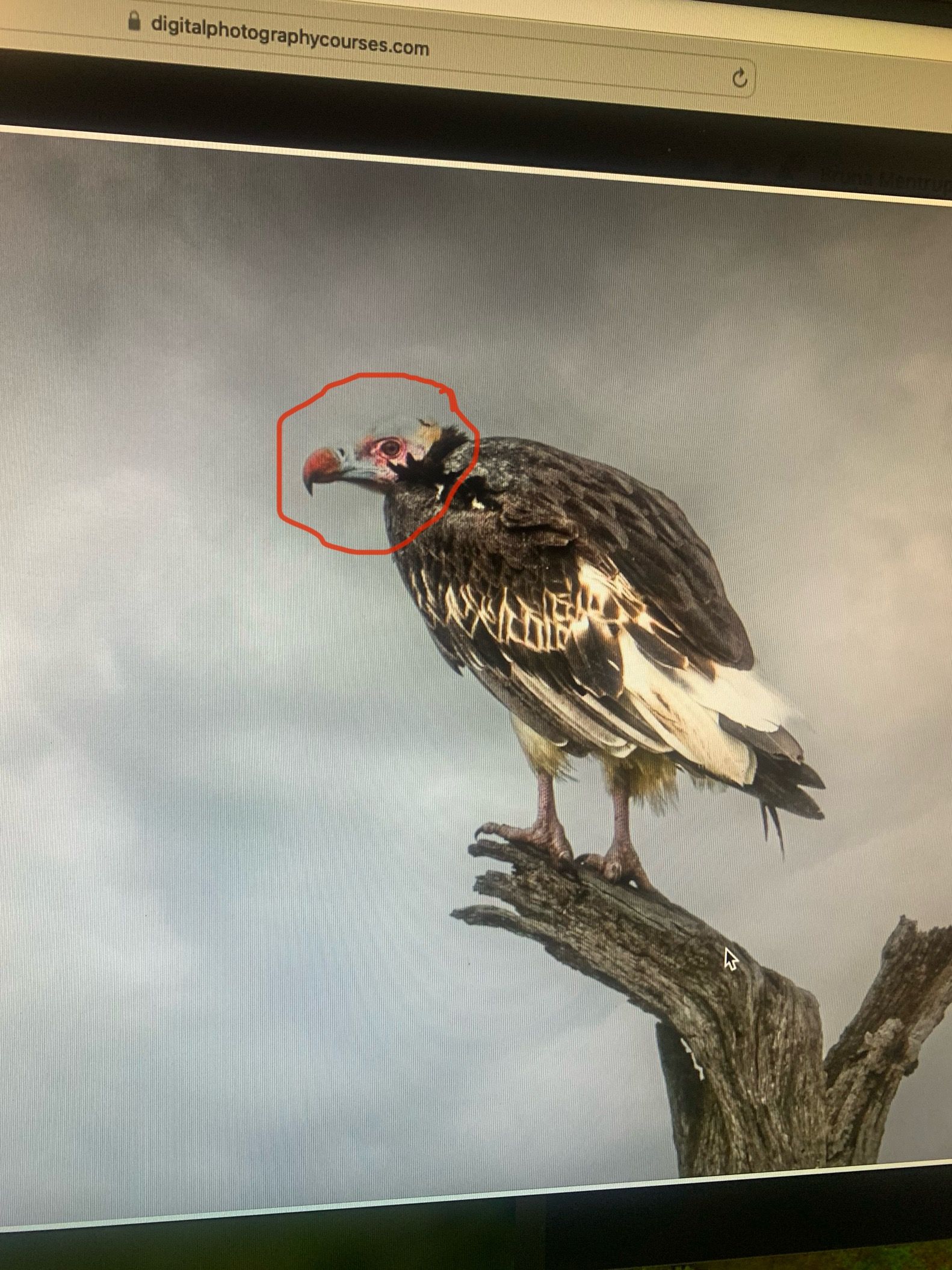
Len, this image works much better. However, with birds, you need to keep a close eye on the different colours of the feathers. Some of the colours are spilling over to the background. I will add your image (cellphone) again to show you where to look and a photo of a White-headed Vulture to demonstrate the difference. Unfortunately, the platform…Read More

-
White-headed Vulture

-
Thank you – I know what i did wrong.
-
-
-
-
-
I am all ears….
Kruger National Park. Dec 2023
Canon 5 D Mark III.
150 to 600 mm lens 5 Comments
-
This is an awesome shot!!
-
Hi Len, what f/stop did you use to capture this image?
-
F5,6 ISO400 at 195mm. 1/250sec. Light was bad but I had also got lazy as it was late in the day and let myself down.
-
Thank you, Len. The problem you were having here involves your 160-600mm lens. Follow our weekly discussion about the Pros and Cons of long telephoto lenses.
-
Will Do, Thank you Bruna.
-
-
-
-
-
Blended
Kruger National Park. Dec 2023
Canon 5 D Mark III.
150 to 600 mm lens liked this
2 Comments
liked this
2 Comments-
Beautiful composition. Len Exposure is spot on, Sharp where it matters most, and beautifully broken towards the background. Well done; keep up the good work.
-
Need to do more work – between the legs does not look good. Thank you for the guidance and your time, grateful.
-
-
-
-
Tell me, whose watching…..
Kruger National Park. Dec 2023
Canon 5 D Mark III.
150 to 600 mm lens
 liked this
-
Just popping in.
Kruger National Park. Dec 2023
Canon 5 D Mark III.
150 to 600 mm lens liked this
- Load More Posts





Wow, John! What an awesome photo!!