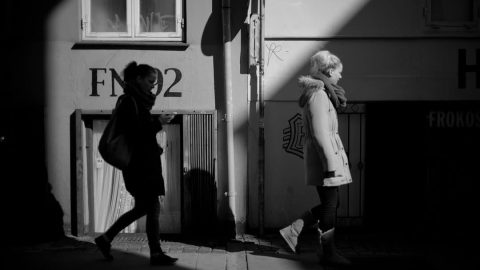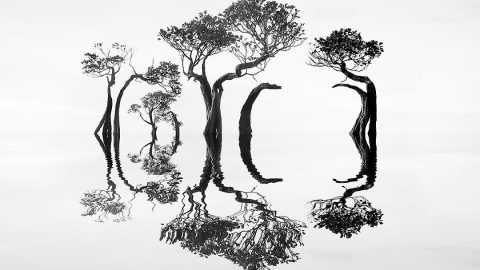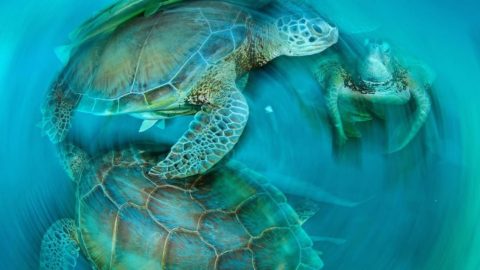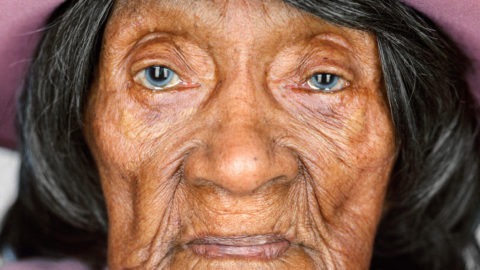
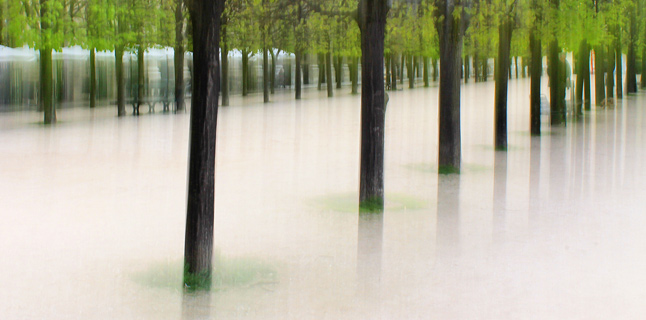
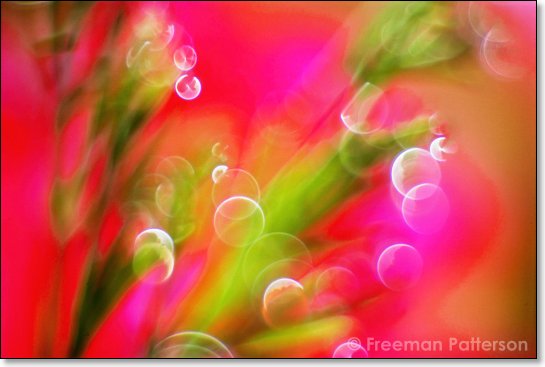
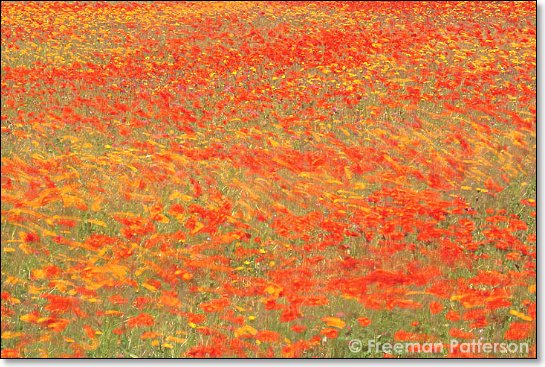
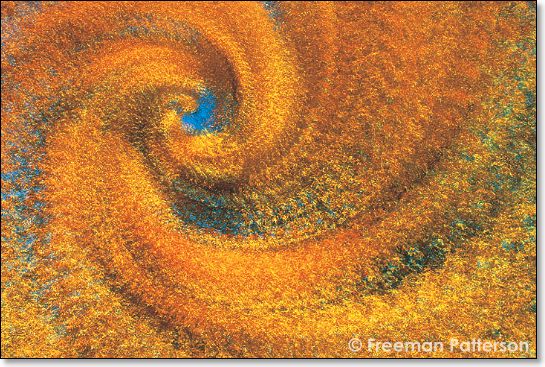
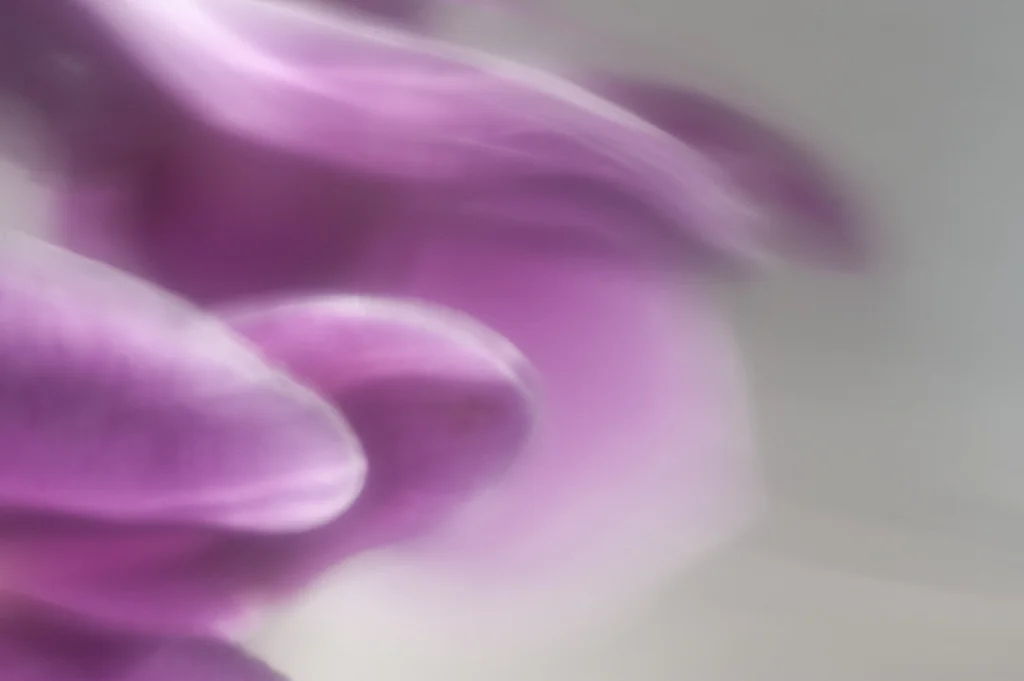
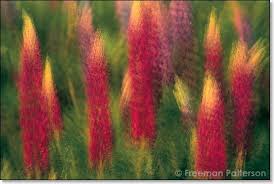
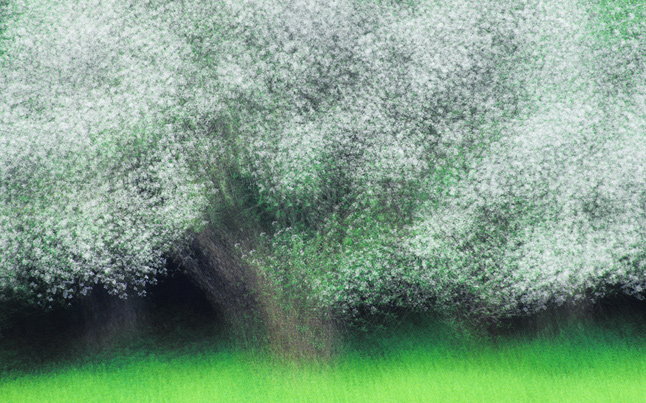
Freeman Patterson was born in Long Reach, New Brunswick, Canada, in 1937 and earned a Master of Divinity from Columbia University in 1962, where his thesis explored photography as religious expression. He began working actively in photography during the 1960s with assignments for the National Film Board of Canada and established workshops at his Shamper’s Bluff property in 1973 after returning to New Brunswick. Over a career spanning more than 50 years, Patterson has authored influential books such as Photography and the Art of Seeing in 1979 and held a major retrospective exhibition titled Embracing Creation in 2013. He donated his 200-acre Shamper’s Bluff farm to the Nature Conservancy of Canada in 1997 as an ecological reserve. Patterson co-founded photographic workshops in southern Africa in 1984 and has taught visual design globally. His images are recognised for fluid abstracts created through motion and contemplative captures that highlight natural forms.
- Primary Genres: Nature, Abstract, Fine Art.
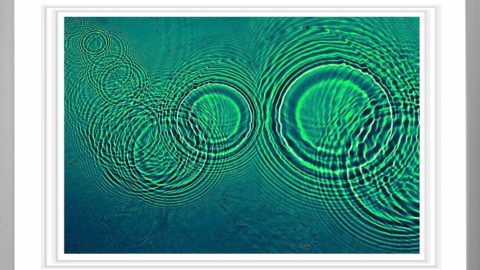
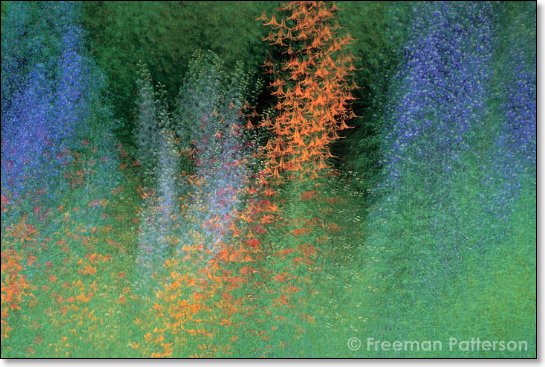
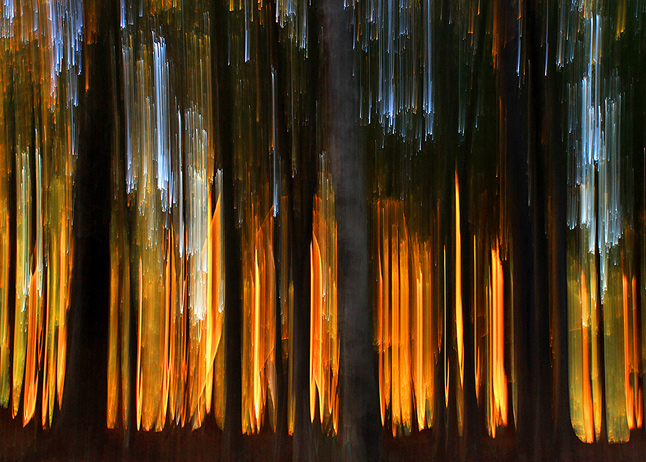
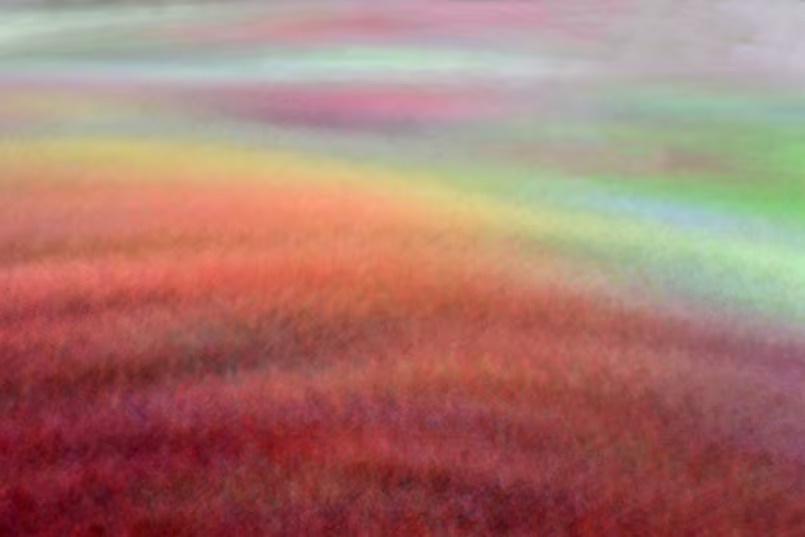
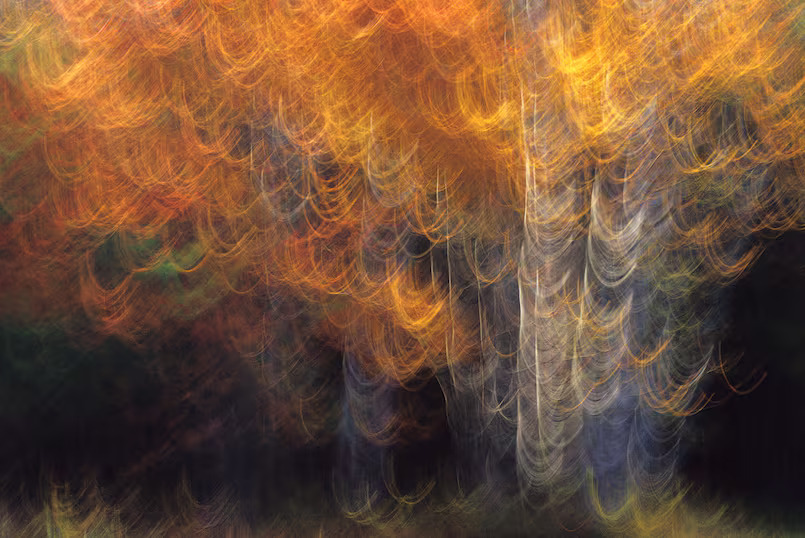
- Primary Photography Styles: Impressionism (abstract, fluid, employing intentional camera movement for painterly blur); Straight Photography (naturalistic, contemplative, emphasising visual design elements like line and shape).
- Key Message: Patterson emphasises visual design and the art of seeing, fostering a deep environmental bond through imagery and teachings that transform the ordinary into profound. His work exposes the spiritual in nature, encouraging photographers to express emotions and perceptions creatively.
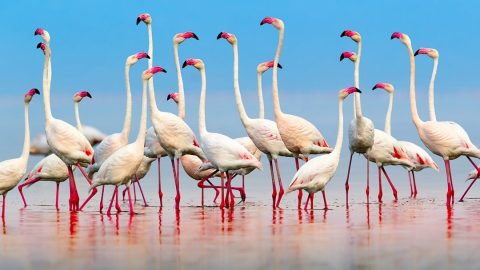
Freeman Patterson’s most common subjects include natural elements such as trees, flowers, grasses, and landscapes, often rendered as abstracts to evoke mood rather than literal detail. He focuses on aesthetics like soft colour palettes—earthy greens, purples, and yellows—and textures from blurred motion, such as rippled water or frosted leaves, to create a sense of flow and depth. Techniques centre on intentional camera movement (ICM) with slow shutter speeds, typically 1/2 to 2 seconds, using handheld digital cameras to introduce organic blur while composing with elements like leading lines or negative space. He prefers natural lighting from overcast days for even tones or golden hour for warmth, avoiding filters to maintain authenticity. In editing, Patterson applies subtle adjustments in software like Lightroom to enhance contrast and saturation without altering reality, prioritising emotional impact. Presentation includes books as visual essays, workshops for hands-on learning, and matte prints up to 20×24 inches for gallery displays or personal collections.
For intermediate learners, Patterson’s impressionistic style demonstrates the creative potential of analogue film’s slow speeds versus digital’s flexibility for ICM, where shutter priority mode allows precise control over motion blur without the zone system’s manual calculations for exposure. His straight approach teaches foundational composition through visual design principles like balance and rhythm, encouraging practice with simple setups—beginners can start with tripod-free handheld shots, while intermediates experiment with varying speeds to abstract familiar scenes. By integrating spirituality and environment, he blends technical capture with intent, showing how minimal gear fosters observation over reliance on post-processing. Patterson’s methods evolved from film to digital, enabling global teaching while maintaining a focus on personal expression; his workshops emphasise seeing beyond the obvious, offering practical insights into using light and movement for narrative depth in nature photography.
- Accolades:
- Member of the Order of Canada (1985)
- Order of New Brunswick (2013)
- Progress Medal from the Photographic Society of America (1990)
- Lifetime Achievement Award from the North American Nature Photography Association (2001)
- Trivia:
- Donated his 200-acre Shamper’s Bluff property to the Nature Conservancy of Canada in 1997 for conservation.
- Began photography seriously after theology studies, with his first roll shot during undergraduate travels.
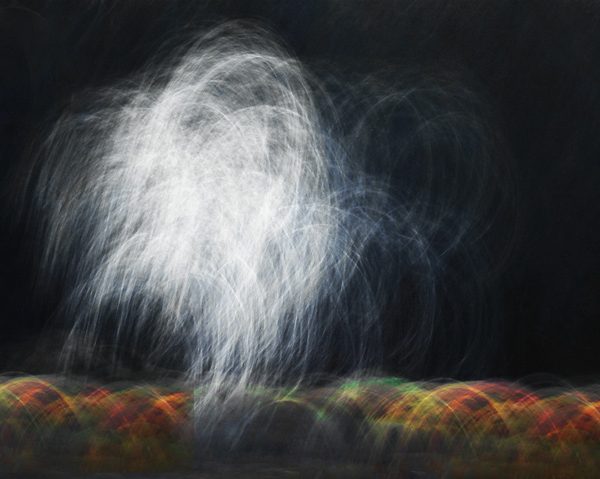
Lessons from this Photographer:
Patterson’s unique emphasis on visual design teaches photographers to observe and feel before shooting, encouraging experimentation with ICM at slow shutters to create abstract expressions from natural subjects. His process inspires mindset shifts towards transforming ordinary scenes into emotional narratives, applying techniques like handheld motion for fluid compositions that beginners can practice in local environments. By prioritising minimal editing, he promotes deeper appreciation of in-camera decisions, urging intermediates to use light and form for storytelling that fosters environmental connection.
Website and Portfolio:
-
- Website: https://www.freemanpatterson.com
YouTube References:
- “Freeman Patterson | Nov 12, 2013 | Appel Salon” by Toronto Public Library – https://www.youtube.com/watch?v=DEERYG5Uz7g
Citations:
- The Canadian Encyclopedia: https://thecanadianencyclopedia.ca/en/article/freeman-wilford-patterson
- Governor General of Canada Honours: https://www.gg.ca/en/honours/recipients/146-13476
- Sheila Hugh Mackay Foundation: https://sheilahughmackay.ca/2010/12/07/1997-freeman-patterson/
- CBC News Article: https://www.cbc.ca/news/canada/new-brunswick/photos-freeman-patterson-south-africa-1.6934369