
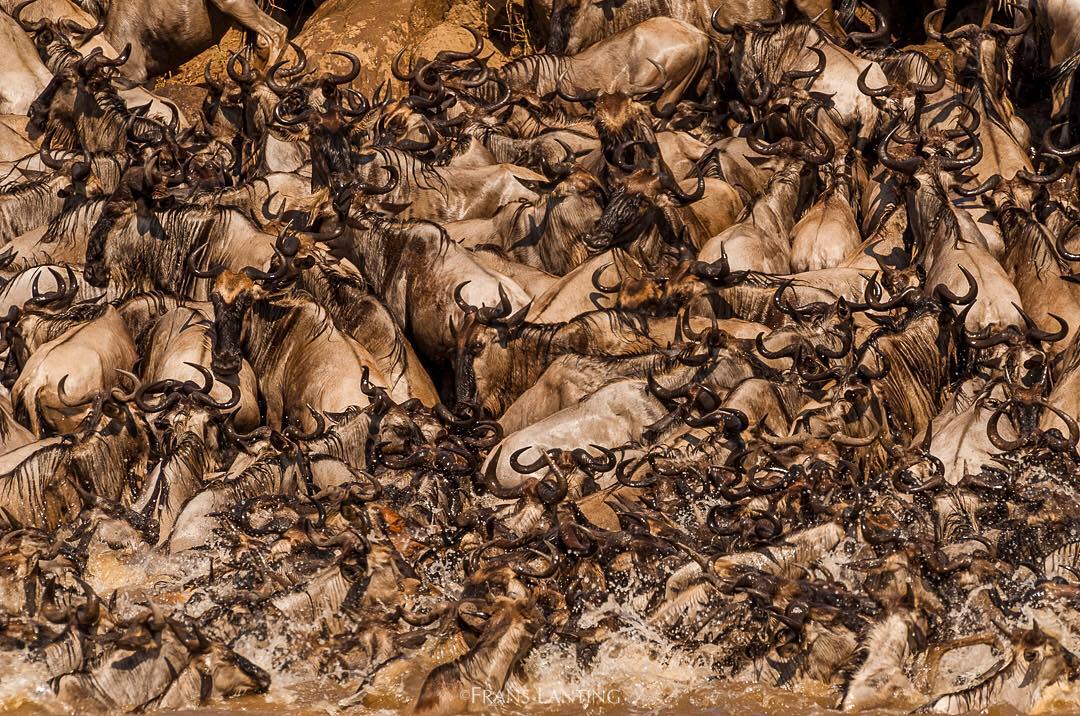
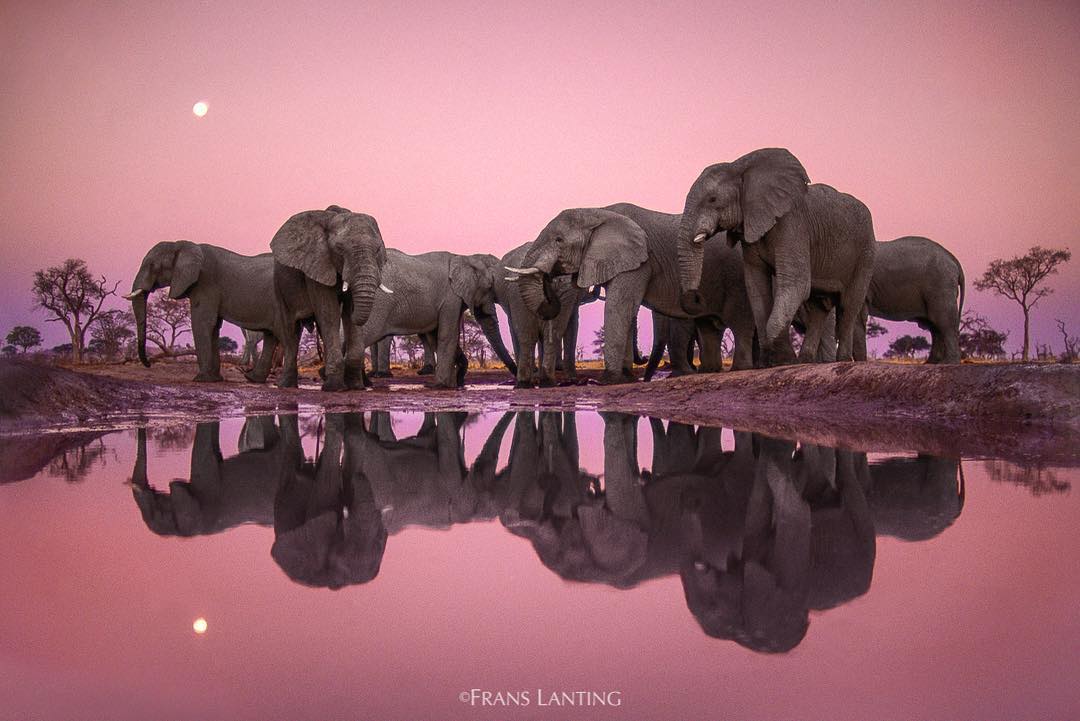
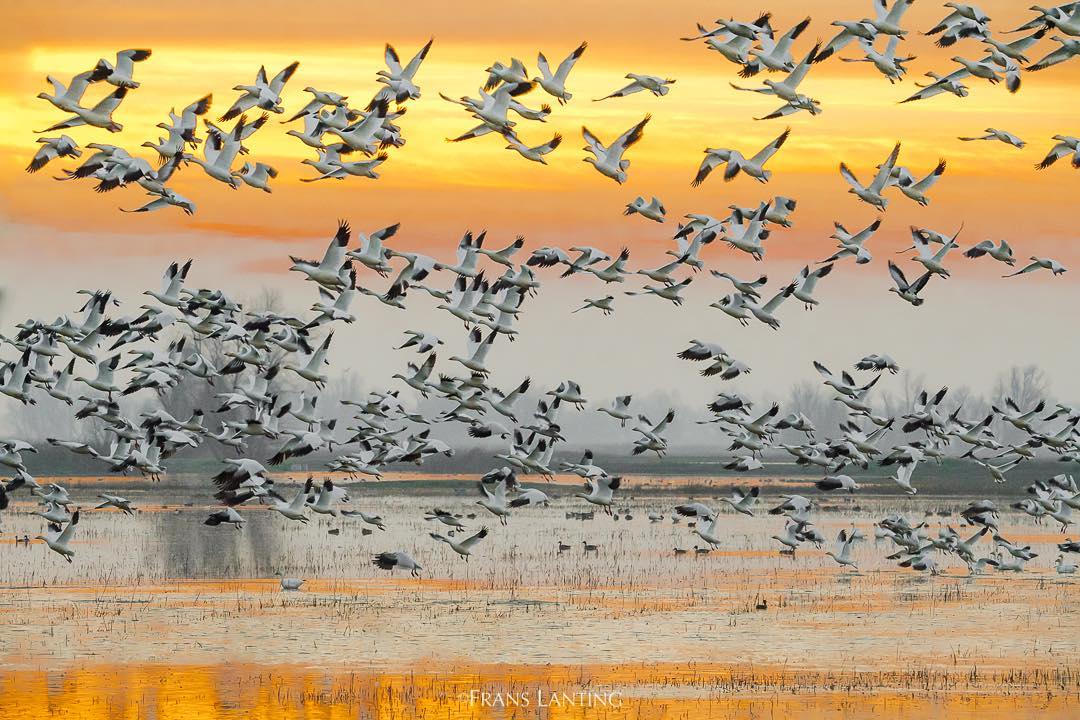
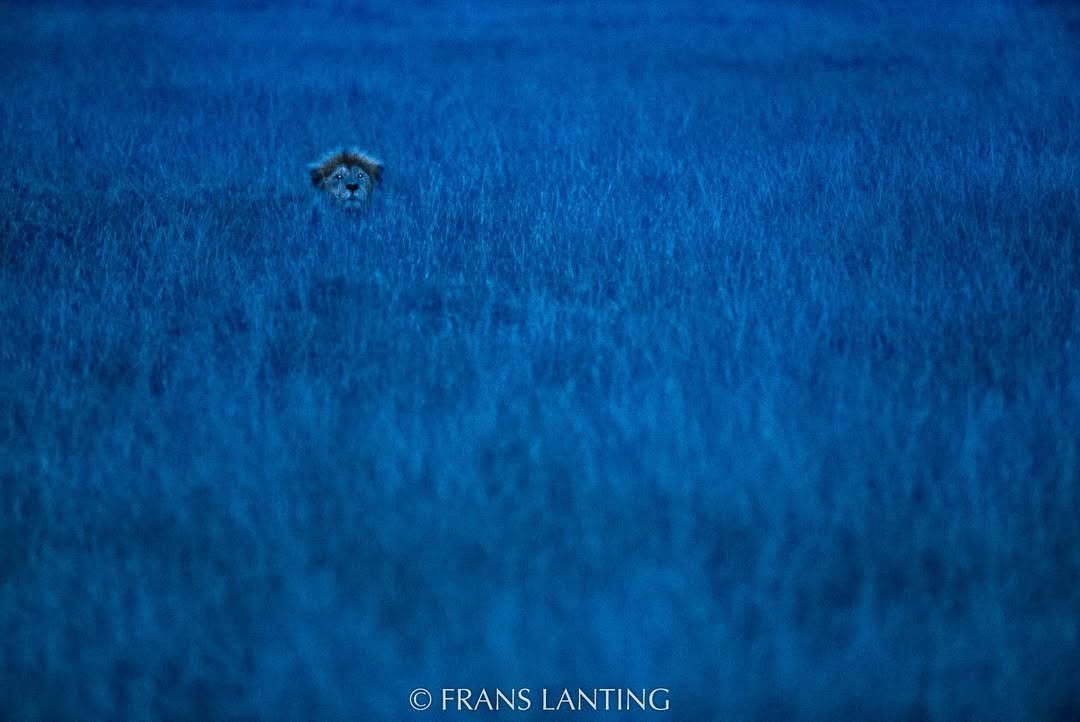
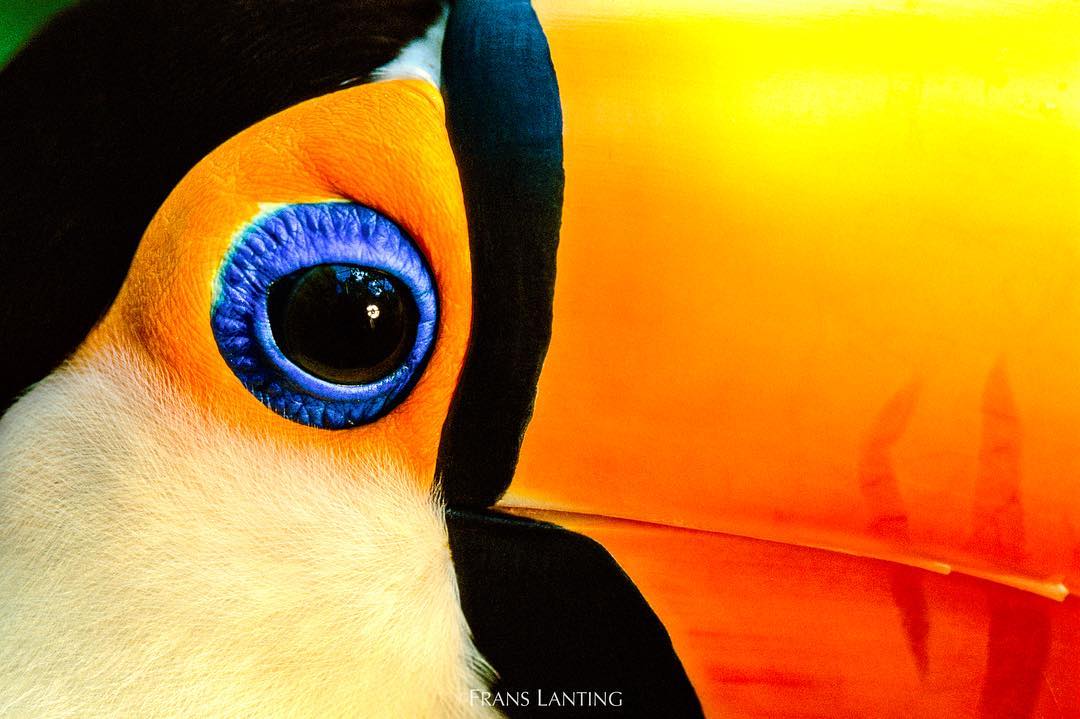
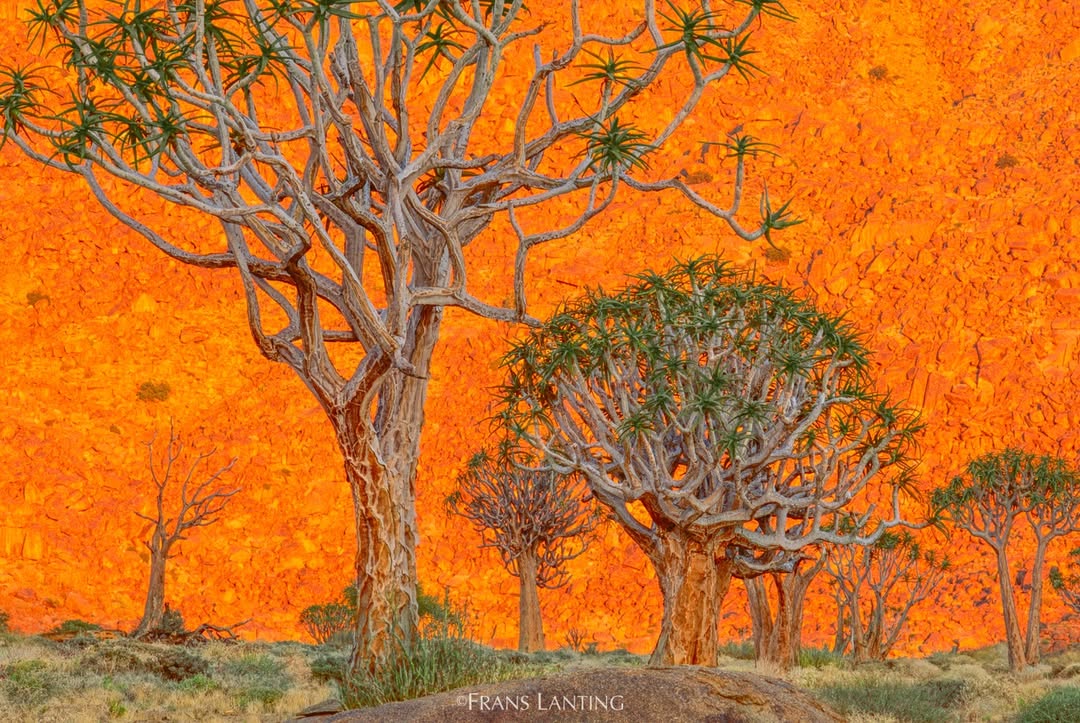
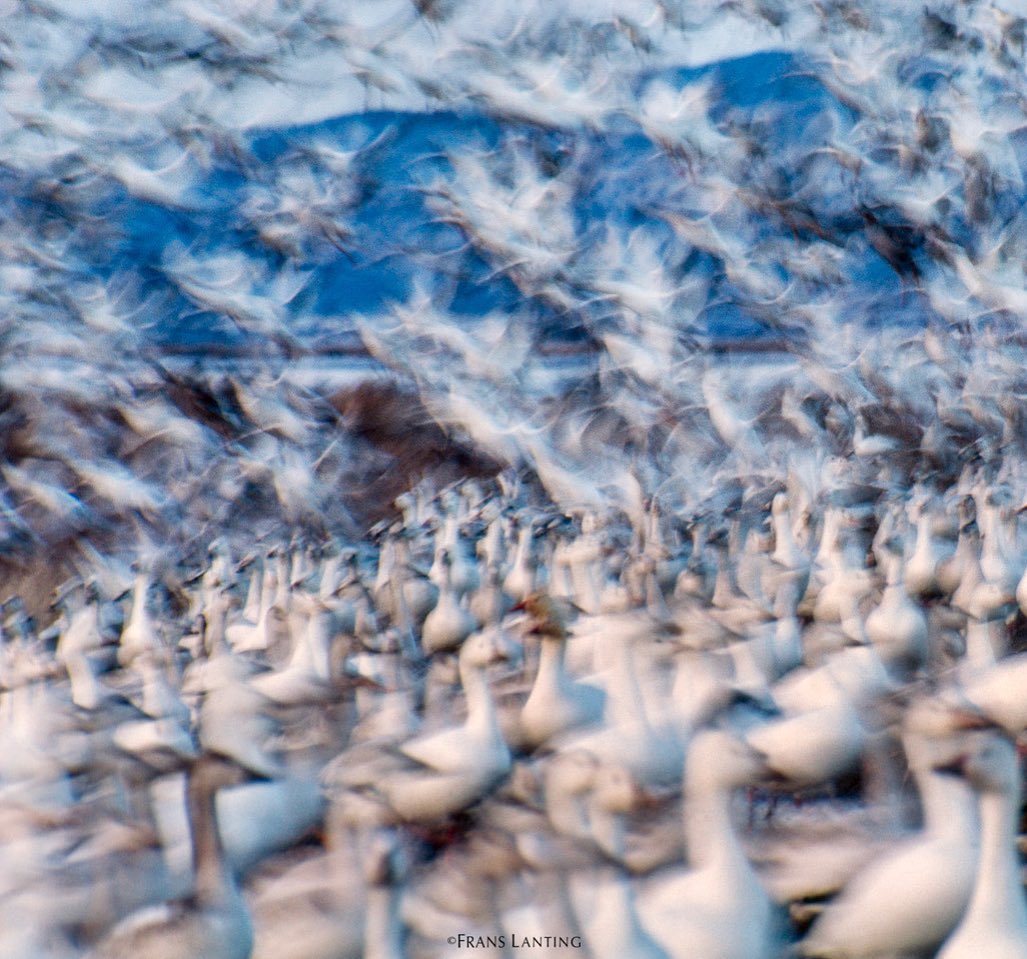
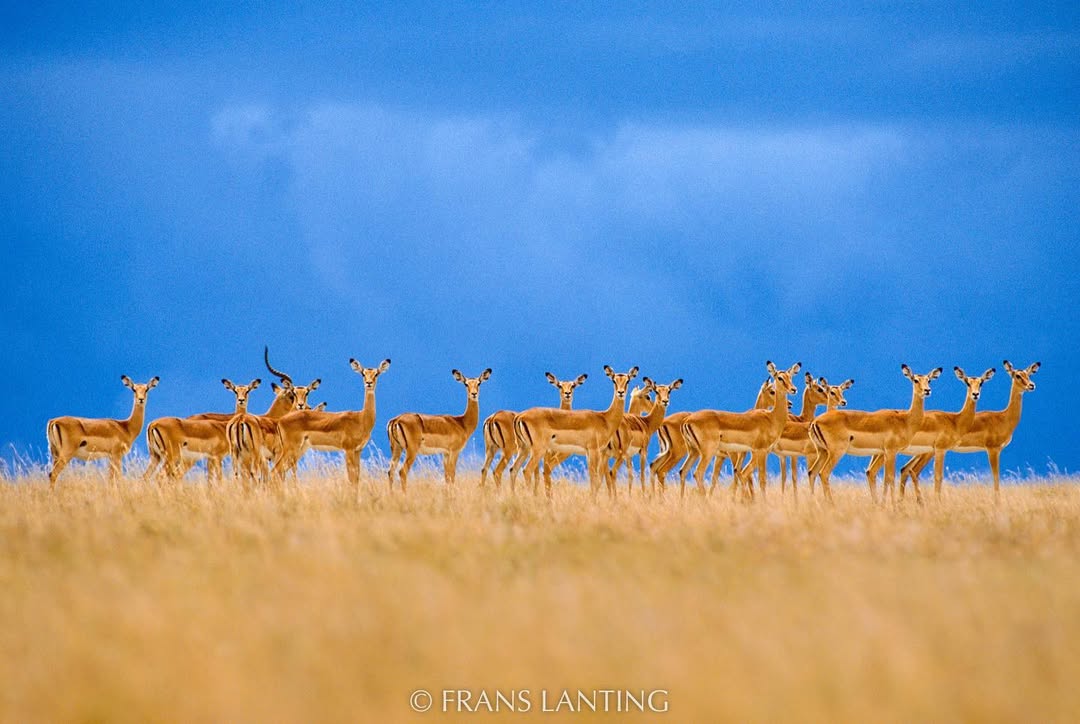
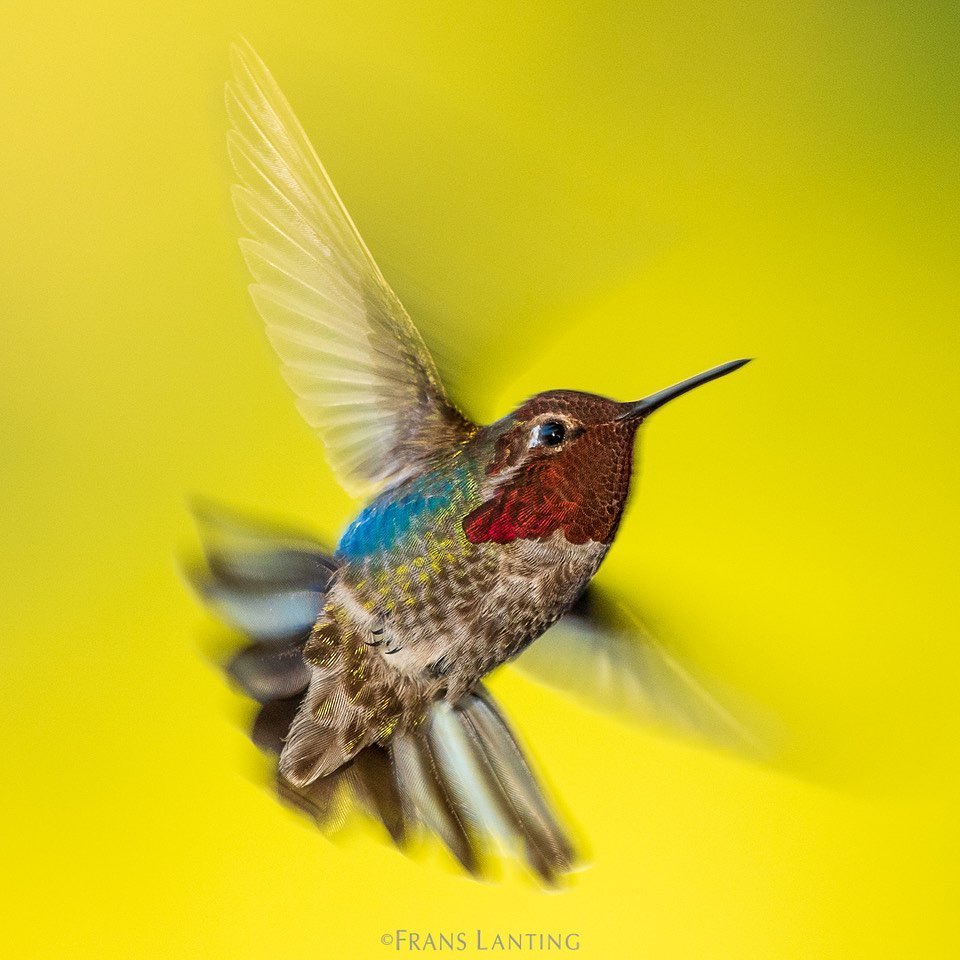
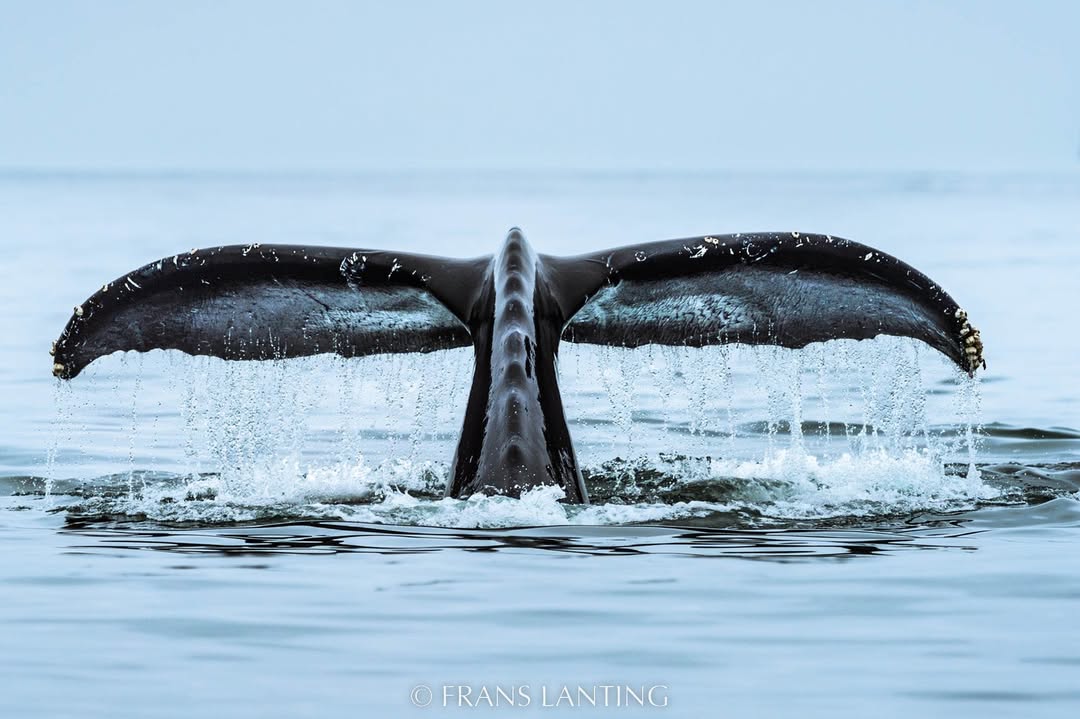
Frans Lanting was born in Rotterdam, Netherlands, on 13 July 1951 and earned a master’s degree in economics from Erasmus University before moving to the United States in the early 1980s to study environmental planning at the University of California, Santa Cruz. He began his photography career as a self-taught enthusiast, shifting focus to wildlife in the 1980s. Lanting became a National Geographic photographer-in-residence, contributing numerous stories and covers over 40 years. Key milestones include his 1990 book Madagascar: A World Out of Time, the 1997 Eye to Eye collection of intimate animal portraits, and the 2006 LIFE: A Journey Through Time project. Now based in Santa Cruz, he collaborates with his wife, Chris Eckstrom, on fieldwork and publications. His images stand out for vibrant colours that capture natural textures and intimate close-ups that reveal animal behaviours.
- Primary Genres: Wildlife, Documentary.
- Primary Photography Styles: Documentary (intimate, detailed, focusing on authentic behaviours and habitats); Fine Art (conservation-focused, vivid, using artistic composition to highlight environmental themes).
- Key Message: Lanting promotes nature’s wonder and preservation, capturing wildlife’s intimacy and habitats’ grandeur to inspire care and awe. His photographs aim to connect viewers emotionally with the natural world, fostering conservation through visual storytelling.
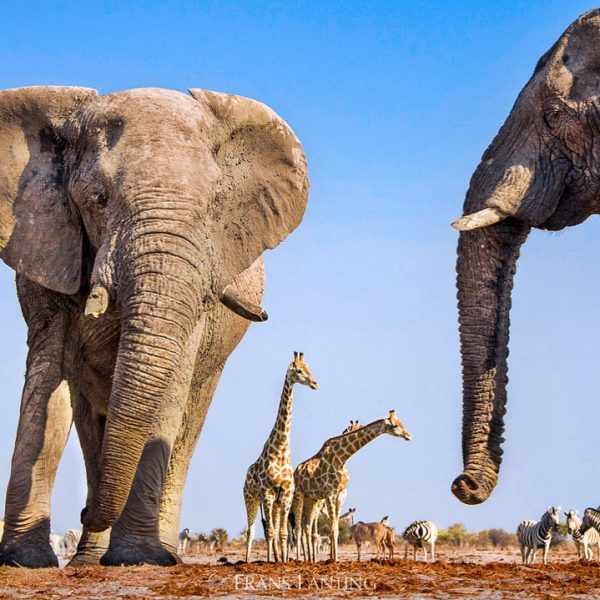
Frans Lanting’s most common subjects are animals in their natural environments, from African elephants and lions to Antarctic penguins and Amazonian birds, often emphasizing endangered species or ecosystems. He prioritises aesthetics like texture—feathers, fur, or leaf patterns—and colour vibrancy, such as lush greens in jungles or fiery oranges in savannas, to convey life and urgency. Techniques include using telephoto lenses (e.g., 600mm) for close details without disturbance, shooting from hides or by creeping close, and relying on natural light like dawn fog or midday sun with tripods for stability, avoiding flash to maintain authenticity. In editing, he applies Lightroom for subtle adjustments to contrast and vibrancy, deepening blacks or warming tones while keeping changes minimal. Presentation features books like Into Africa (2017), large prints up to 40×60 inches, exhibitions such as at the Smithsonian, and multimedia projects to reach broad audiences.
For intermediate learners, Tonelli’s style illustrates a digital workflow’s advantages over film, allowing real-time adjustments for exposure and white balance to achieve high dynamic range without film’s development constraints. His minimalism teaches composition basics like the rule of thirds and negative space, using simple setups to direct viewer attention—beginners can practice this with a DSLR and basic lights, while intermediates might experiment with tethering to preview edits on a computer. Drawing from straight photography principles, he avoids heavy staging, focusing on authentic capture that intermediates can apply by styling subjects themselves, much like food preparation influences shot setup. Tonelli’s career evolution from chef to photographer underscores the value of interdisciplinary skills; his culinary expertise informs lighting choices, such as soft diffusion to mimic restaurant ambiance, offering lessons in adapting professional backgrounds to visual storytelling in a digital era.
- Accolades:
- BBC Wildlife Photographer of the Year (1991)
- Ansel Adams Award for Conservation Photography (1997)
- Lennart Nilsson Award (2005)
- Lifetime Achievement Award, Wildlife Photographer of the Year (2018)
- Trivia:
- Knighted as a Knight in the Royal Order of the Golden Ark by Prince Bernhard in 2001 for conservation efforts.
- Collaborates closely with his wife, Chris Eckstrom, on videography and writing.
- Served as a National Geographic photographer-in-residence for decades.
Lessons from this Photographer:
Lanting’s unique blend of science and art teaches photographers to observe patiently, using hides and natural light to capture authentic behaviours without intrusion, which intermediates can apply by practising ethical approaches in local habitats. His emphasis on storytelling inspires shifting mindsets from mere snapshots to narrative series, experimenting with composition to evoke emotion and advocate for conservation. By minimising post-processing, he encourages in-camera decisions on exposure and framing, fostering experimentation with perspectives like eye-level shots for deeper viewer connection and craft appreciation.
Website:
-
- Website: https://lanting.com
- Instagram: https://www.instagram.com/franslanting/
YouTube References:
- “Frans Lanting: The Power of Story | B&H Bild Expo” by B&H Photo Video – https://www.youtube.com/watch?v=bpzQD4kSZFc
Citations:
- Wikipedia Entry: https://en.wikipedia.org/wiki/Frans_Lanting
- All About Photo Profile: https://www.all-about-photo.com/photographers/photographer/1838/frans-lanting
- The Photo Society Profile: https://thephotosociety.org/member/frans-lanting/
- Smithsonian Article: https://www.smithsonianmag.com/smithsonian-institution/wildlife-photographer-frans-lanting-difference-taking-pictures-making-photographs-180955551/