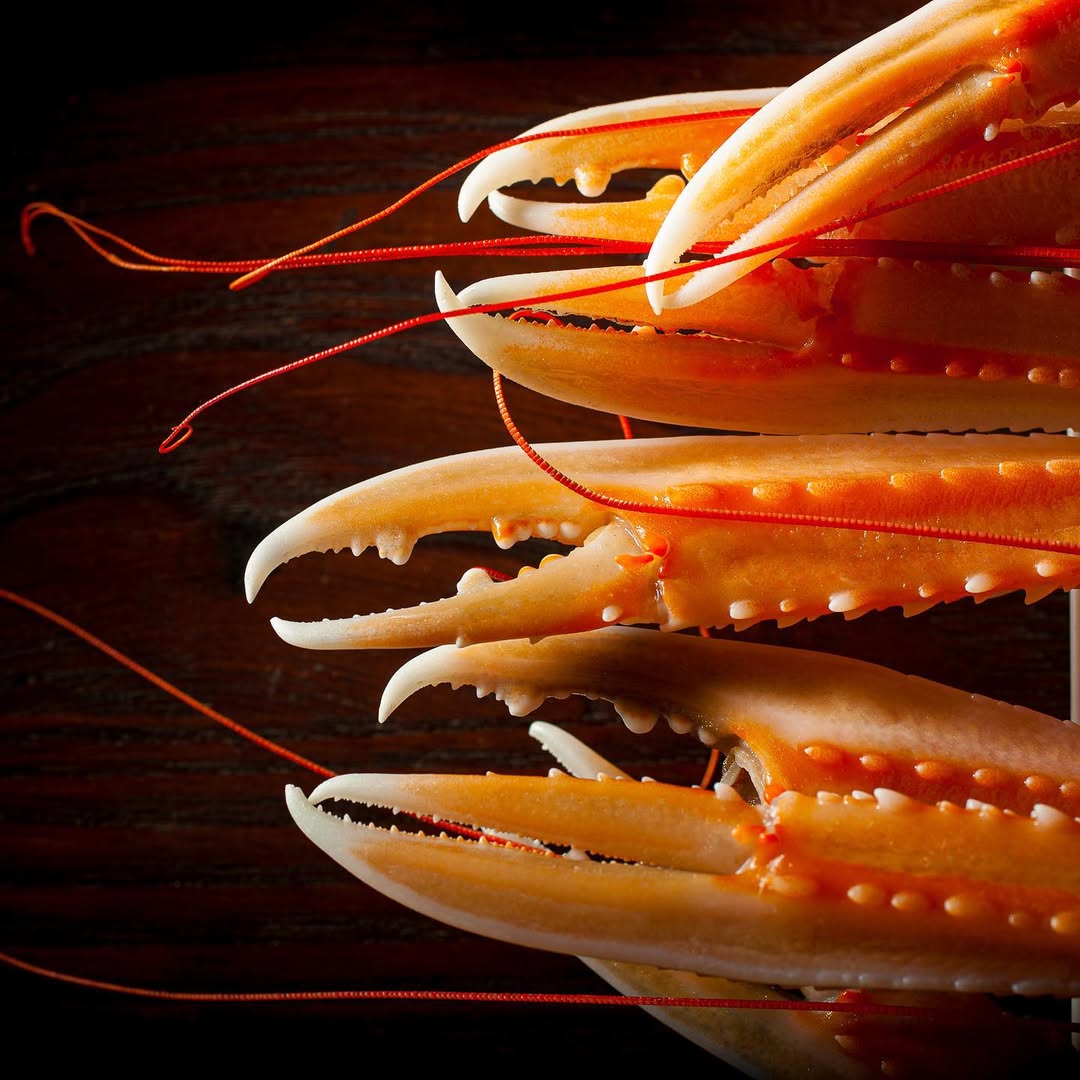
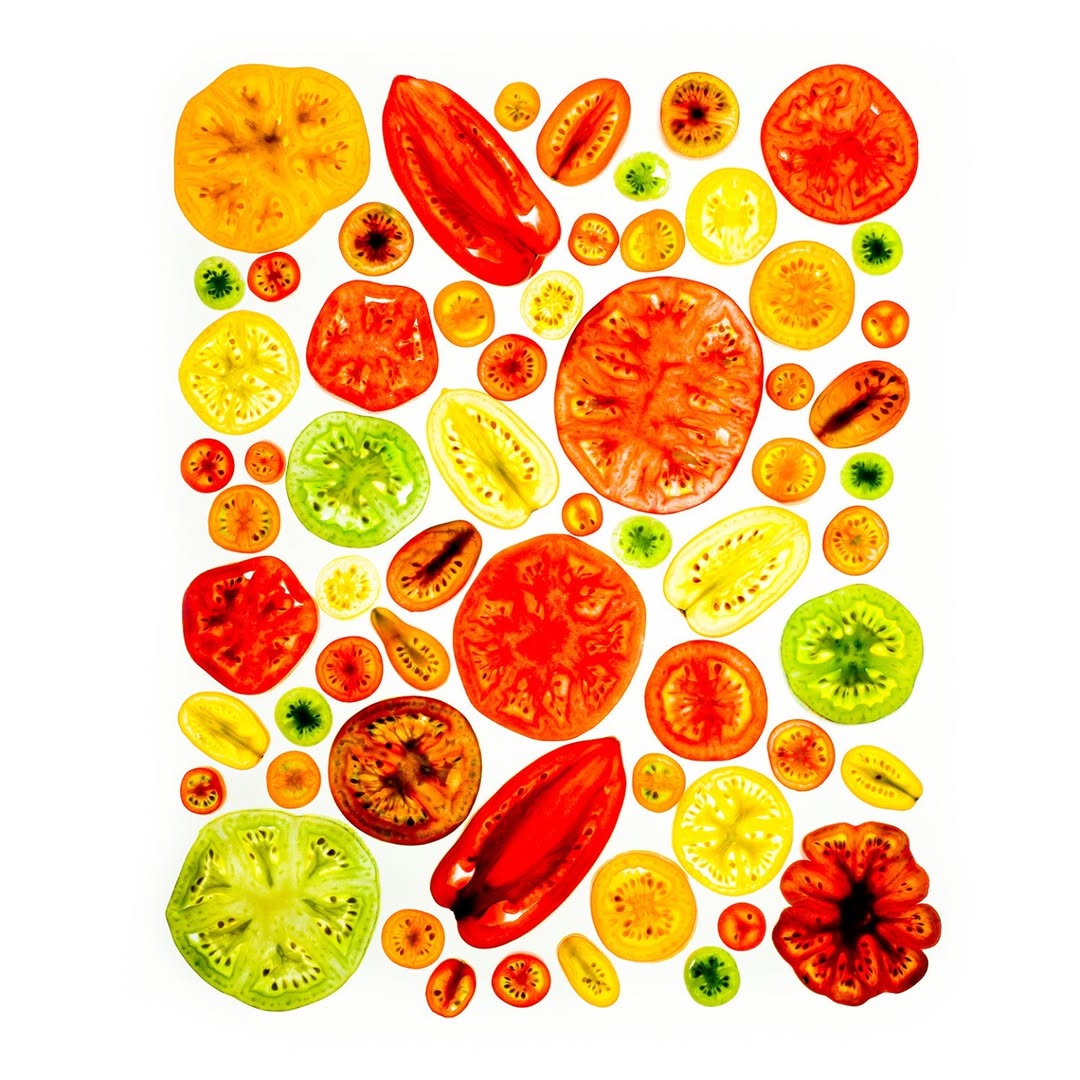
Francesco Tonelli was born in the Marche region of Italy and raised in Milan. He trained as a chef, working in kitchens across Italy, Switzerland, and France before opening his own restaurant in Italy in 1993. In 1997, he moved to the United States to become a professor of culinary arts at the Culinary Institute of America in Hyde Park, New York. While teaching, he began photographing dishes for lesson plans around 1998, fully committing to photography as a career by 2005 when he left his faculty position. Over his 30-year involvement in food, Tonelli has worked with clients including The New York Times, Chobani, Godiva, and Knorr. His images are known for clean compositions and vibrant colours that highlight food textures.
- Primary Genres: Food, Still life.
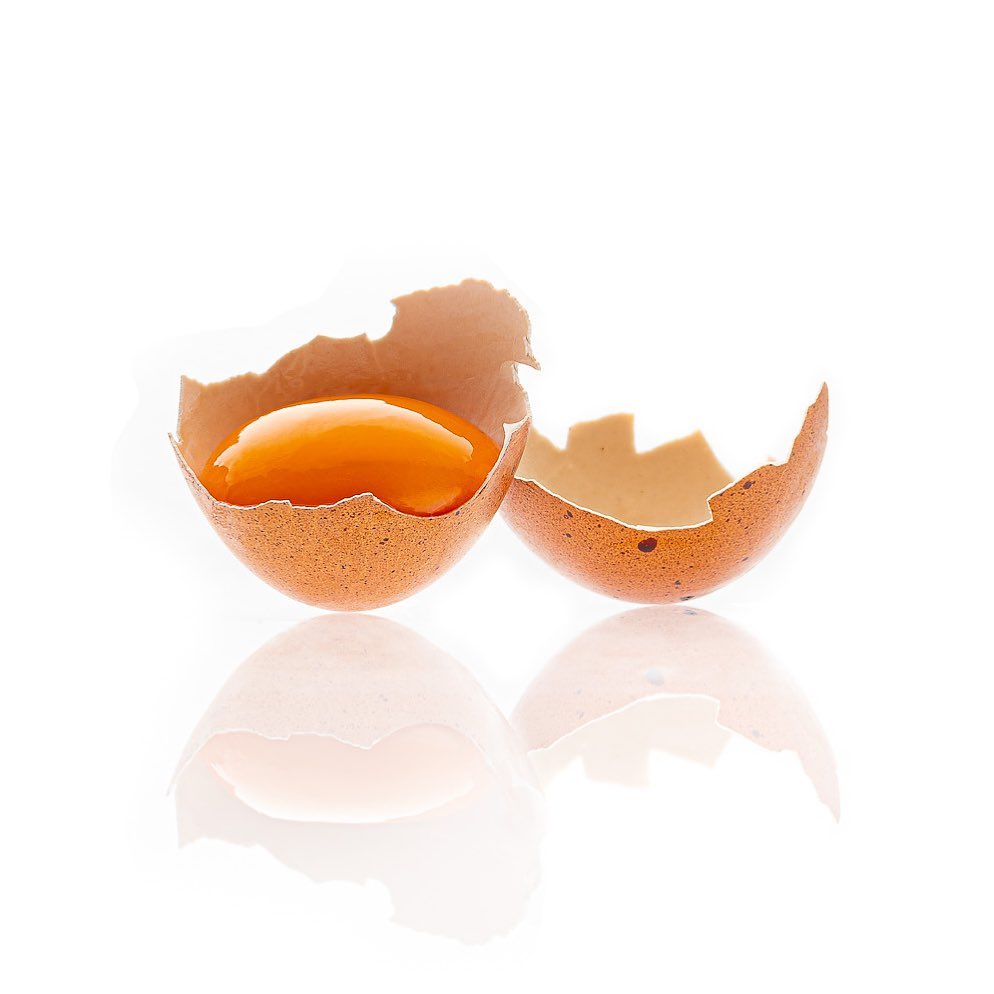
- Primary Photography Styles: Minimalism (naturalistic, clean, focusing on simplicity with few props); Straight Photography (high-contrast, appetising, emphasising authentic details for visual appeal).
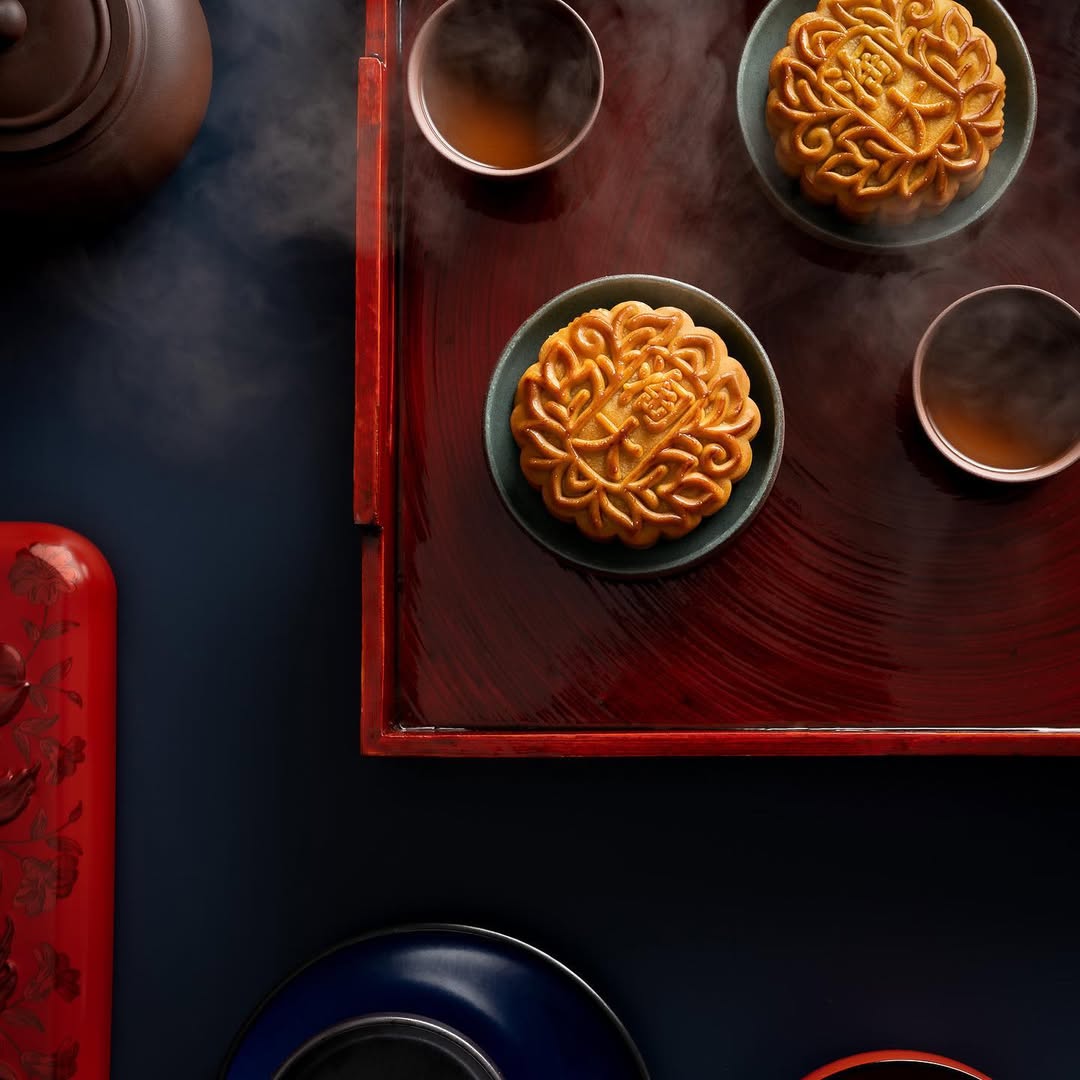
- Key Message: Tonelli captures food’s inherent beauty and elegance, presenting it authentically to stir sensory delight and connection. His work draws from his chef background to showcase dishes as they are meant to be experienced, blending technical precision with emotional resonance.
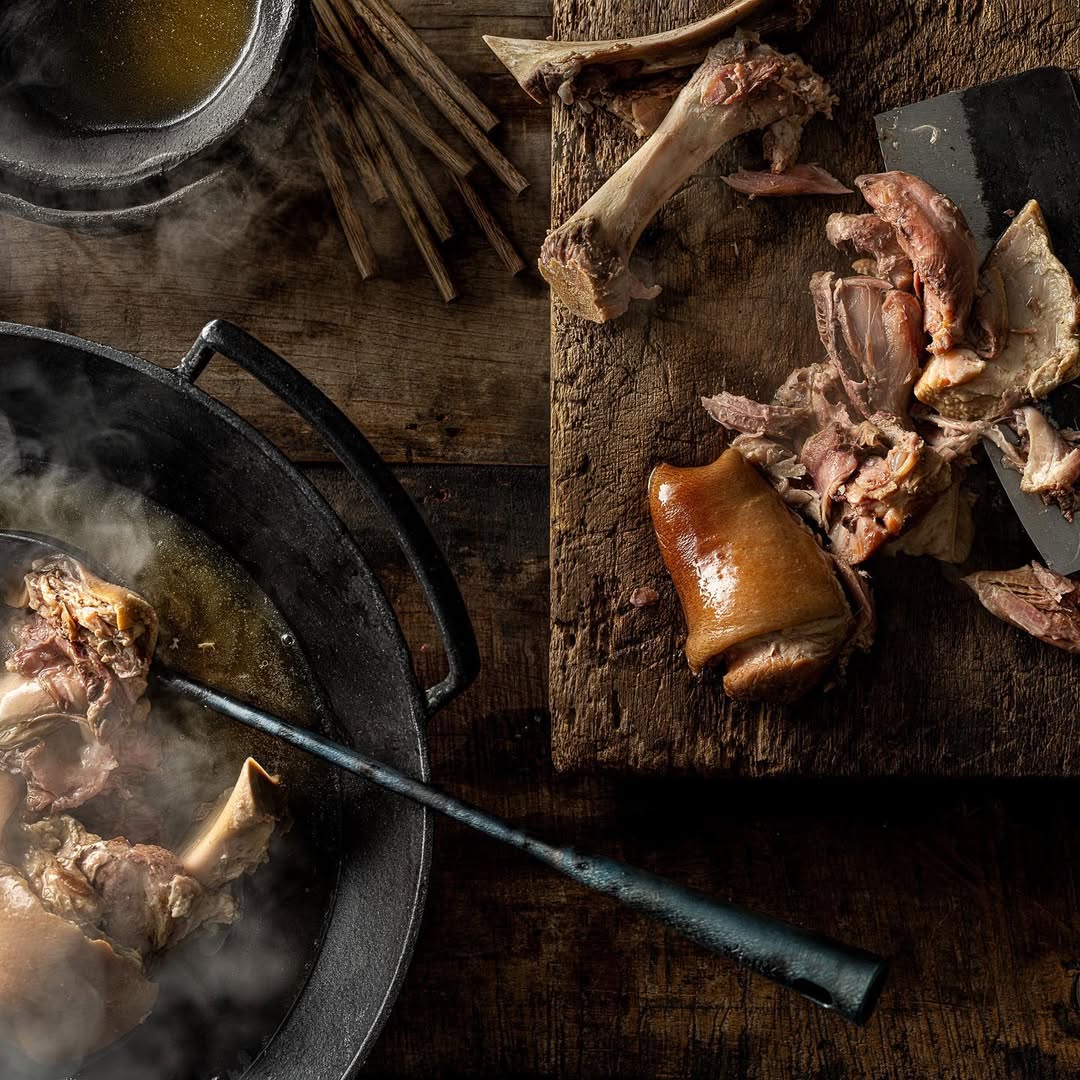
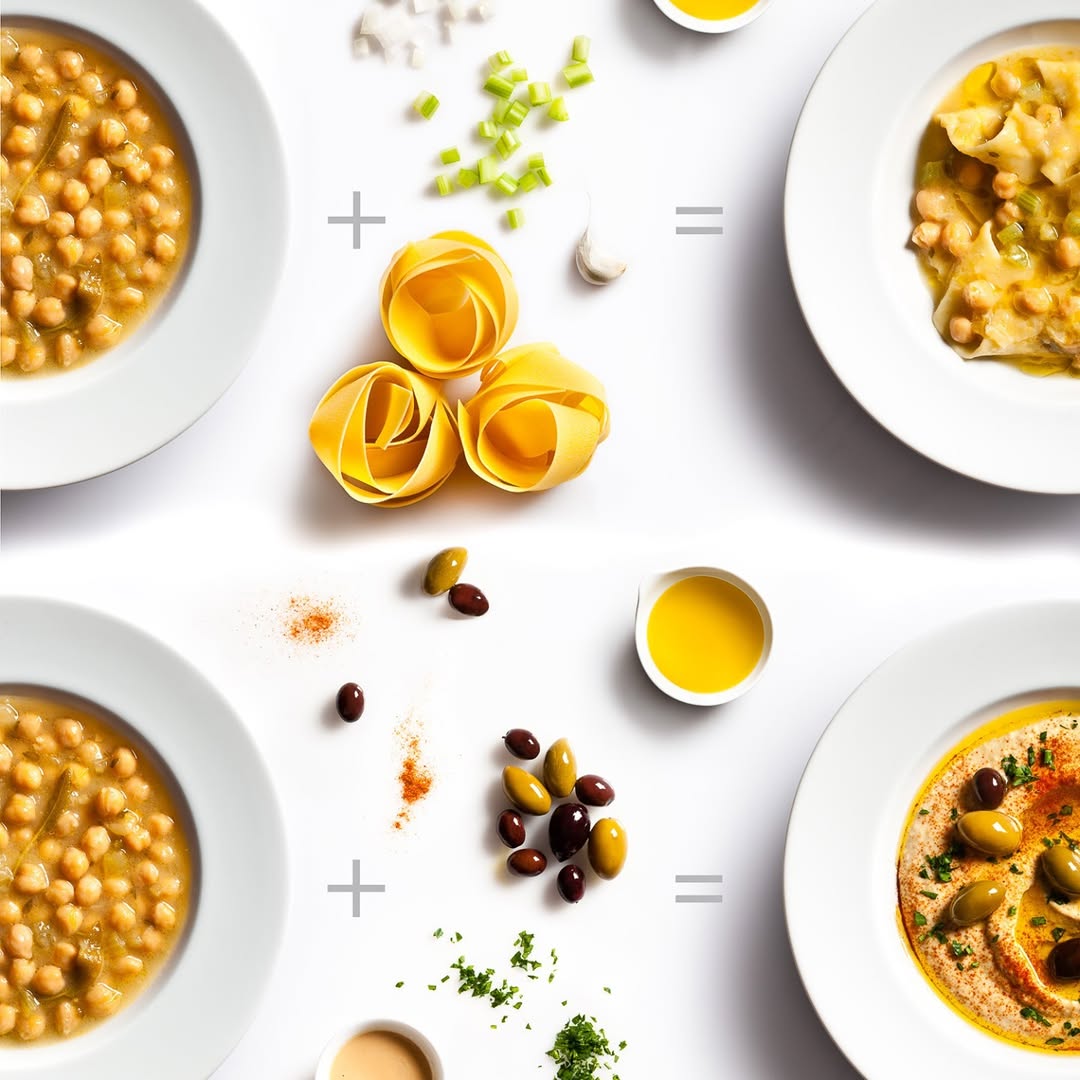
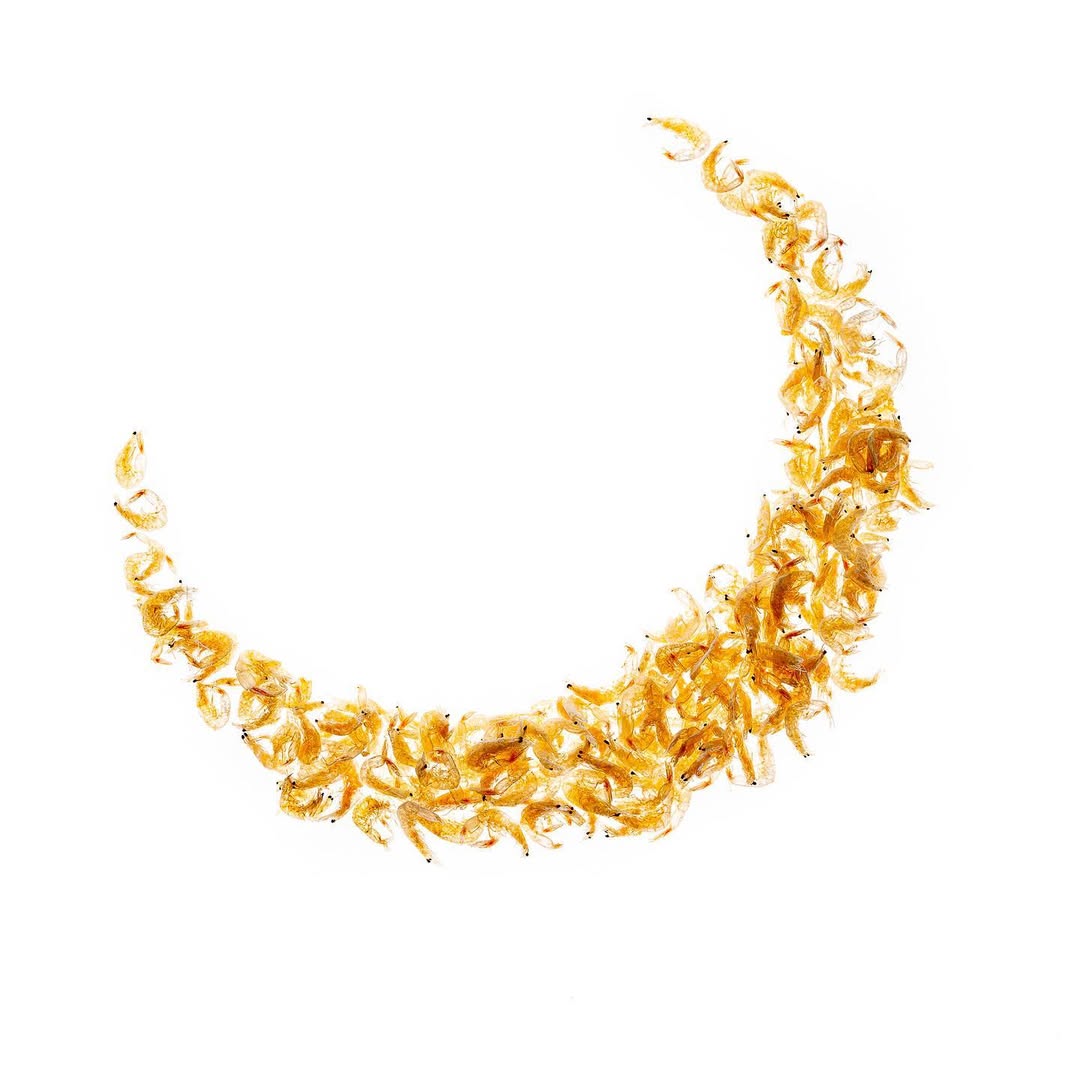
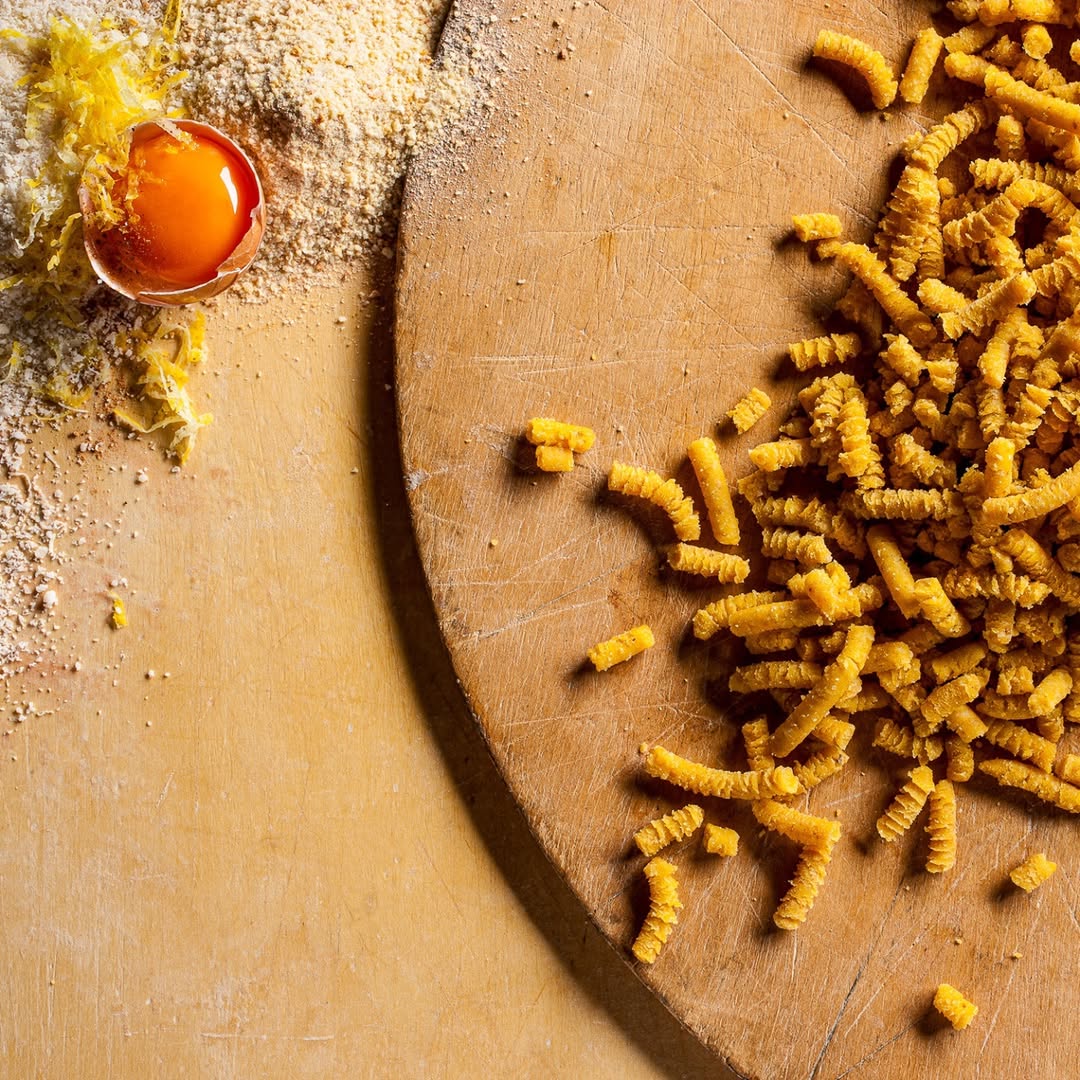
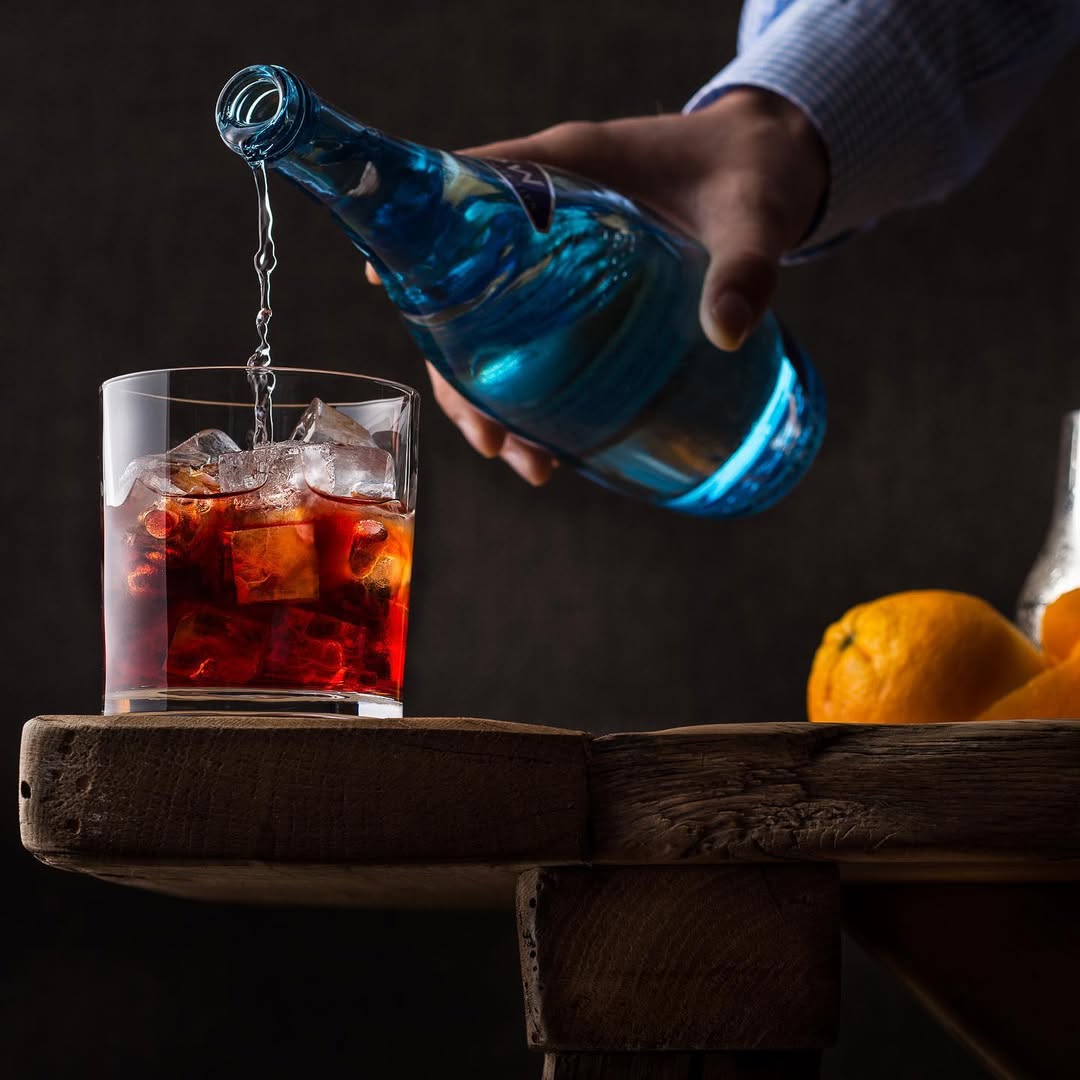
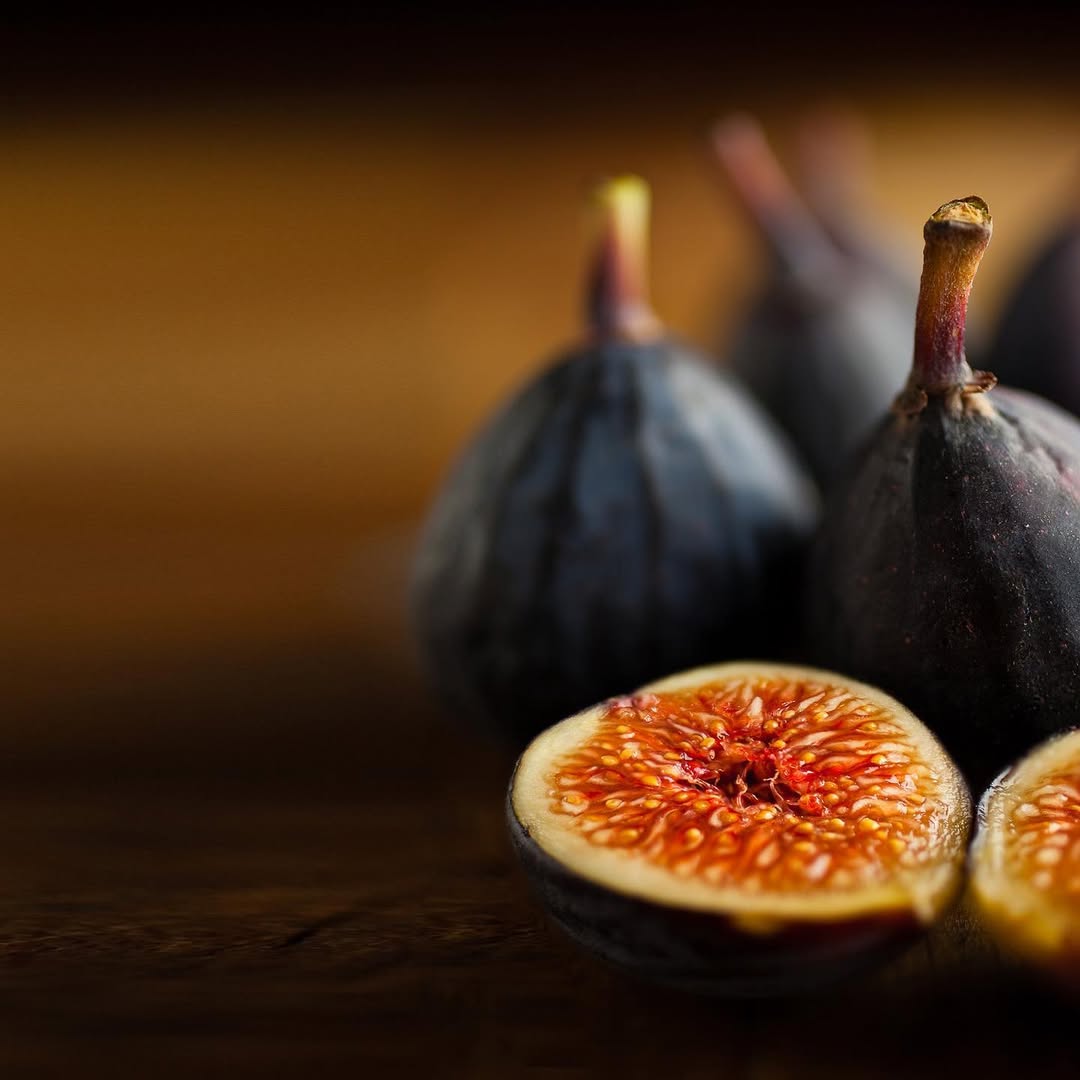
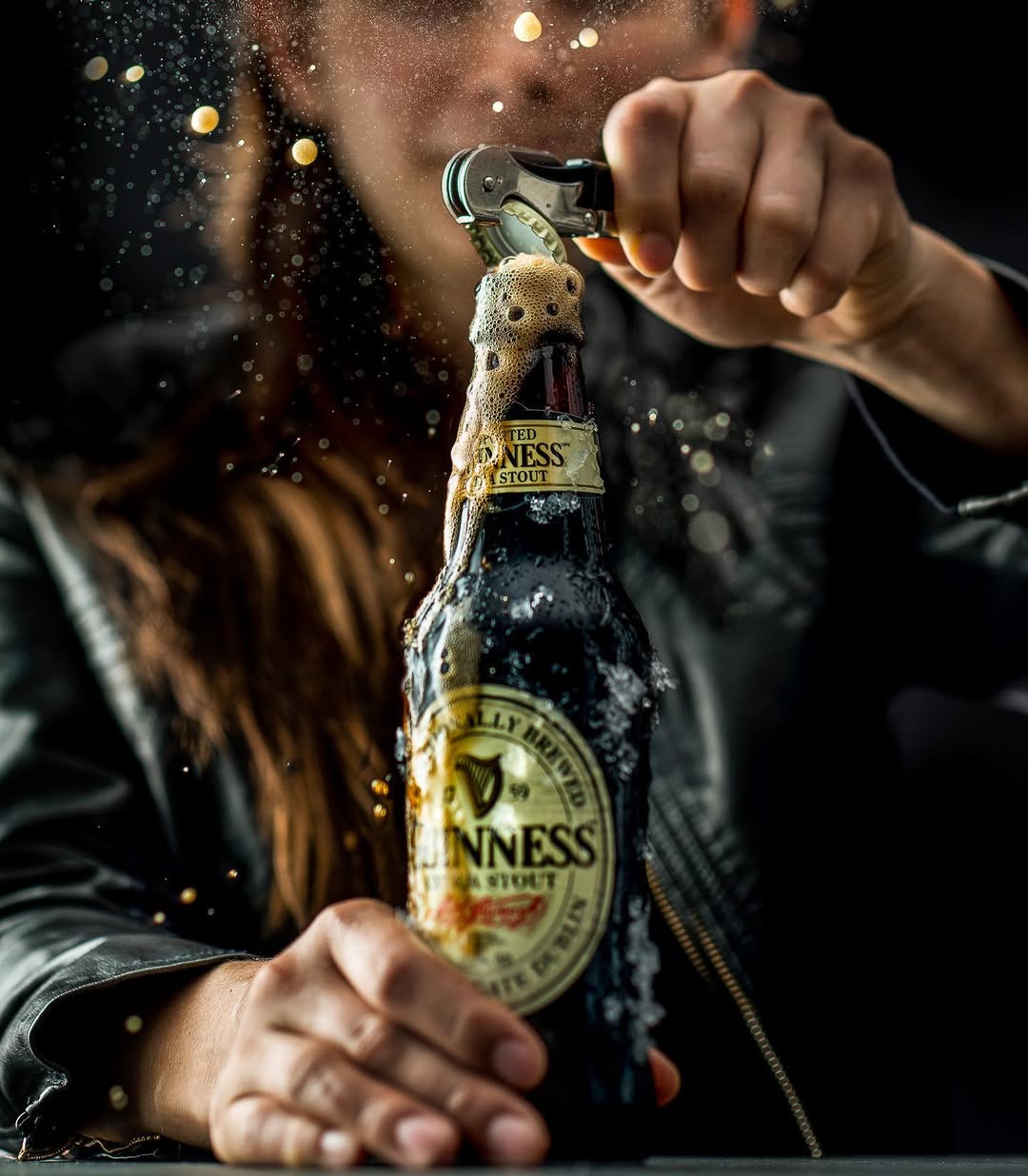
Francesco Tonelli’s most common subjects are prepared dishes, ingredients, and culinary scenes, often featuring fresh produce, baked goods, sauces, and plated meals from editorial and commercial assignments. He emphasises aesthetics like texture—crusty bread surfaces, glossy drips, or crisp vegetable edges—and colour vibrancy, such as rich reds in tomatoes or creamy whites in dairy, set against neutral backdrops like linen or slate for focus. Techniques include using digital cameras with macro lenses (e.g., 100mm) for close-up detail, shooting from overhead or angled perspectives to capture composition, and relying on natural light from north-facing windows or softbox diffusers for even illumination without harsh shadows. In editing, he uses software like Lightroom to enhance contrast, clarity, and saturation subtly, ensuring the food looks real and inviting rather than overly manipulated. Presentation spans magazine spreads in The New York Times, advertising campaigns, and fine art prints, with his studio work supporting a portfolio that highlights food’s narrative potential.
For intermediate learners, Tonelli’s style illustrates a digital workflow’s advantages over film, allowing real-time adjustments for exposure and white balance to achieve high dynamic range without film’s development constraints. His minimalism teaches composition basics like the rule of thirds and negative space, using simple setups to direct viewer attention—beginners can practice this with a DSLR and basic lights, while intermediates might experiment with tethering to preview edits on a computer. Drawing from straight photography principles, he avoids heavy staging, focusing on authentic capture that intermediates can apply by styling subjects themselves, much like food preparation influences shot setup. Tonelli’s career evolution from chef to photographer underscores the value of interdisciplinary skills; his culinary expertise informs lighting choices, such as soft diffusion to mimic restaurant ambiance, offering lessons in adapting professional backgrounds to visual storytelling in a digital era.
- Accolades:
- Society for News Design Award of Excellence (2018, for New York Times photography)
- Multiple features in Art Culinaire magazine
- Recognised as a standard-setter in culinary photography by industry peers
- Trivia:
- Self-taught photographer starting as a hobby while teaching.
- Often cooks or styles the food he shoots personally.
- Built his 4,250 sq ft studio in New Jersey.
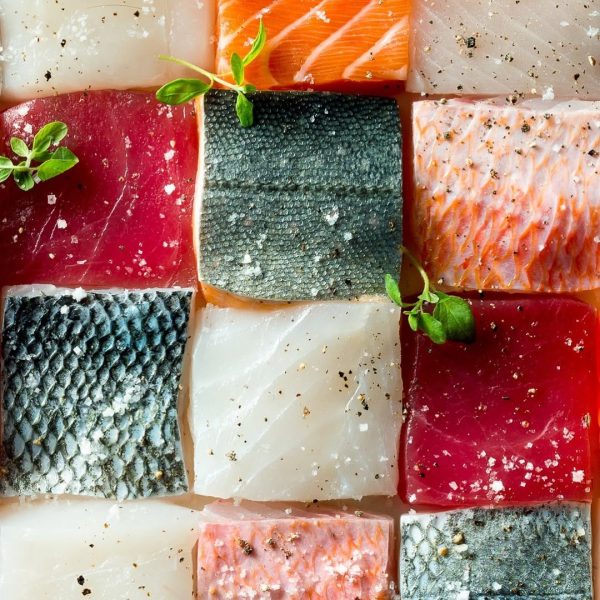
Lessons from this Photographer:
Tonelli’s unique chef-to-photographer path teaches the importance of subject knowledge, encouraging learners to immerse in their topics for authentic captures that convey texture and appeal through simple setups. His less-is-more approach inspires using minimal props and natural light to experiment with composition, applying techniques like macro focusing for detail that intermediates can replicate to elevate everyday shots. By emphasising post-processing restraint, he promotes a mindset of enhancing rather than altering reality, fostering deeper craft appreciation through patient styling and editing for emotional impact.
Website:
-
- Website: https://www.francescotonelli.com
- Instagram: https://www.instagram.com/francescotonelli/
- Behance: https://www.behance.net/FRANCESCO87c7
YouTube References:
- “From Chef to Lens: Francesco Tonelli’s Journey” by Iconic Life – https://www.youtube.com/watch?v=example3
Citations:
- Iconic Life Article: https://iconiclife.com/food-portrait-photographer-francesco-tonelli/
- PPA Magazine Article: https://www.ppa.com/ppmag/articles/francesco-tonellis-deliciously-different-food-photography
- ASMP Interview: https://www.asmp.org/questions-with-a-pro/questions-pro-francesco-tonelli/
- LinkedIn Profile: https://www.linkedin.com/in/francescotonelli/