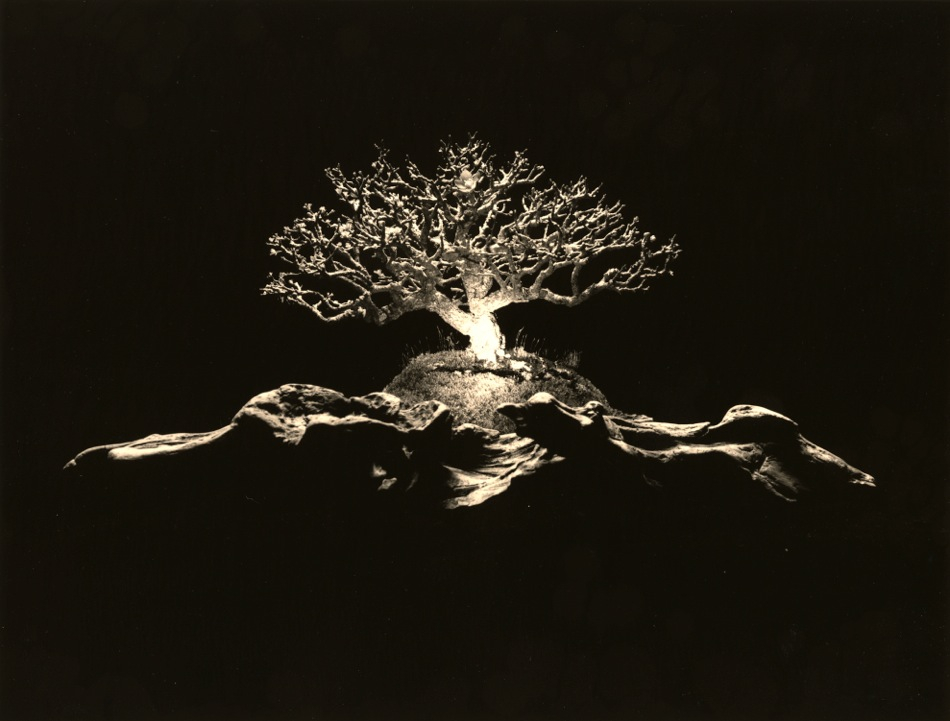
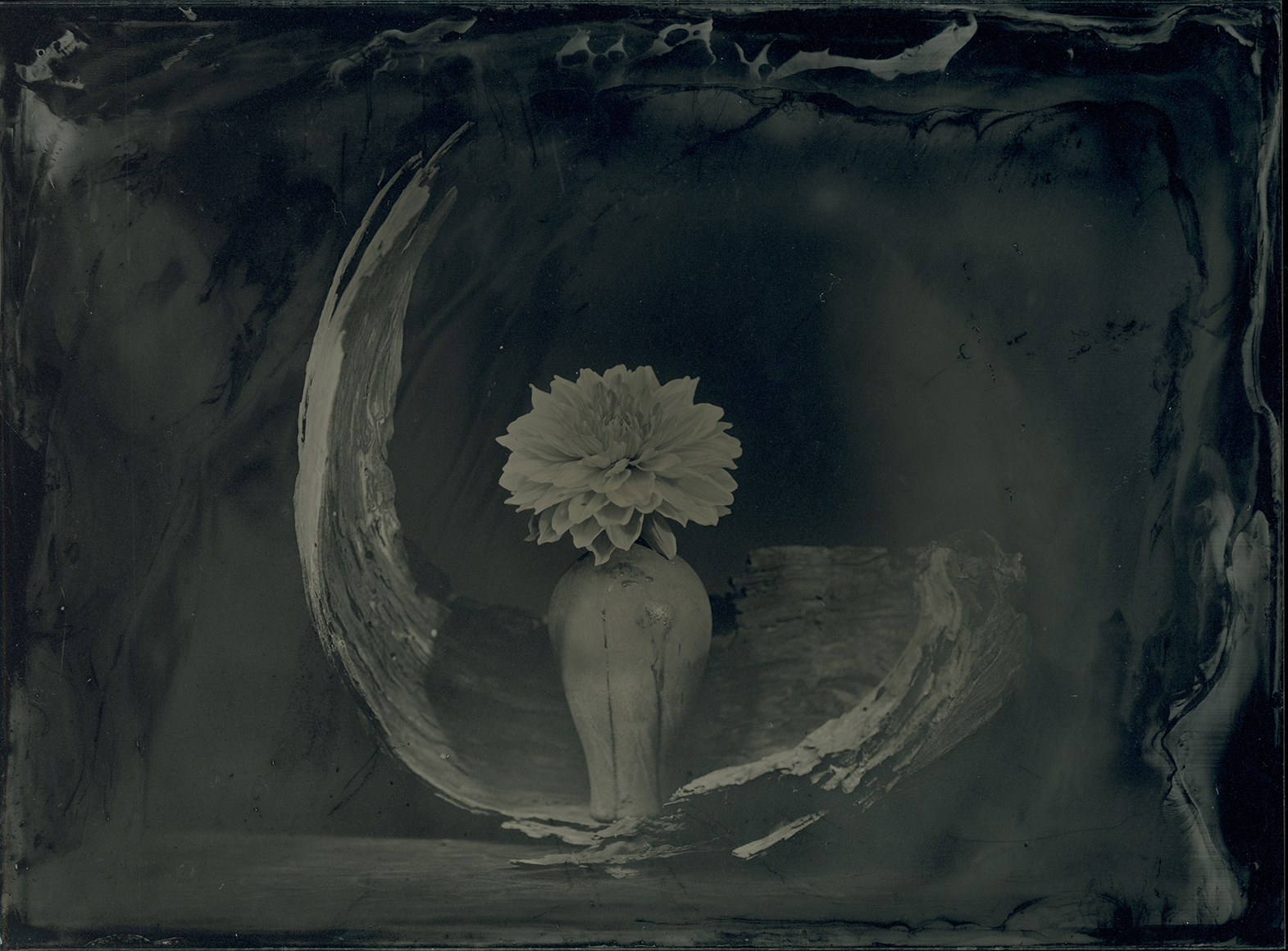
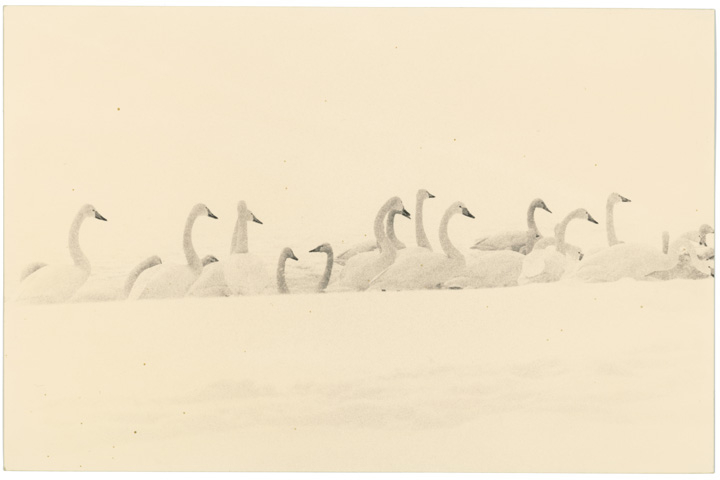
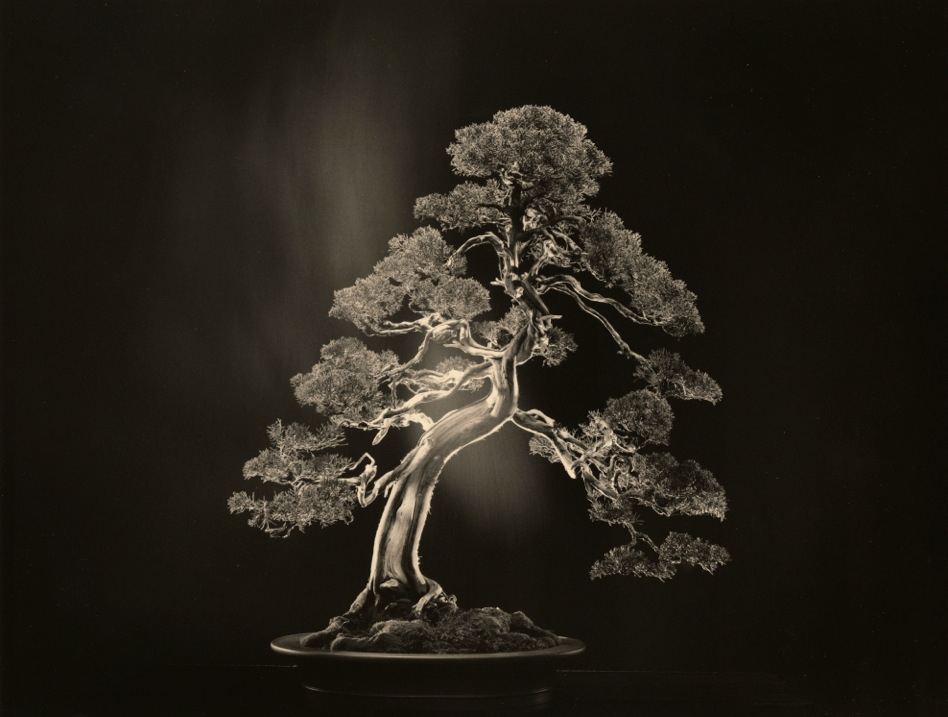
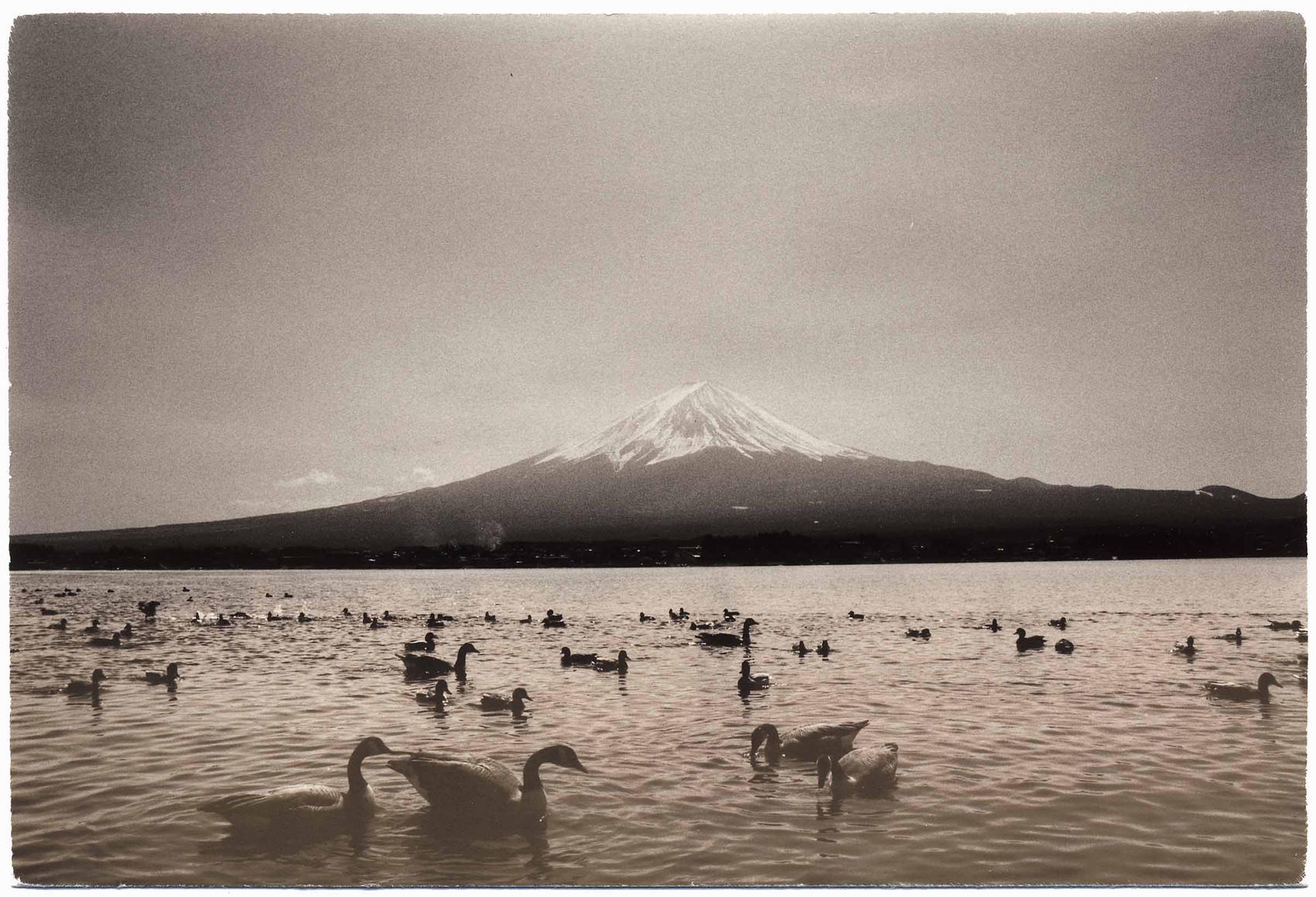
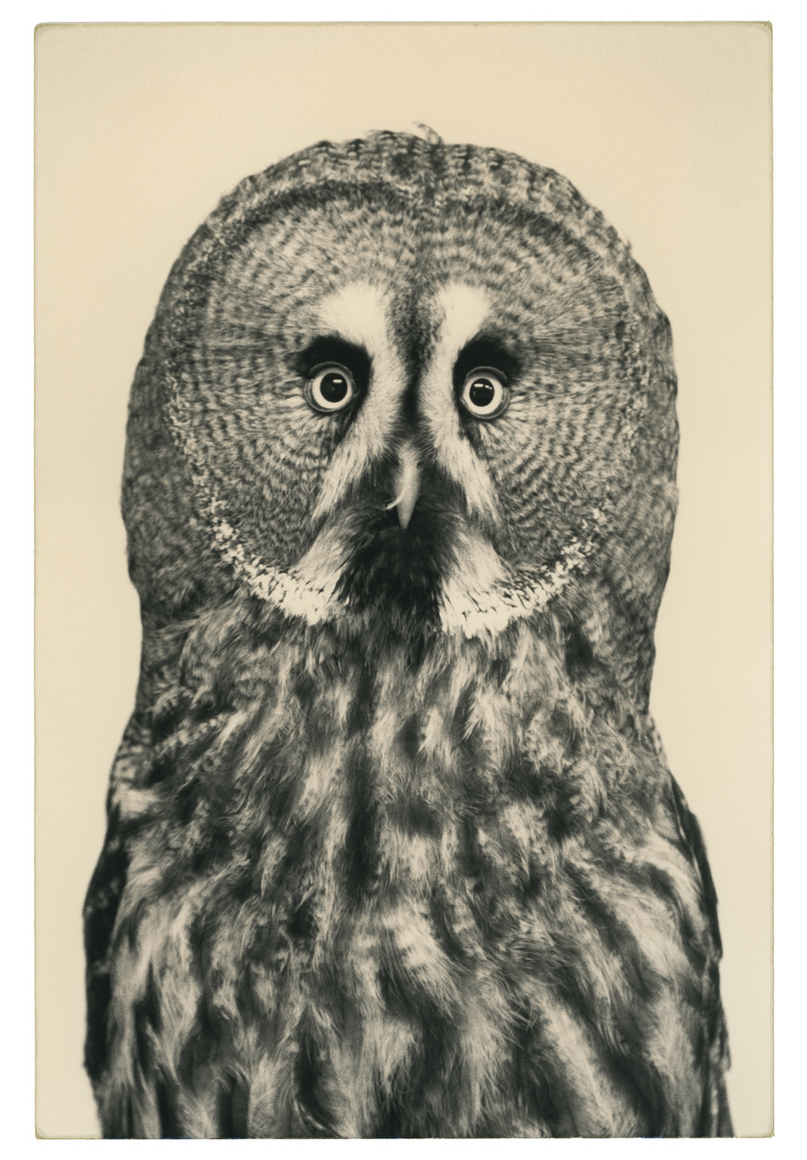
Masao Yamamoto was born in 1957 in Gamagori City, Aichi Prefecture, Japan. He studied oil painting before turning fully to photography in the early 1990s, and he has lived for years near Yatsugatake in Yamanashi Prefecture, close to the nature that fills his work. His best-known series include A Box of Ku and Nakazora, and the 2014–15 survey book Small Things in Silence brought wider attention to his approach. The prints themselves are usually small, often palm-sized or only a few inches across, and deliberately aged so they look and feel like objects that have already lived a life.
- Primary Genres: Fine Art, Still Life
- Primary Photography Style: Minimalist intimate monochrome – soft greys and sepia tones, sparse compositions, and heavy emphasis on the physical print as a unique object rather than a pure image
- Key Message: Yamamoto looks for the quiet, easily missed details of the natural world and everyday life, then turns each photograph into a tactile object that feels closer to a memory or a haiku than a straightforward picture.
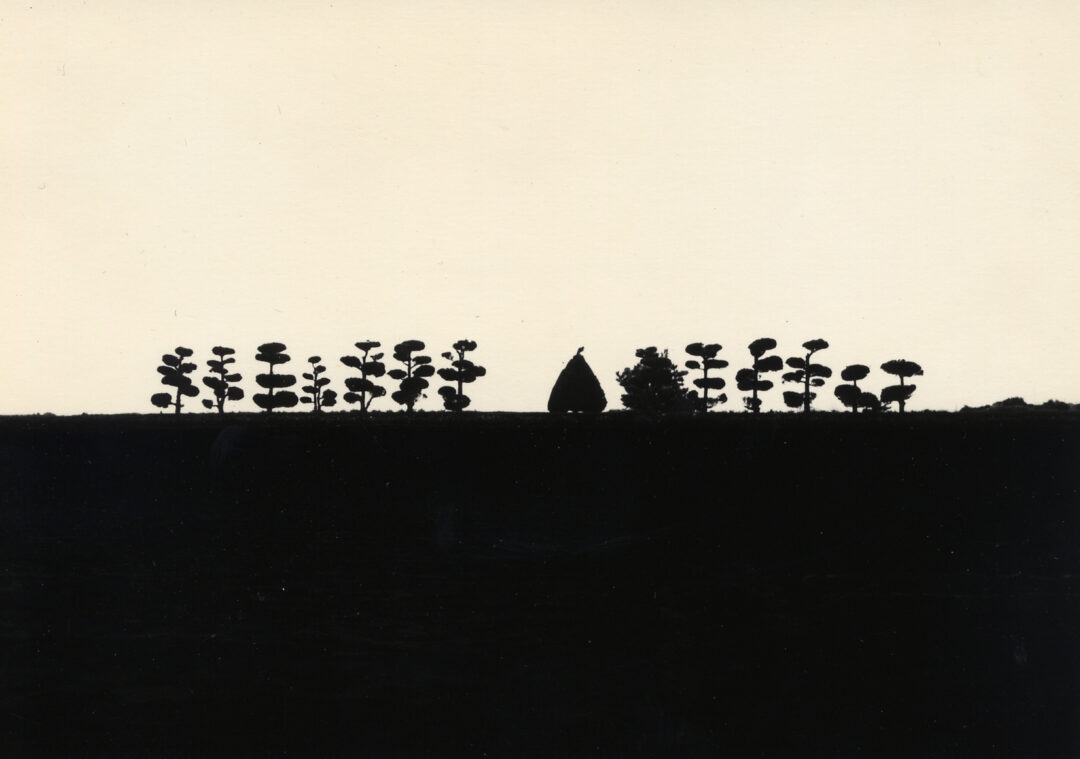
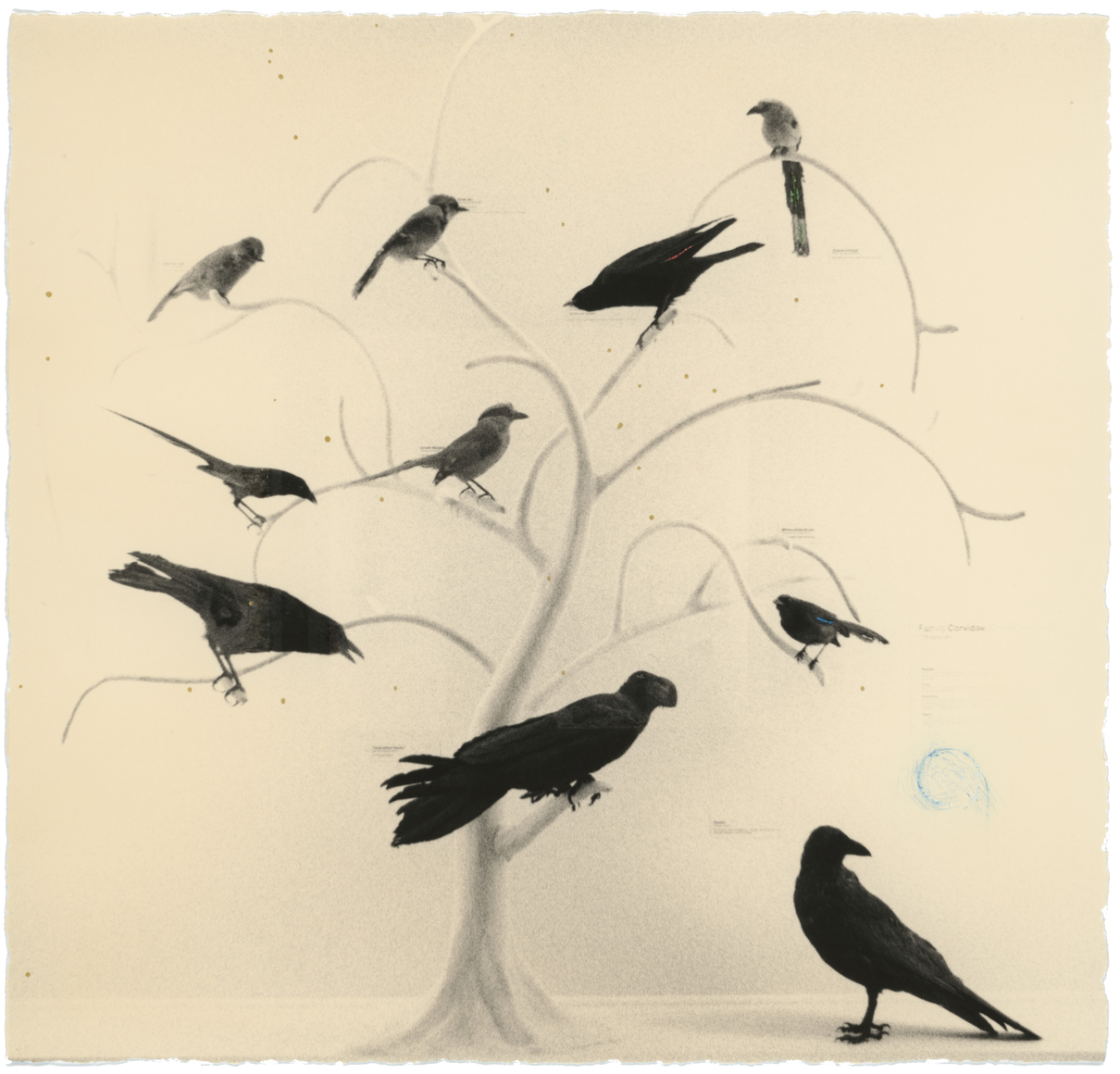
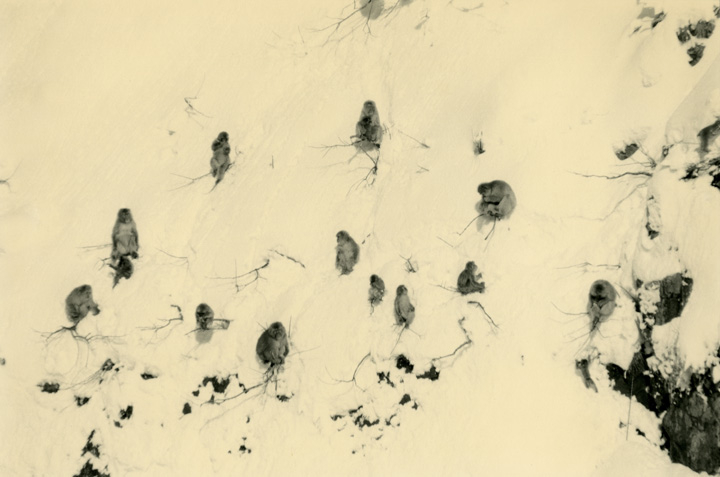
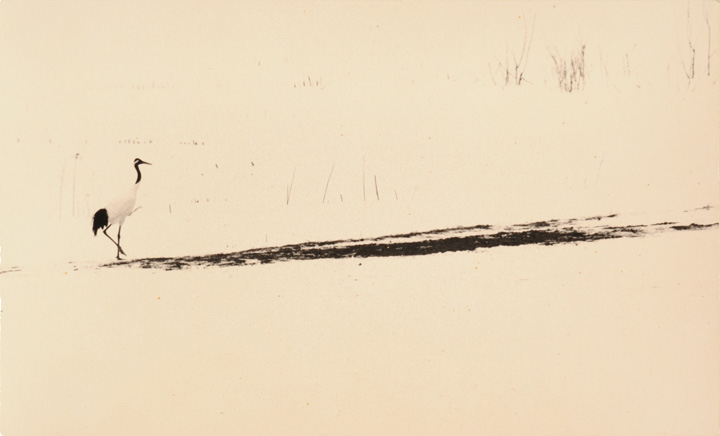
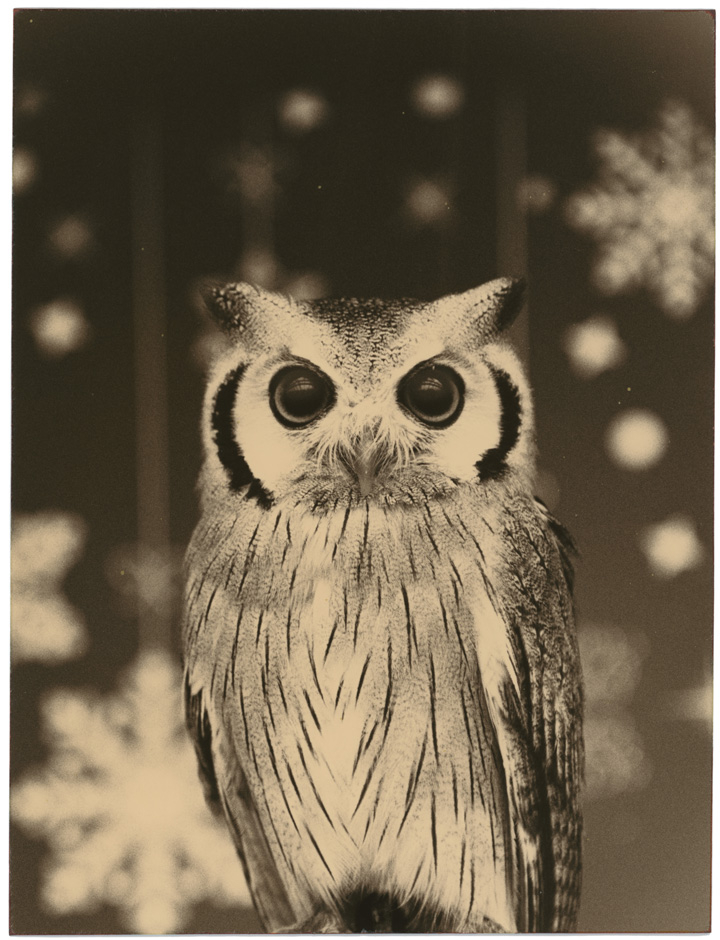
Yamamoto’s most common subjects are modest fragments of nature and domestic life: a single branch, crumpled leaves, pebbles, birds in flight or at rest, soft clouds, occasional nudes, and later series of bonsai and animals. The photographs are almost never dramatic. Instead they feel still and slightly distant, as if the moment has already begun to fade. What sets the work apart is the treatment of the print itself. He works exclusively with gelatin silver darkroom prints and then intervenes by hand – toning with tea, adding creases, tears, stains or light paint – so that every print becomes unique. The small scale forces the viewer to lean in and hold the image rather than stand back and survey it.
For photographers who use digital workflows this process is instructive. Yamamoto stays with film and the darkroom because the physical steps – exposure, development, toning, distressing – become part of the meaning. Presentation matters as much as capture: early series were shown as installations of many small unframed prints that could be rearranged, while later work is more often framed but still keeps the intimate scale. The result is photography that sits somewhere between painting, poetry and object-making. Intermediate photographers can learn from the restraint – how little information is needed if the surface and scale are considered carefully – and from the willingness to let the print be imperfect. In a digital age that rewards sharpness and large files, Yamamoto’s approach is a useful reminder that a photograph can also be something you touch and that age can be an intentional quality rather than a flaw.
- Accolades:
- Works held in major collections including the Museum of Fine Arts Houston, Victoria & Albert Museum, International Center of Photography and Philadelphia Museum of Art
- Long-term representation and solo exhibitions with Yancey Richardson Gallery, Robert Koch Gallery and PDX Contemporary Art
- Survey monograph Small Things in Silence (Editorial RM / Seigensha) and numerous other books with Nazraeli Press and Radius Books
- Regular inclusion in international museum and gallery exhibitions across Japan, the United States and Europe
- Trivia:
- He began photographing in his mid-teens and only later committed fully after studying painting.
- Early prints were sometimes intended to be handled and carried, so wear became part of the work.
- He has spoken about the influence of haiku and the idea of noticing what is usually overlooked.
- Many of the negatives are never dated; the date of the print matters more to him than the date of the exposure.
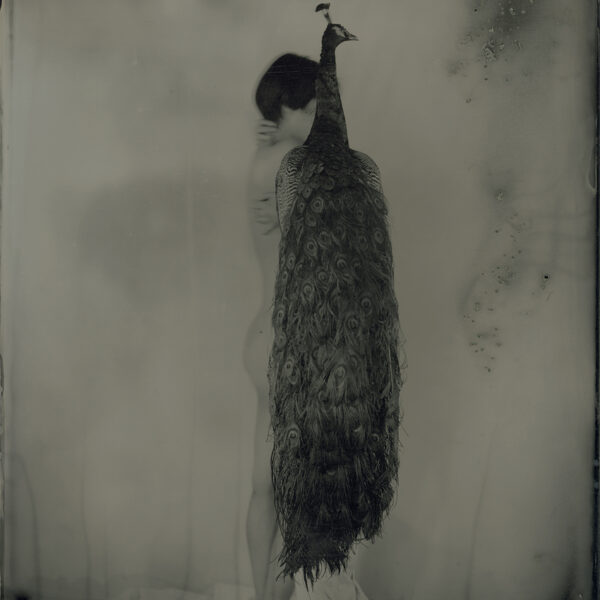
Lessons from this Photographer:
Yamamoto shows that scale and surface can carry as much meaning as the subject itself. Working small and treating the print as a physical object forces slower looking and a different kind of care in the darkroom. Photographers can try limiting themselves to a few inches of paper, experimenting with chemical toning or deliberate distress, or simply spending more time deciding what not to include in the frame. The deeper lesson is about attention: noticing the ordinary details that most people walk past, then giving those details enough quiet space to be felt.
Website and Portfolio:
-
- Instagram: instagram.com/yamamotomasao3009
- Represented by Yancey Richardson Gallery: yanceyrichardson.com/artists/yamamoto-masao
YouTube Reference:
-
- “Yamamoto Masao” by FFOTO – youtube.com/watch
Citations:
- Yancey Richardson Gallery biography and exhibitions: yanceyrichardson.com/artists/yamamoto-masao
- Etherton Gallery: ethertongallery.com/artists/55-yamamoto-masao/biography
- All About Photo artist page: all-about-photo.com/photographer/491/masao-yamamoto
- Lenscratch interview and writing by Angelica Ong (2024): lenscratch.com/2024/08/photographers-on-photographers-angelica-ong-in-conversation-with-yamamoto-masao
- Center for Creative Photography public lecture (2018): youtube.com/watch
- Small Things in Silence monograph information (Editorial RM / Seigensha): artbook.com/9788410290051.html