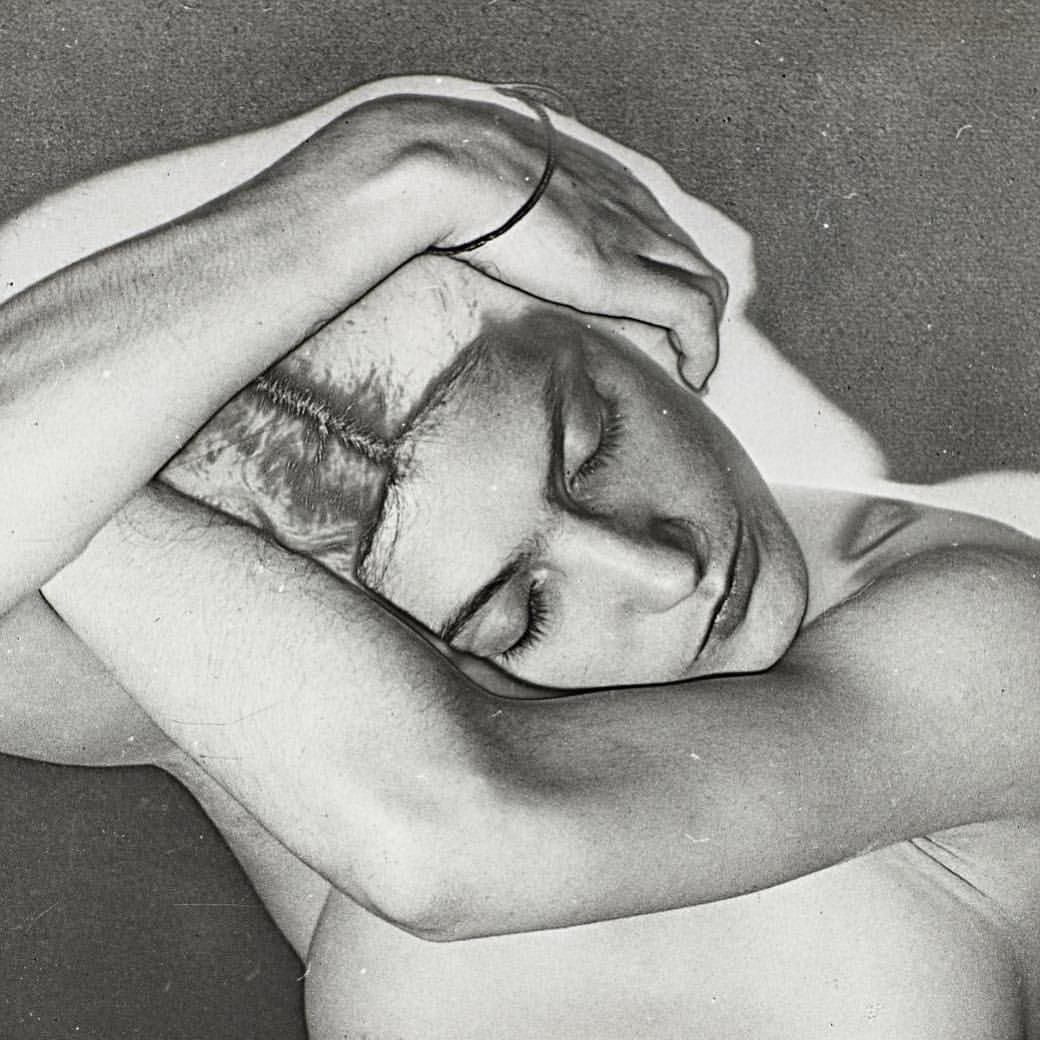
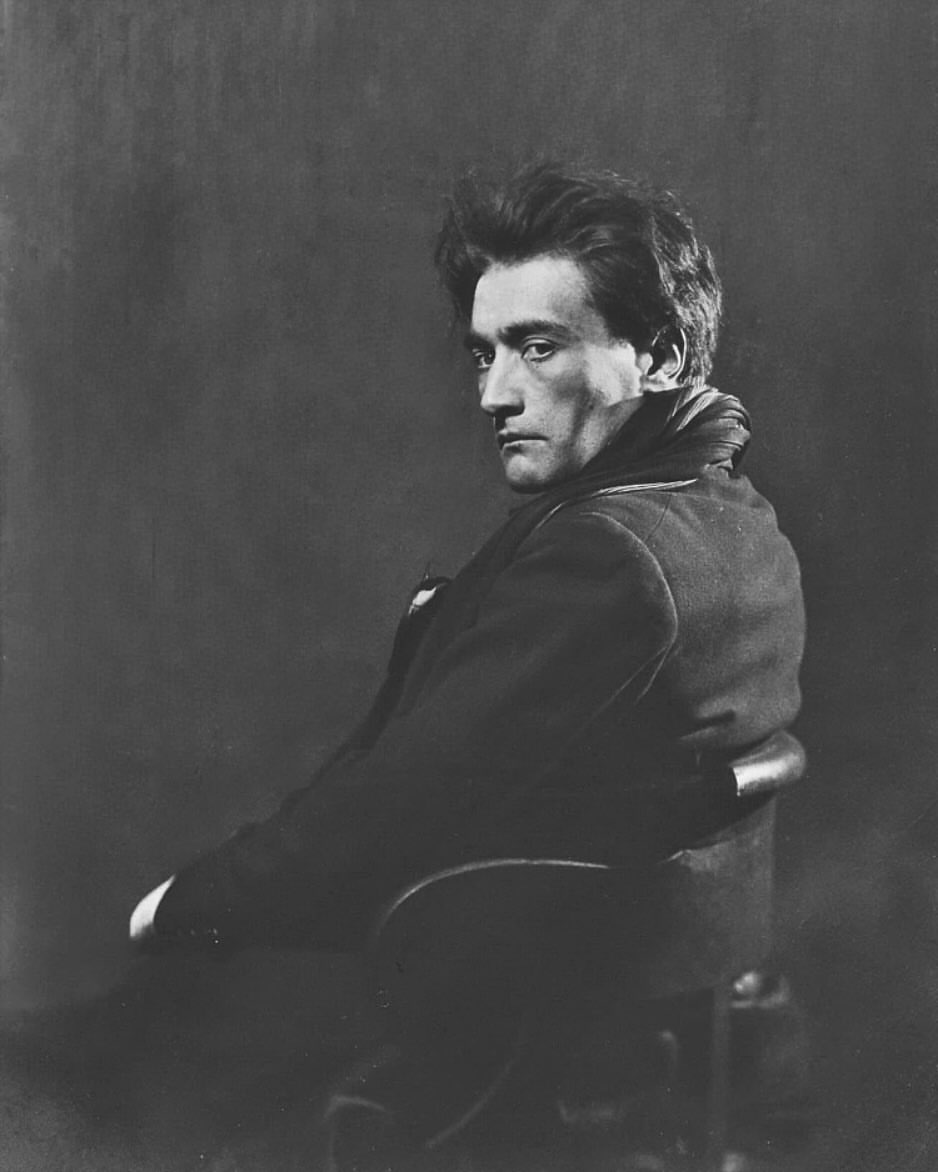
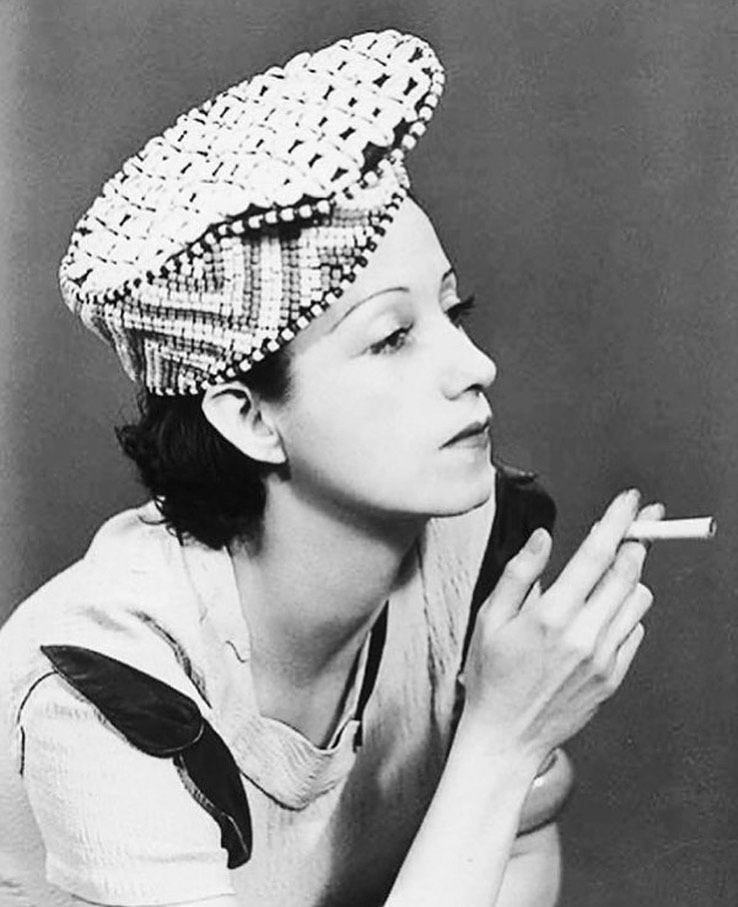
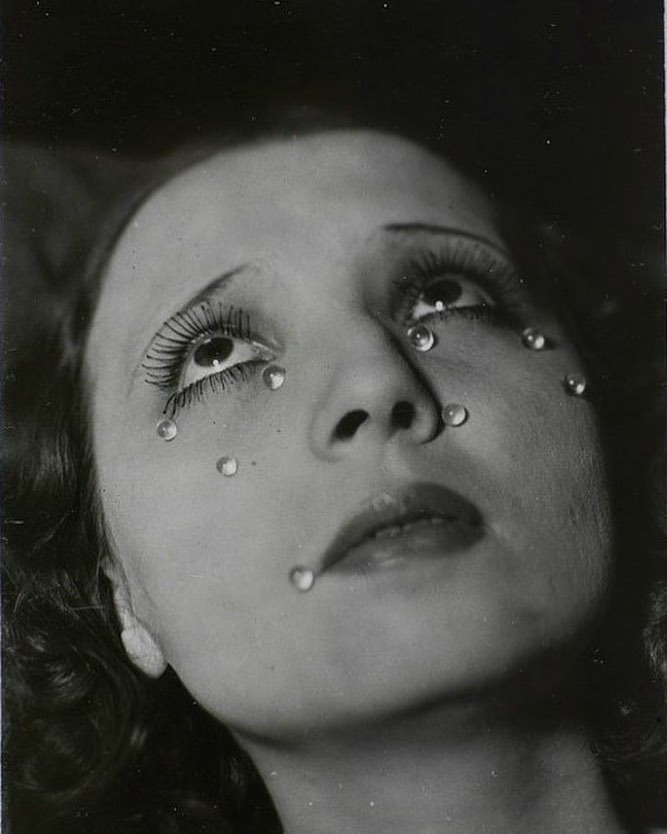
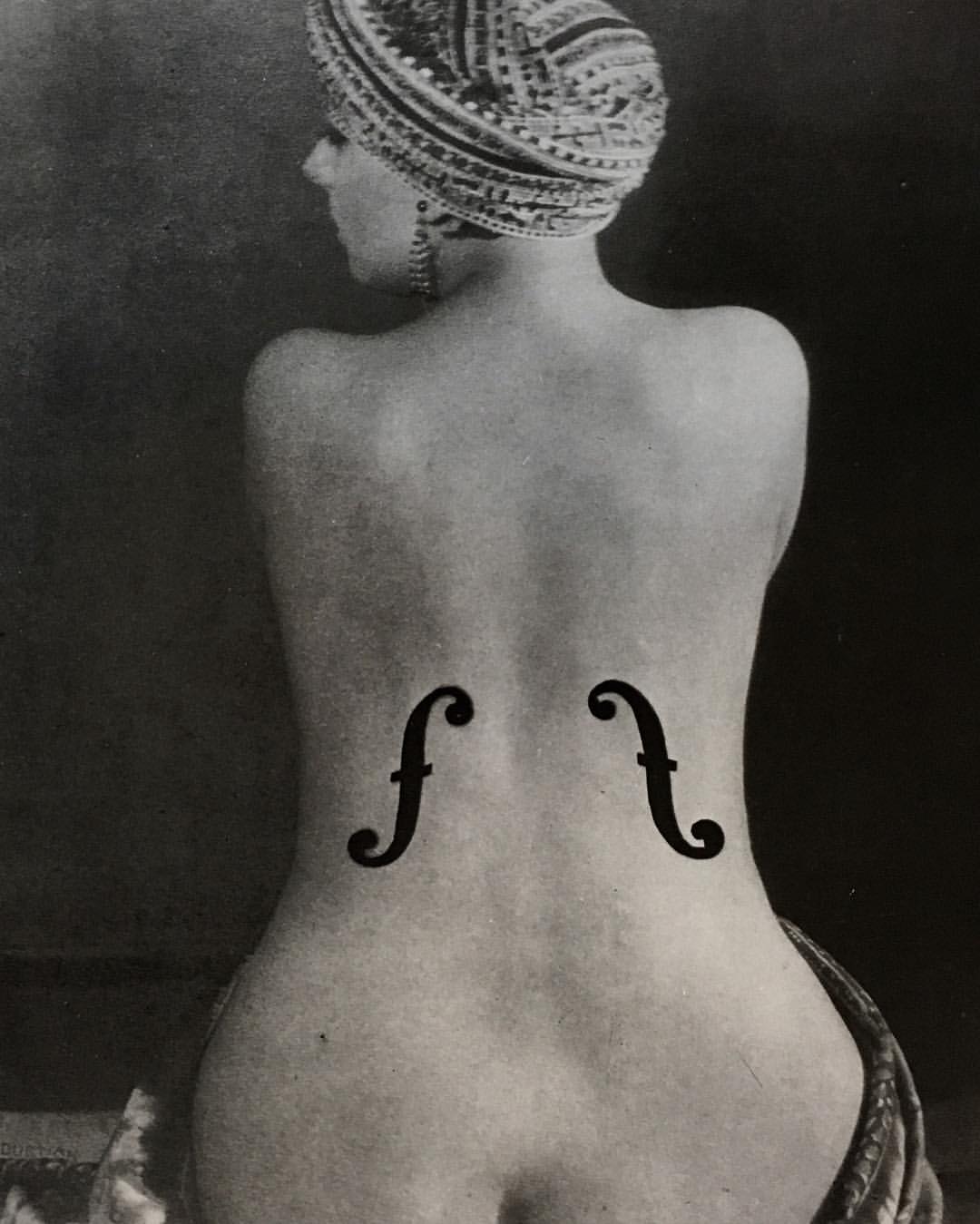
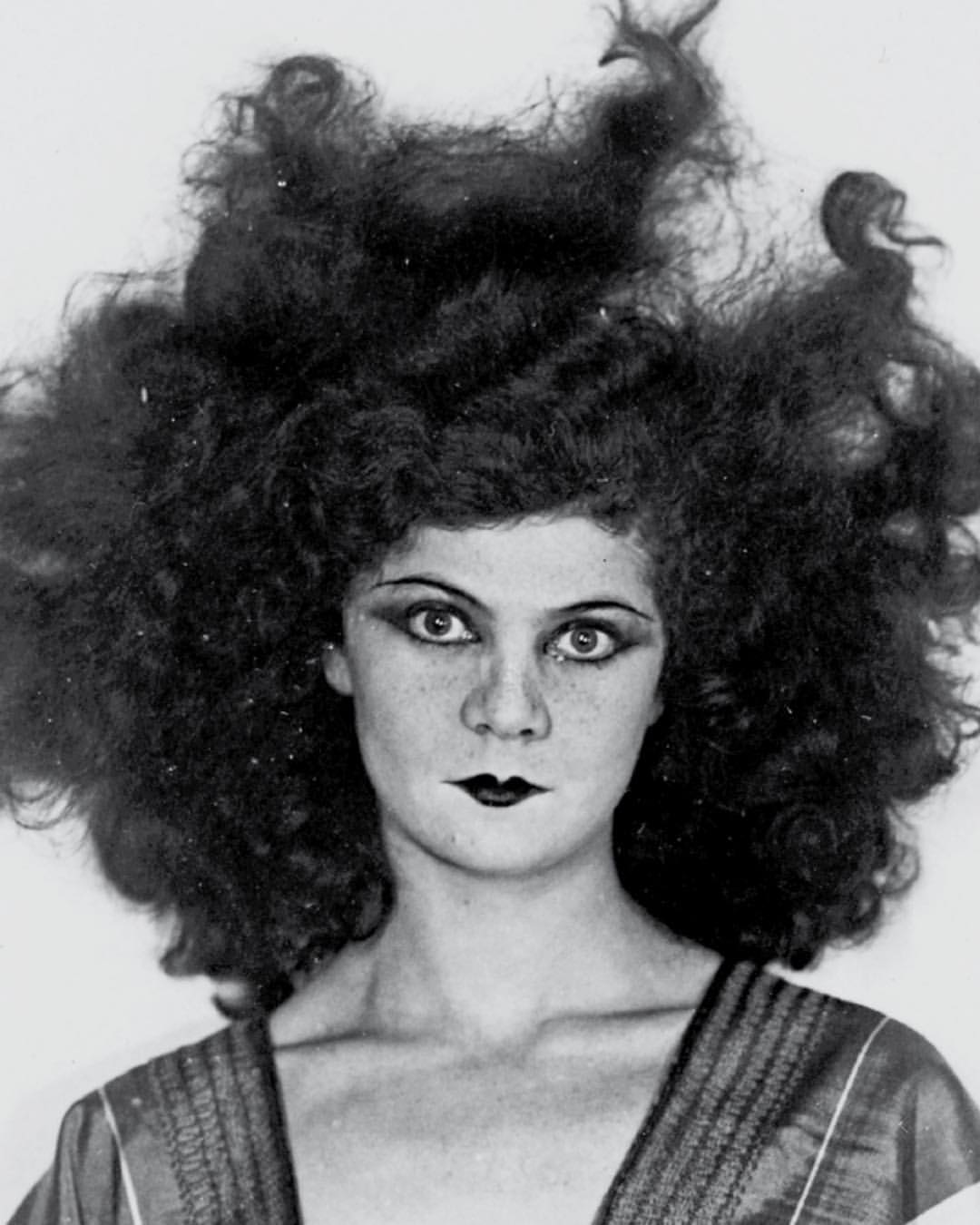
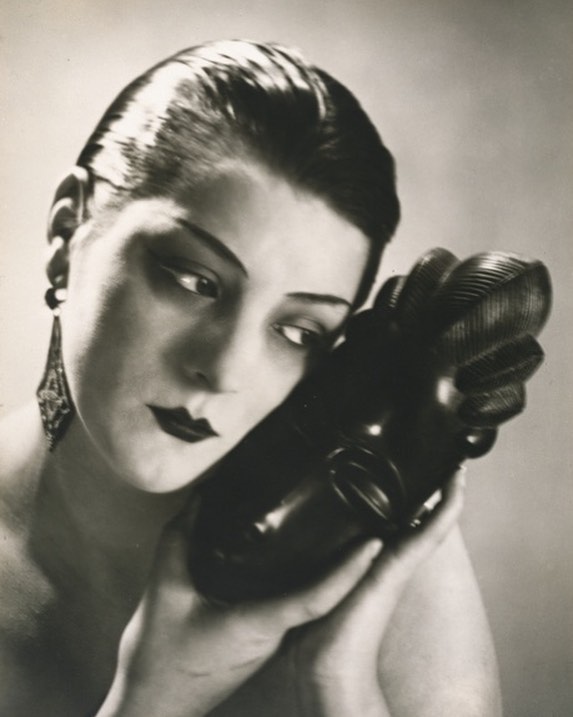
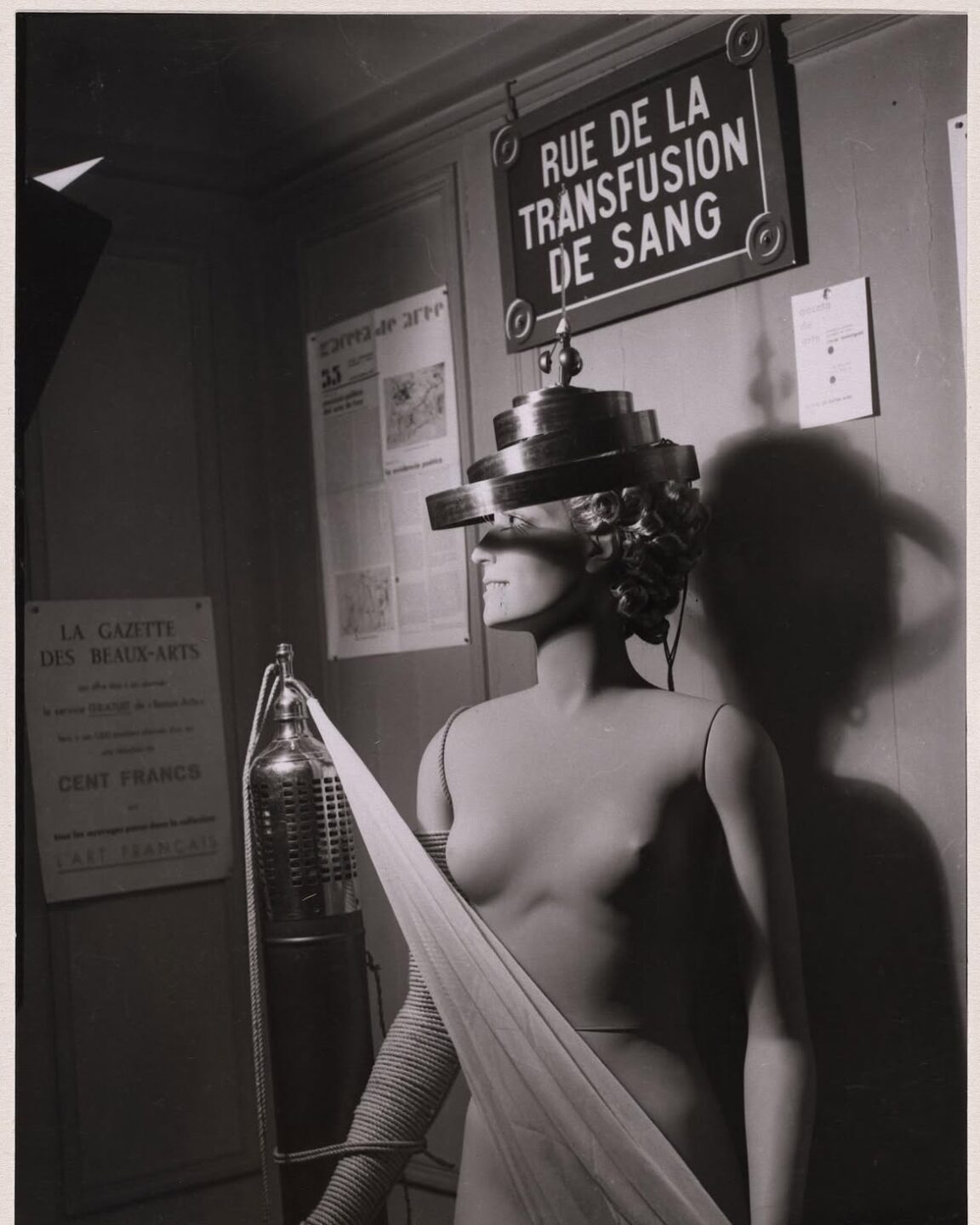
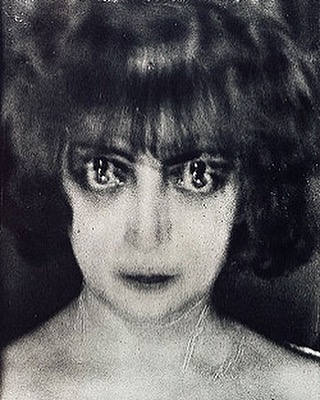
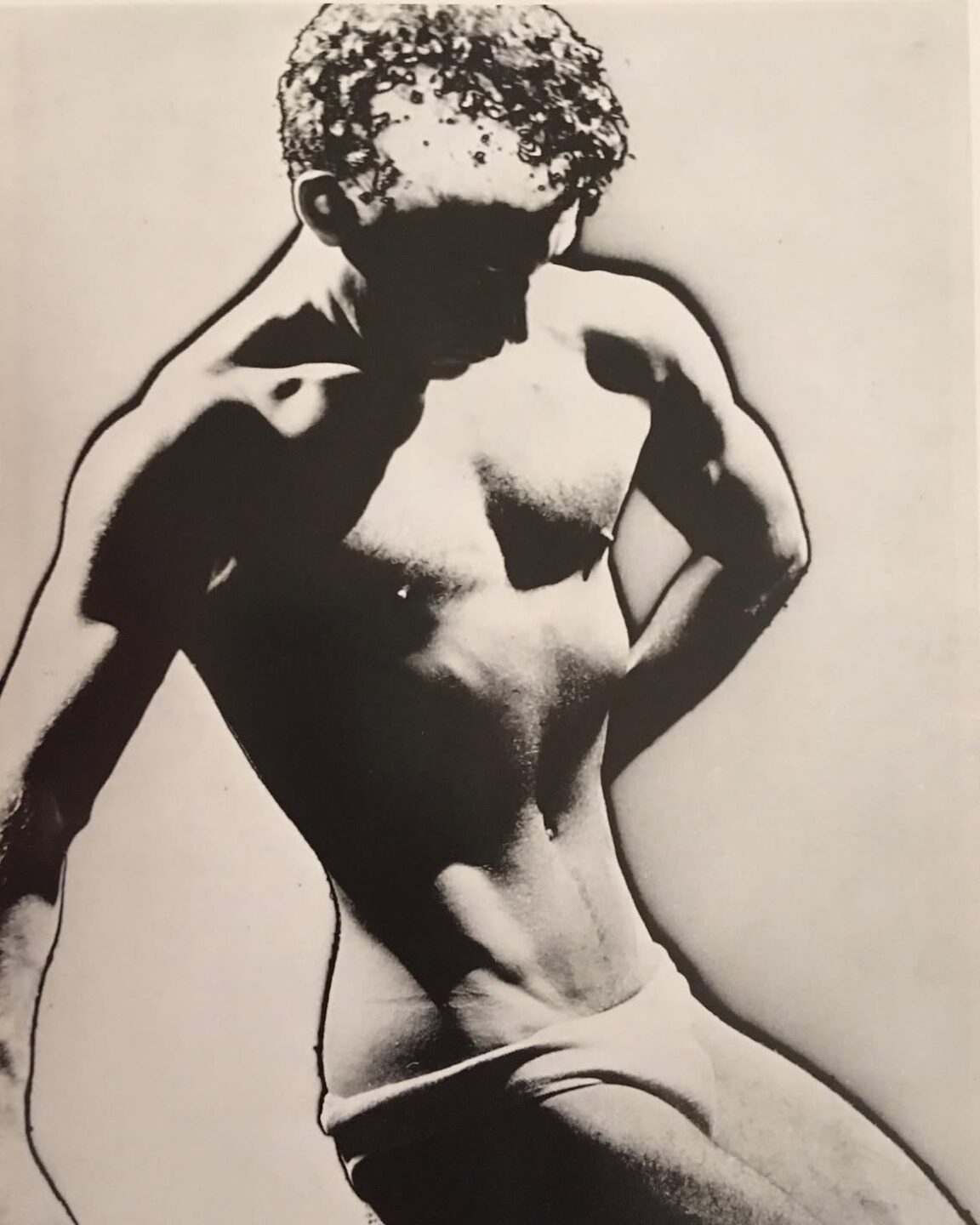
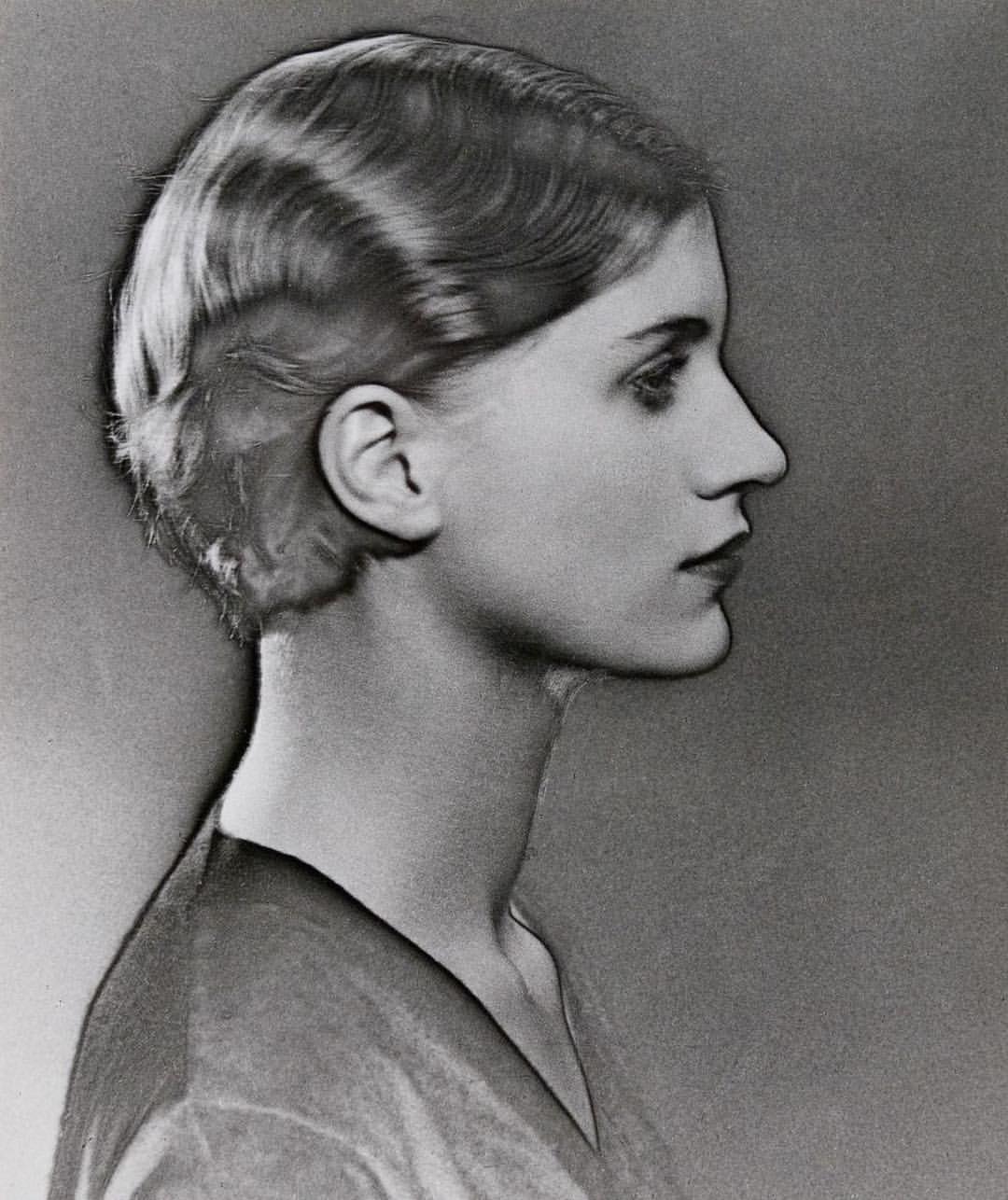
Man Ray, born Emmanuel Radnitzky in 1890 in Philadelphia, started as a painter before becoming one of the most inventive photographers of the 20th century. He moved to Paris in 1921 and played key roles in both the Dada and Surrealist movements. Over his long career, he created portraits, fashion work, and experimental images that still feel fresh today. His photographs often mix the everyday with the strange, using bold contrasts and unexpected forms. Man Ray helped prove that photography could be as radical and artistic as painting.
- Primary Genres: Avant-Garde Photography, Fashion Photography, Fine Art
- Primary Photography Style: Surrealism and Dadaism – abstract, experimental, and subversive approaches that challenge normal ways of seeing
- Key Message: Man Ray used photography to explore the subconscious, question reality, and blur the line between art and everyday objects. He believed in pushing technical and creative boundaries to create images that surprise and provoke thought. His work shows how photography can go beyond documentation to become a tool for imagination and social commentary.
Man Ray photographed a wide range of subjects, from famous artists and writers to nudes, fashion models, and ordinary objects. He is famous for rayographs (cameraless photograms made by placing items directly on photographic paper) and solarised portraits that create ethereal outlines. His aesthetic often features stark contrasts, unexpected juxtapositions, and a sense of mystery or humour. He worked with studio lighting, strobes, and natural light, frequently experimenting with mirrors, prisms, and long exposures. In the darkroom, he used techniques like solarisation and developed gelatin silver prints by hand, embracing imperfections as part of the art. Prints were typically presented as individual fine art pieces rather than mass reproductions.
For intermediate photographers, Man Ray is a perfect example of how technical experimentation can lead to new creative possibilities. While he shot on film with large-format cameras or no camera at all, the underlying ideas translate well to digital—try placing objects on a scanner or using multiple exposures. His fashion and portrait work also shows the importance of collaboration with subjects and clients. Unlike straight documentary, his style encourages you to manipulate light, composition, and processing to express ideas rather than just record scenes.
- Accolades:
- Major retrospectives at MoMA (1961) and Centre Pompidou
- Work held in collections including Tate Modern and MoMA
- Recognised as a founding figure in Dada and Surrealist photography
- Influential exhibitions at Venice Biennale and other major venues
- Trivia:
- Changed his name from Emmanuel Radnitzky to Man Ray at age 22
- Close lifelong friend and collaborator with Marcel Duchamp, including playing chess together
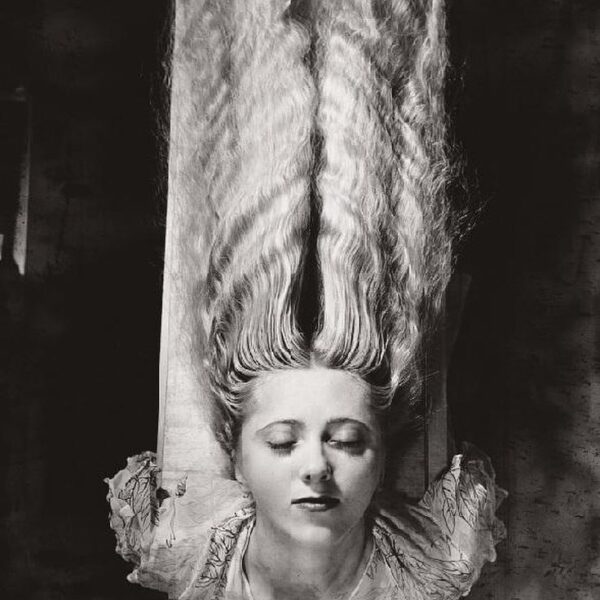
- Created many iconic nudes, often working with partners like Kiki de Montparnasse and Lee Miller
Lessons from this Photographer:
Man Ray shows that breaking the rules can lead to the most interesting results—don’t be afraid to experiment in the darkroom or with light. His rayographs prove you don’t always need a camera to make strong images; try simple setups with everyday objects and see what happens. Collaboration matters too: working closely with interesting people often brings out better work. Whether you use film or digital, focus on ideas first and technique second. His career encourages lifelong curiosity and the confidence to mix different art forms.
Website and Portfolio:
-
- Website: https://www.manray.net
- Instagram: https://www.instagram.com/manray_official/?hl=en
Citations:
- Wikipedia: Man Ray – https://en.wikipedia.org/wiki/Man_Ray
- MoMA Collection: https://www.moma.org/collection/artists/3716