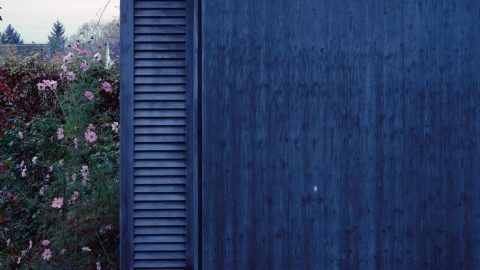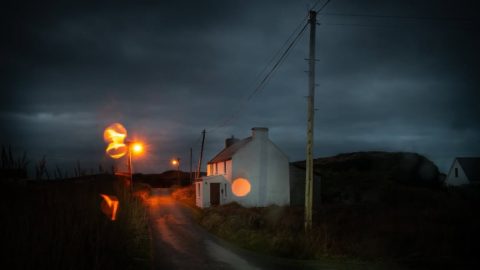
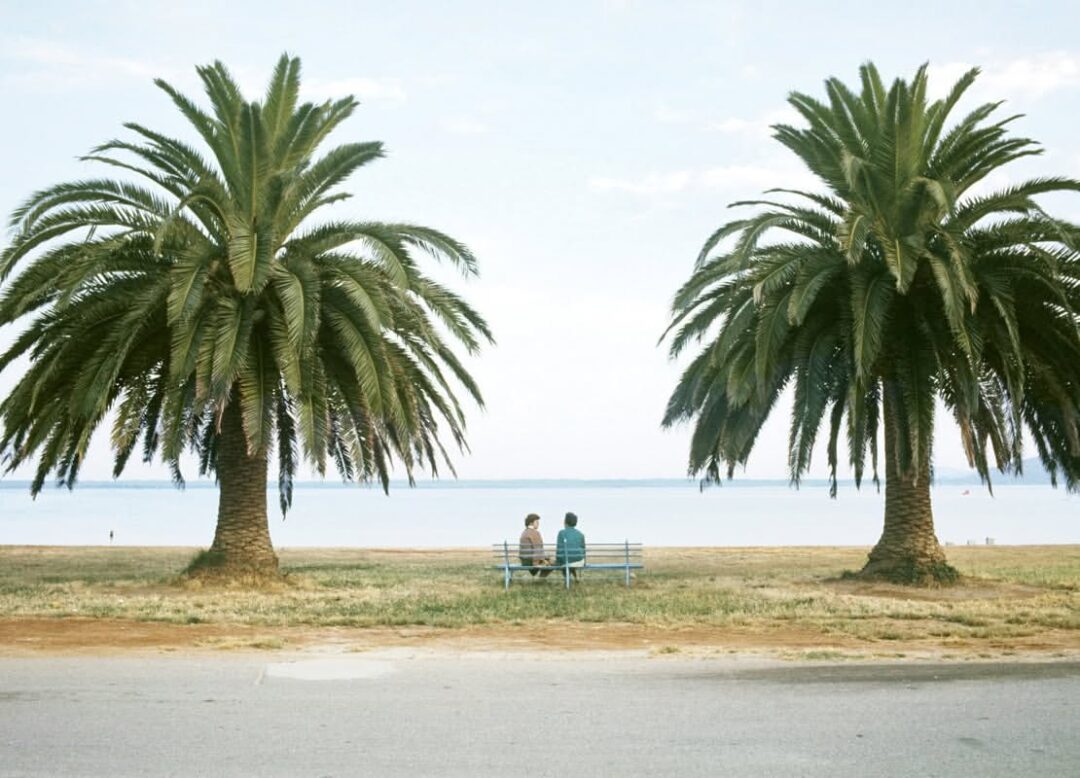
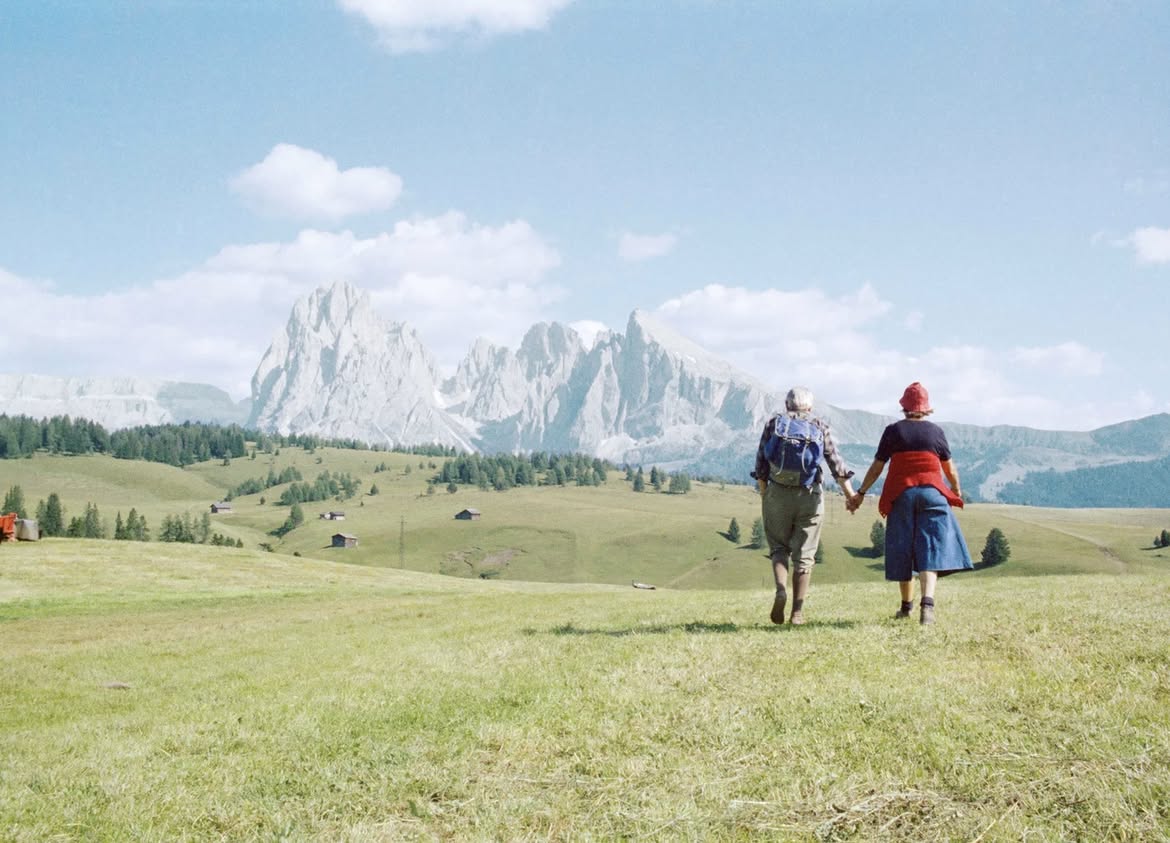
Luigi Ghirri (1943–1992) was an Italian photographer born in Scandiano, near Reggio Emilia. He worked as a surveyor before dedicating himself to photography in the early 1970s. Based in Modena, he produced a focused body of work over about 20 years that influenced generations of artists. His images often feel quiet and thoughtful, using colour in a subtle way that draws attention to the everyday. Ghirri’s best-known book Kodachrome (1978) remains a landmark in colour photography.
- Primary Genres: Landscape Photography, Conceptual Photography, Travel
- Primary Photography Style: Straight photography with symbolic and conceptual elements – clean, deadpan compositions that invite deeper reflection
- Key Message: Ghirri explored the relationship between reality and its representation in images. He showed how ordinary places and objects can reveal something profound about how we see and understand the world. His work encourages viewers to notice the poetry and strangeness hidden in daily surroundings.
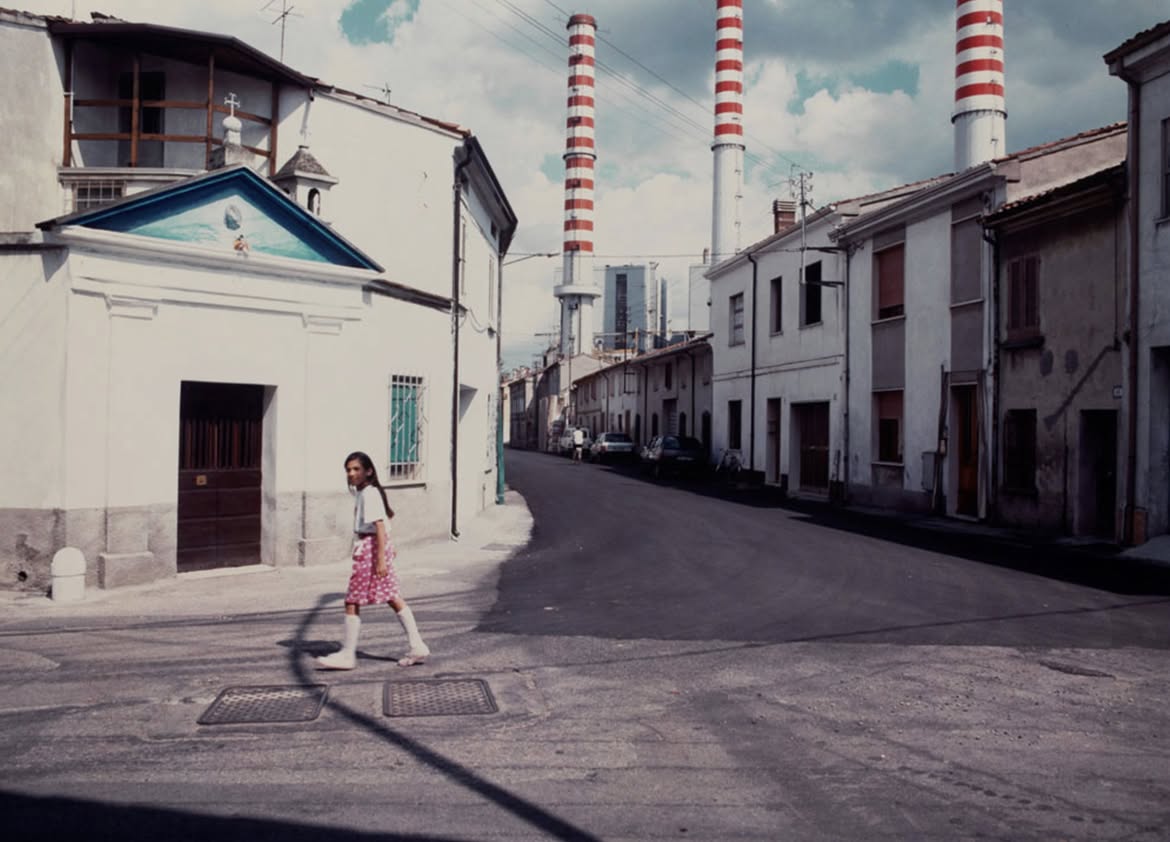
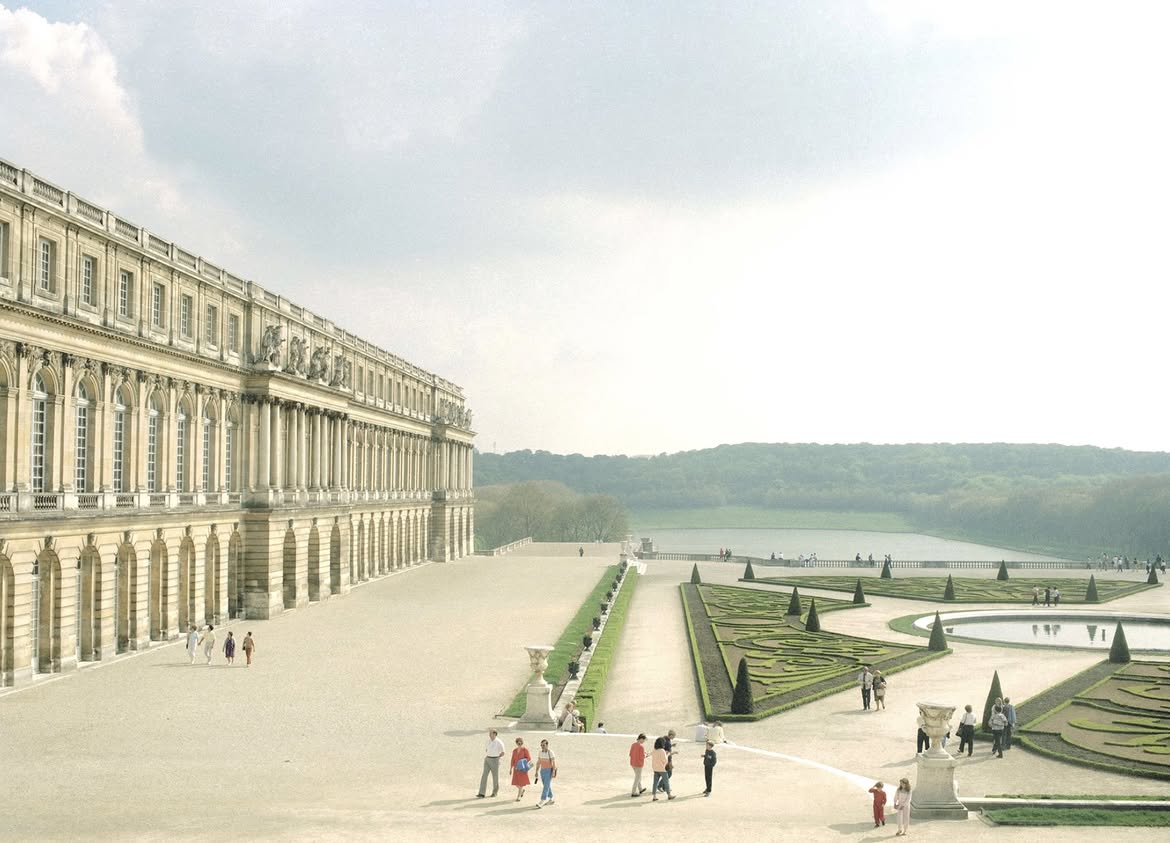
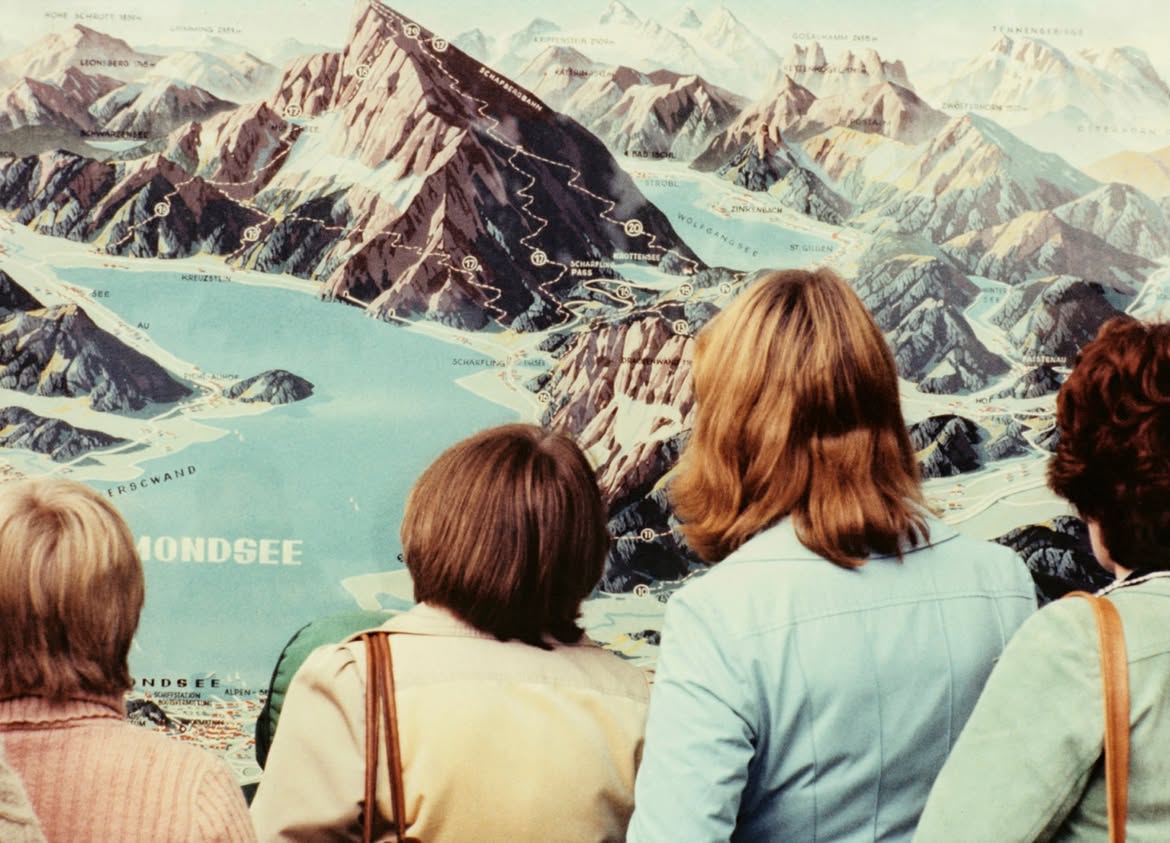
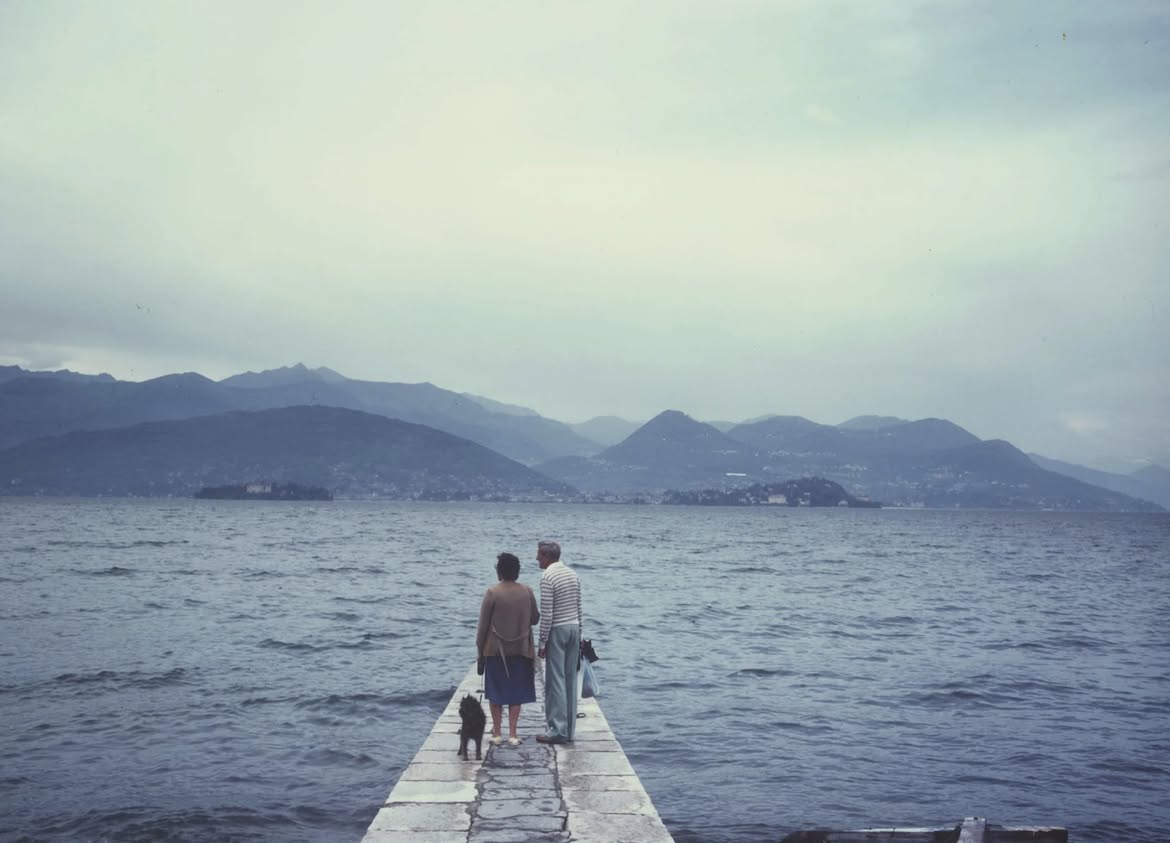
Ghirri photographed the landscapes and built environment of Emilia-Romagna and beyond—roads, signs, billboards, empty lots, seaside scenes, and architectural details. He looked for moments where the man-made world intersects with nature or where images within the scene (posters, maps, windows) create layered meanings. His aesthetic features soft, pastel-like colours, flat or even lighting, and precise framing that turns the mundane into something contemplative. He worked mainly with 35mm film cameras (Nikon, Olympus) and natural light, often under overcast skies or midday conditions to avoid dramatic shadows. Prints were modest in size and carefully produced to maintain the integrity of the colour film.
For intermediate photographers, Ghirri is a great example of how conceptual thinking can elevate straightforward documentary work. He shot on film (Kodachrome and similar) for its specific colour rendering, which teaches the value of understanding your medium’s characteristics rather than relying on digital corrections. Today you can apply similar ideas by walking your local area with a clear theme or series in mind and paying attention to how signs, framing, and context change meaning. His approach shows that strong work often comes from deep familiarity with a place rather than chasing exotic locations.
- Accolades:
- Featured in major exhibitions including the Venice Biennale
- Recognised internationally as one of the key photographers of the 20th century (photokina 1982)
- Work held in collections such as MoMA, Stedelijk Museum, and MAXXI Rome
- Influential retrospectives at institutions like Jeu de Paume and Museum Folkwang
- Trivia:
- Shot extensively in his home region of Emilia-Romagna throughout his career
- Worked with both colour and some black-and-white but is best known for his pioneering colour approach
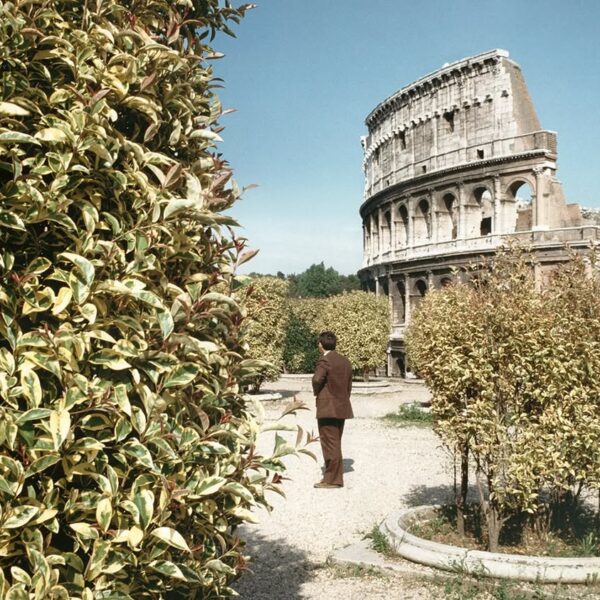
Lessons from this Photographer:
Ghirri reminds us that you don’t need dramatic subjects to make meaningful work—look closely at what’s around you. His precise framing and use of natural, even light show how composition and lighting conditions can add layers of meaning. Try building a long-term series in one area to develop a personal visual language. He also demonstrates the power of editing ruthlessly and presenting work in book form, which can give photographs more context than single images. Whether shooting film or digital, focus on the relationship between what’s in front of the camera and how we represent it; that conceptual awareness can lift your photography beyond the literal.
Website and Portfolio:
-
- Matthew Marks Gallery: https://matthewmarks.com/artists/luigi-ghirri
Citations:
- Wikipedia: Luigi Ghirri – https://en.wikipedia.org/wiki/Luigi_Ghirri
- Artpil Biography: https://artpil.com/luigi-ghirri