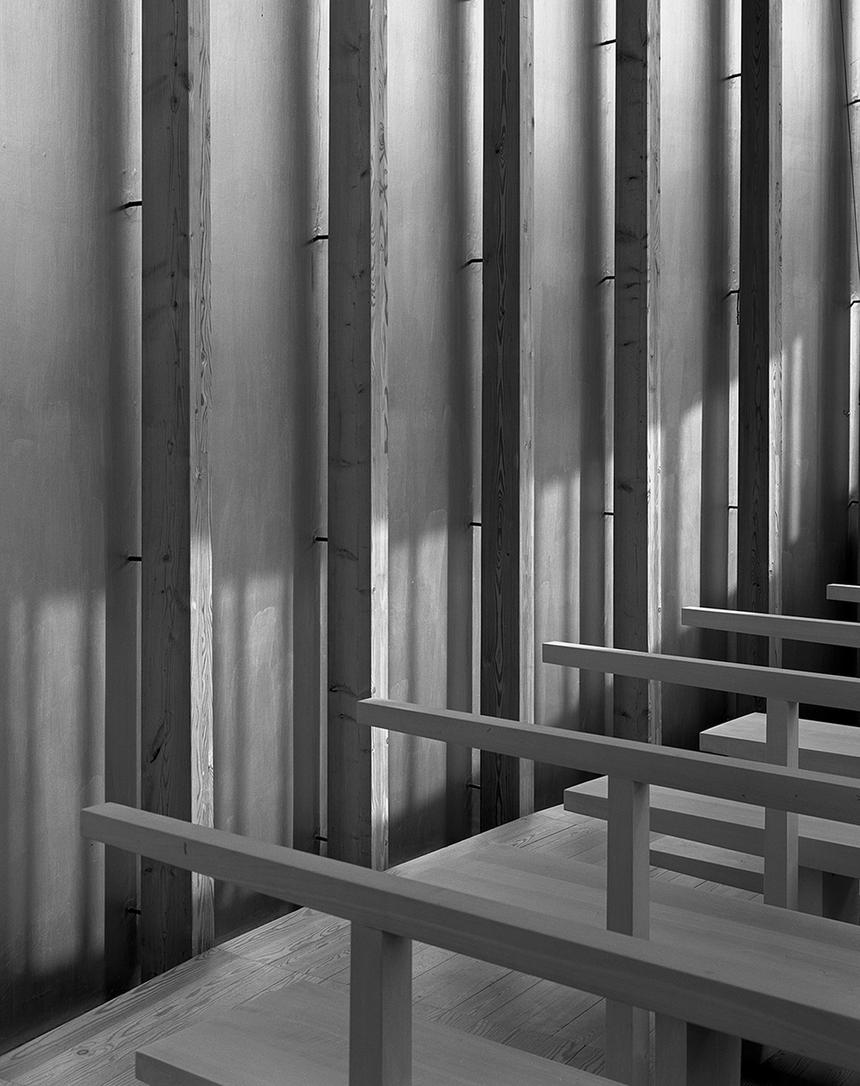
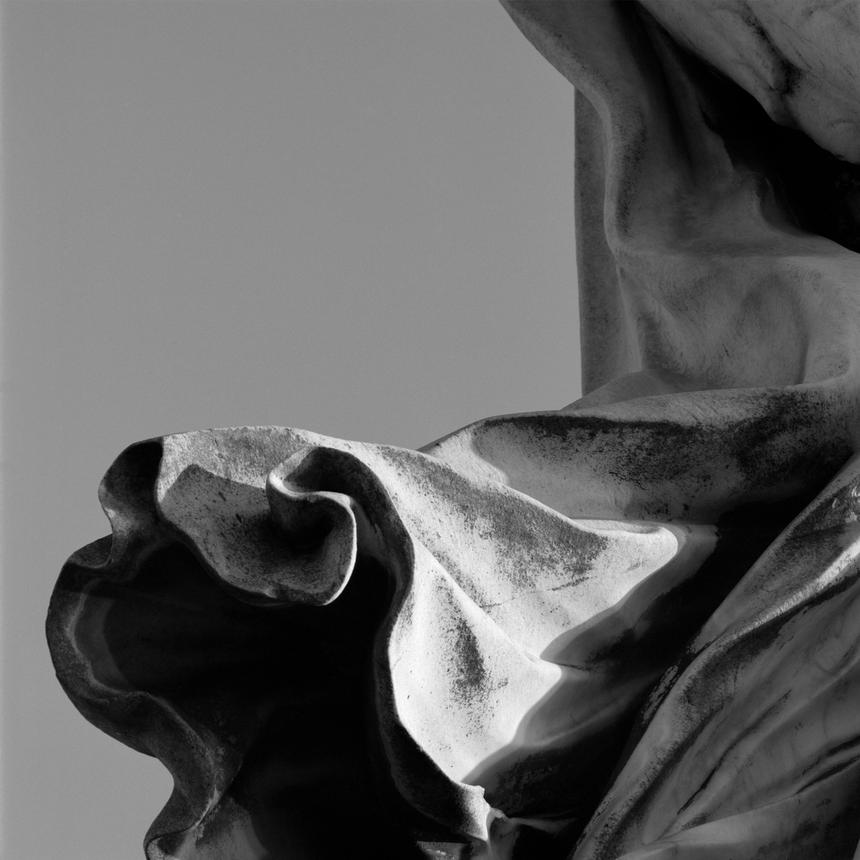
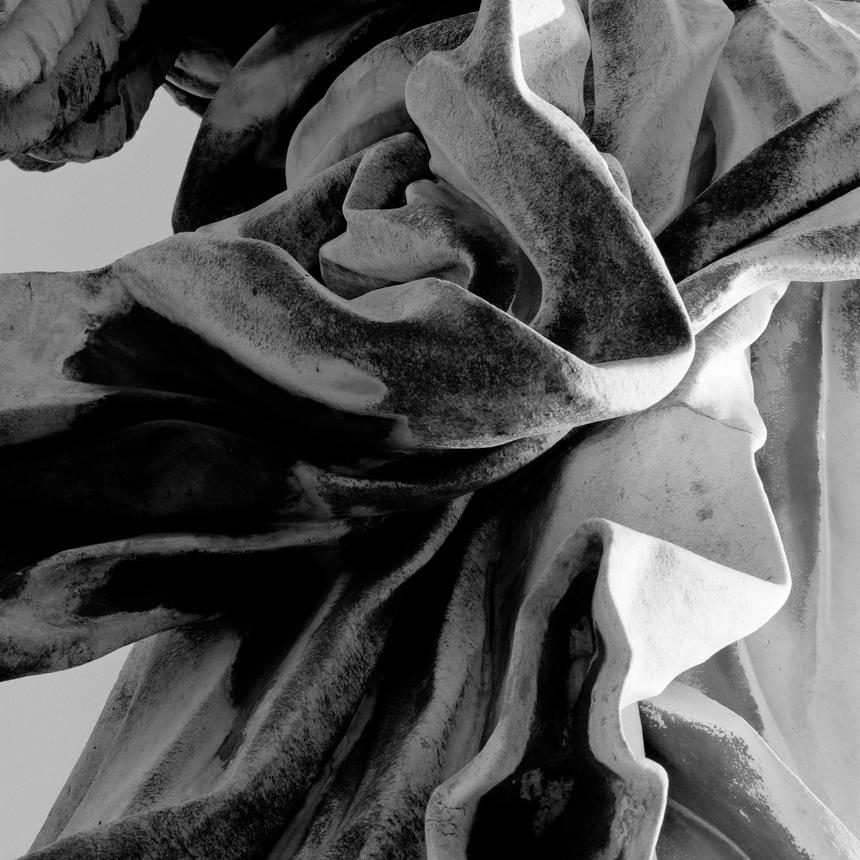
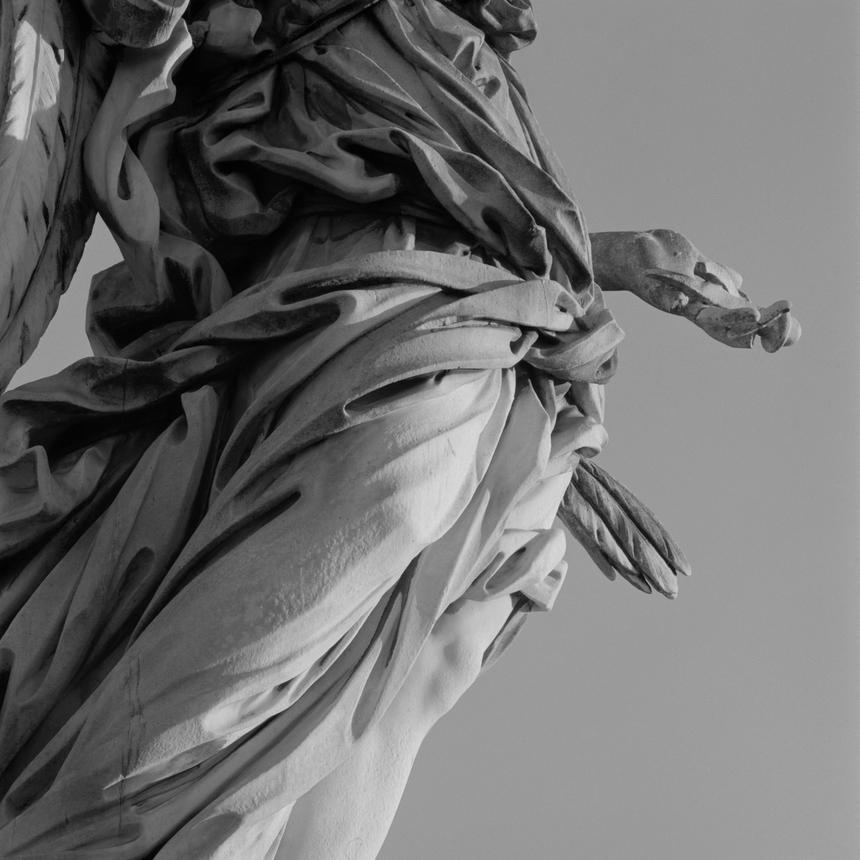
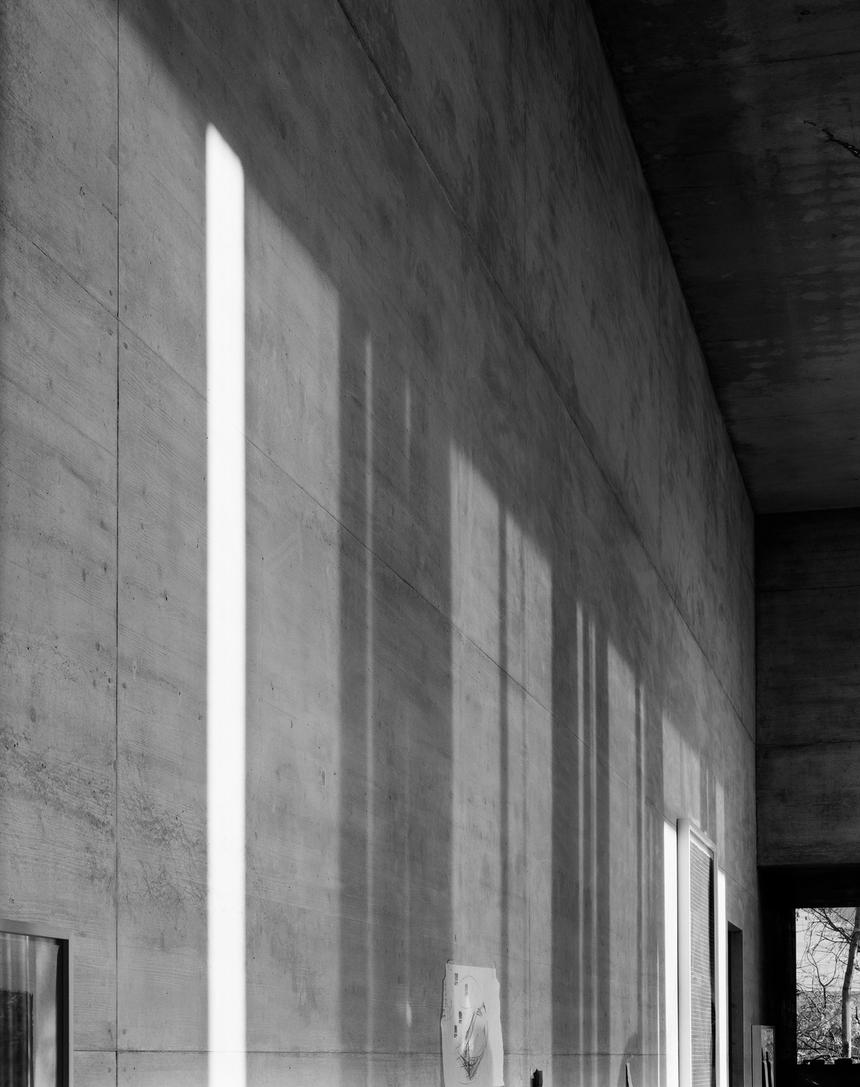
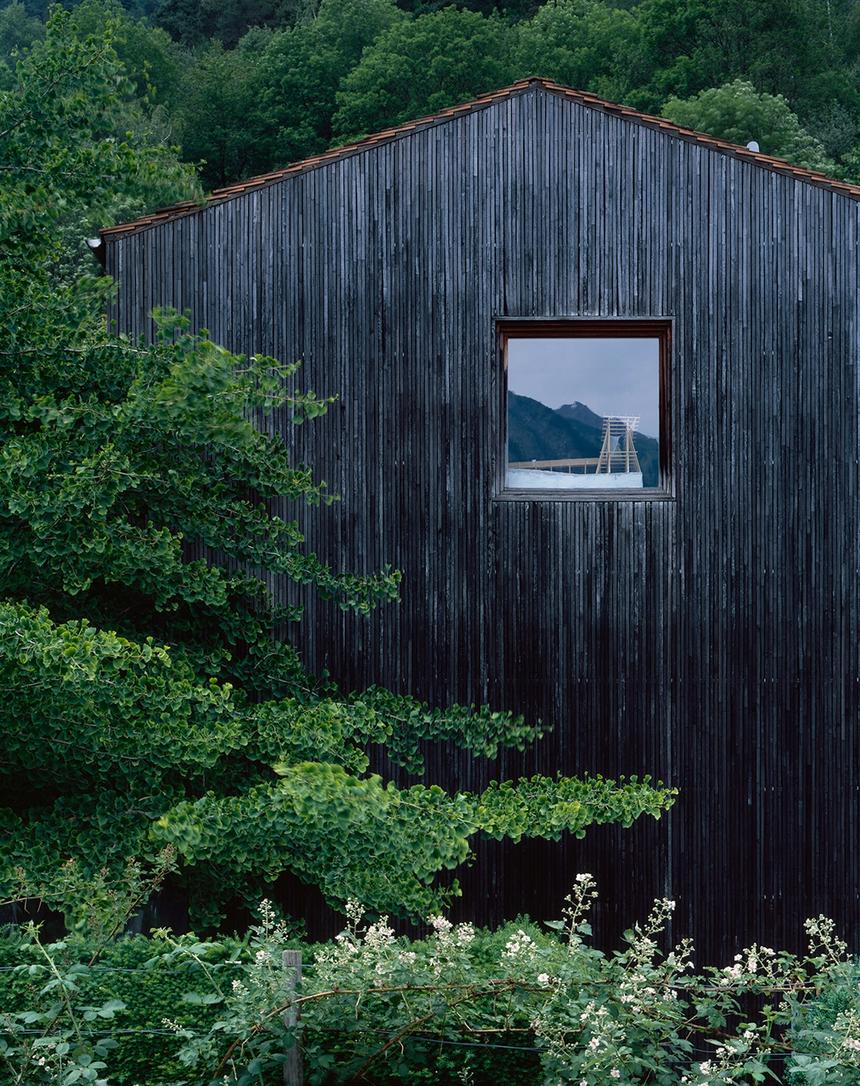
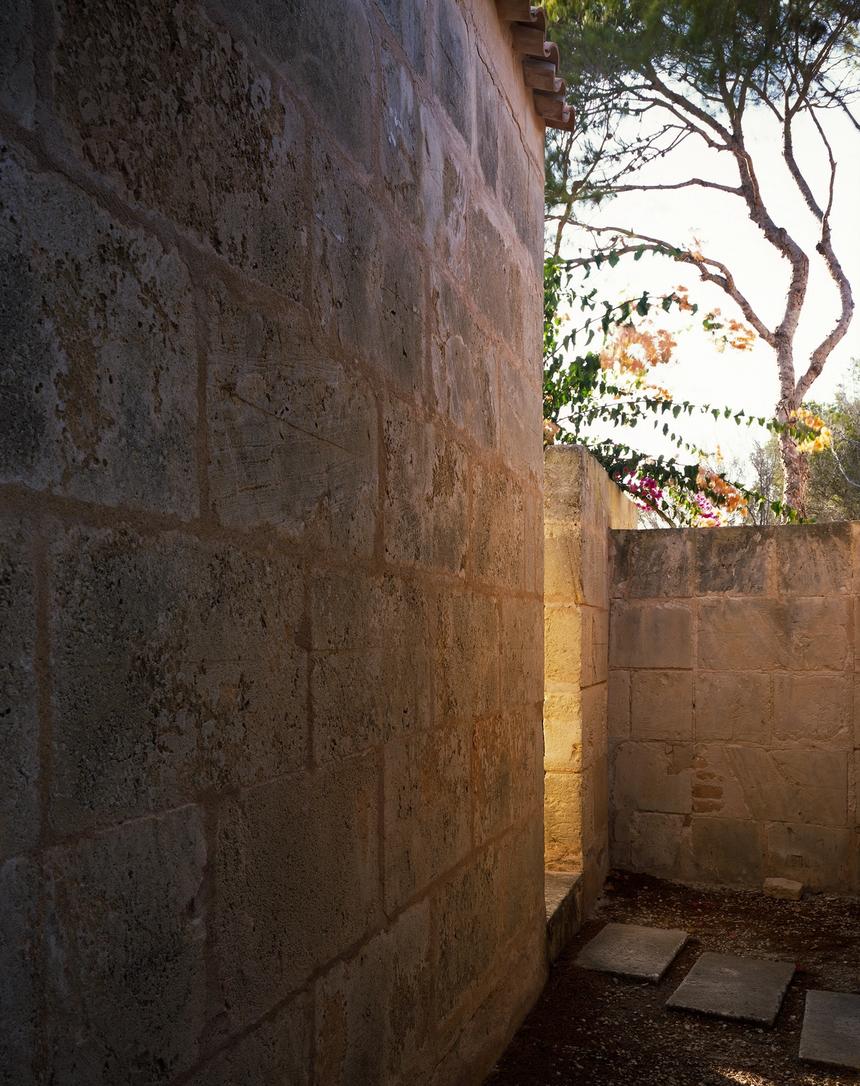
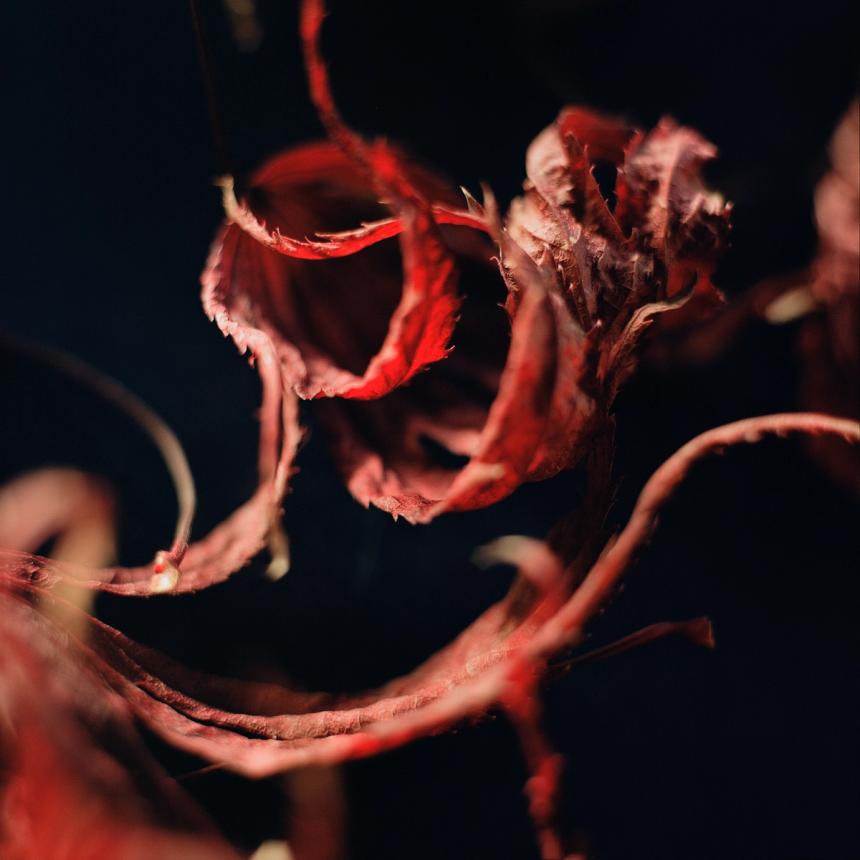
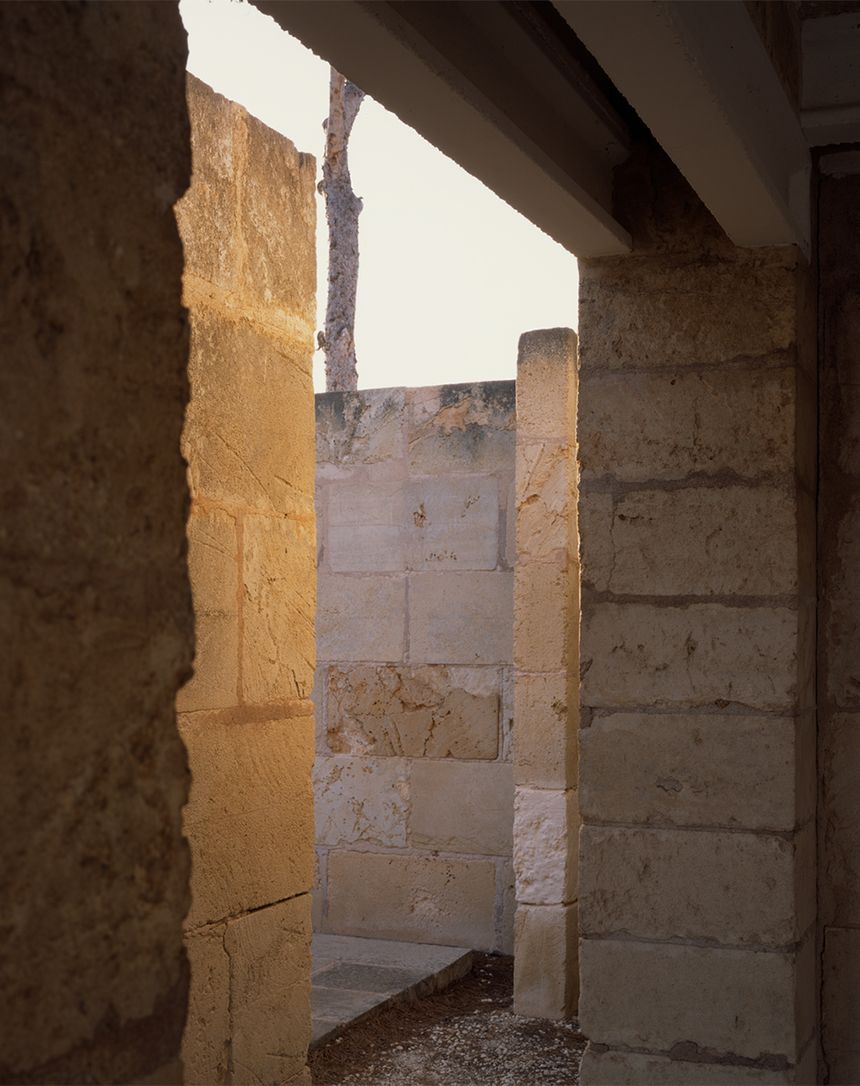
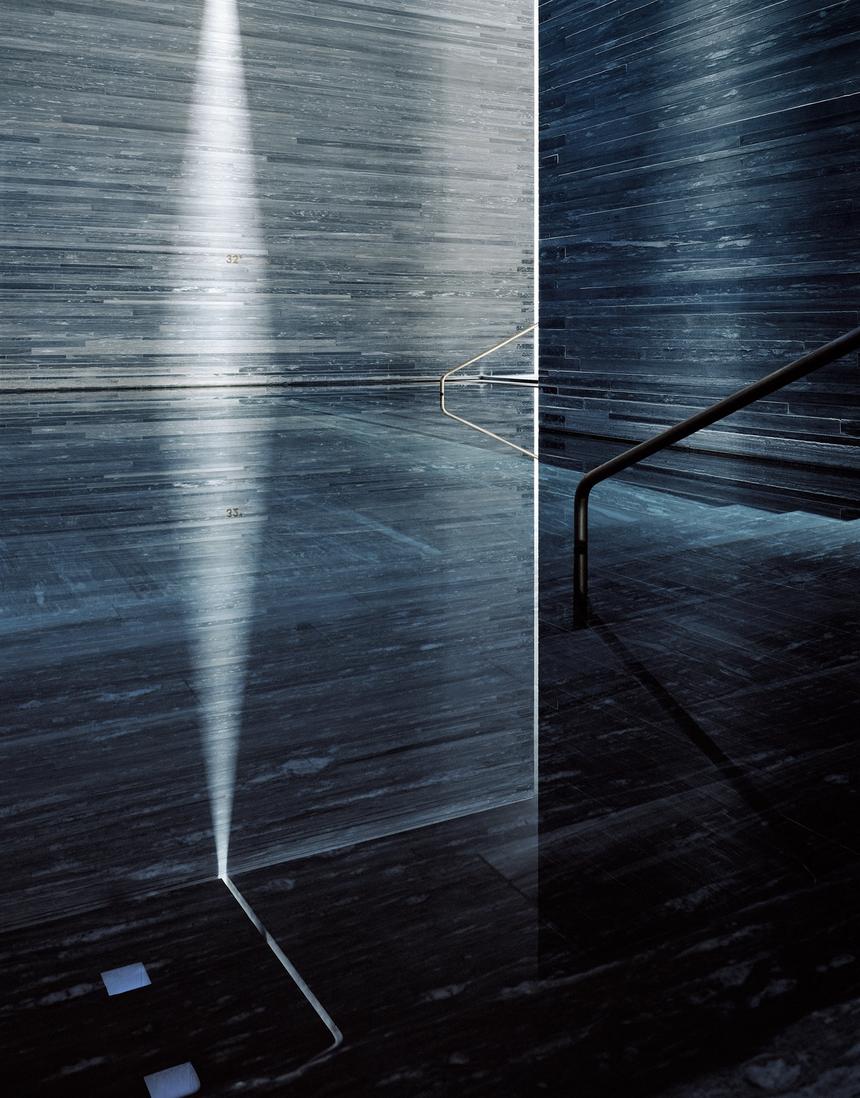
Hélène Binet was born in 1959 in Sorengo, Switzerland, to Swiss and French parents, and grew up in Rome. She studied photography at the Istituto Europeo di Design in Rome but found it focused too much on commercial work, leading her to explore theatre photography in Geneva before shifting to architecture in the mid-1980s. Her career took off with collaborations like shooting Daniel Libeskind’s projects in the late 1980s, followed by long-term partnerships with architects such as Peter Zumthor and Zaha Hadid, spanning over 35 years from her London base since the early 1990s. Key milestones include her 2021 exhibition Light Lines at the Royal Academy of Arts and publishing books like Composing Space in 2012. Visually, her work features stark monochrome tones with deep contrasts and textured surfaces that highlight spatial depth.
- Primary Genres: Architecture, Fine Art.
- Primary Photography Styles: Straight Photography (black and white abstracts focusing on form and light for direct representation); Expressionism (textural and atmospheric emphasis on mood through shadows and materials).
- Key Message: Binet seeks to reveal architecture’s emotional and spatial essence by capturing how light and shadow and how it interacts with structures, transforming buildings into evocative spaces that question human existence and invite personal interpretation. Her images go beyond documentation to explore the poetry and atmosphere of built environments.
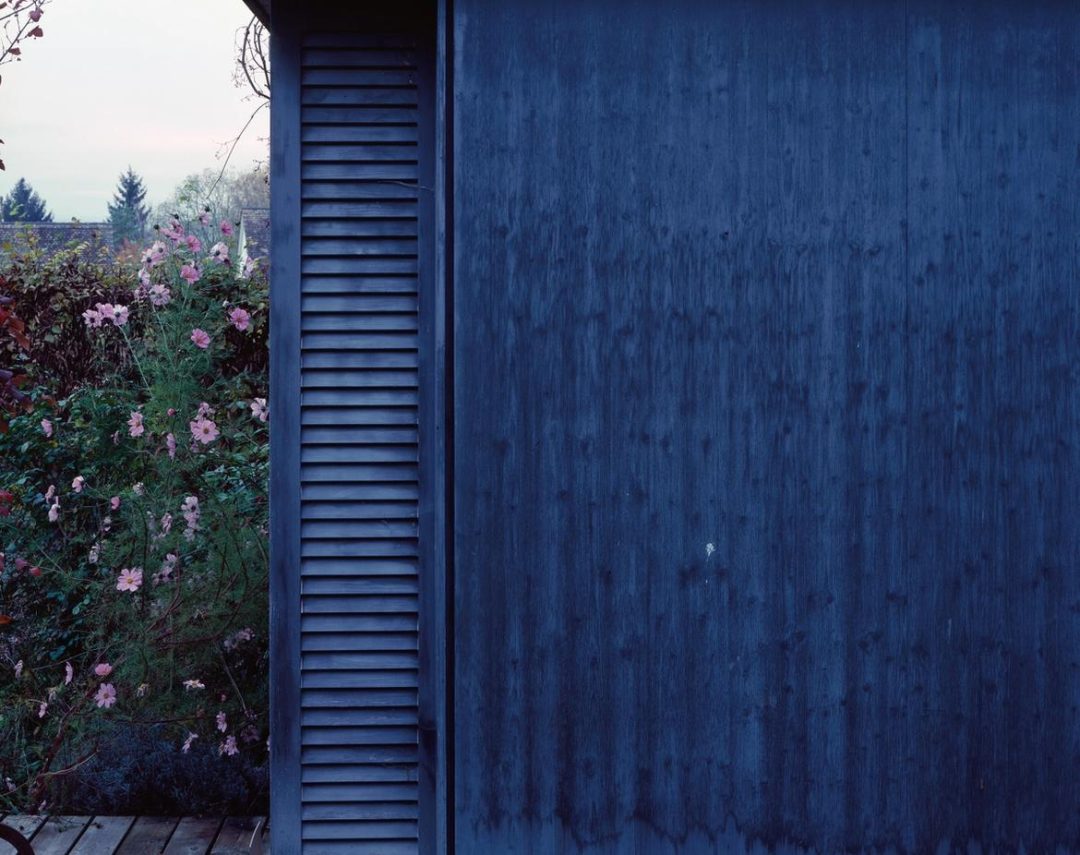
Binet’s common subjects are historic and contemporary architecture, including works by Le Corbusier, Peter Zumthor, Zaha Hadid, and sites like the Jantar Mantar observatory or Suzhou gardens, often focusing on details such as walls, staircases, or facades rather than full views. Her aesthetic centres on high contrast in monochrome, with textures like rough concrete, weathered stone, or smooth marble brought to life through shadows and light gradients, creating depth and mystery. Techniques rely on large-format cameras like 4×5 Linhof or Sinar, shot on black-and-white film such as Ilford Delta or Kodak T-Max for rich tonal range, using tripods for stability and composing upside-down under a dark cloth. She prefers natural light at dawn, dusk, or in foggy conditions, avoiding artificial sources to let ambient conditions sculpt the scene authentically. Printing involves traditional darkroom methods with gelatin silver processes, where she dodges and burns to enhance contrast and mood while preserving film grain. Presentations include large prints up to 80×100 cm in galleries, books such as The Walls of Suzhou Gardens, and exhibitions at venues like the Royal Academy or Ammann Gallery.
For intermediate photographers, Binet’s style emphasises analogue film’s discipline over digital’s flexibility, requiring precise exposure planning similar to the zone system for controlling tones across shadows and highlights without post-review. Film limits shots and introduces imperfections like grain, which she values for adding human elements, unlike digital’s clean, editable results that can lack tension. Learners can adopt her method by scouting locations multiple times to observe light changes, using large-format setups for detail, and focusing on abstraction to isolate architectural elements that evoke stories. Binet’s process teaches observation and patience, encouraging photographers to build relationships with subjects over time, much like her decades-long collaborations, to uncover deeper narratives in structures.
- Accolades:
- Julius Shulman Institute Excellence in Photography Award (2015)
- Ada Louise Huxtable Prize (2019)
- Royal Academy of Arts Honorary Fellow (2015)
- Works in collections like V&A and MoMA
- Trivia:
- Comes from a family of musicians, influencing her sense of performance in photography.
- Exclusively uses analogue methods, valuing the pressure and errors of film.
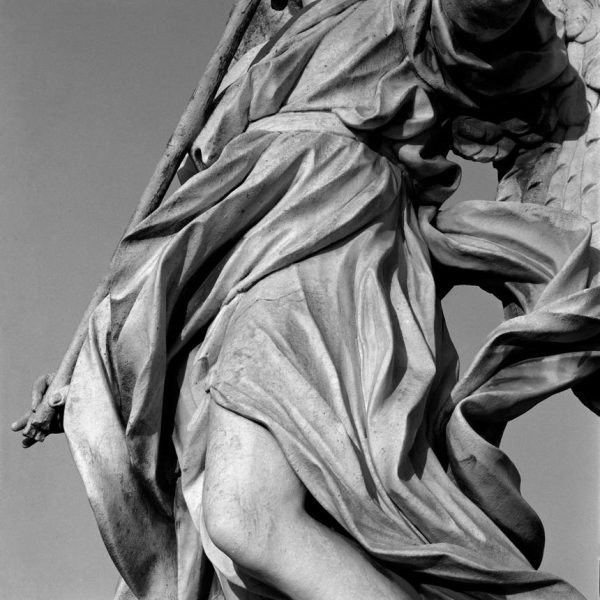
Lessons from this Photographer:
Binet’s unique approach highlights the meditative process of analogue photography, teaching that limitations like finite film rolls foster intentional composition and anticipation of light. Photographers can apply this by practising zone system techniques in film or digital to control exposure for mood, shifting mindsets from quick snaps to repeated site visits for understanding spatial dynamics. Her focus on abstraction and imperfections inspires experimentation with shadows in everyday structures, deepening appreciation for how light tells stories and encouraging ethical, collaborative interactions with subjects.
Website and Portfolio:
-
- Website: https://www.helenebinet.com
- Instagram: https://www.instagram.com/binet.helene/
YouTube References:
- “Hélène Binet, ‘Composing Space'” by Harvard GSD – https://www.youtube.com/watch?v=YkpeFr87wOo
Citations:
- The Guardian Interview (2021): https://www.theguardian.com/artanddesign/2021/oct/10/helene-binet-photographer-light-lines-royal-academy-interview
- About Photography Blog: https://aboutphotography.blog/photographer/helene-binet
- Royal Academy Exhibition: https://www.royalacademy.org.uk/exhibition/helene-binet
- Untapped Journal Article: https://www.untappedjournal.com/issues/issue-14/marianela-daprile-helen-binet-photographs-architecture-experience