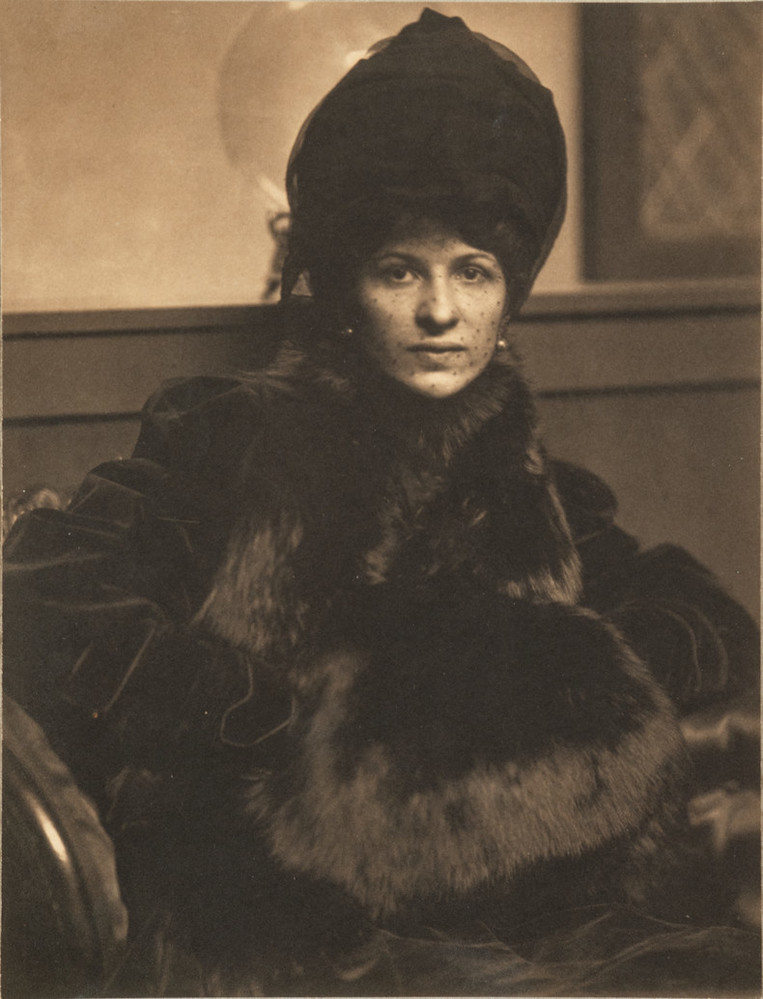
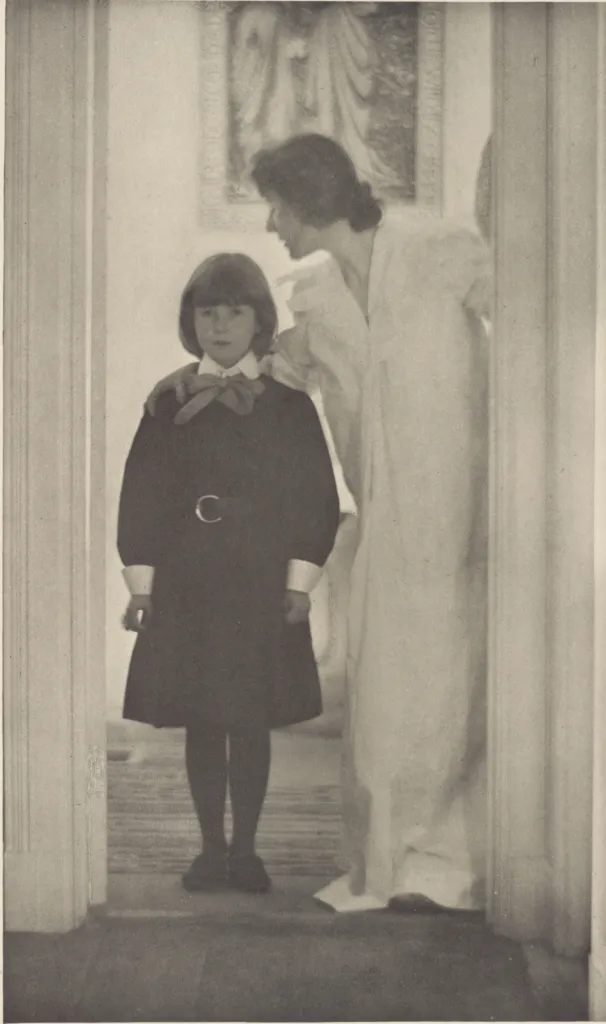
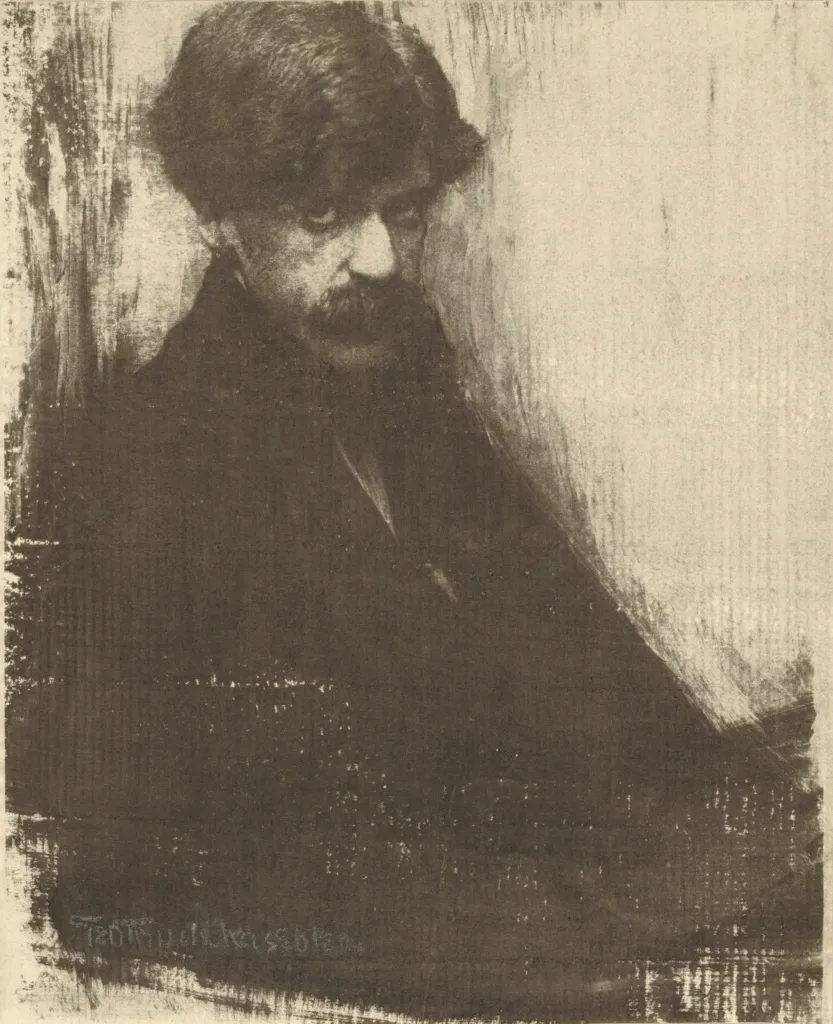
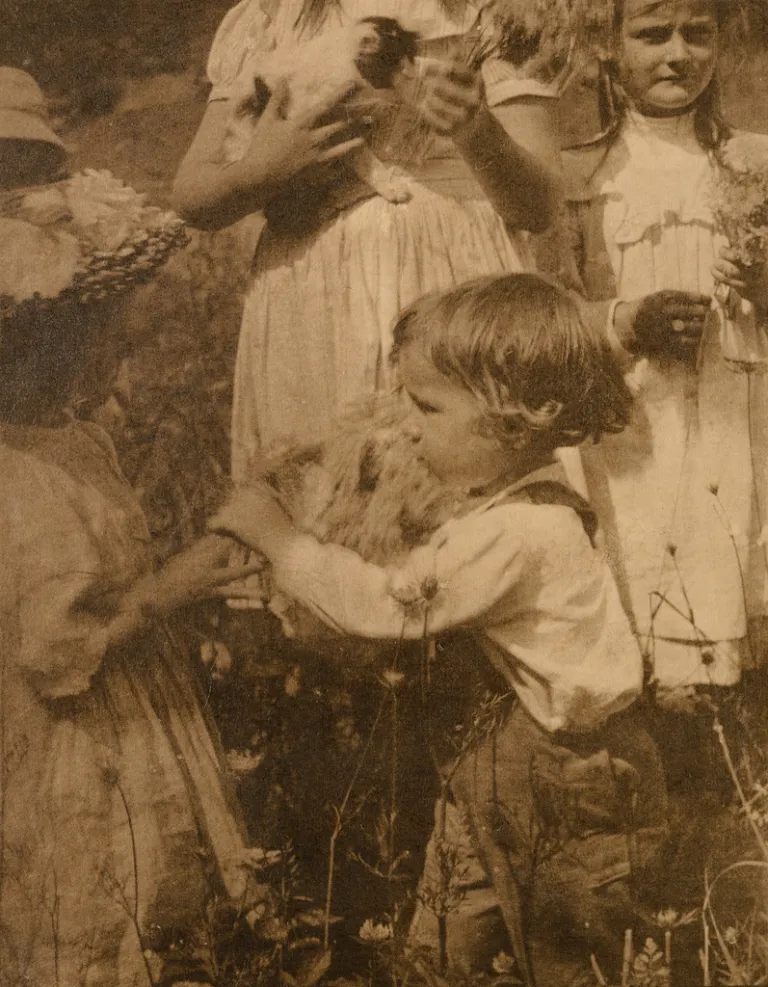
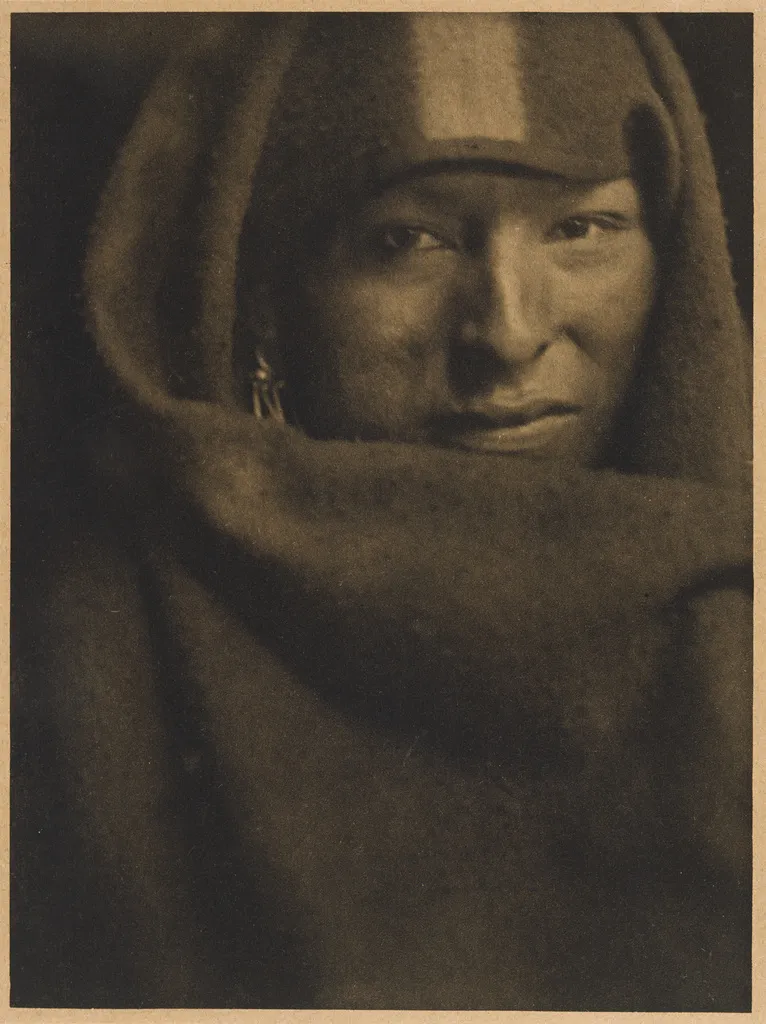
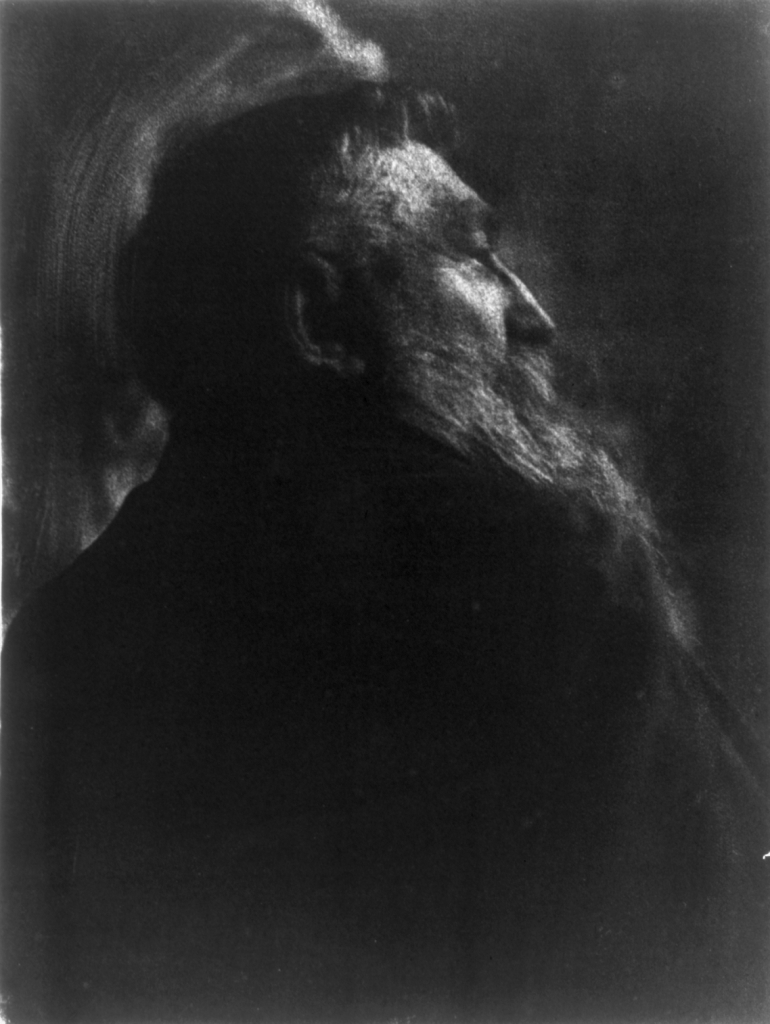
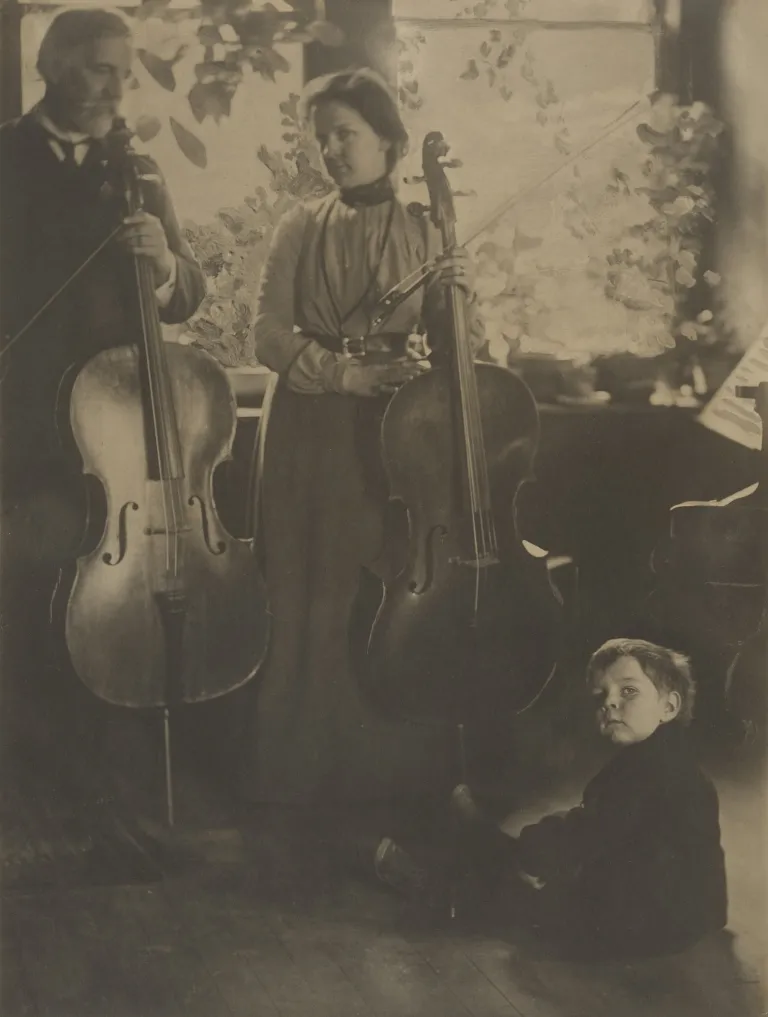
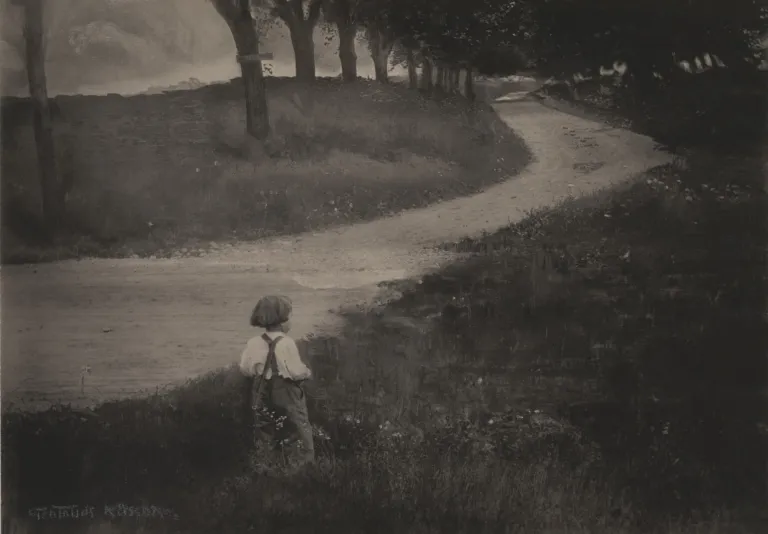
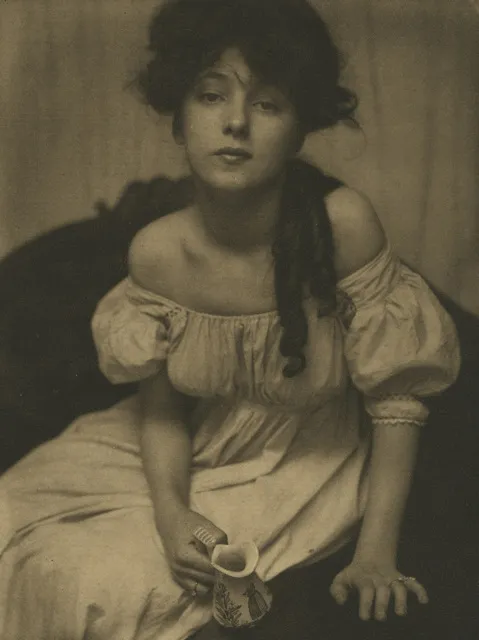
Gertrude Käsebier was born in Des Moines, Iowa, in 1852 and moved to Brooklyn, New York, in 1864. She married Eduard Käsebier in 1873 and raised three children before pursuing art seriously at age 37, studying painting at Pratt Institute from 1889, shifting to photography by the mid-1890s. In 1897, she opened her portrait studio in New York City, achieving quick success with high-society clients. A founding member of the Photo-Secession in 1902 alongside Alfred Stieglitz, her career spanned over 30 years until retirement around 1927. Key milestones include her 1898-1900 portraits of Sioux from Buffalo Bill’s Wild West Show and maternal scenes that defined Pictorialism. She died in 1934. Her work features soft-focus effects and warm tones that convey emotional intimacy.
- Primary Genres: Portrait, Fine Art.
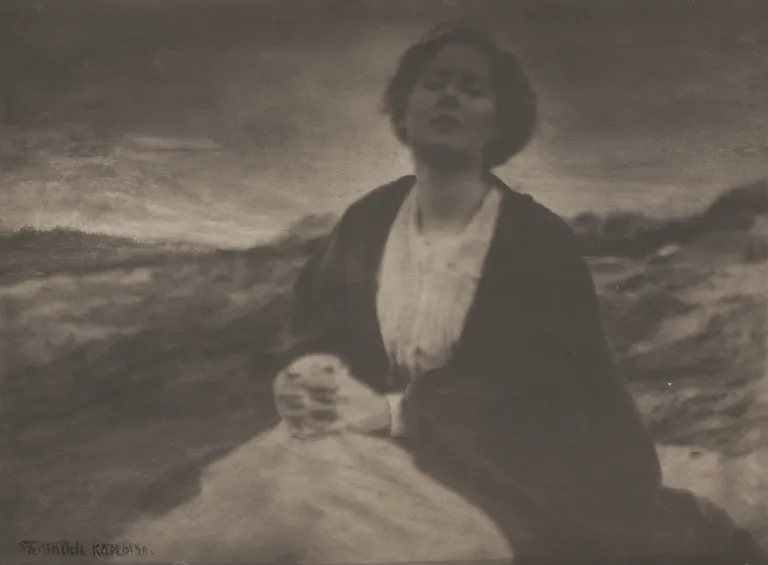
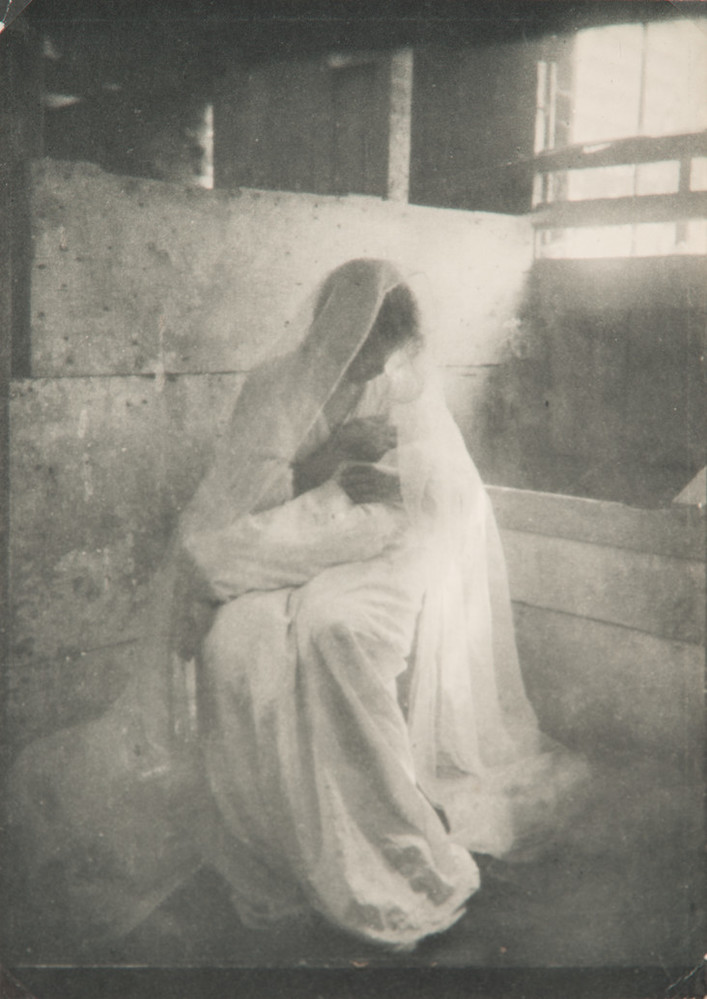
- Primary Photography Styles: Pictorialism (soft-focus, evocative, using diffusion for painterly atmosphere); Symbolism (intimate, maternal, staging subjects for spiritual or cultural depth).
- Key Message: Käsebier elevated photography to fine art, capturing her subjects’ essence—especially women and Native Americans—with emotional depth and artistic grace. Her images explored themes of motherhood, identity, and humanity through staged yet heartfelt compositions.
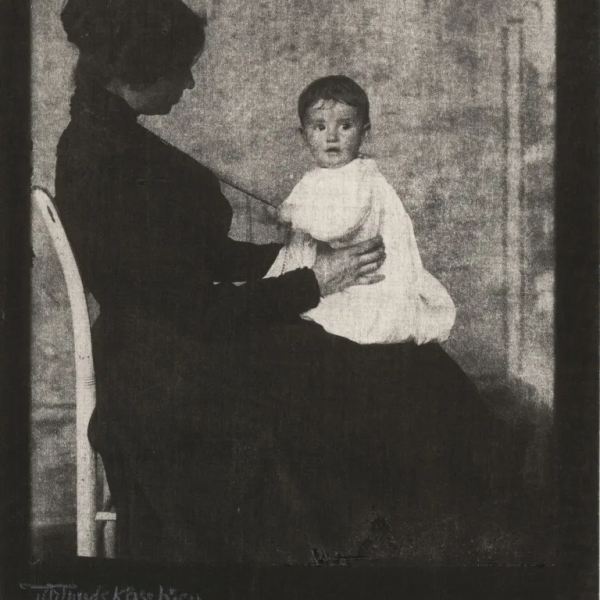
Gertrude Käsebier’s most common subjects were women, mothers with children, and Native Americans, often portraying domestic tenderness or cultural dignity in scenes like a mother cradling an infant or Sioux performers in thoughtful poses. She emphasised aesthetics such as soft tonal gradients in sepia or warm greys, textures from lace, feathers, or skin, and an ethereal blur to mimic painting. Techniques involved large-format view cameras (such as 8×10 inch) for detailed negatives, diffusing lenses with muslin or petroleum jelly for soft focus, and natural window or skylight without flash to create gentle illumination. In the darkroom, she used platinum, gum bichromate, or bromoil processes for rich, hand-manipulated prints that prioritised mood over sharpness. Presentation included small prints around 8×10 inches in artistic frames, exhibitions through the Photo-Secession, and publications in Camera Work magazine as visual essays.
For intermediate learners, Käsebier’s Pictorialism relied on analogue processes like gum bichromate printing, which allowed manual brushing for tonal control similar to the zone system but focused on artistic expression, contrasting with digital workflows that use layers in Photoshop for equivalent diffusion effects. Her symbolic staging teaches composition through props and poses to build narrative, encouraging use of soft filters or lens attachments—beginners can replicate with basic large-format setups, while intermediates practice darkroom manipulation or software equivalents to blend reality with emotion. Unlike straight photography, she intervened heavily in printing, showing how pre-visualisation elevates technical capture to fine art. Käsebier’s influence includes mentoring figures like Clarence White and cofounding the Pictorial Photographers of America in 1916; her revival in modern exhibitions highlights her role in advancing women’s careers in the medium.
- Accolades:
- Founding member of the Photo-Secession (1902)
- First woman elected to The Linked Ring brotherhood (1898)
- Works in collections at MoMA, Smithsonian, and Library of Congress
- Retrospective at Brooklyn Institute of Arts and Sciences (1929)
- Trivia:
- Photographed over 50 Native Americans from Buffalo Bill’s Wild West Show between 1898-1900.
- Inspired by James McNeill Whistler’s tonal harmonies in her prints.
Lessons from this Photographer:
Käsebier’s unique Pictorialist method teaches the importance of artistic intervention, encouraging photographers to use diffusion techniques and staging to infuse portraits with emotional narrative beyond mere documentation. Her focus on natural light and subject rapport inspires building trust for intimate captures, applying mindset shifts like viewing subjects as symbols to add depth in composition. By prioritising mood through printing processes, she promotes experimentation with analogue or digital manipulation for beginners and intermediates, fostering a deeper appreciation of photography as expressive art.
Website and Portfolio:
YouTube References:
- “Meet Gertrude Käsebier” by Smithsonian Institution – https://www.youtube.com/watch?v=FUsdhG5DzJg
Citations:
- Smithsonian Spotlight: https://www.si.edu/spotlight/gertrude-kasebier-indian-portraits
- Wikipedia Biography: https://en.wikipedia.org/wiki/Gertrude_Käsebier
- International Center of Photography Profile: https://www.icp.org/browse/archive/constituents/gertrude-käsebier
- MoMA Artist Page: https://www.moma.org/artists/3008
- Britannica Biography: https://www.britannica.com/biography/Gertrude-Kasebier