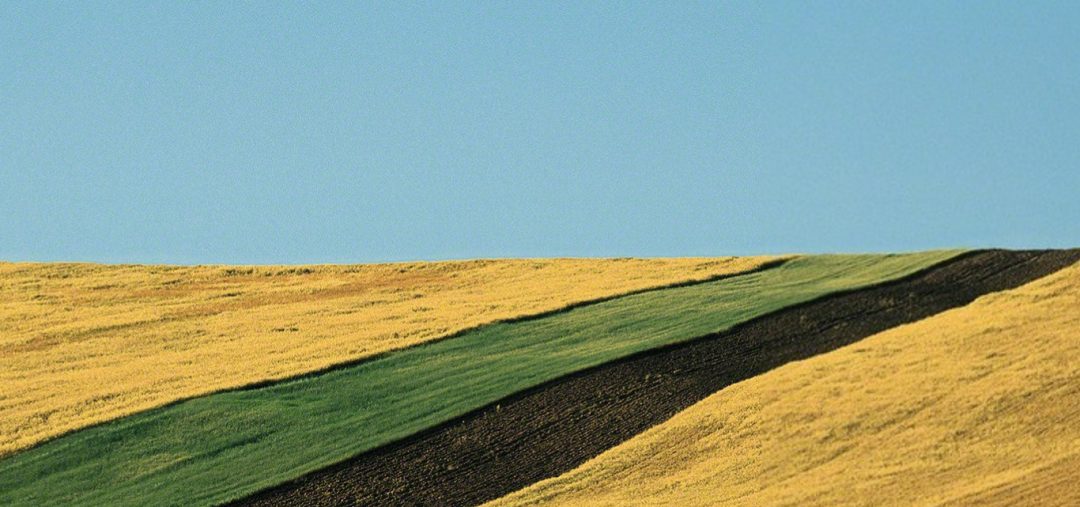
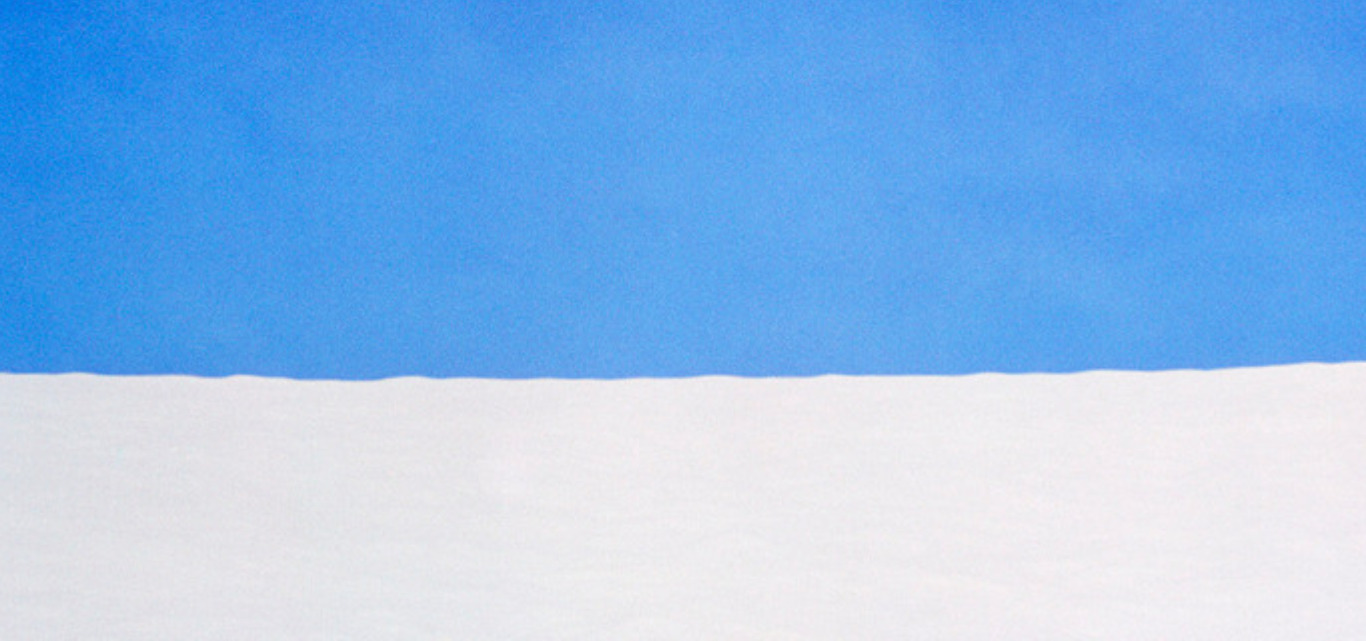
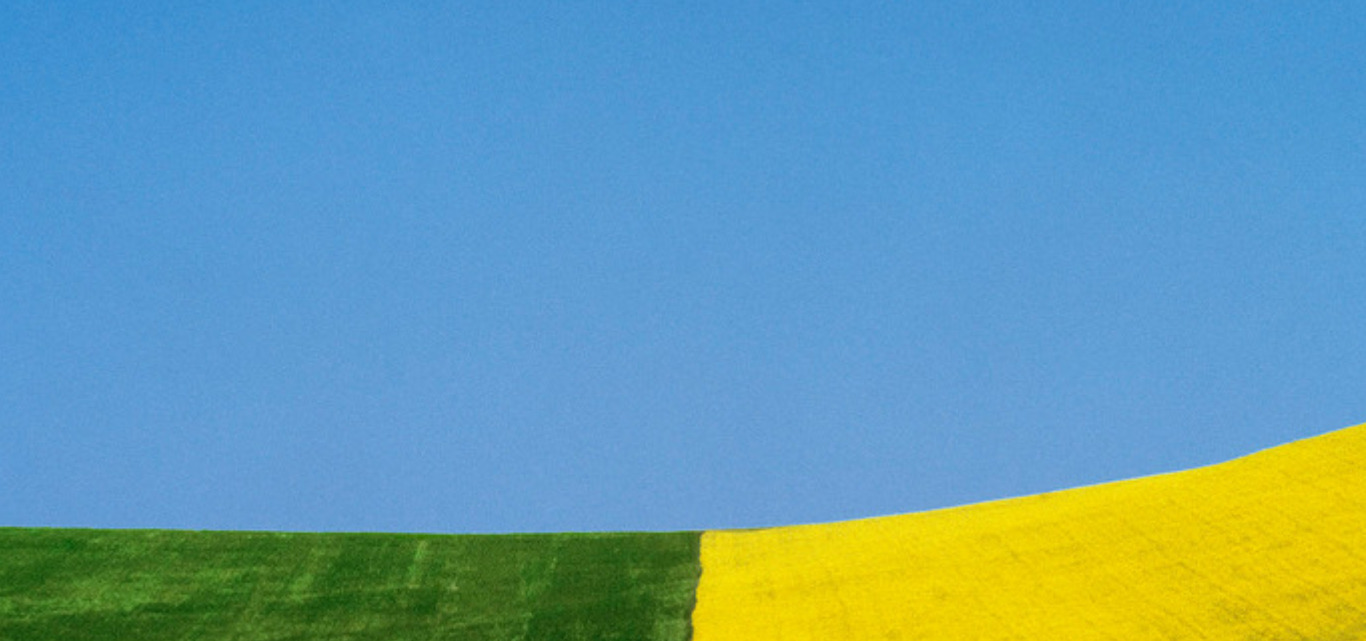
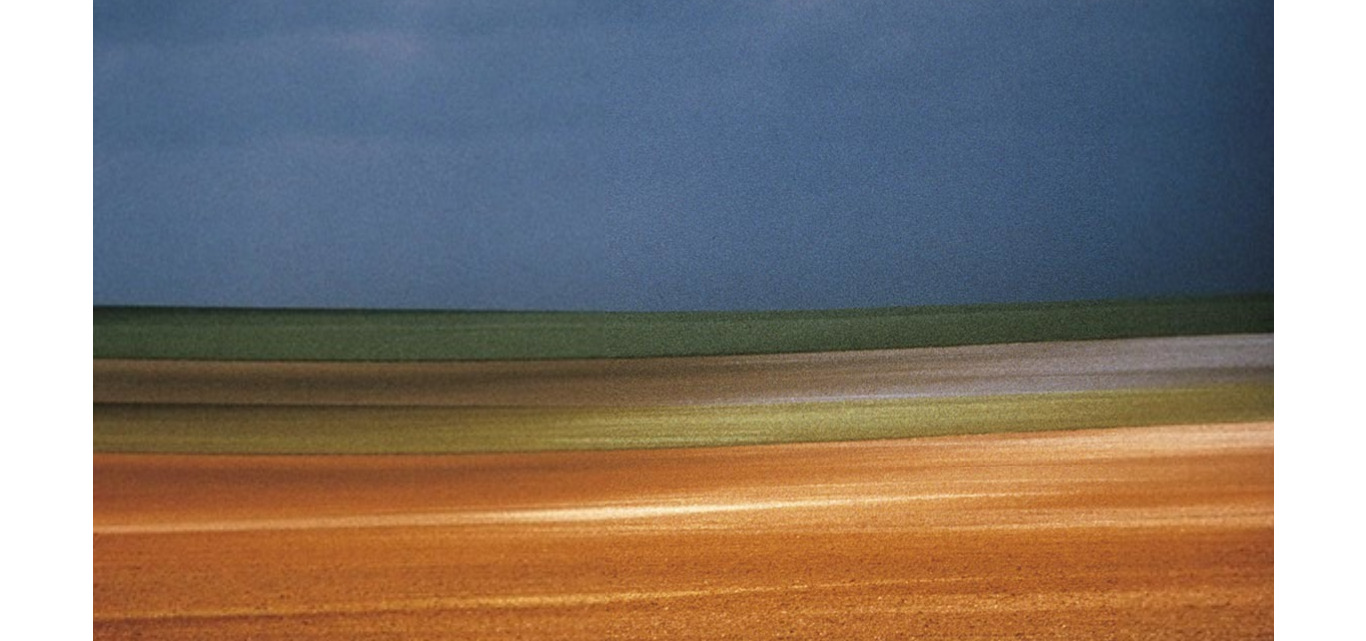
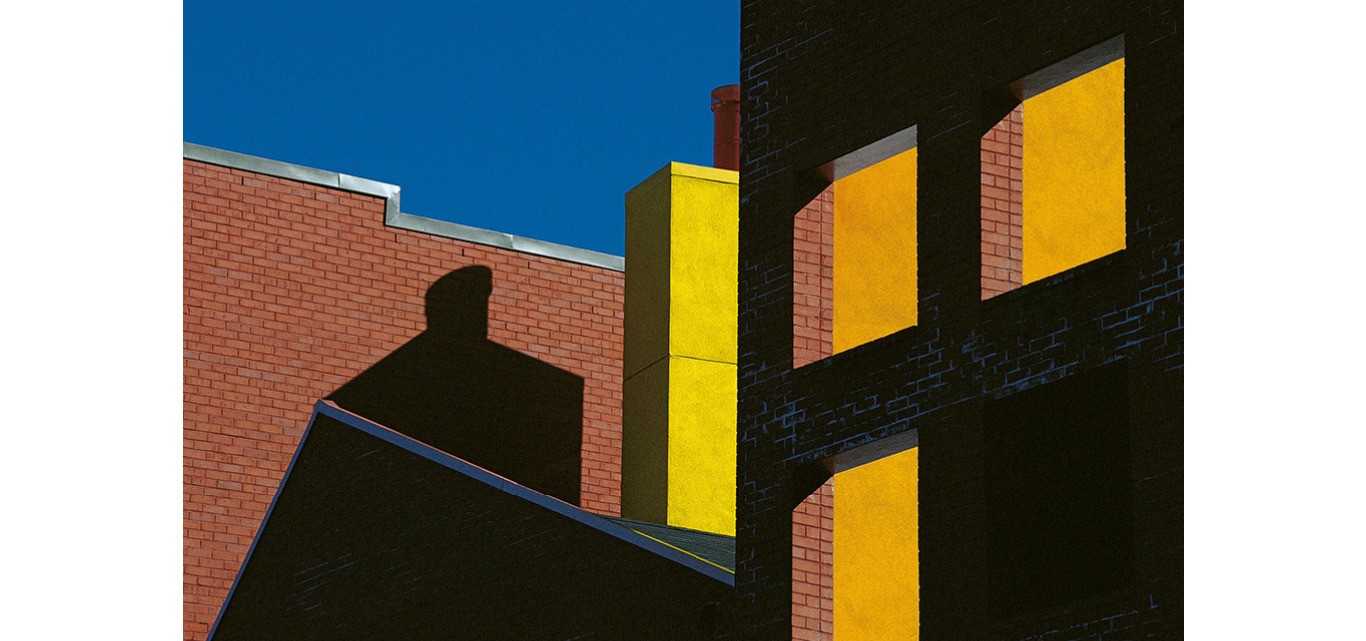
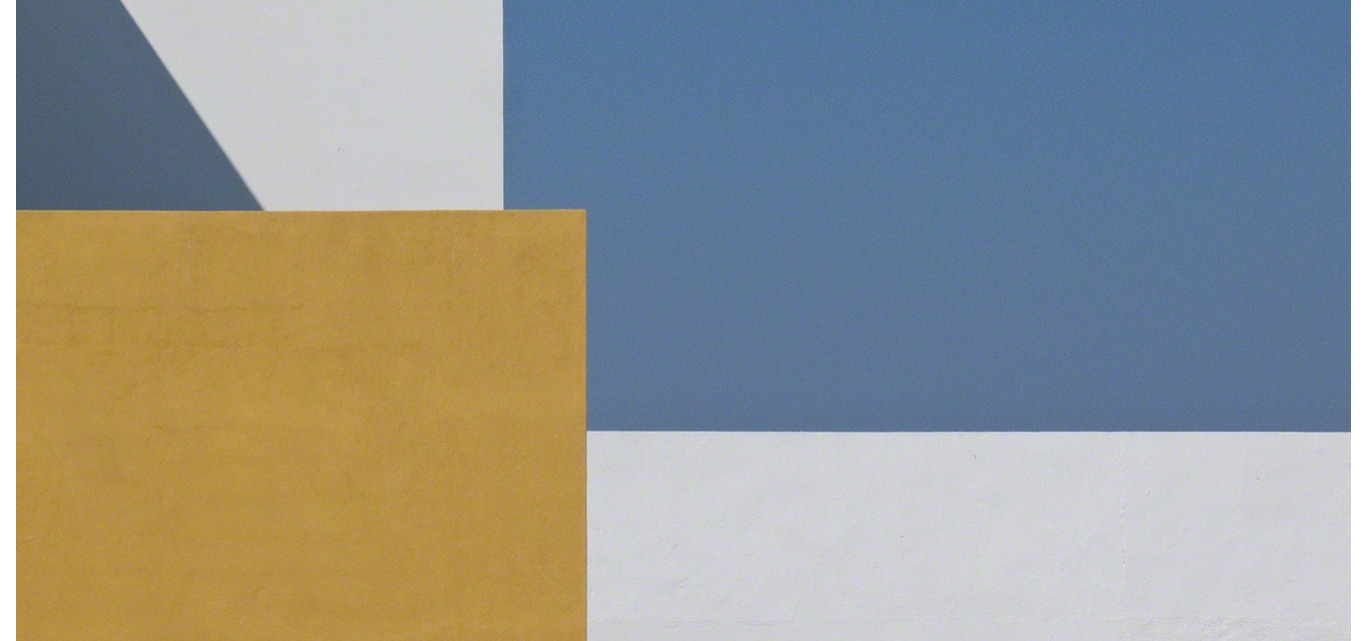
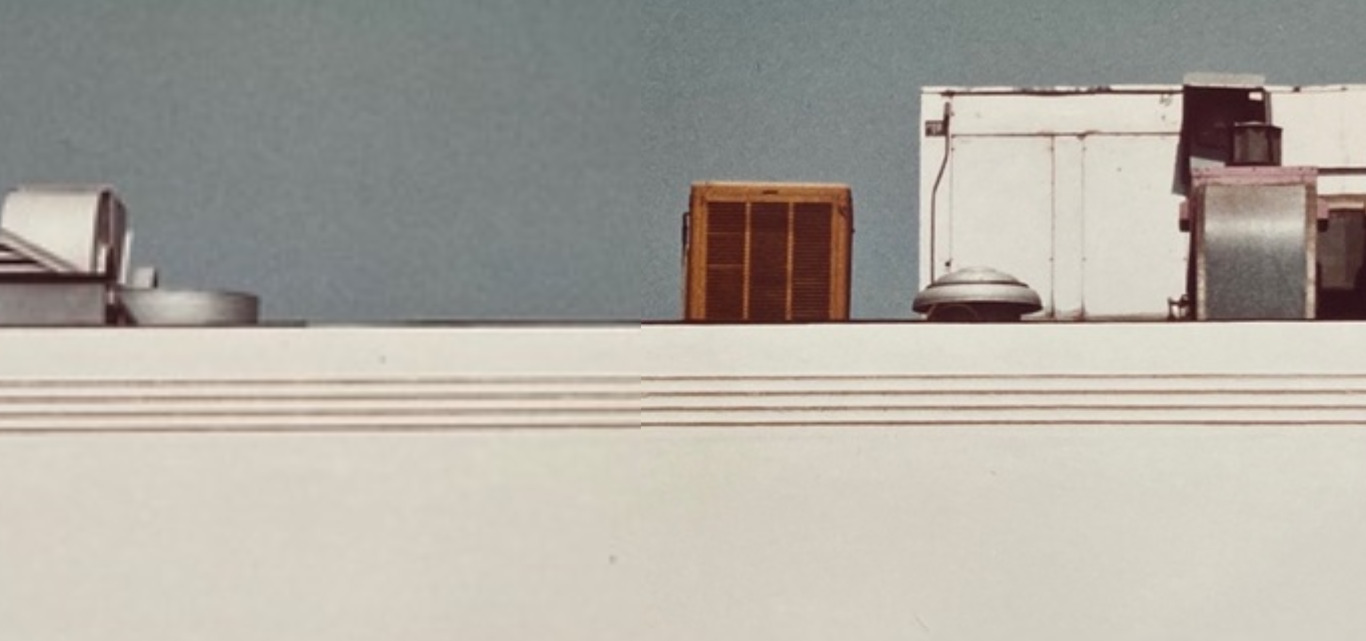
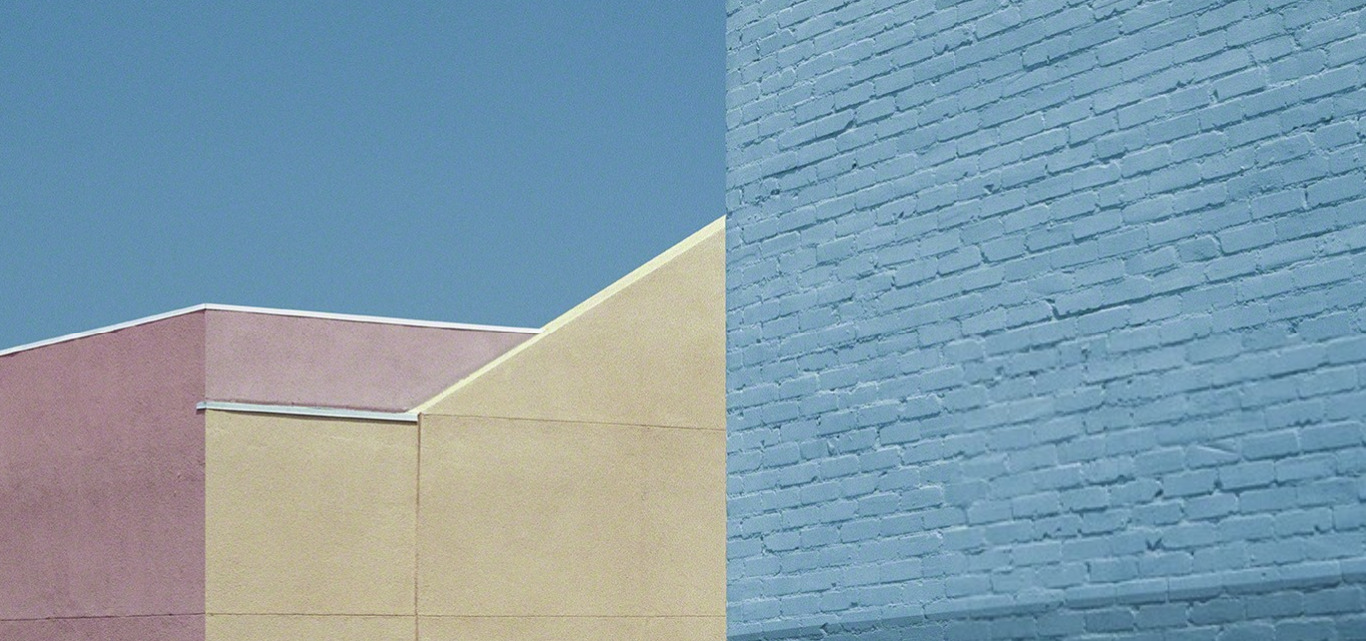
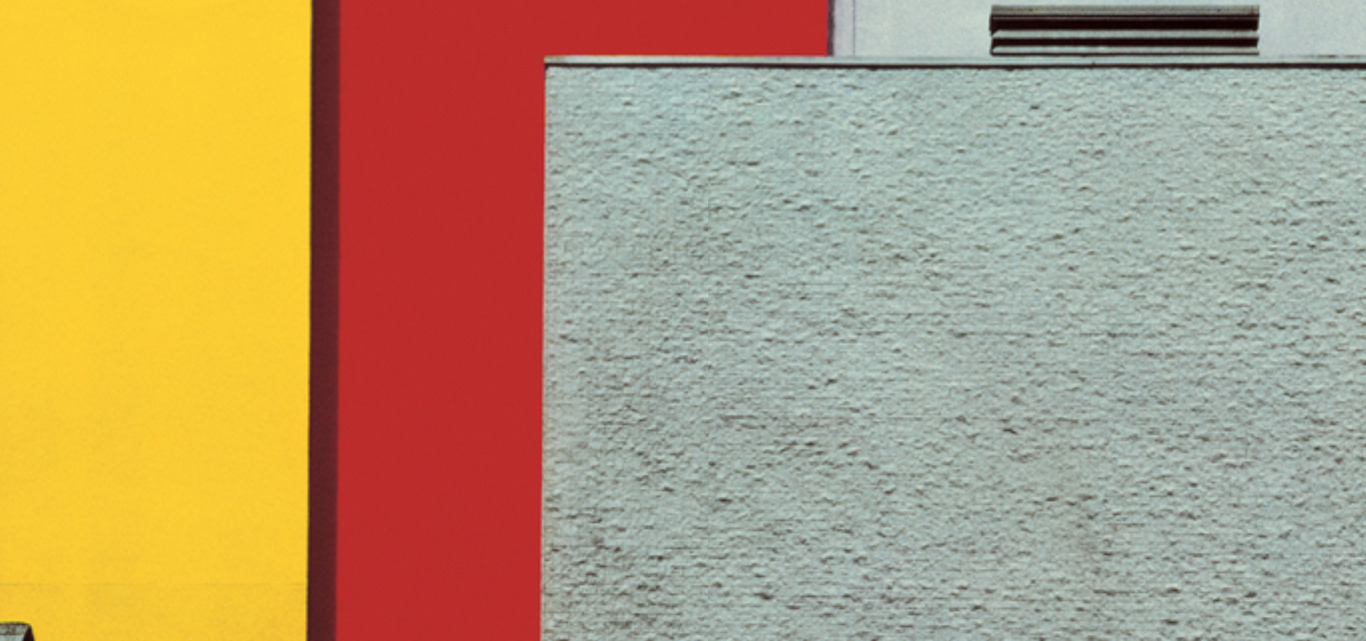
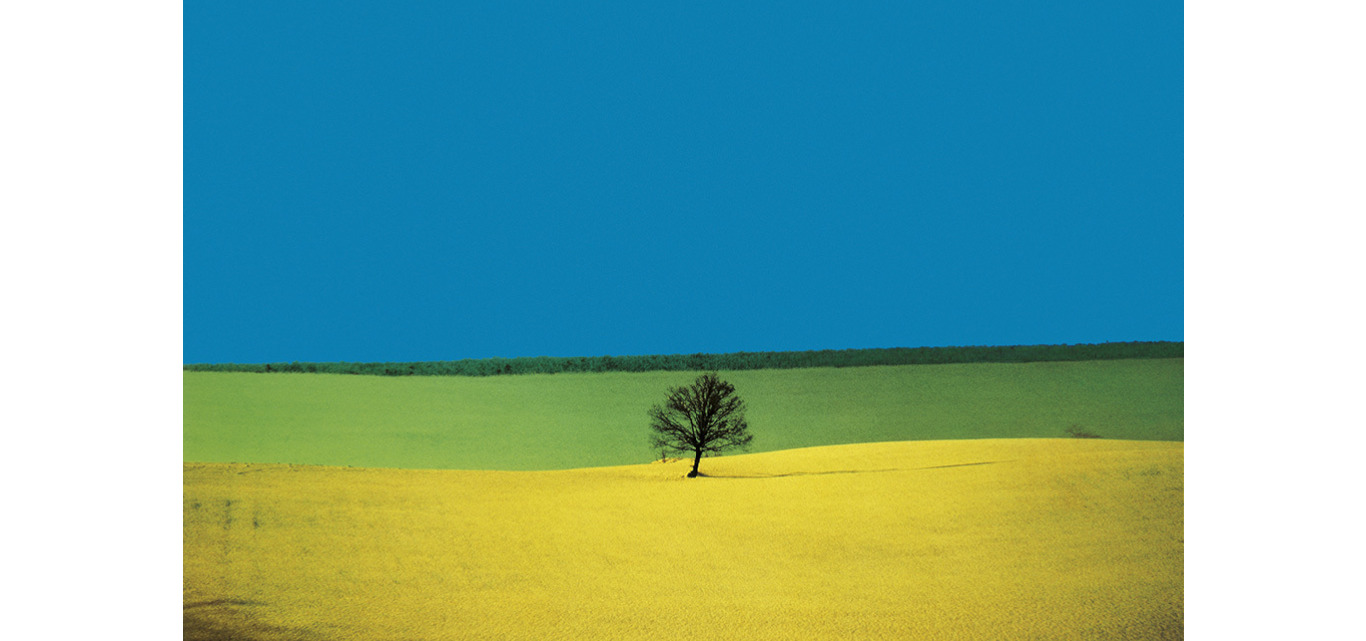
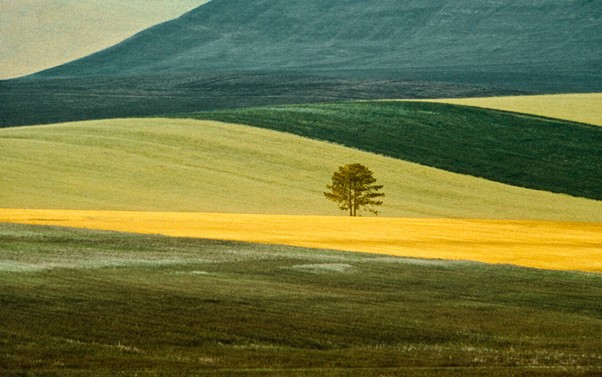
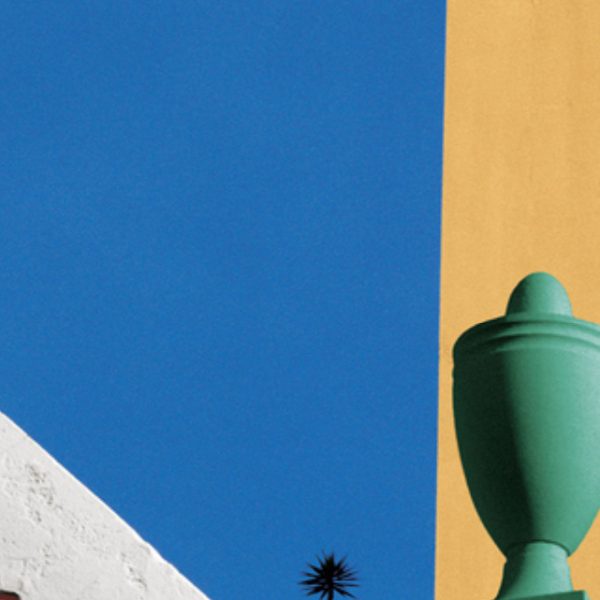
Franco Fontana was born in Modena, Italy, in 1933 and began experimenting with photography as a hobby in the 1950s while working as a decorator. He took it up more seriously in 1961, joining an amateur club, and held his first solo exhibition in 1968 in Modena. Over a career spanning more than 60 years, Fontana pioneered colour photography in the 1960s, influencing the acceptance of colour as an artistic medium. Self-taught and inspired by abstract painters like Mark Rothko, he has published over 70 books, including Skyline in 1978, and exhibited globally. Key milestones include his 1978 book marking a shift in Italian photography and retrospectives like Sintesi in 2019. His work features bold, saturated colours and geometric forms that flatten landscapes into abstract planes.
- Primary Genres: Landscape, Abstract.
- Primary Photography Styles: Minimalism (clean, abstract, reducing scenes to essential shapes and colours); Maximalism (colourful, geometric, using vibrant hues for visual impact).
- Key Message: Fontana transforms landscapes into abstract art, using form, colour, and geometry to evoke emotion and shift perception. His work reveals the invisible within the visible, turning real scenes into autonomous images that challenge traditional views of reality.
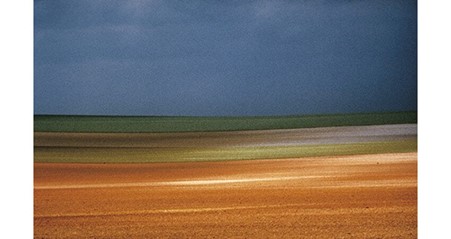
Franco Fontana’s most common subjects are rural and urban landscapes, such as fields, hills, cities, and seas, often distilled into bands of intense colour like reds, blues, and yellows. He focuses on aesthetics including geometric lines—curves of hills or grids of buildings—and texture from shadows or rooftops, compressing depth to create flat, painterly effects. Techniques involve 35mm film cameras with telephoto lenses (e.g., 200mm) to eliminate perspective, shooting in harsh midday light or dusk for saturated tones without filters, and using Kodachrome film for its punchy contrast. Editing is minimal, with darkroom adjustments for contrast or basic digital tweaks in Lightroom to preserve the film’s authenticity. Presentation includes large prints up to 40×60 inches, over 70 books as visual narratives, and exhibitions in museums like MoMA, where his images deliver a perceptual shift.
For intermediate learners, Fontana’s style highlights film’s role in colour photography versus digital, where Kodachrome’s limited dynamic range forced careful exposure choices similar to the zone system for tonal control, unlike digital’s flexible post-adjustments. His minimalist approach teaches composition through negative space and leading lines, using telephoto compression to abstract reality—beginners can try this with zoom lenses, while intermediates might experiment with underexposure to boost saturation. By dematerialising subjects, he blends straight capture with abstraction, encouraging practice in viewpoints that flatten 3D into 2D for emotional effect. Fontana’s evolution includes urban series, nudes, and experiments like Polaroids, showing adaptability from analogue to digital while maintaining colour as identity. His methods offer insights into using light for mood, avoiding overcast conditions for vivid results in a pre-digital era.
- Accolades:
- Photographic Society of Japan Award (1984)
- UNESCO Recommendation for Merit (1989)
- Works in collections at MoMA and V&A
- Over 400 exhibitions worldwide
- Trivia:
- Began photography seriously at age 28 with his first colour roll in 1961.
- His images have been used as album covers for ECM Records jazz label, reflecting his love for improvisation.
- Collaborates closely with her husband, Sean Moore, on editing and studio operations.
Lessons from this Photographer:
Fontana’s unique use of colour and geometry teaches photographers to see beyond literal scenes, encouraging experimentation with telephoto lenses to compress space and create abstract compositions from everyday landscapes. His preference for natural harsh light inspires timing shots for maximum contrast, applying mindset shifts like viewing colour as an emotional tool rather than objective fact. By keeping editing minimal, he promotes capturing the decisive moment in-camera, fostering deeper appreciation through patient observation and simple techniques that intermediates can use to evoke mystery in their work.
Website:
-
- Website: https://www.francofontana.eu
- Instagram: https://www.instagram.com/francofontanaphotographer/
YouTube References:
- “FRANCO FONTANA – Full Documentary 2009 by Giampiero D’ANGELI – https://www.youtube.com/watch?v=9mDd2IOCj-8”
Citations:
- Wikipedia: https://en.wikipedia.org/wiki/Franco_Fontana
- All About Photo Profile: https://www.all-about-photo.com/photographers/photographer/1626/franco-fontana
- The Independent Photographer Article: https://independent-photo.com/news/franco-fontana/
- Atlas Gallery Profile: https://www.atlasgallery.com/artists/franco-fontana