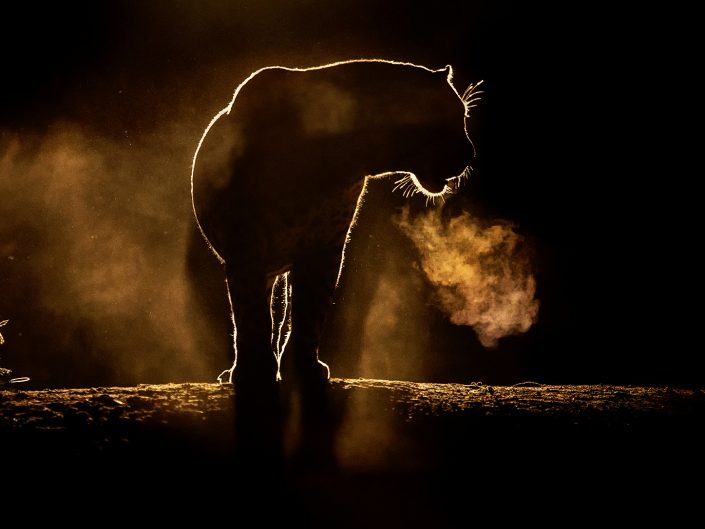
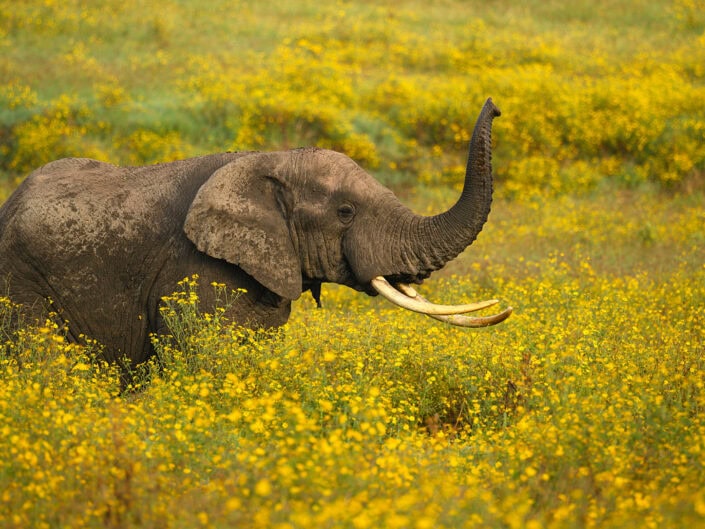
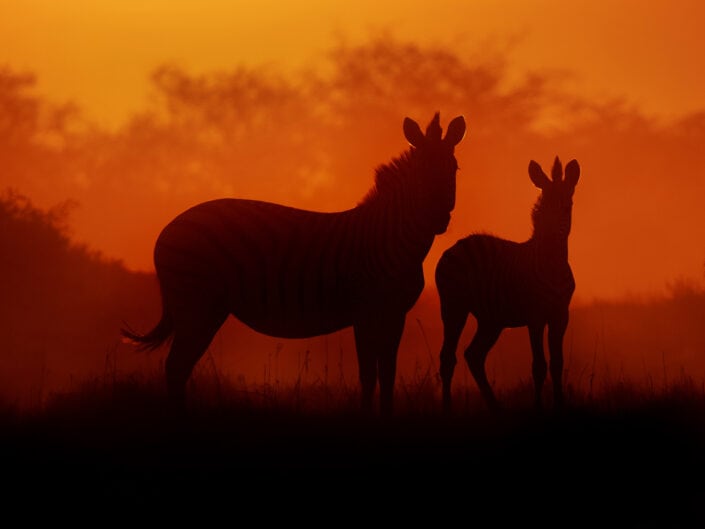
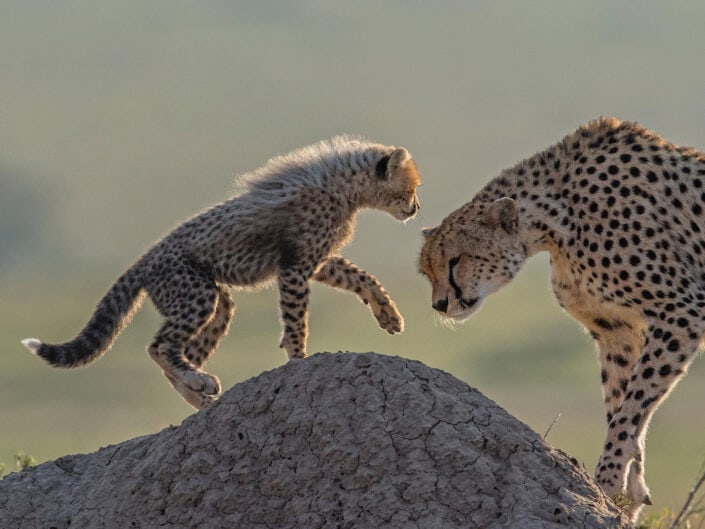
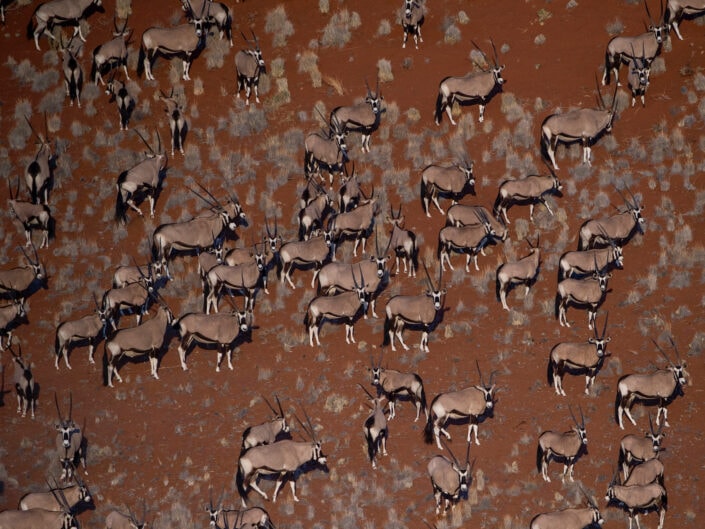
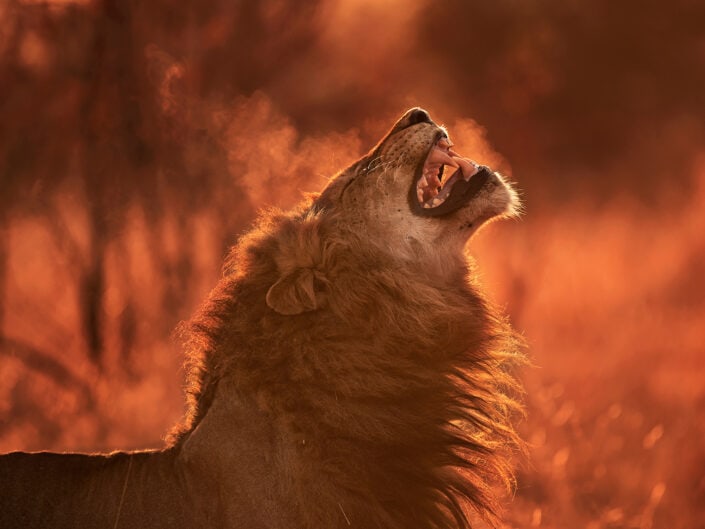
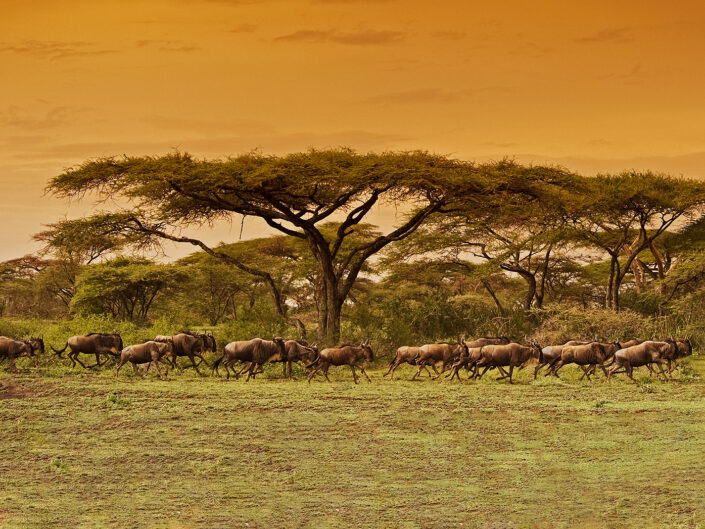
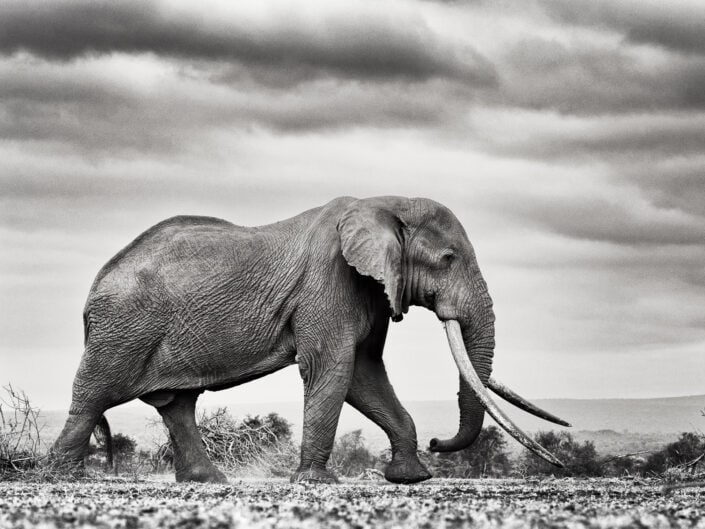
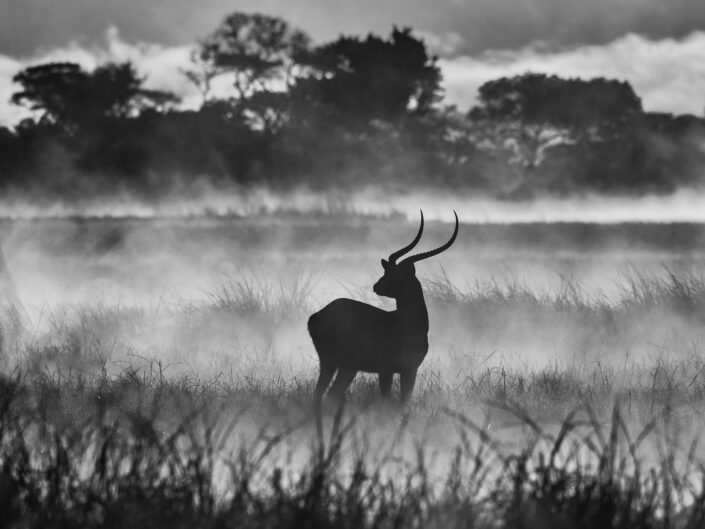
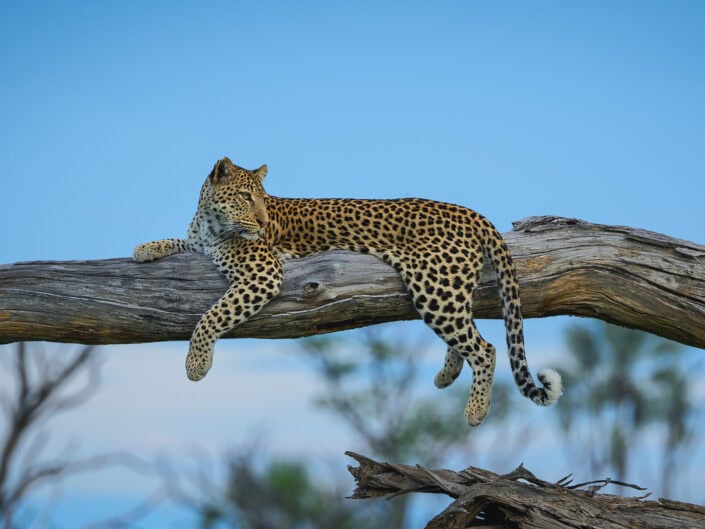
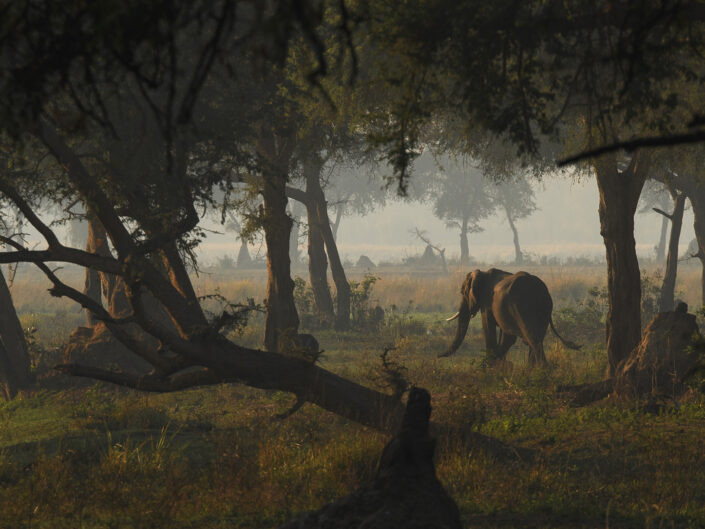
Greg du Toit was born in 1977 in South Africa and grew up exploring the country’s wild areas. He first picked up a camera around 2001, turning professional shortly after, and has built a career spanning over two decades focused on African wildlife. Key milestones include spending 16 months at a Kenyan waterhole to capture intimate animal images, winning the Wildlife Photographer of the Year award in 2013 for his photo “Essence of Elephants,” and publishing three books on his work and techniques. He now bases himself in Johannesburg, combining photography with leading private photo safaris across Africa. His images often feature low-light conditions with soft, ethereal effects and dynamic compositions that highlight animal behaviour in natural settings.
- Primary Genres: Wildlife, Fine Art.
- Primary Photography Styles: Fine Art (low-light and slow shutter speeds for ethereal, atmospheric effects); Documentary (straightforward captures of animal behaviour without manipulation).
- Key Message: Du Toit aims to capture Africa’s wildlife in its raw, unscripted form, emphasising the importance of getting shots right in-camera through patience and understanding animal behaviour. His work promotes conservation by showcasing the beauty and vulnerability of wild ecosystems, encouraging viewers to appreciate and protect Africa’s natural heritage.
Du Toit’s most common subjects are African animals such as elephants, lions, leopards, and giraffes, often photographed in habitats like savannahs, forests, and waterholes across countries including Kenya, Tanzania, South Africa, and Botswana. His aesthetic focuses on texture—such as the rough hides of elephants or the dust of the plains—and subtle colour palettes dominated by earth tones, with high contrast in low-light scenes to create depth and mood. He uses techniques like slow shutter speeds (e.g., 1/30s or slower) to convey motion and atmosphere, shooting handheld or from hides for proximity without disturbing subjects. Natural lighting is central, especially dawn, dusk, or diffused forest light, avoiding artificial sources to maintain authenticity. In editing, he keeps adjustments minimal using software like Lightroom, mainly boosting contrast and vibrancy slightly while avoiding heavy manipulation to preserve the scene’s integrity. Presentations include large-format prints on canvas (up to 1.5m wide) for galleries, coffee-table books like African Wildlife Exposed, and exhibitions at venues such as the Natural History Museum in London.
For intermediate photographers, du Toit’s style draws from digital workflows but echoes film-era discipline by prioritising in-camera accuracy over post-processing fixes. Unlike film, which requires precise exposure due to no instant review, digital allows quick checks, yet du Toit advocates planning shots around light and behaviour to minimise edits—similar to the zone system for controlling tones but applied digitally. This approach teaches building compositions that tell stories, such as framing an animal’s movement against a blurred background for isolation. His low-light work demonstrates using high ISO (e.g., 3200+) on cameras like Nikon bodies with telephoto lenses (400mm f/2.8 or similar) to capture details in shadows without noise overwhelming the image. Du Toit’s process highlights ethical wildlife photography: no baiting, drones, or captive animals, focusing instead on immersion in the environment. This builds skills in anticipation, like predicting an elephant’s path for optimal framing. His books, such as Getting It Right in Camera, provide practical guides on these methods, helping learners shift from snapshot mode to intentional, artistic captures.
- Accolades:
- Wildlife Photographer of the Year overall winner (2013)
- Fine Art Photography Awards, wildlife category winner (2024)
- PICA Award for best magazine cover
- Monochrome Awards honourable mention (2014).
- Trivia:
- Spent 16 months at a Kenyan waterhole, contracting diseases like bilharzia from submersion.
- Has lived in four African countries and guided safaris in 15 others.
- Is an 8th-generation African with roots in South Africa.
- Narrowly escaped dangerous encounters, including close calls with lions during shoots.
Lessons from this Photographer:
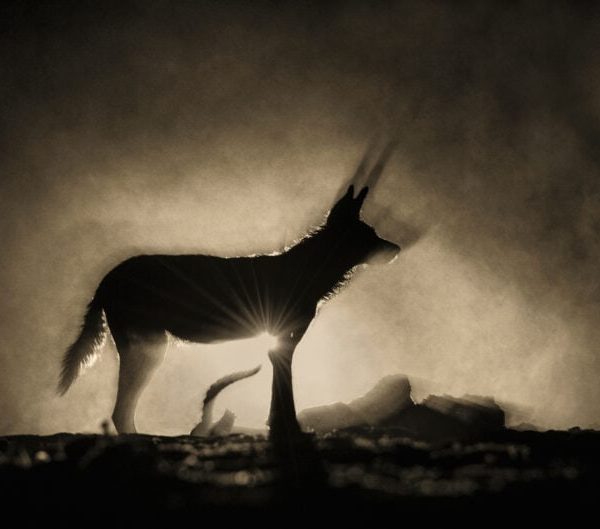
Du Toit’s approach teaches the value of patience and immersion, where spending extended time in one location allows for understanding animal patterns and capturing unique moments that quick visits miss. Photographers can apply this by prioritising natural behaviour over staged shots, using slow shutters to add motion and emotion rather than freezing everything sharply. His emphasis on minimal editing encourages getting exposure and composition right in-camera, fostering a mindset shift towards planning around light and ethics, which can elevate everyday wildlife or nature photography.
Website and Instagram:
-
- Website: https://www.gregdutoit.com
- Instagram: https://www.instagram.com/gregdutoit.photosafaris/
YouTube References:
- “Greg du Toit on the 49th Annual Wildlife Photographer of the Year: https://www.youtube.com/watch?v=ppKYXuhSN_s”
Citations:
- CNN Article (2024): https://www.cnn.com/style/greg-du-toit-photographer-south-africa-spc
- Squiver Biography: https://www.squiver.com/about-greg-du-toit/
- Artsy Profile: https://www.artsy.net/artist/greg-du-toit
- Kruger-2-Kalahari Interview: https://www.kruger-2-kalahari.com/greg-du-toit.html
- Gizmodo Article (2010): https://gizmodo.com/blood-sweat-and-photographic-tears-5497525.