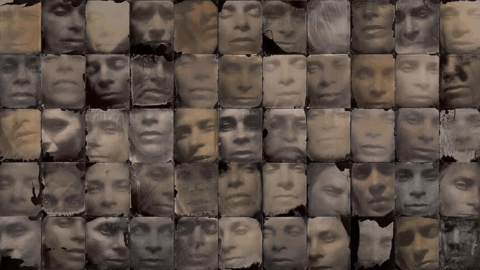
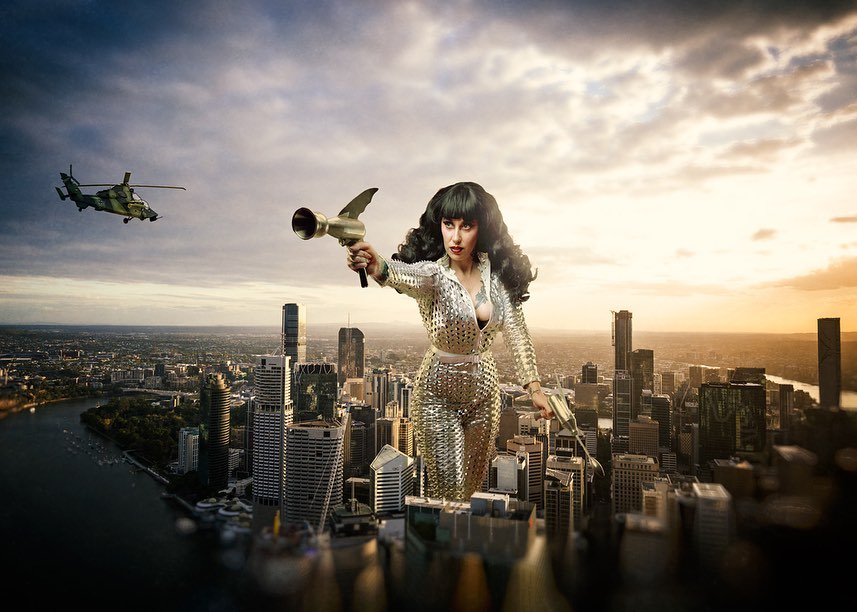
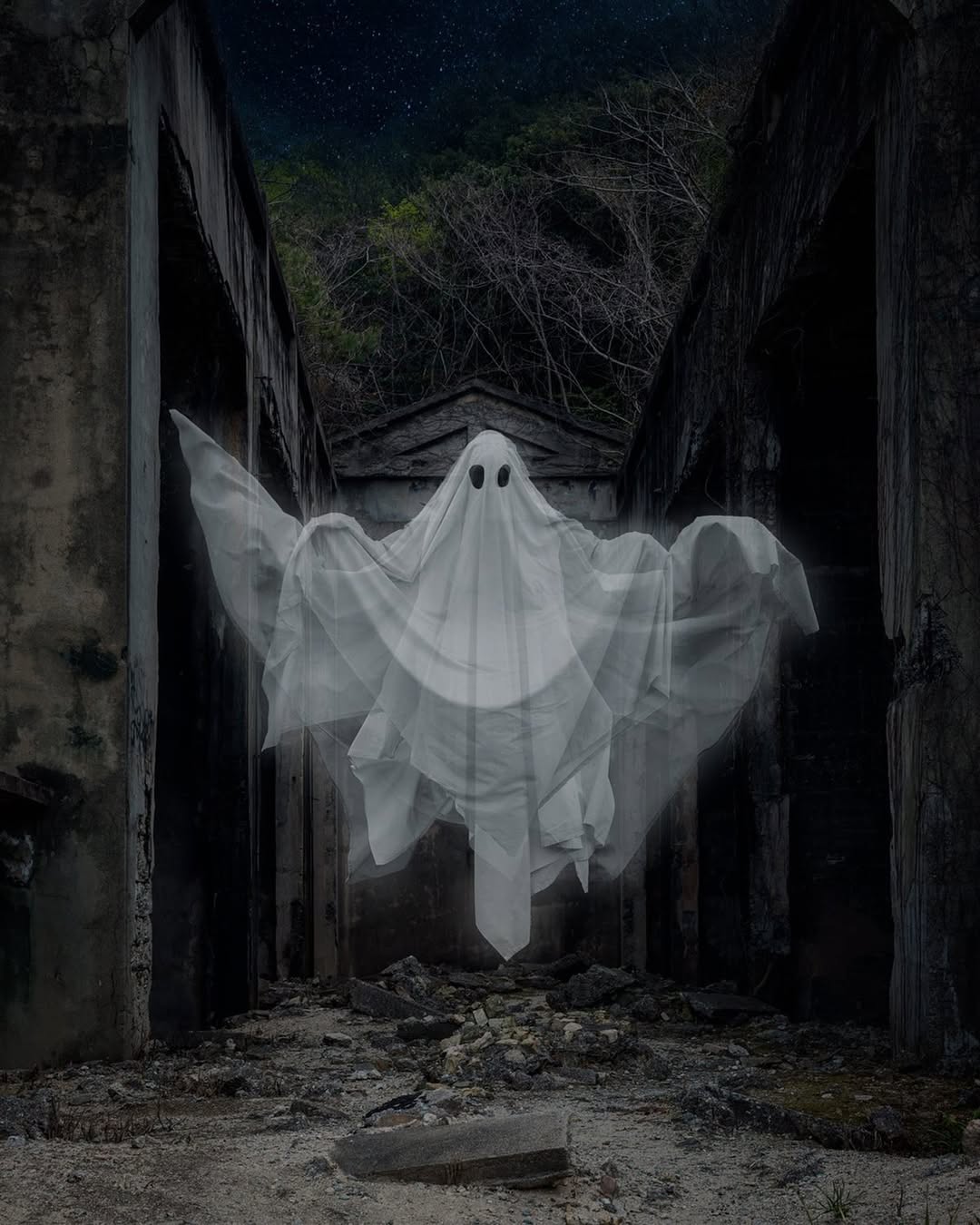
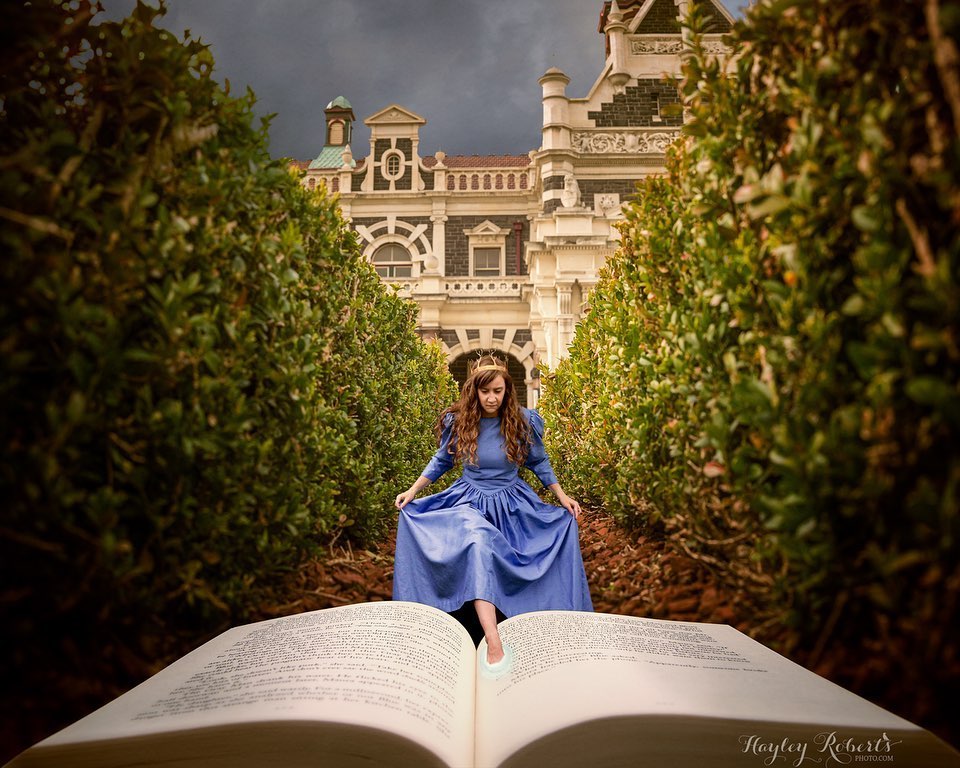
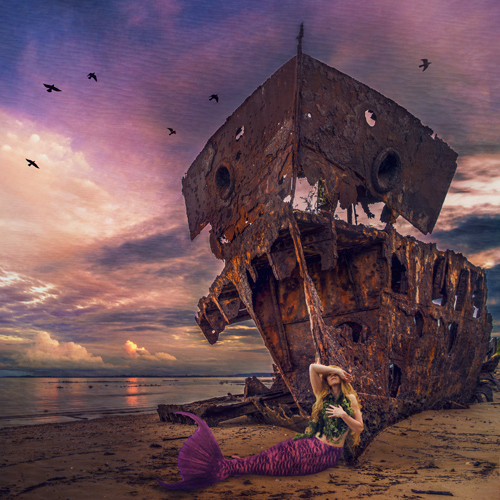
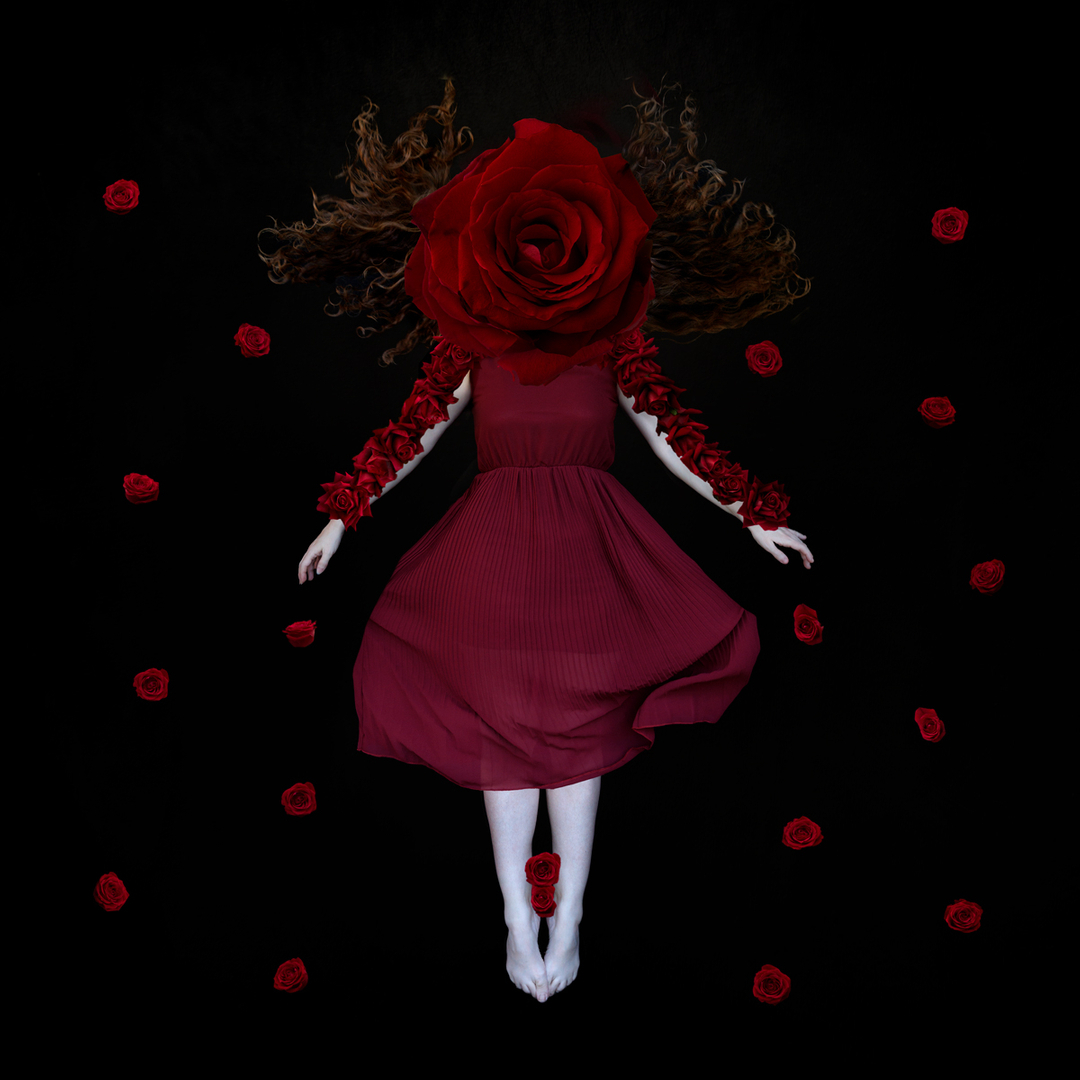
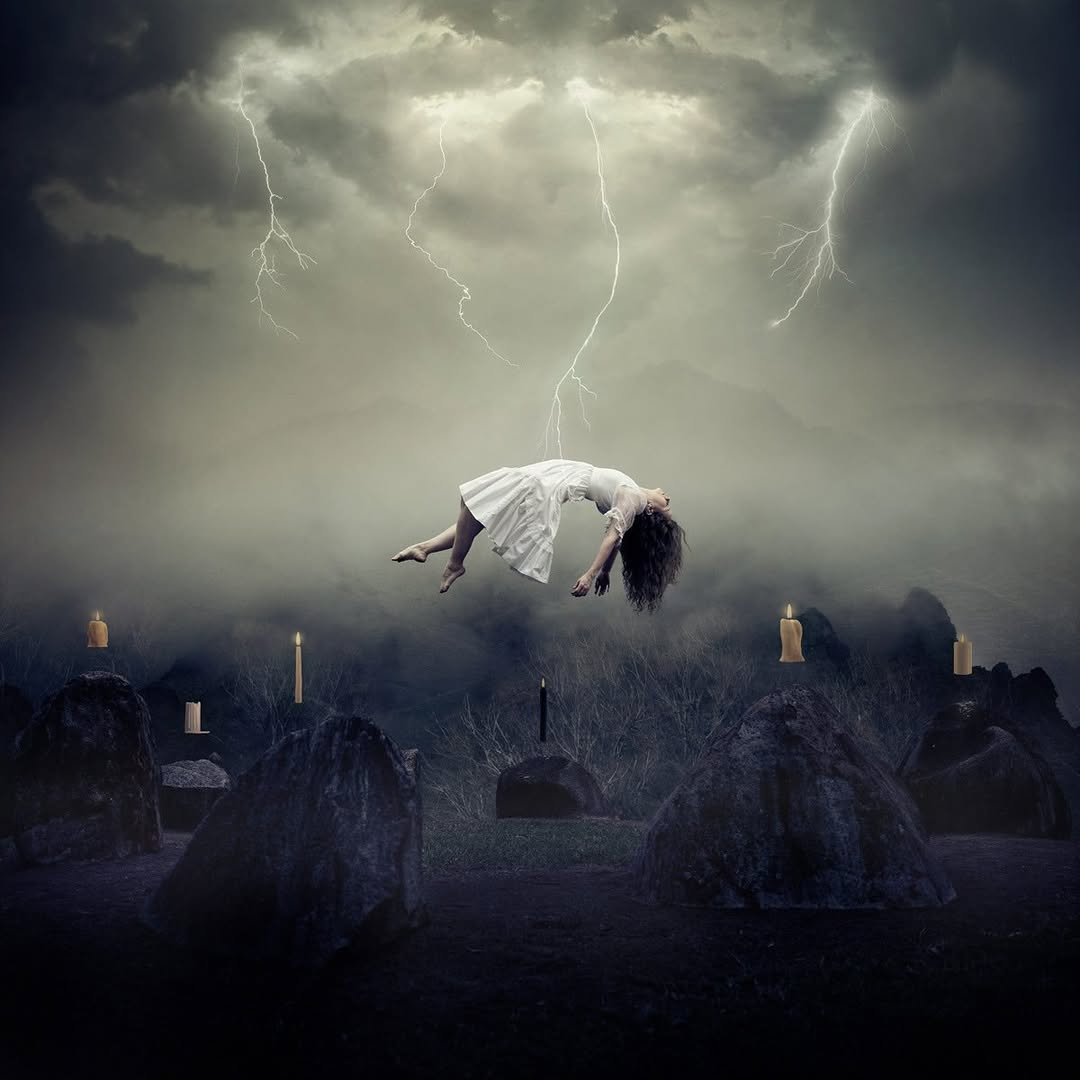
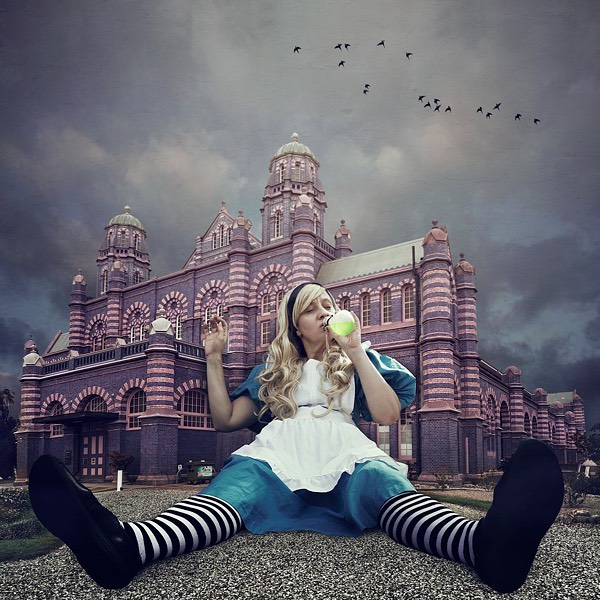
Hayley Roberts is an Australian photographer based in Brisbane, where she grew up enchanted by fairy tales that sparked her belief in a magical world. She is self-taught, starting her career by photographing landscapes and animals for four years before shifting to creative techniques around 2011. Key milestones include launching her Exposing Illusions project in 2014 to explore and teach over 100 photography tricks, founding the online school Creative Photo Folk in 2015, and exhibiting in solo and group shows. Her work has appeared on book covers and in magazines. Visually, her images feature vibrant colours like lush greens and soft pinks, with textures from costumes, props, and natural elements that create dreamlike scenes.
- Primary Genres: Conceptual, Fine Art.
- Primary Photography Styles: Surrealism (composite manipulations for fantastical illusions); Narrative (story-driven scenes with magical elements for emotional escape).
- Key Message: Roberts uses photography to infuse everyday life with magic, creating artworks that offer an escape from routine and recapture childhood wonder. Her pieces blend people with nature in harmonious, enchanted ways, turning ordinary scenes into stories that bend reality.
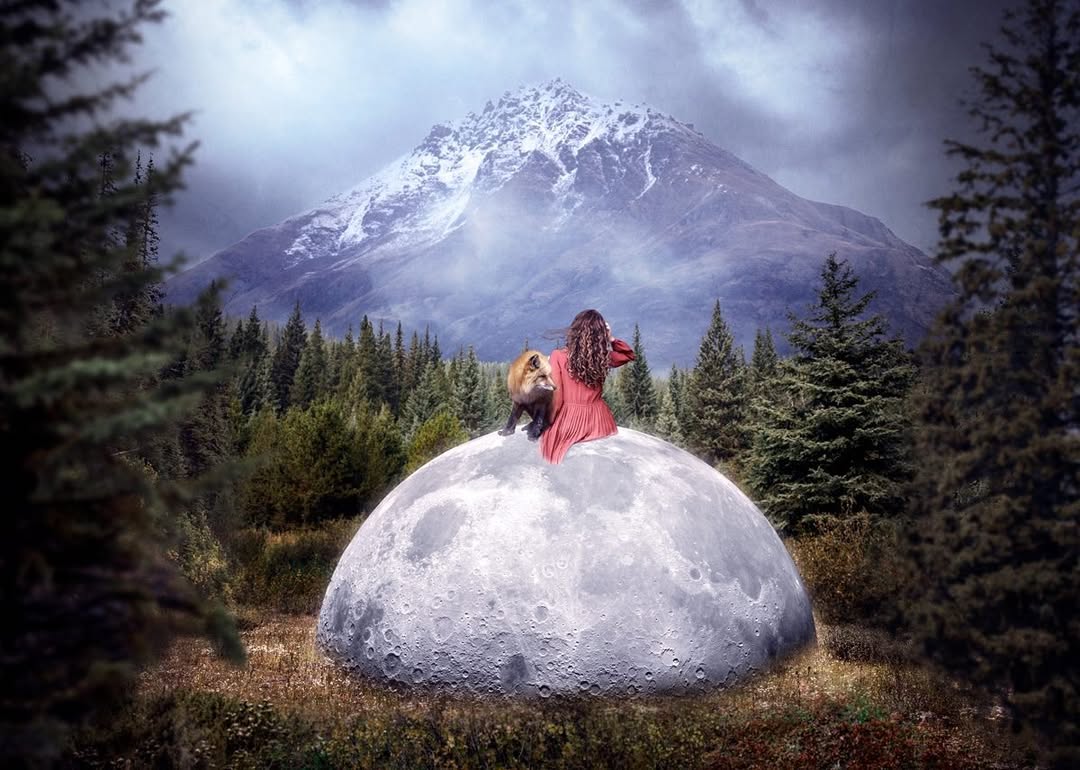
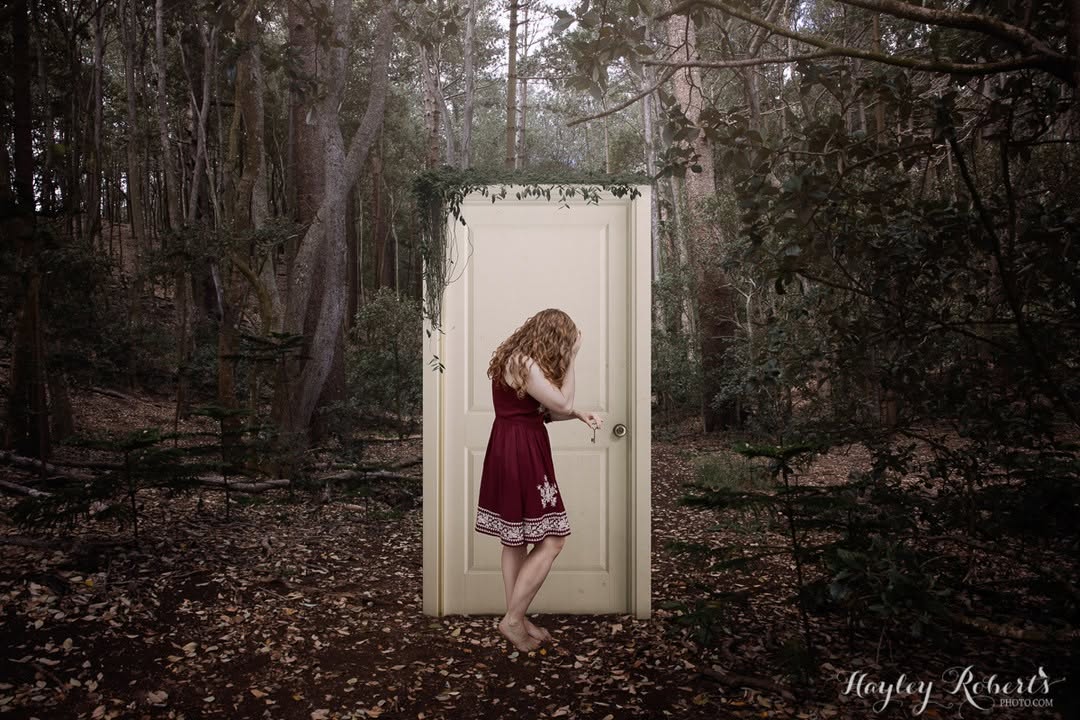
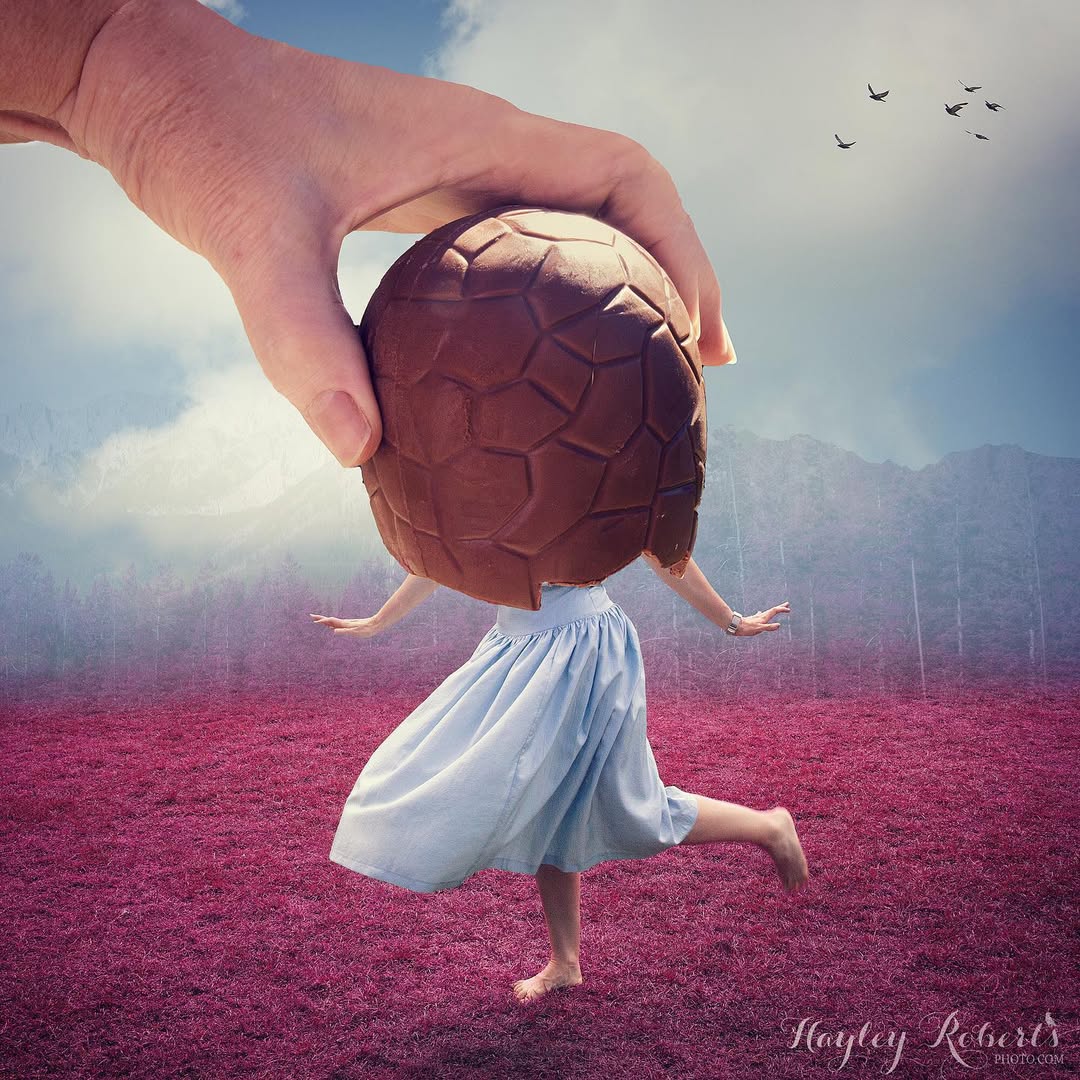
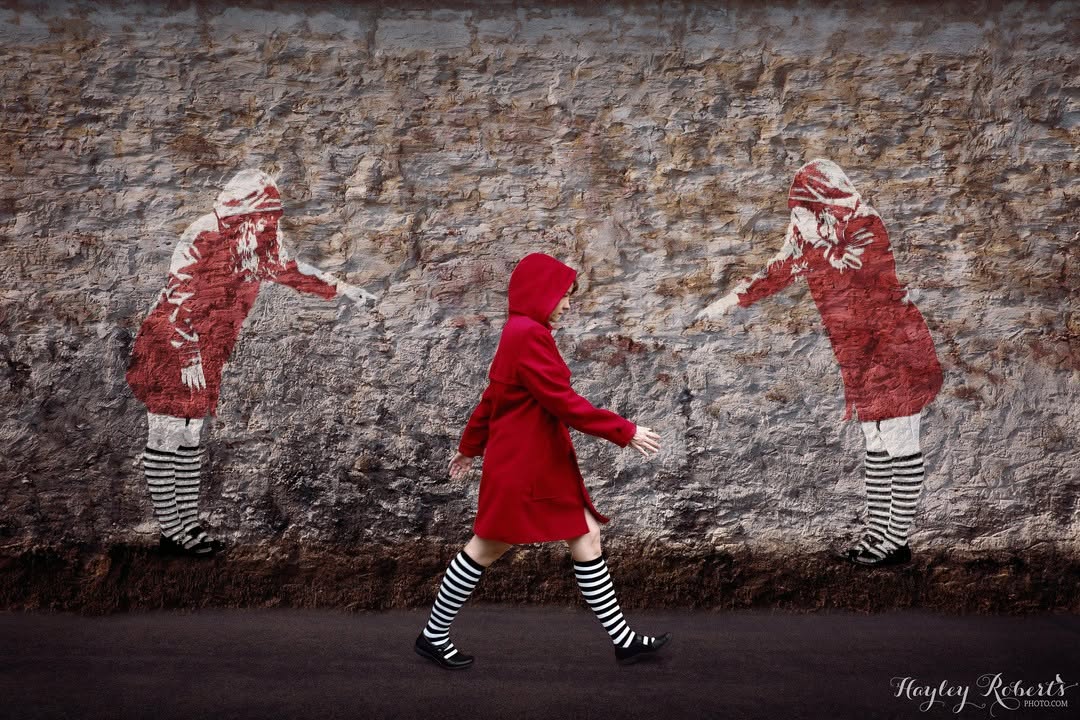
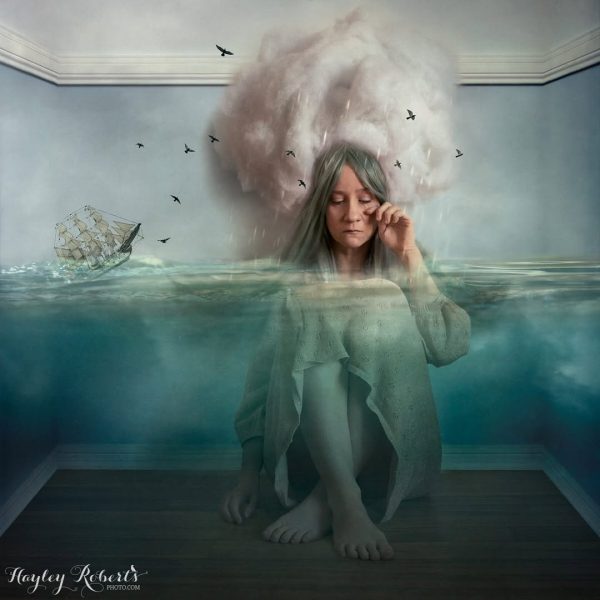
Roberts’ most common subjects are people—often self-portraits or models—in magical scenarios, such as levitating figures, interactions with wildlife, or explorations in forests and fields, drawing from fairy tale inspirations. Her aesthetic emphasises vibrant, harmonious colour palettes with earth tones, pastels, and glowing effects, alongside textures like flowing fabrics, foliage, or ethereal light to evoke whimsy. Techniques include in-camera tricks like forced perspective, levitation setups, and multiplicity, using natural light or simple flashes for matching elements. She scouts locations or shoots against plain backgrounds, incorporating handmade or thrifted props and costumes. Editing relies on Photoshop for compositing multiple layers—often 10 or more—applying tools like displacement maps, HDR blending, and selective colour to achieve seamless, sharp illusions without heavy alteration. Presentations focus on large prints (up to 76×102 cm) sold as “stories for walls” via her online shop, plus digital galleries, book publications, and exhibitions in Australia.
For intermediate photographers, Roberts’ style highlights digital workflows over film, allowing flexible experimentation with composites that film limits due to physical constraints. Unlike film’s one-shot nature, digital enables layering exposures for effects like turning day to night or adding motion, similar to zone system principles but with software for precise tonal control. Learners can replicate her process by starting with simple tricks like double exposures in-camera, then advancing to Photoshop for narrative building, focusing on light consistency across elements to avoid unnatural seams. Her educational approach through Creative Photo Folk encourages project-based learning, where photographers tackle one technique per image to build skills progressively. This shifts mindsets from perfection to playful creation, applying concepts like storytelling through silhouettes or props in personal work.
- Accolades:
- Finalist, Bowness Photography Prize
- Winner, Heritage Bank Photographic Awards
- Finalist, Olive Cotton Award
- Finalist, Head On Portrait Prize
- Trivia:
- Worked in a library surrounded by stories that fuel her creativity; Explored and tutorialised over 100 photography techniques.
- Uses self-portraits for cost-effective experimentation.
- Aims to create location-based portraits across Australia to showcase its beauty.
- Comes from a family of architects, influencing his human-centred approach.
Lessons from this Photographer:
Roberts’ unique approach centres on playful experimentation with trick photography, teaching that revealing techniques enhances rather than diminishes magic, encouraging photographers to document their processes for growth. Learners can apply this by starting with in-camera illusions like forced perspective before layering in post-processing, fostering a mindset of fun over flawlessness to stay motivated. Her emphasis on storytelling through props and composites inspires shifting from literal captures to narrative-driven work, promoting deeper craft appreciation via project-based challenges.
Website and Instagram:
-
- Website: https://www.hayleyrobertsphoto.com
- Instagram: https://www.instagram.com/hayleyrphoto/
YouTube References:
- “Stories for walls by Hayley Roberts Photography – https://www.youtube.com/watch?v=_cocz_2boZE”
Citations:
- Artsy Shark Featured Artist (2016): https://www.artsyshark.com/2016/03/23/featured-artist-hayley-roberts/
- 121 Clicks Inspiration Article (2023): https://121clicks.com/inspirations/photography-photoshop-help-escape-reality-hayley-roberts/
- Bored Panda Article (2015): https://www.boredpanda.com/trick-photography-photo-illusions-hayley-roberts/