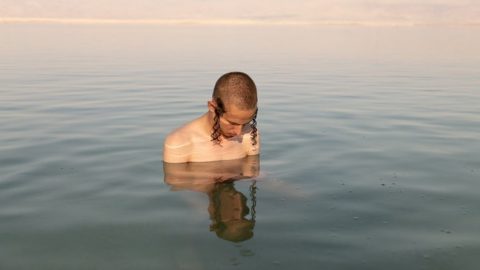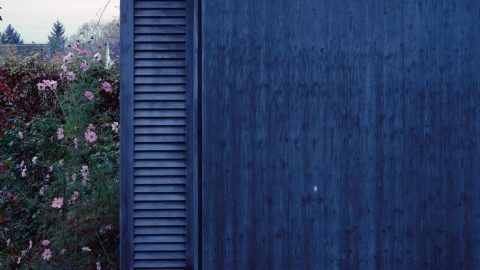
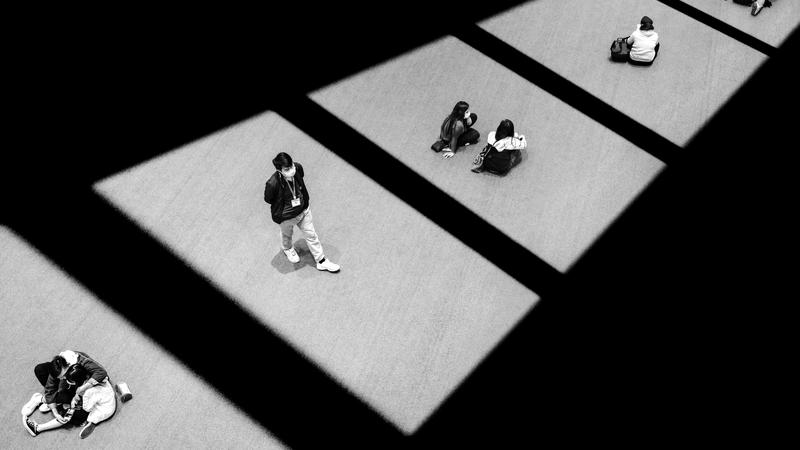
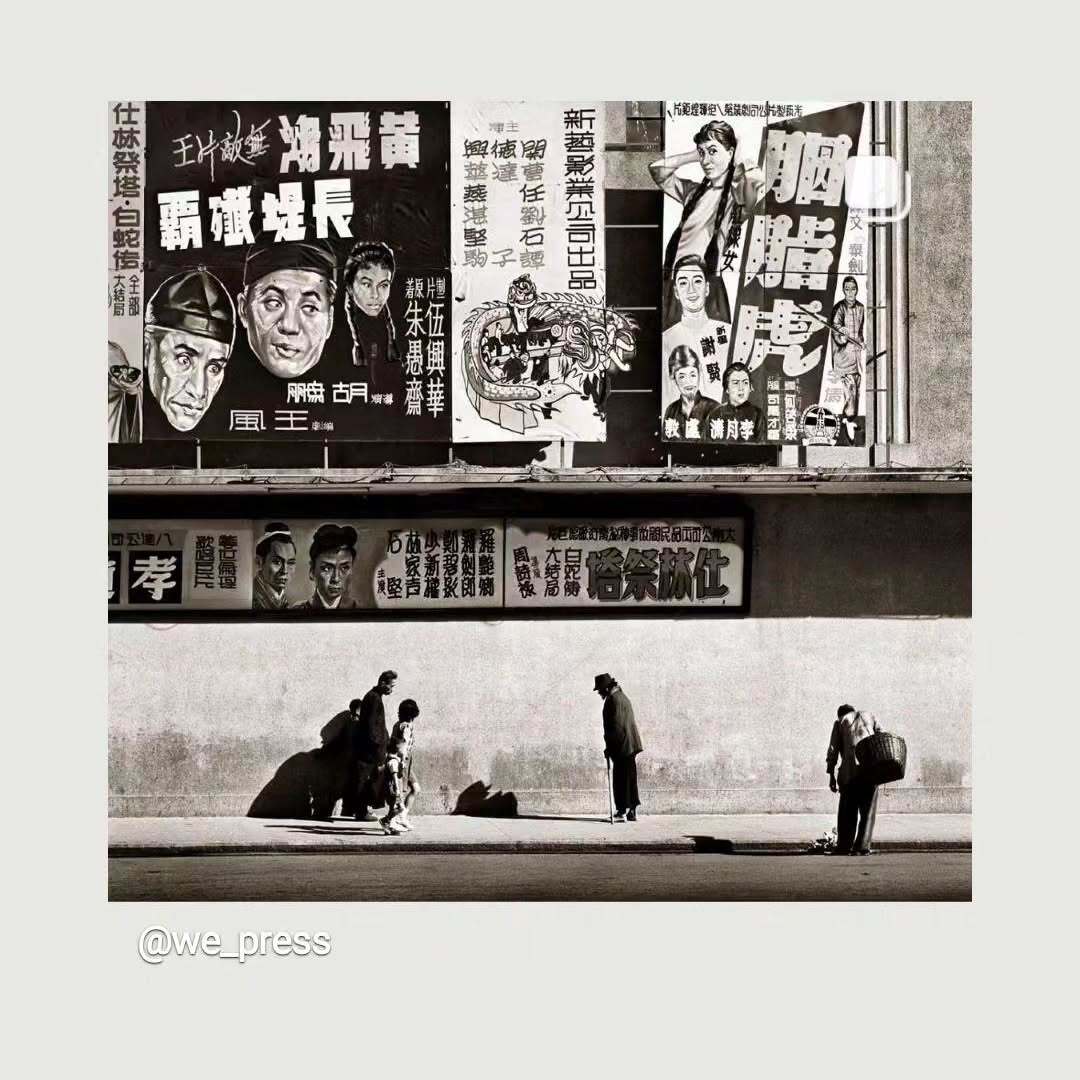
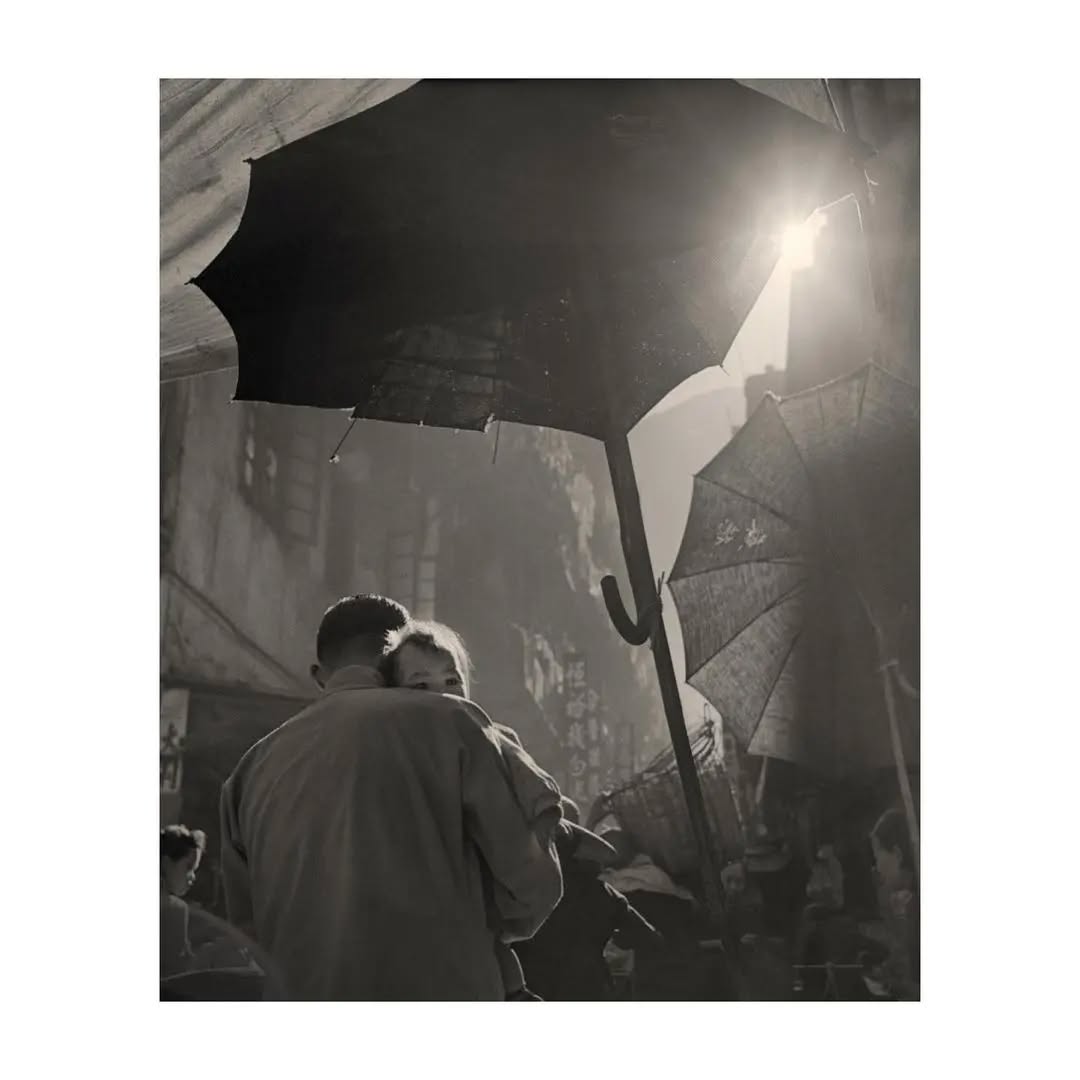
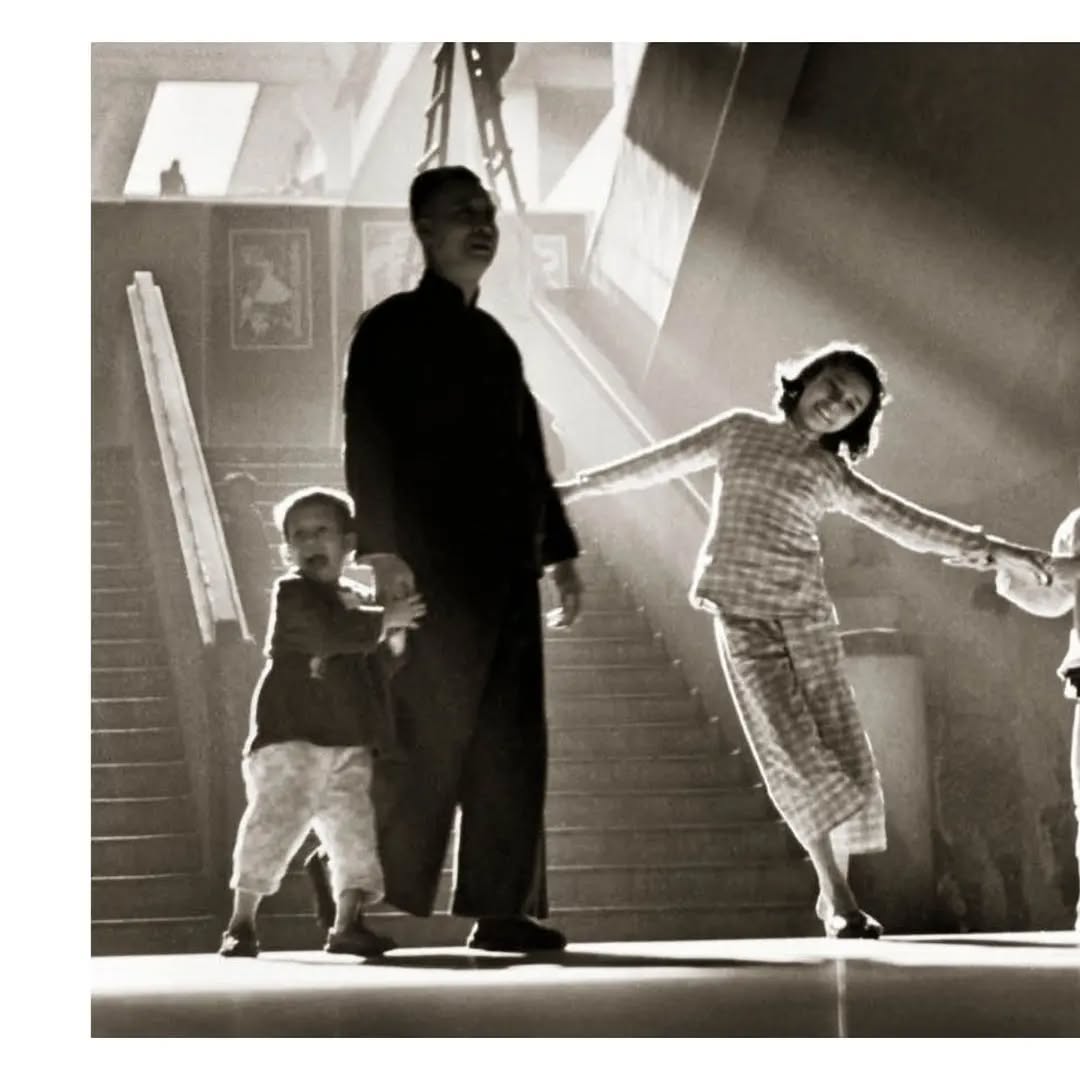
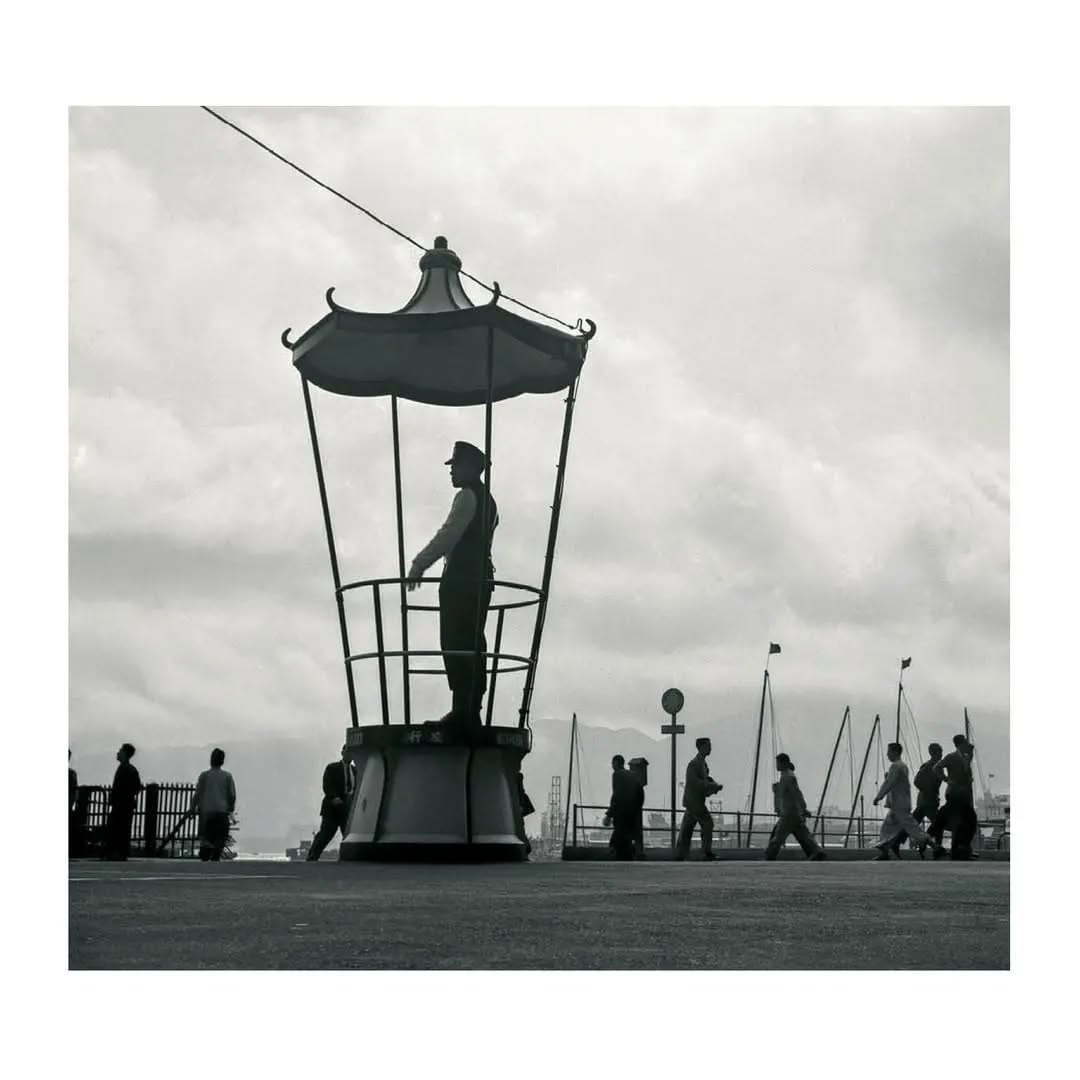
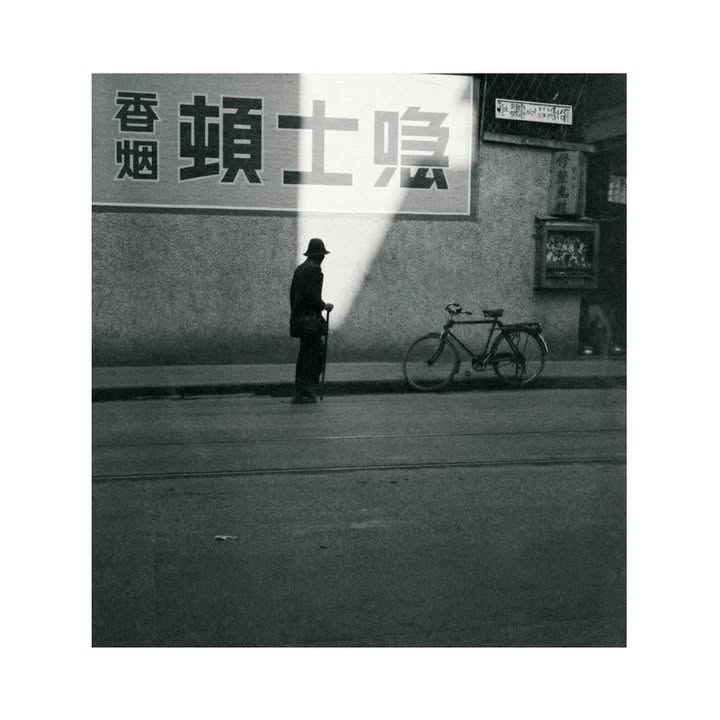
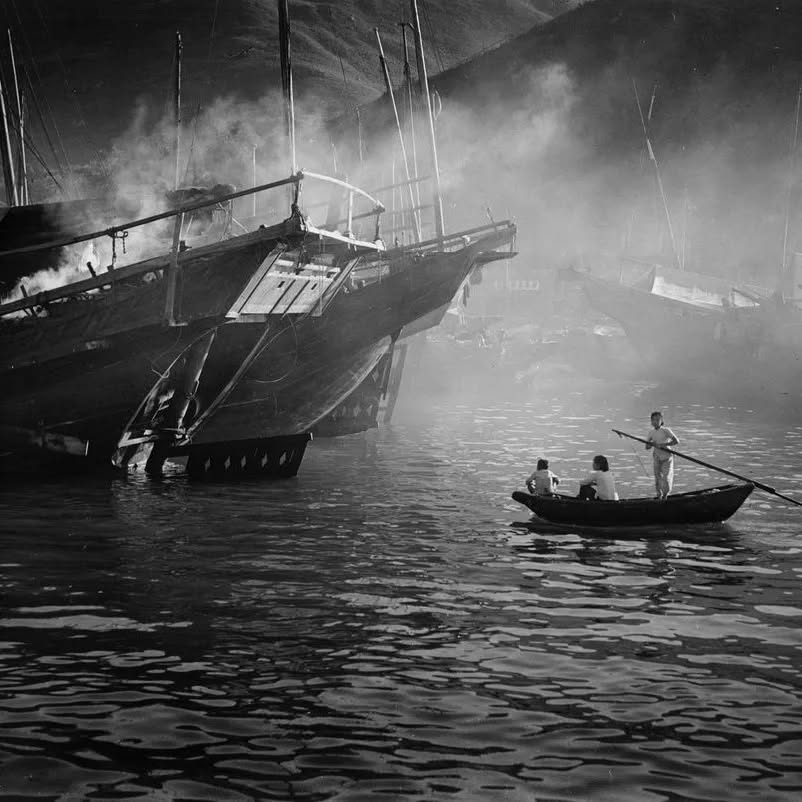
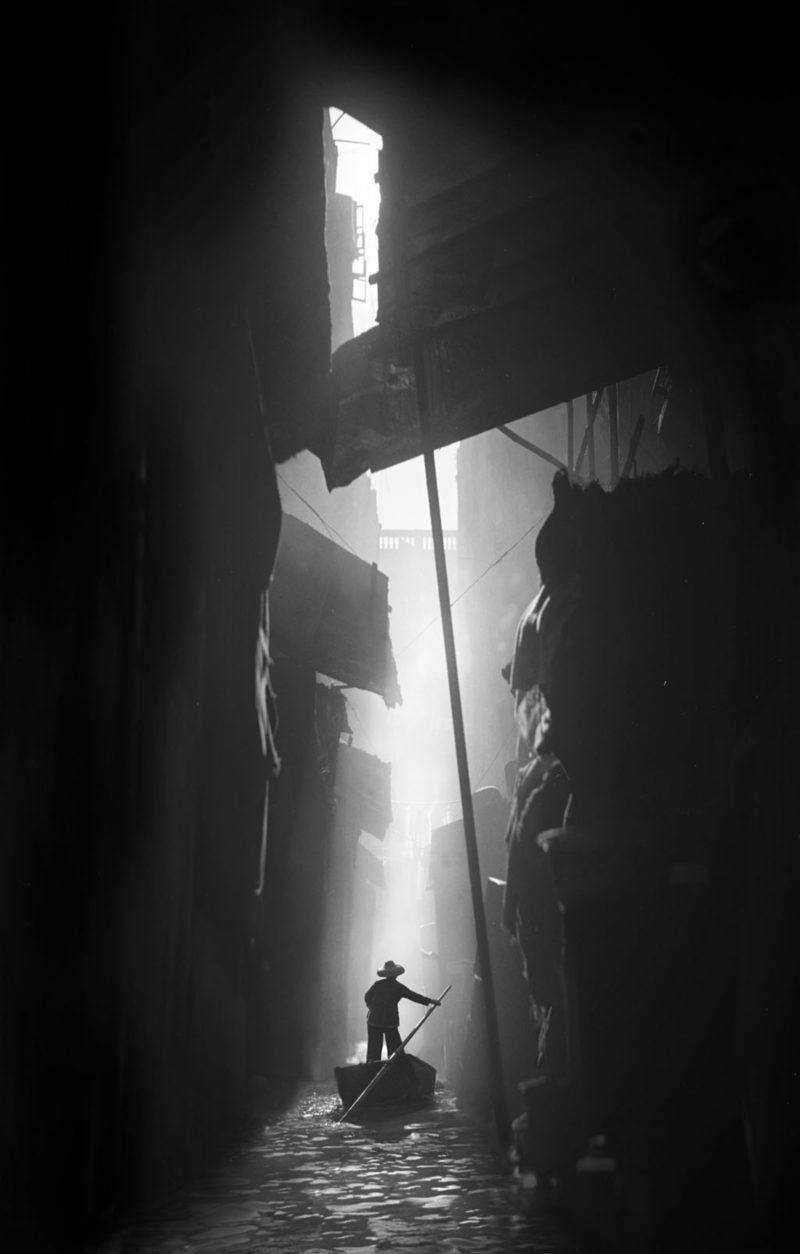
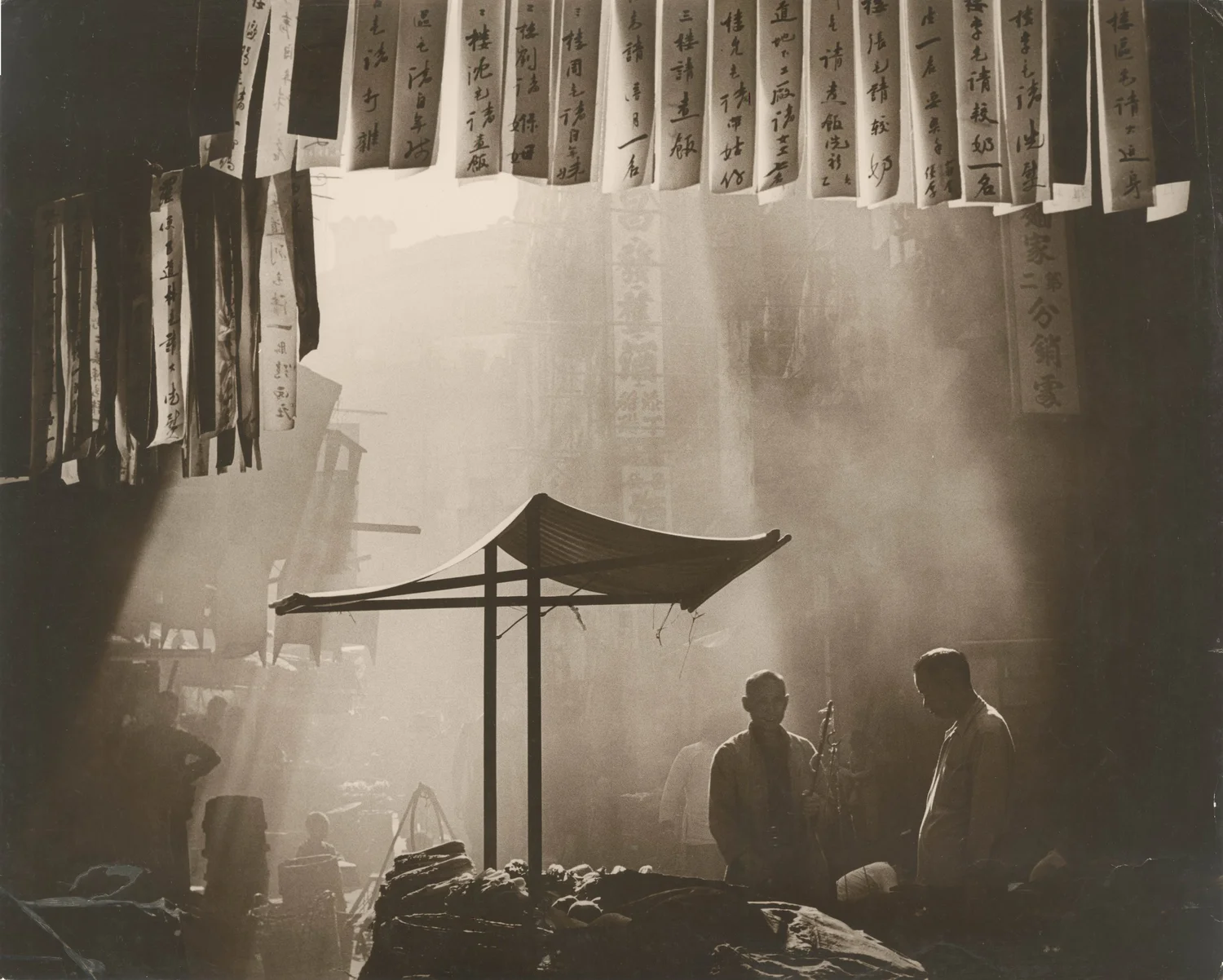
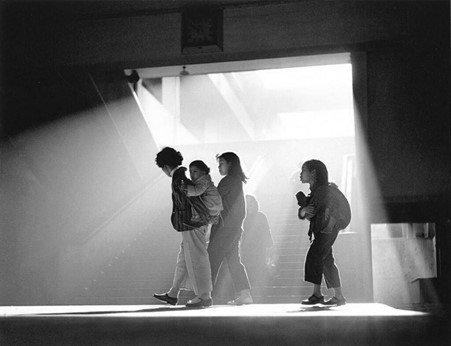
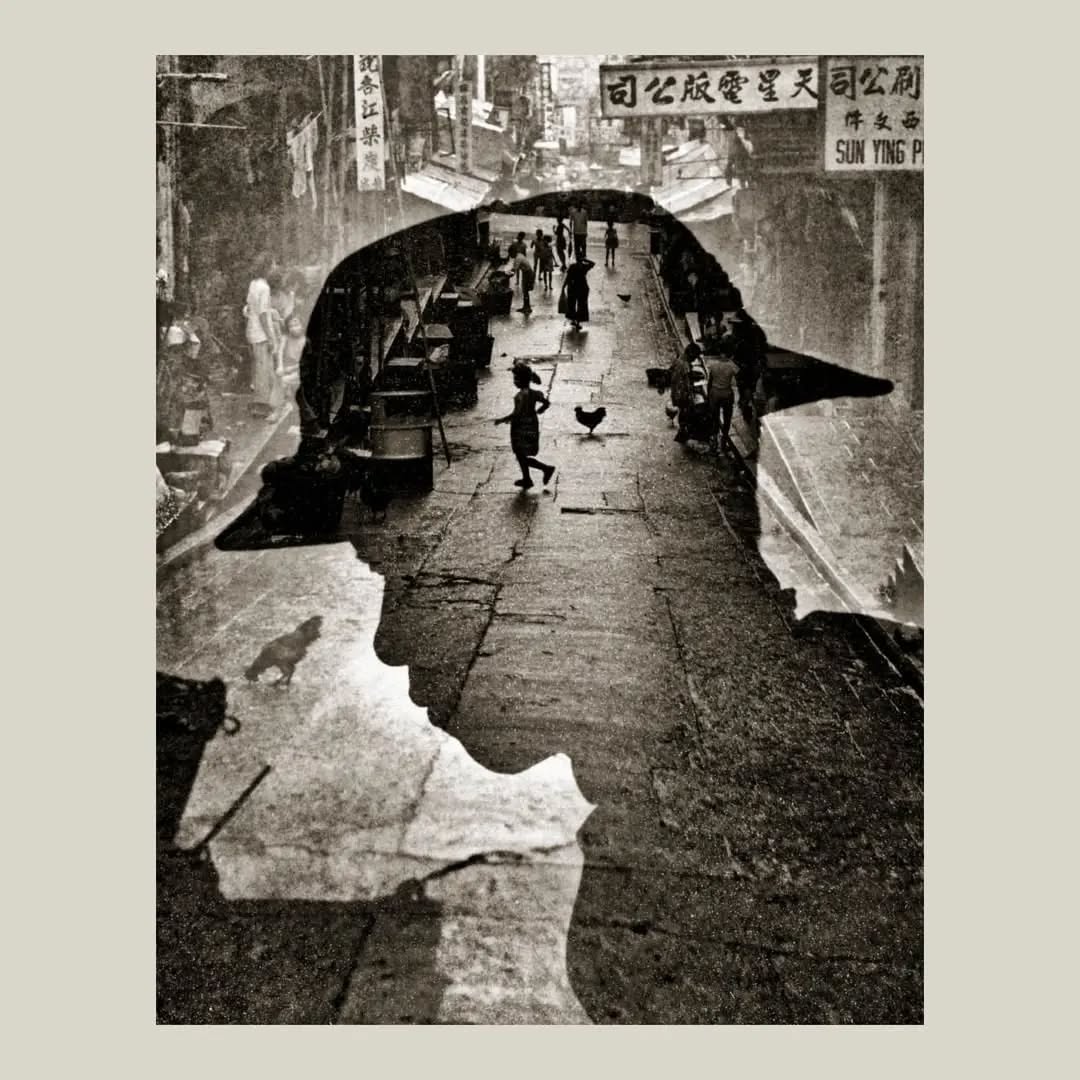
Fan Ho was born in Shanghai in 1931 and moved to Hong Kong in 1949 amid political changes. He began his photography career at age 14 using a Kodak Brownie camera gifted by his father, later upgrading to a Rolleiflex around age 18. Over a 60-year span, Ho earned the nickname “Cartier-Bresson of the East” for his decisive moments in urban settings. Alongside photography, he worked as a filmmaker, acting in about 20-30 films and directing around 20-27 more. Key milestones include publishing books like Hong Kong Yesterday in 2006 and A Hong Kong Memoir in 2014, plus exhibitions at venues such as SFMOMA. His work is noted for high-contrast monochrome images and the dramatic interplay of light and shadow.
- Primary Genres: Street, Documentary.
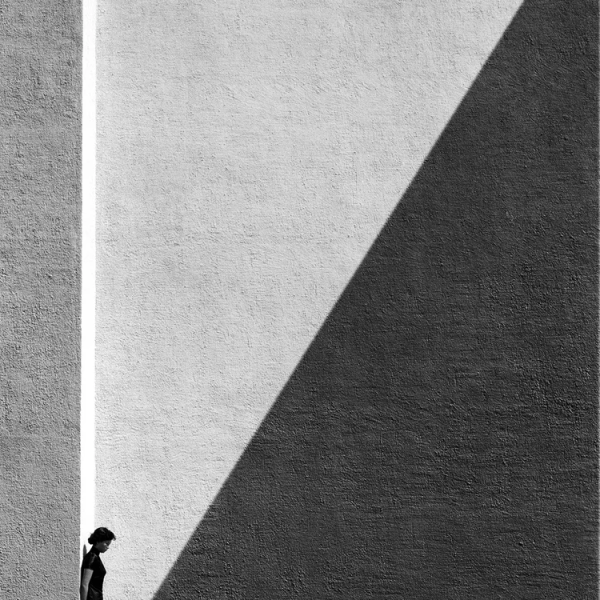
- Primary Photography Styles: Straight Photography (monochrome, high-contrast, emphasising light and shadow to create depth); Symbolism (geometric compositions, poetic and soulful depictions of urban life through shapes and forms).
- Key Message: Ho captured Hong Kong’s soul, using light and shadow to frame daily lives and a shifting urban tapestry with poetic grace. His photographs preserve the city’s mid-20th-century vibrancy, blending humanism with artistic order amid chaos.
Fan Ho’s most common subjects were the bustling streets of 1950s and 1960s Hong Kong, including everyday scenes like market vendors, children playing, and workers amid bamboo scaffolds or wet alleys. He focused on unique aesthetics such as stark contrast between deep blacks and bright whites, textures from elements like silk robes or fog-shrouded silhouettes, and geometric patterns formed by diagonals of stairs or architectural lines. Techniques involved shooting at dawn or dusk to harness natural light angles—shafts through shutters or reflections in puddles—without using flash, primarily with a Rolleiflex twin-lens reflex camera and occasionally a Leica, both fitted with standard 50mm lenses to organise chaotic urban environments into balanced compositions. In editing, Ho relied on darkroom processes for gelatin silver prints, often up to 20×24 inches, where he applied extensive dodging and burning to enhance faces or alleys, cropped images for drama, and preserved film grain for authenticity. His presentation included books that compiled these works as love letters to a vanishing city, alongside gallery exhibitions that highlighted the mood of Hong Kong’s heartbeat.
For intermediate learners, Ho’s style exemplifies straight photography in a film era, where he captured reality without heavy manipulation during shooting but refined it in post-production—contrast this with digital workflows that use software like Lightroom for similar dodging via adjustment brushes. His monochrome approach, rooted in black-and-white film, prioritises tonal range over colour, much like the zone system for exposure control, allowing shadows to define mood and highlights to draw the eye. Ho sometimes staged scenes alongside spontaneous captures, blending documentary truth with artistic intent, which teaches the value of patience in waiting for the “decisive moment” while actively composing geometry.
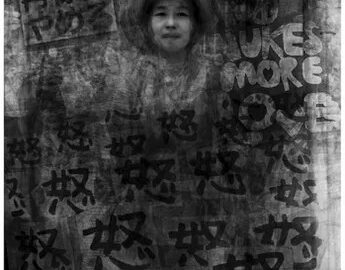
Ho’s legacy includes self-taught methods, developing prints in his family bathroom during youth, and later revisiting negatives to overlay or create new compositions, showing how analogue techniques can evolve over time. Unlike fully digital photographers, he embraced film’s limitations to heighten drama, offering lessons in using available light and manual controls for emotional impact.
- Accolades:
- Fellow of the Royal Photographic Society (1956)
- Over 280 awards from international exhibitions and competitions
- Exhibitions at SFMOMA and Bibliothèque Nationale de France.
- Trivia:
- Self-taught from a young age, developing images in his family’s bathroom.
- Occasionally staged scenes to complement spontaneous “decisive moments.”
- Revisited old negatives later in life to create overlaid compositions.
- Chronic headaches as a teenager prompted his habit of wandering streets with a camera.
Lessons from this Photographer:
Ho’s approach teaches the power of natural light and timing, encouraging photographers to shoot during golden hours for dramatic shadows and highlights that add depth without artificial aids. His geometric compositions inspire using lines and shapes to organise urban chaos, applying rules like leading lines or the rule of thirds for balanced frames. By blending humanism with symbolism, he shows how everyday subjects can tell profound stories, urging learners to observe and interact with environments patiently. Finally, his darkroom editing highlights the importance of post-processing, whether analogue or digital, to refine vision and evoke emotion through contrast and cropping.
Website and Instagram:
-
- Website: https://www.fanhophotography.com
- Instagram: https://www.instagram.com/fanhophotography/
YouTube References:
- “The Narrative Photography of Fan Ho by Phototriune – https://www.youtube.com/watch?v=YMhm5gBJZUY”
Citations:
- Independent Photo Article: https://independent-photo.com/news/fan-ho-master-of-photography/
- Inspiring Master Photographer Fan Ho Video Interview: https://121clicks.com/inspirations/master-photographer-fan-ho-interview/
- YouTube Interview: https://www.youtube.com/watch?v=eMHf6eGwqYE
- CNN Article on Fan Ho: https://www.cnn.com/style/article/fan-ho-photography