
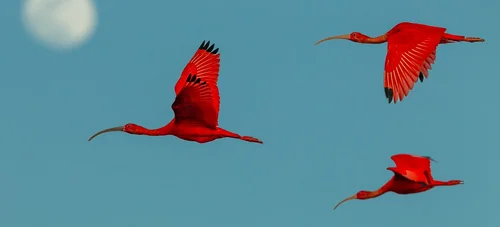
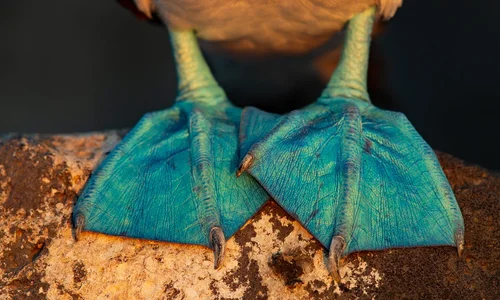
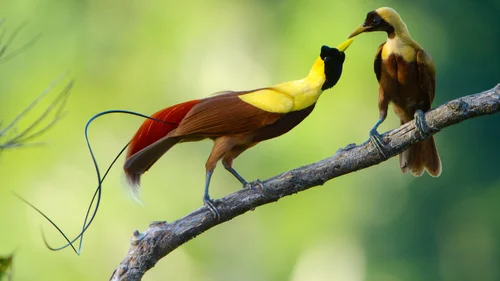
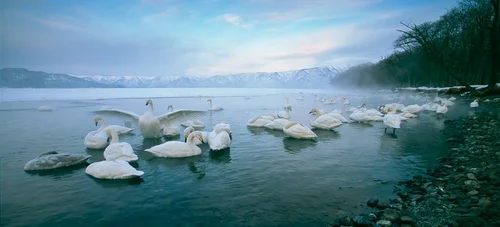
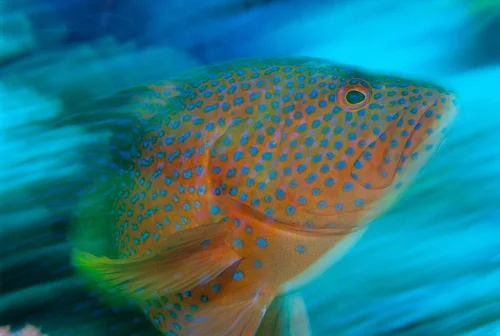
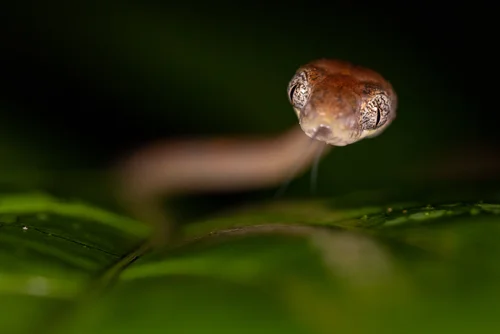
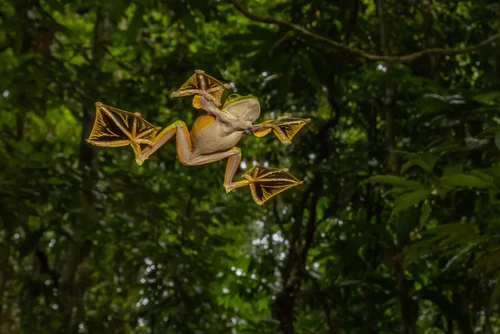
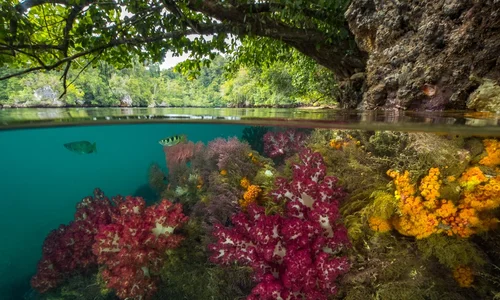
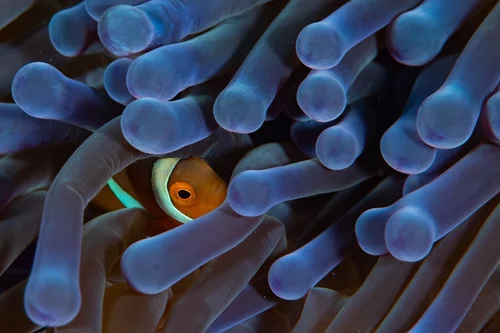
Tim Laman was born in 1961 in Michigan, USA, and grew up in Japan, where his early exposure to nature sparked a lifelong interest. He earned a degree from Hope College in 1983 and a PhD in evolutionary biology from Harvard University in 1994, focusing on rainforest canopy research in Borneo. Transitioning to professional photography in his 30s, he began contributing to National Geographic in the 1990s, with his first feature published in 1996. Over a career spanning more than 30 years, he has produced 24 feature stories for the magazine and is renowned for the Birds-of-Paradise project, an eight-year effort involving 18 expeditions to New Guinea to document all 39 species. Now based in the USA, he blends his scientific background with fieldwork to capture endangered wildlife globally. His images feature vibrant colours like fiery reds and lush greens, along with detailed textures such as feathered plumes or jungle vines.
- Primary Genres: Wildlife, Documentary, Other (Conservation Photography).
- Primary Photography Styles: Documentary (intimate, detailed, capturing behaviours and habitats to tell conservation stories); Straight Photography (vivid, immersive, emphasising unmanipulated, high-fidelity representations of nature with rich colours and textures).
- Key Message: Laman explores and documents remote natural worlds, focusing on rare and endangered species like Birds-of-Paradise to inspire conservation awareness. He blends a biologist’s analytical eye with vivid, intimate imagery that highlights biodiversity’s beauty and fragility. His work emphasises the importance of fieldwork and technology in revealing unseen behaviours to foster global protection efforts.
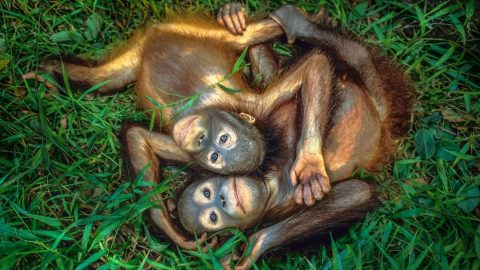
Laman’s most common subjects include birds in courtship displays, orangutans in rainforest canopies, and underwater marine life across locations like New Guinea, Borneo, the Amazon, and Antarctica. His unique aesthetic centres on vivid colours—fiery reds of bird plumes against deep blues of misty peaks—and textures like jungle vines or feathered details, creating an immersive sense of the wild. Techniques involve super-telephoto lenses (such as 600mm) on cameras like the Canon EOS-1D X or Nikon D850, combined with camera traps, remote triggers, and hides for non-intrusive shots, often stabilised on tripods with fluid heads at shutter speeds like 1/500s for action. He relies on natural light, such as dawn glow in jungles or canopy diffusion, avoiding flash to preserve authentic moods. Editing in Lightroom involves subtle adjustments to hues, contrast, and noise reduction for natural vibrancy without over-sharpening, while presentations feature large prints up to 40×60 inches, books like Birds of Paradise: Revealing the World’s Most Extraordinary Birds (2012), National Geographic spreads, exhibitions, and online galleries.
For intermediate learners, Laman’s documentary style mirrors scientific observation, using straight photography to capture unposed moments much like field notes, but with a focus on storytelling through composition that draws the eye to key behaviours. He primarily uses digital equipment for its speed and high resolution in remote settings, allowing quick review and adjustment during expeditions, unlike film which he employed earlier but now reserves for specific projects requiring grainy texture. Concepts like depth of field with telephotos help isolate subjects against blurred backgrounds, enhancing intimacy in wildlife shots.
Laman also incorporates filmmaking, using rope-climbing rigs for canopy access and high-resolution video to document behaviours, teaching photographers how innovative tools can expand narrative possibilities. His process encourages patience in hides or traps, promoting a mindset of minimal disturbance to subjects for ethical conservation imaging. Overall, his work inspires blending science with art, urging learners to use technology like remote cameras to reveal hidden aspects of nature without intrusion.
- Accolades:
- Wildlife Photographer of the Year (overall winner, 2016; multiple category wins including Wildlife Photojournalist Story Award)
- Outstanding Nature Photographer of the Year (2009, North American Nature Photography Association)
- Nature’s Best International Photography Awards (multiple first places in categories like underwater and nature stories)
- National Geographic recognitions (through 24 published features and conservation contributions).
- Trivia:
- Pioneered rainforest canopy research by climbing trees over 100 times using rope rigs during his PhD and later projects
- Spent his childhood in Japan, where he wrote a prize-winning poem about his pet turtle
- Incorporates bird calls as an ornithologist to locate and document species in the field
- Dedicated over eight years and 18 expeditions to the Birds-of-Paradise project, but has photographed wildlife globally for more than 30 years, including in the Galápagos and French Polynesia.

Lessons from this Photographer:
Laman’s unique approach combines scientific rigour with photographic storytelling, teaching photographers to prioritise patience and observation in remote settings, using tools like hides and camera traps to capture natural behaviours without disturbance. From his creative process, learners can draw the lesson of blending technology—such as telephotos and remote triggers—with a biologist’s mindset to reveal unseen details, encouraging experimentation with depth of field for intimate compositions that highlight conservation themes. Photographers can apply similar techniques by focusing on natural lighting and minimal post-processing in Lightroom to preserve authenticity, fostering a deeper appreciation for ethical wildlife interaction and inspiring shifts towards fieldwork that supports biodiversity protection.
Website and Instagram:
-
- Website: https://www.timlaman.com
- Instagram: https://www.instagram.com/timlaman
- X (formerly Twitter): https://x.com/TimLamanPhoto
- Facebook: https://www.facebook.com/TimLamanPhoto
- YouTube: https://www.youtube.com/user/timlaman
YouTube References:
- “Tim Laman & Ed Scholes: Birds of Paradise | Nat Geo Live by National Geographic – https://www.youtube.com/watch?v=OcCP4_R8QBw”
Citations:
- National Geographic Live Video: https://www.youtube.com/watch?v=OcCP4_R8QBw
- Cornell Lab Video on Wildlife Photojournalist: https://www.youtube.com/watch?v=H2LTuY0x_j0
- Cornell Lab Talk on Hidden World of Birds: https://www.youtube.com/watch?v=CW3fz9p22m4
- Article on Birds-of-Paradise Project: https://www.allaboutbirds.org/news/an-epic-mission-for-birds-of-paradise-qa-with-tim-laman/.