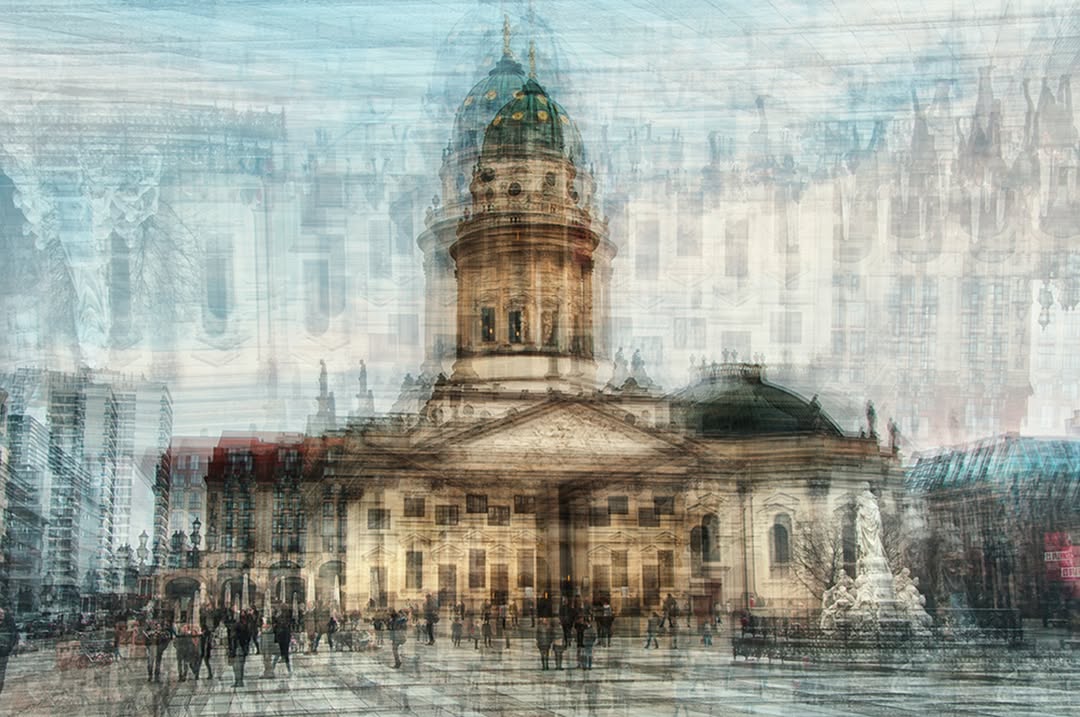
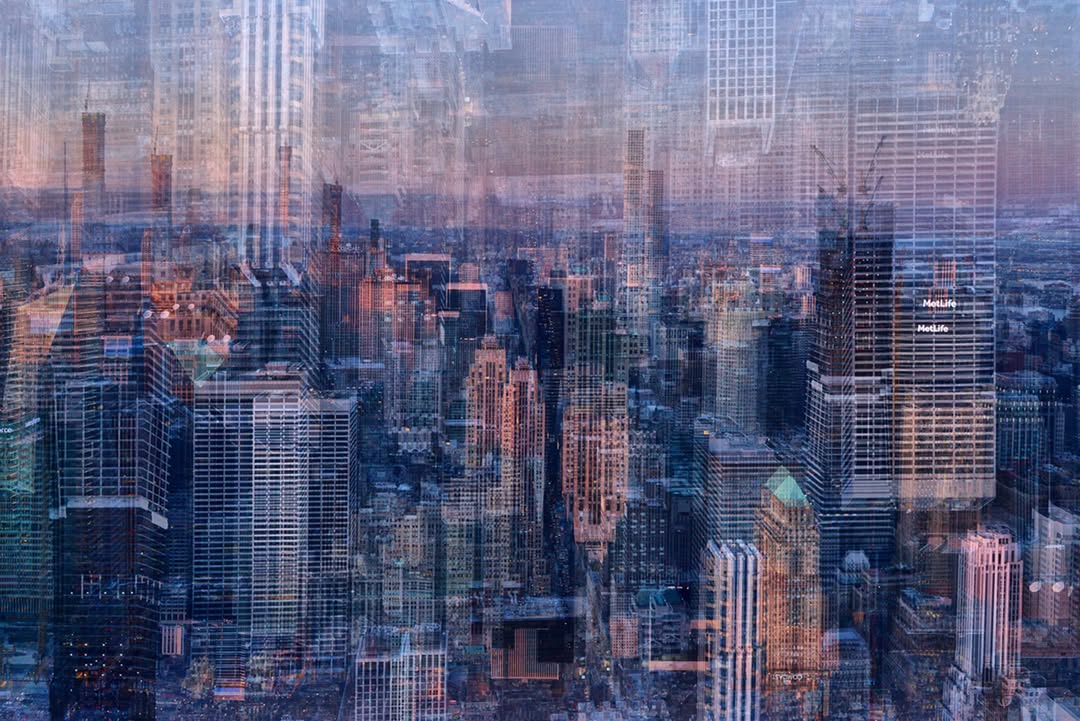
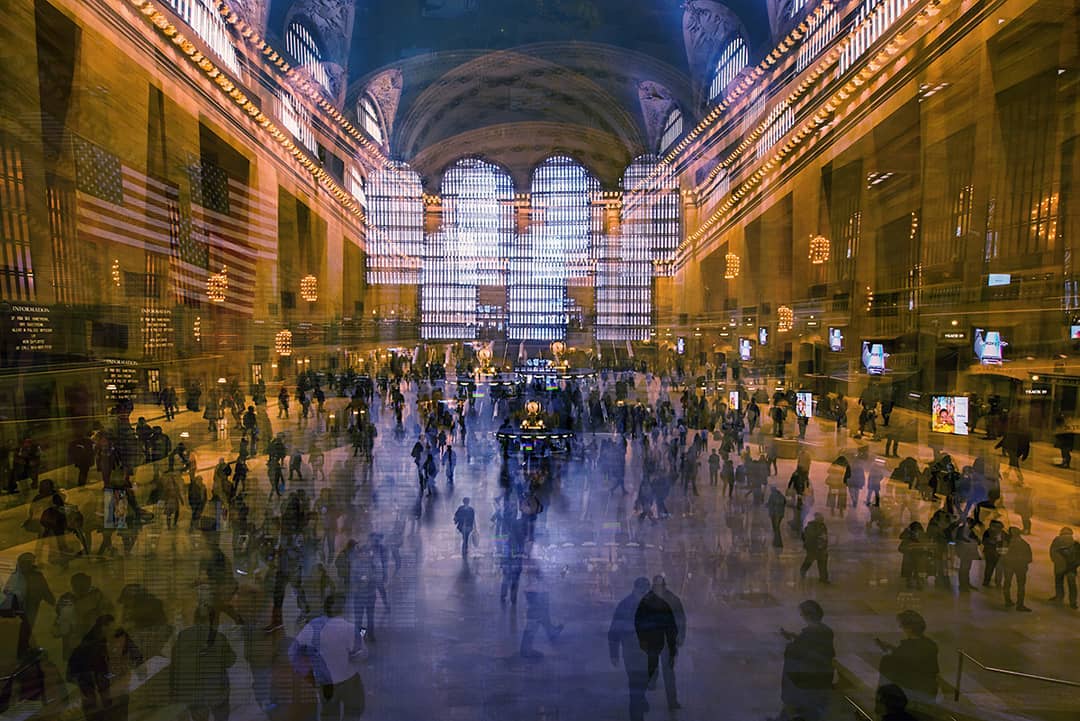
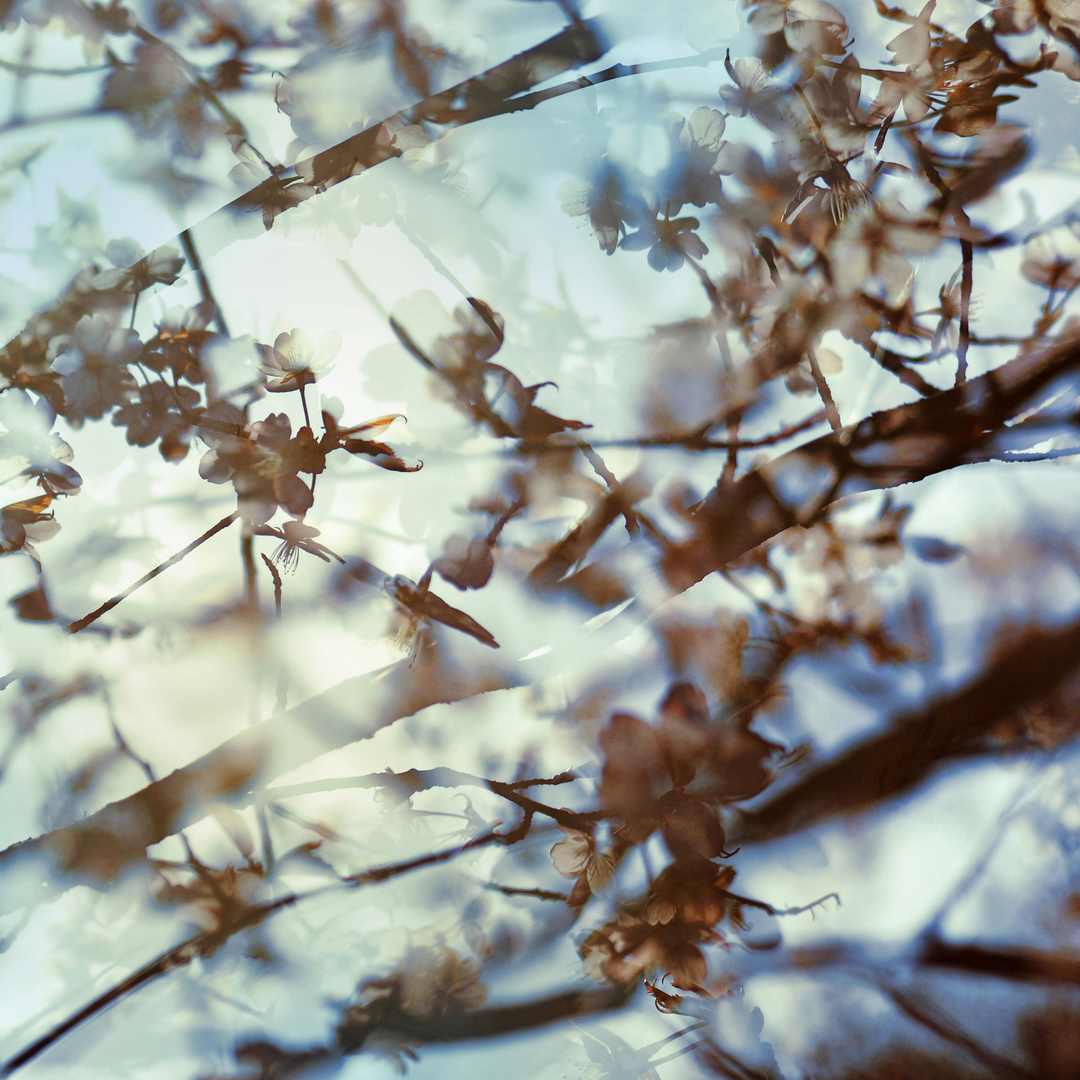
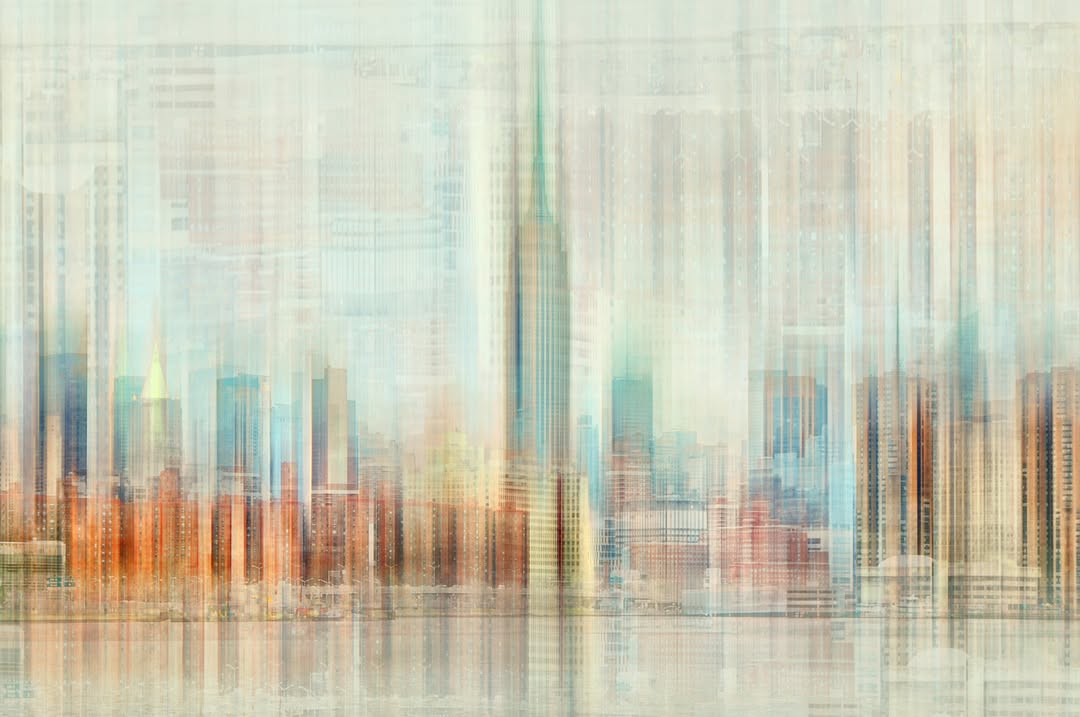
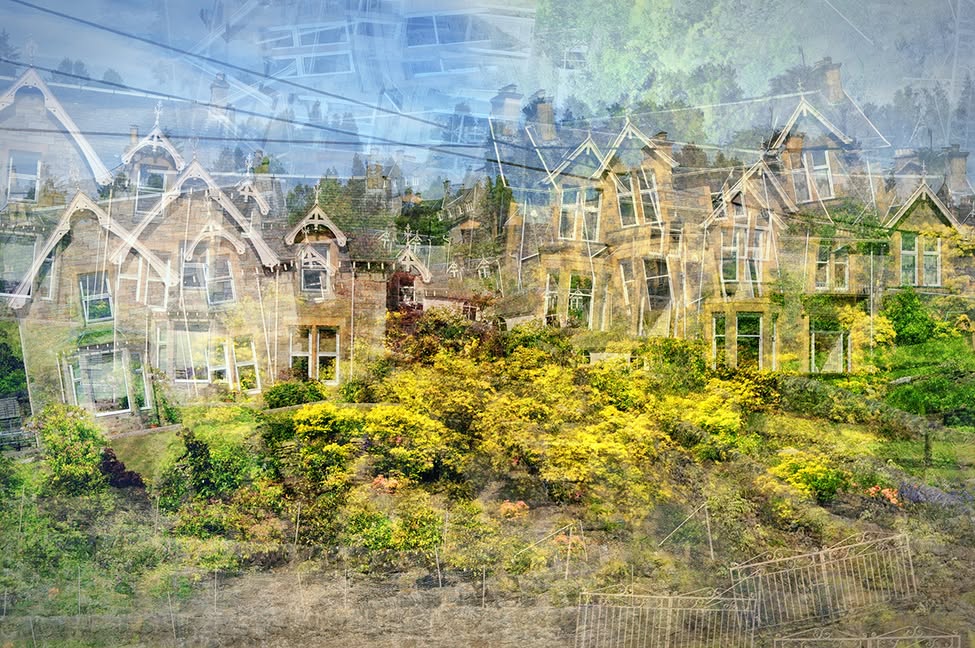
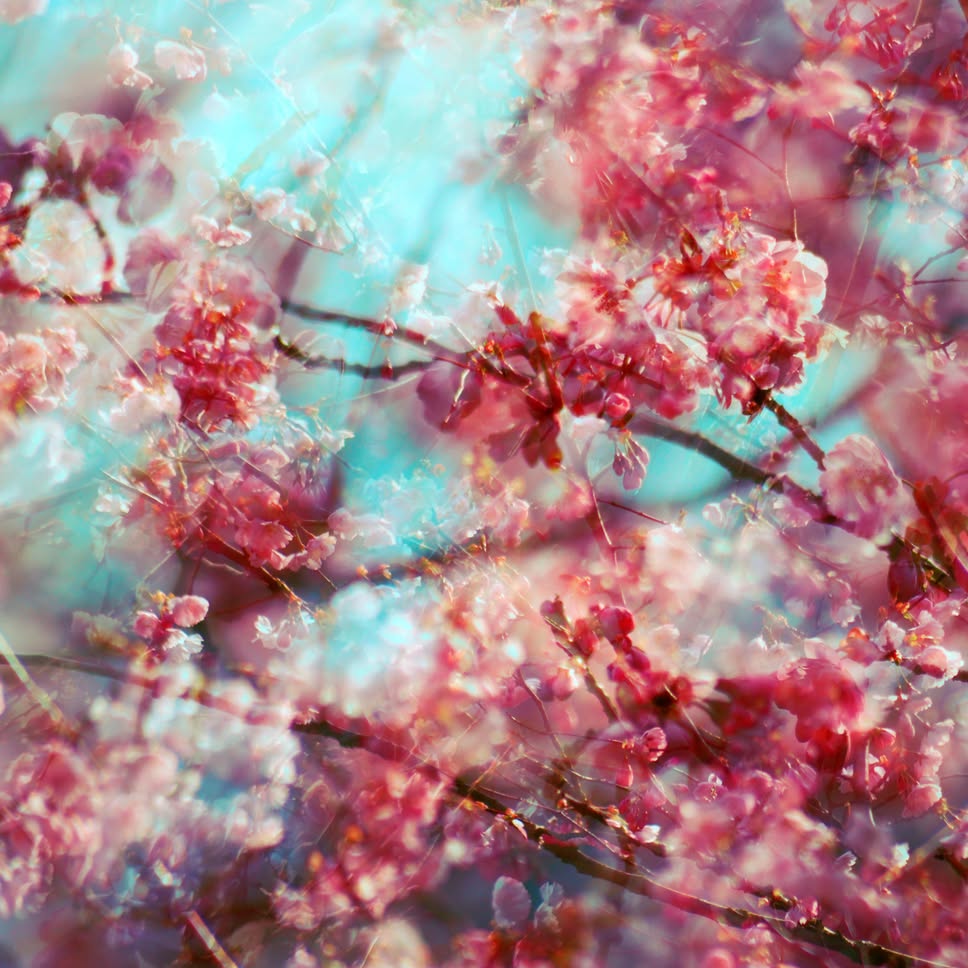
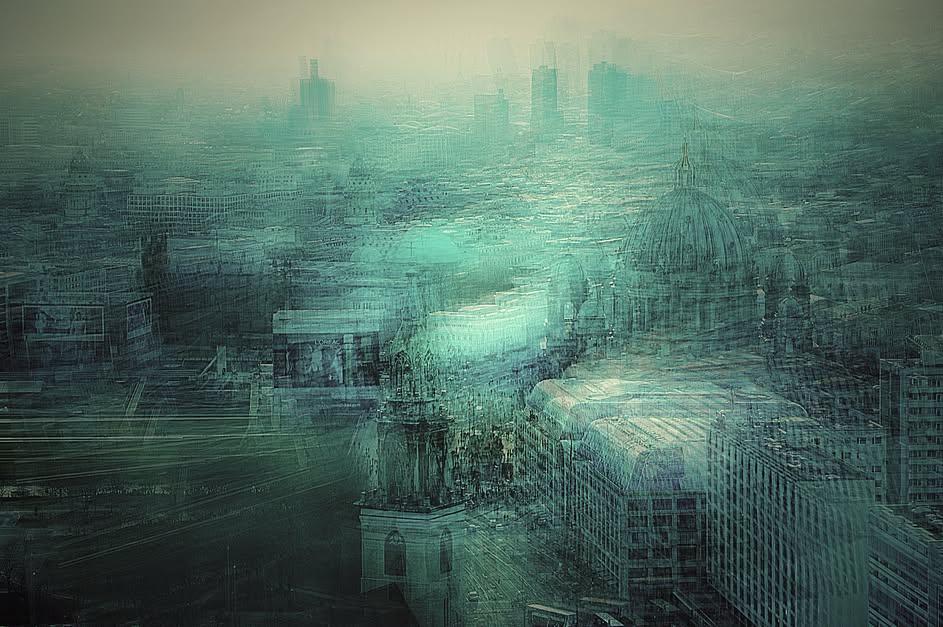
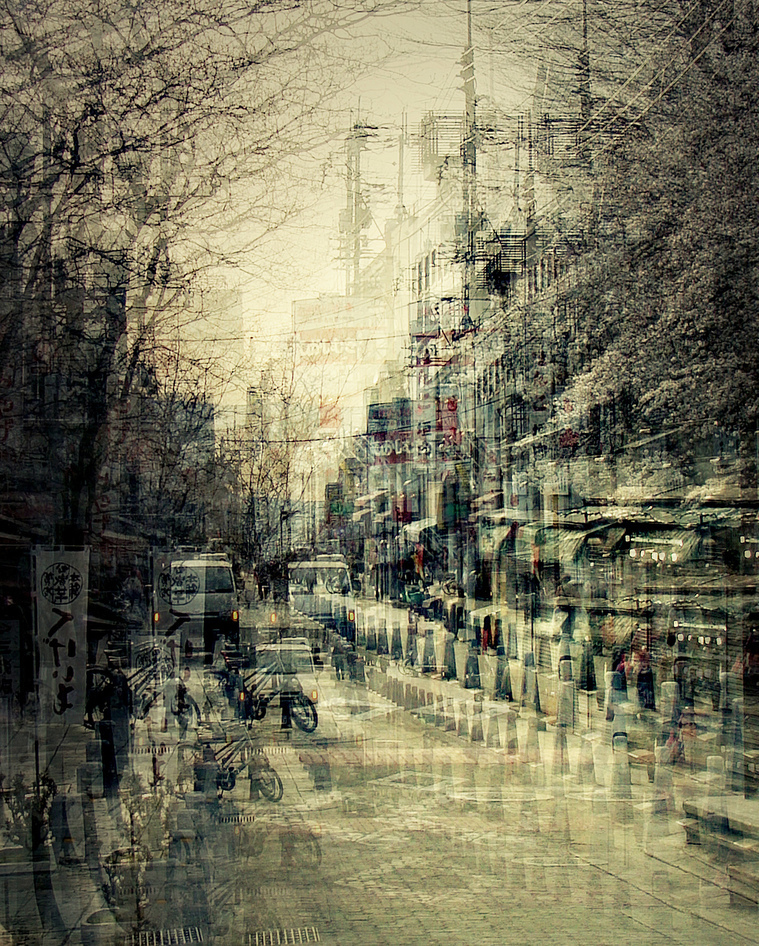
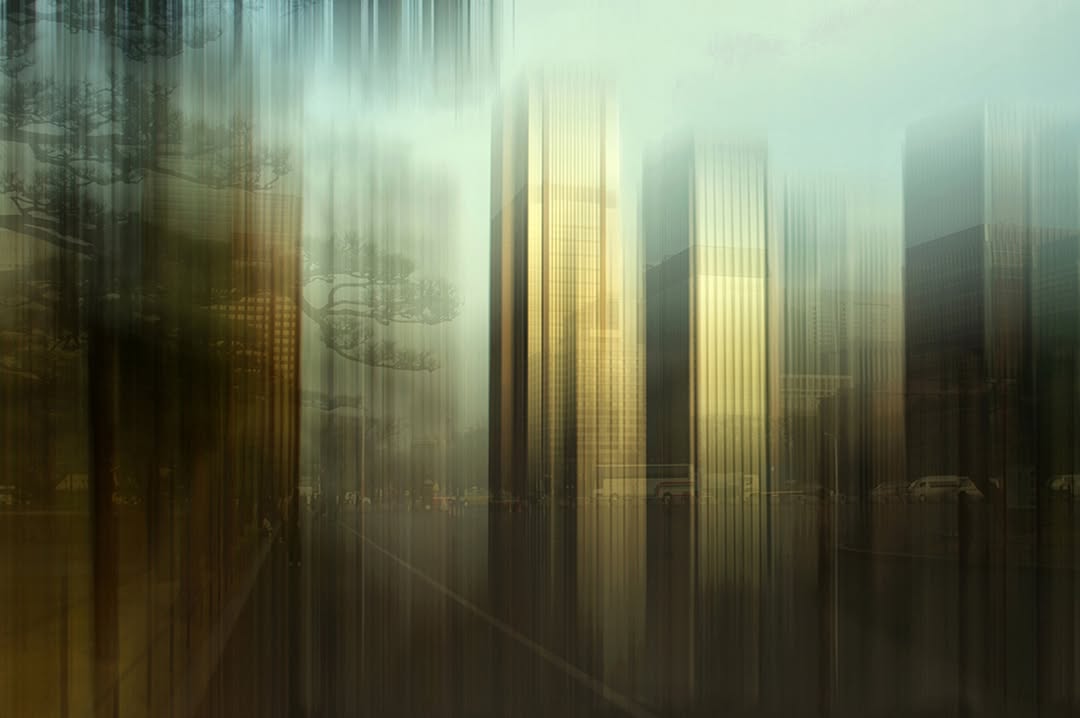
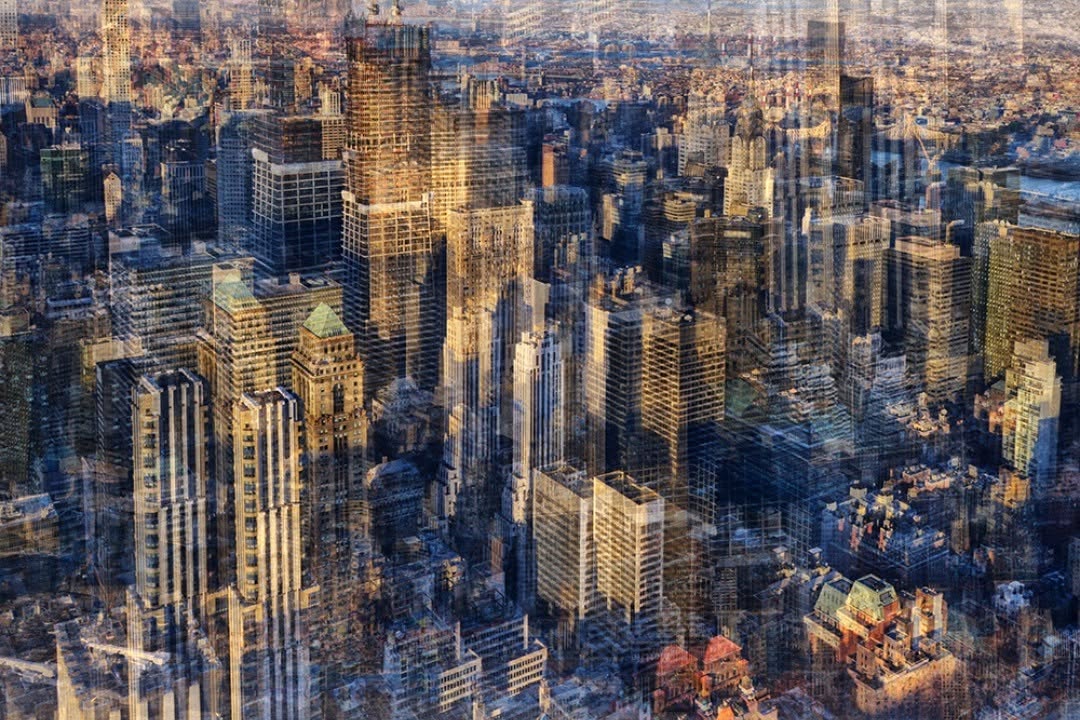
SStephanie Jung is a German photographer known for her distinctive use of multi-exposure techniques to transform urban environments into abstract, energetic visual experiences. While little verified biographical information is publicly available, Jung has gained recognition online for her layered cityscapes, often created in major cities such as Tokyo and New York. Her work is characterised by overlapping structures, blurred movement, and a sense of rhythmic chaos that captures the intensity of contemporary city life. Strong colour palettes—such as neon reds, soft greys, or electric blues—often appear throughout her images. Her signature approach blends fine-art sensibilities with experimental in-camera methods.
- Primary Genres: Fine Art, Abstract, Street (urban-focused)
- Primary Photography Style: Experimental Multi-Exposure: Layered in-camera exposures merge scenes into abstract forms. Expressionistic: Uses motion blur and colour to create emotional, kinetic impressions of the city.
- Key Message: Stephanie Jung’s work explores the energy and fragmentation of modern urban life. Through layered exposures and motion-driven abstract forms, she illustrates how cities feel rather than how they look. Her images encourage viewers to experience urban space as a living, shifting organism.
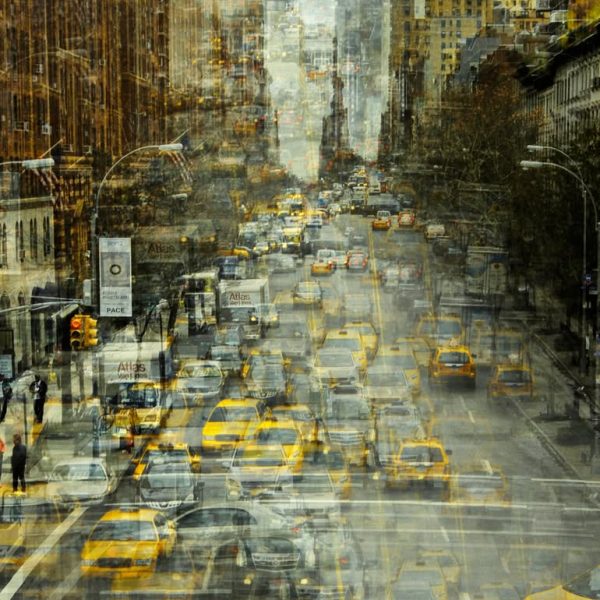
Jung’s photographs often feature dense urban subjects—crowded streets, neon signage, traffic flow, and architectural lines intersecting in unexpected ways. Her aesthetic relies heavily on motion and repetition, using in-camera multi-exposures to create a sense of rhythm and vibrancy. These techniques allow her to build visual complexity without depending on heavy digital manipulation. For intermediate photographers, her work offers a practical demonstration of how in-camera creativity—rather than post-production effects—can define an artist’s voice. Jung’s images frequently embrace slight blur, imperfect alignment, and visual noise, showing how intentional chaos can become a powerful compositional tool.
Her editing process, based on publicly available information from photographers working with similar methods, likely involves tonal balancing, colour adjustments, and contrast refinement rather than compositing. This approach keeps her work rooted in photographic capture rather than digital illustration. Presentation of her work typically occurs through online portfolios and occasional gallery features, where large prints enhance the immersive, multi-layered feel. The larger scale accentuates texture and motion, encouraging viewers to spend time deciphering the overlapping narratives within each frame.
For learners, her style highlights a useful contrast between film-era double exposures and modern digital multi-exposure modes. The technique rewards patience, experimentation, and a willingness to embrace results that are partly unpredictable. Rather than following strict rules of clarity and precision, Jung’s approach encourages photographers to explore emotional impressions, kinetic elements, and the expressive potential of urban spaces.
- Trivia:
- Frequently associated with cities such as Tokyo and New York due to recurring subjects in her multi-exposure work.
- Widely shared online for her layered urban abstractions.
- Known primarily for in-camera experimentation rather than Photoshop compositing.
- Her style is often discussed in the context of abstract expressionist photography
Lessons from this Photographer:
Stephanie Jung’s approach shows photographers how powerful in-camera experimentation can be. Her layered exposures demonstrate the creative potential of movement, repetition, and abstraction in urban settings. By prioritising atmosphere over accuracy, she encourages photographers to interpret their environment rather than simply record it. Her method also illustrates how embracing unpredictability—through handheld motion or imperfect alignment—can lead to unique artistic outcomes. Photographers can apply her mindset by experimenting with multi-exposure modes, playing with colour and motion, and exploring emotional storytelling within familiar locations.