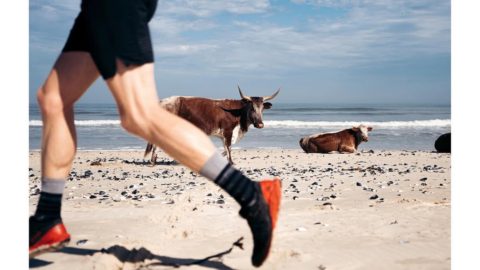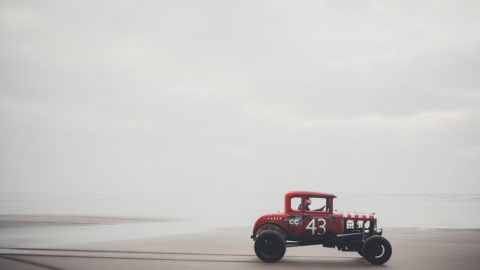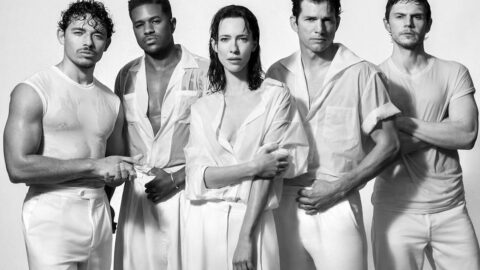
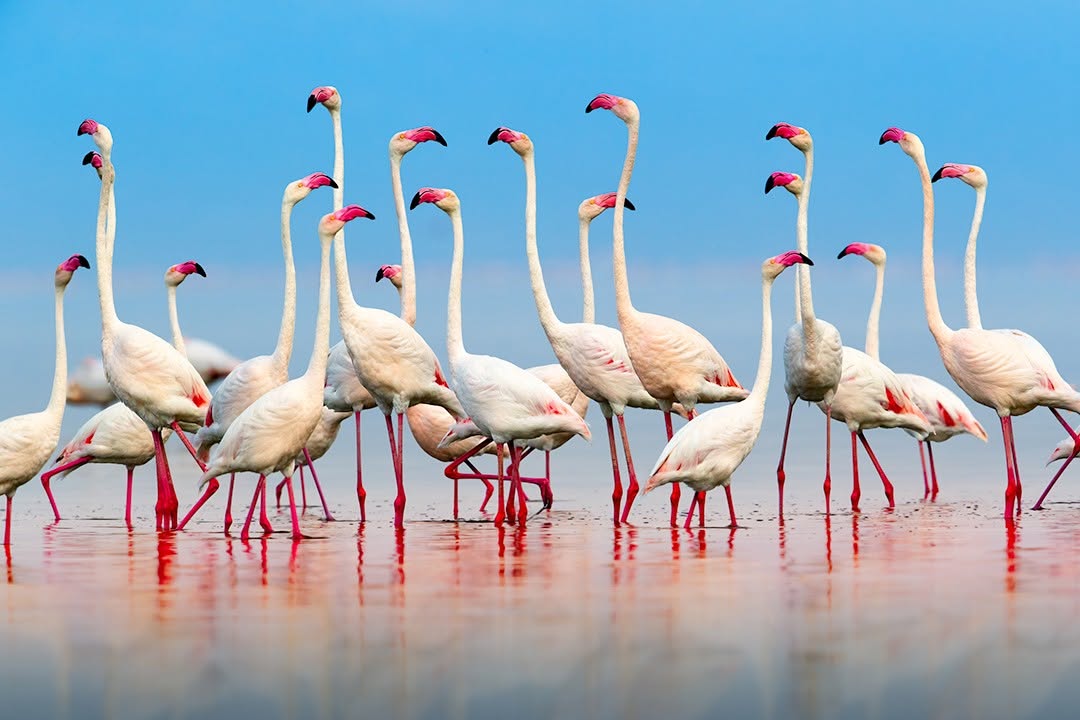
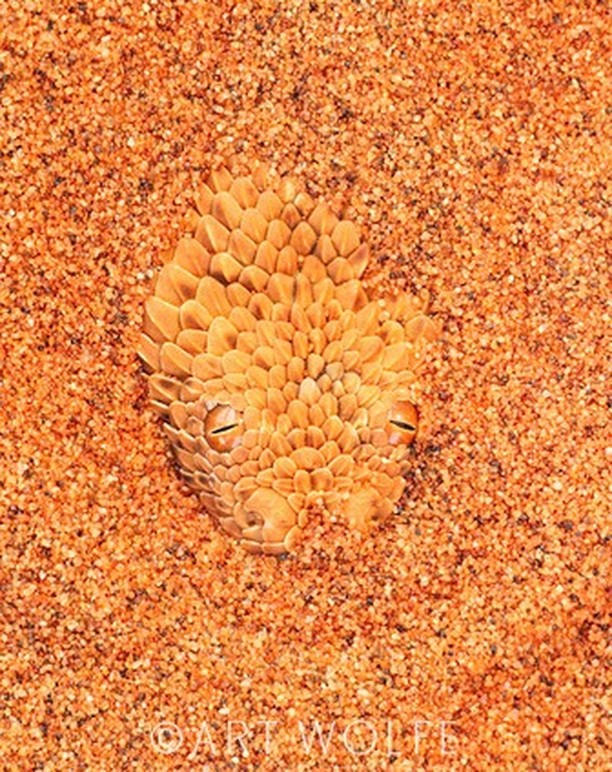
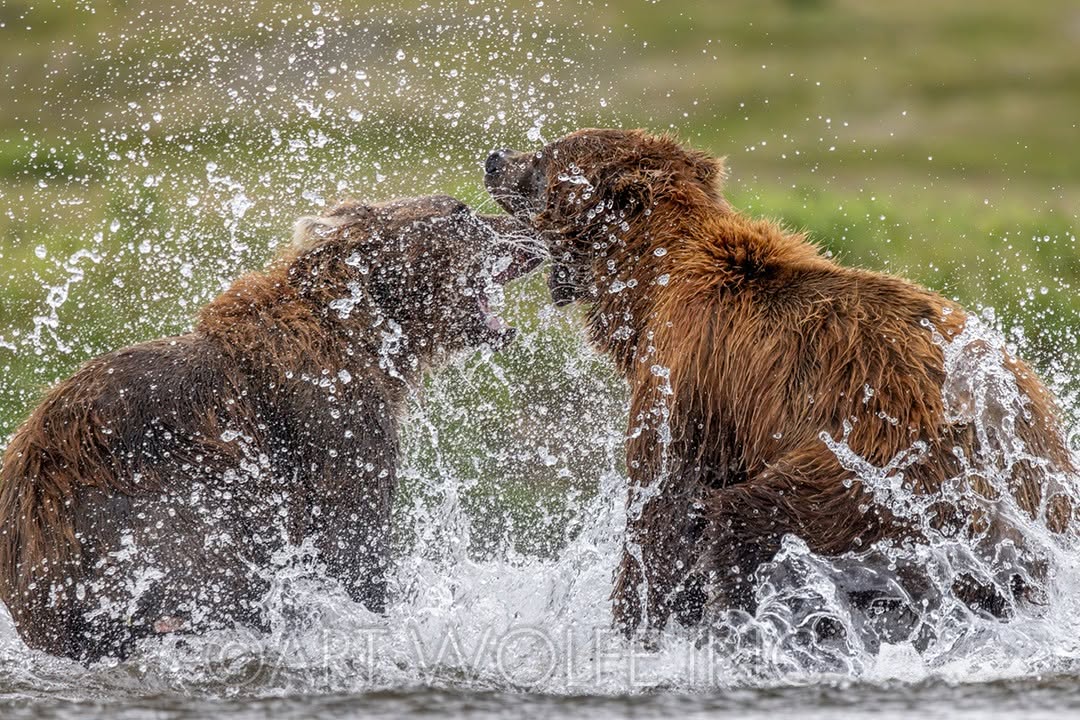
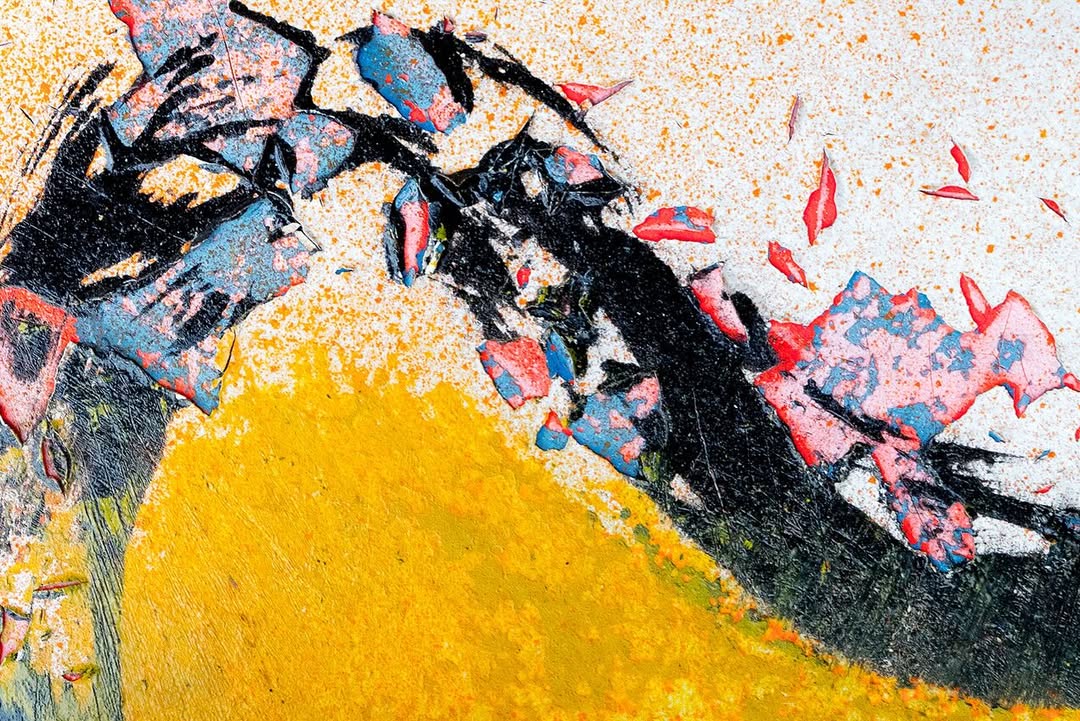
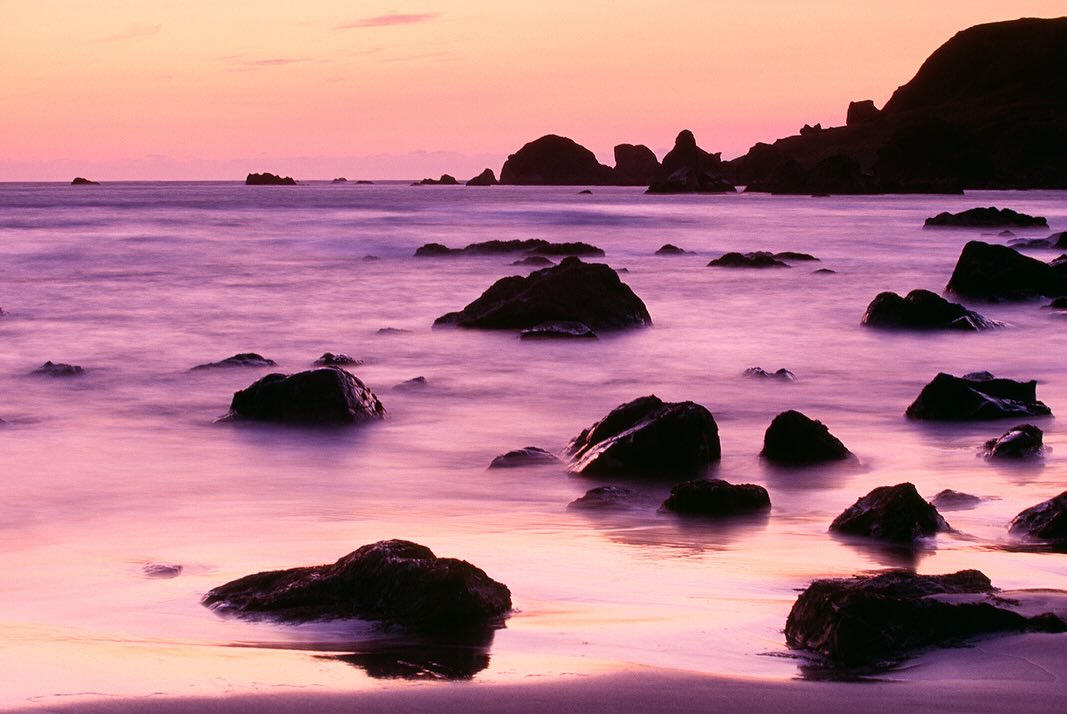
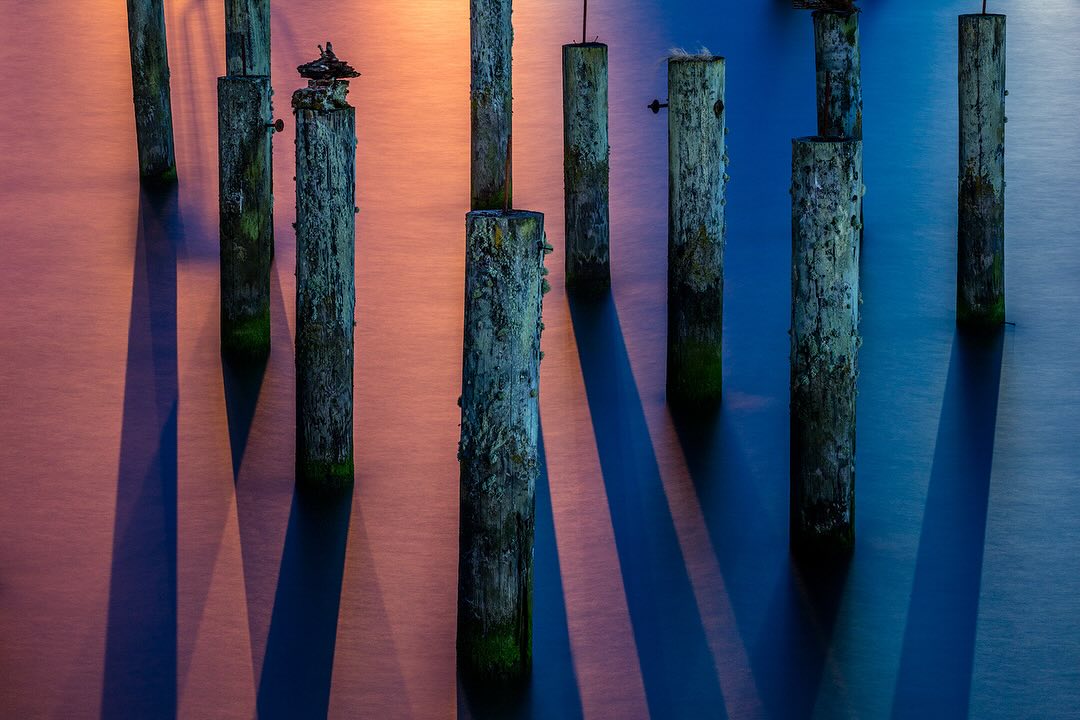
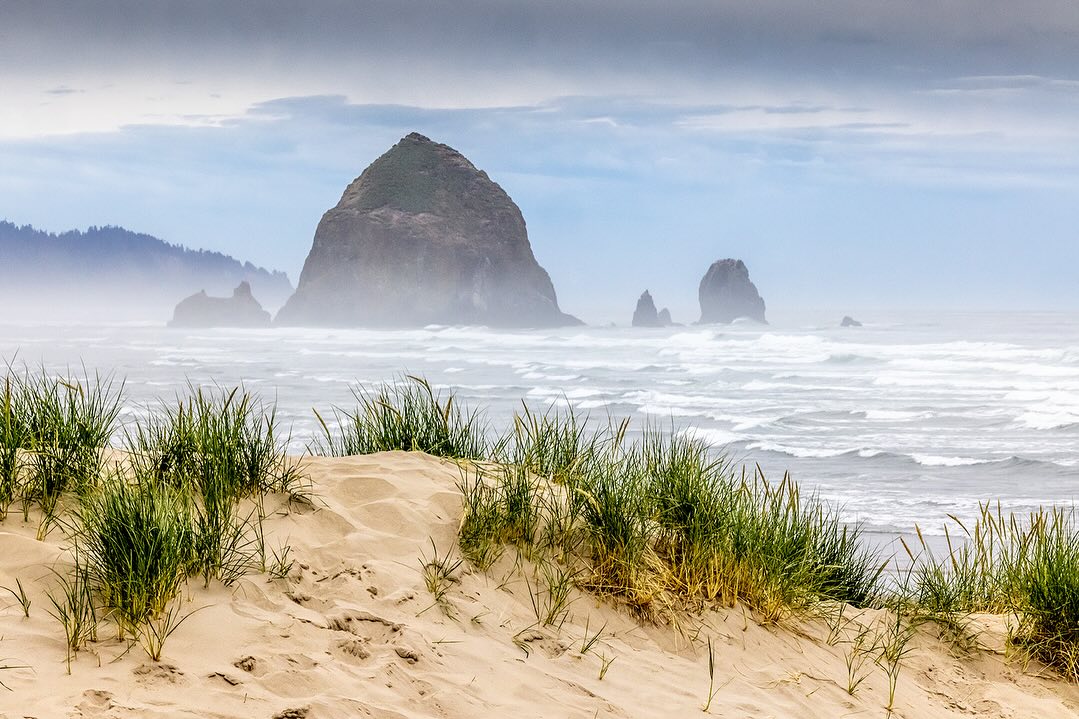
Art Wolfe was born in Seattle, Washington, in 1951. He graduated from the University of Washington with degrees in fine arts and art education in 1975. His career started soon after, with his first book, Indian Baskets of the Northwest Coast, published in 1978. Over more than six decades, he has travelled to every continent, capturing millions of images and producing over 120 books, including Earth Is My Witness. Key milestones include his PBS series Travels to the Edge and founding the International Conservation Photography Awards from 1997 to 2012. His photographs often feature vibrant colours and dynamic compositions that highlight textures and motion in nature.
- Primary Genres: Nature Photography, Wildlife Photography, Landscape Photography, Documentary Photography.
- Primary Photography Styles: Straight Photography: naturalistic and detailed captures that represent scenes as they appear; Expressionism: vivid and emotive use of colour and light to evoke emotional responses.
- Key Message: Wolfe’s work showcases the diversity of Earth’s natural environments, wildlife, and cultures, blending aesthetic beauty with a subtle urgency to promote conservation. His images encourage viewers to appreciate the planet’s fragile wonders and take action to protect them.
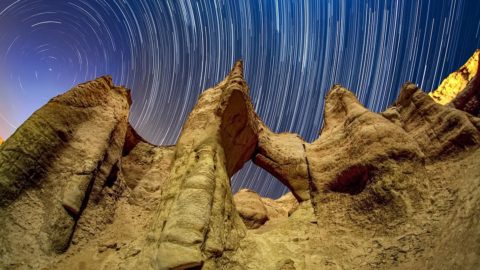
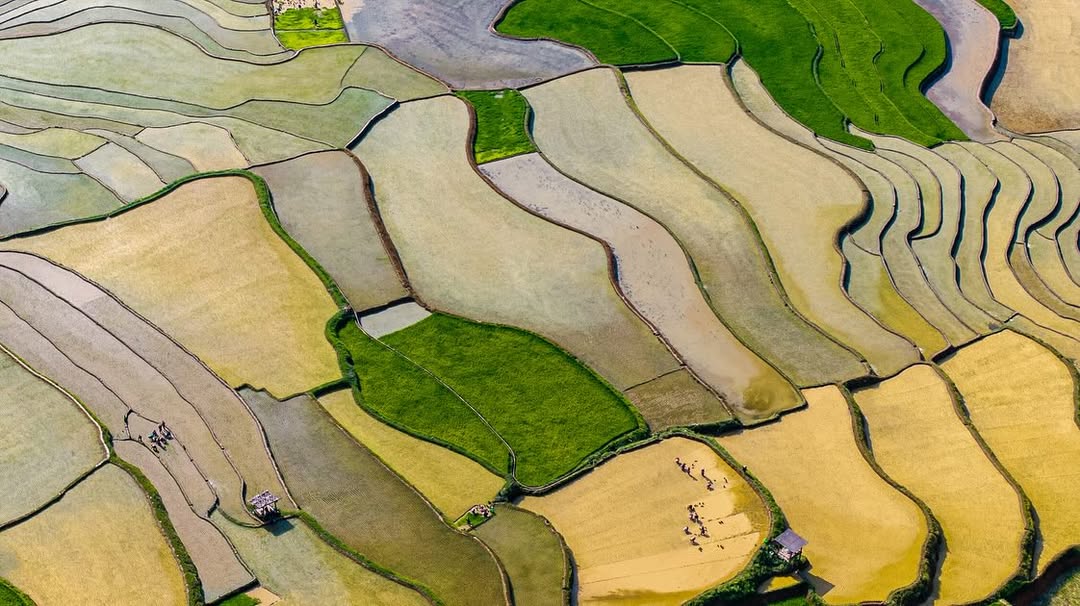
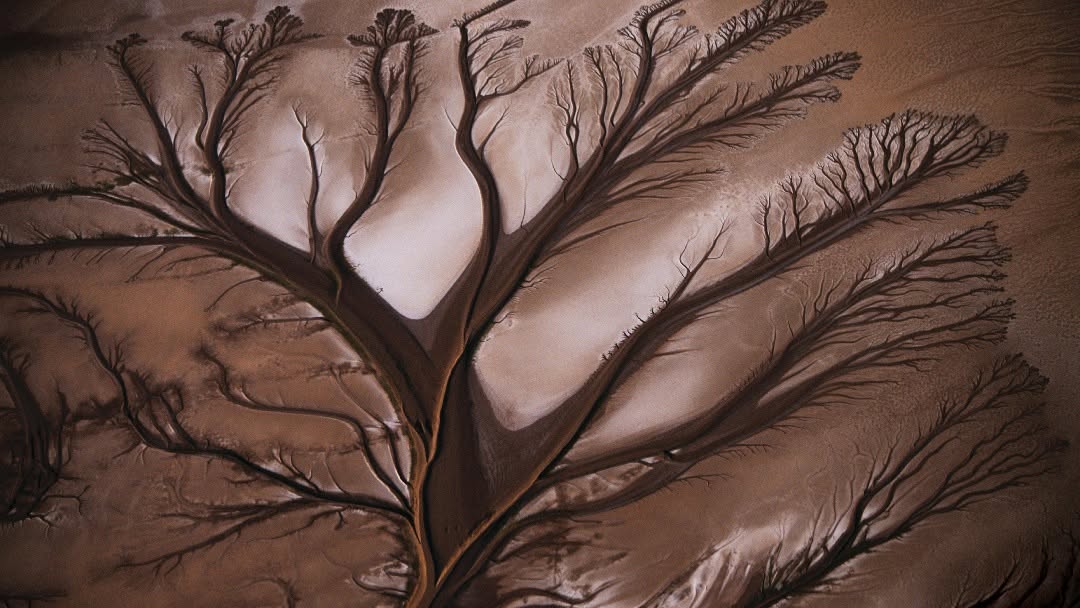
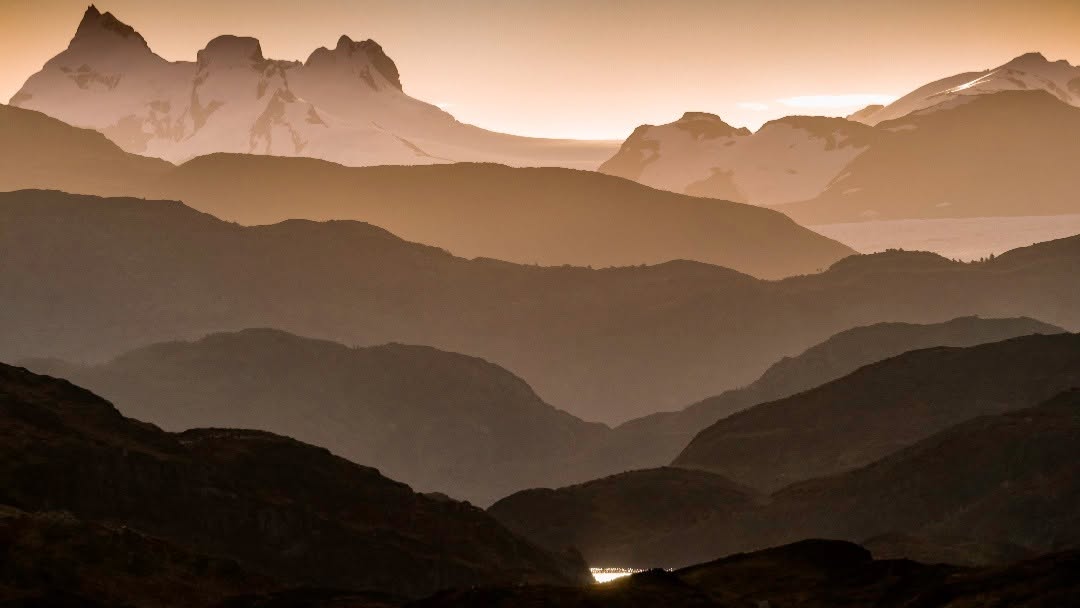
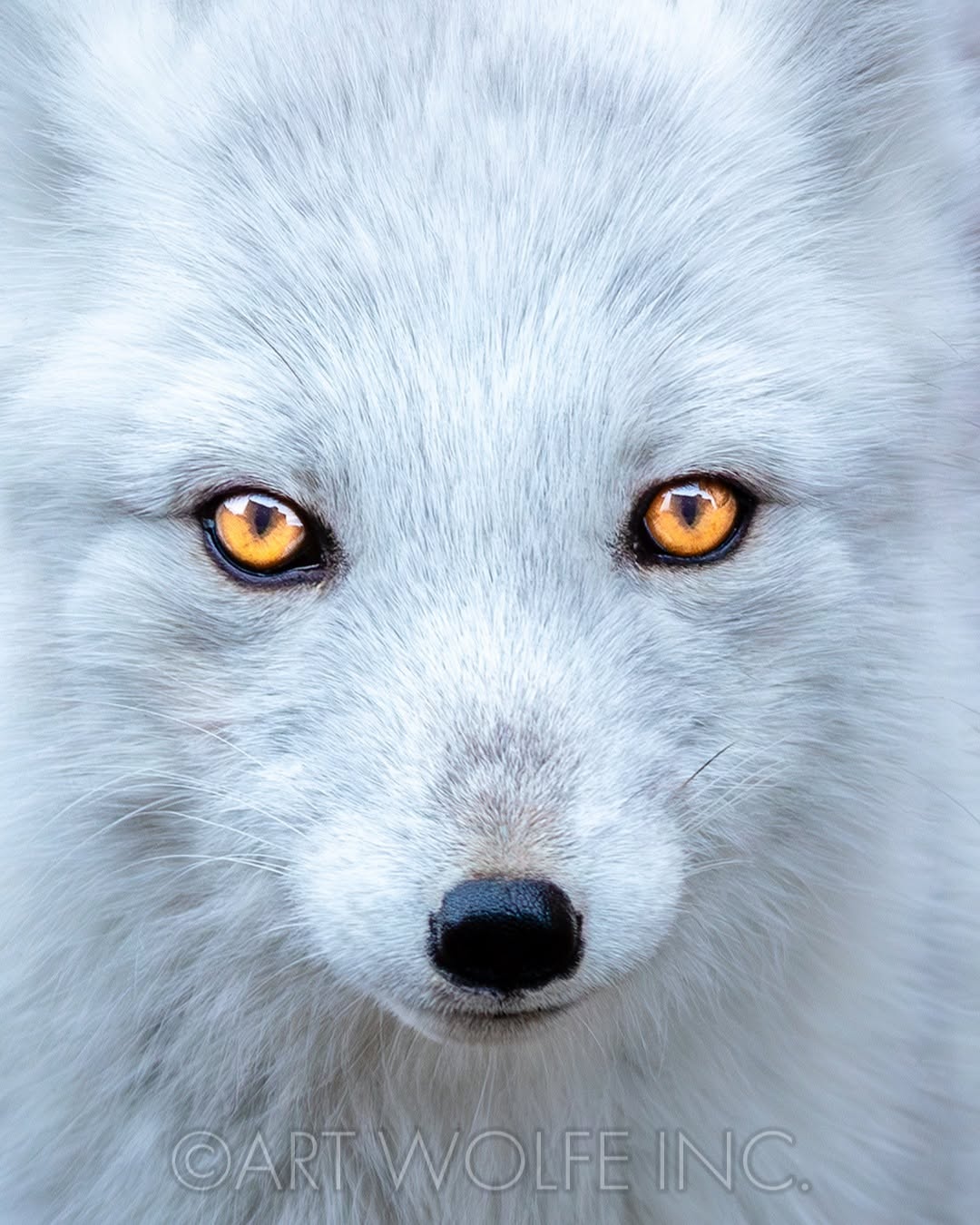
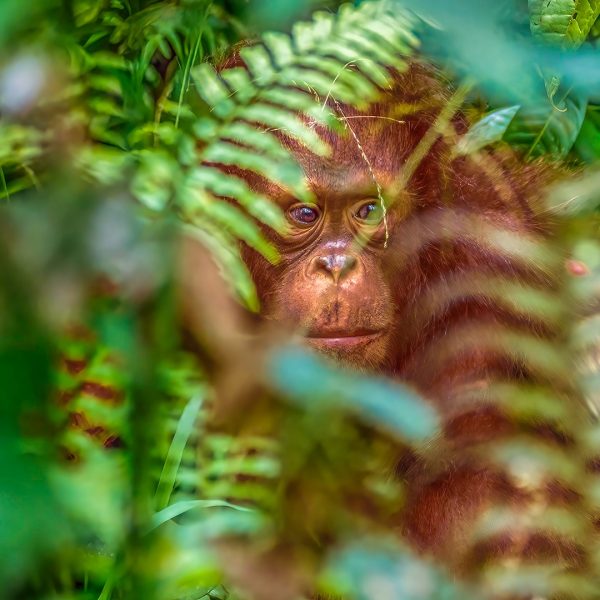
Art Wolfe’s most common subjects include wildlife in action, such as animals mid-motion or in their habitats, vast landscapes with rhythmic geological features, and documentary portraits of indigenous cultures facing environmental changes. His unique aesthetic focuses on textures—like the intricate patterns of animal fur, bird feathers, or jagged cliffs—and balanced scales that convey both intimate details and grand vistas. Techniques involve using digital cameras with telephoto lenses for distant subjects, often shooting handheld for spontaneity or with tripods for stability in remote locations. He chases natural lighting conditions, such as the soft glow of dawn or dramatic stormy casts, to enhance depth and mood without artificial sources. In editing, Wolfe applies subtle digital adjustments to contrast and saturation, ensuring colours remain true to life while amplifying visual impact, all within ethical boundaries to avoid heavy manipulation.
For intermediate learners, Wolfe’s straight photography style means prioritising naturalistic representation, capturing scenes with minimal intervention to let the subject’s inherent qualities shine, much like traditional film approaches but adapted to digital workflows for greater flexibility in post-processing. This contrasts with pure expressionism, where he uses vivid colours and emotive compositions to tell stories, drawing from his fine arts background to evoke feelings of wonder or concern. Concepts like film versus digital are evident in his evolution: early work on film required precise exposure planning, while digital allows real-time adjustments and higher volume shooting, enabling him to document fleeting moments more effectively. His process teaches the importance of patience in the field, waiting for optimal conditions, and blending technical precision with artistic intuition.
Wolfe’s presentation methods amplify his work’s reach, from large-format prints in exhibitions that immerse viewers in detailed scenes to books and television episodes that provide context and narratives. For example, his PBS series educates on locations and techniques, making complex photography accessible. Overall, his approach integrates storytelling with visual artistry, urging photographers to consider the environmental message behind their images.
- Accolades:
- Nature’s Best Photographer of the Year (multiple times).
- North American Nature Photography Association Lifetime Achievement Award.
- Photographic Society of America Progress Medal
- Trivia:
- Climbed Denali, North America’s highest peak, in 1988 to capture unique high-altitude photographs amid challenging conditions.
- Has a background in watercolour painting, which influences some of his prints to mimic painterly textures.
- Pioneered conservation photography as a concept through awards and initiatives before it became widely recognised.
Lessons from this Photographer:
Wolfe’s approach emphasises patience and observation in the field, teaching photographers to wait for the right light and moment to capture authentic, dynamic scenes rather than forcing compositions. By blending fine arts principles with technical skills, such as using natural light and subtle editing, learners can create images that balance detail and emotional impact, applying this to their own work by experimenting with scales and textures. His conservation mindset encourages selecting subjects that tell meaningful stories, prompting photographers to use their craft for advocacy and to adopt ethical practices that respect environments and cultures.
Website and Instagram:
-
- Website: https://artwolfe.com/
- Instagram: https://www.instagram.com/artwolfe/
YouTube References:
- “The Art of the Image | Art Wolfe | Talks at Google – https://www.youtube.com/watch?v=44LI5sOq408”
Citations:
- Photographer’s Official Website: https://artwolfe.com/
- Wikipedia Entry: https://en.wikipedia.org/wiki/Art_Wolfe
- UW Magazine Feature: https://magazine.washington.edu/feature/the-call-of-the-wild-beckons-photographer-art-wolfe/
- Smithsonian Magazine Article: https://www.smithsonianmag.com/travel/ive-lived-life-500-people-photography-art-wolfe-180953144/
- Amateur Photographer Interview: https://amateurphotographer.com/technique/interviews/nature-and-nurture-art-wolfe-interview/
- NANPA Profile: https://nanpa.org/organizer/art-wolfe/
- Mountaineers Blog: https://www.mountaineers.org/blog/mountaineer-of-the-week-art-wolfe
- UW Interview Video: https://www.youtube.com/watch?v=LDziaWCXxhs