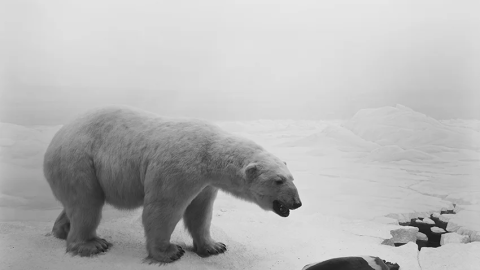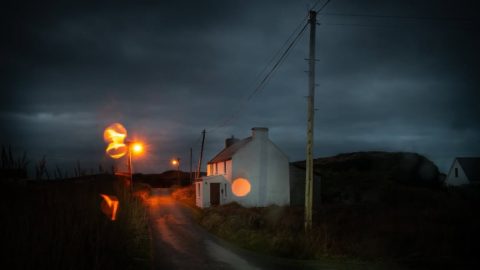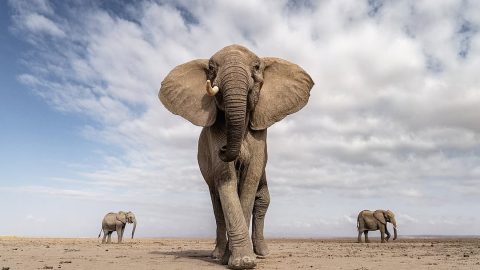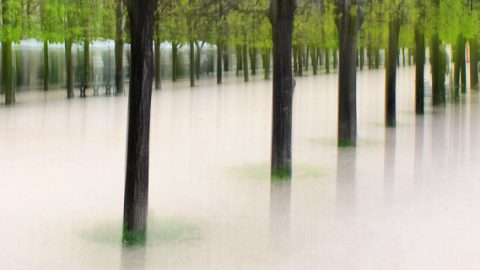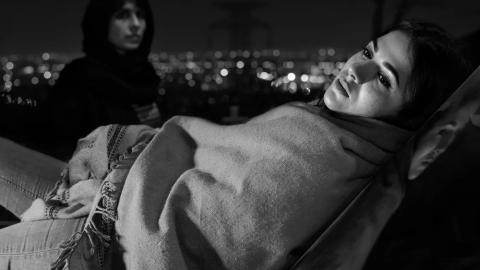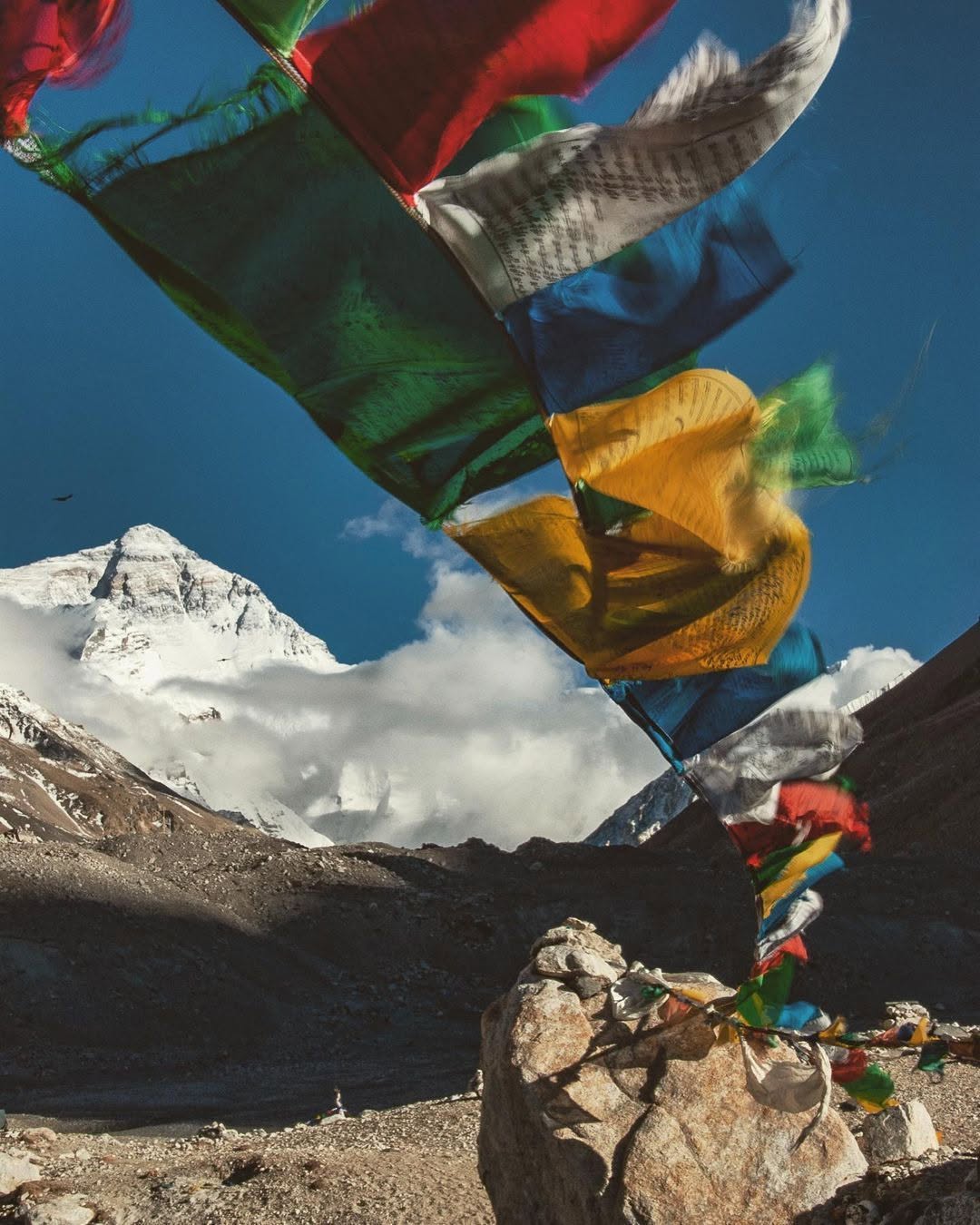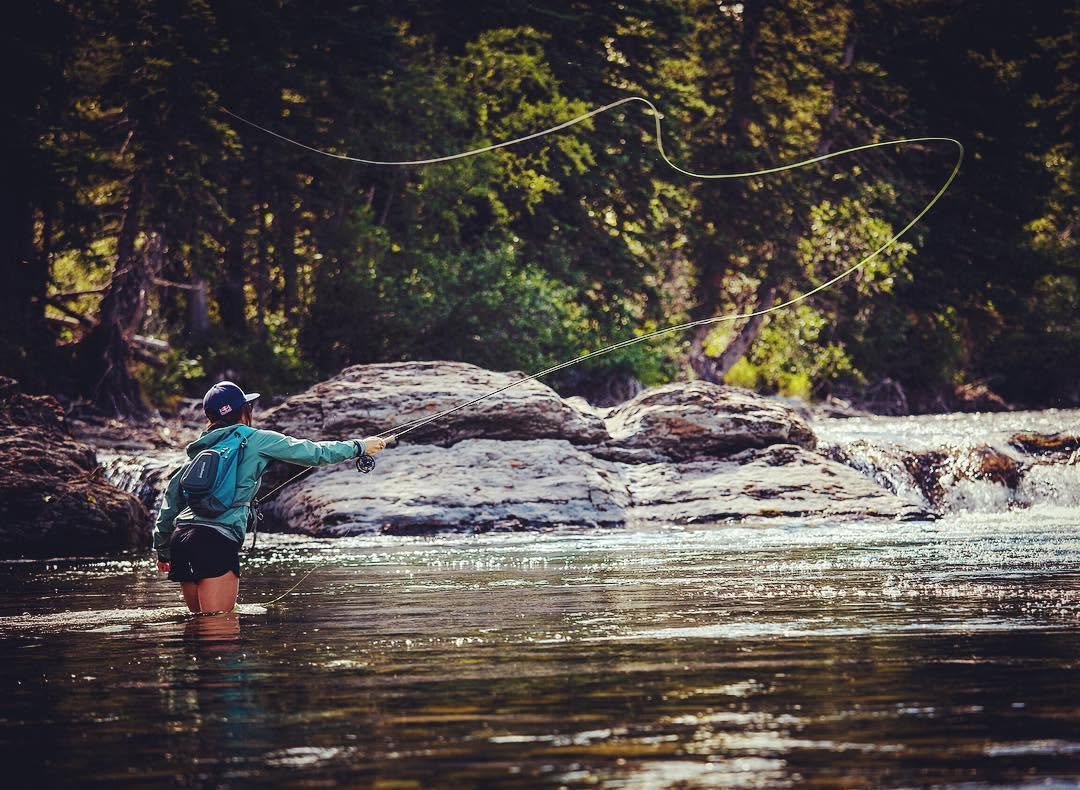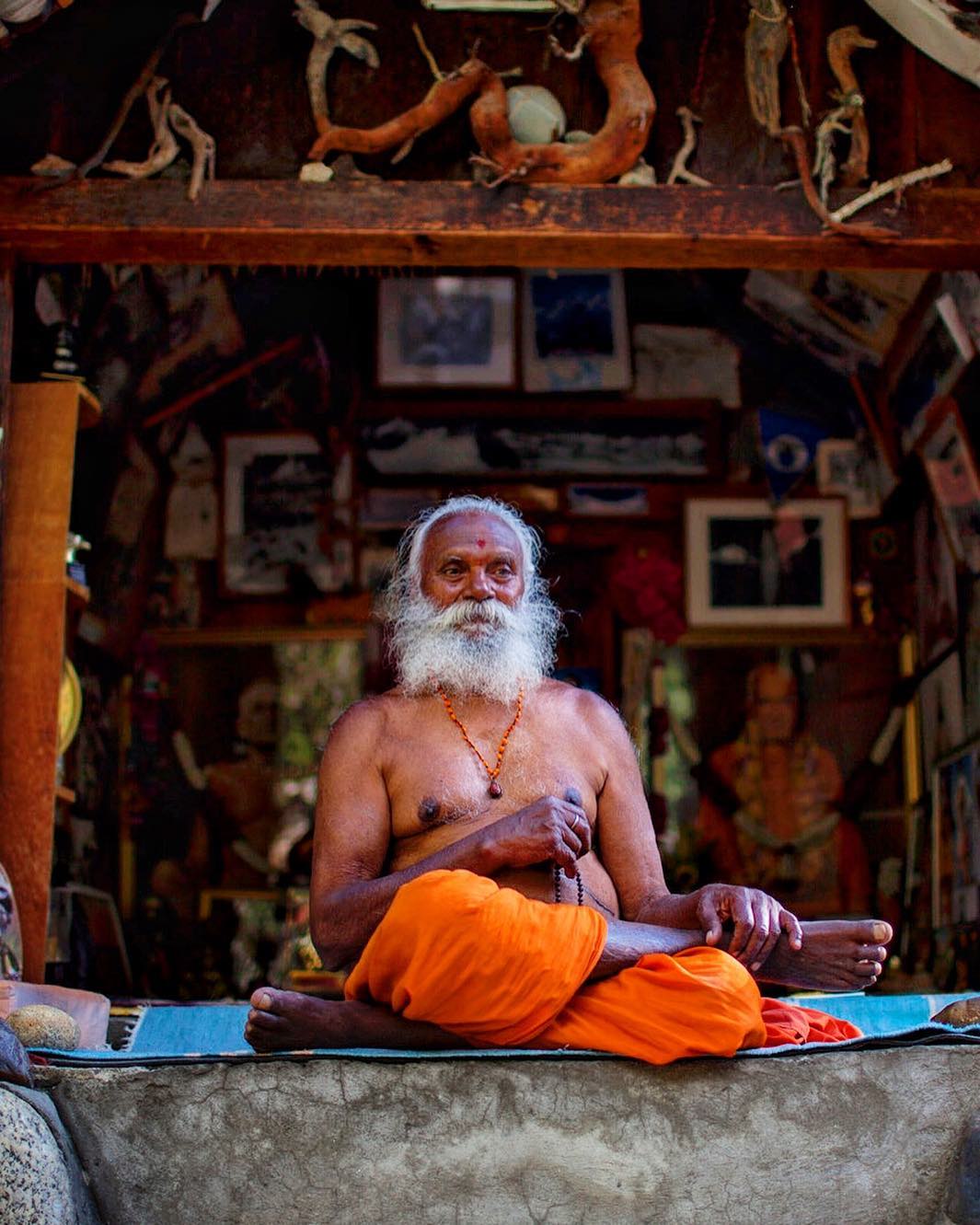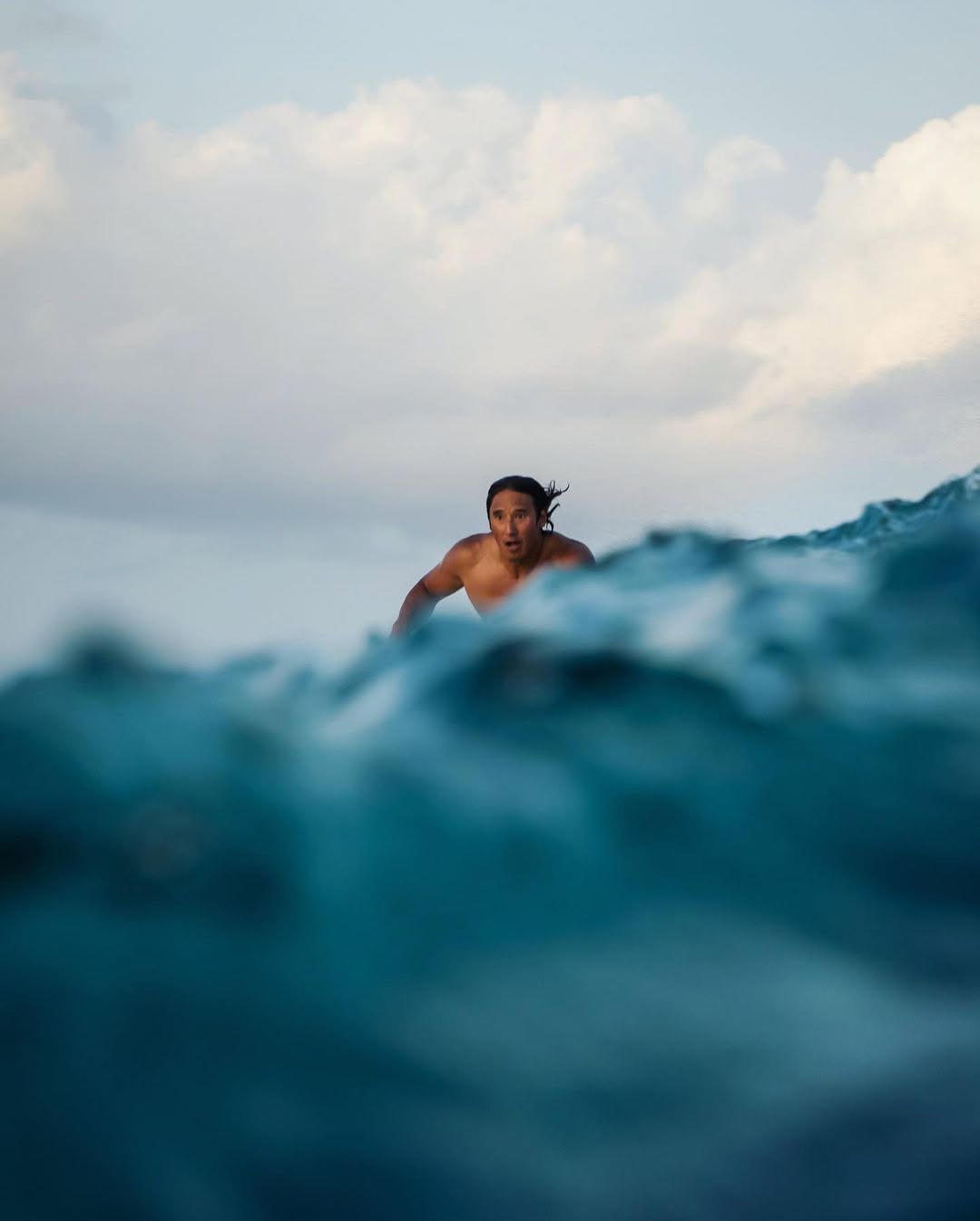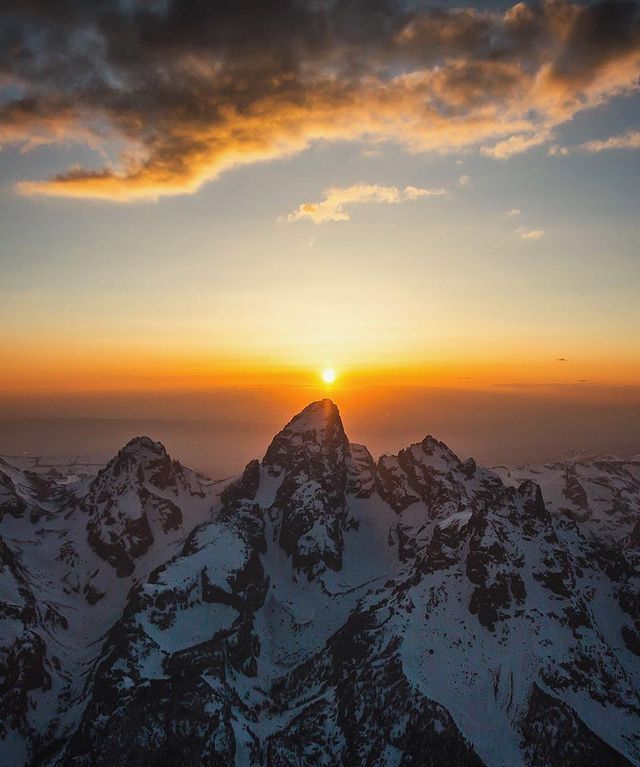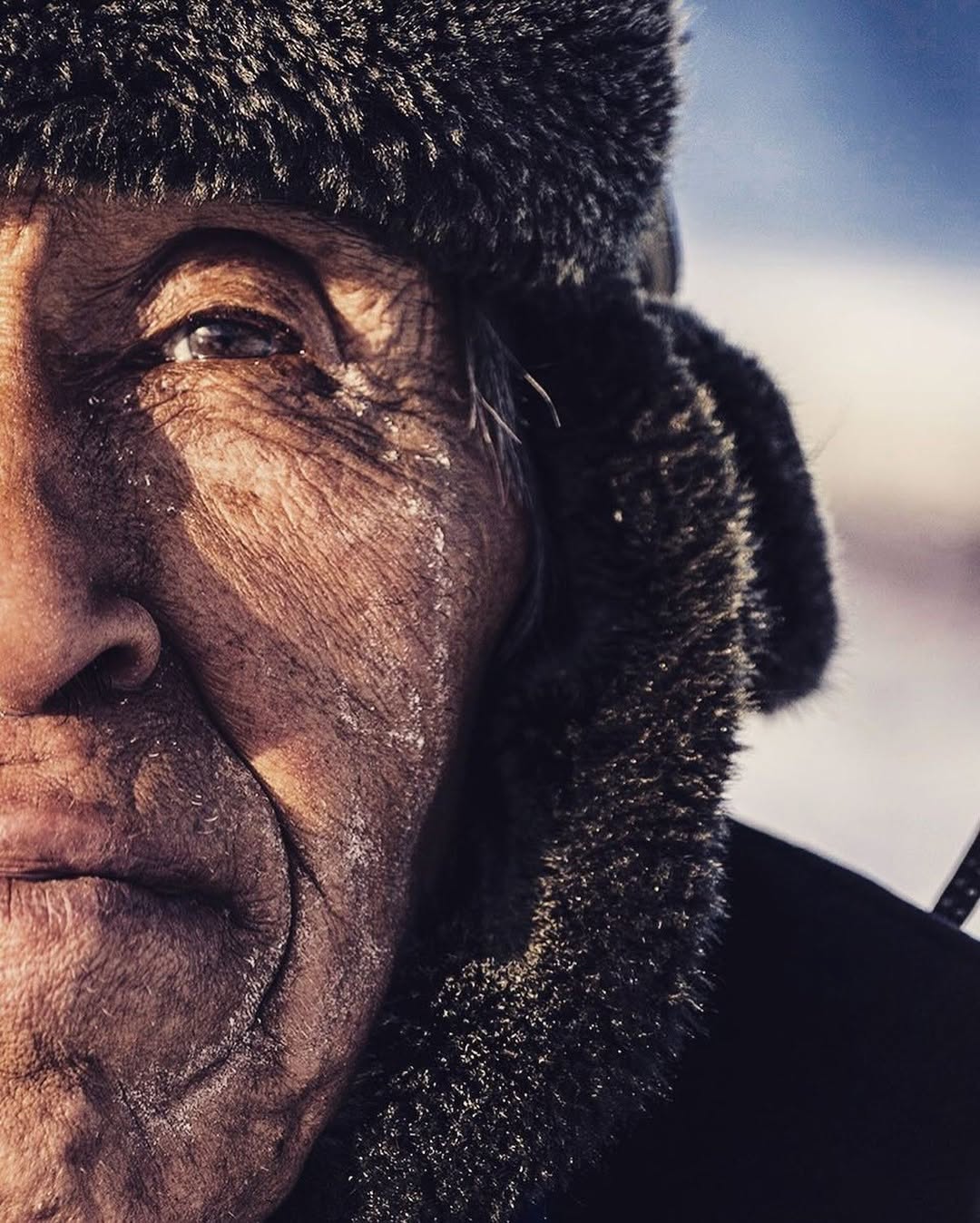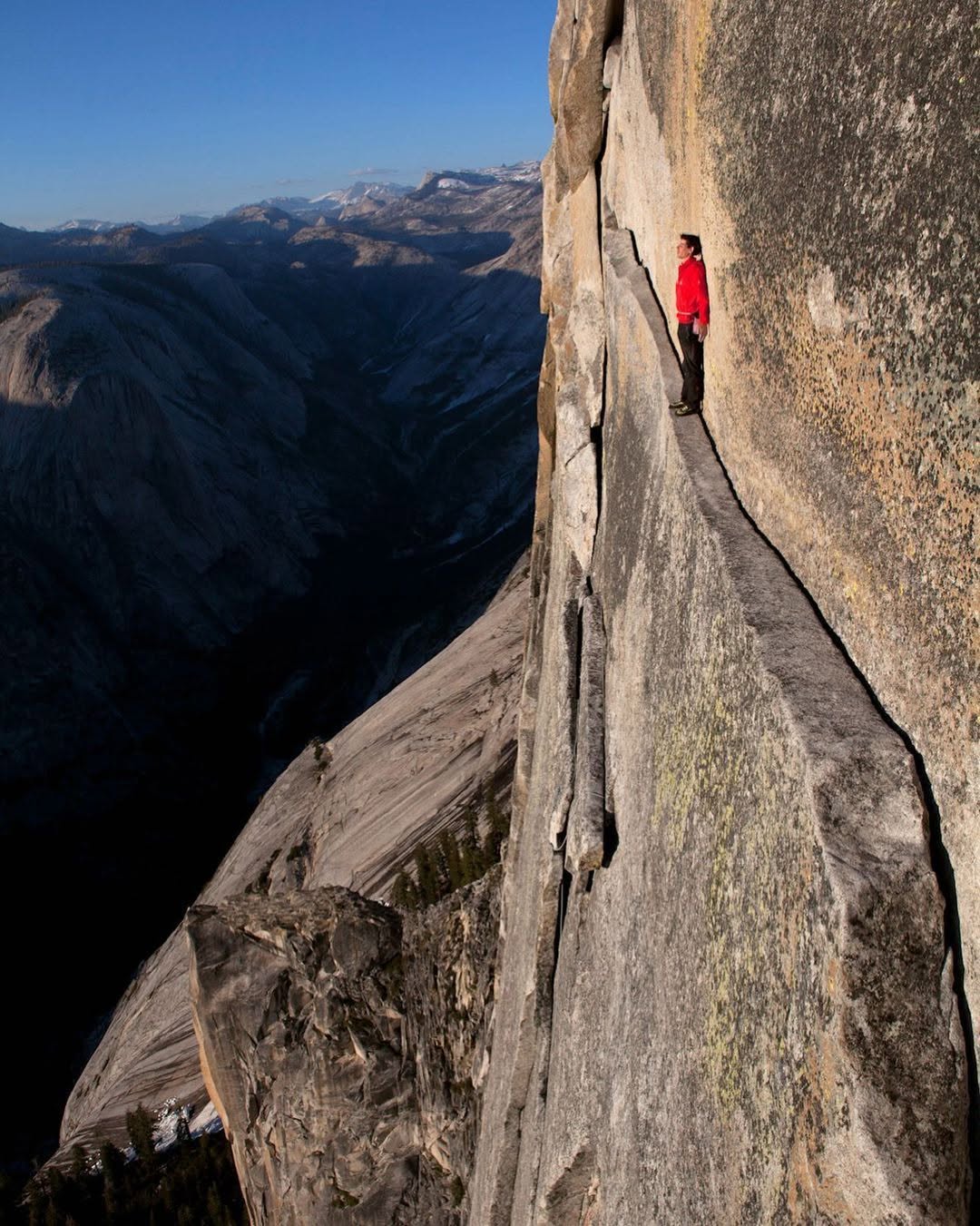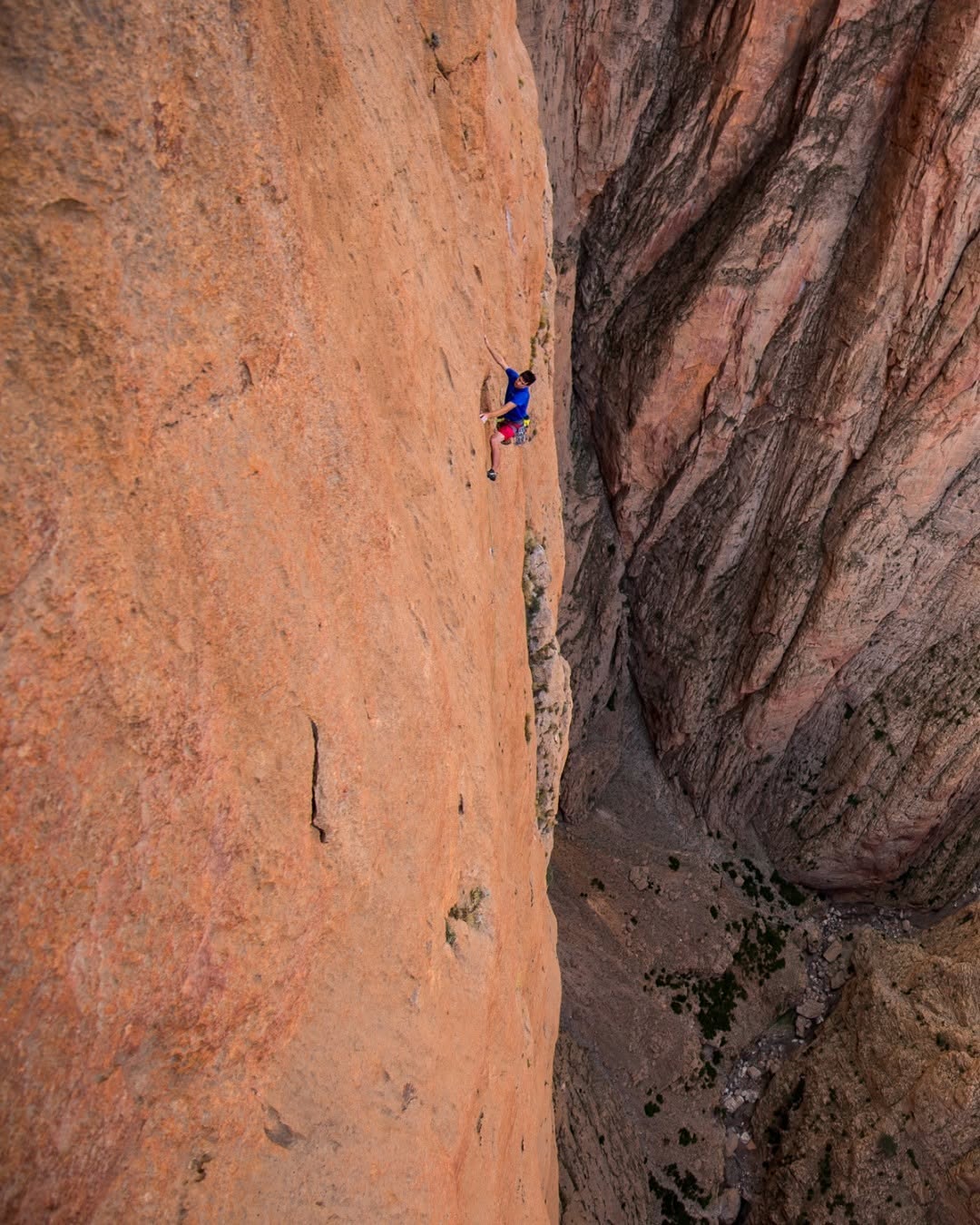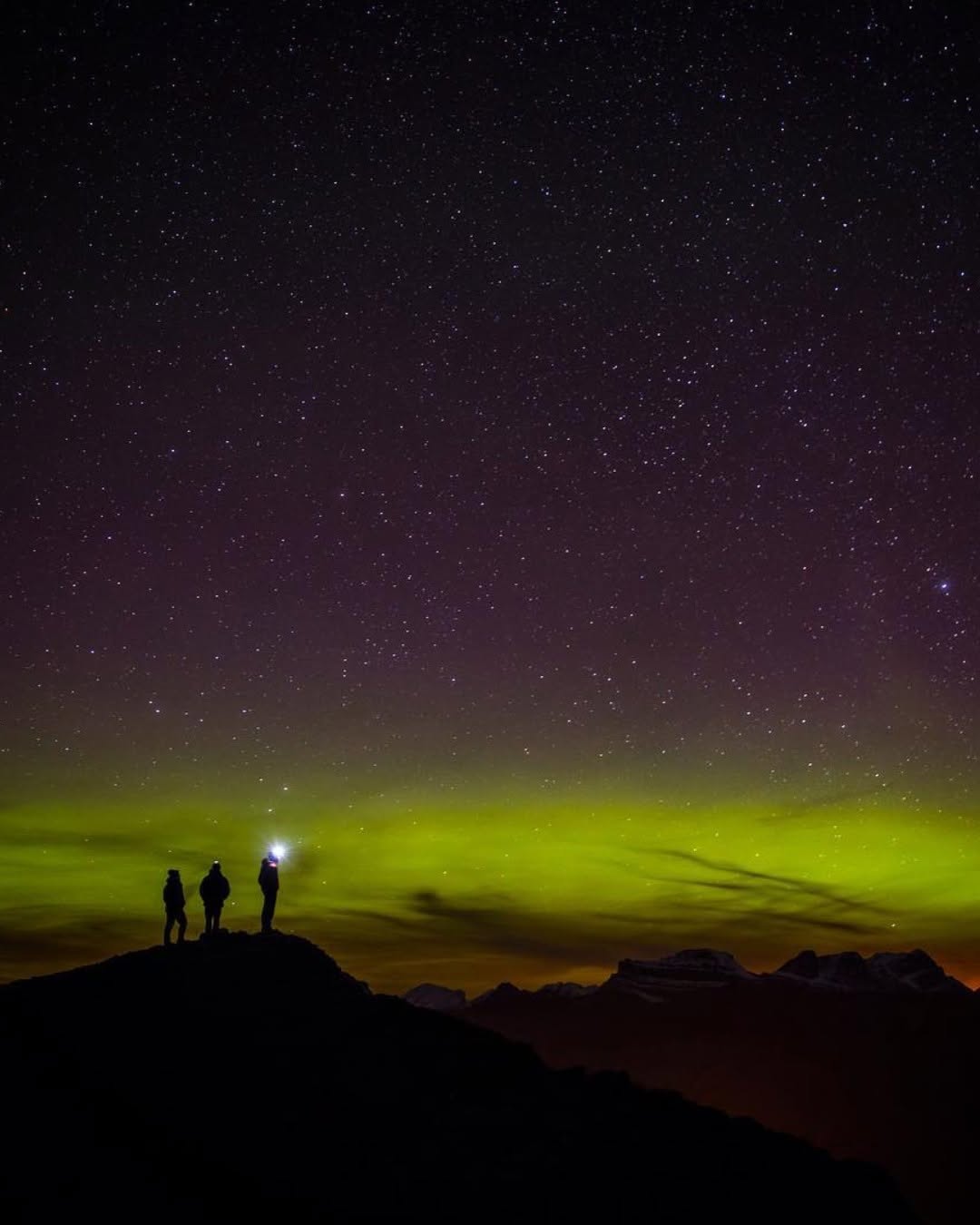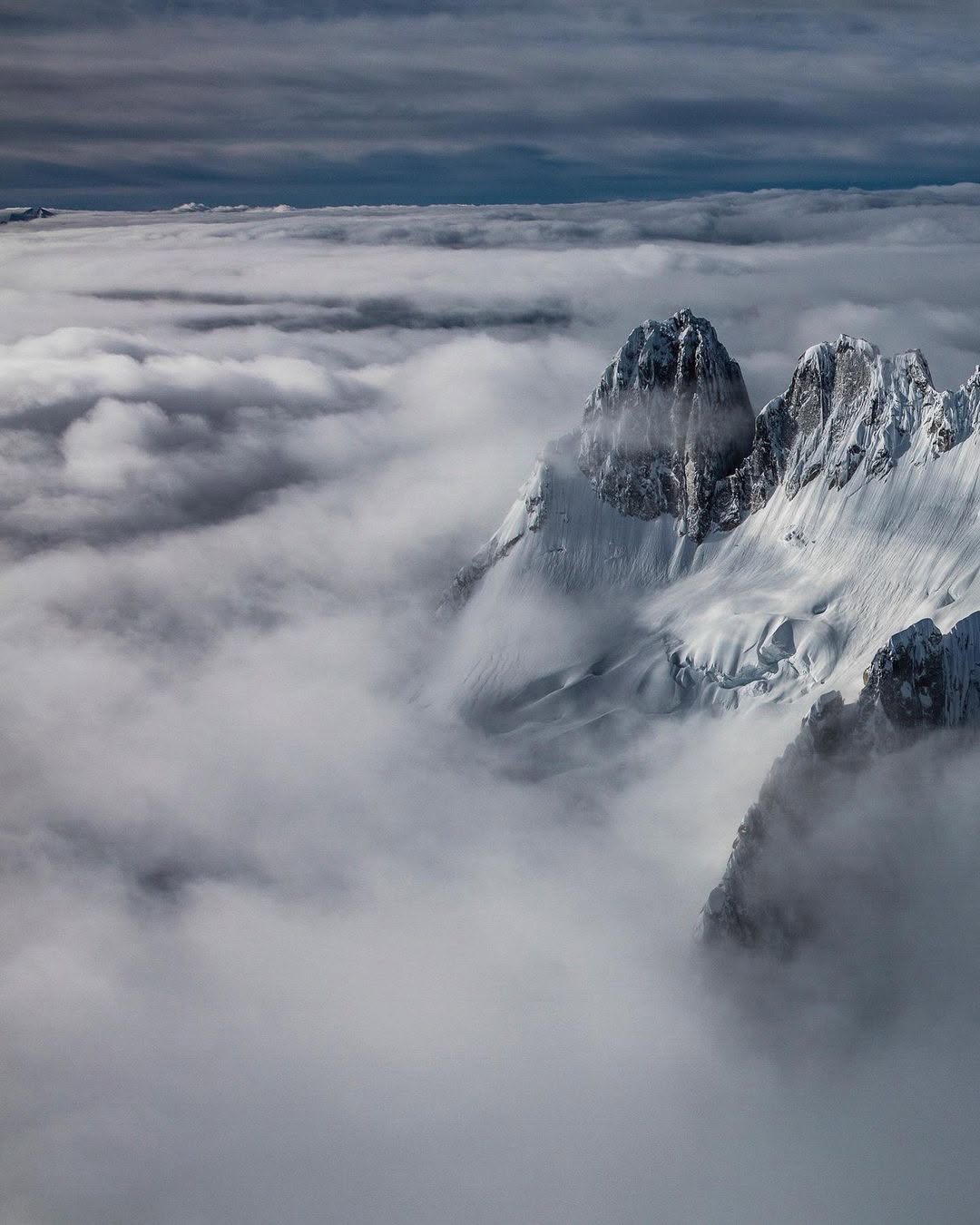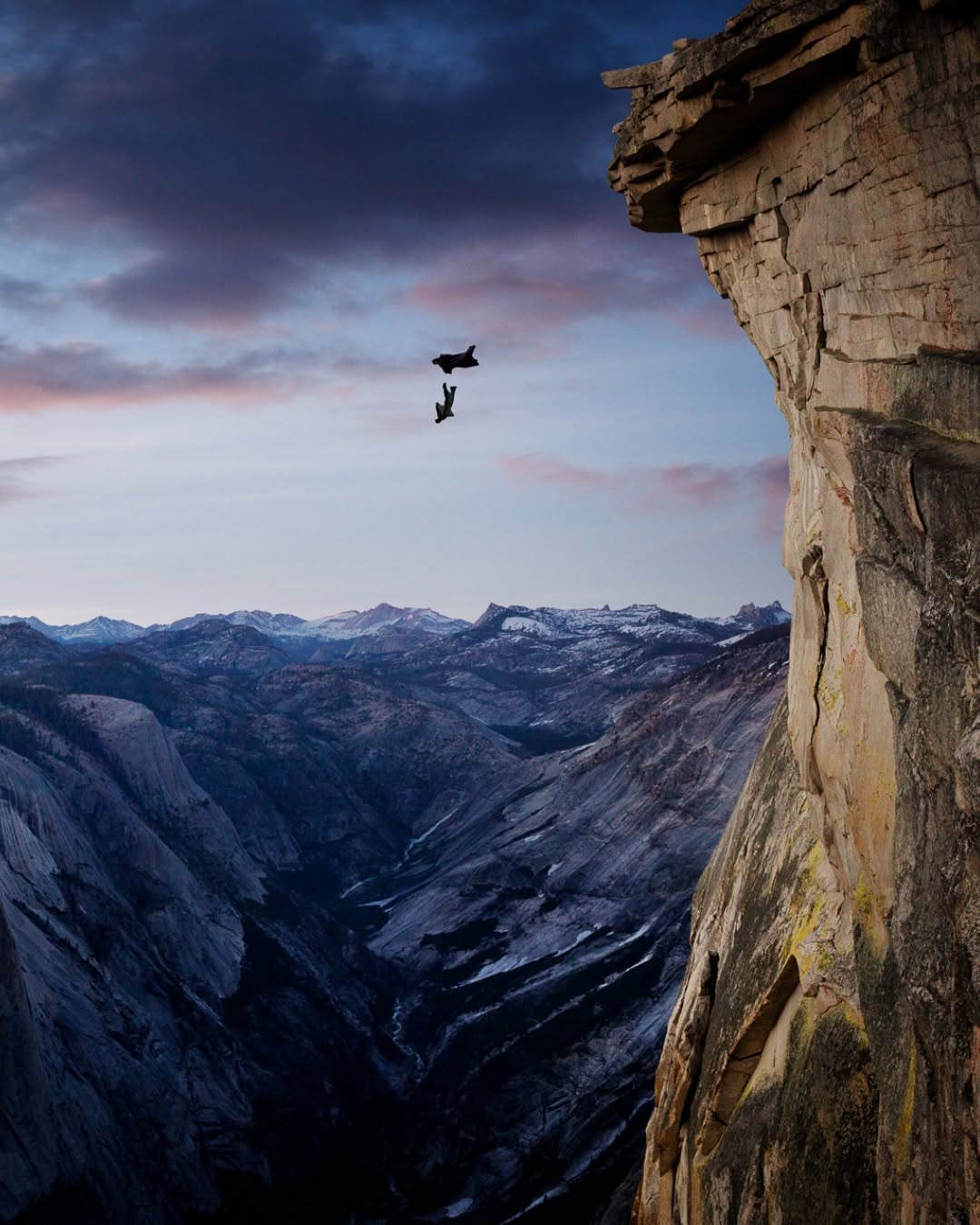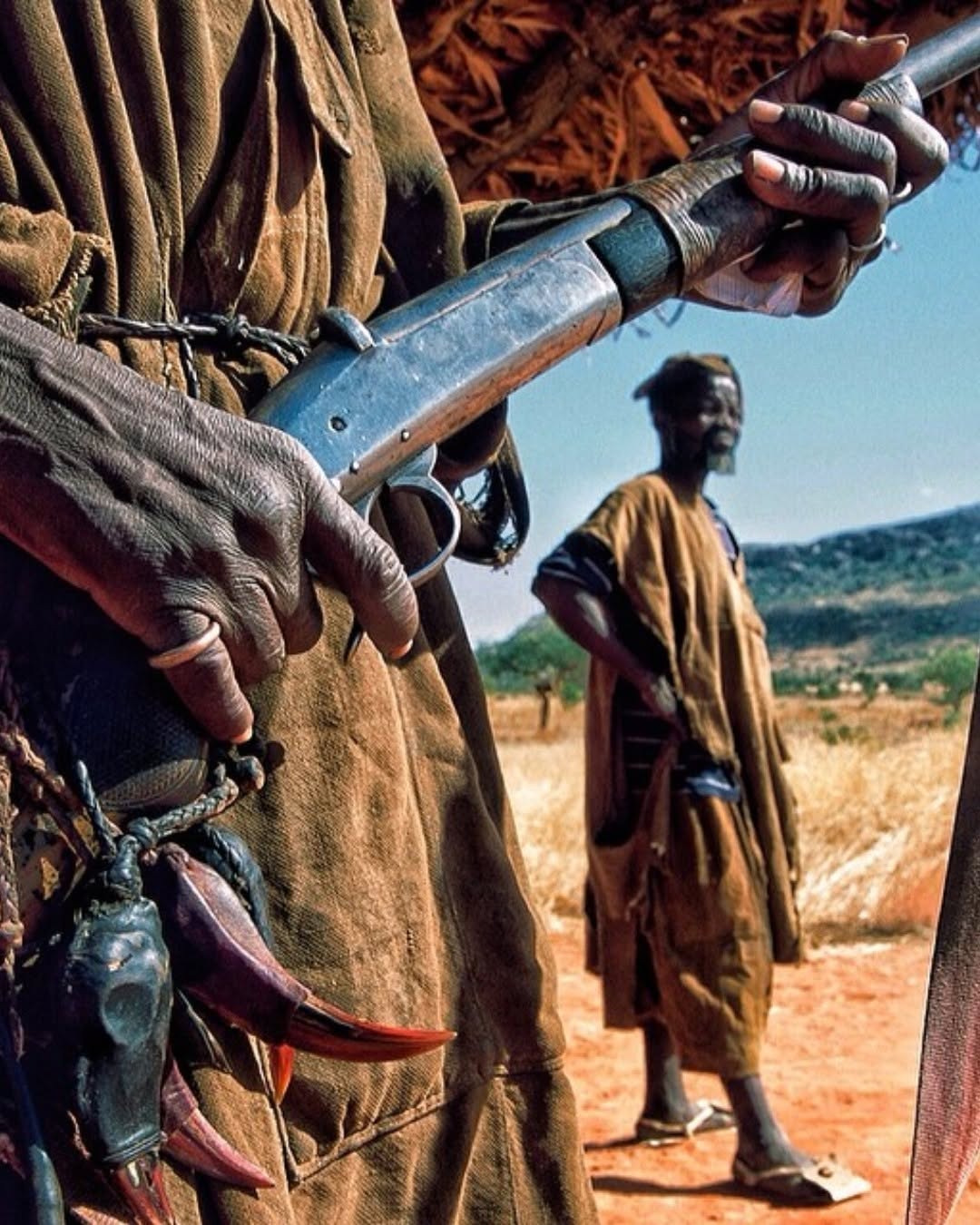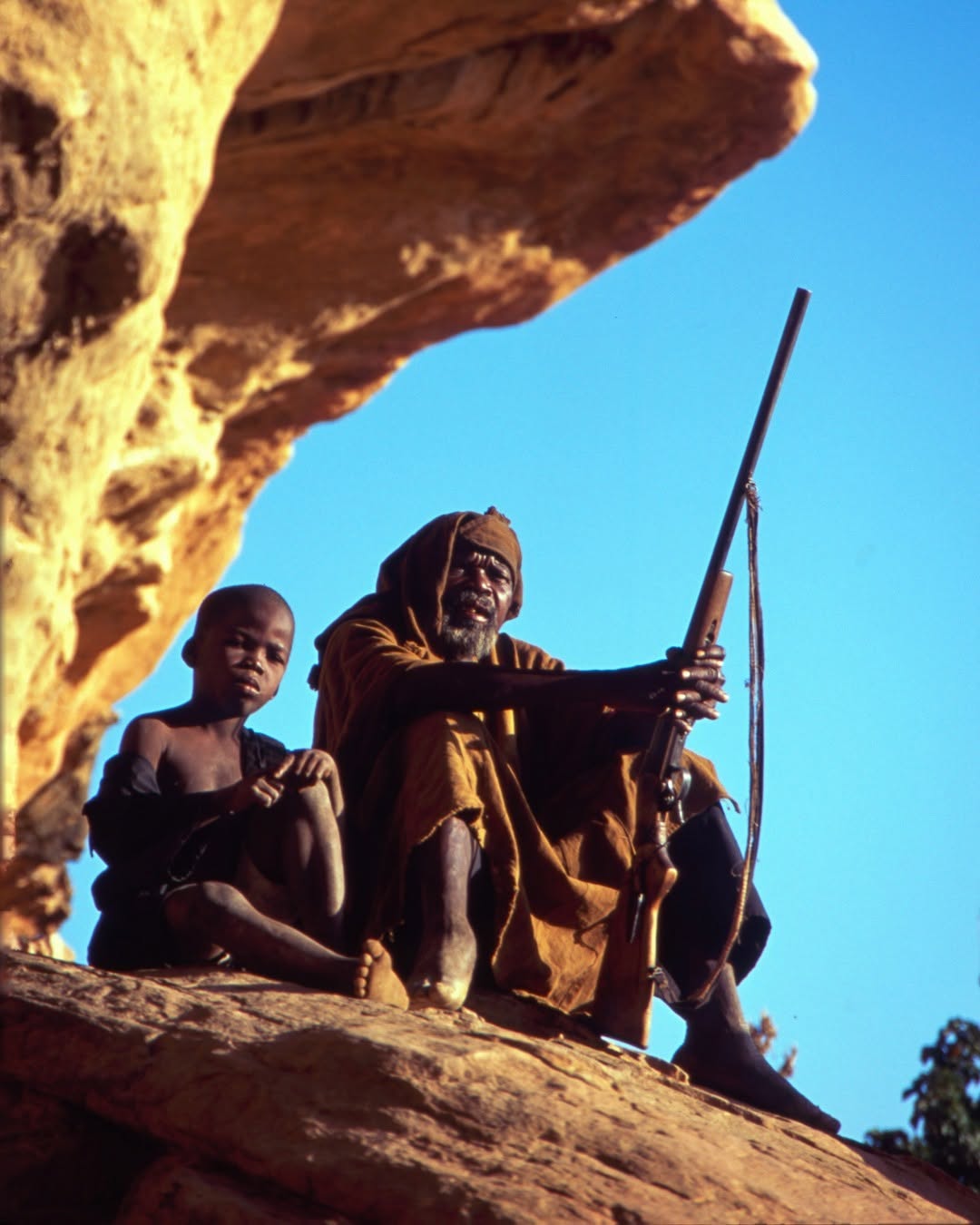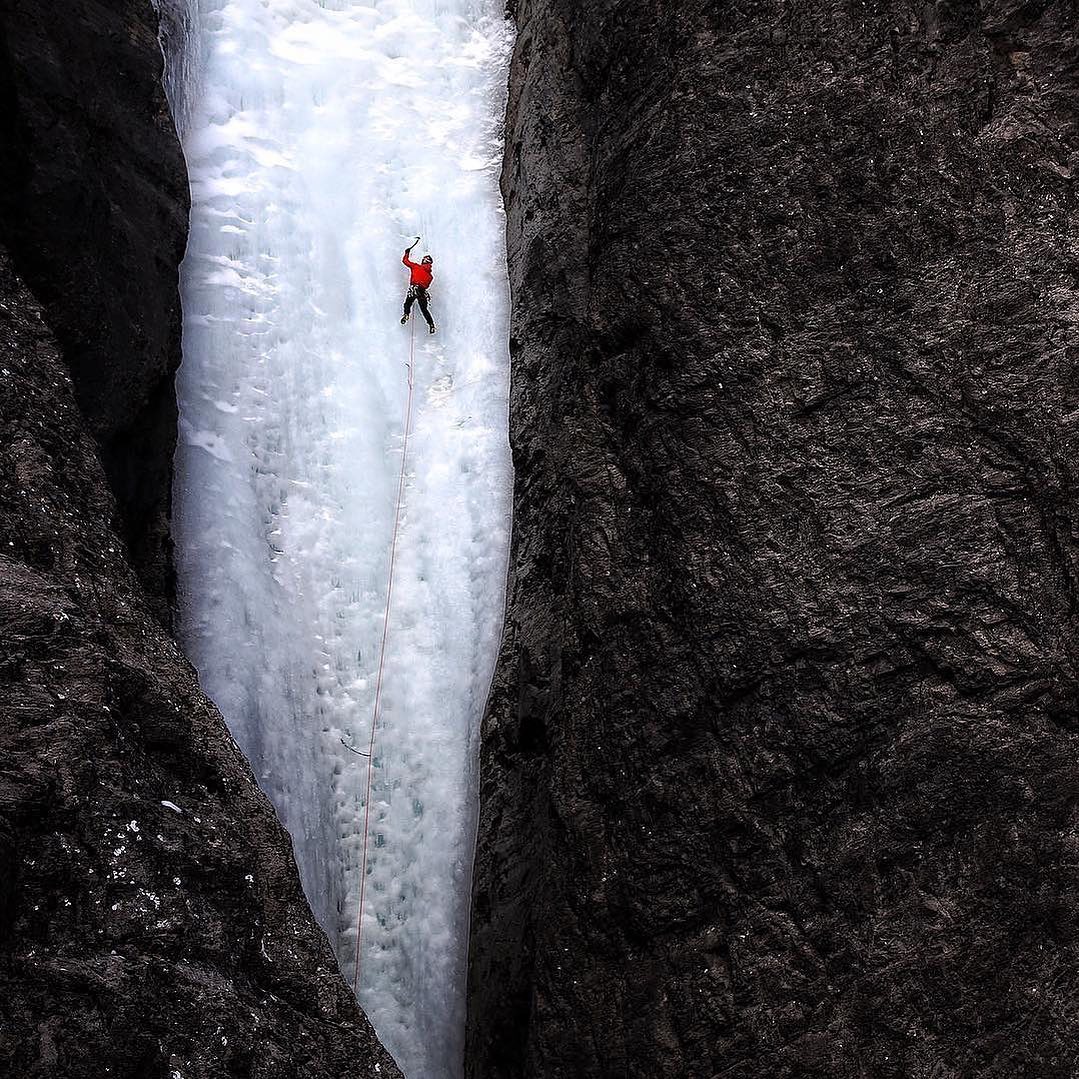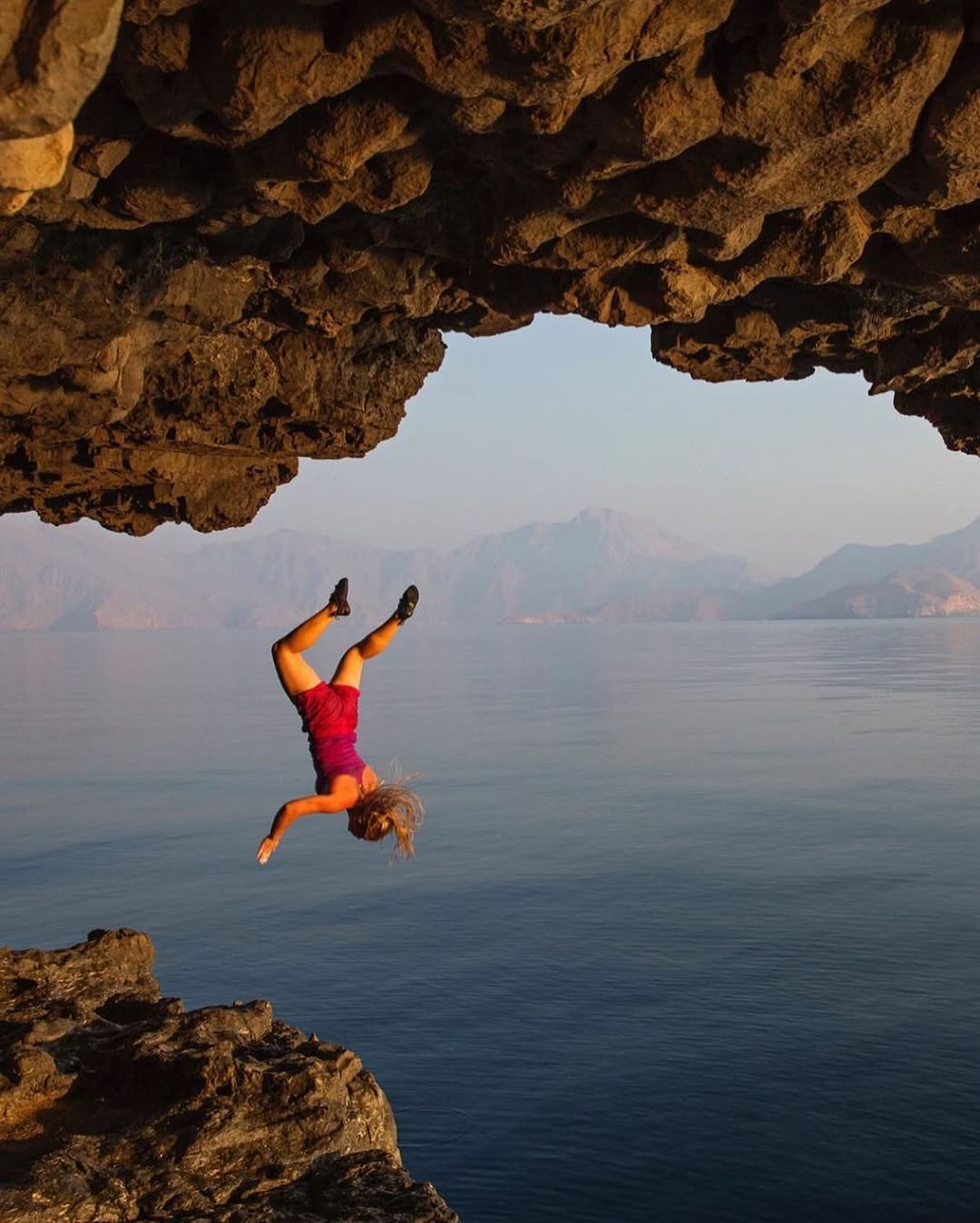
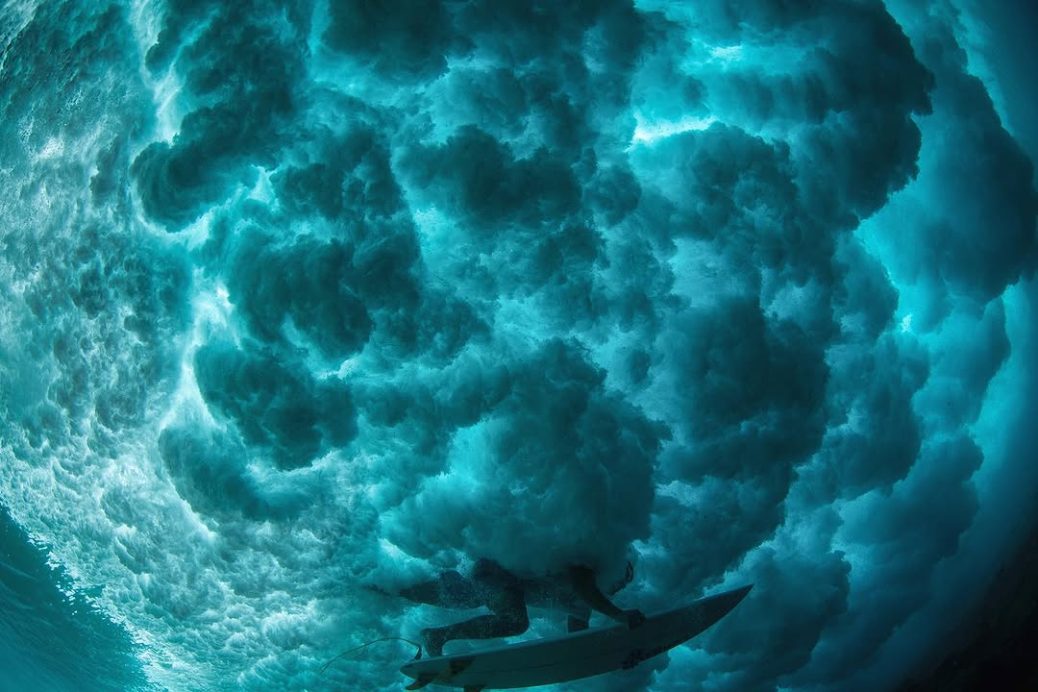
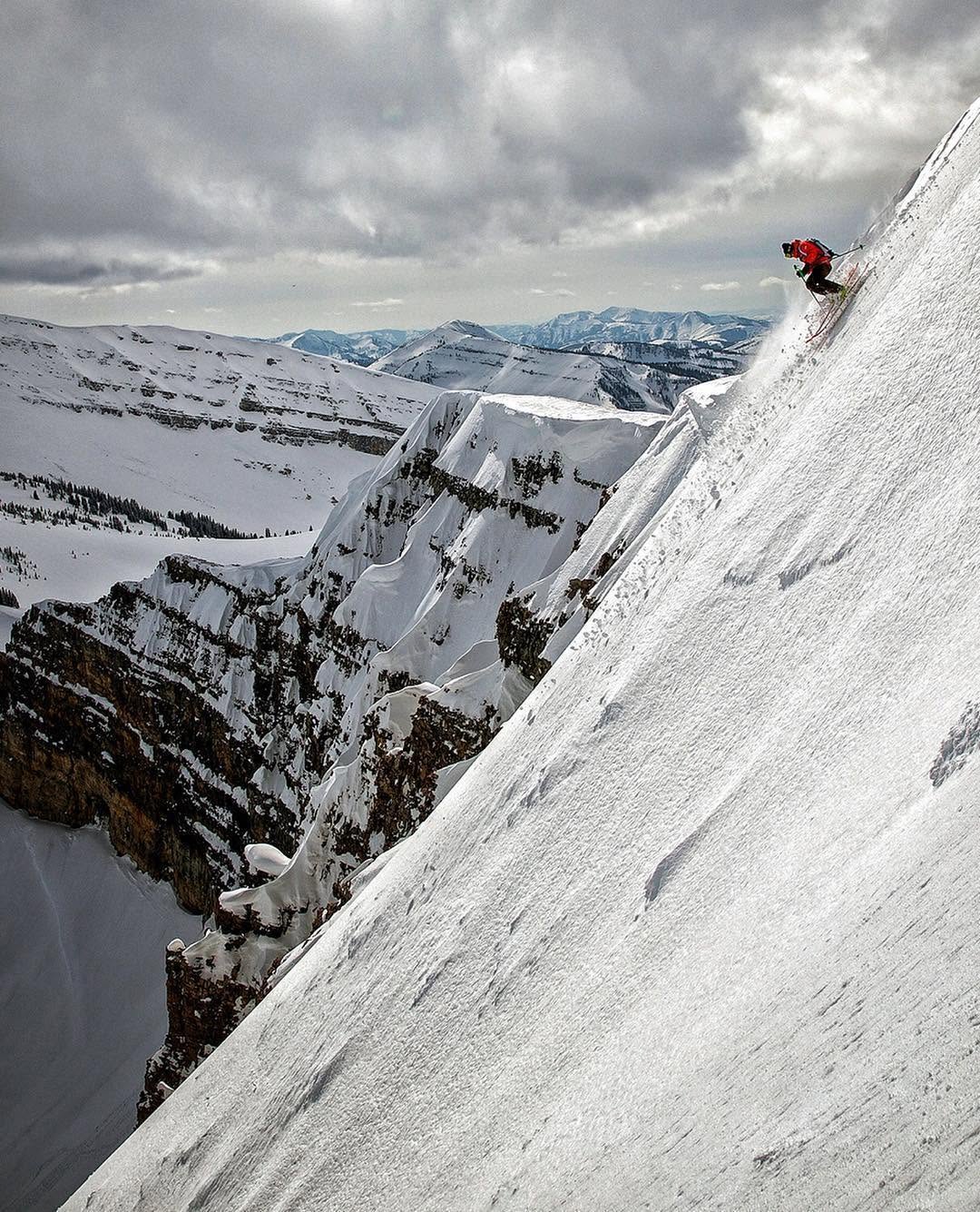
Born in 1973 in Mankato, Minnesota, Jimmy Chin became a professional photographer in his 20s after graduating from Carleton College. Over the past 25 years, he has carved out a unique career that merges elite climbing with documentary photography, covering expeditions on Everest and directing the Oscar-winning film Free Solo (2018). Chin is known for his dynamic, high-contrast images that capture athletes and climbers mid-ascent against nature’s vast backdrops. His style blends adventure and documentary photography, often shot in extreme weather conditions, with compositions that highlight both the human struggle and the immensity of the natural world.
- Primary Genres: Adventure Photography, Expedition Photography, Landscape Photography, Nature Photography
- Primary Photography Style: Documentary (rugged, authentic storytelling of real events), Maximalism (high-contrast, dynamic frames filled with detail and motion).
- Key Message: His photographs highlight the balance between vulnerability and strength, showing what it means to push limits in the harshest conditions on Earth.
Jimmy Chin’s photographs typically focus on climbers, mountaineers, and explorers facing the raw elements of mountains, ice, and rock. His frames often include climbers suspended mid-pitch, storm clouds curling over peaks, or the interplay of ropes and gear against a backdrop of cliffs. He gravitates toward icy blues, rocky greys, and fiery sunset tones, using natural light—especially dawn and dusk—to heighten drama. Instead of artificial lighting, he relies on fast shutter speeds (around 1/1000s) to freeze motion and keep detail sharp in dangerous environments. His aesthetic is defined by contrast and texture, with faces marked by grit and gear catching the alpine glow.
Chin shoots primarily with digital cameras, such as the Canon EOS-1D X, paired with wide-angle lenses (16–35mm) to emphasise scale and space. His shooting style is often handheld due to the physical demands of climbing, requiring technical mastery and speed under pressure. Post-processing is done in Adobe Lightroom, where he boosts vibrancy, deepens blacks, and increases contrast to intensify the visceral feel of his imagery. His editing approach prioritises realism with an edge of drama, avoiding glossy finishes in favour of authenticity. His work is widely published in outlets like National Geographic and Outside, and his large-format prints (up to 40×60 inches) bring the grandeur of his subjects into galleries.
For intermediate learners, Chin’s photography demonstrates how to combine storytelling with technical execution under real-world constraints. Unlike studio photographers, he cannot control lighting or conditions; instead, he adapts his exposure, composition, and timing to extreme environments. This offers an important lesson in flexibility and improvisation. His work also highlights the value of wide lenses for environmental storytelling, the role of natural light as a dramatic force, and the discipline of careful editing to balance colour and mood.
- Accolades:
- Academy Award for Best Documentary (Free Solo, 2019)
- National Geographic Explorer recognition
- Emmy Award for Outstanding Documentary (Free Solo, 2019)
- Partnerships with Patagonia and The North Face
- Trivia:
- Survived several near-death experiences on Everest and other peaks.
- Co-directed Meru (2015), documenting his own climb of the Shark’s Fin on Mount Meru.
- Lives in Jackson Hole, Wyoming, where he balances life as a father, climber, and filmmaker.
- Drinks coffee at altitude to keep morale high on expeditions.
Lessons from this Photographer:
Jimmy Chin teaches us that photography can be as much about endurance as creativity. His work shows how embracing natural light and unpredictable weather can lead to powerful images, and how technical skill under pressure can elevate storytelling. Photographers can learn from his ability to capture both the scale of landscapes and the intimacy of human struggle within them. The key lesson: preparation, adaptability, and respect for your environment are as critical as the camera in your hands.
Website and Instagram:
- Website: https://jimmychin.com/
- Instagram: https://www.instagram.com/jimmychin/
- Website: https://jimmychin.com/
YouTube References:
- “On the Mountain with Jimmy Chin in Jackson, Wyoming” by – https://www.youtube.com/watch?v=3381PmLaxJA
Citations:
- Photographer’s Official Website: https://jimmychin.com/
- Instagram: https://www.instagram.com/jimmychin/
- National Geographic Interview with Jimmy Chin, 2018 – https://www.nationalgeographic.com/adventure/article/interview-photographer-climber-jimmy-chin-master-art-of-chill
- Academy Awards coverage of Free Solo, 2019