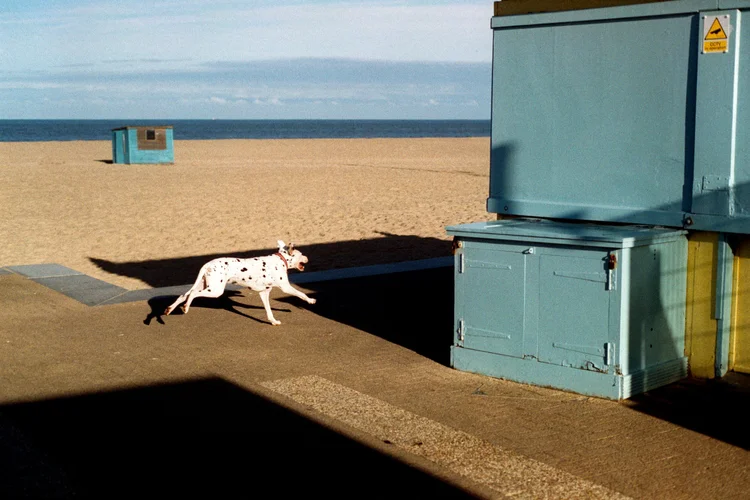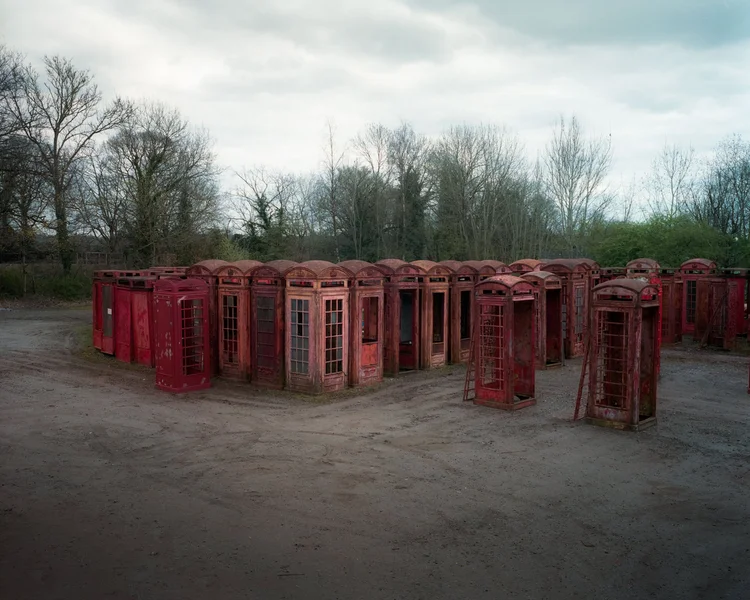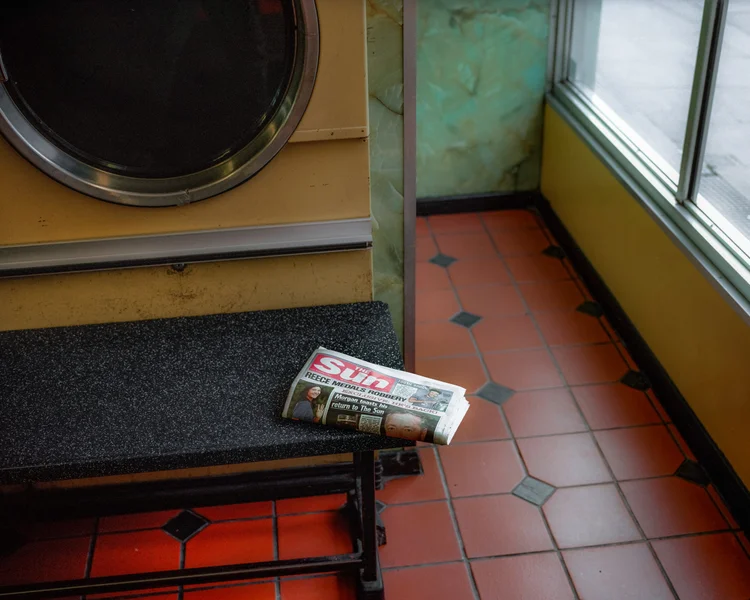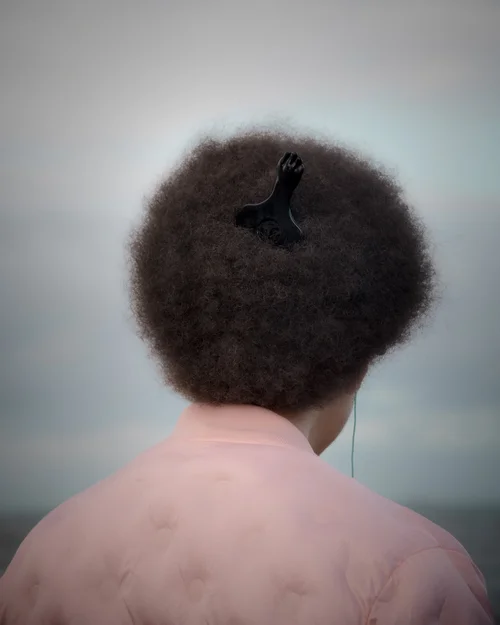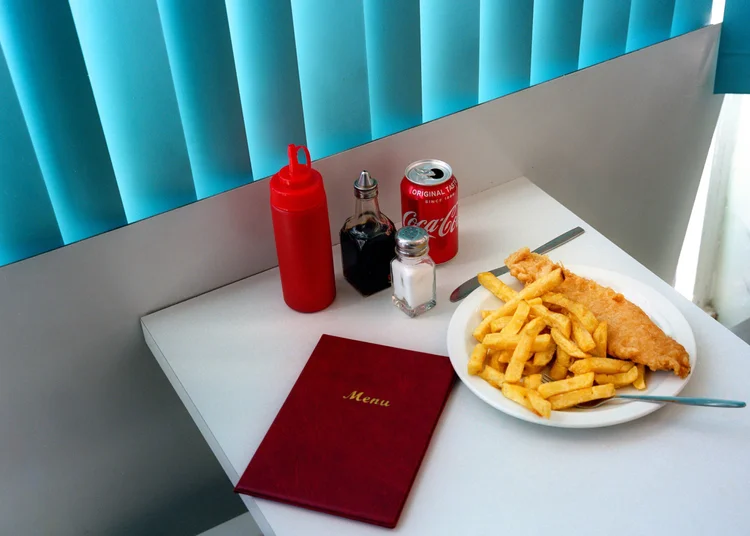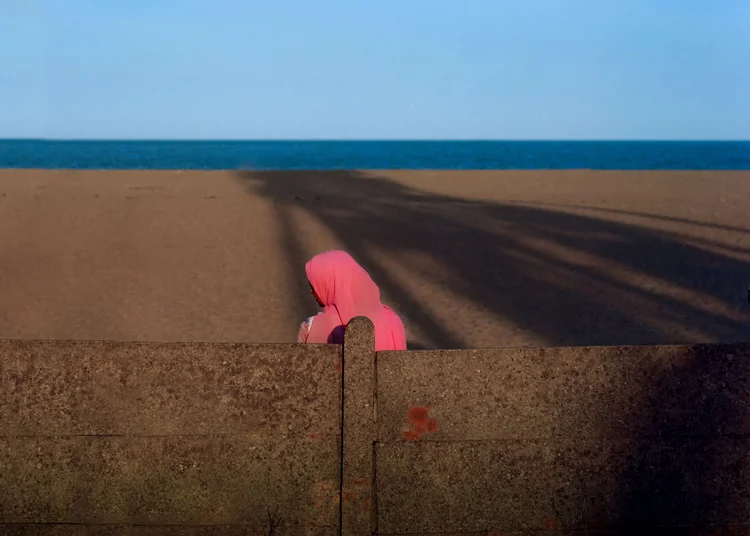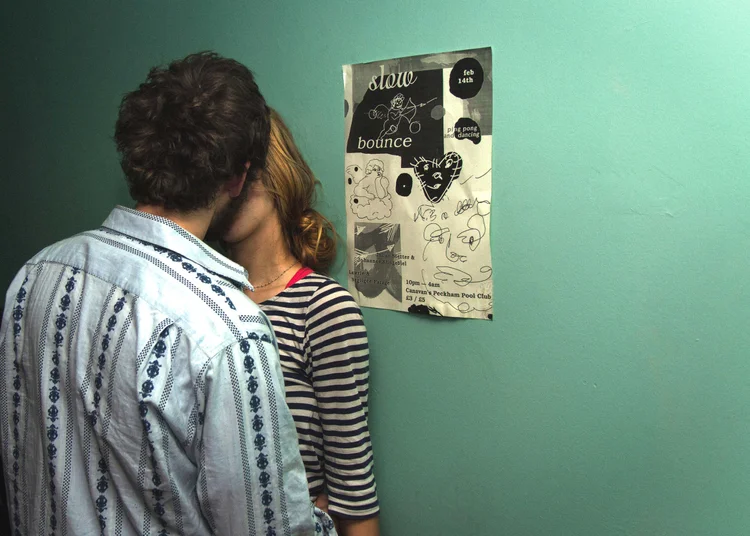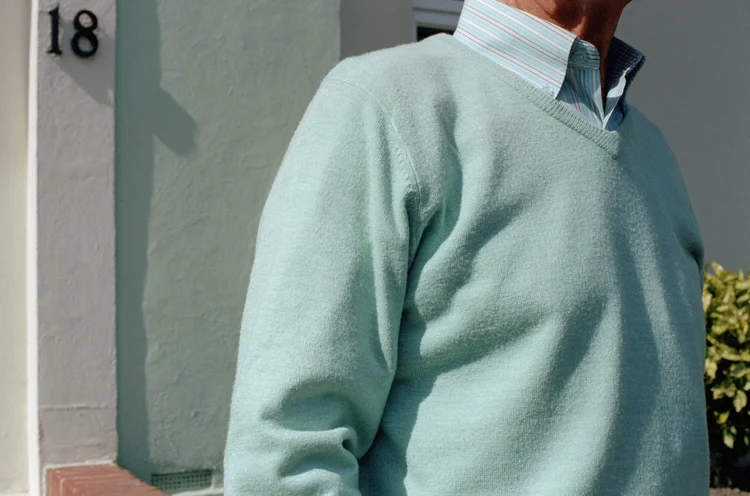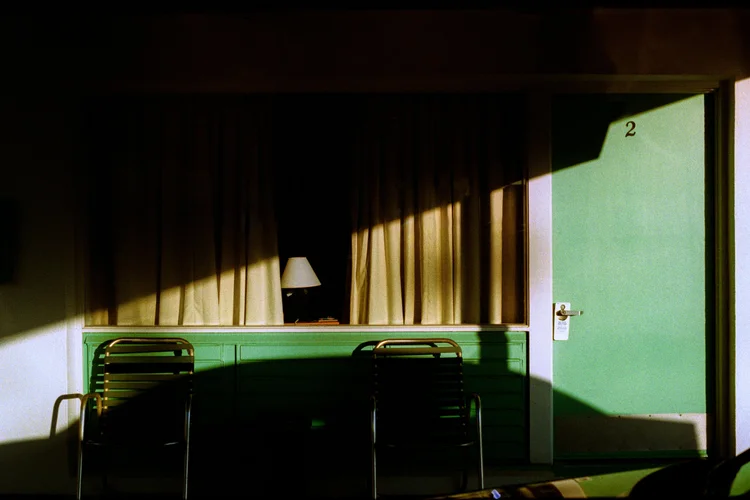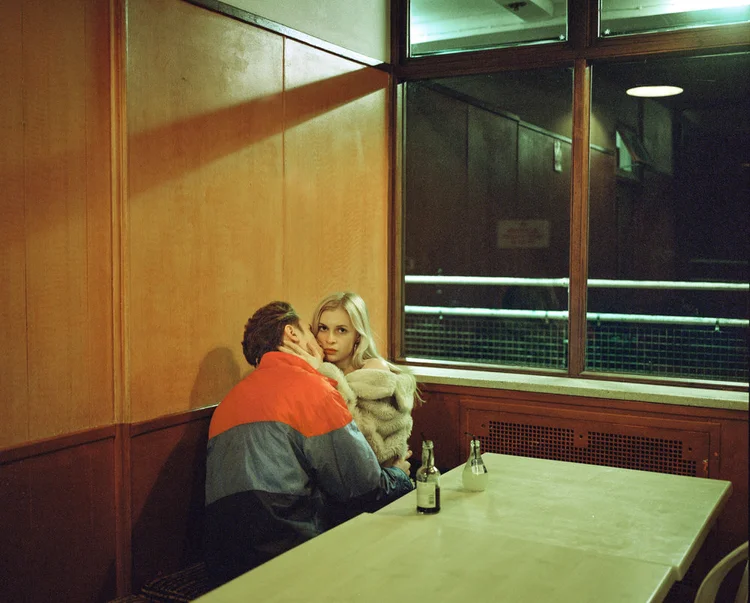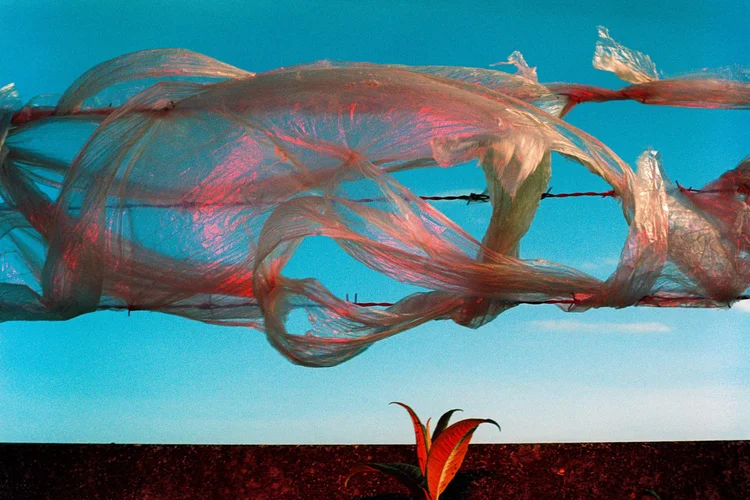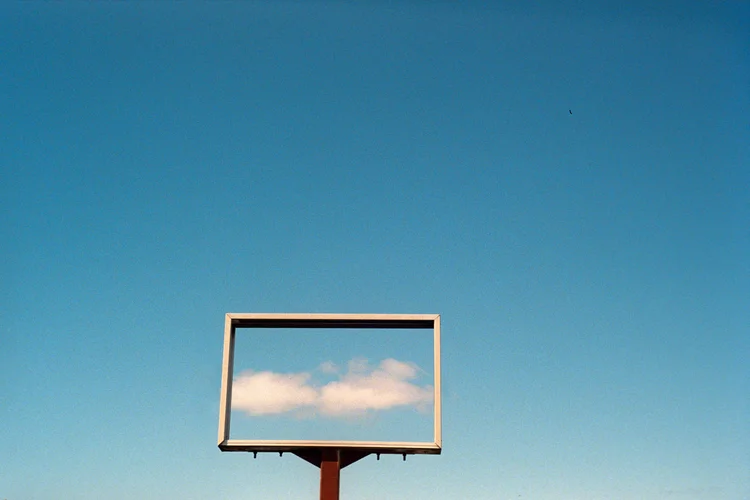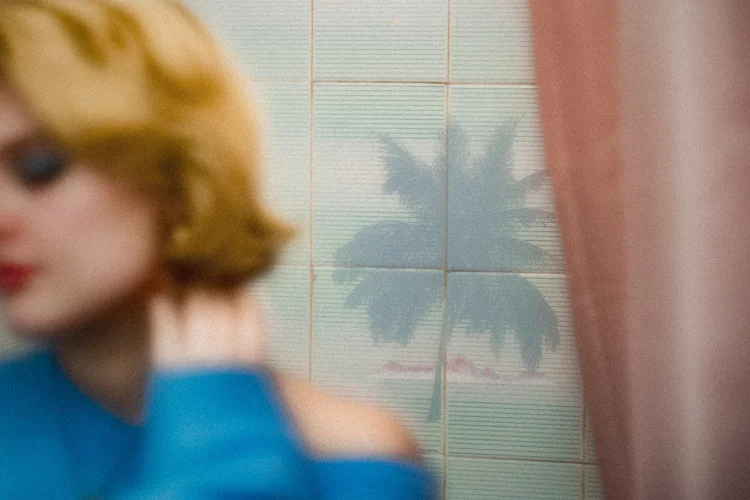
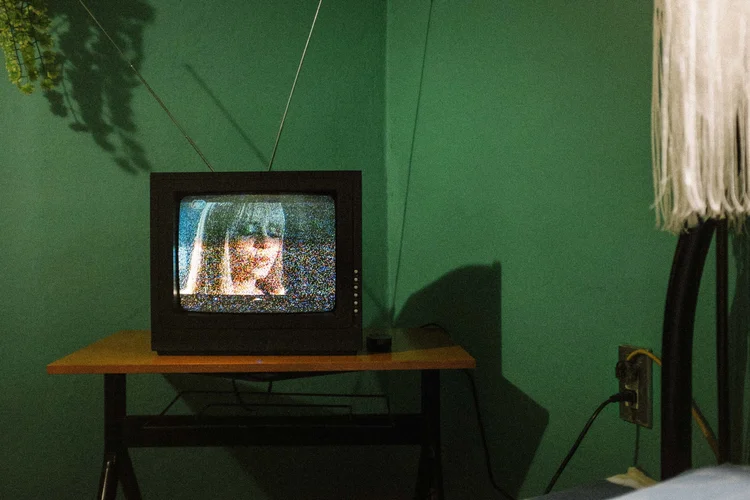
Ian Howorth was born in Peru to a British father and Peruvian mother, and lived in several countries during his early childhood before settling in Brighton, UK, around age 16. His photographic work evolved gradually—not from formal study alone but through years of observing places, travelling, and working in video before embracing photography in earnest. Key milestones include his first monograph Arcadia (2019) and A Country Kind of Silence (2023), both published by Setanta Books. Visually, Howorth’s imagery is characterised by subtle nostalgia—faded pastels, pastel facades, seaside corners, and everyday interiors—and a strong sense of stillness and quiet in scenes that might otherwise be overlooked. His style often uses analogue or film-influenced aesthetics, with careful attention to colour, light, and what might be called ‘mood over moment’.
- Primary Genres: Documentary, Fine Art, Travel (especially landscapes of “ordinary” England)
- Primary Photography Style: Analogue / Film-inflected colour photography, Straight/Observational.
- Key Message: His images suggest that belonging is not only about being where one is from, but also noticing what one sees and feels around them.
Ian Howorth’s most frequent subjects are those overlooked scenes of England: quiet corners of homes, pastel shop fronts, fading seaside towns, overgrown spaces, empty tables, anonymous interiors. He often photographs what people might call mundane, but under his gaze these everyday details—worn bench, peeling paint, a solitary car—become carriers of memory and mood. The aesthetic is one of restraint: soft light (often diffused or overcast), colour that feels softened rather than saturated, and compositions that allow negative space and silence to breathe. Lighting plays a key role—natural light is preferred, film light or soft ambient light enhancing texture and shadow, creating atmosphere rather than drama.
In terms of technique, Howorth works increasingly with analogue film or uses digital to emulate film’s qualities; his work shows influence from colour masters of the 1970s-80s, e.g. Eggleston, Stephen Shore, etc. He does less staging and more gathering of scenes, though in some portraits or particular pieces he may guide or compose more deliberately. Editing tends toward lowering contrast, choosing muted palettes, letting highlights and shadows be gentle rather than harsh. Presentation is often through monographs—books like Arcadia and A Country Kind of Silence—which allow bodies of work to breathe, letting recurring motifs, visual echoes and themes of belonging accumulate over many images rather than in single striking shots.
For intermediate photographers, Howorth’s style offers lessons in using colour and light not just to show what something is, but to evoke how it feels. Using film or film-emulation can really help slow the process—forcing you to think more before pressing the shutter. Also, shooting the ordinary: practising seeing texture, decay, light in mundane places, and being comfortable with ‘less’ in the frame. The power is often in the quiet, the empty, and what lingers rather than what’s obvious.
- Accolades:
- Published monographs: Arcadia (2019), A Country Kind of Silence (2023) with Setanta Books.
- Featured in major photographic reviews and journals (Lenscratch, Independent Photo, C41 Magazine) analysing his themes of identity, place, and subtle scenes.
- Recognition amongst contemporary fine art/documentary photography circles for his work’s emotional moods and nostalgic colour treatment. (While not all formal awards are listed in sources, his work is widely discussed and admired.)
- Trivia:
- He lived in nine different homes across three countries in childhood before settling permanently in England.
- His shift toward film was sparked by a borrowed Olympus OM-1 before a trip to Peru.
- He often revisits themes of “belonging” and “identity” not just as personal biographical content but in how places change, how things are left behind.
- His visual influences include colour photographers of past decades (Eggleston, Shore) and a cinematic sense of light, space, and mood
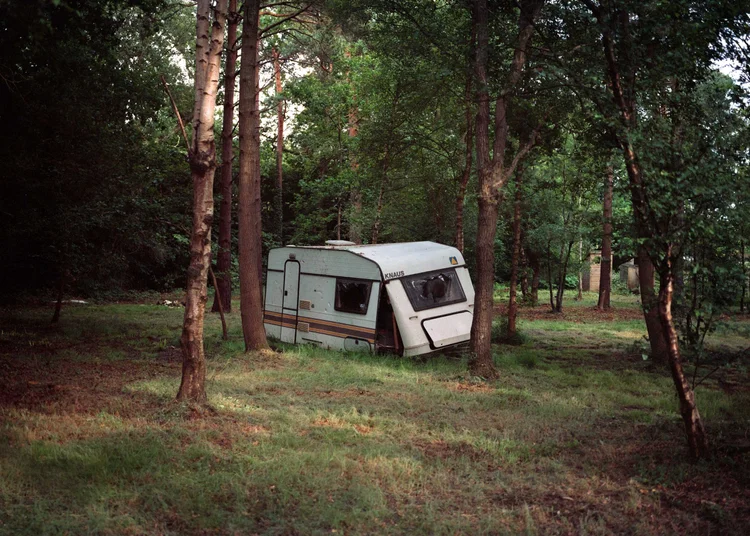
Lessons from this Photographer:
Be patient and intentional – Whether working on film or curating a body of work for a book, taking time to compose, wait for light, or return to places teaches you about mood, tone, texture. See the beauty in the ordinary – by directing attention to what many overlook (fading facades, quiet rooms, sea air), you can build a visual voice that feels personal and resonant.
Website and Portfolio:
- Website: https://www.ihoworth.com about photography+1
- Instagram: https://www.instagram.com/ihoworth
YouTube References:
- The Nostalgic Film Photography of Ian Howorth – YouTube video about his nostalgia-inflected style – https://www.youtube.com/watch?v=pgKQ7yXCXxg
Citations:
- AboutPhotography Blog: Ian Howorth: Capturing Silence and Identity – https://aboutphotography.blog/blog/ian-howorth-a-country-kind-of-silence
- Lenscratch: Ian Howorth: A Country Kind of Silence – http://lenscratch.com/2024/01/ian-howorth-a-country-kind-of-silence/
- Independent Photo: Ian Howorth – A Country Kind of Silence review – http://lenscratch.com/2024/01/ian-howorth-a-country-kind-of-silence/#:~:text=Howorth%20does%20an%20masterful%20job,of%20images%20to%20speak%20profoundly.
- C41 Magazine: Ian Howorth between cultural meanings and ideal places – https://www.c41magazine.com/ian-howorth-arcadia-c41magazine-photography/
- Classics Magazine: Interview “Classics Talk – Ian Howorth – https://classics-magazine.com/blogs/interviews/classics-talk-ian-howorth?srsltid=AfmBOorUhR68Omu9lcOsLcWnSc3__K41a41aBmPDfr9N4GjvsiGyPlde