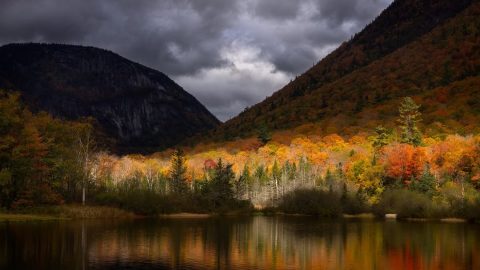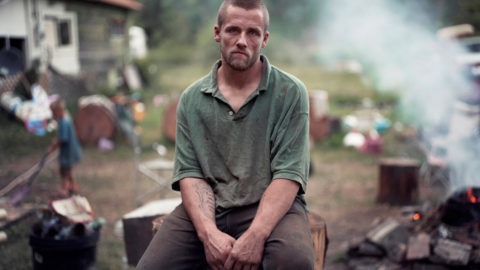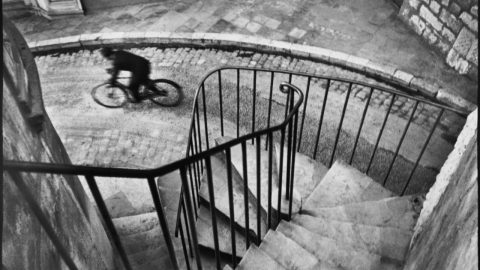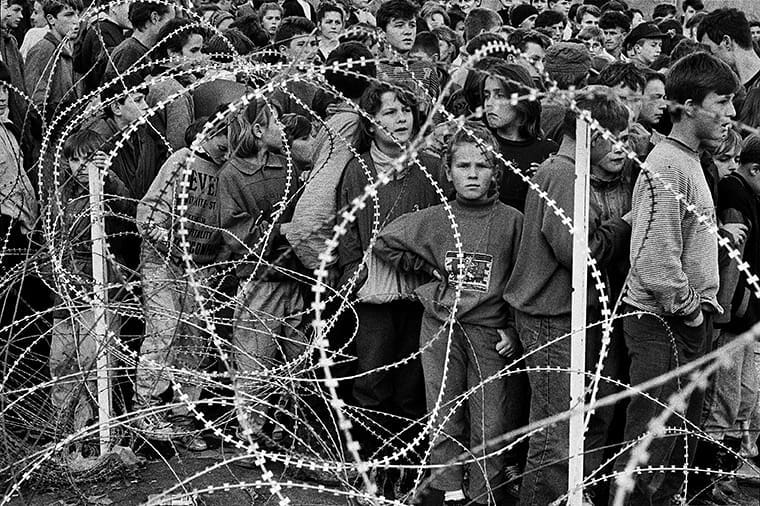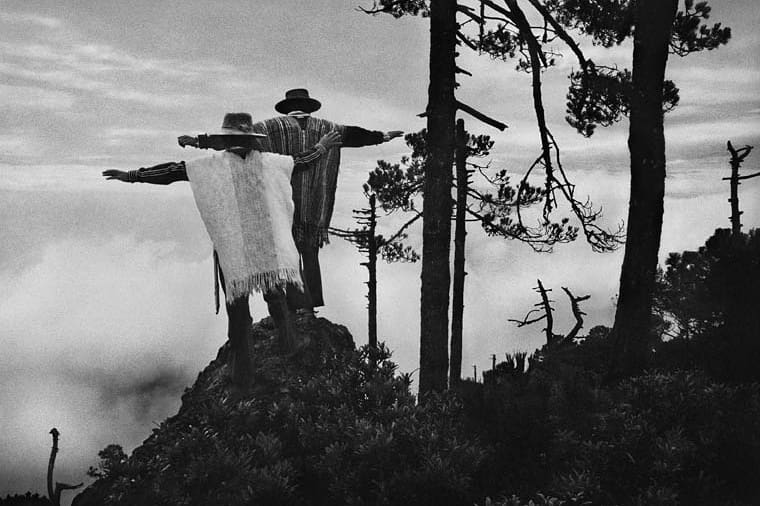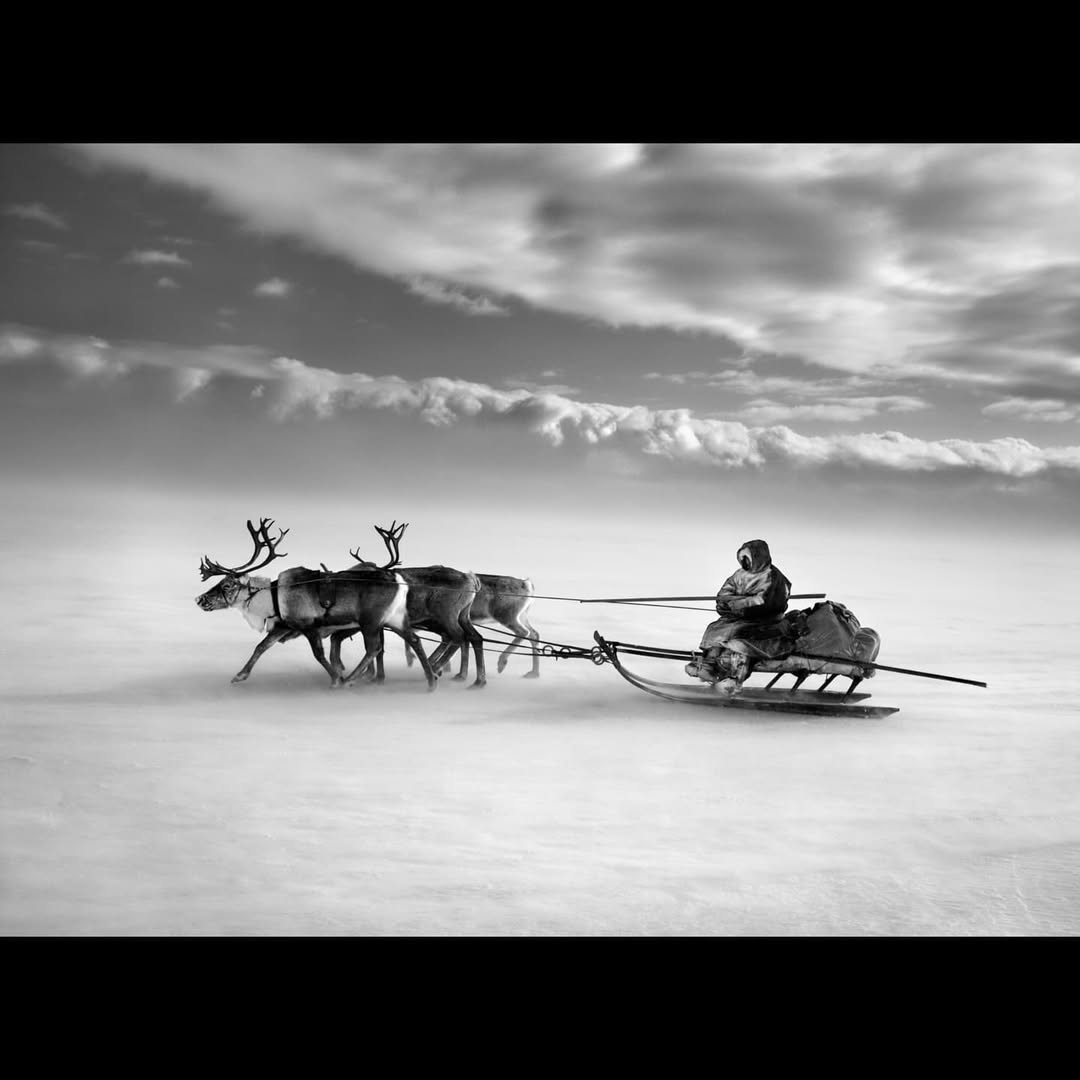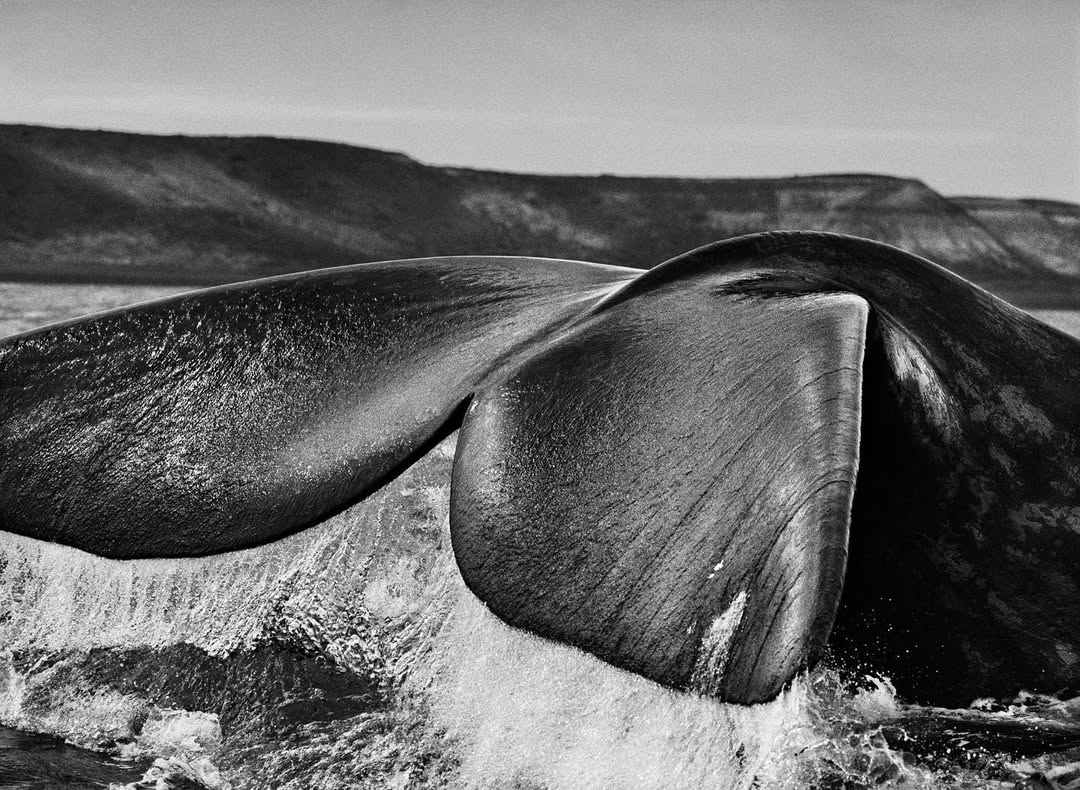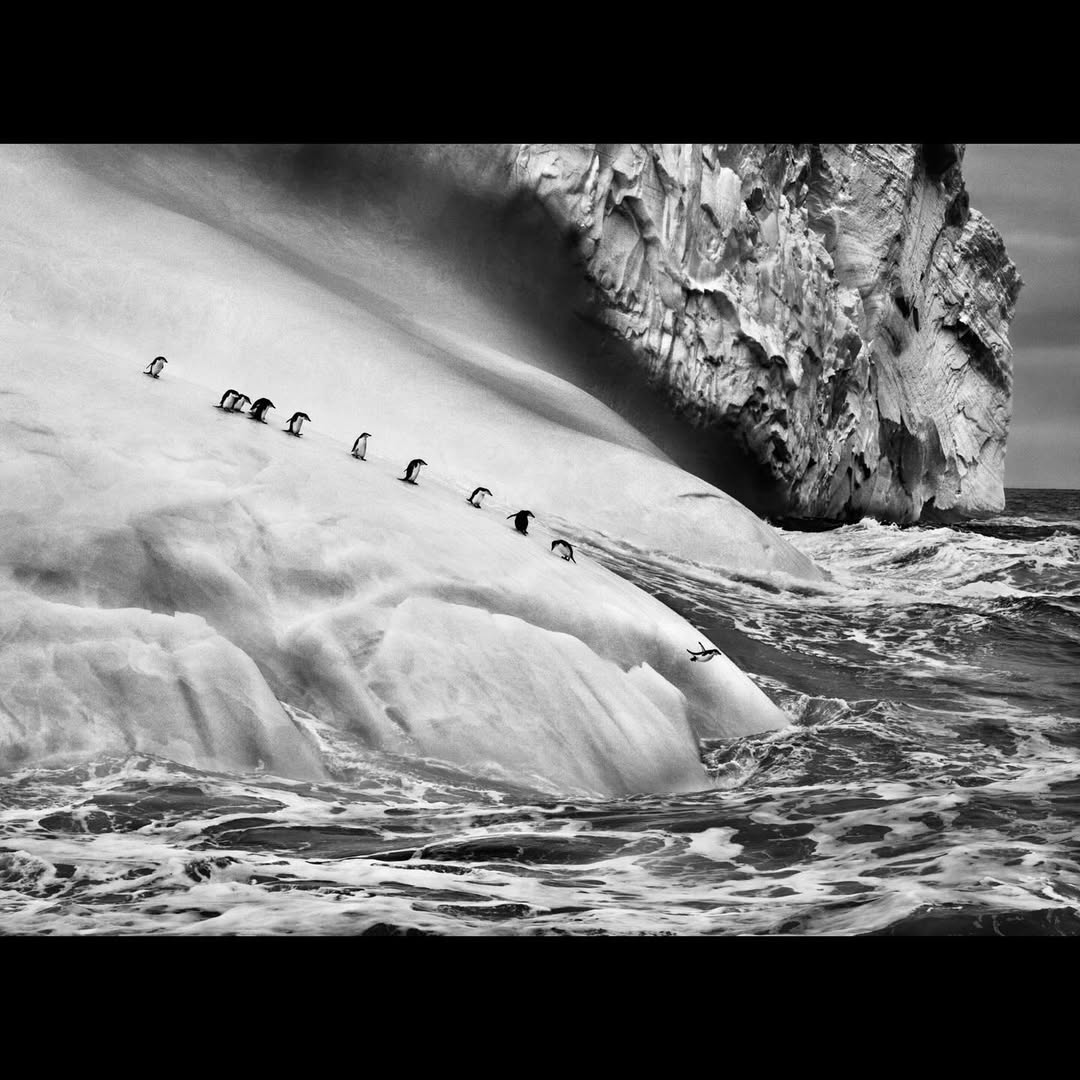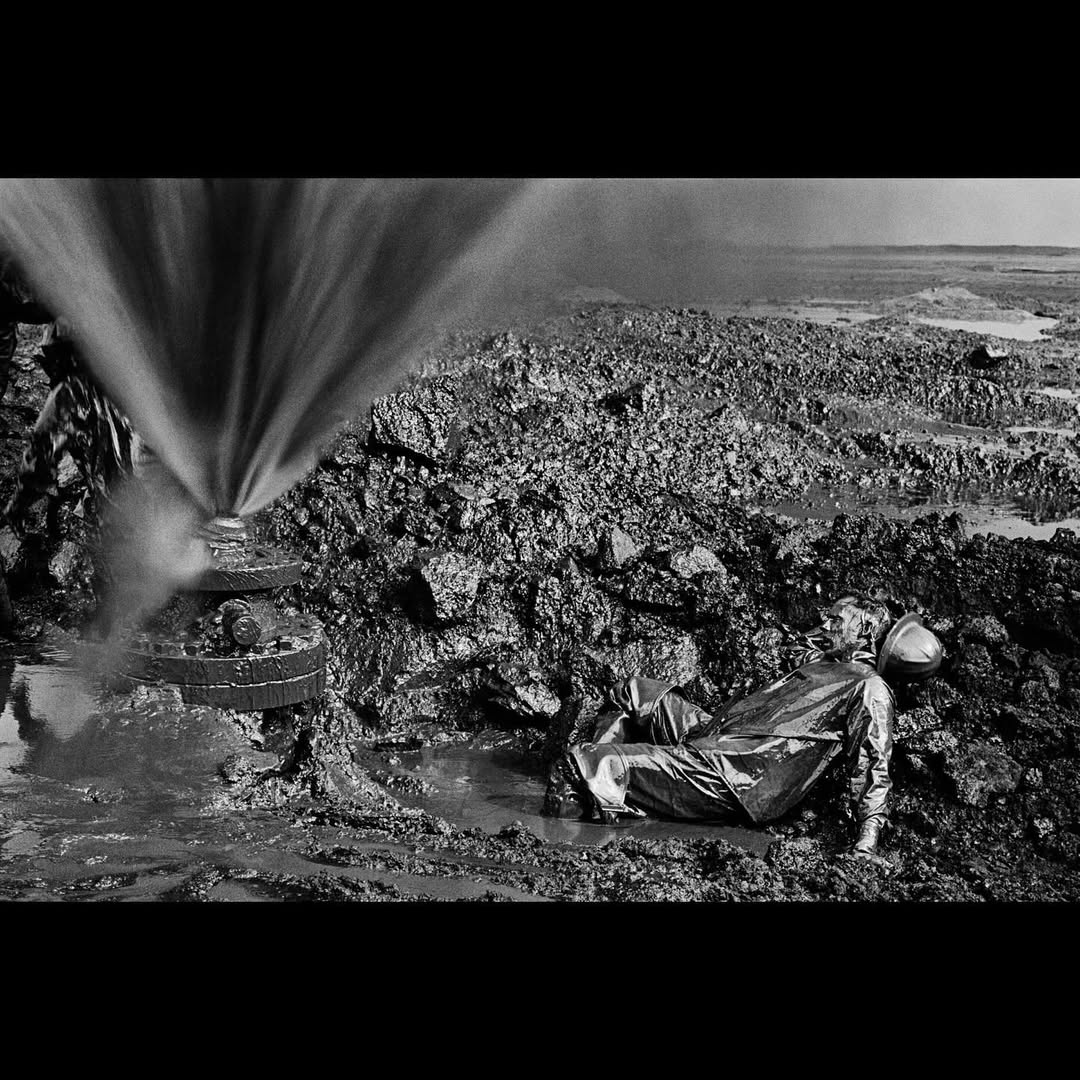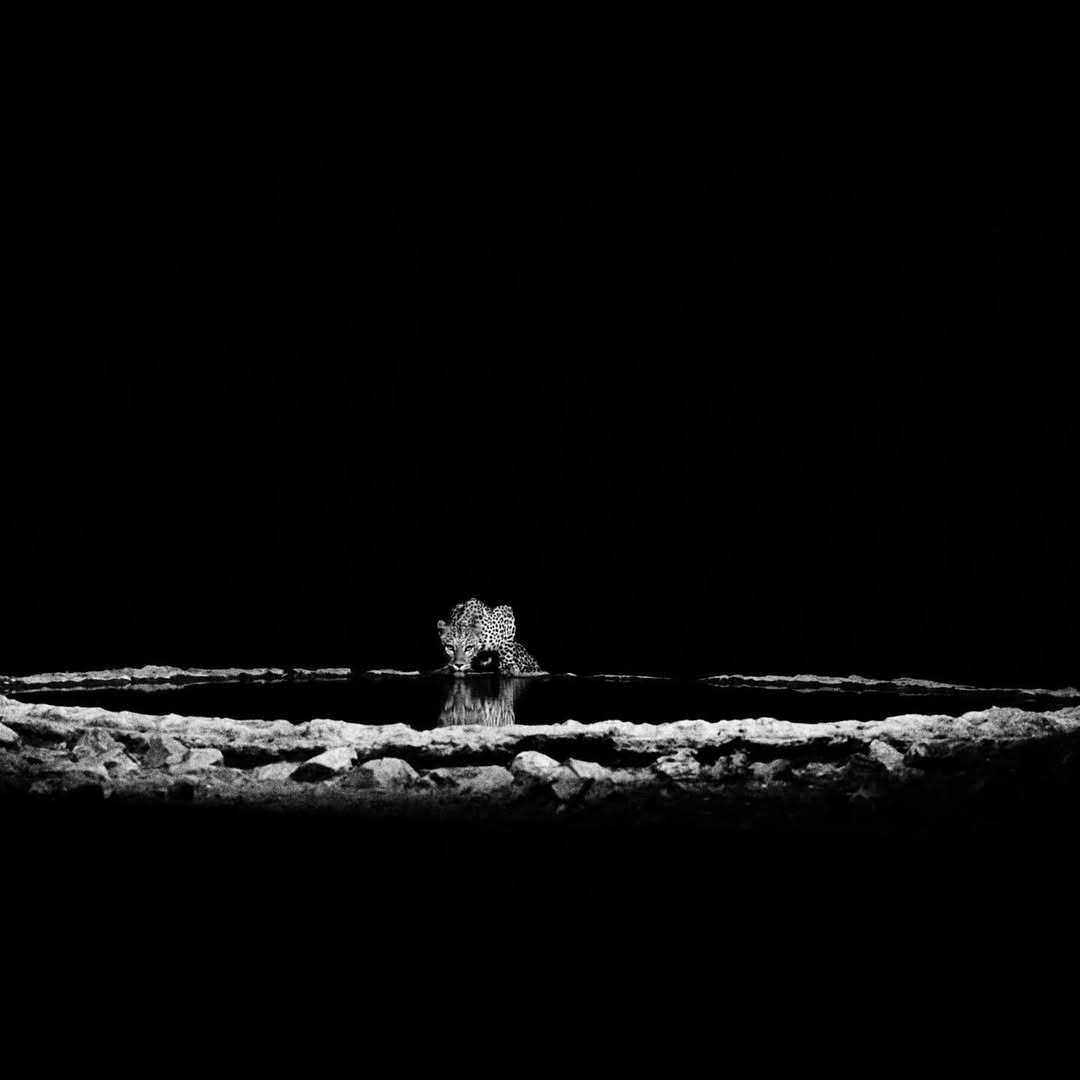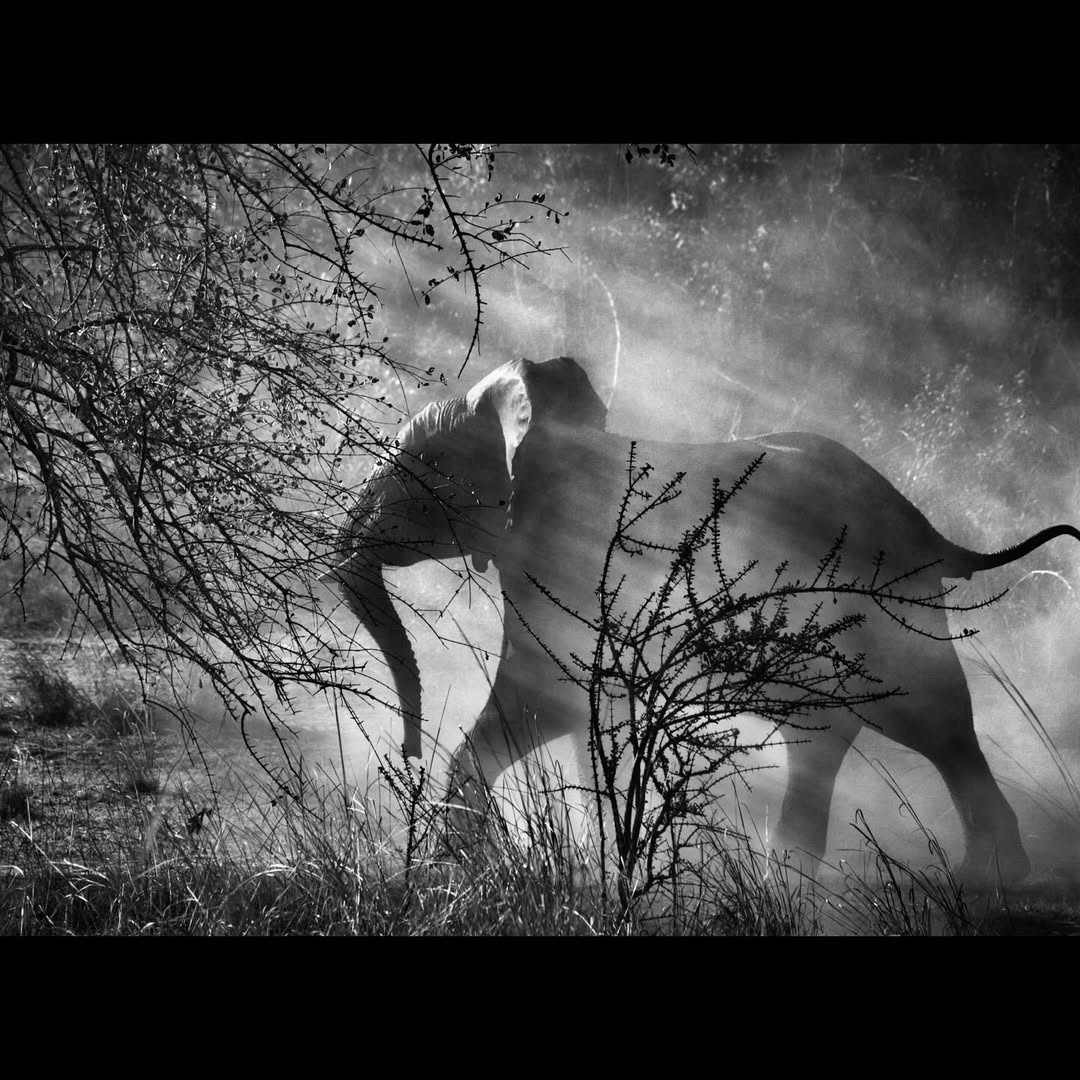
We write this article as a tribute to the late, iconic photographer Sebastião Salgado, born in 1944 in Aimorés, Brazil. He had begun his career as an economist before switching to photography in his 30s. He had joined prestigious agencies like Sygma and Gamma, then Magnum Photos in 1979, where he honed his craft. His major works—Workers (1993), Migrations (2000), and Genesis (2013)—showcased his focus on human struggles and nature’s beauty. Known for his black and white imagery, Salgado used high contrast and rich textures to bring depth and emotion to his subjects.
- Primary Genres: Documentary Photography, Photojournalism
- Primary Photography Style: Straight Photography (black and white, high contrast: stark blacks and whites for emotional impact), Expressionism (social and majestic: evoked empathy through dramatic compositions)
- Key Message: Salgado’s photography raised awareness of social and environmental issues, blending human suffering with natural beauty to inspire reflection and empathy.
Salgado’s lens often focused on workers, displaced communities, indigenous peoples, and untouched landscapes. His signature aesthetic—stark black and white with high contrast—highlighted deep blacks and bright whites, creating a timeless, emotive feel. Textures like weathered skin or natural patterns were meticulously captured, adding narrative richness.
He used natural light exclusively, often with long exposures, to enhance mood and motion, paired with cameras like the Leica M10 Monochrom and Pentax 645Z. His editing blended traditional darkroom techniques with digital adjustments, producing gelatin silver prints with master printer Pablo Inirio. Salgado’s work shone in large-scale exhibitions at places like MoMA and in books like Genesis, immersing viewers in his stories.
For intermediate photographers, Salgado’s monochrome style was a masterclass in tonal control, similar to the zone system, showing how contrast and texture evoked universal emotions. His long-term projects taught the value of deep subject engagement for authentic storytelling. While he used both film and digital, his traditional printing process underscored the craft of fine art photography—beginners could experiment with digital black and white filters, while intermediates might explore analogue developing to mimic his rich tones.
Accolades:
- Hasselblad Award (1989)
- W. Eugene Smith Memorial Fund Grant (1982)
- Member of the Académie des Beaux-Arts (2016)
Trivia:
- Had travelled to over 120 countries for his projects.
- Had switched from economics to photography in his 30s.
- Had co-founded Instituto Terra, planting over 2 million trees in Brazil.
- His son co-directed The Salt of the Earth, an Oscar-nominated documentary about him.
Lessons from this Photographer:
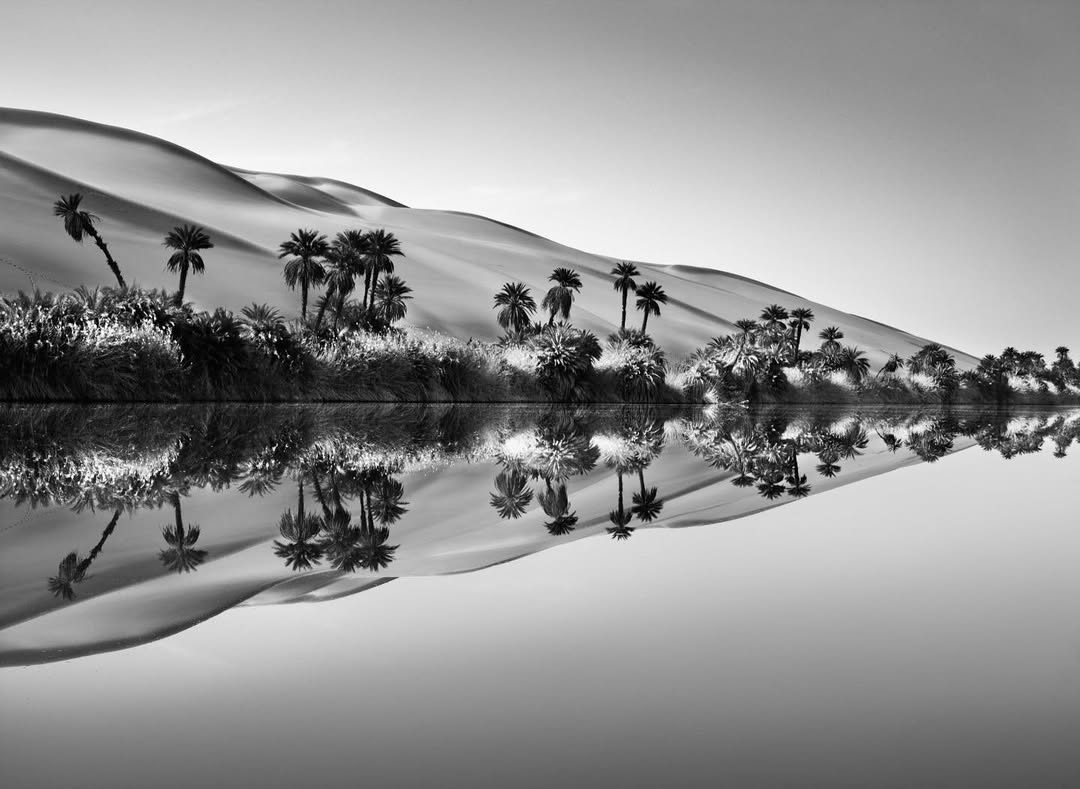
Salgado’s work revealed the power of black and white photography to tell timeless stories. His immersive approach—spending years with subjects—showed how dedication uncovered authentic narratives. Photographers can learn to use scale and context in compositions, manipulate natural light for mood, and experiment with analogue or digital post-processing to enhance contrast. His focus on social and environmental issues encouraged using photography as a voice for change, inspiring deeper appreciation of the craft.
Website and Instagram:
YouTube References:
- The Salt of the Earth: https://www.youtube.com/watch?v=jgd3ZDtx8lg
Citations:
- Sebastião Salgado – Wikipedia: https://en.wikipedia.org/wiki/Sebasti%C3%A3o_Salgado
- International Center of Photography: https://www.icp.org/browse/archive/constituents/sebasti%C3%A3o-salgado
- Britannica: https://www.britannica.com/biography/Sebastiao-Salgado
- TED Talk: https://www.ted.com/talks/sebastiao_salgado_the_silent_drama_of_photography
- YouTube – Sebastião Salgado: The silent drama of photography – https://www.youtube.com/watch?v=qH4GAXXH29s